Ravenna
Ravenna was the capital of the Western Roman Empire in the 400s, of the Ostrogoth Kingdom in the early 500s, and seat of the Exarchate of Ravenna until 751.
-
John VI — Liber pontificalis ecclesiae Ravennatis
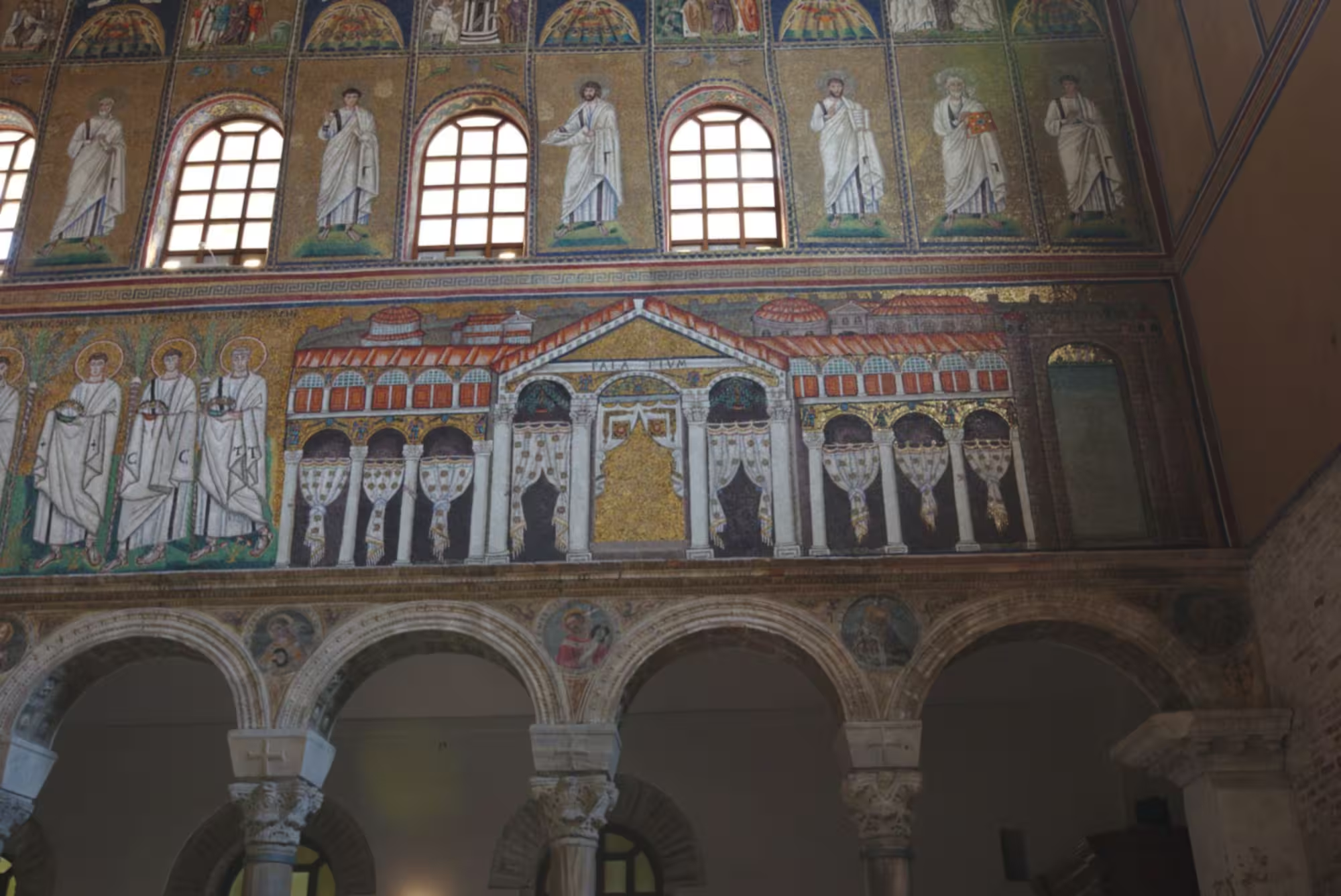
The eventful reign of John VI, bishop of Ravenna (726–744), from the “Liber pontificalis ecclesiae Ravennatis”.
-
Gregory II — Liber Pontificalis
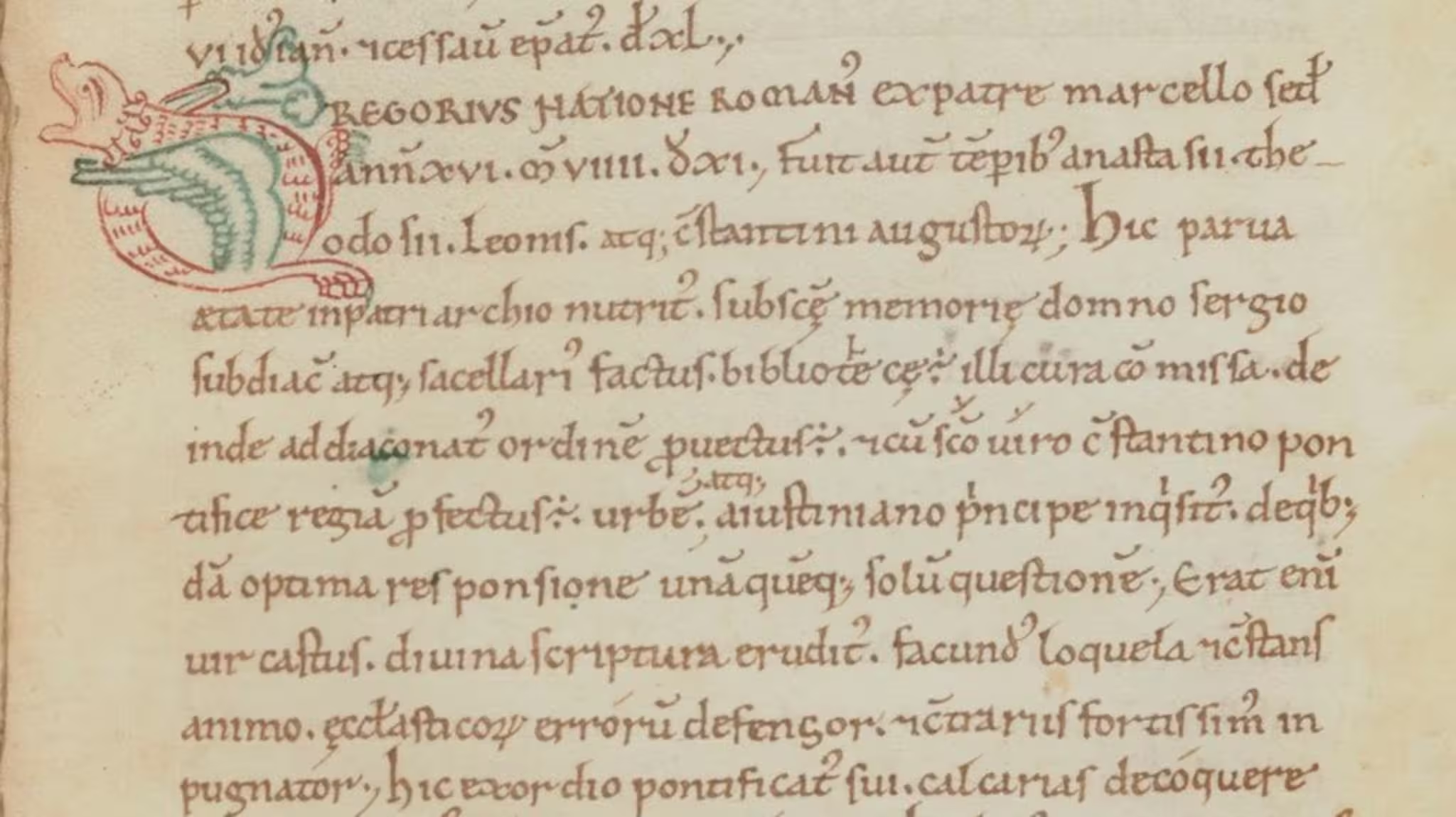
The Liber Pontificalis for Gregory II (715–731), recounts in great detail the conflicts between the Eastern Roman Empire and the Papacy, with repeated attempts at the life of the pope.
-
Iconoclasm — Paul the Deacon
An account of the anti-iconoclast rebellion of 726–727 in Byzantine Italy, from the “Historia Langobardorum” by Paul the Deacon.
-
The Dogado and the first doges
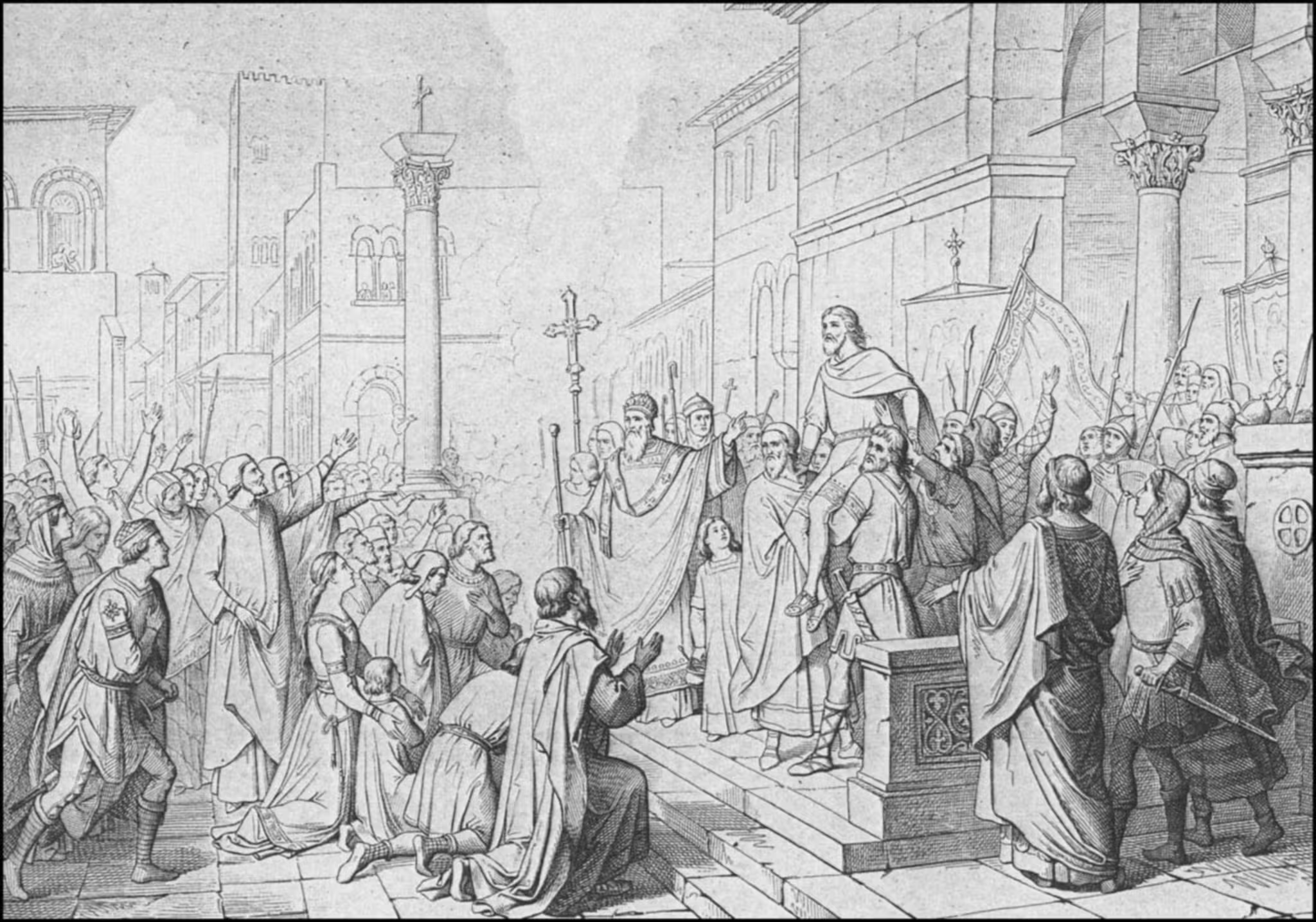
Venice started as a Byzantine duchy, ruled by a “dux”, but at some point, they started choosing their own dux — or doge. When, or even who, is not clear.
-
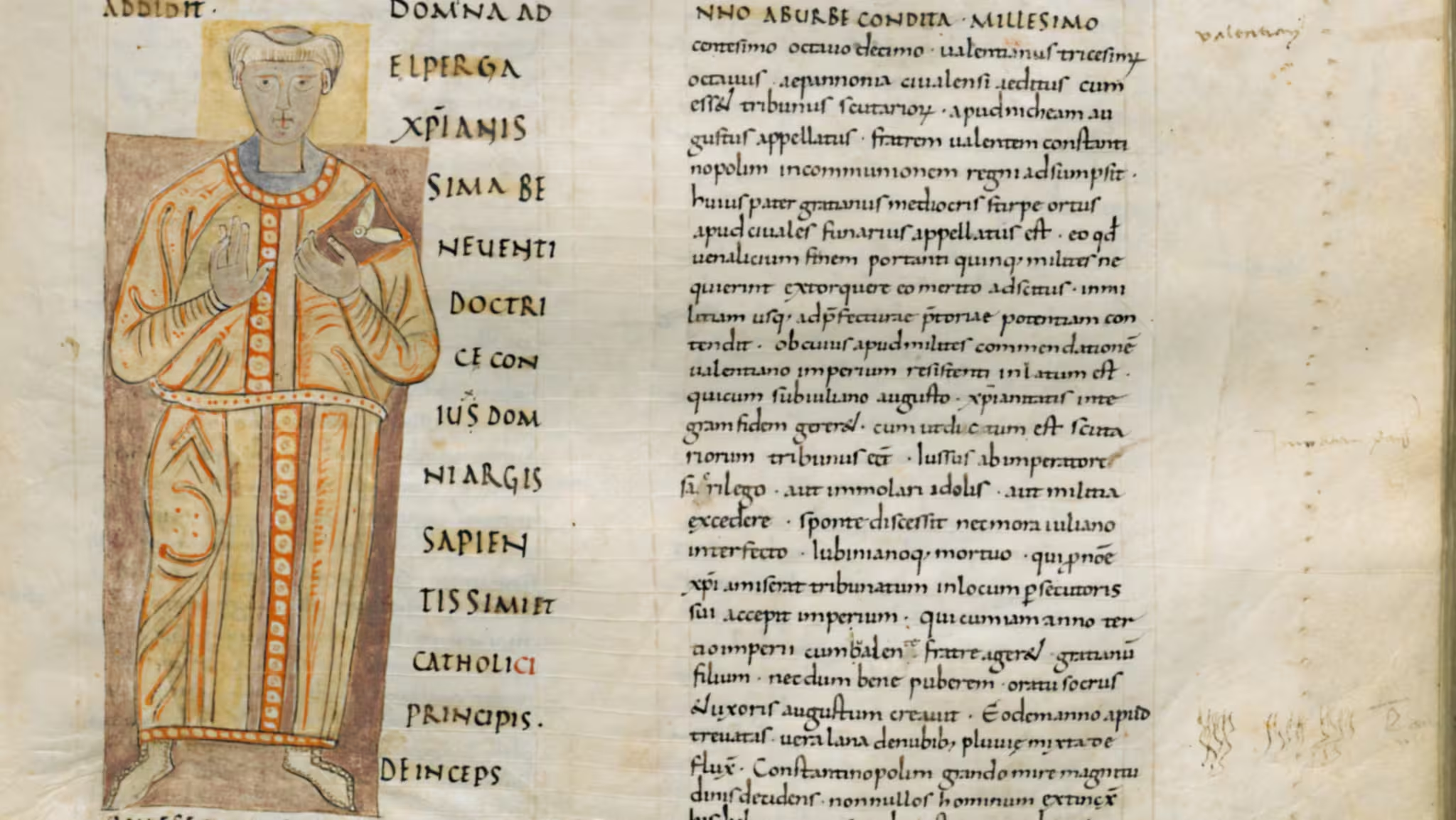
The conquest of Venetia — Paul the Deacon
The account of the Lombard conquest of the remaining parts of Byzantine Venetia in the 600s — from “Historia Langobardorum” by Paul the Deacon.
-
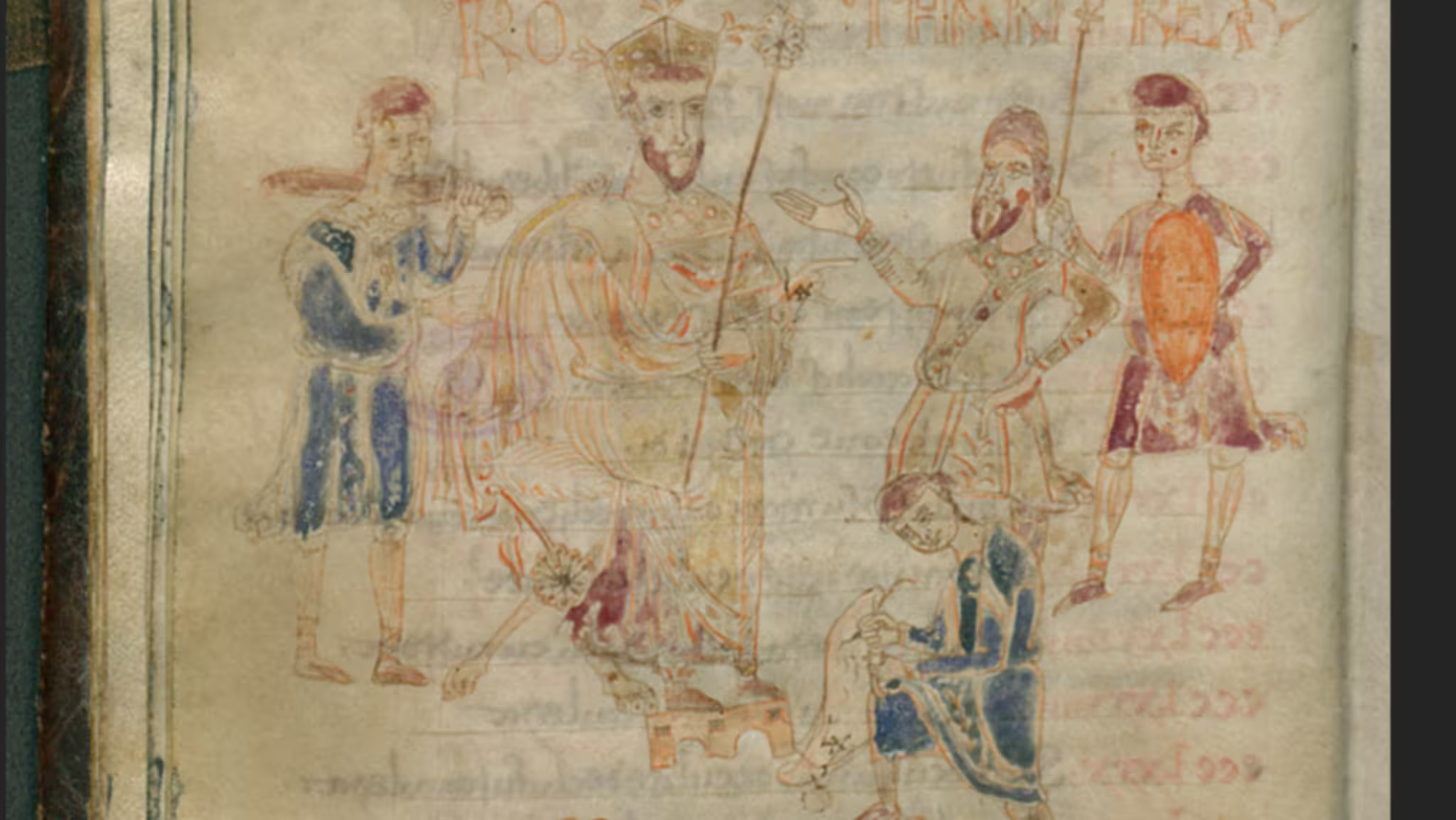
The conquest of Venetia
The invasion of the Lombards in 568 was only the first part of the Lombard conquest of the Byzantine province of Venetia.
-
Chronology of the Lombard invasion
A list of some of the main events of the Lombard conquest of Byzantine Venetia and other parts of Italy.
-
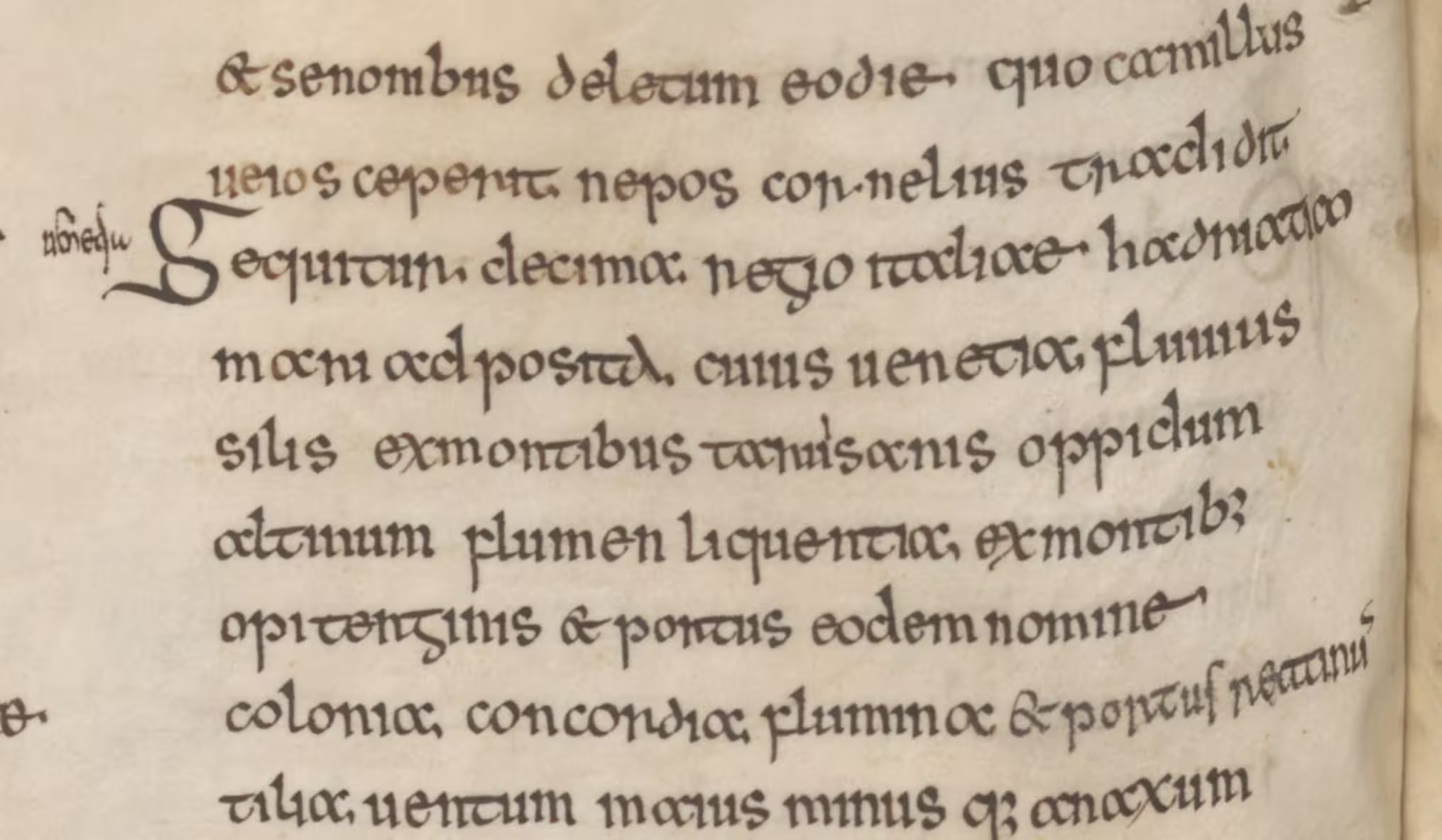
Pliny the Elder on Venetia
Excerpts related to “Venetia” and the “Veneti” from the “Naturalis Historia” by Pliny the Elder (1st century)
-
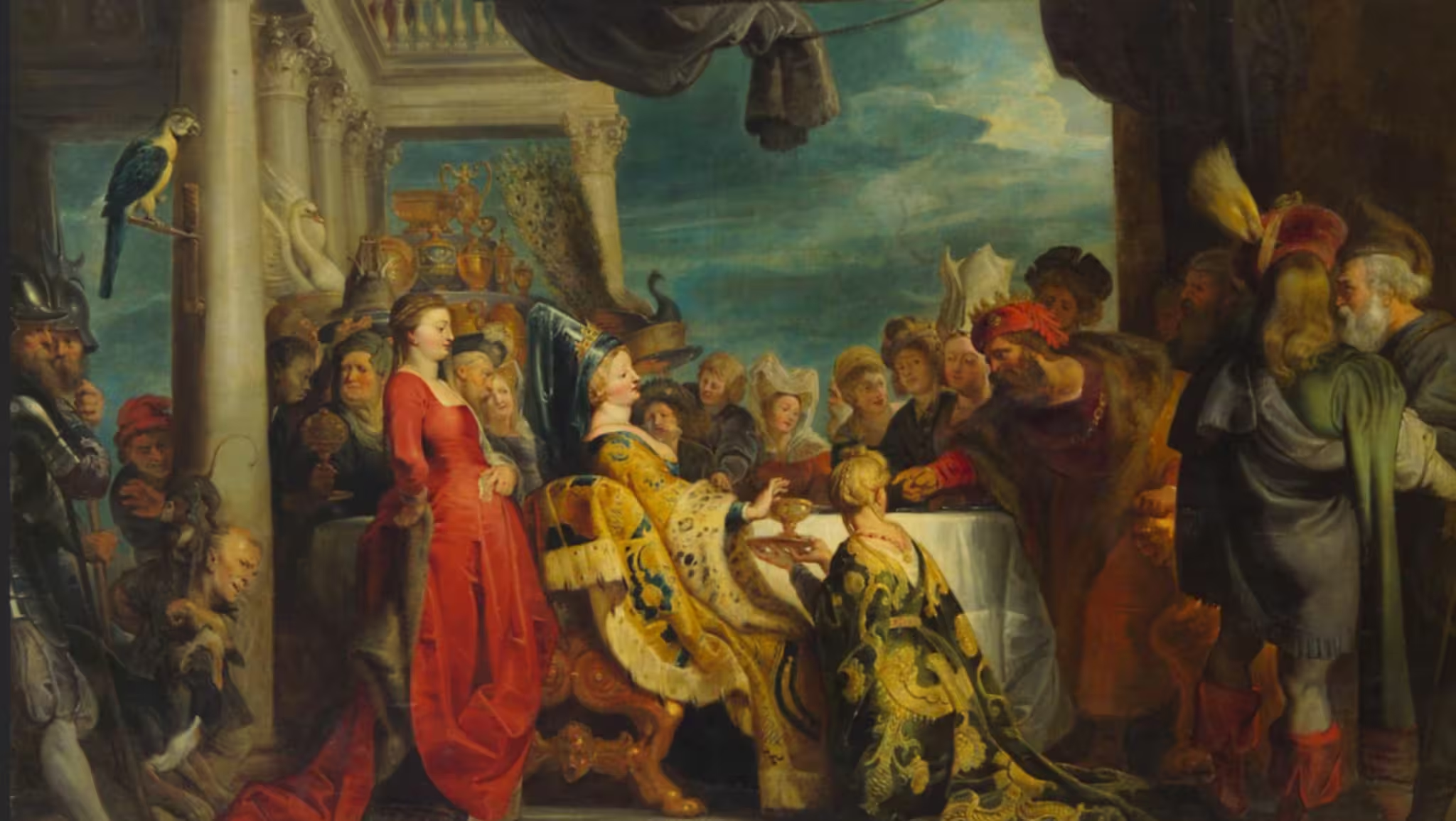
Alboin and Rosamund — Paul the Deacon
A royal marriage and its tragic end, between Alboin, king of the Lombards, and Rosamund, a Gepid princess.
-
Doge — ASV Indice
“Doge” from the L’Archivio di Stato di Venezia: indice generale, storico, descrittivo ed analitico (1937) by Andrea da Mosto