Oderzo (Latin: Opitergium)
Modern-day Oderzo, in antiquity Opitergium, was the administrative centre of Byzantine Venetia from after the invasion of the Huns in 452, until during the Lombard conquest, around 640.
-
The Dogado and the first doges
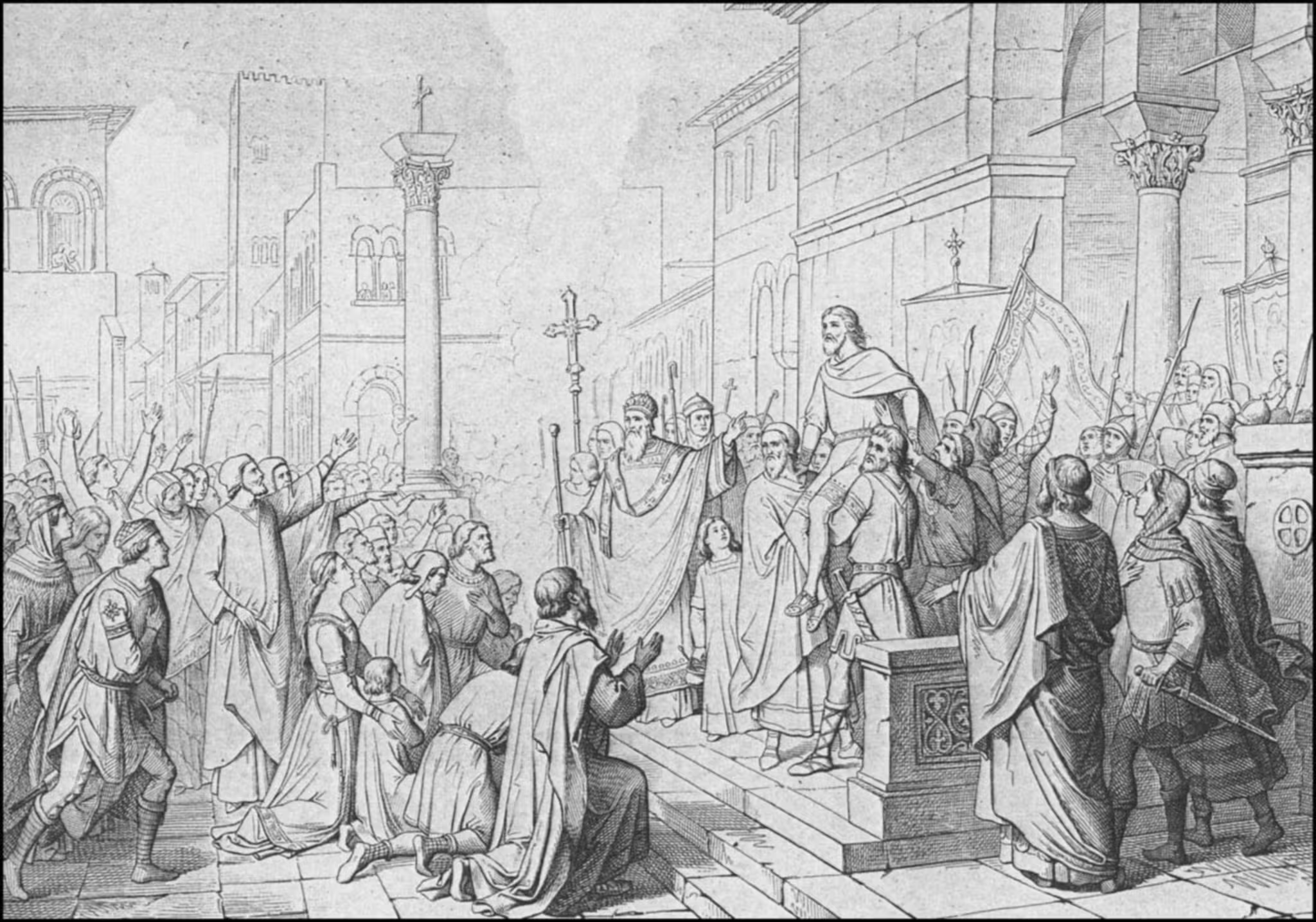
Venice started as a Byzantine duchy, ruled by a “dux”, but at some point, they started choosing their own dux — or doge. When, or even who, is not clear.
-
Lagoon settlements in the early Middle Ages
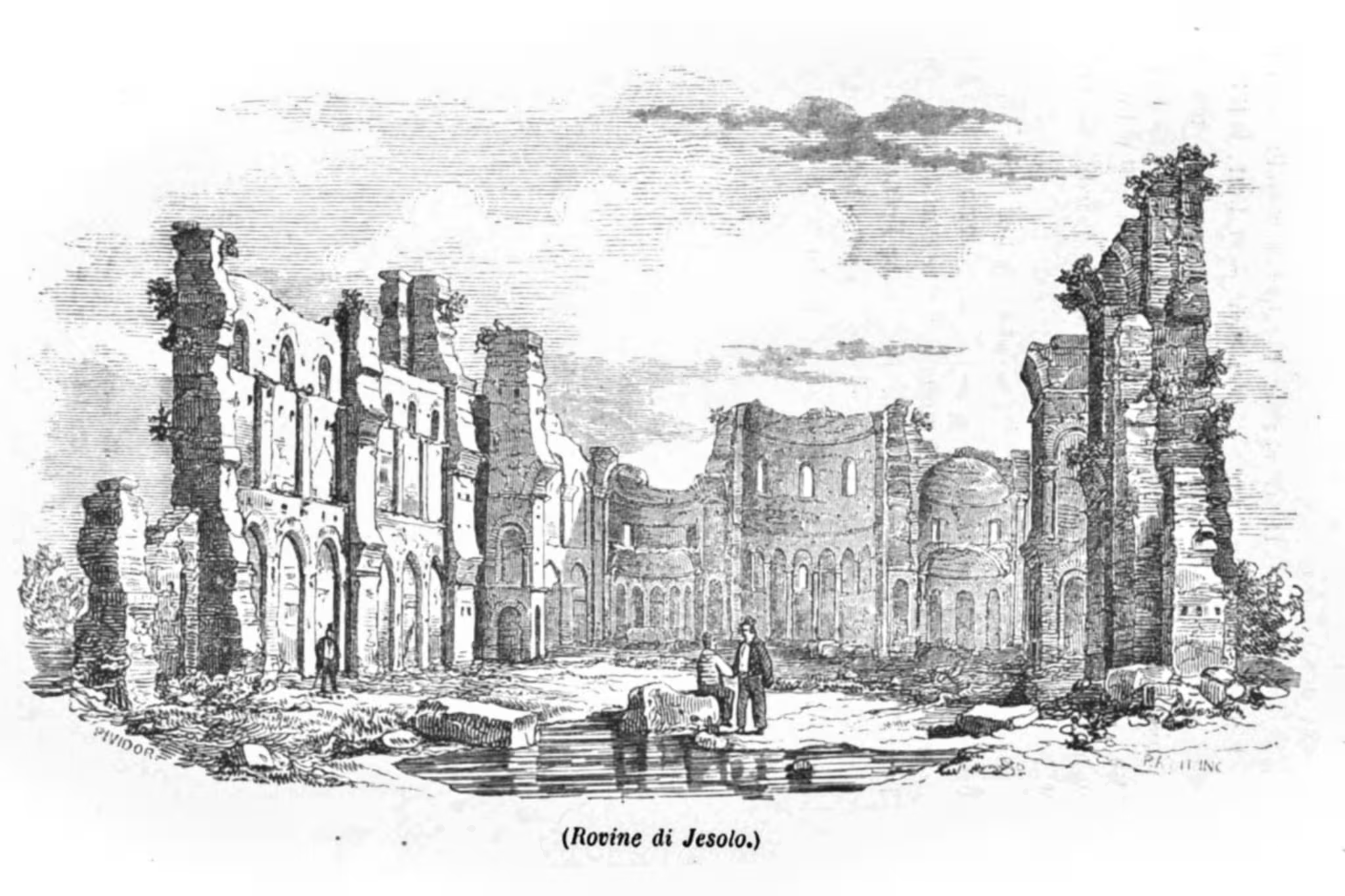
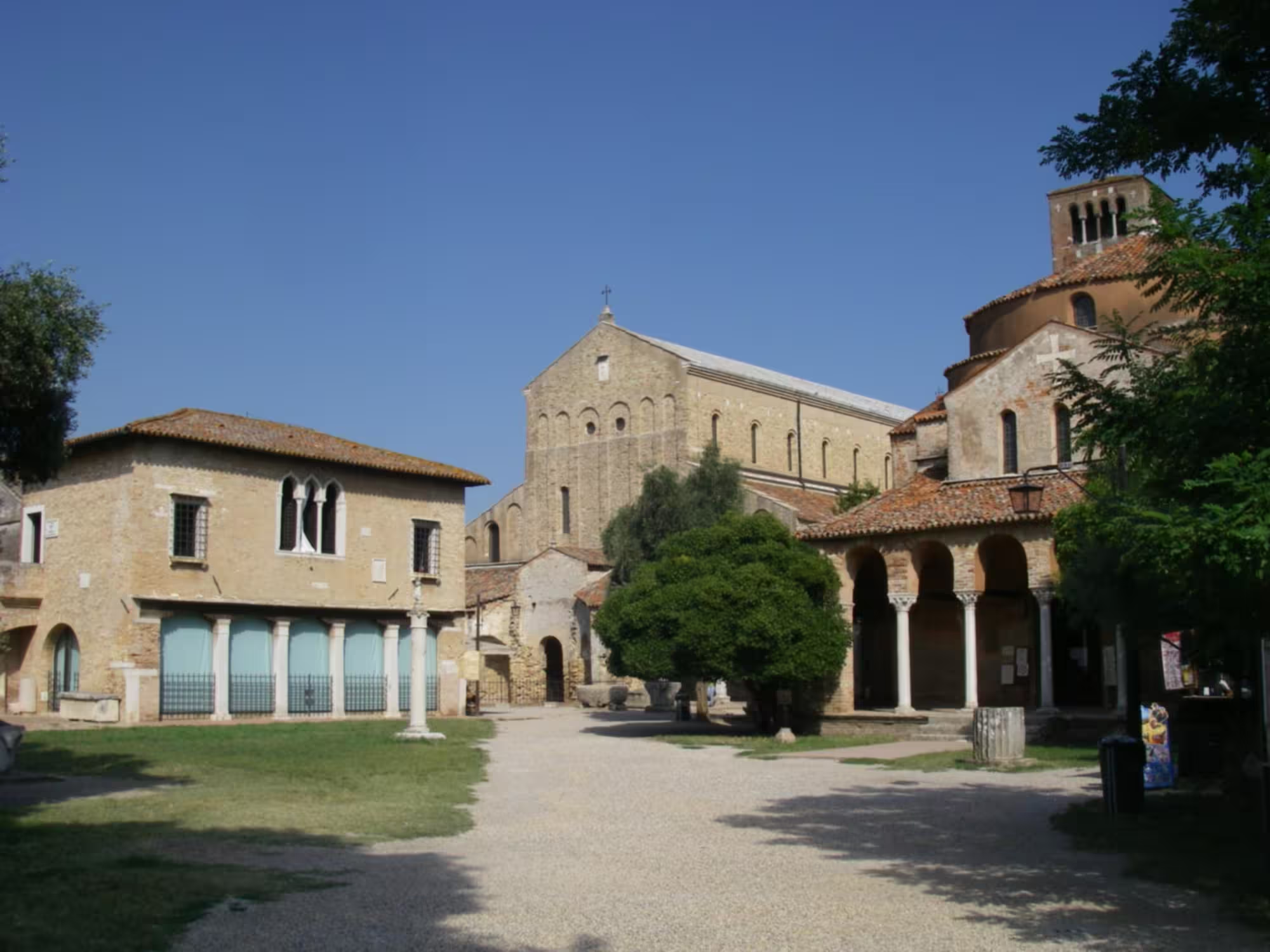
The lagoon was settled in Antiquity, and in the 600s, there were numerous known towns, and several important cities. Venice, however, was not one of them.
-
The settlements of the lagoons — John the Deacon
The list of lagoon settlements before the year 1000, from the “Istoria Veneticorum” by John the Deacon.
-
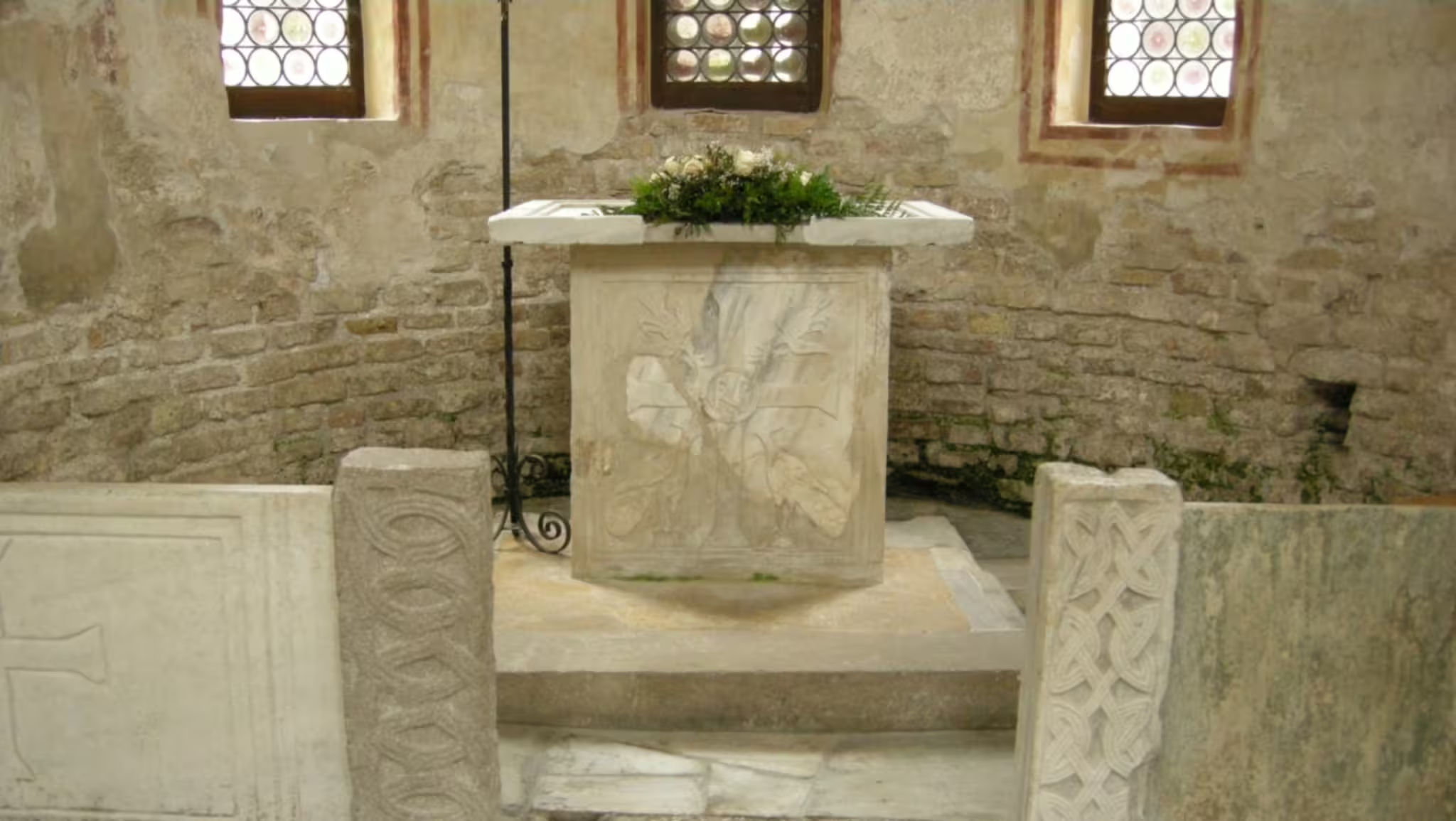
Venetian refugees
Following the Lombard invasion and conquest of Venetia, a part of the Venetian population of the mainland cities fled or left for the settlements in the nearby lagoons.
-
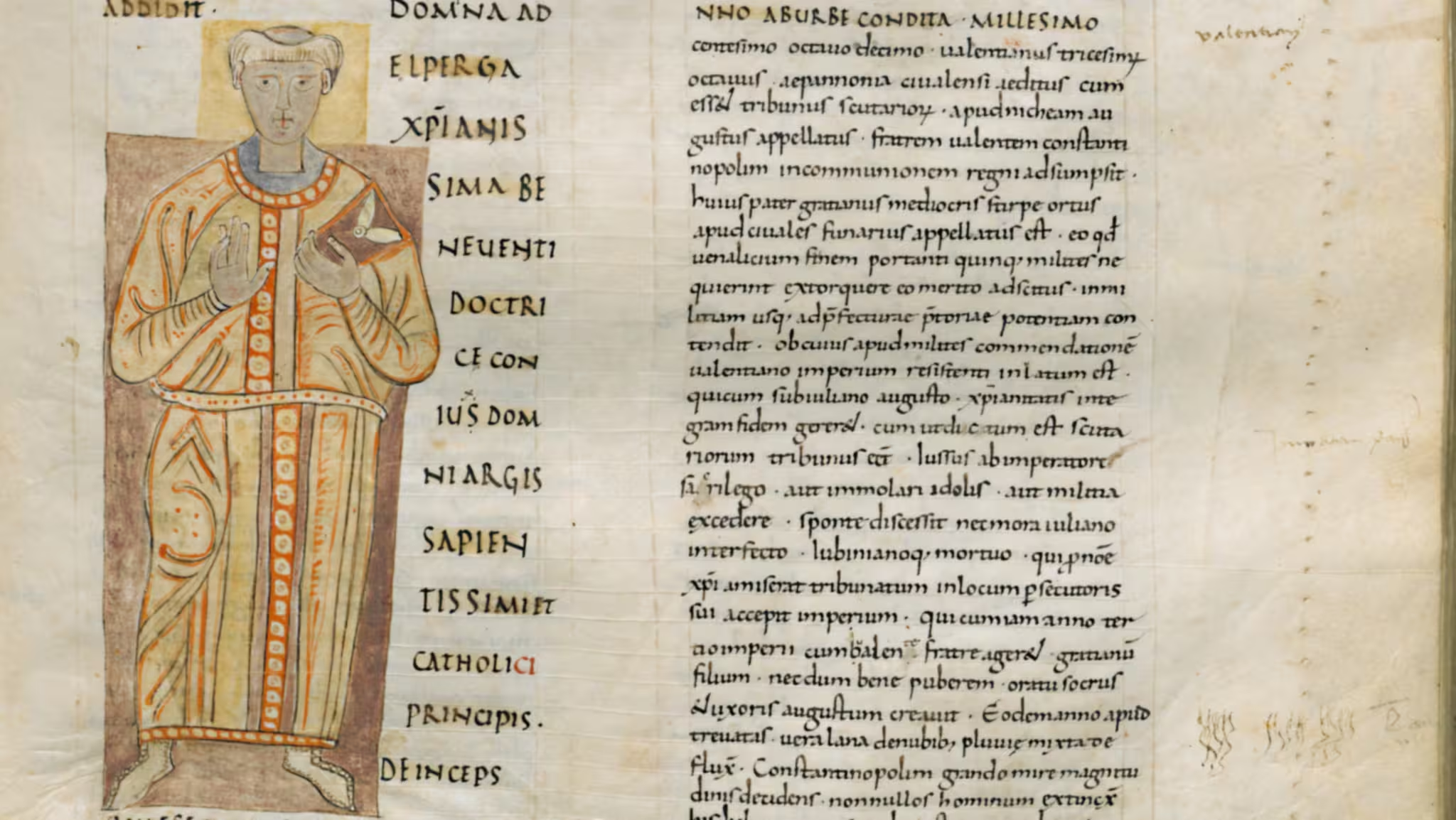
The conquest of Venetia — Paul the Deacon
The account of the Lombard conquest of the remaining parts of Byzantine Venetia in the 600s — from “Historia Langobardorum” by Paul the Deacon.
-
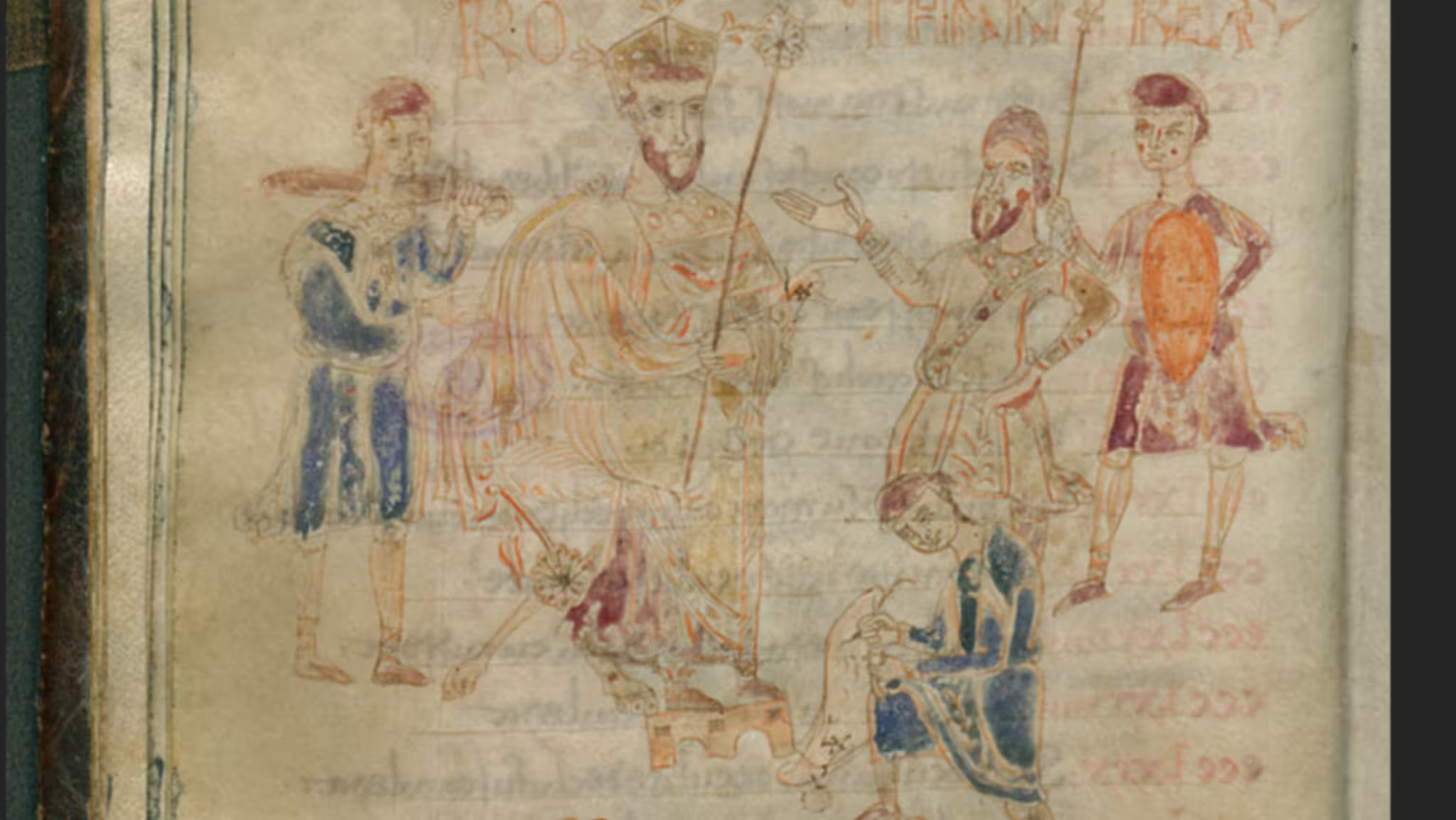
The conquest of Venetia
The invasion of the Lombards in 568 was only the first part of the Lombard conquest of the Byzantine province of Venetia.
-
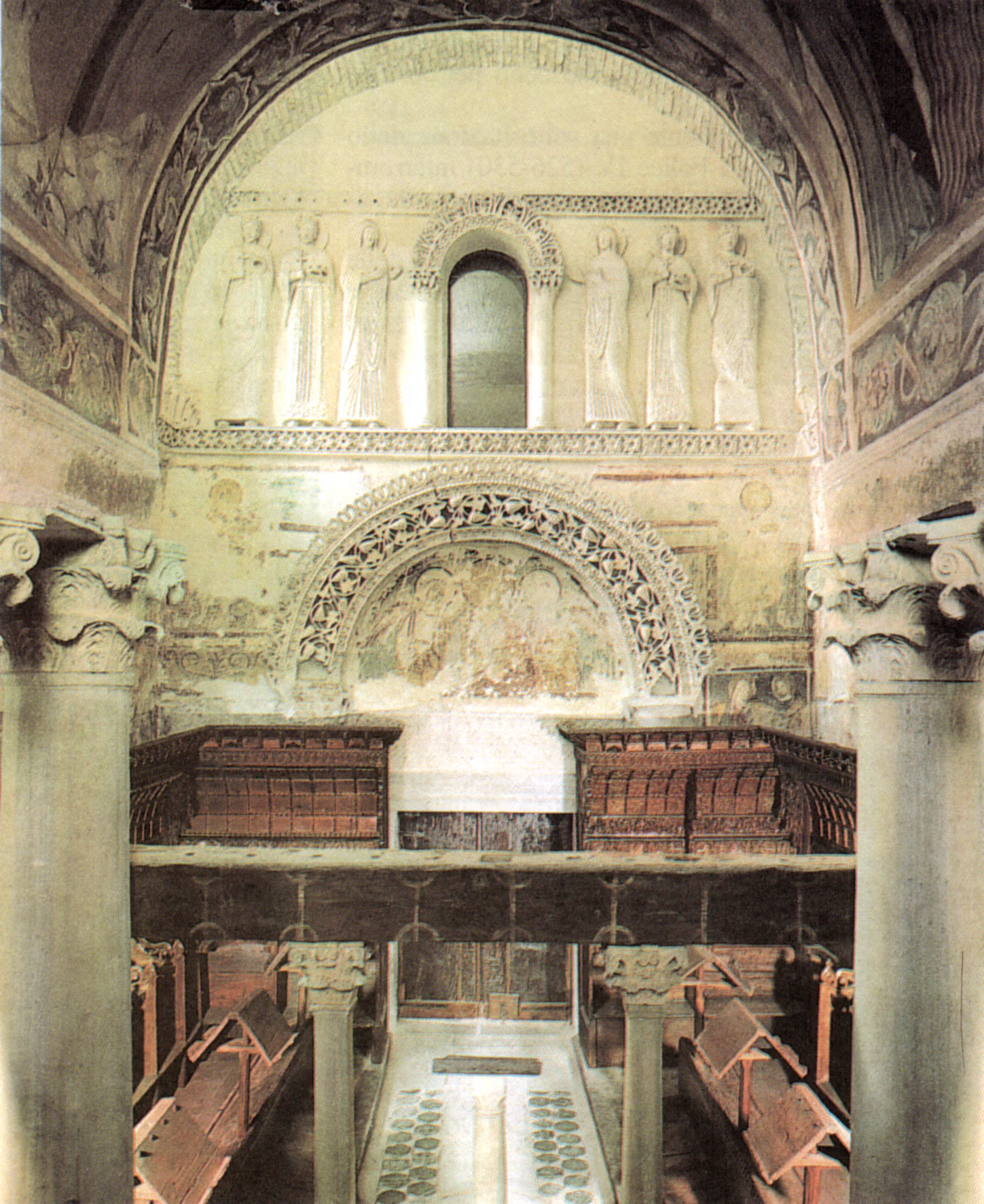
Chronology of the Lombard invasion
A list of some of the main events of the Lombard conquest of Byzantine Venetia and other parts of Italy.
-
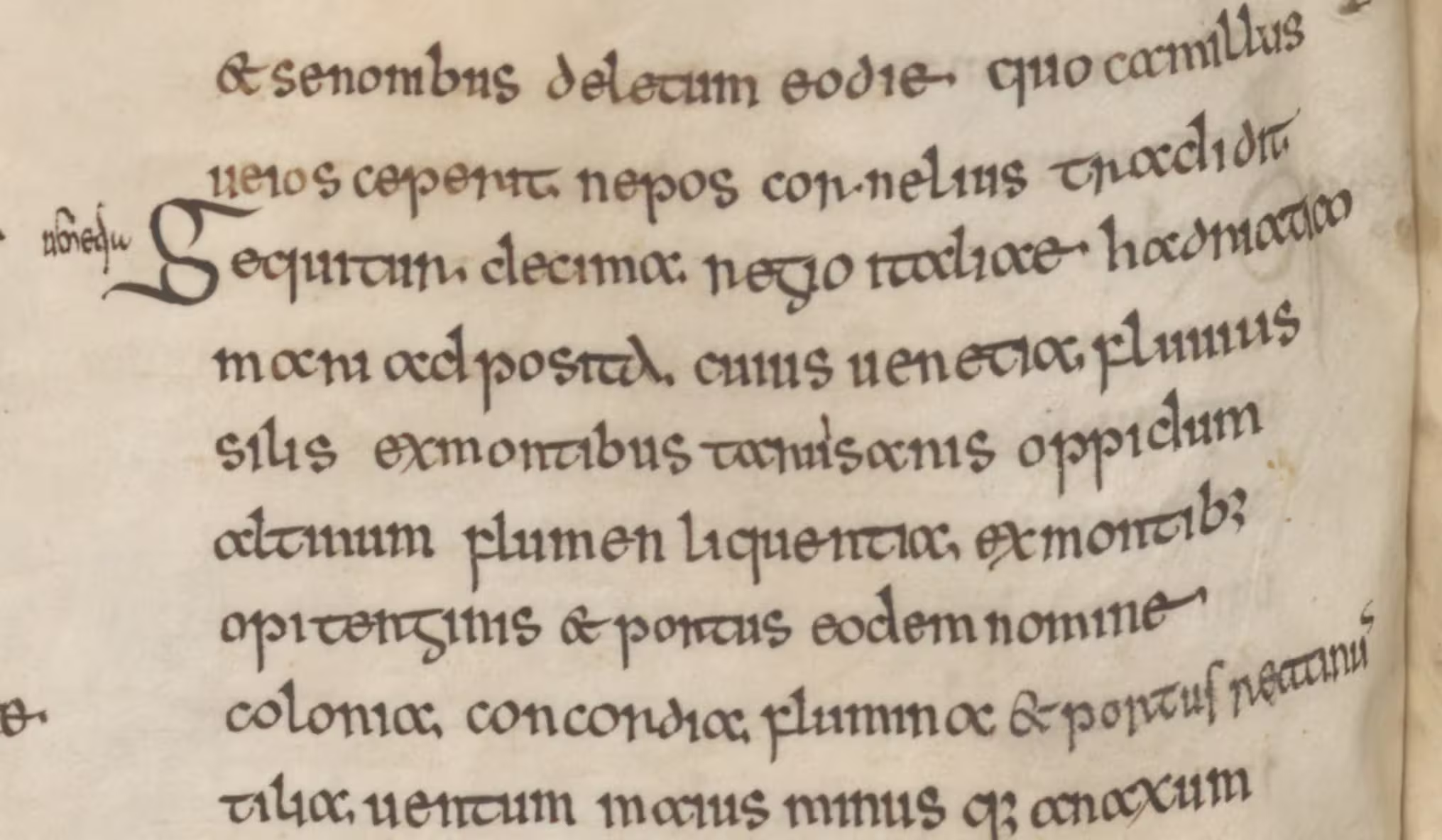
Pliny the Elder on Venetia
Excerpts related to “Venetia” and the “Veneti” from the “Naturalis Historia” by Pliny the Elder (1st century)
-
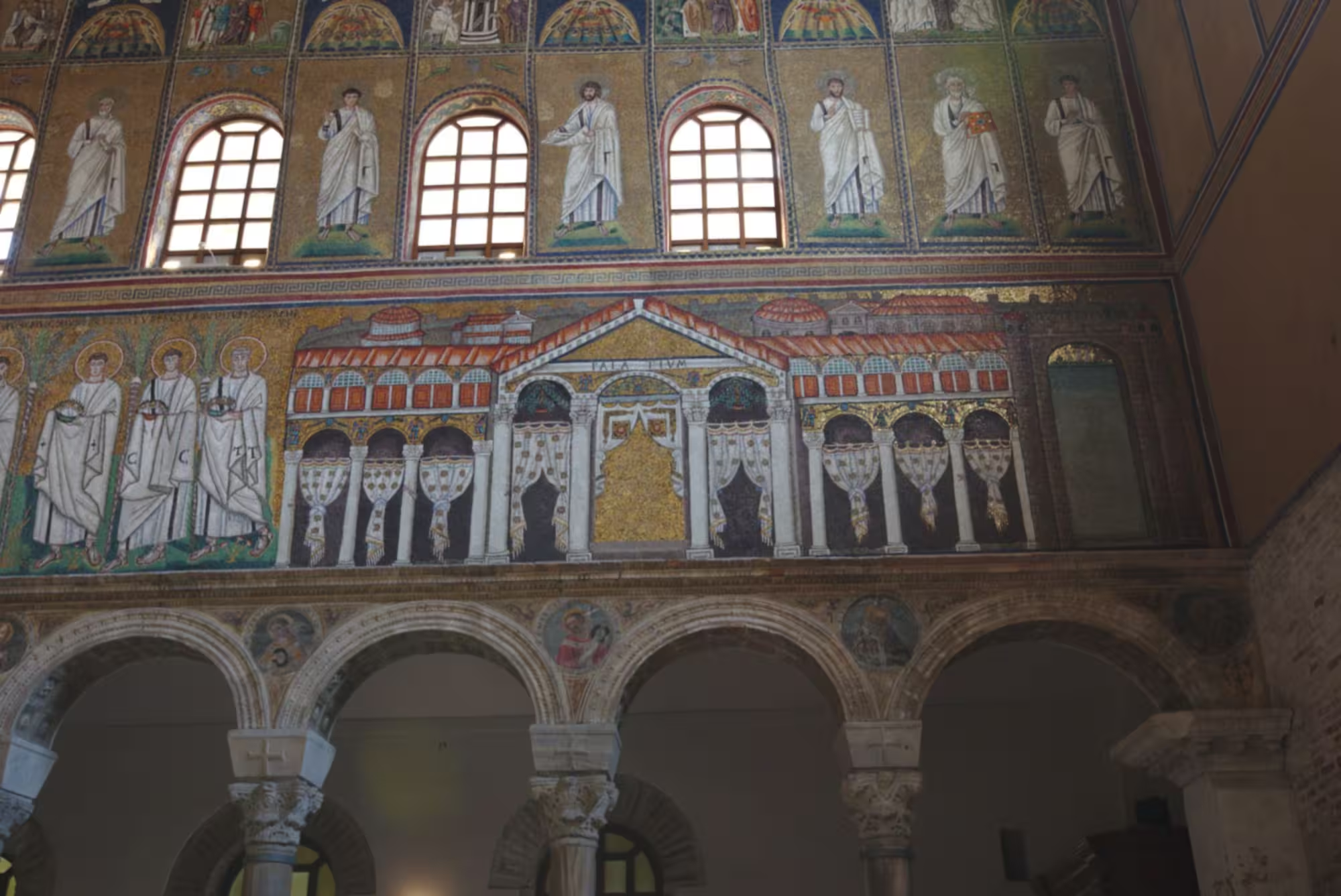
Invasions of Italy in Late Antiquity
In late Antiquity the north-east of the Italian peninsula suffered many invasions. The wars caused people to move to the safer lagoon areas, and hence to the foundation of Venice.