Lagoon
-
Venice might not have been
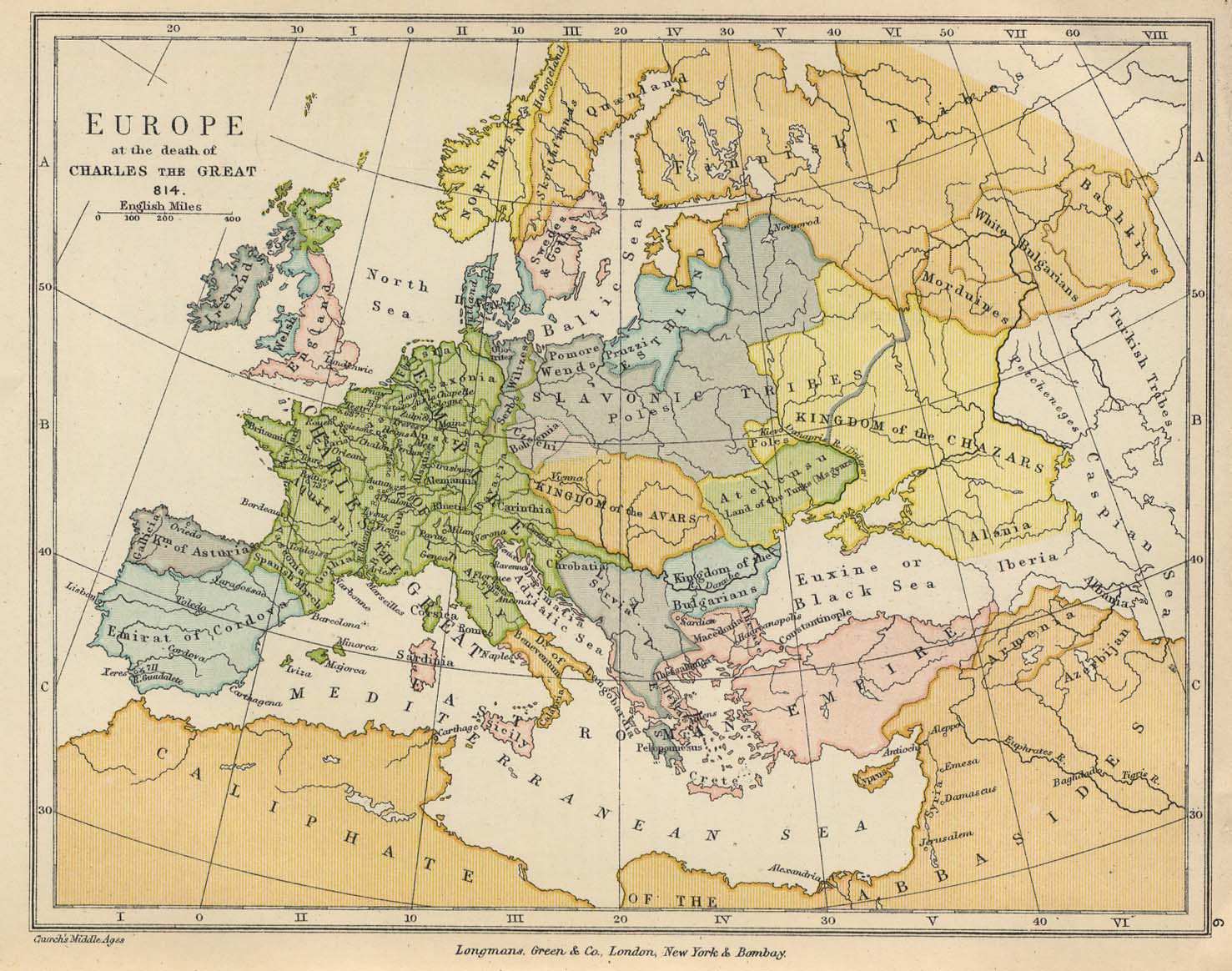
Venice was an independent state for almost a millennium, but it might note have been. It all hinged on a single battle fought in the Venetian lagoon in 810.
-
Why the winged lion?
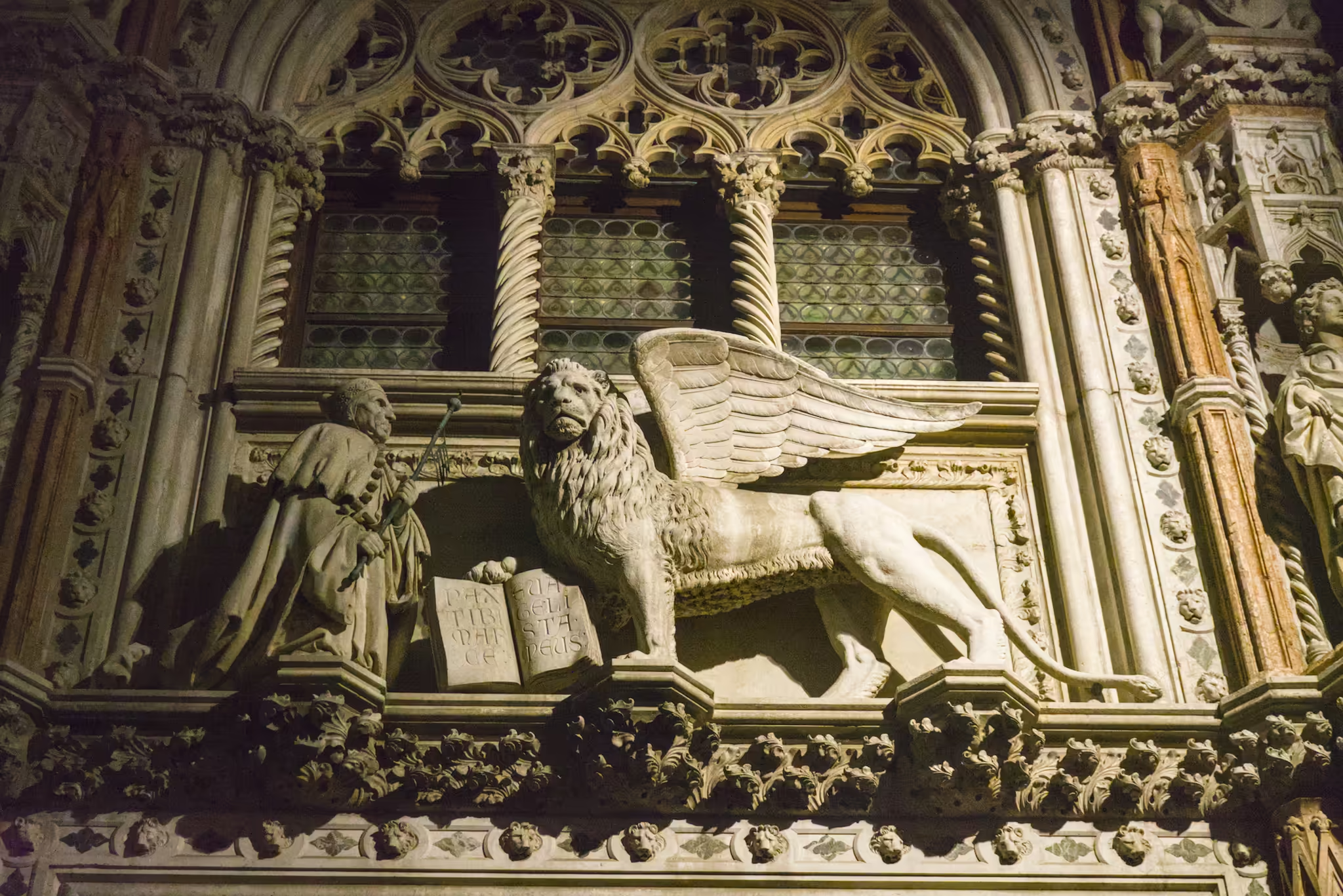
There are statues, reliefs and paintings of a winged lion all over Venice. The lion is the symbol of the Evangelist St. Mark
-
Quarantine – forty days of isolation
Quarantine is derived from the Venetian (and Italian) word for forty, because the quarantine period on the Lazzaretto Nuovo ended up around forty days.
-
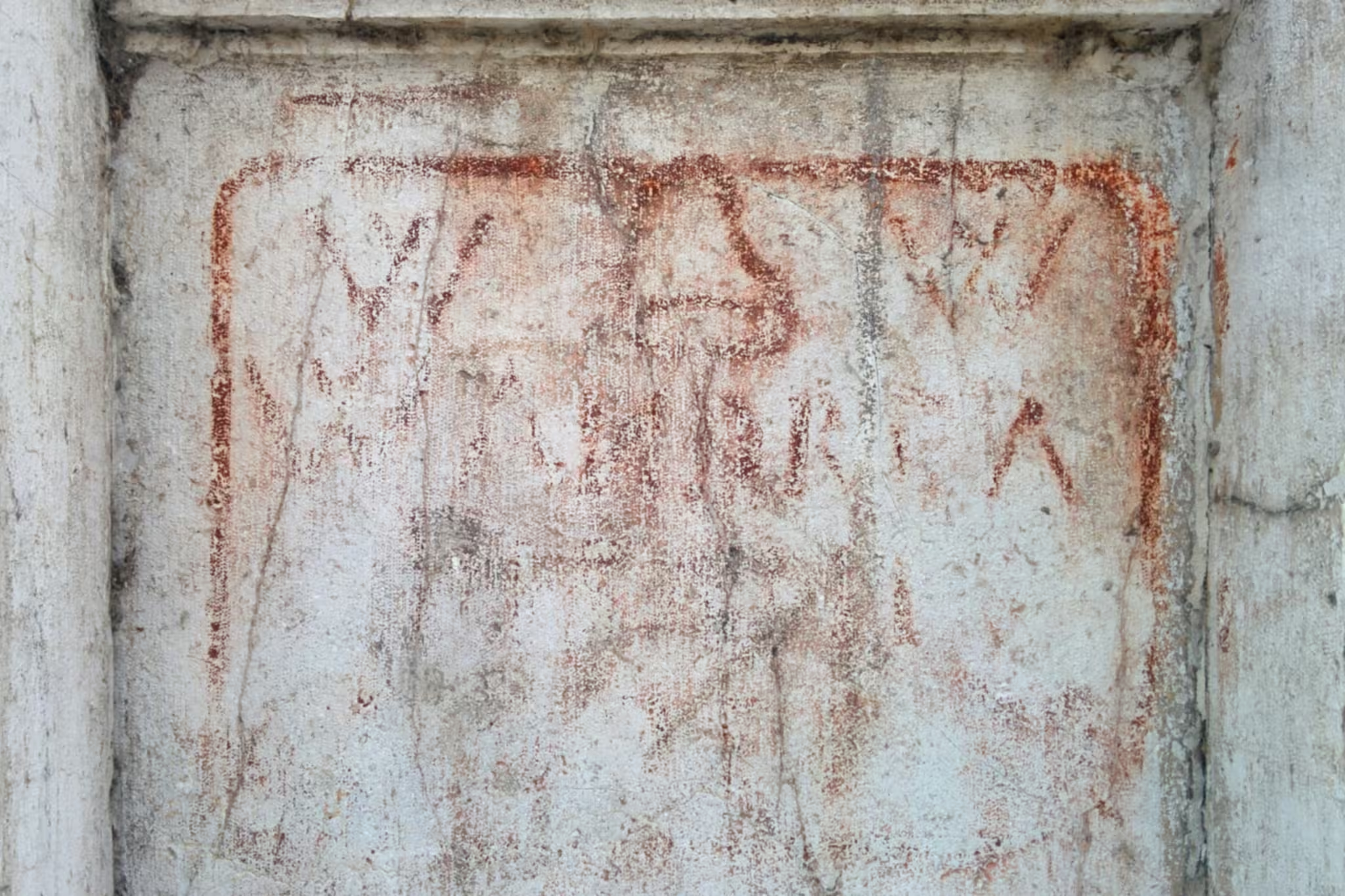
Cocciopesto
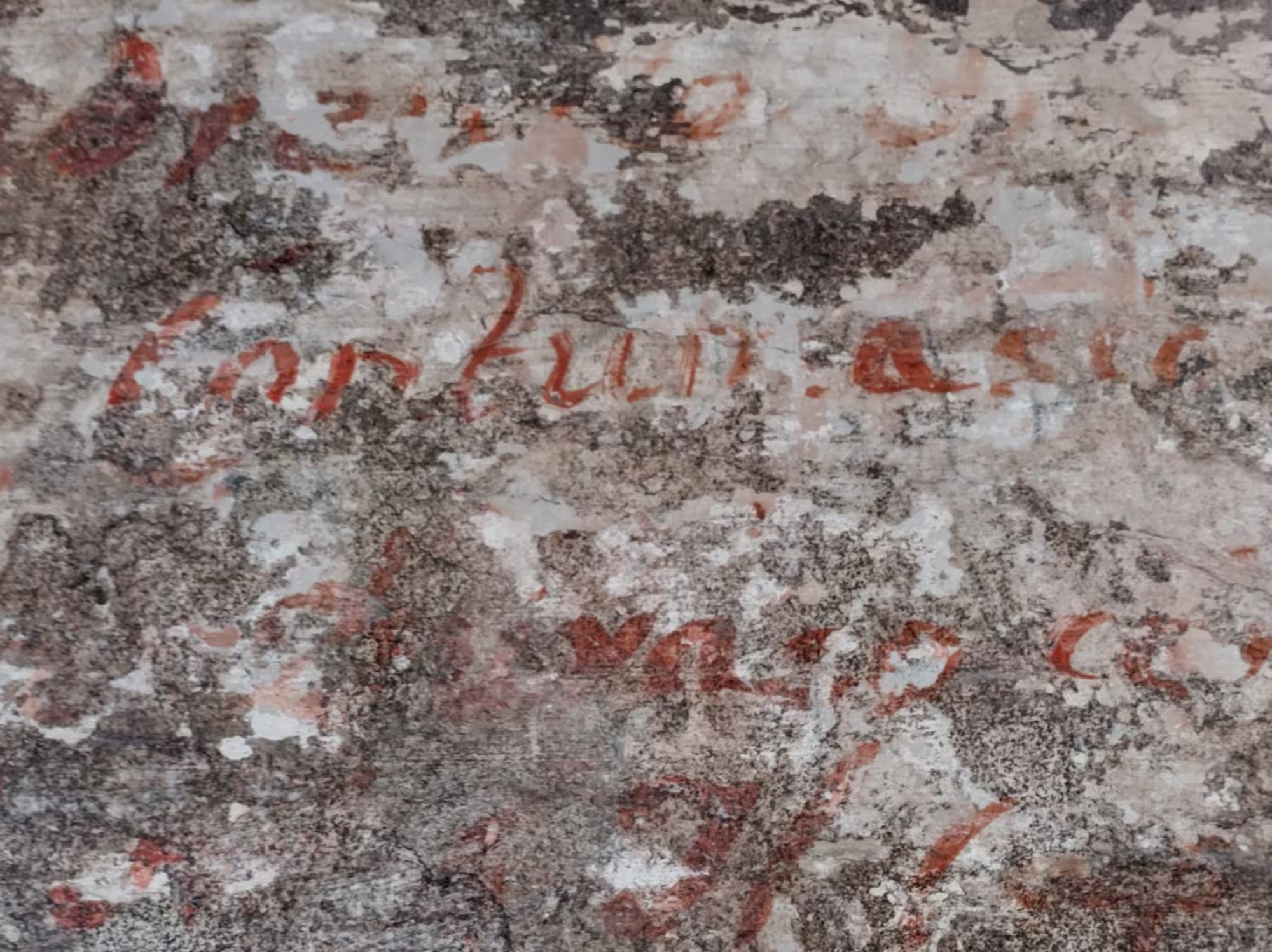
Cocciopesto is a dark red colour commonly used for short-lived writing on walls – but sometimes they survive.
-
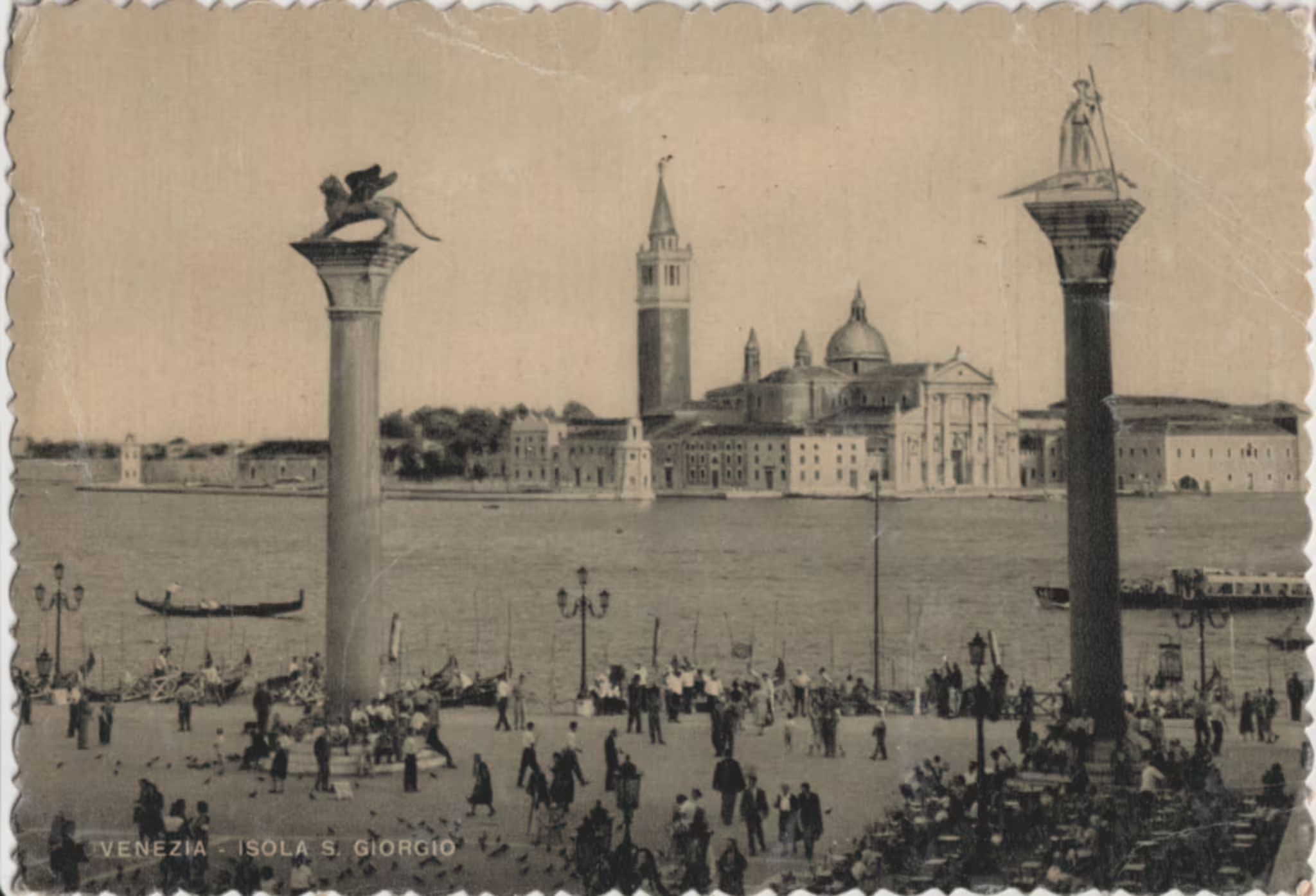
Postcards from the 1950s
Some old postcards from the 1950s give us a glimpse of how the city has changed dramatically within a single lifetime.
-
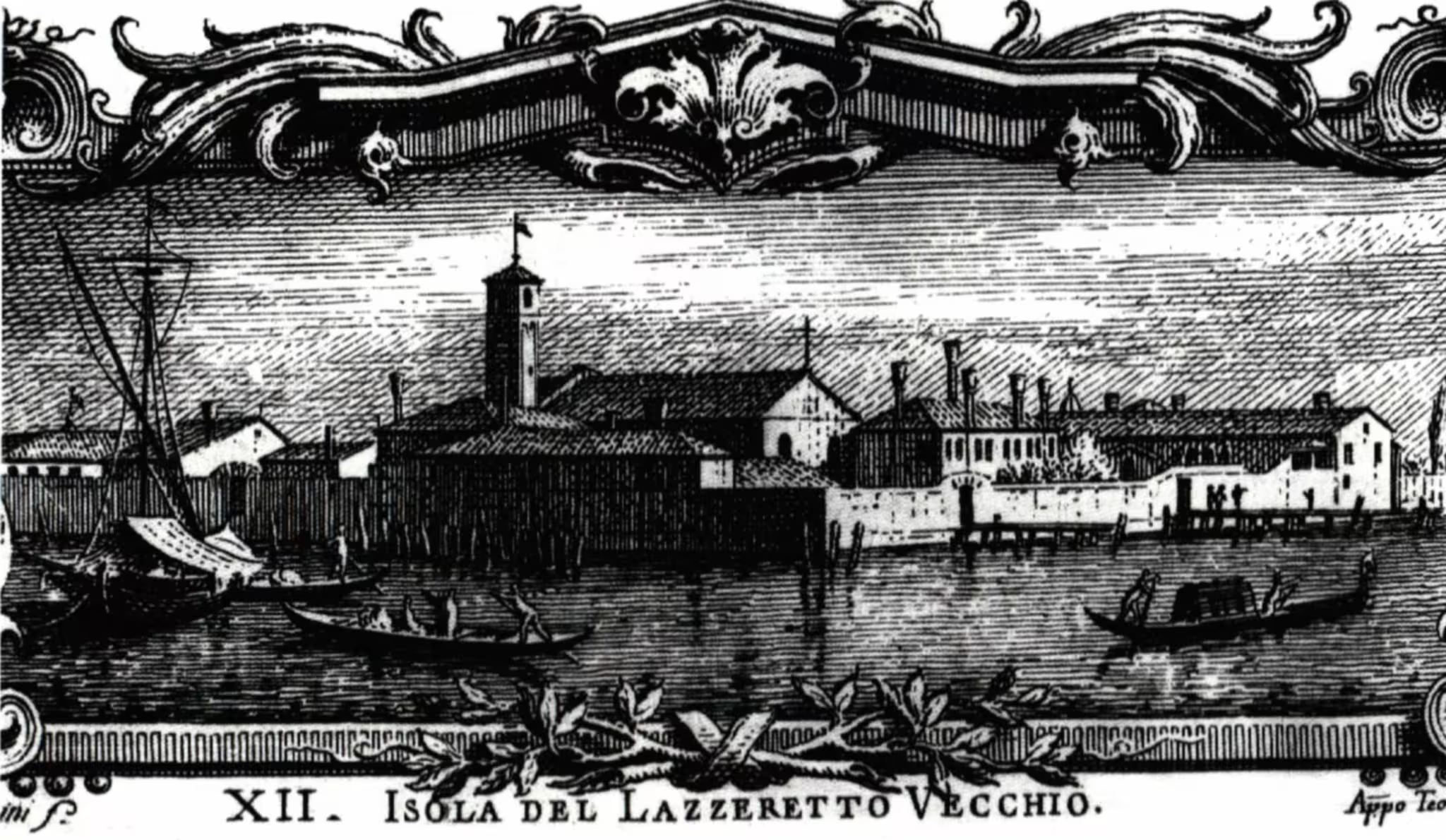
The word “Lazzaretto”
The word “Lazaret” (“Lazzaretto” in Italian) comes from the original name of the medieval plague hospital in the Venetian Lagoon.
-
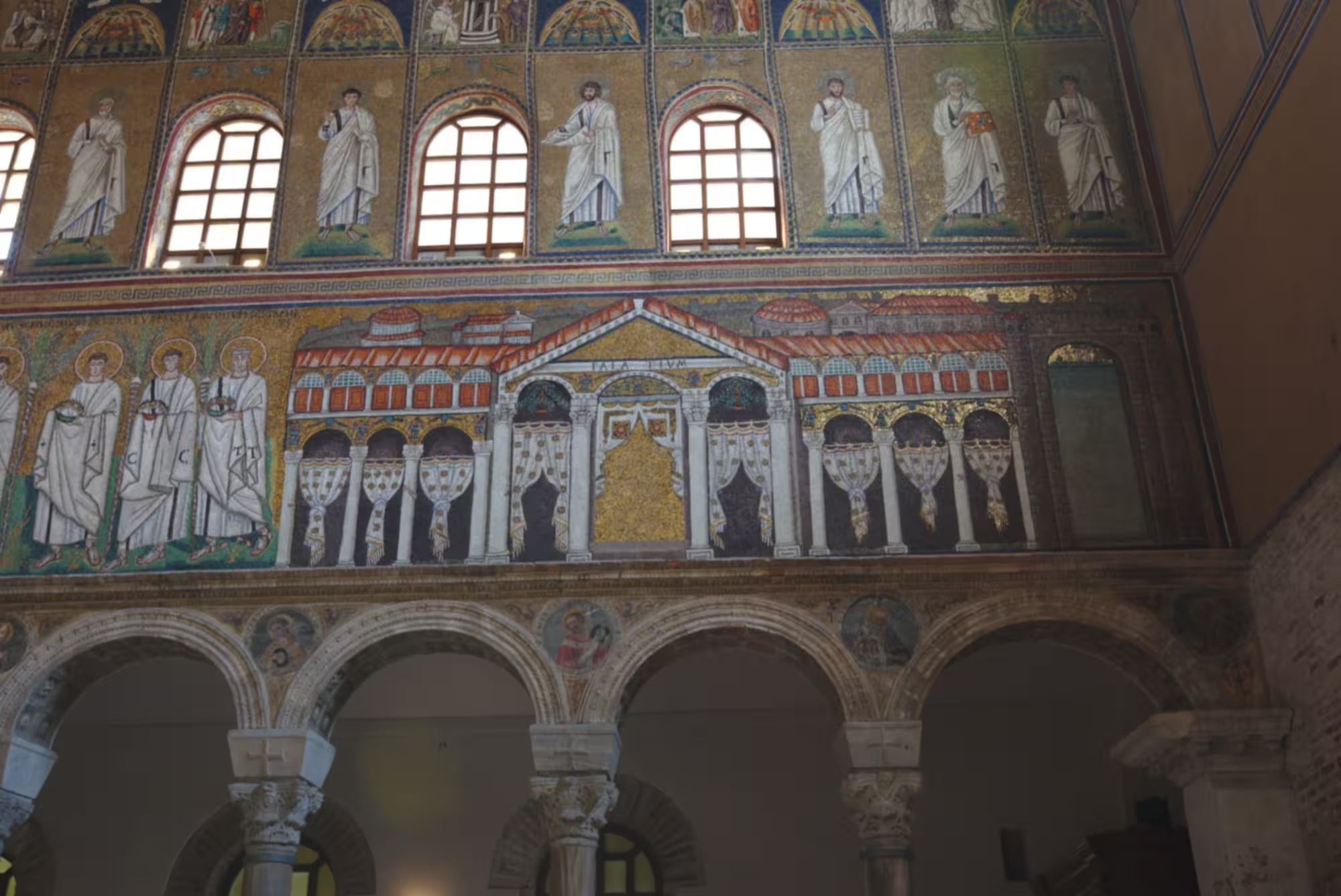
Invasions of Italy in Late Antiquity
In late Antiquity the north-east of the Italian peninsula suffered many invasions. The wars caused people to move to the safer lagoon areas, and hence to the foundation of Venice.
-

The Birthday of Venice
The Birthday of Venice of is traditionally on March 25th, 421 CE, but this is far more legend than historical truth.
-
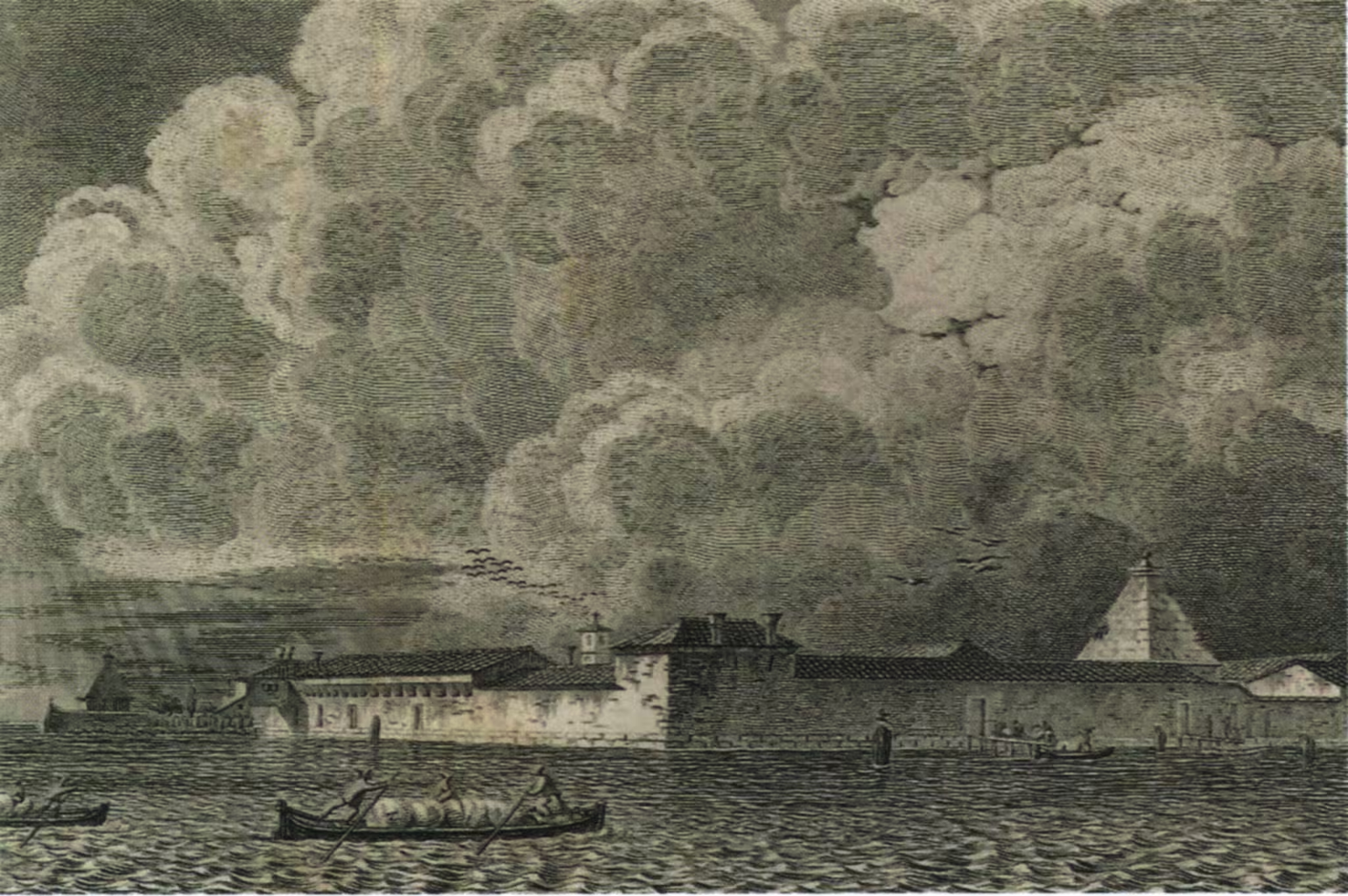
Lazzaretto Vecchio
Lazzaretto Vecchio was the first stable hospital and quarantine station for the bubonic plague in the world, founded in 1423 by the Republic of Venice.
-
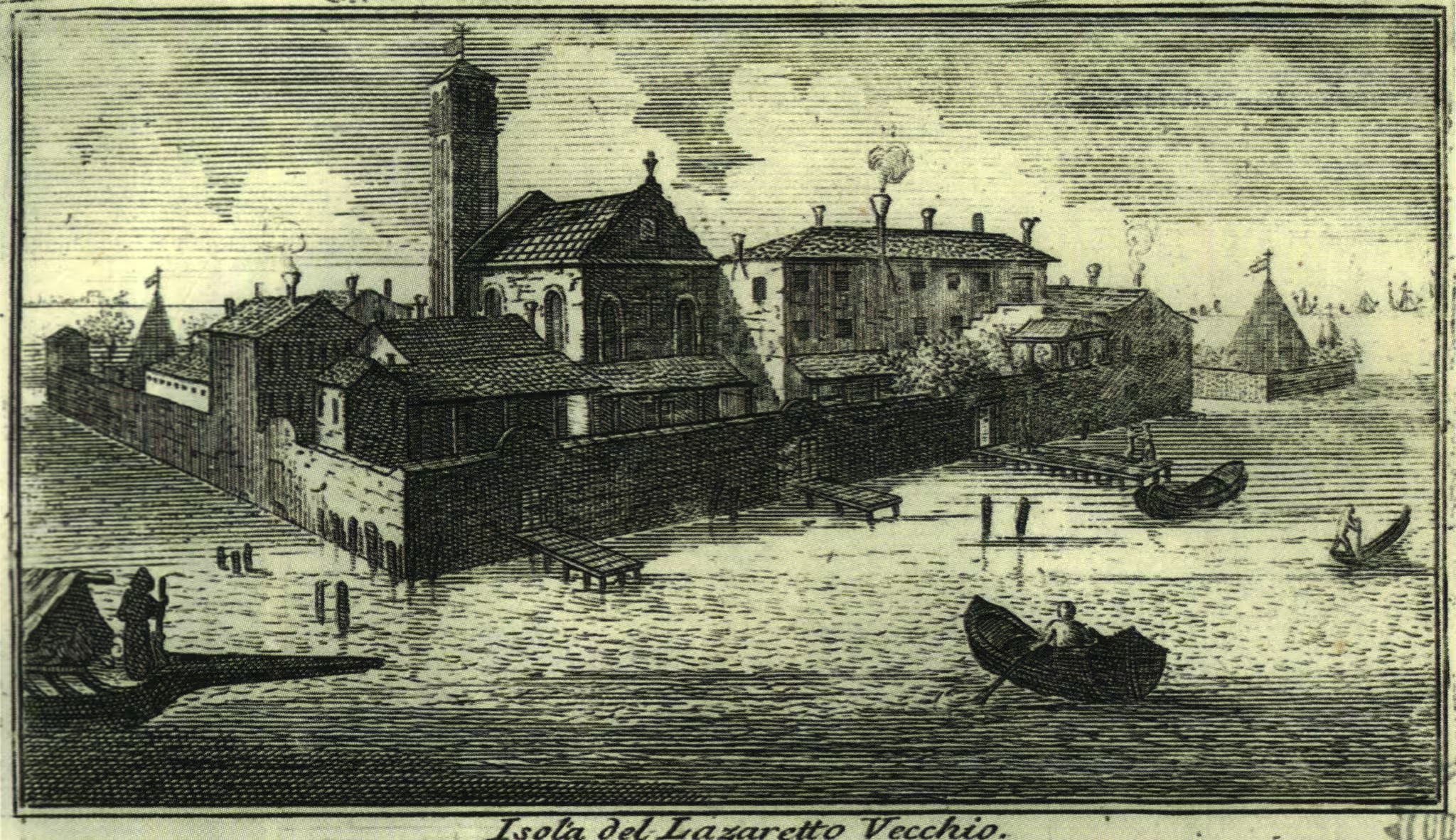
A Chronology of Lazzaretto Vecchio
Lazzaretto Vecchio was the first stable hospital and quarantine station for the bubonic plague in the world, founded in 1423 by the Republic of Venice.