
Lagoon
-
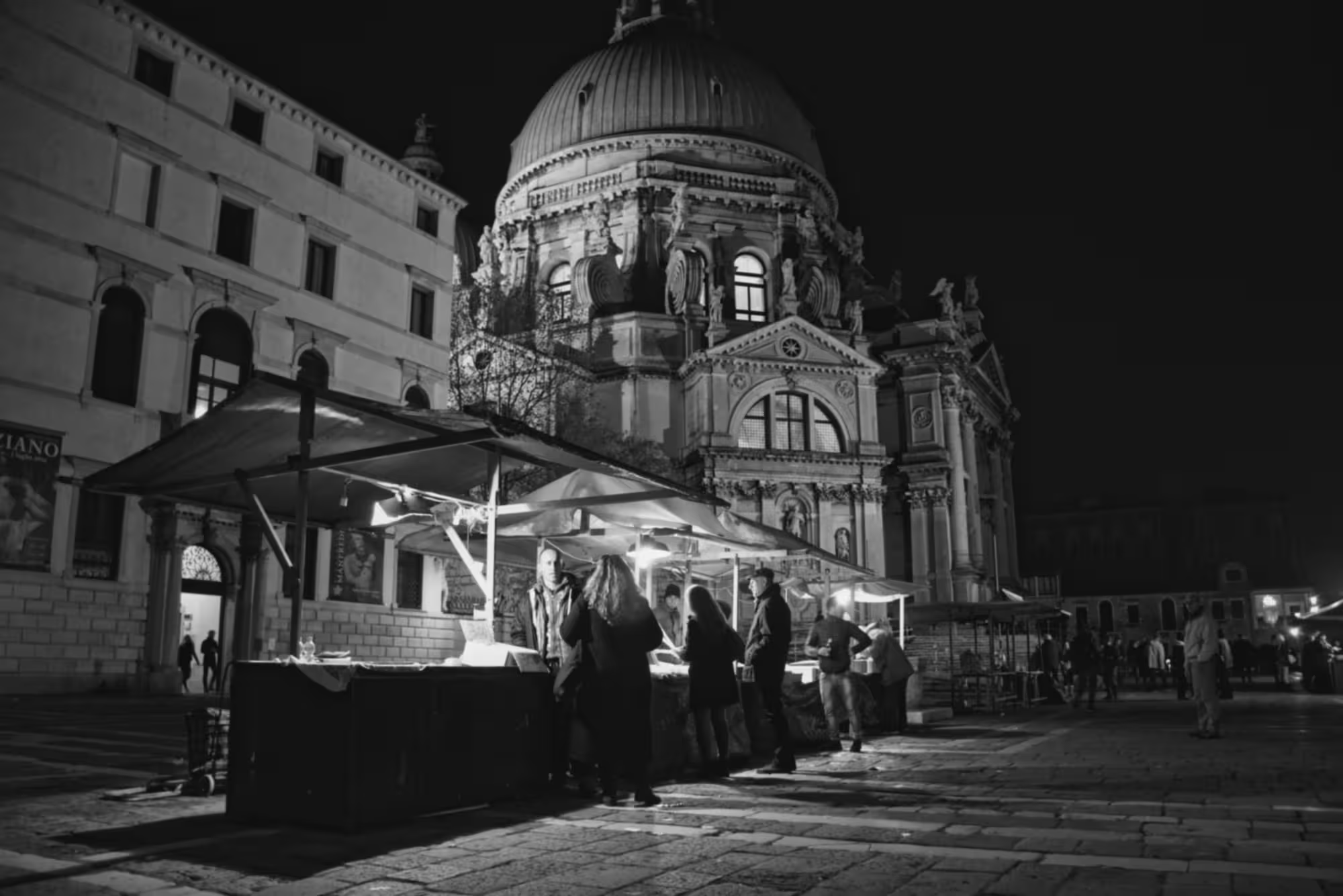
Festa della Salute
The Festa della Salute each year on November 21st is an important holiday in Venice. The event celebrates the end of the plague in 1631.
-
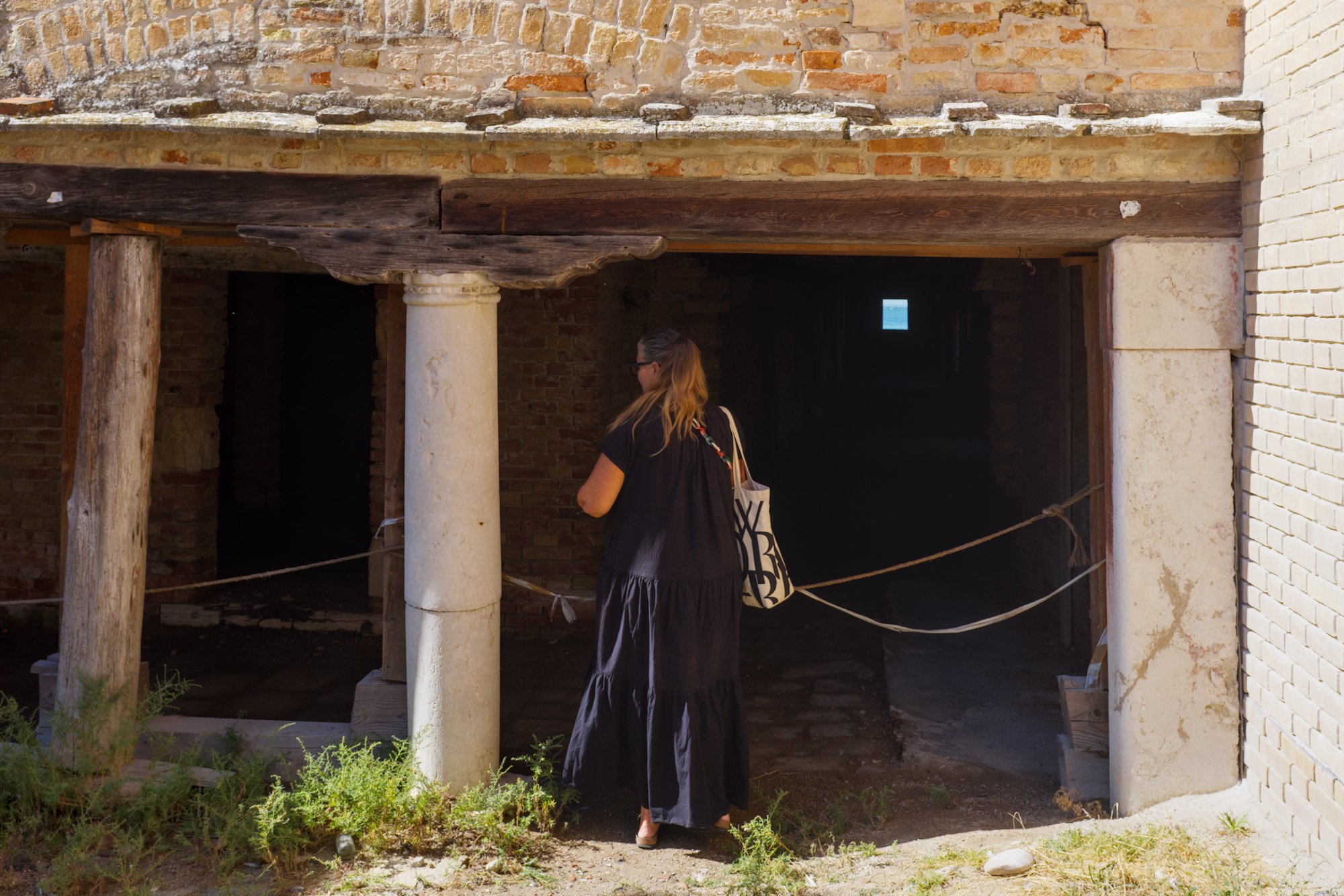
Open day at the Lazzaretto Vecchio
The Lazzaretto Vecchio was open for visits this weekend. Openings are occasional and this was only occasion to see the island this year.
-
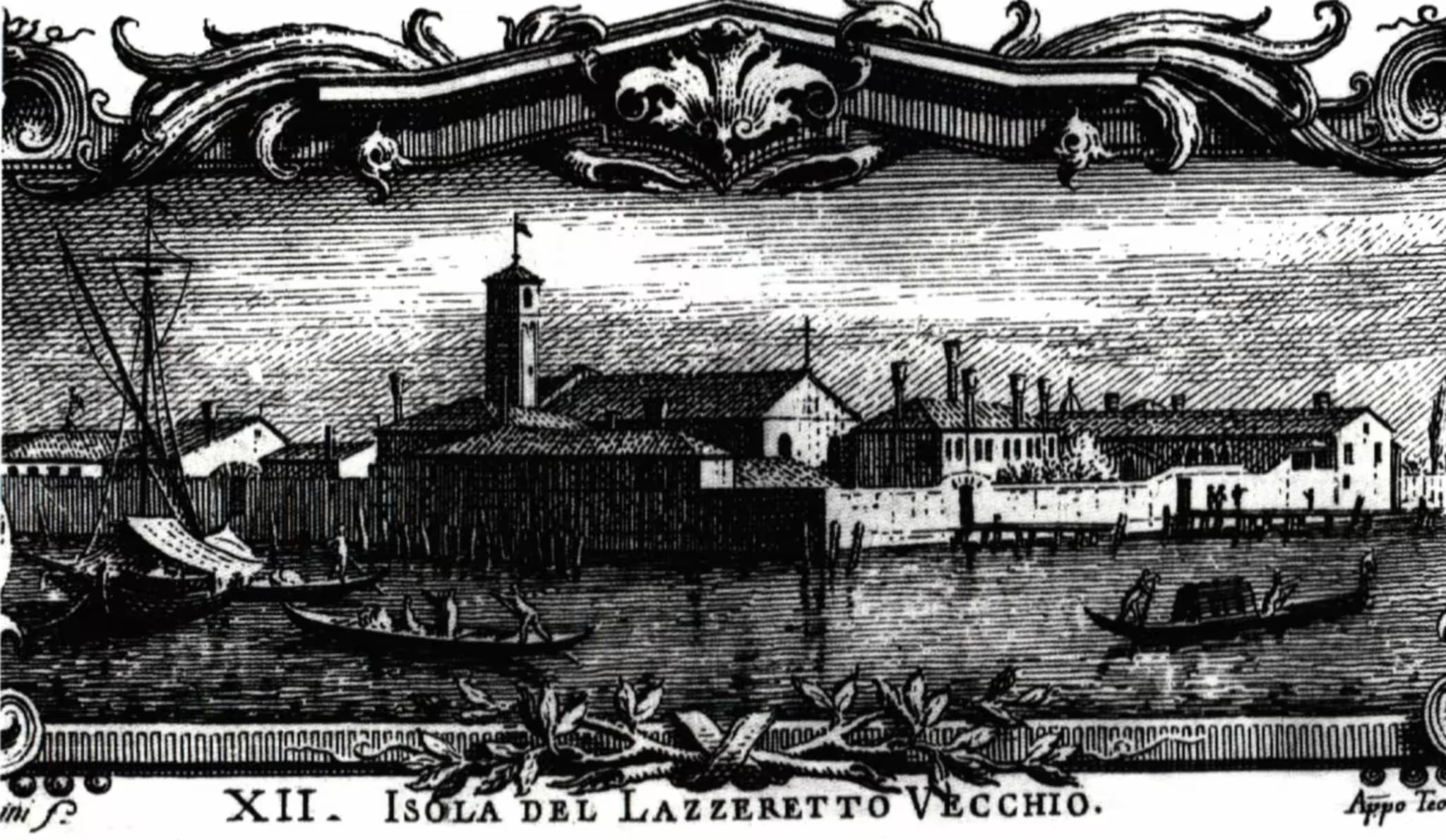
Six hundred years of Lazzaretto Vecchio
On this day, six hundred years ago, the Senate of the Republic of Venice decided to create the first ever permanent plague hospital, the Lazzaretto Vecchio
-
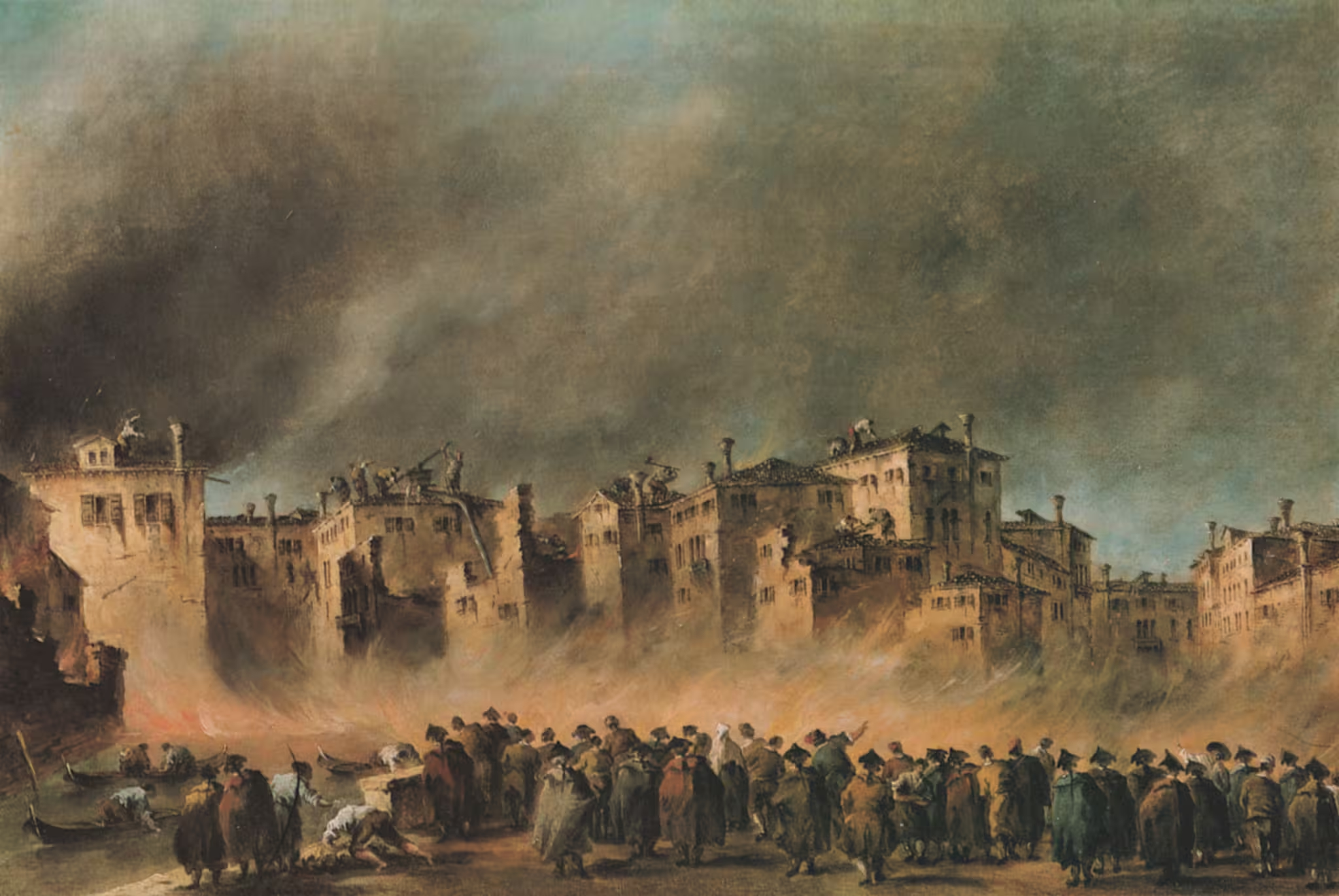
List of fires in Venice
Fires were a very real preoccupation of the Venetians, and there have been many fires in Venice over the centuries
-
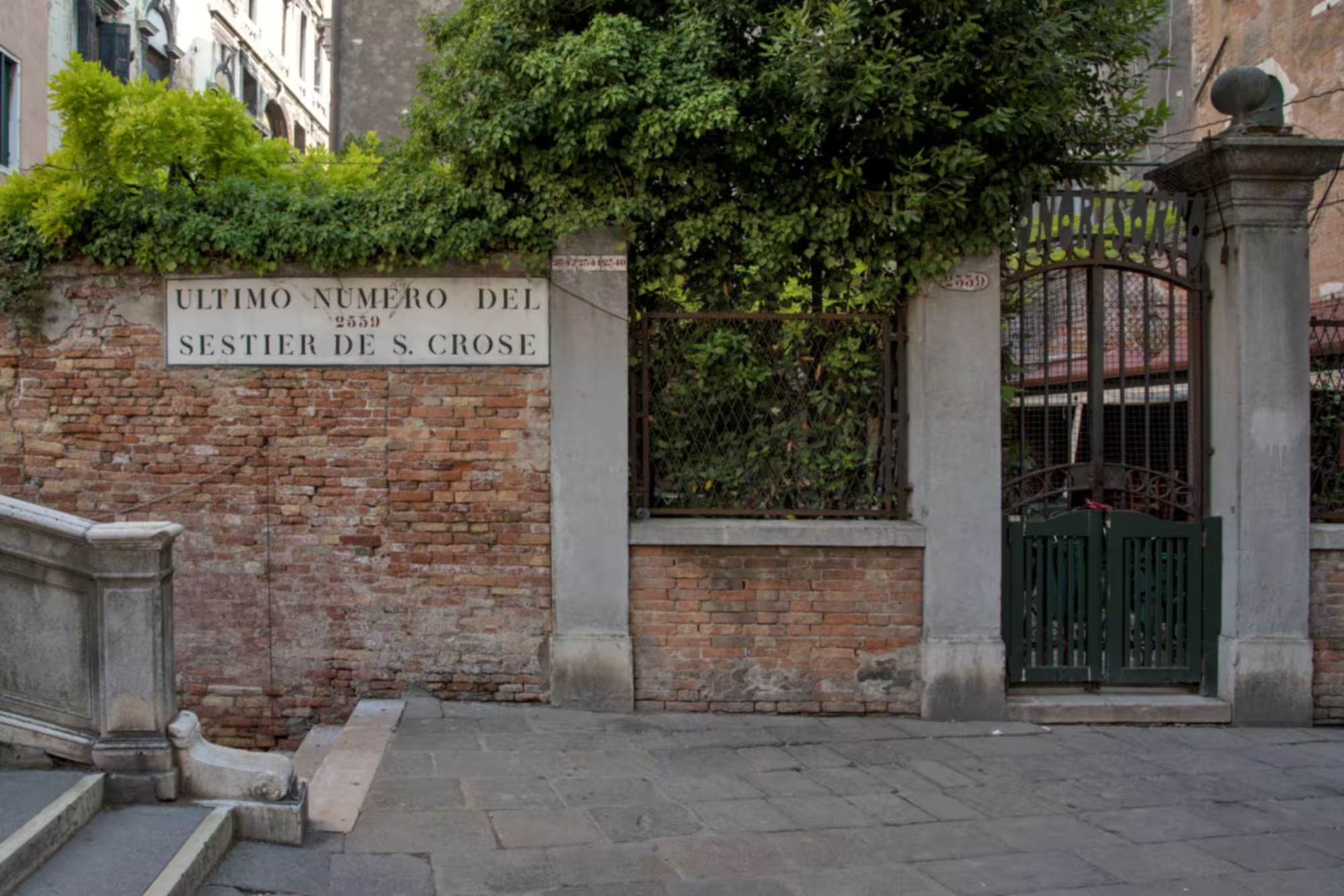
Sestiere – sestieri
Venice is divided into six sestiere whose origin is as old as the city of Venice itself. As far as we know, they have always been there.
-
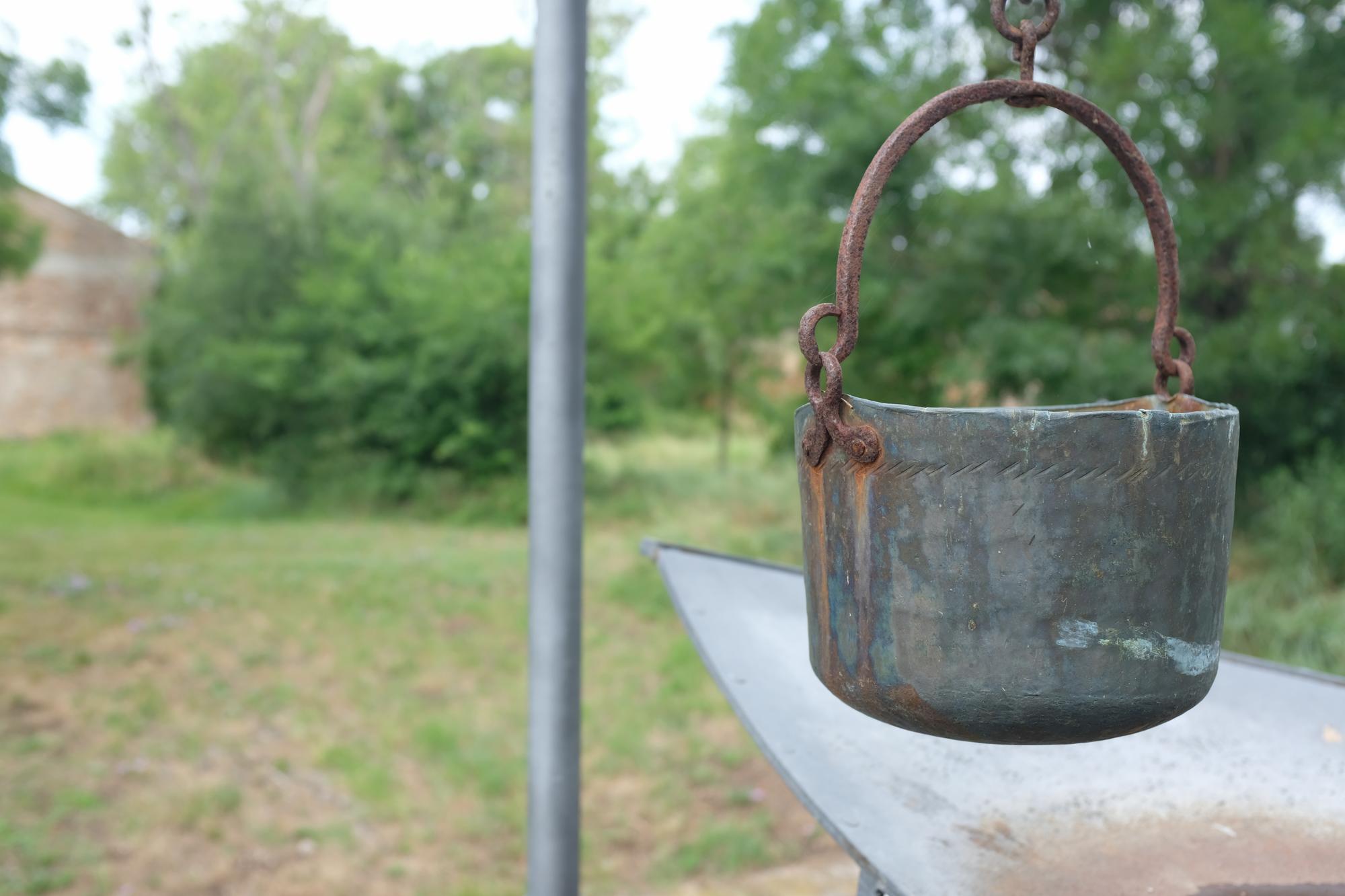
Well, actually
Venice has been described as a city on water without water – still there’s a well in every square and every courtyard
-
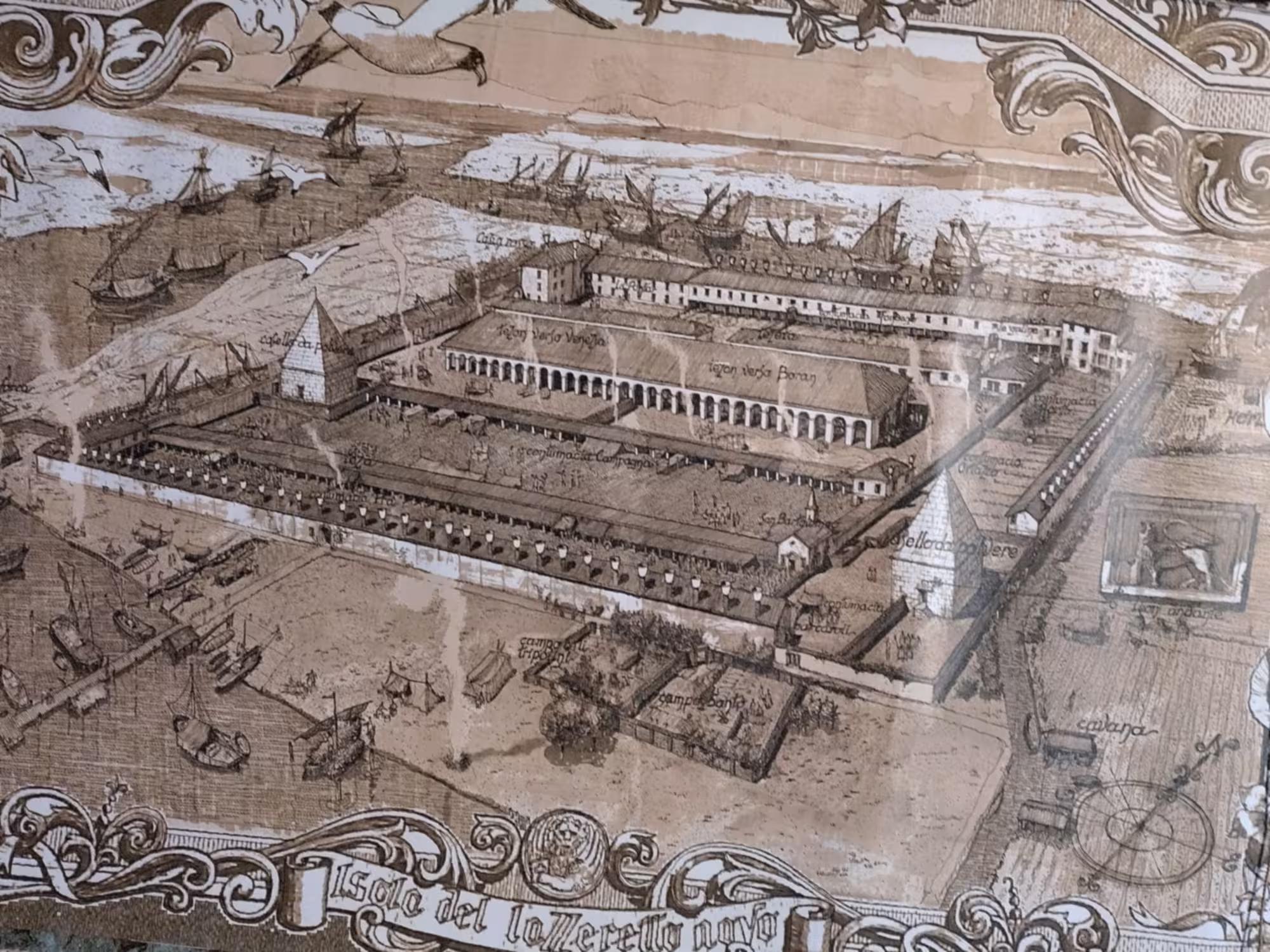
A Chronology of the Lazzaretto Nuovo
A chronology of the Lazzaretto Nuovo, the first permanent quarantine station for the bubonic plague in the world, founded in 1468 by the Republic of Venice.
-
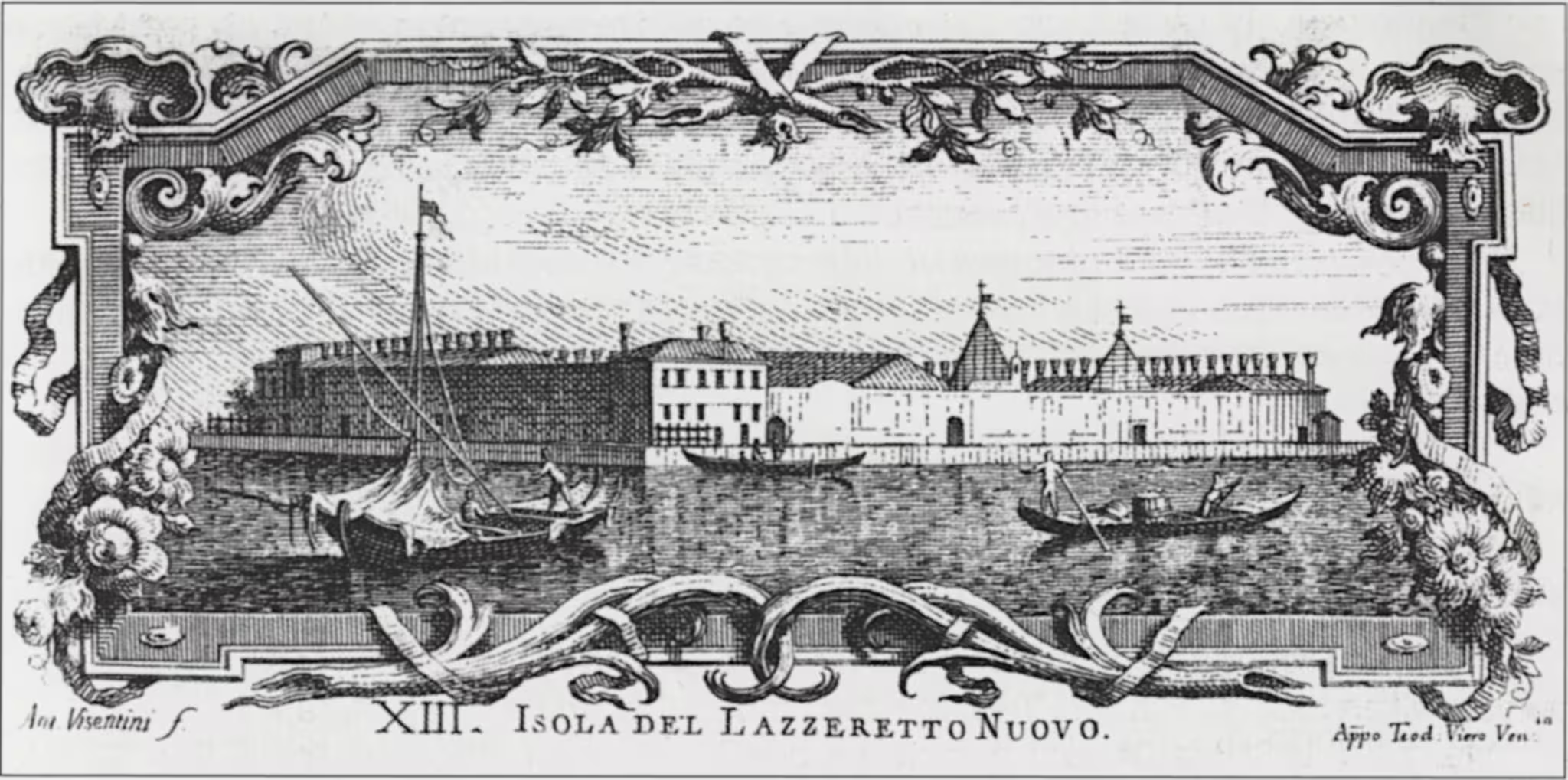
Lazzaretto Nuovo – the first quarantine station
The quarantine station on Lazzaretto Nuovo was for three centuries one of the main Venetian defences against the black plague.
-
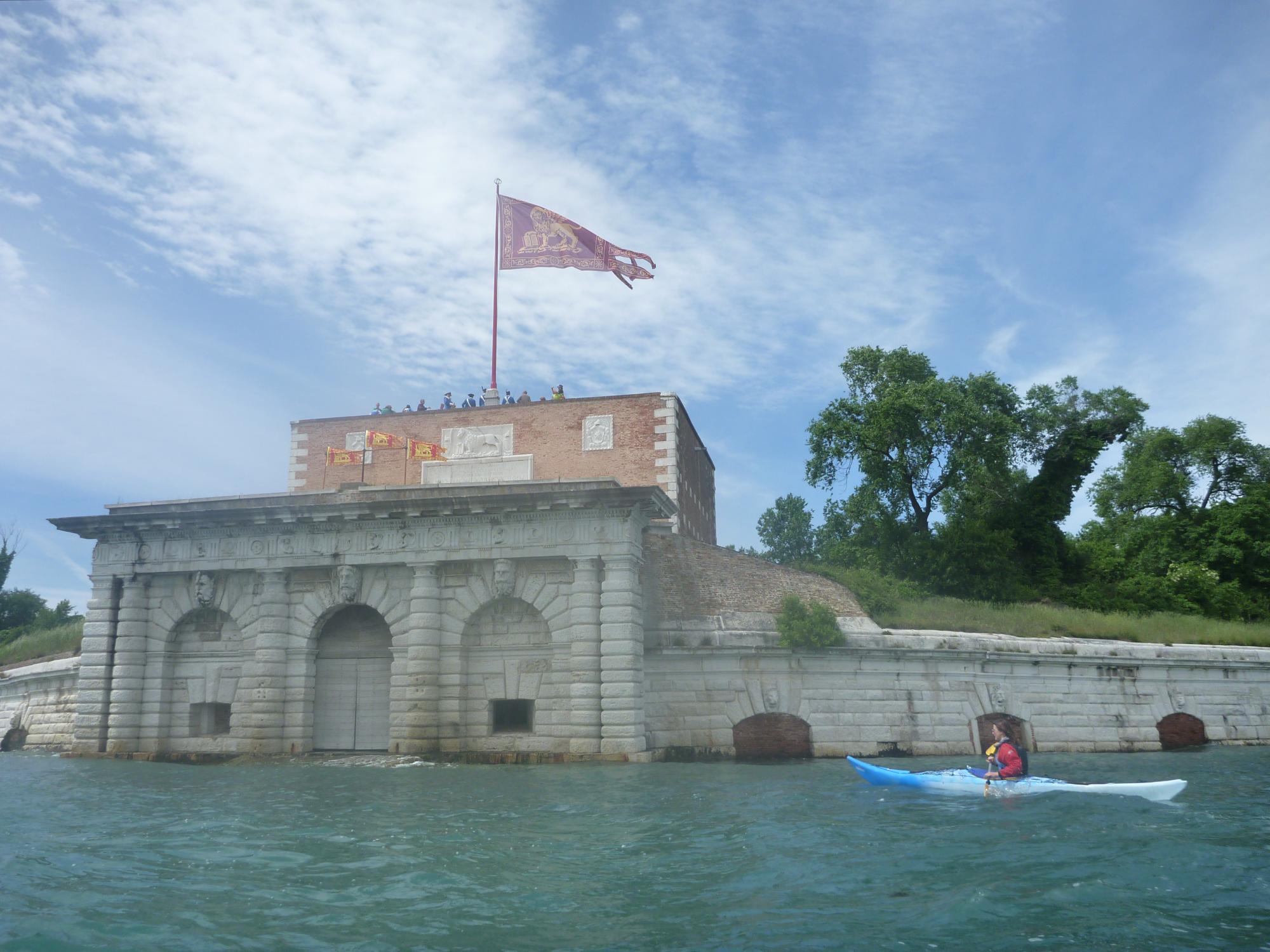
Fanti da Mar – a historical re-enactment
The ‘fanti da mar’ were a corps of naval infantry of the Republic of Venice. Today a group of enthusiasts re-enact the ‘fanti da mar’.
-
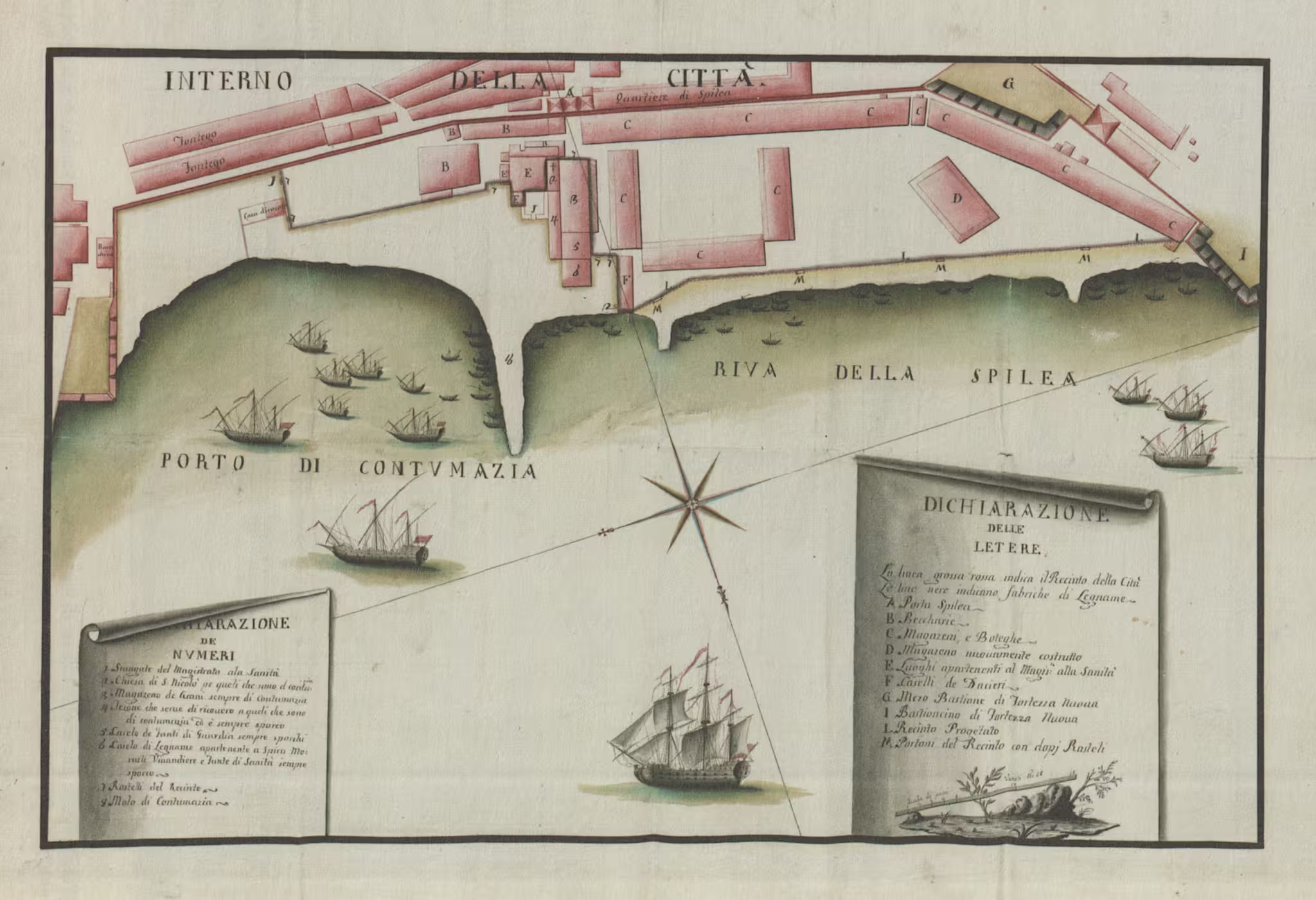
The Venetian Lazzaretti
The lazzaretti in Venice were the Venetian republic’s response to the emergency of the plague, and an efficient response too.