Liutprand (King of the Lombards; 712–744)
Liutprand (c.680–744) was king of the Lombards from 712 to 744. During his reign, he fought wars with Byzantine over Ravenna, and donated lands at Sutri to the Pope, leading to the creation of the Papal State.
-
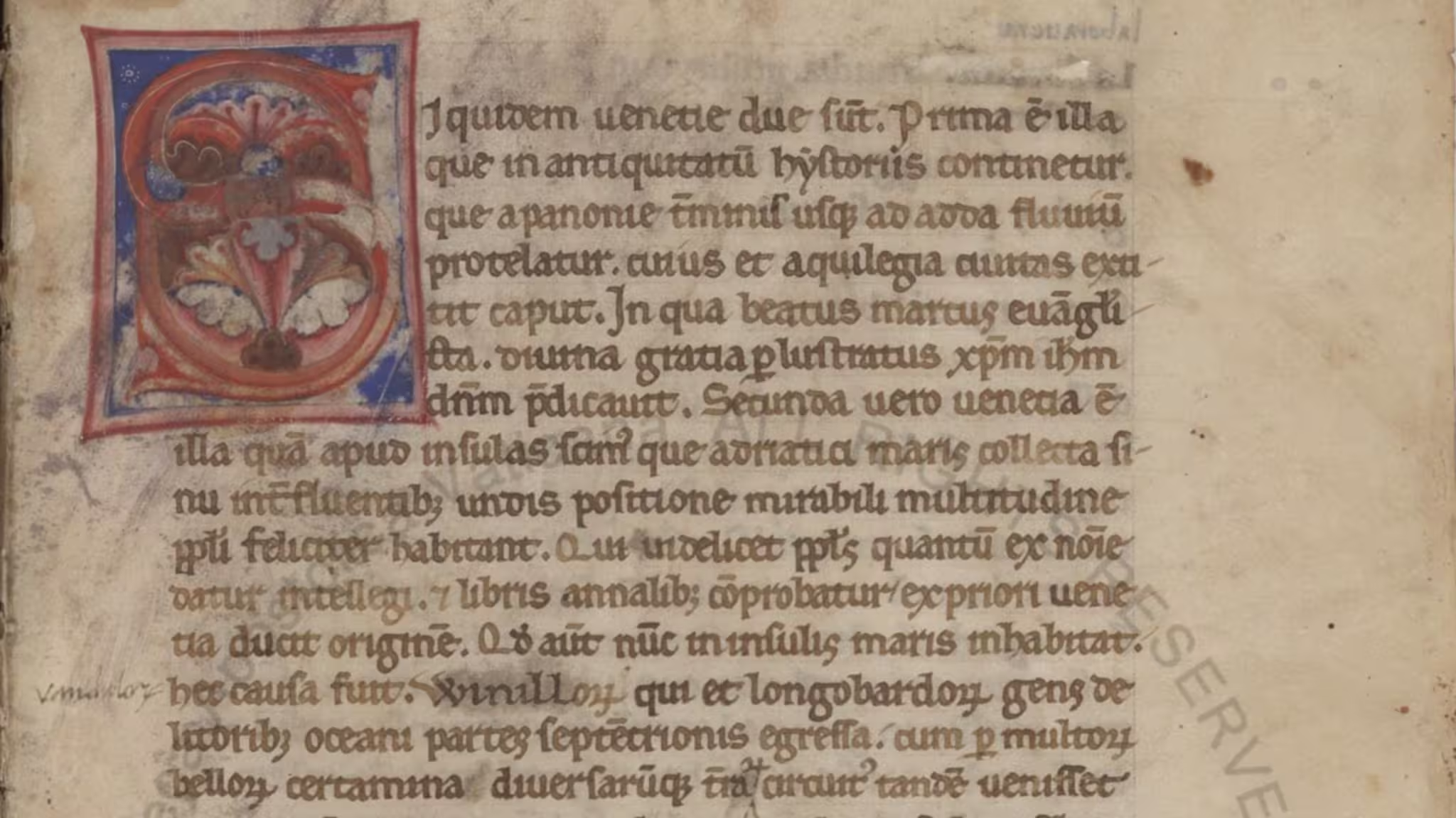
The five “magistri militum”
From 737 to 742 the Duchy of the Venetians wasn’t ruled by dukes, but by military commanders with the Byzantine title of “magister militum”.
-
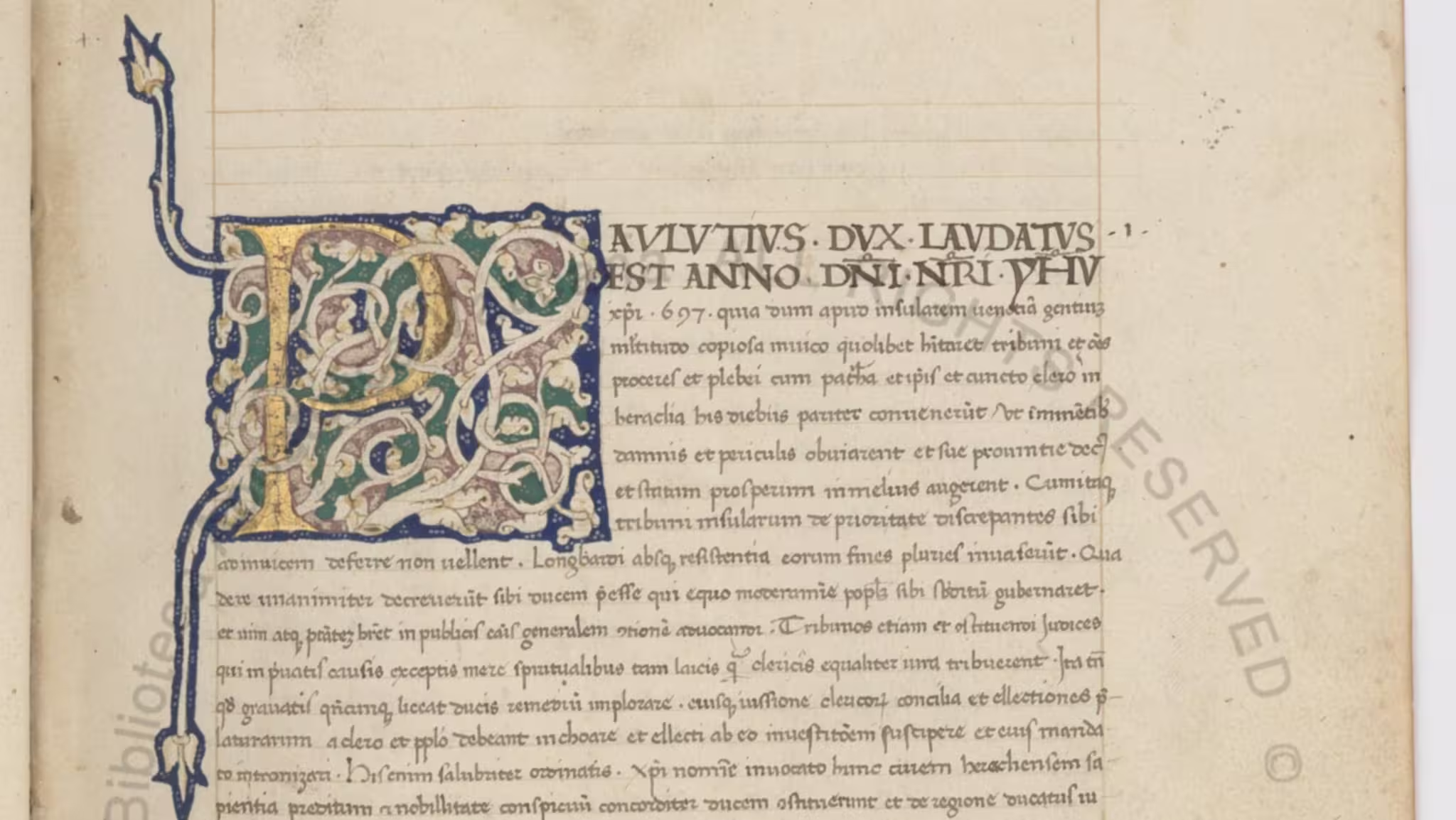
Hildeprand in Ravenna — Chronica per extensum descripta
The Lombard attack on Ravenna, and the Venetian intervention to restore the Exarchate, excerpt from the “Chronica per extensum descripta” (1340s) by Andrea Dandolo.
-
Hildeprand in Ravenna — John the Deacon
The Lombard conquest of Ravenna and how the Venetians saved the Exarchate (730s or 740s), excerpt from the “Istoria Veneticorum” by John the Deacon.
-
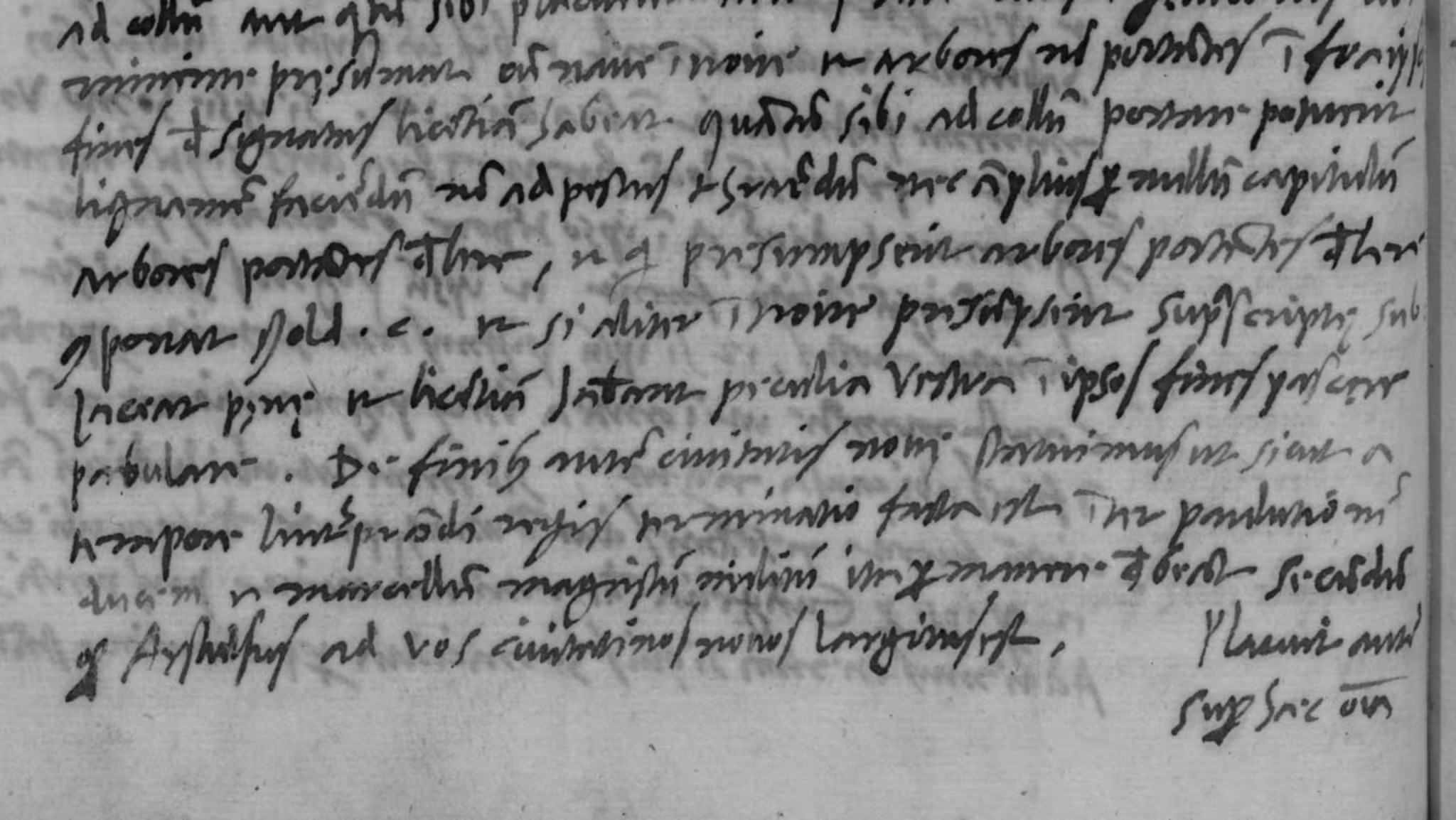
Pactum Lotharii (840)
The Pactum Lotharii was a treaty between the Duchy of the Venetians and the Holy Roman Empire, or parts thereof, from 840.
-
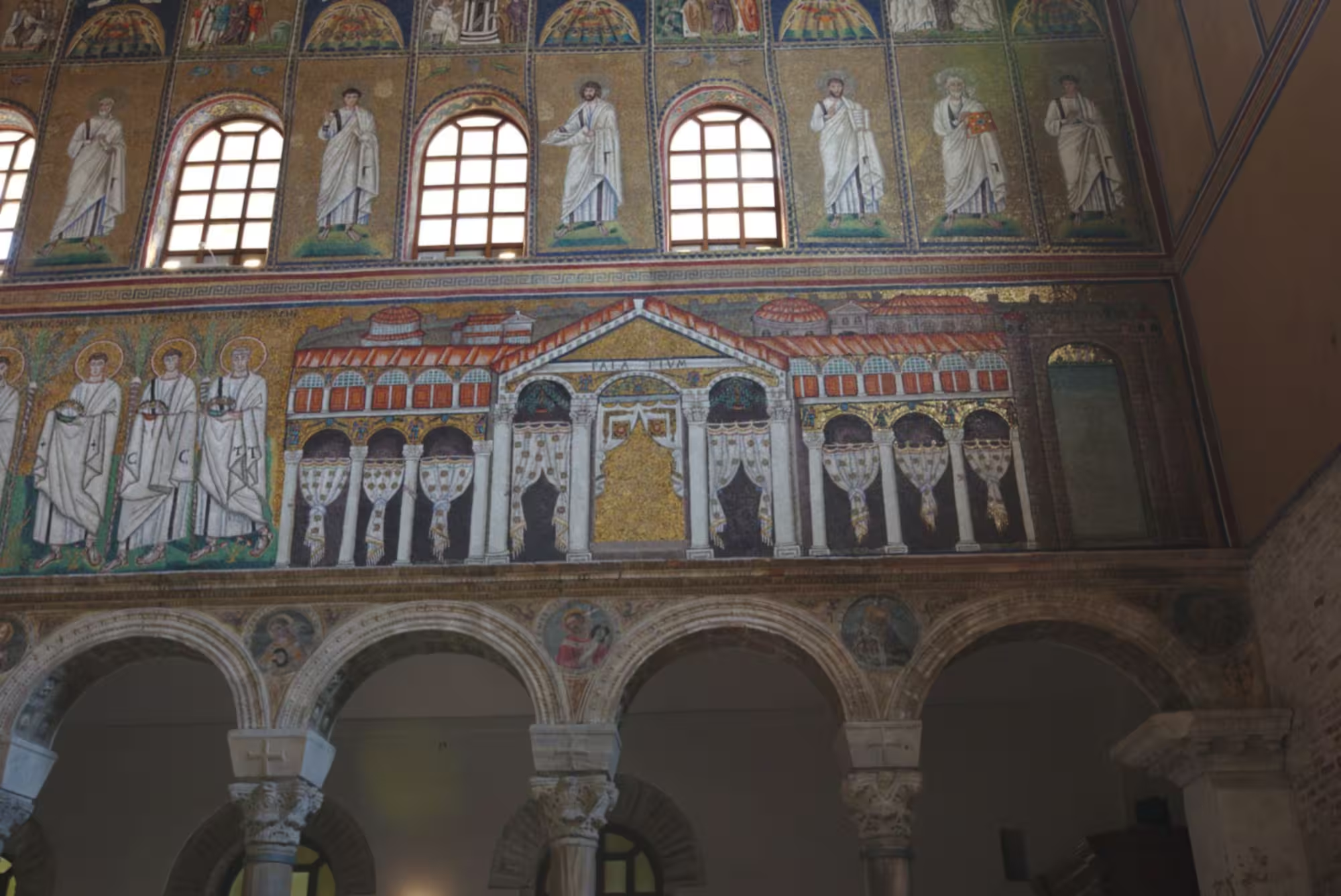
Hildeprand in Ravenna — Paul the Deacon
In the 730s or early 740s, Hildeprand, nephew of king Liutprand, and Peredeo, duke of Vicenza, managed to take Ravenna, the capital of the Exarchate of Ravenna.
-
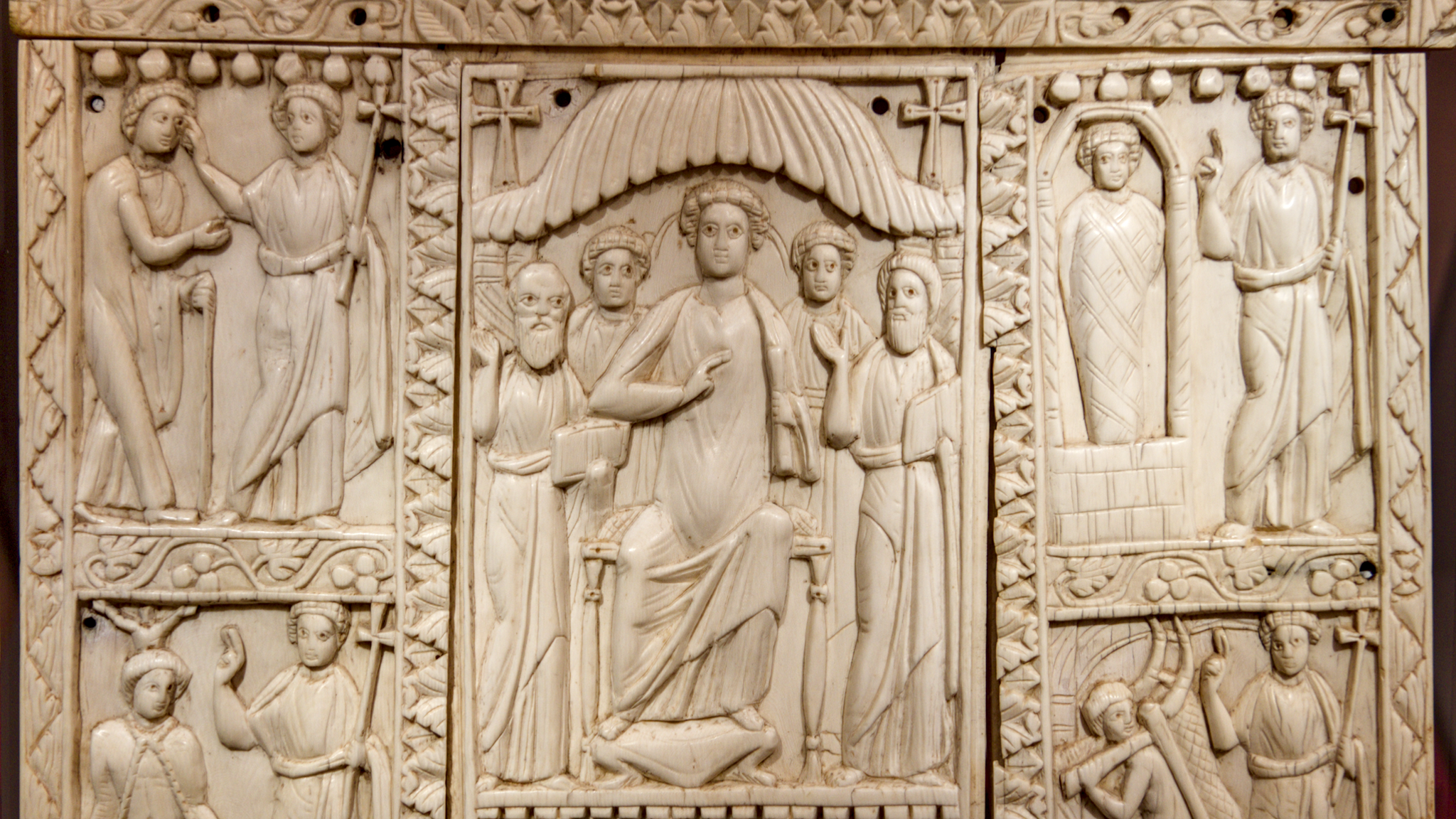
The demise of the Exarchate
The events around the demise of the Exarchate of Ravenna only involved the Venetians marginally. It is nevertheless important to the history of Venice.
-
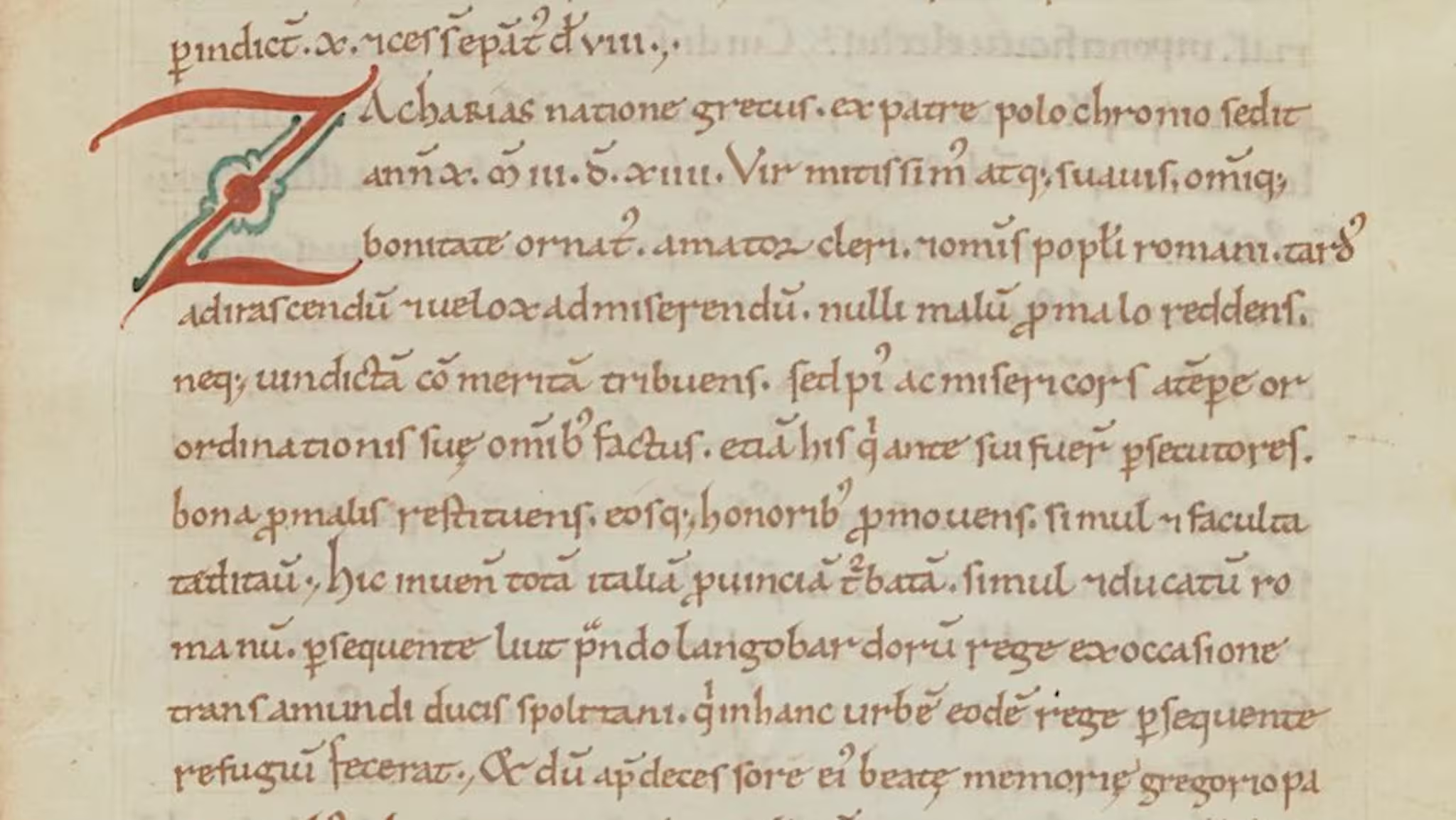
Zachary — Liber Pontificalis
An excerpt of the “Liber Pontificalis” for Pope Zachary about Lombard attacks on Ravenna around 742.
-
John VI — Liber pontificalis ecclesiae Ravennatis
The eventful reign of John VI, bishop of Ravenna (726–744), from the “Liber pontificalis ecclesiae Ravennatis”.
-
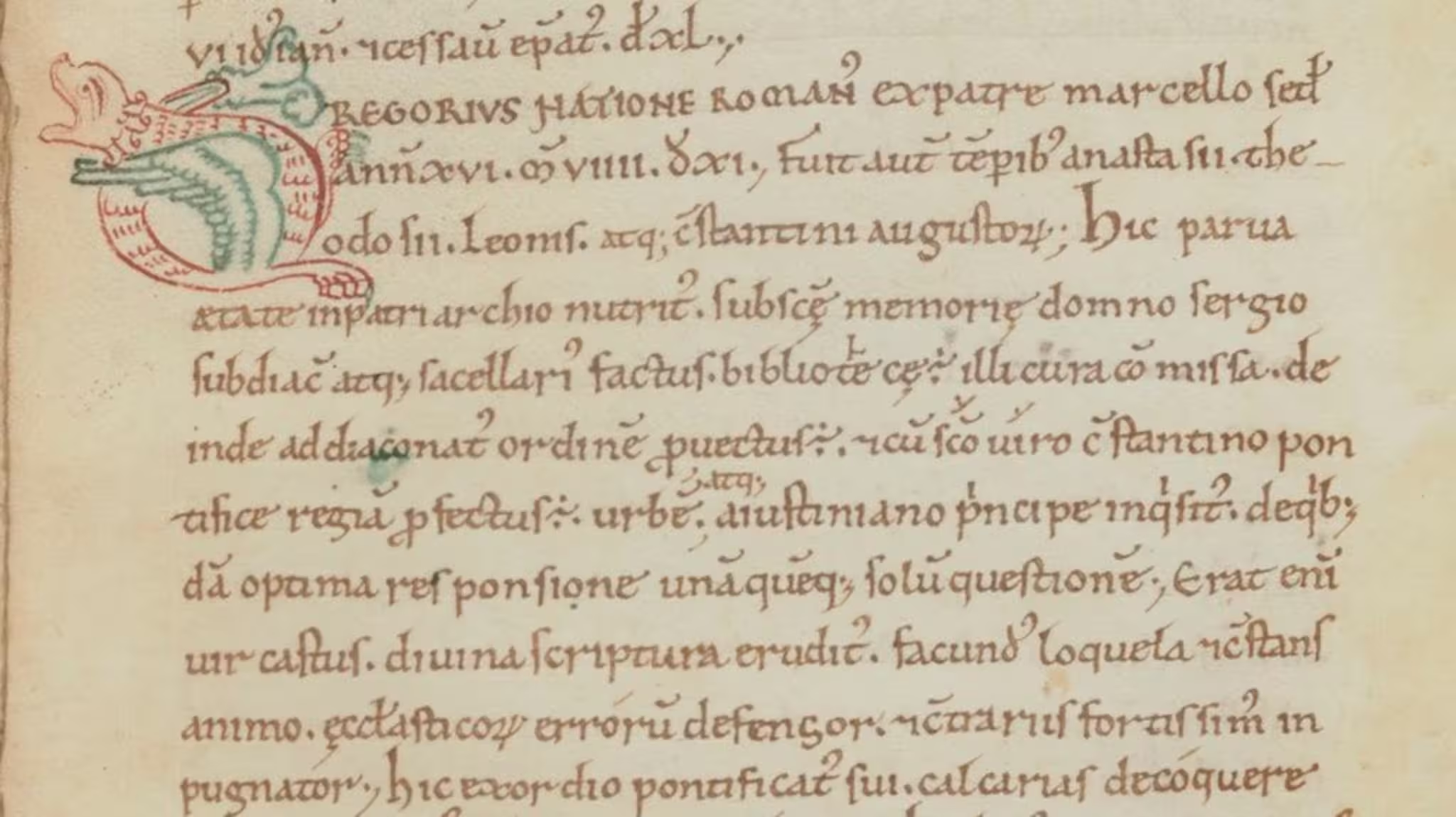
Gregory II — Liber Pontificalis
The Liber Pontificalis for Gregory II (715–731), recounts in great detail the conflicts between the Eastern Roman Empire and the Papacy, with repeated attempts at the life of the pope.
-
Iconoclasm — Paul the Deacon
An account of the anti-iconoclast rebellion of 726–727 in Byzantine Italy, from the “Historia Langobardorum” by Paul the Deacon.