
Giuseppe Boerio (1754-1832)
Giuseppe Boerio (1754-1832) was a Venetian public servant, and under the Austrian regime a criminal judge. He is best known for his Dizionario del Dialetto Veneziano (1829).
-
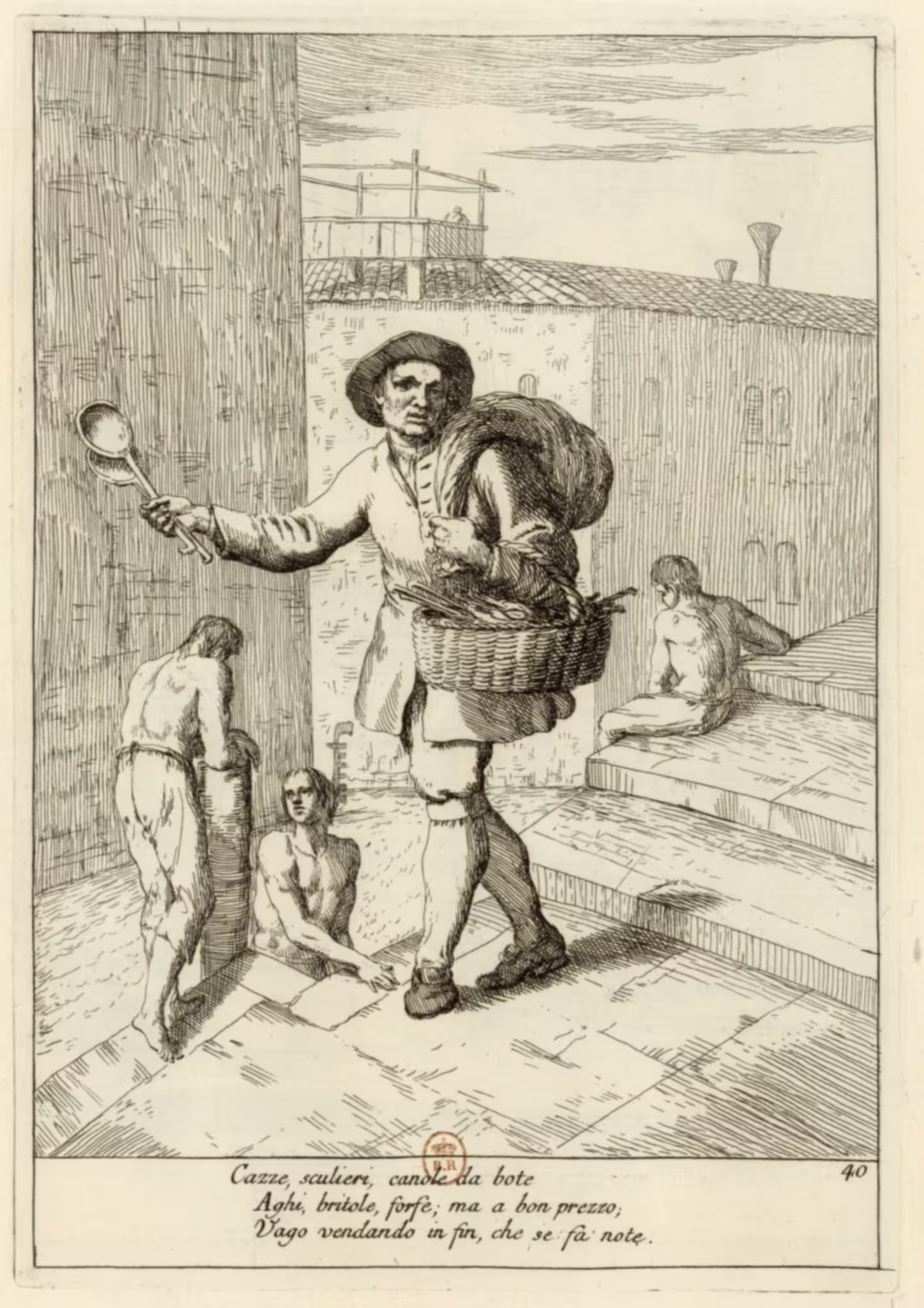
Cazze , e Sculieri — seller of wooden kitchen utensils — Zompini — Arti #40
“Cazz , e Sculieri” (seller of wooden kitchen utensils) from “Arti che vanno per via” (1785) by Getano Zompini, translated by René Seindal.
-
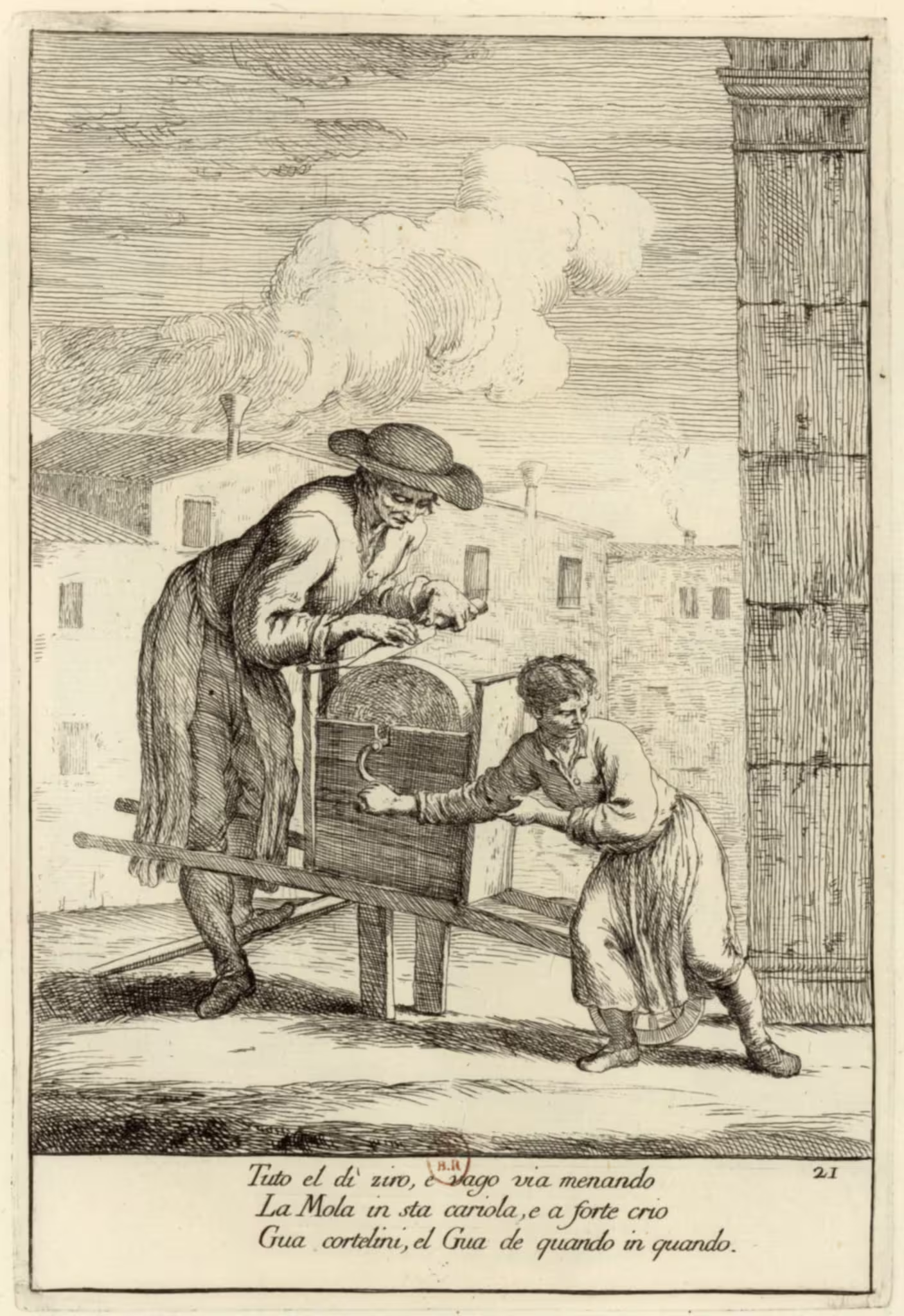
Gua — Knife grinder — Zompini — Arti #21
“Gua” (Knife grinder) from “Arti che vanno per via” (1785) by Getano Zompini, translated by René Seindal.
-
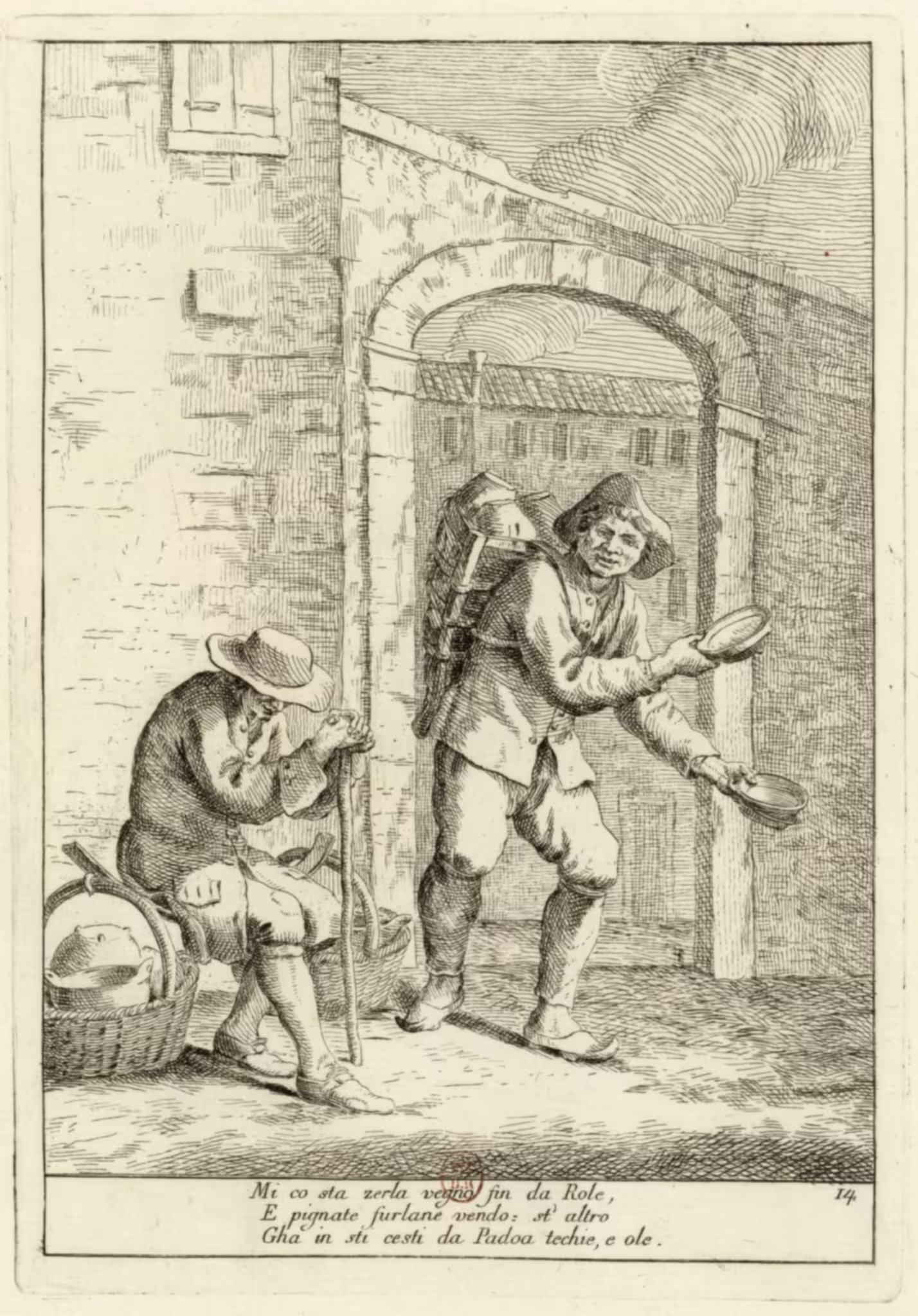
Pignate — vendor of pots and pans — Zompini — Arti #14
“Pignate” (vendor of pots and pans) from “Arti che vanno per via” (1785) by Getano Zompini, translated by René Seindal.
-
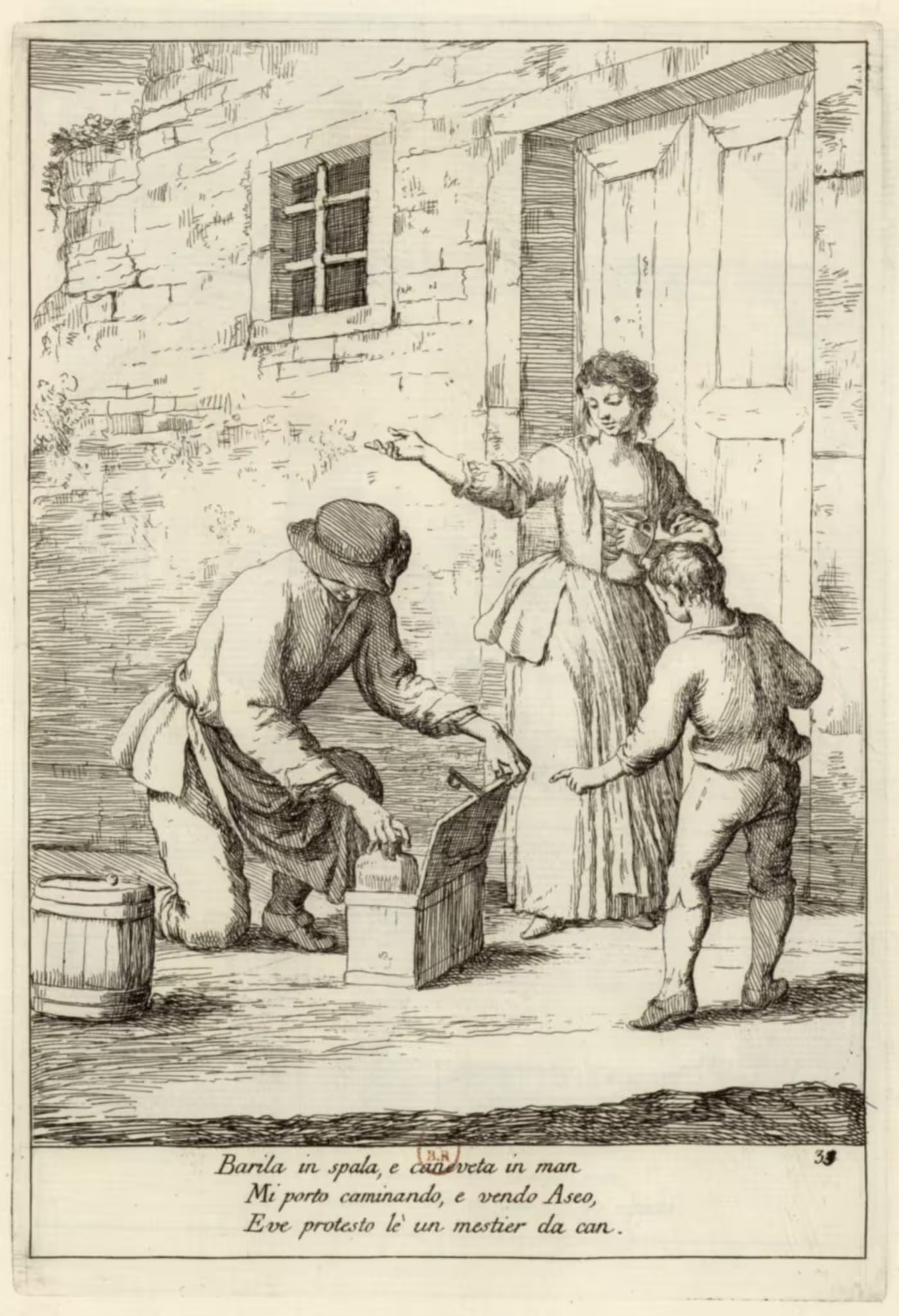
Aseo — Vinegar seller — Zompini — Arti #33
“Aseo” (Vinegar seller) from “Arti che vanno per via” (1785) by Gaetano Zompini, translated by René Seindal.
-
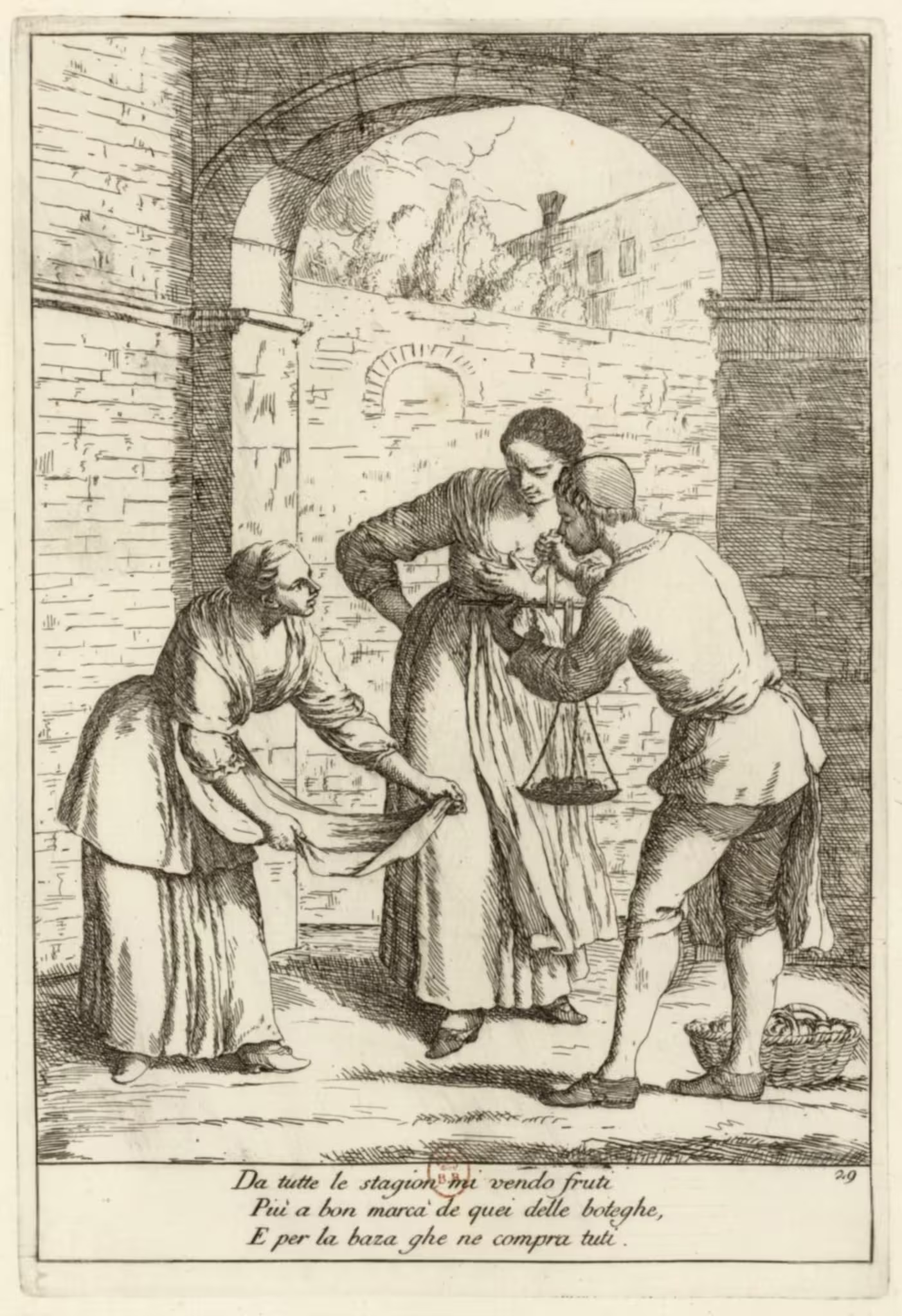
Fruttariol — fruit seller — Zompini — Arti #29
“Fruttariol” (fruit seller) from “Arti che vanno per via” (1785) by Gaetano Zompini, translated by René Seindal.
-
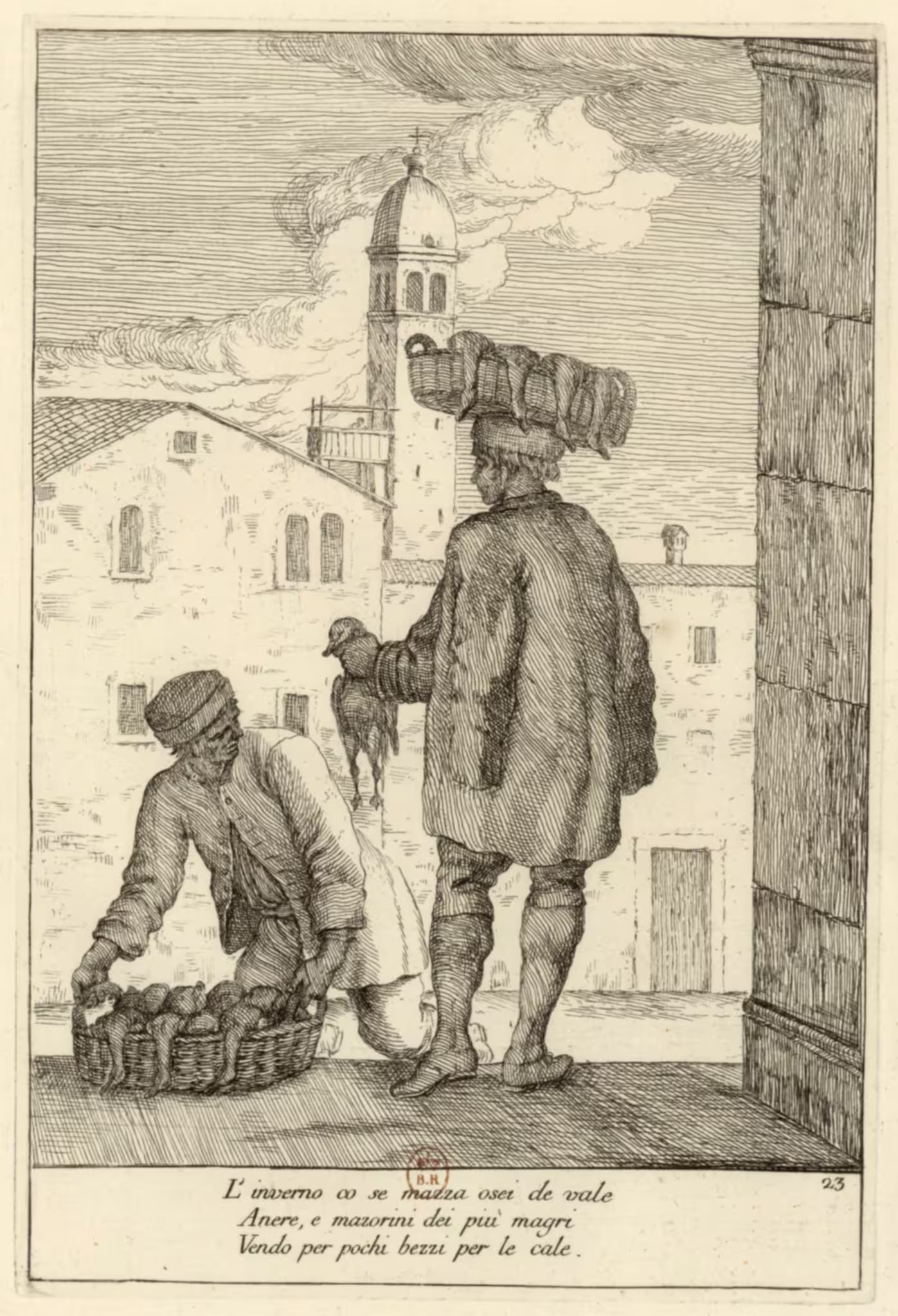
Foleghe , e Mazzorini — Coots and ducks — Zompini — Arti #23
“Foleghe , e Mazzorini” (Coots and ducks) from “Arti che vanno per via” (1785) by Gaetano Zompini, translated by René Seindal.
-
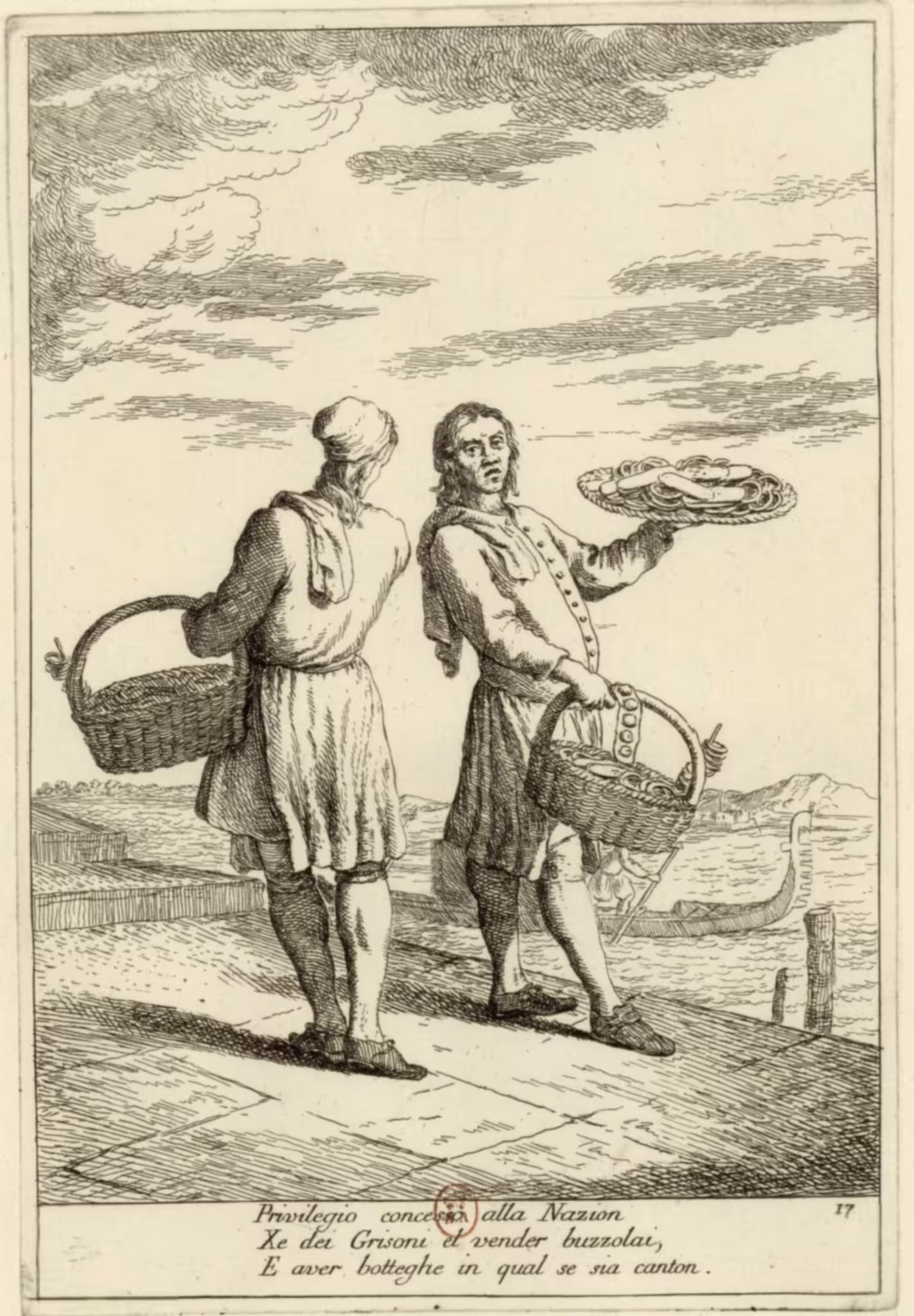
Scaleter — seller of bussolai and ciambelle — Zompini — Arti #17
“Scaleter” (seller of bussolai and ciambelle) from “Arti che vanno per via” (1785) by Gaetano Zompini, translated by René Seindal.
-
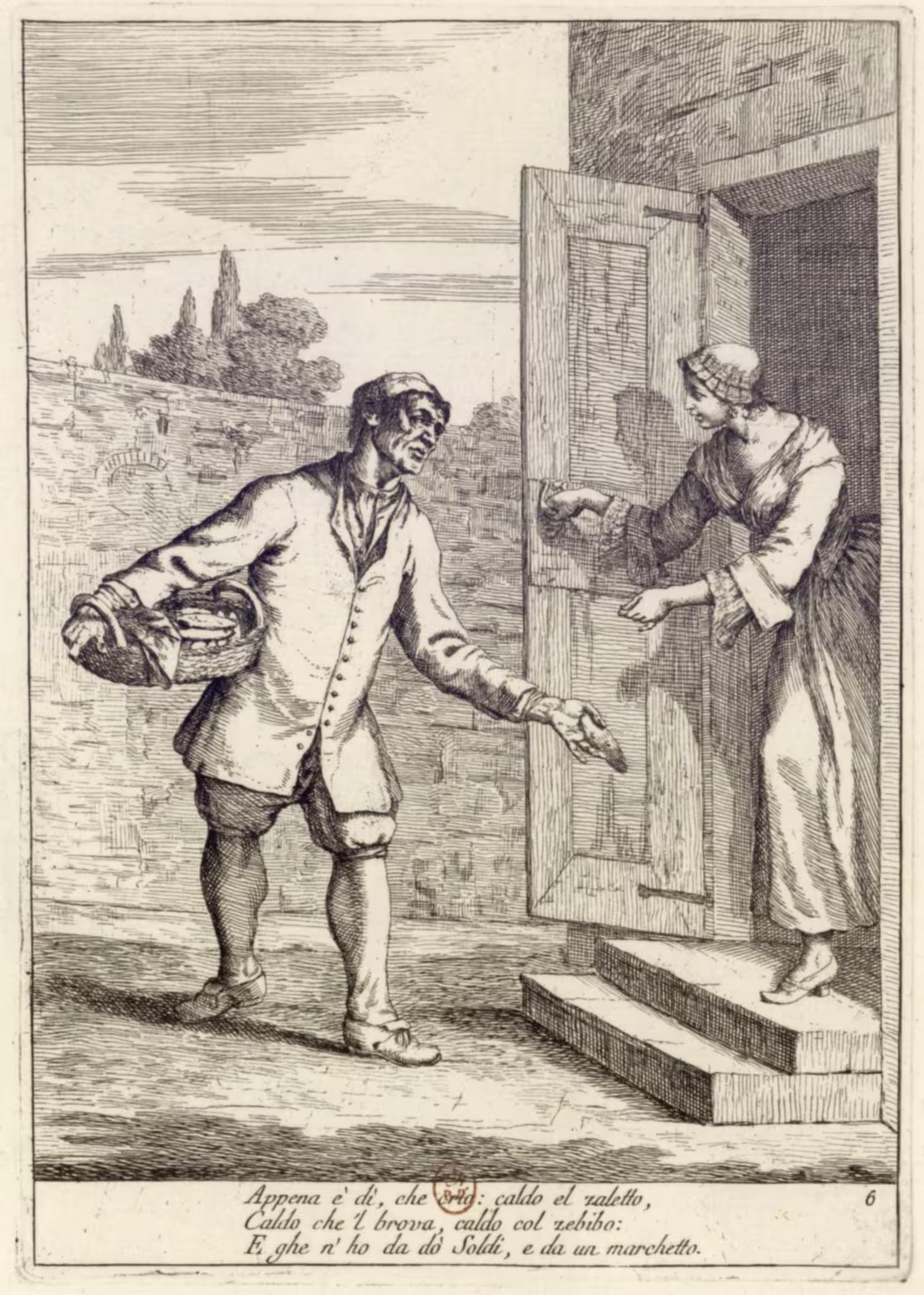
Zaletto — seller of sweet maize cakes with butter — Zompini — Arti #6
“Zaletto” (seller of sweet, yellow cakes with butter) from “Arti che vanno per via” (1785) by Gaetano Zompini, translated by René Seindal.
-
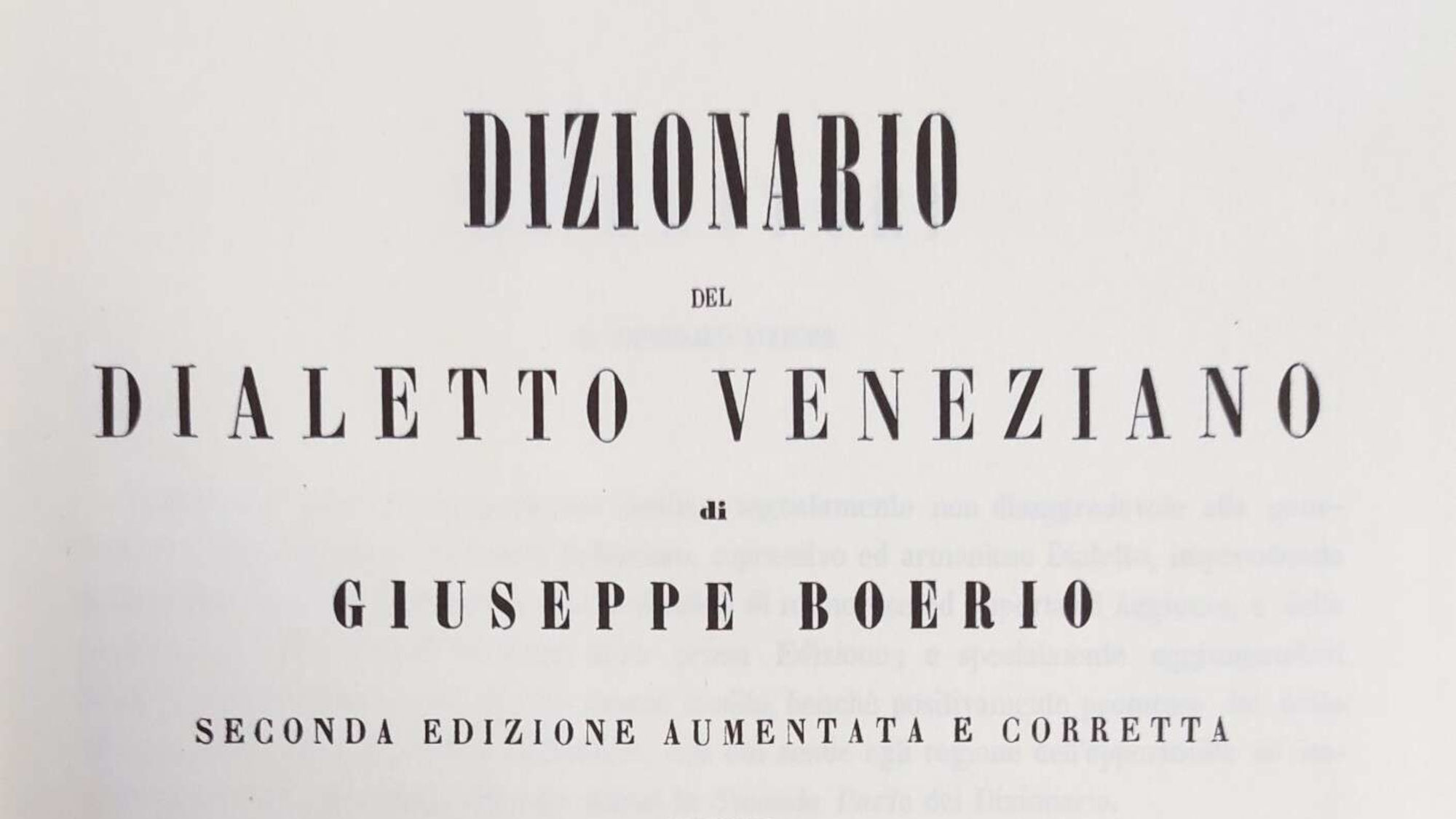
The Dizionario del Dialetto Veneziano by Giuseppe Boerio
The Dizionario del Dialetto Veneziano by Giuseppe Boerio from 1829 is the essential dictionary of the late Venetian language for anybody trying to read old Venetian texts.
-
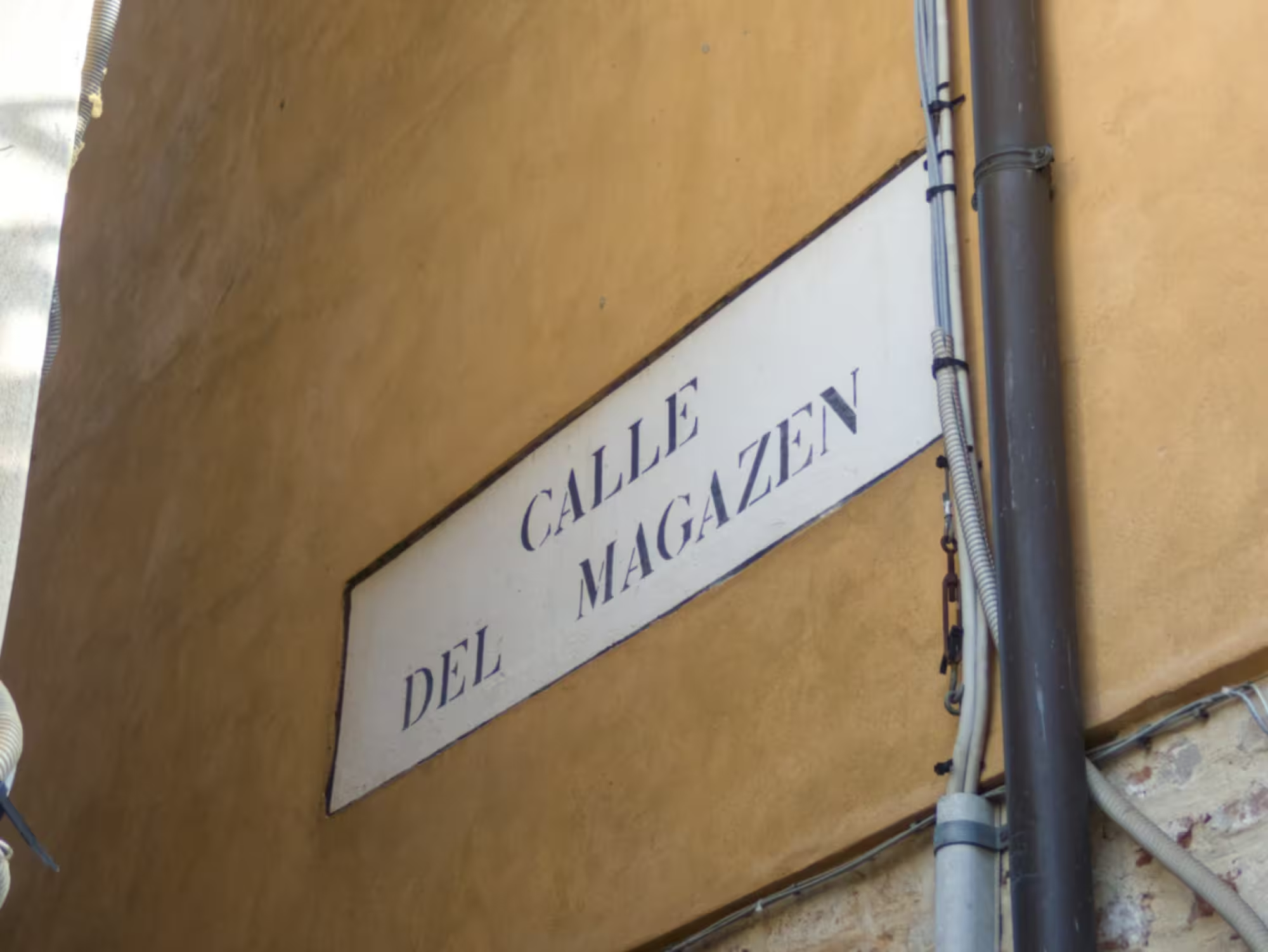
Venice rhymes with Wine
Wine is all over in Venice, and always has been