Venetia Maritima
-
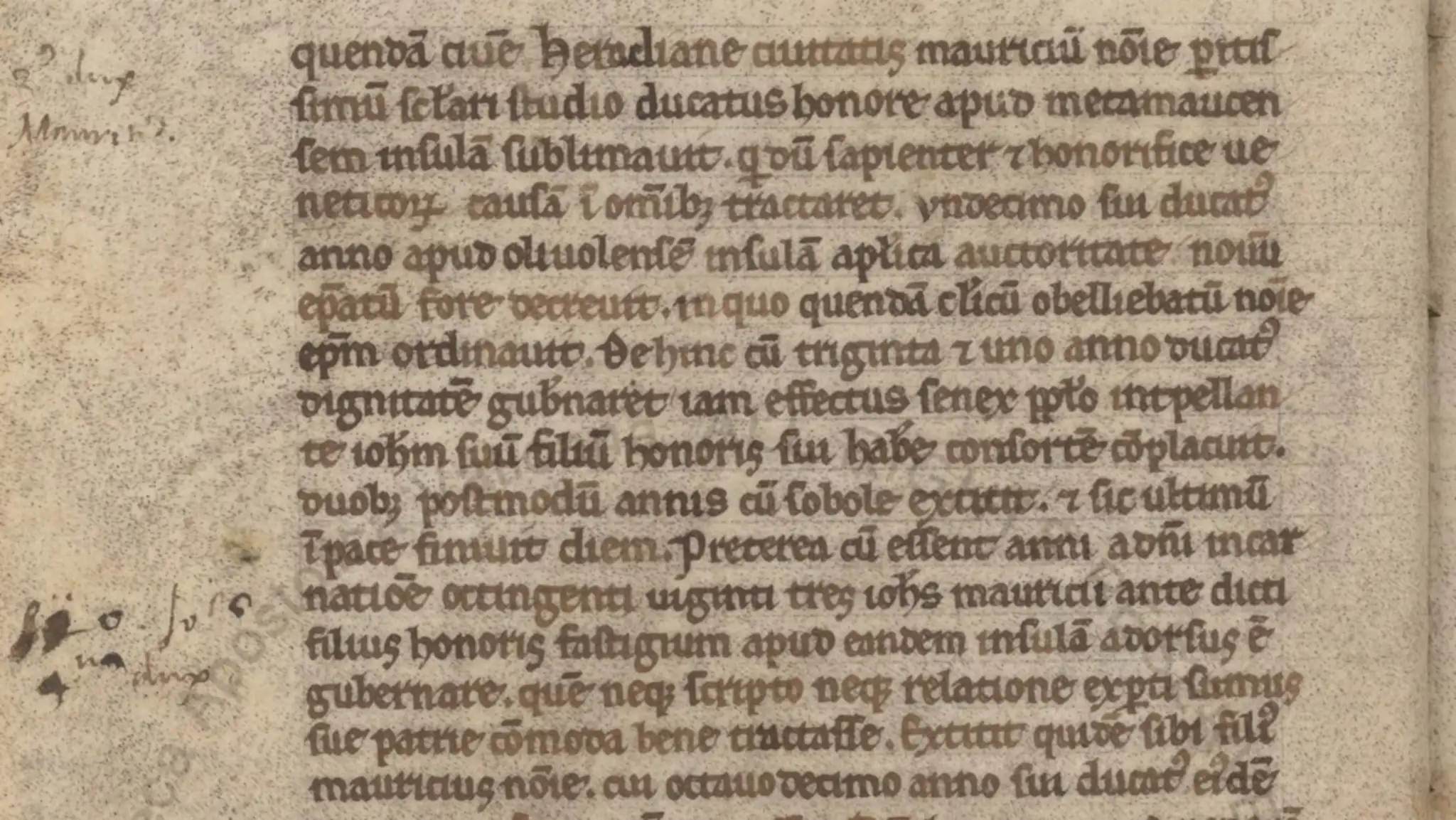
The “Galbaio” dynasty
Mauricius and Giovanni Galbaio were the seventh and eighth doges of Venice. Together, they ruled the duchy for almost four decades.
-
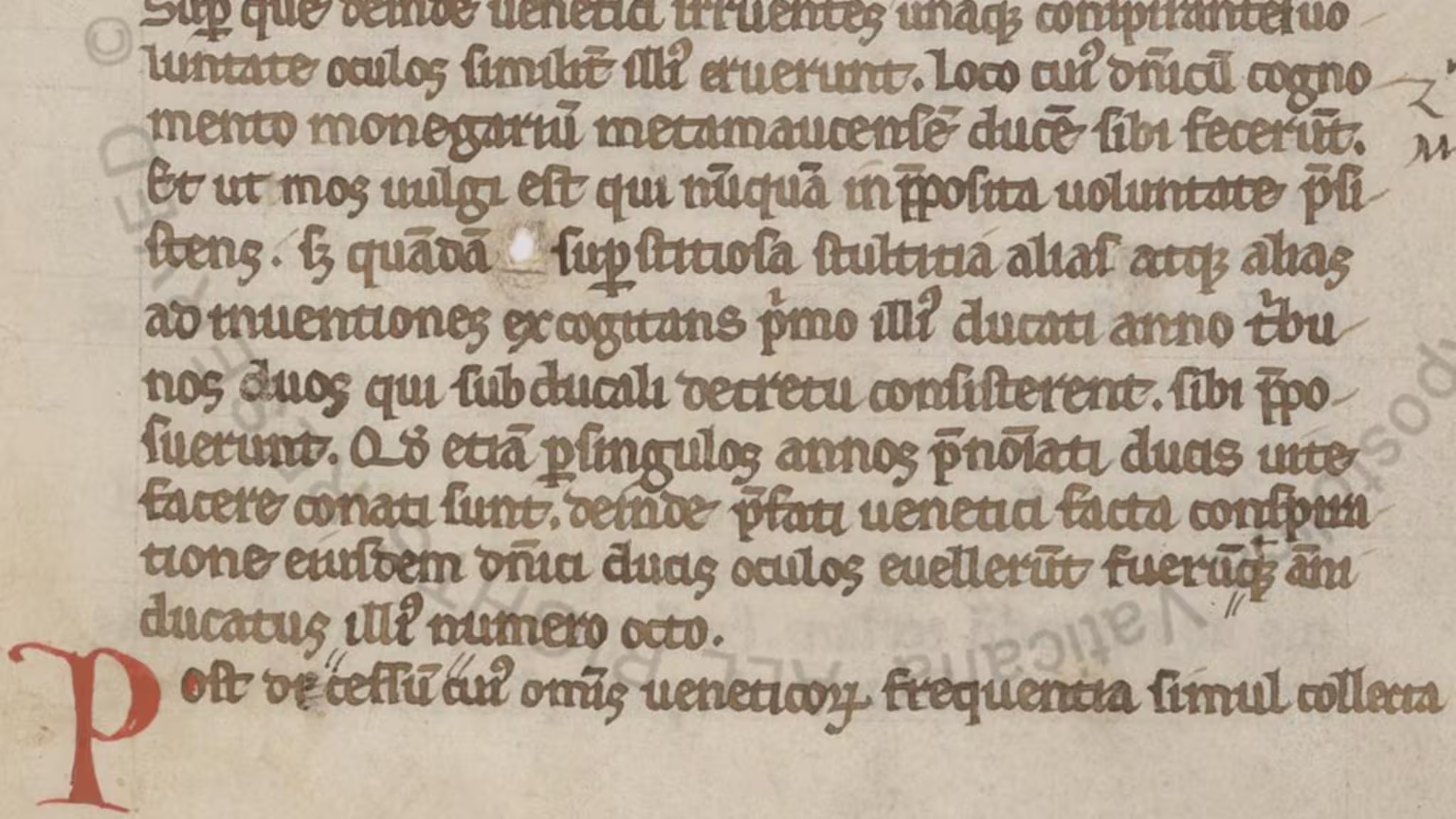
Domenicus Monegarius
Domenicus Monegarius was the sixth doge of Venice, from 765, following the deposition and blinding of duke Galla, and was blinded and deposed in 764.
-
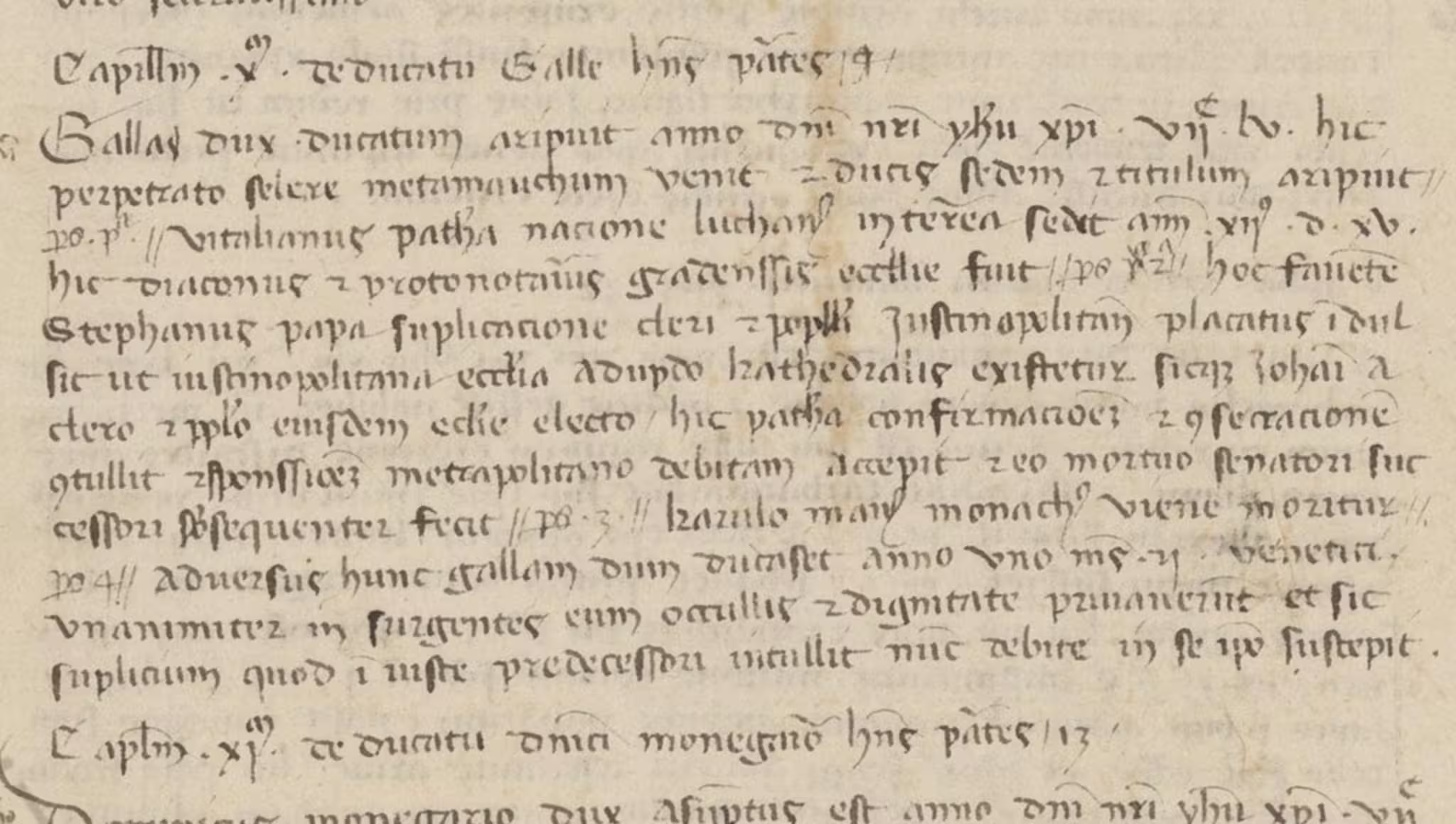
Galla — a most wicked man
Galla, the fifth doge of Venice, only ruled for one year, which was marked by violence.
-
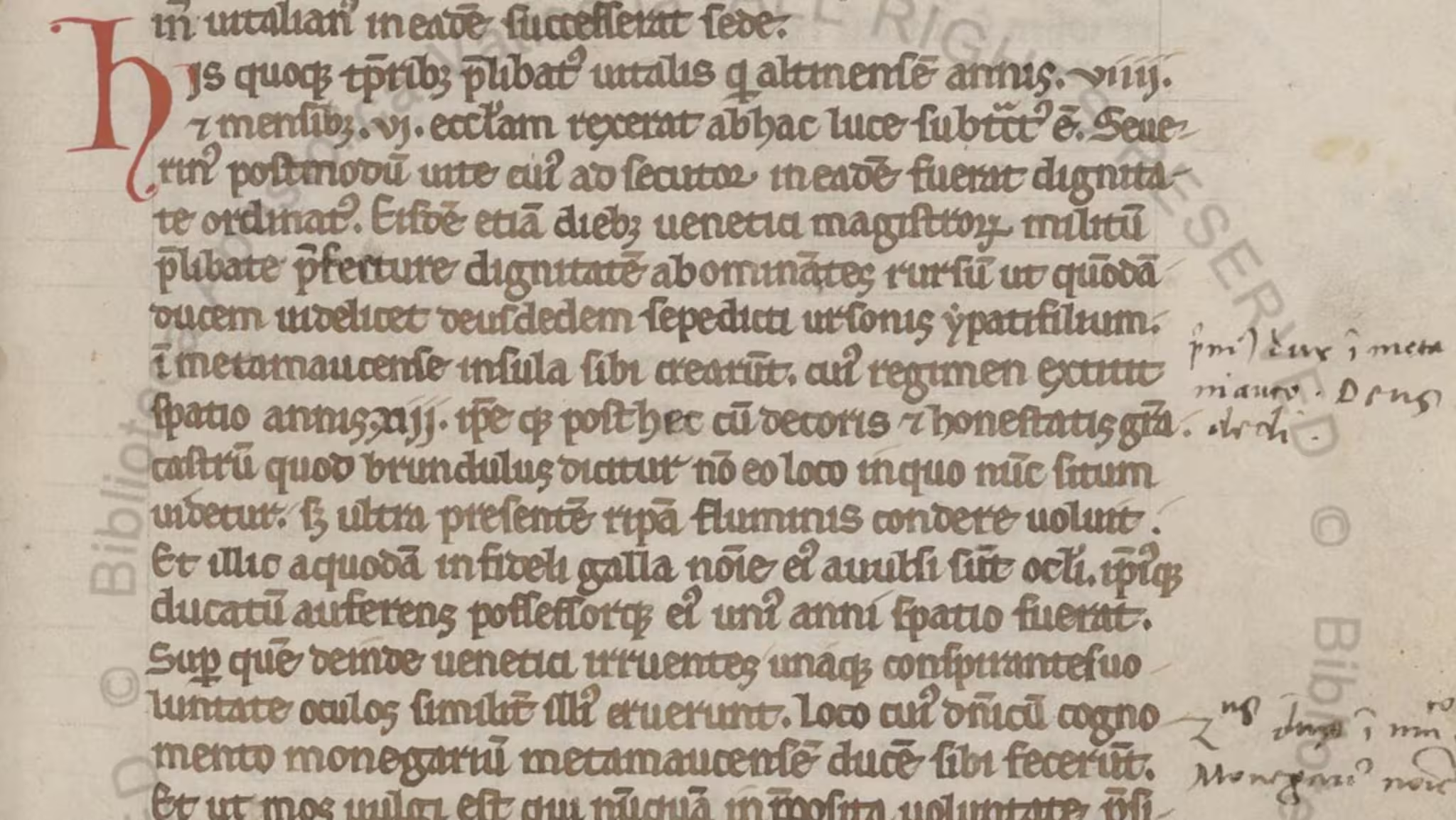
Deusdedit Hypatos
Deusdedit was the fourth doge of Venice, ruling from 742 to 755, but we know little more about him than of the previous doges and the “magistri militum”.
-
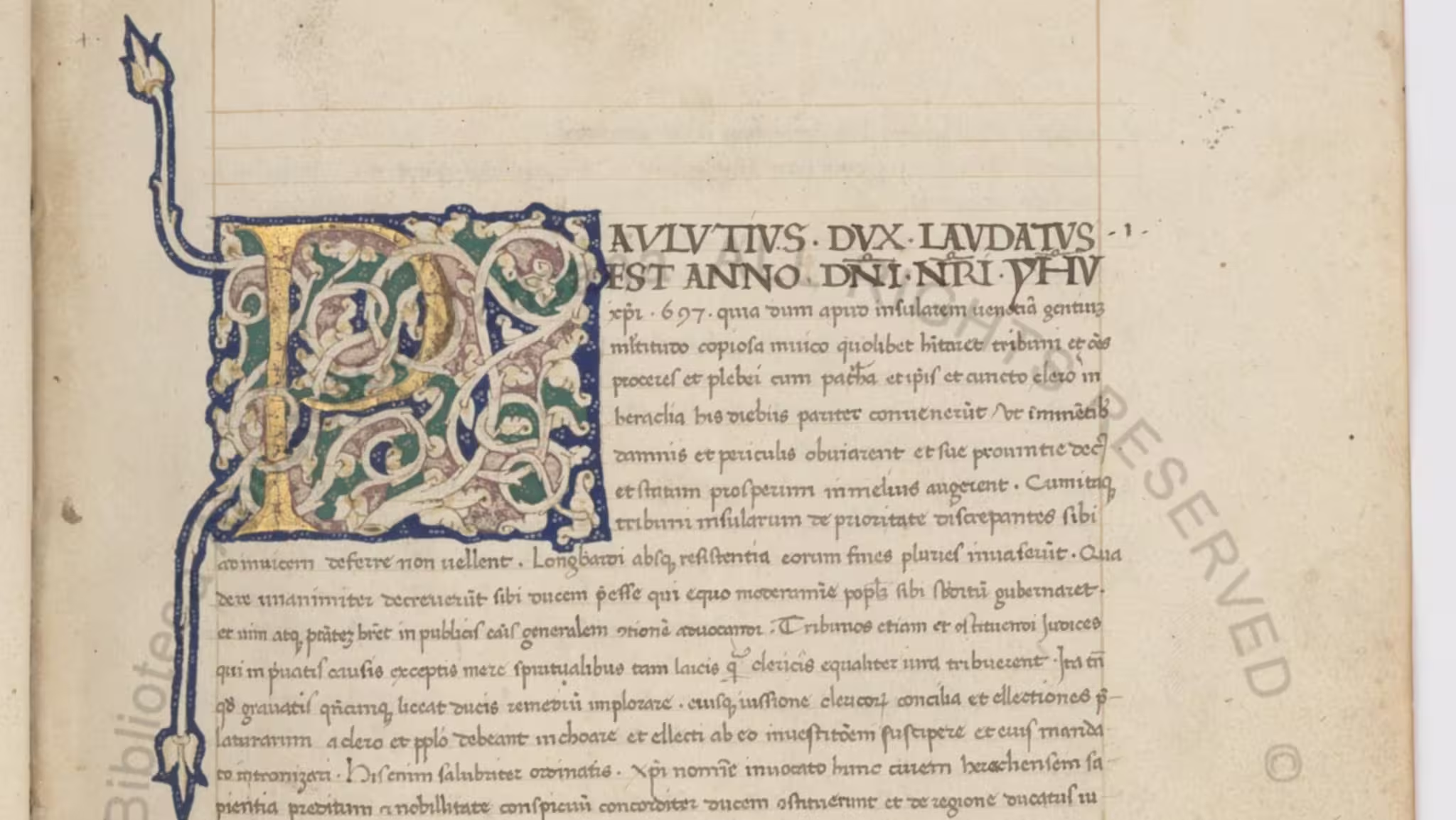
Doges of the 700s — Chronica per extensum descripta
The doges Deusdedit (742-755), Galla (755–756), Domenico Monegario (756–764), Maurizio Galbaio (764–787) and his son Giovanni (787–804), from the “Chronica per extensum descripta” (1340s) by Andrea Dandolo.
-
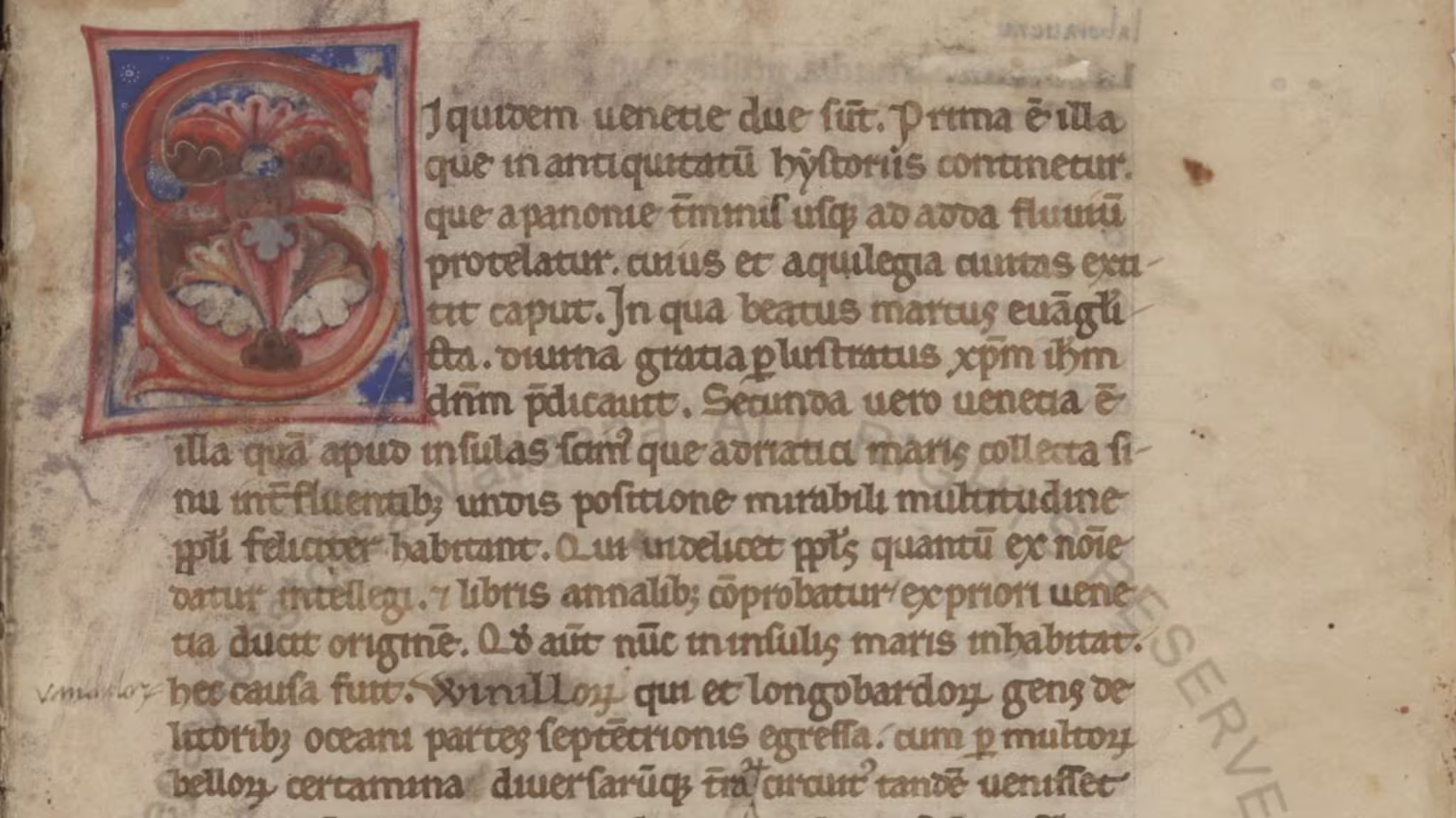
Doges of the 700s — John the Deacon
The doges Deusdedit (742-755), Galla (755–756), Domenico Monegario (756–764), Maurizio Galbaio (764–787) and his son Giovanni (787–804), from the “Istoria Veneticorum” by John the Deacon.
-
Hildeprand in Ravenna — Chronica per extensum descripta
The Lombard attack on Ravenna, and the Venetian intervention to restore the Exarchate, excerpt from the “Chronica per extensum descripta” (1340s) by Andrea Dandolo.
-
Hildeprand in Ravenna — John the Deacon
The Lombard conquest of Ravenna and how the Venetians saved the Exarchate (730s or 740s), excerpt from the “Istoria Veneticorum” by John the Deacon.
-
The death of Paulicius — Chronicon Altinate
The Chronicon Altinate contains an apocryphal account of how duke Paulicius was killed in a factional fight between people from Equilo and Heraclia.
-
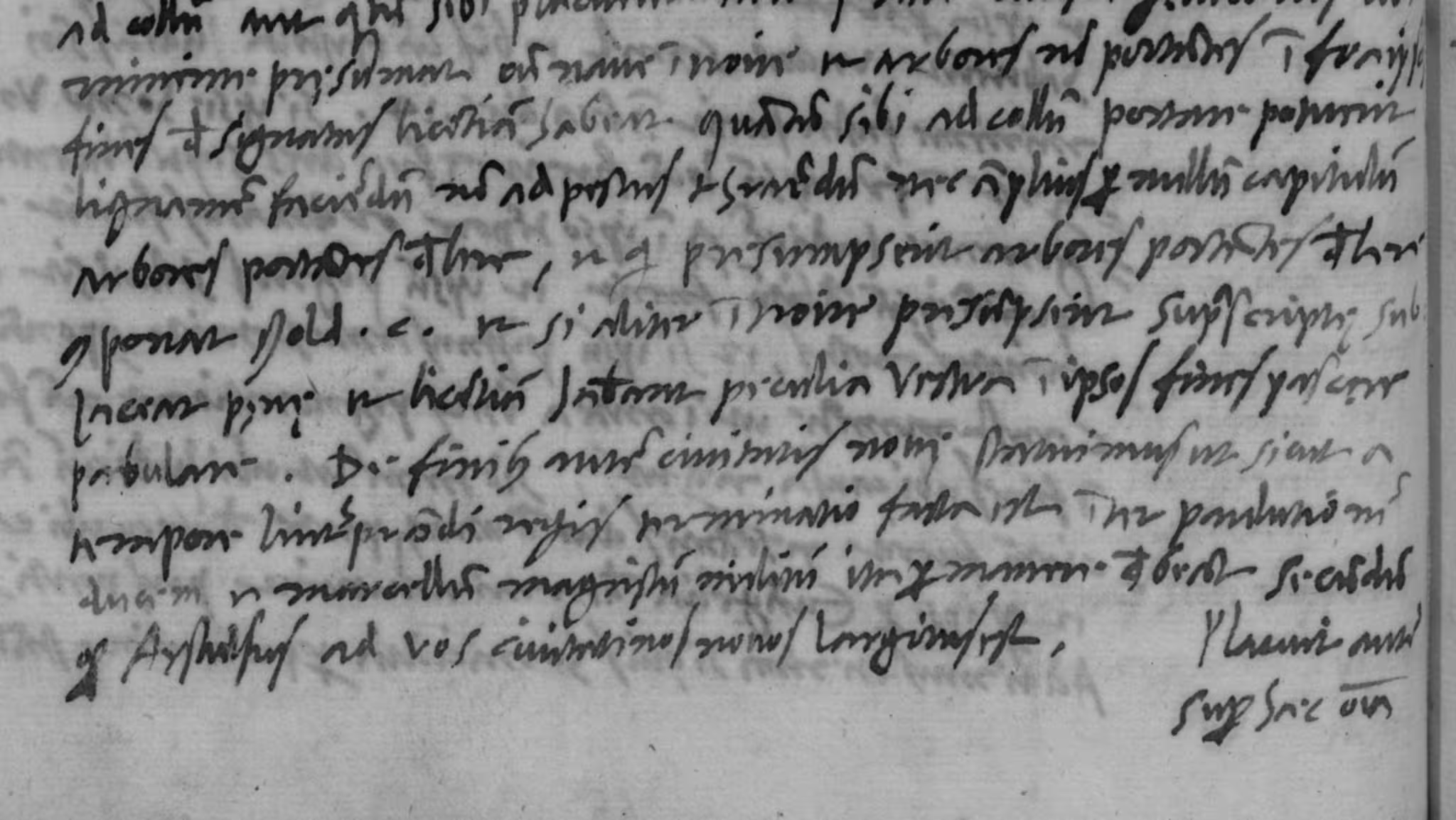
Pactum Lotharii (840)
The Pactum Lotharii was a treaty between the Duchy of the Venetians and the Holy Roman Empire, or parts thereof, from 840.