
Articles
-
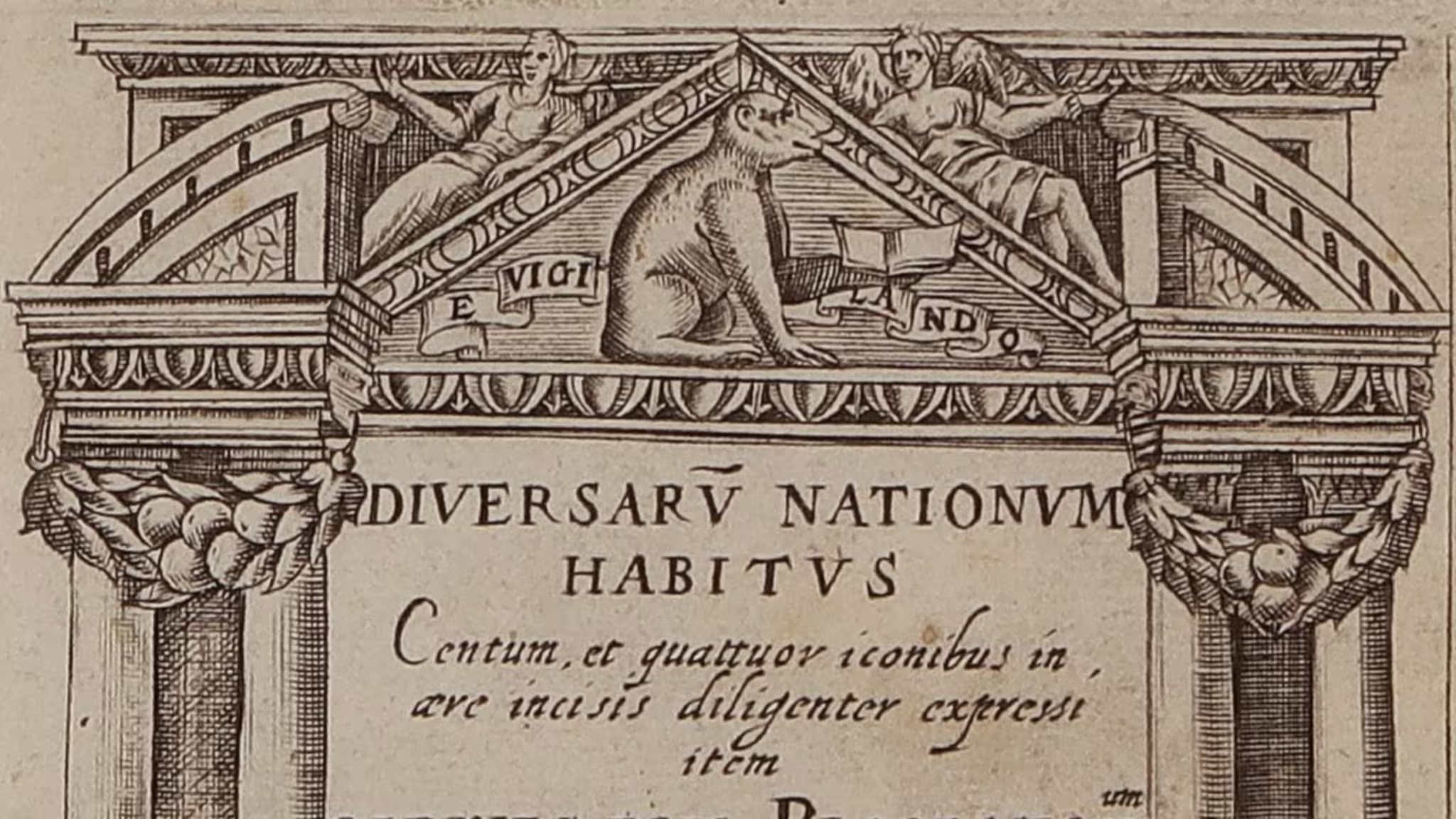
Diuersarum nationum habitus (1589) — Pietro Bertelli
The “Diuersarum nationum habitus” by Pietro Bertllii is a collection of prints of how the people of the world dress, especially the Venetians.
-
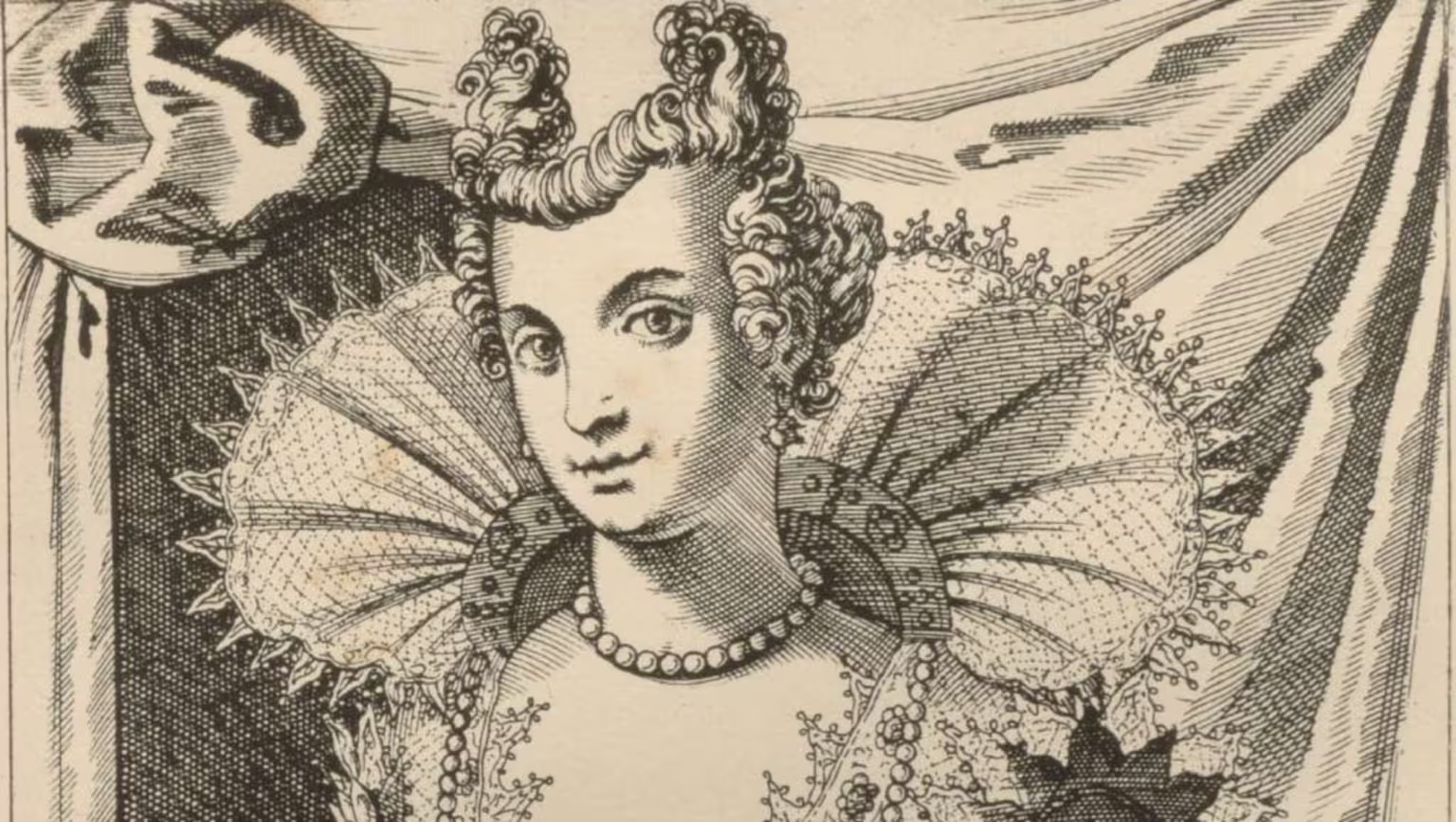
Chastity hair, with horns
Anybody engaging in Venetian history have stumbled over images of women with their hair set as a couple of horns. This hair dressing fashion first appeared at some time in the second half of the 1500s, and lasted into the early 1600s. Apparently, the style remained almost exclusively Venetian for the entire period. Despite being…
-
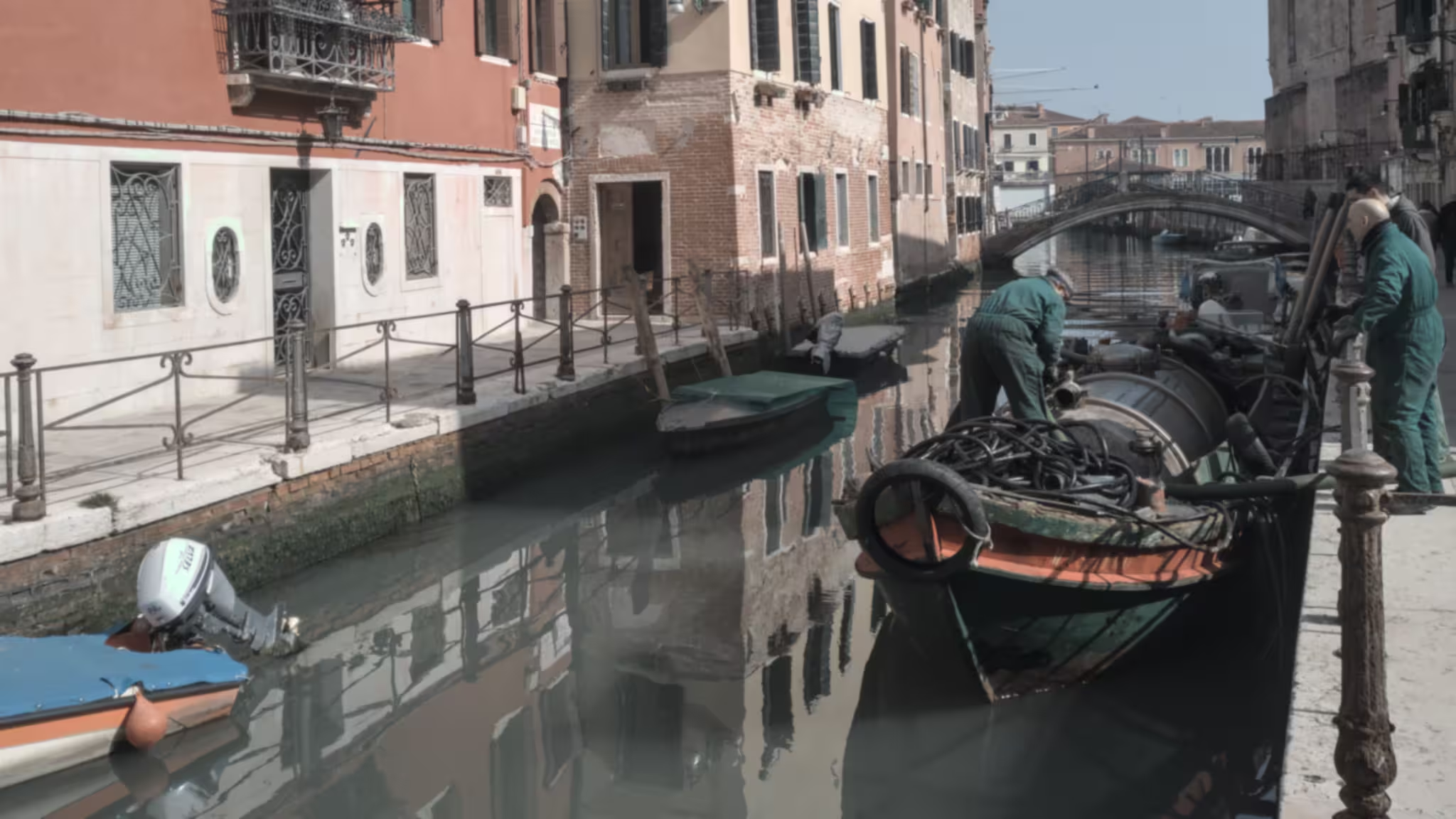
Sewage in Venice
One of the most common questions I get on my walking tours, is about sewage. Where does it go? Are the canals open sewers? What about Katharine Hepburn?
-
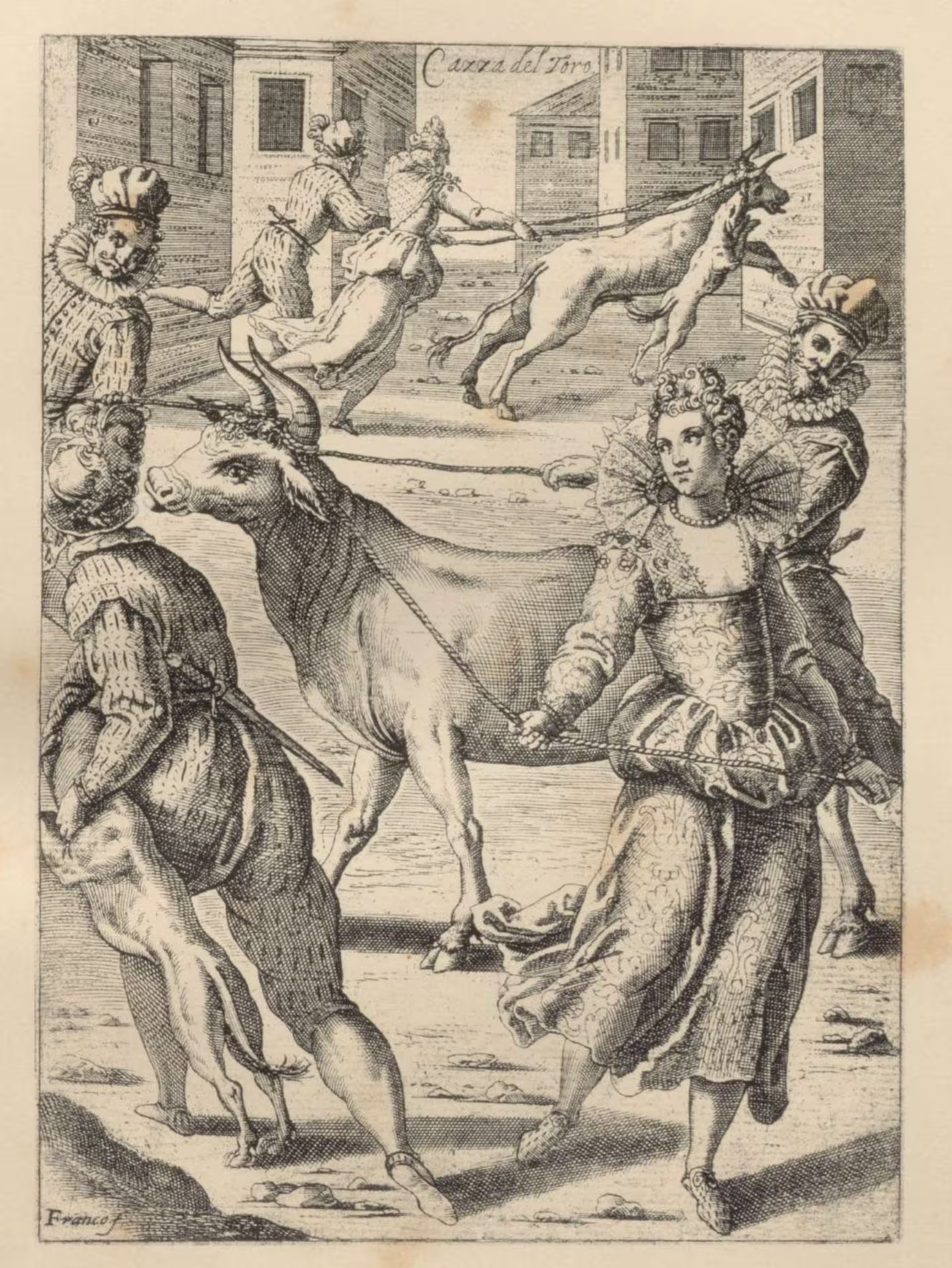
Habiti delle Donne Venetiane (c.1610) — Giacomo Franco
A collection of prints from the early 1600s, mostly with female dresses and attires.
-
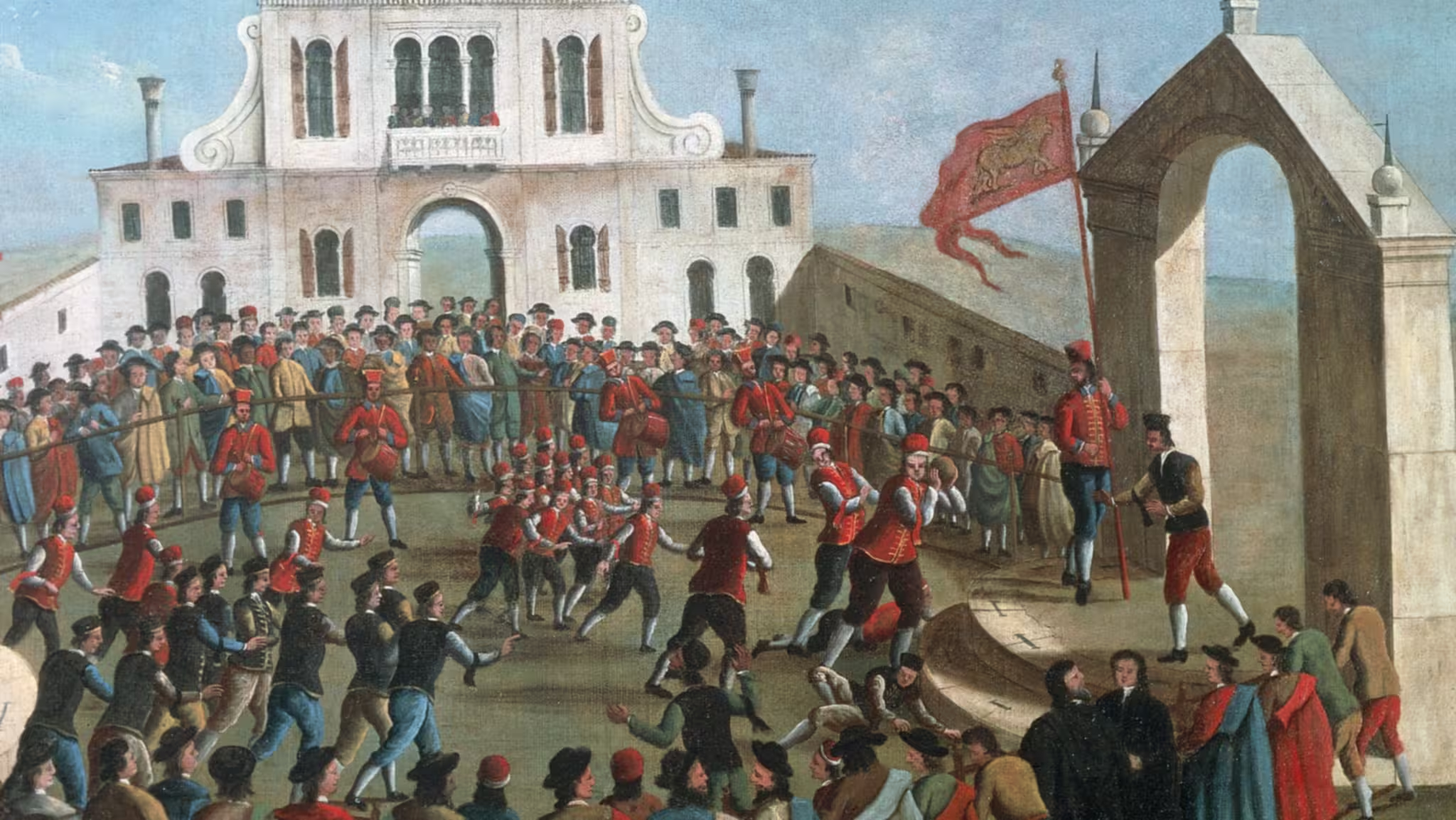
Gabriel Bella — an unknown painter
The paintings of Gabriel Bella are well-known and often used, but very little is known about Gabriel Bella.
-
Venetia citta nobilissima et singolare (1581) — Francesco Sansovino
The “Venetia citta nobilissima et singolare” (1581) by Francesco Sansovino is a detailed description of Venice, as it once was.
-
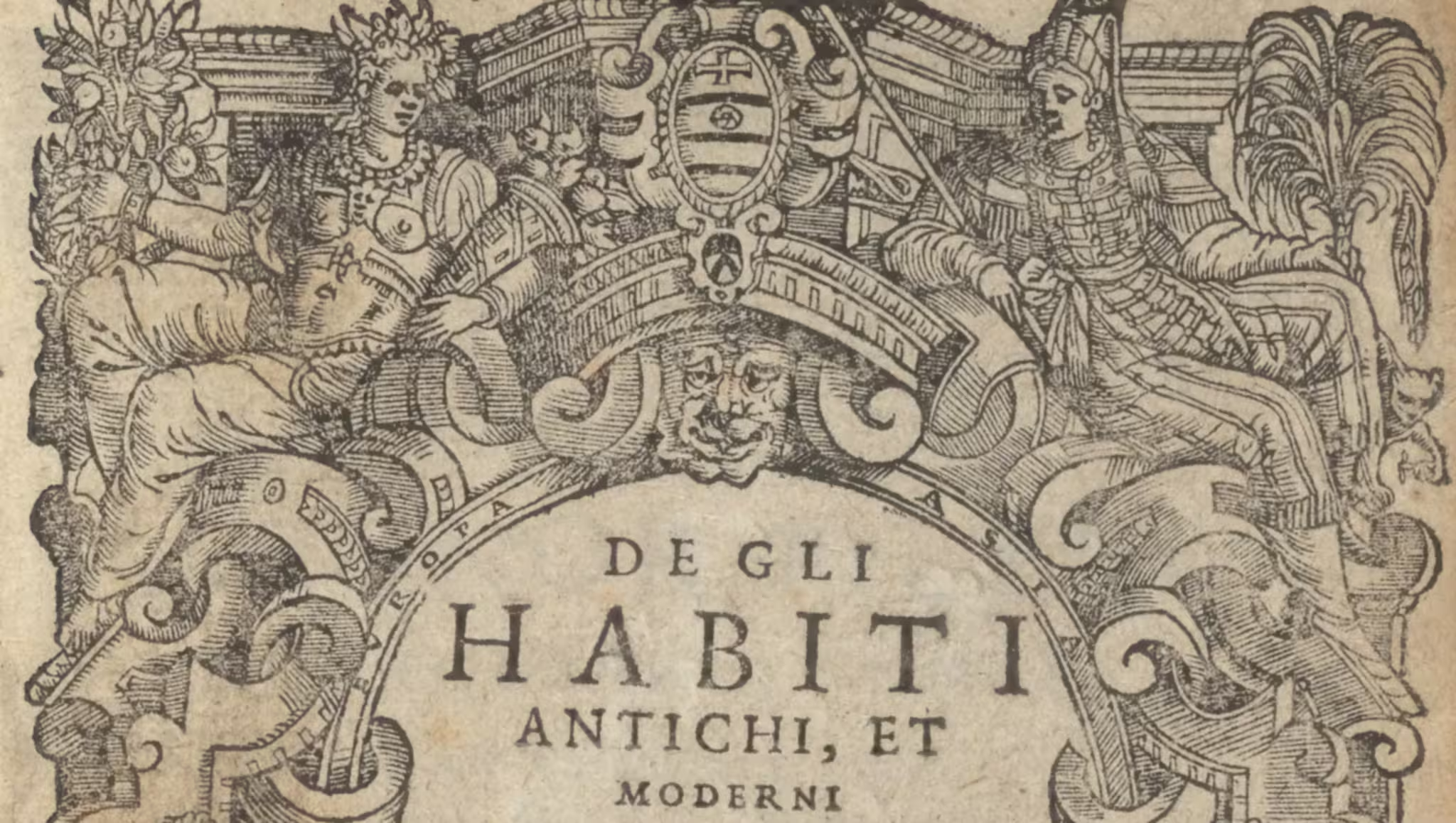
Habiti Antichi et Moderni (1590) — Cesare Vecellio
This is the work on Renaissance dress, with many hundreds of woodcuts of people from all over the world, and almost one hundred of Venetians.
-
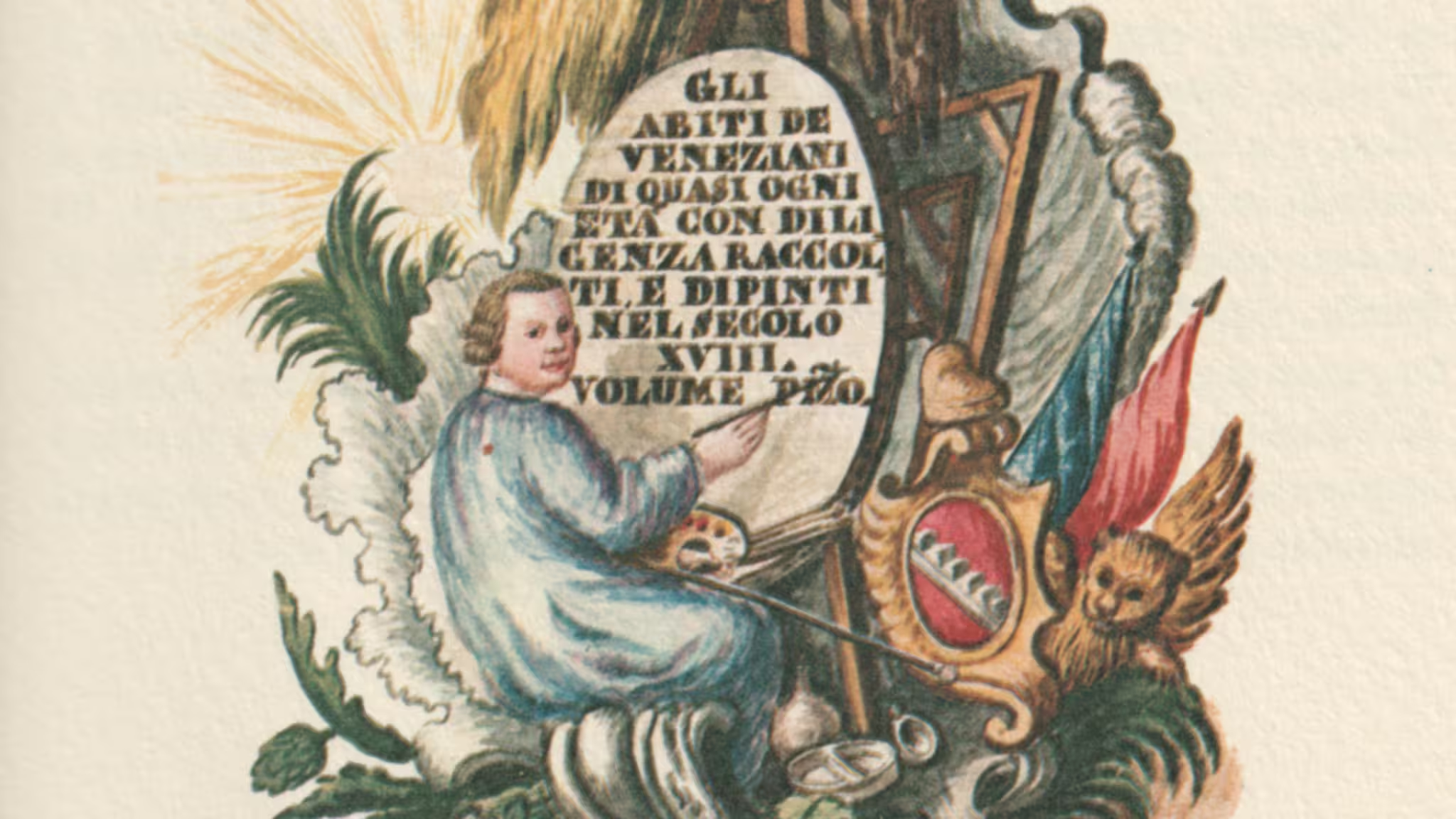
Gli Abiti de Veneziani — Gallery of translations
All the translated watercolours in the four volumes of “Gli Abiti de Veneziani” by Grevembroch, as galleries for easy browsing.
-
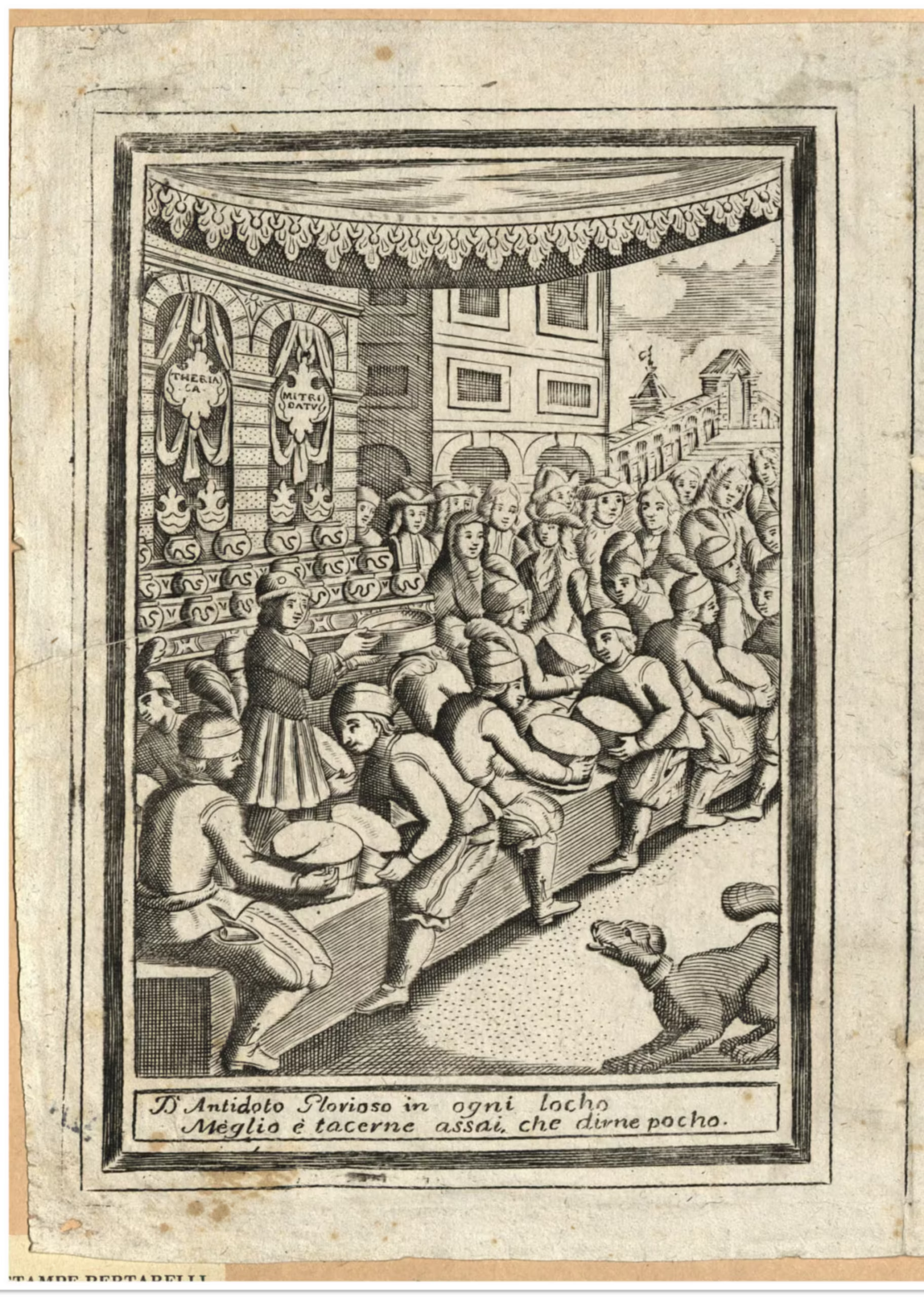
Venice treacle
Venice treacle, or theriac, was an ancient wonder medicine, an antidote for most poisons and a cure for most ailments, including the plague.
-
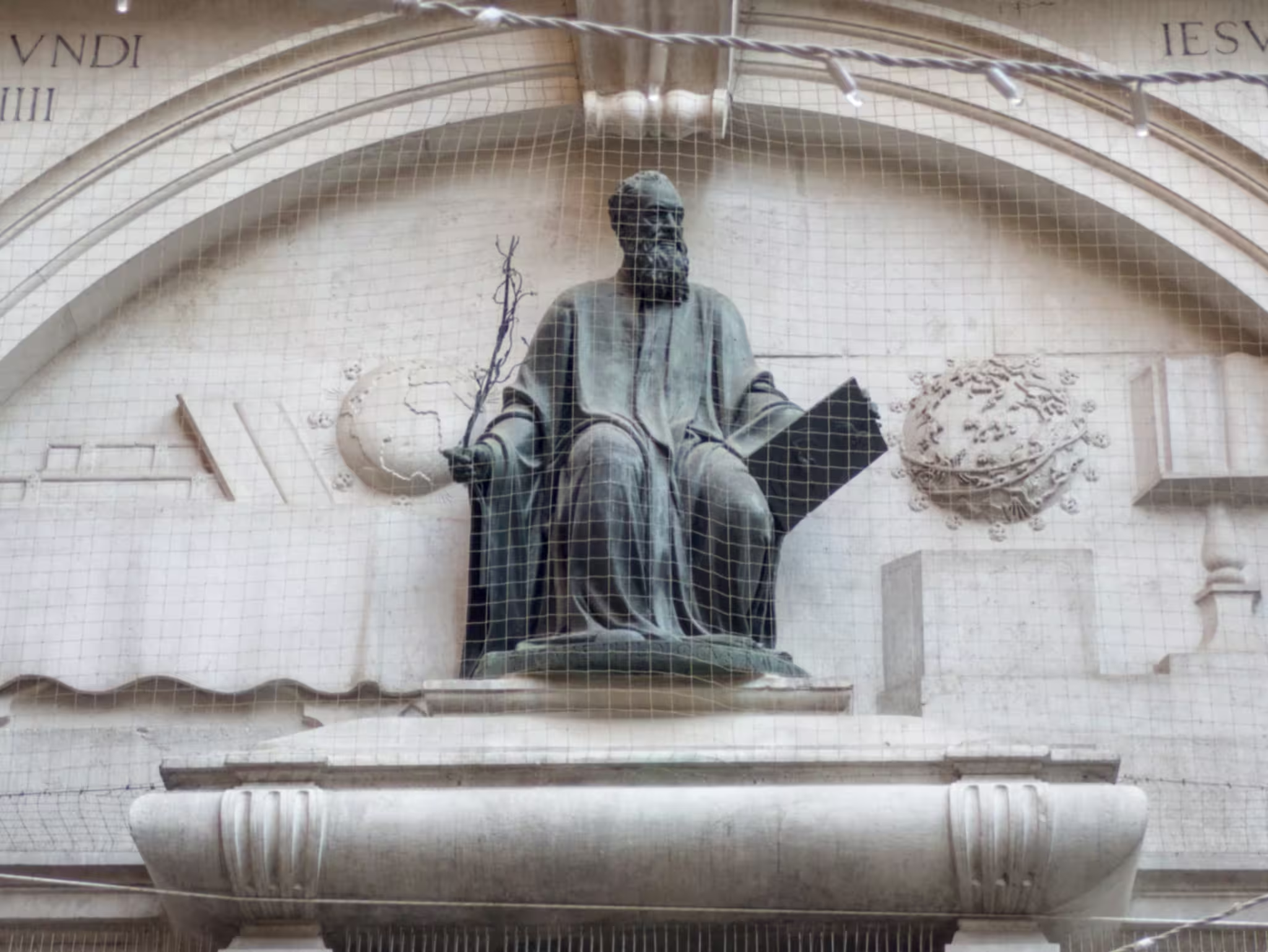
Thomas Philologus Ravennas
The statue on the façade of the San Zulian church is not a saint, but an astrologer and doctor, who sold remedies for syphilis.