
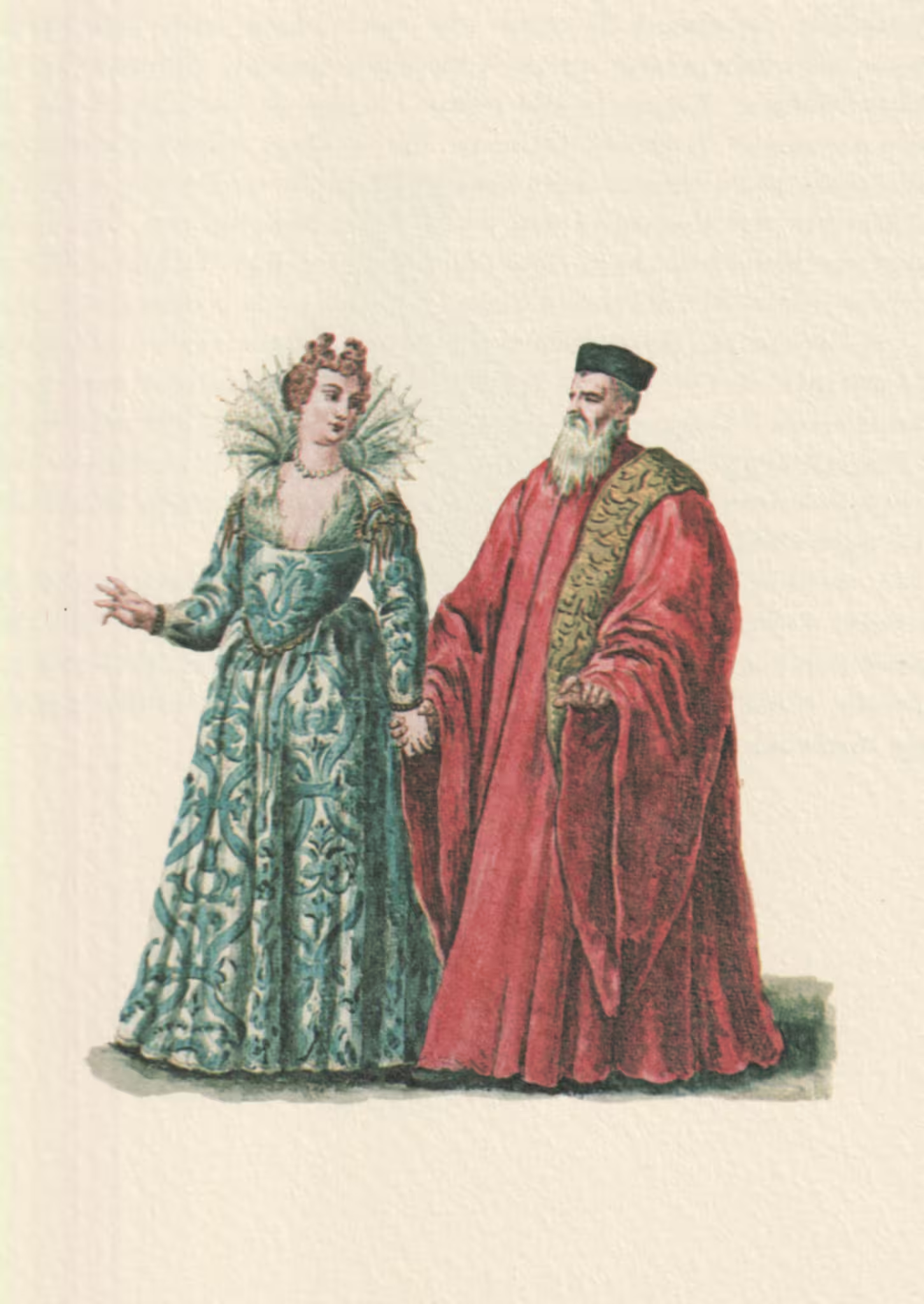
This painting depicts a nobleman who is both one of the Procuratori di San Marco, and a Cavaliere di San Marco — Knight of the Golden Stole.
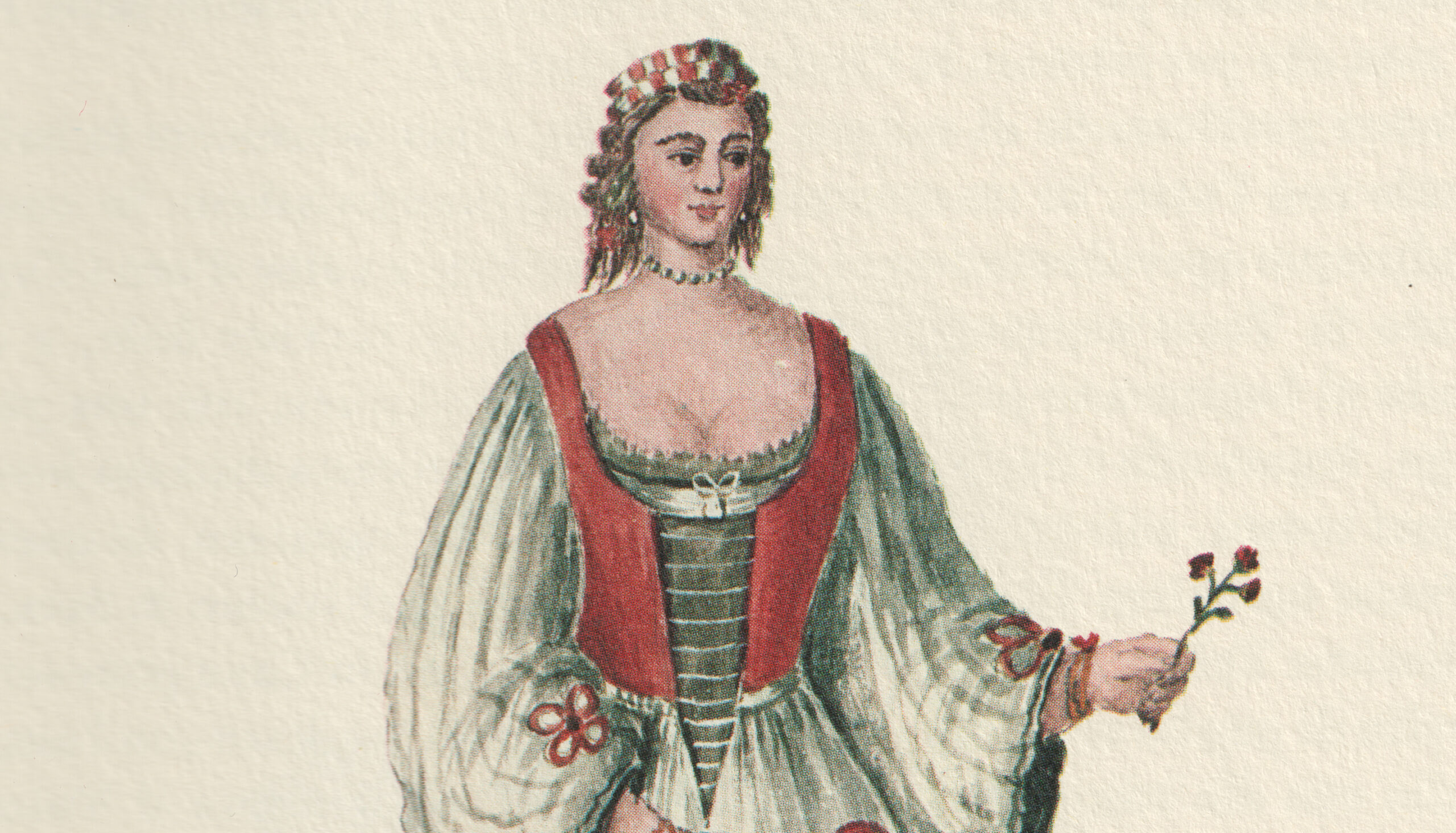
He is accompanied by a noblewoman, dressed according to Venetian fashion, including the particular hairstyle of a crescent moon.
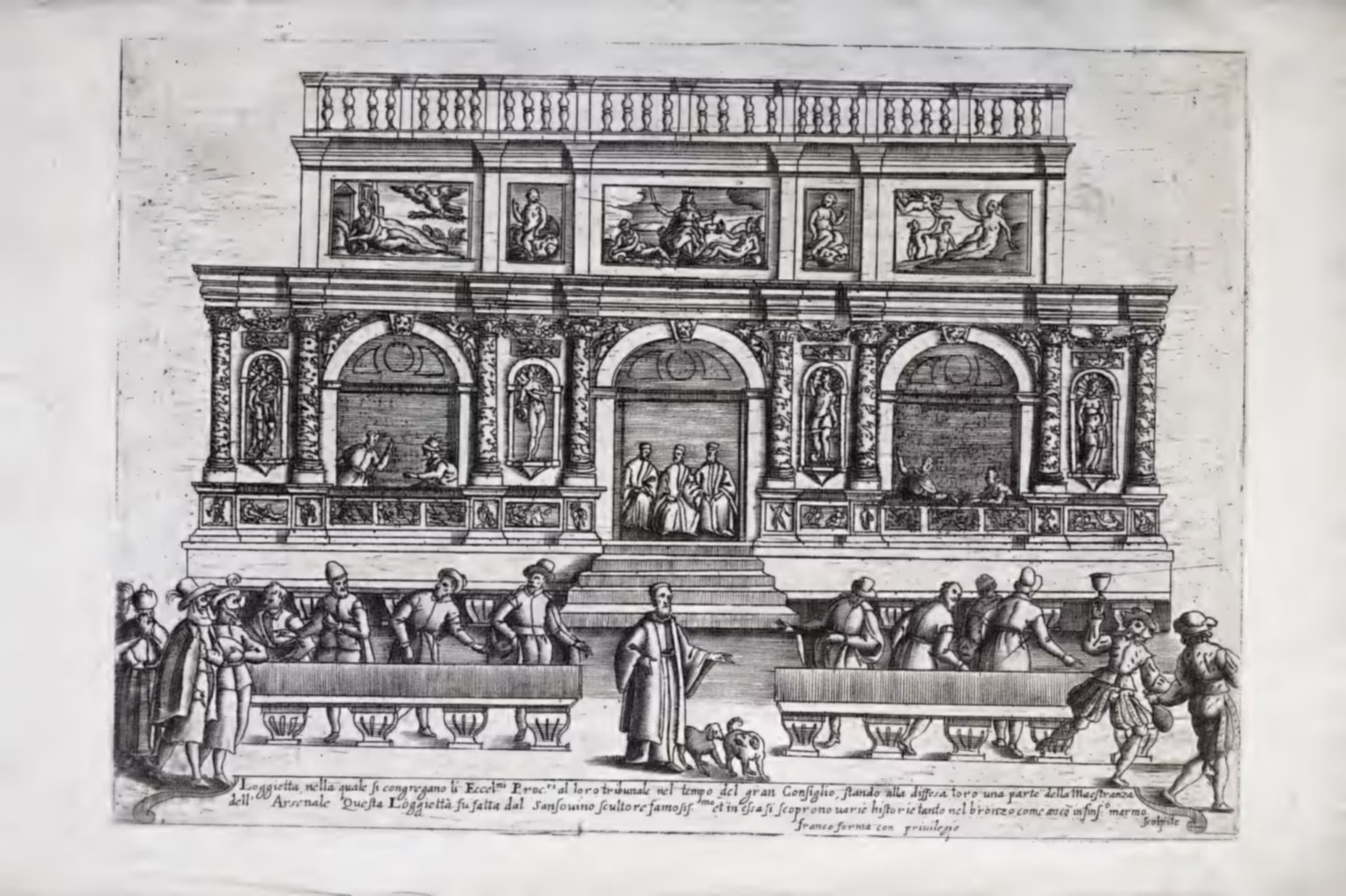
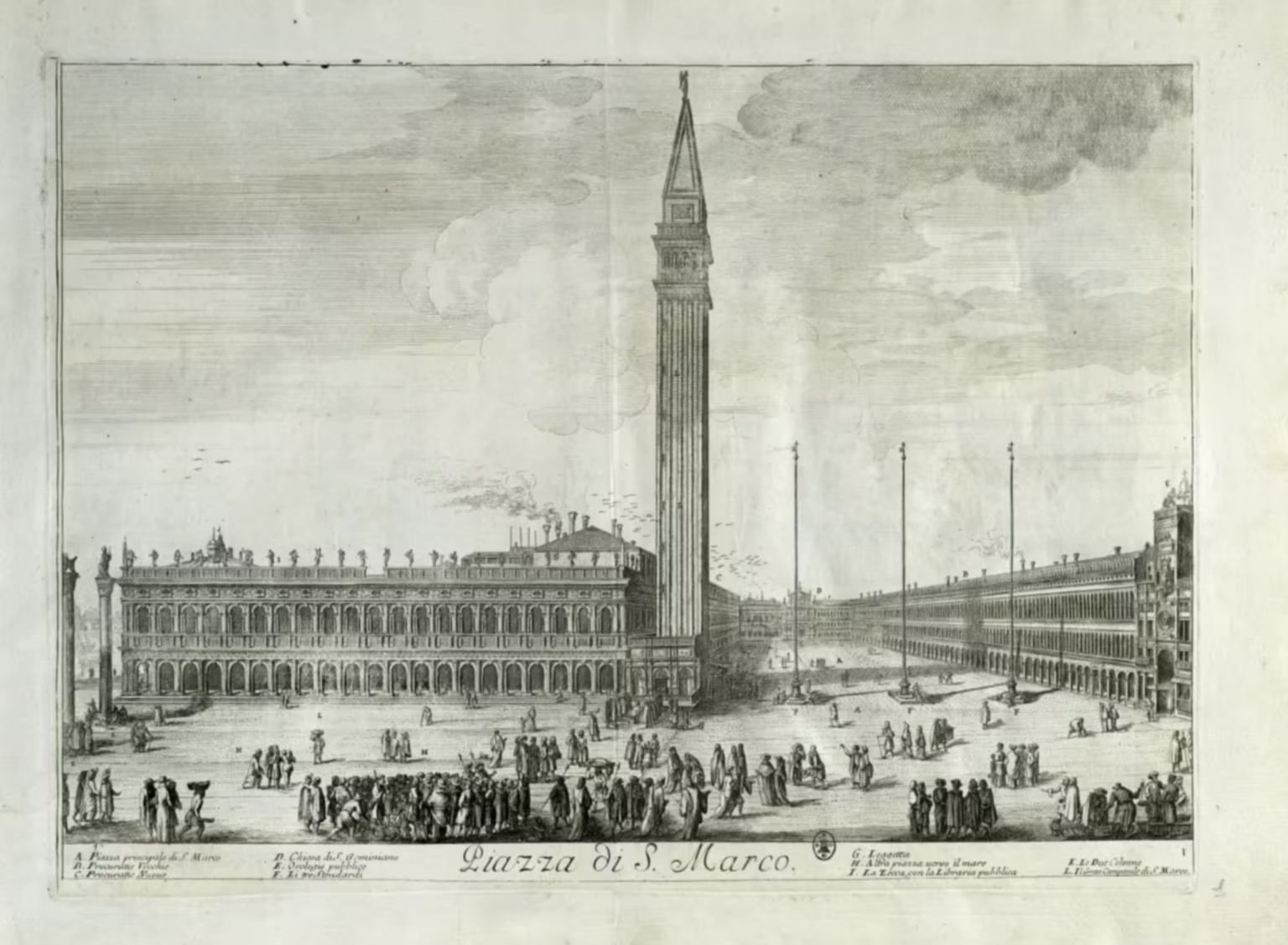
The Procuratie buildings in Piazza San Marco originally housed the state apartments of the Procuratori di San Marco.
Source: Gli abiti de veneziani di quasi ogni età con diligenza raccolti e dipinti nel secolo XVIII, by Giovanni Grevembroch (1731–1807), which in four volumes contains over six hundred watercolours of how Venetians dressed in the 1700s.
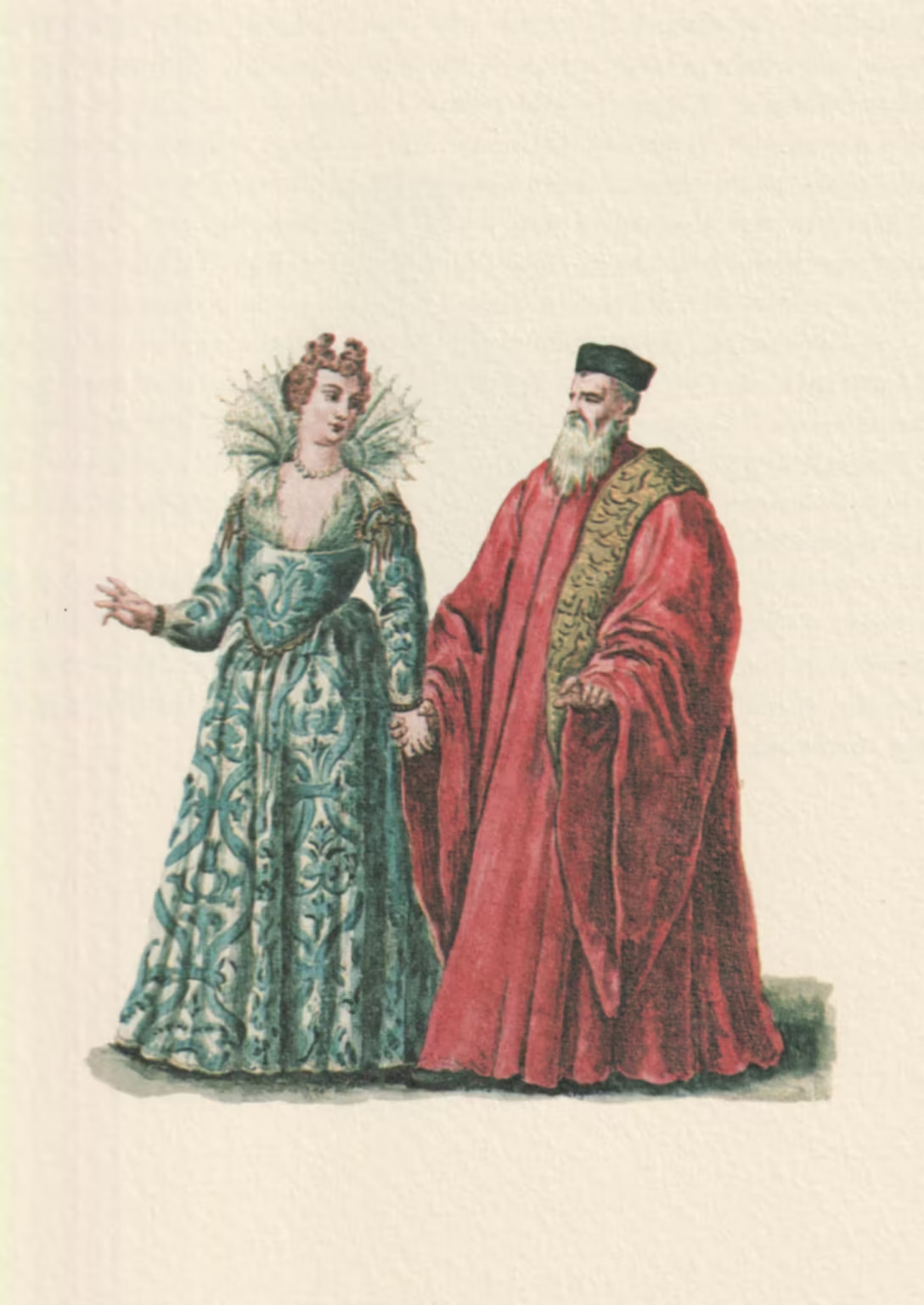
Procurator, and Cavalier
If the Procurators of St. Mark have been burdened with the law of residing in a house among those in the Piazza,1 considering their duties and the commitment not to dwell elsewhere, here is a very ancient document, almost entirely neglected in our unfortunate age.
1243. On the 14th of May, Jecobus Theupolus,2 Duke, along with the Councillors and Heads of the Forty. Because of the extensive guardianships and constructions, which occur daily both for the work of St. Mark and for these constructions and guardianships, so much so that a single Procurator cannot suffice.
Let it be decreed, that, in the Major Council, another Procurator shall be elected, who shall be a partner to Filippo Memo, Procurator of the works of St. Mark, and that a comfortable house shall be provided for him in the Piazza of St. Mark for his residence, and that it shall be on the basis of a salary and the conditions applicable to the said Filippo Memo: as to which house shall be assigned, it shall be determined by the Lord and the Councillors,3 or the greater part of them; by this counsel, it shall not be revoked against him beyond what is stipulated in this matter.
To His Excellency Lord Procurator of S. Marco Gio. Batta Albrizzi, the last who lives today, in any case after a long sojourn in the noble, and ornate edifices of Jacopo Sansovino.
Translator’s notes
- The Procuratie Vecchie and the Procuratie Nuove served as residences of the Procuratori di San Marco. ↩︎
- Jacopo Tiepolo (c.1170–1249) was the 43rd doge of the Republic of Venice, 1229–1249. See also Venetian Stories newsletter: Jacopo Tiepolo. ↩︎
- The Signoria. ↩︎
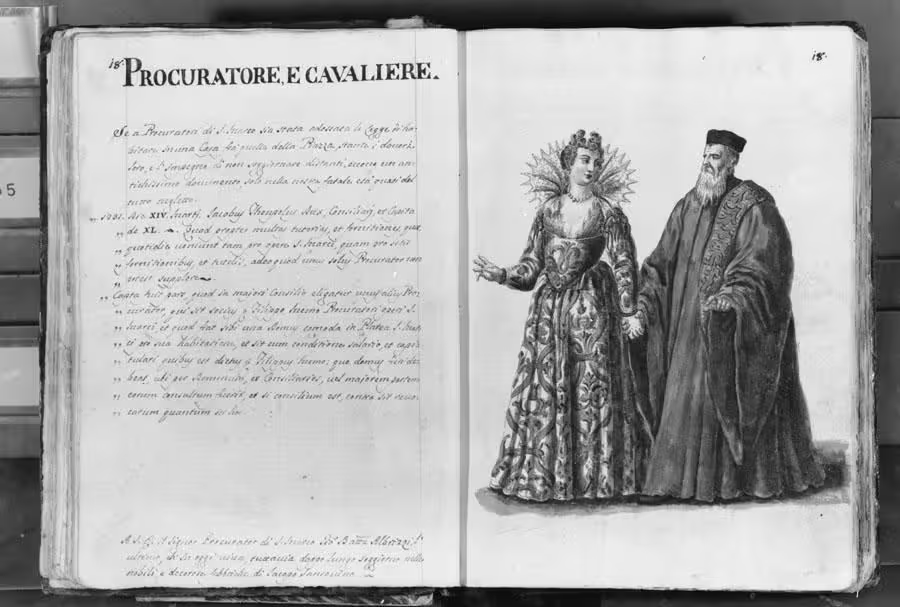
Original text
Procuratore, e Cavaliere
Se a Procuratori di S. Marco sia stata adossata la Legge di habitare in una Casa fra quelle della Piazza, stante i doveri loro, e l’impegno di non soggiornare distanti, eccone un antichissimo documento, solo nella nostra fatale età quasi del tutto negletto.
1231. Die XIV. Marij. Iacobus Theupolus Dux, Consiliarj, et Capita de XL. Quod propter ultas tutorias, et fornitiones, quae quotidie veniunt tam pro opere S. Marci, quam pro istis fornitionibus, et tutelis, adeo quod unus solus Procurator non potest supplere.
Capita fuit pars, quod in Majori Consilio eligatur unus alius Procurator, qui sit socius Filippo Memo Procuratori operi S. Marci, et quod fiat sibi una Domus comoda in Platea S. Marci pro sua habitatione, et sit cum conditione salario, et capitulari quibus est dictus Filippus Memo: qua domus fieri debeat, ubi per Dominum, et Consiliarios, vel maiorem partem eorum consultum fuerit, ei si consilium est, contra sit revocatum quantum in hoc.
A S. E. il Signor Procuratore di S. Marco Gio. Batta Albrizzi, l’ultima ch’in oggi viva, tuttavia dopo lungo soggiorno nelle nobili, e decorate fabbriche di Jacopo Sansovino.
Grevembroch (1981), vol. 1, p. 18.
Related articles
- Gli abiti de veneziani — by Giovanni Grevembroch
- Habiti d’huomeni et donne venetiane — Giacomo Franco
- Il Gran teatro di Venezia — Domenico Lovisa
- Chastity hair, with horns
Related images
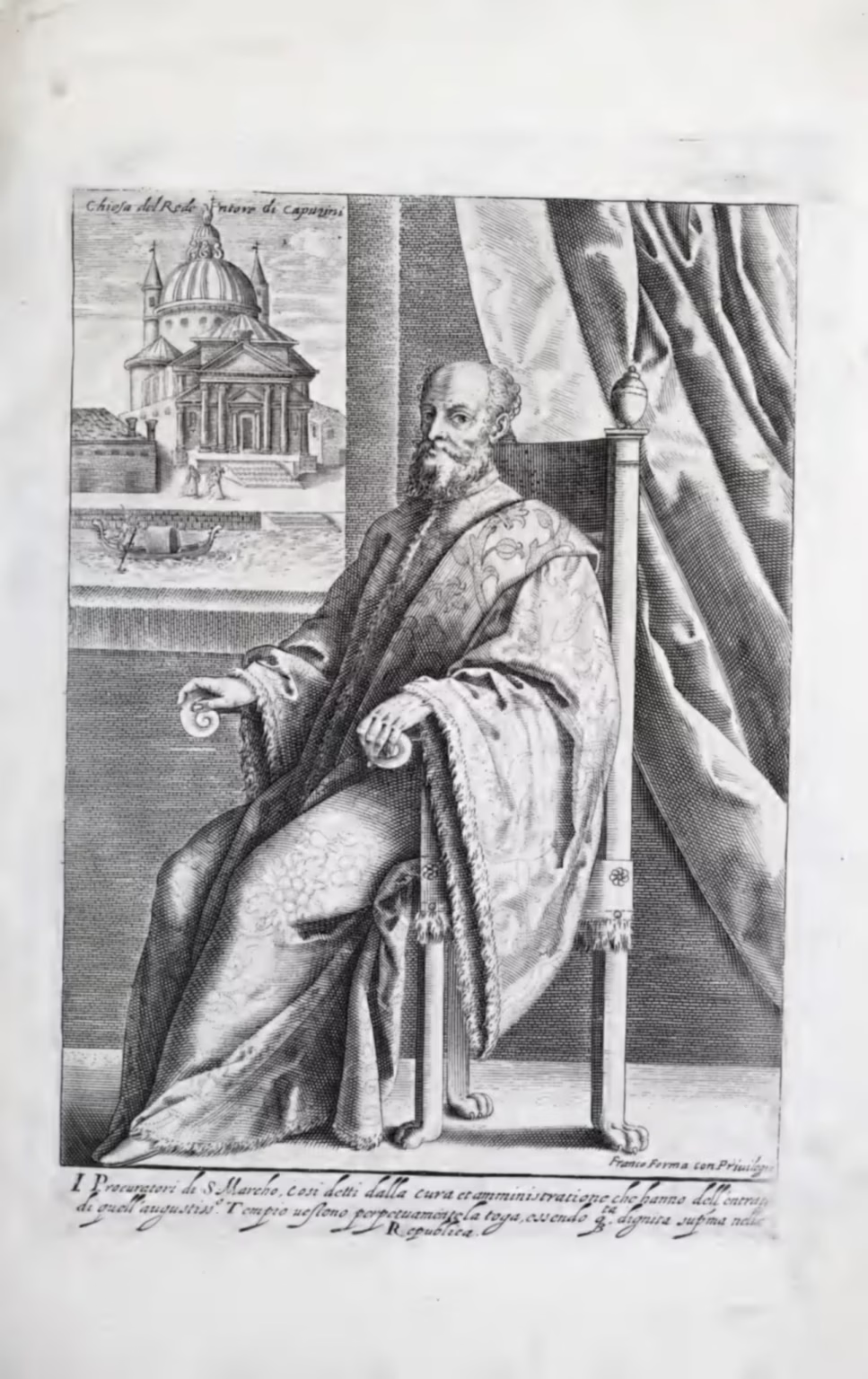
- I Procuratori di S. Marcho — Habiti d’huomeni et donne venetiane — plate 3
- Loggietta — Habiti d’huomeni et donne venetiane — plate 11
- La Piazza di S. Marco — Il Gran Teatro di Venezia — plate 1
Sources
- Procuratore di S. Marco — ASV Indice
- Procurator di san Marco — Lessico Veneto
- Procuratori di S. Marco — Dizionario
Bibliography
- Grevembroch, Giovanni. Gli abiti de veneziani di quasi ogni eta con diligenza raccolti e dipinti nel secolo XVIII, orig. c. 1754. Venezia, Filippi Editore, 1981. [more]
Leave a Reply