
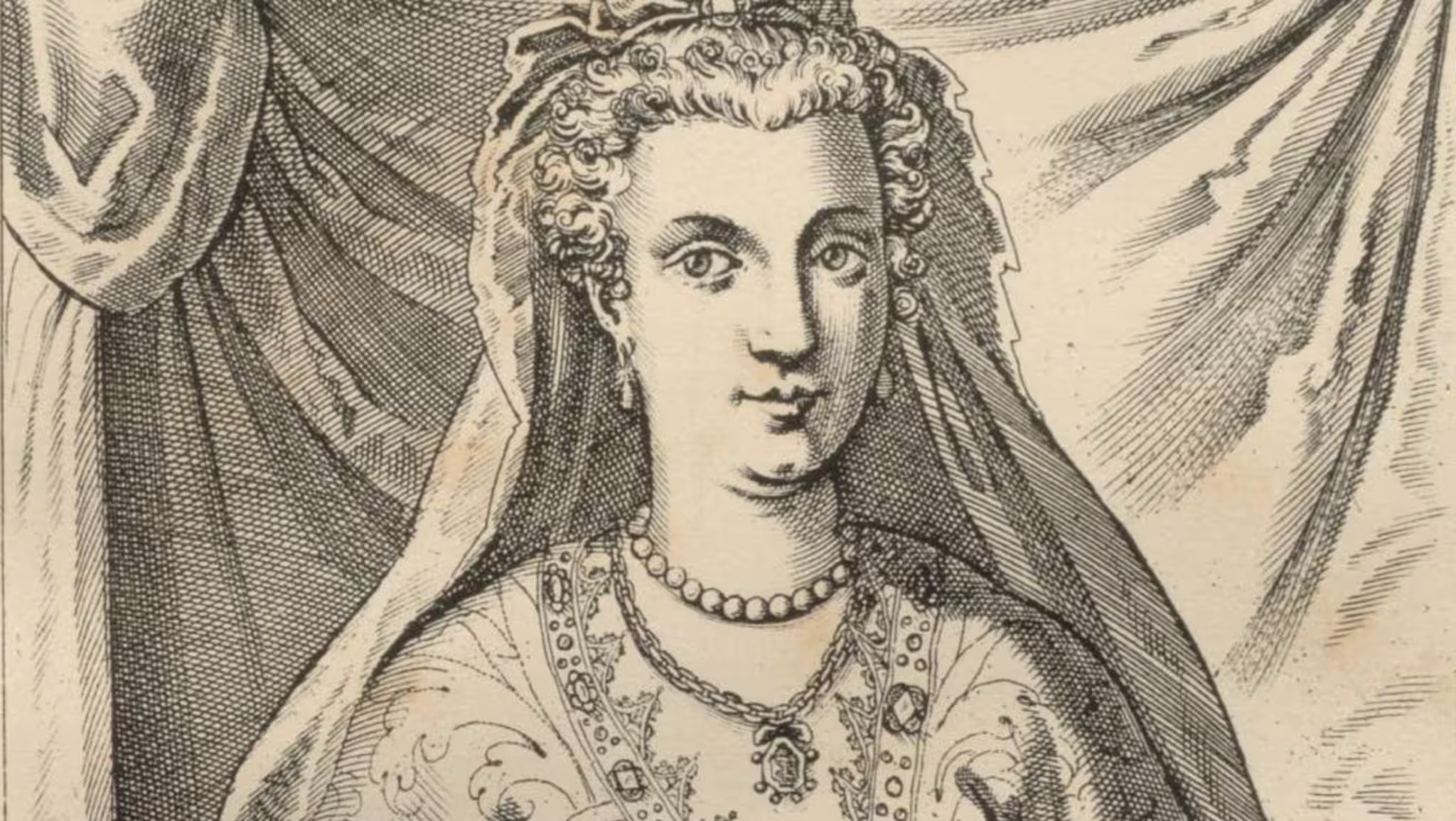
This print depicts a Venetian courtesan, who has dressed according to other traditions, supposedly to attract attention.
The dress is characterised as being as lascivious as possible.
Source: Habiti delle Donne Venetiane, published by Giacomo Franco, c. 1610, in Venice.
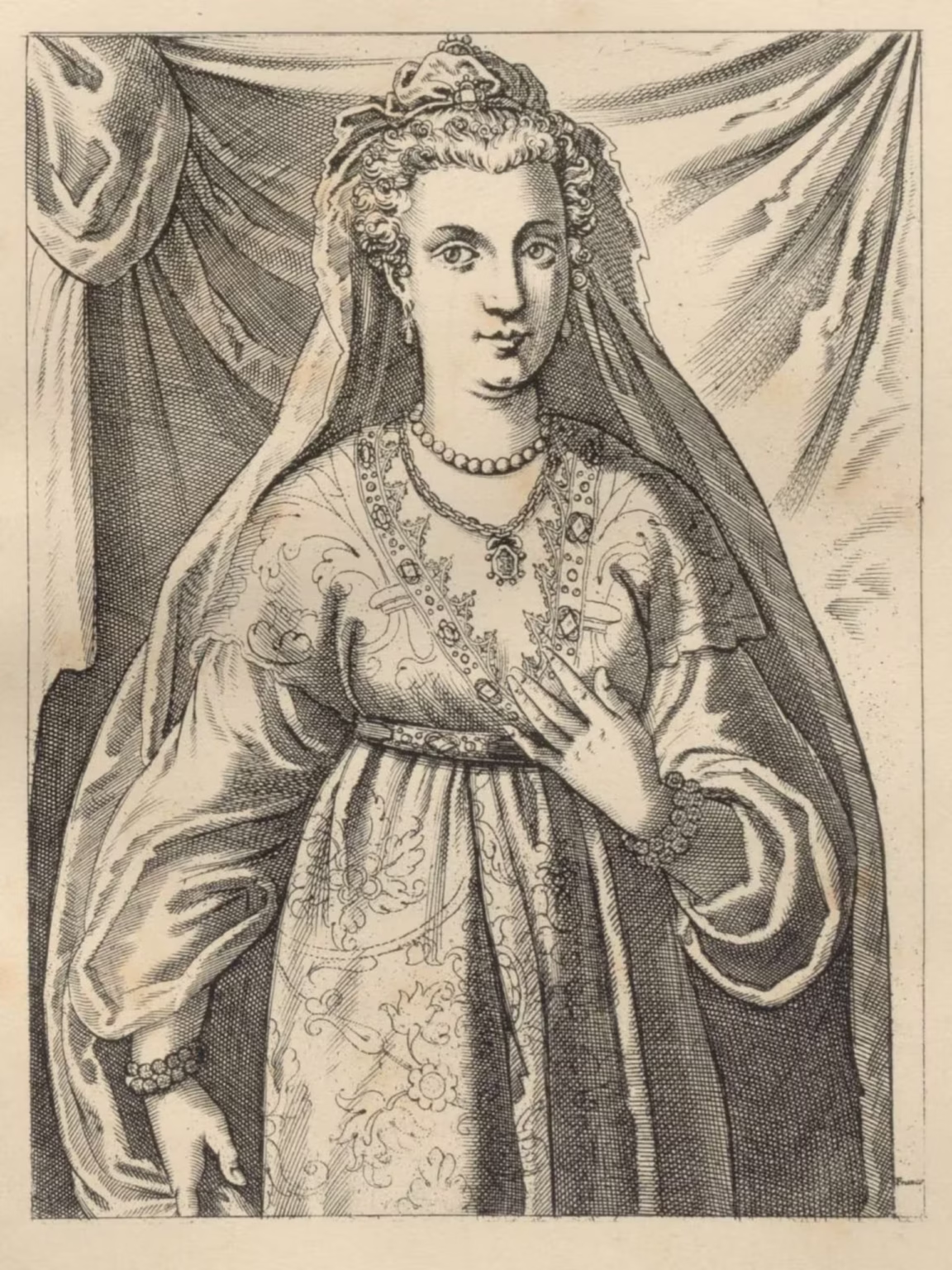
Courtesan dressed as a foreigner
I believe that if Apelles1 were to return from death to life, he would not be able to create a habit that showed greater lasciviousness than this design, which is of a Lady, who with venereal majesty steals the hearts of men, and inexperienced youngsters, who then, guided by unrestrained amorous desire, enter the deceptive and intricate labyrinth. This Lady usually dresses attractively, to make herself pleasing in various ways to those who look at her.
Notes
- Apelles was an ancient Greek painter, from whom no original works survive, but likely copies were found in Herculaneum. ↩︎
Original texts
Cortegiana vestita a la foresta
Lo credo che se Apelle ritornasse dalla morte alla vita, non saprebbe formar un’habito, che mostrasse maggior lascivia di questo dissegno, ch’è di una Signora, laguale con venerea Maestà fura gli cuori de gli huomini, & mal’esperti giovani, liquali poi guidati dal sfrenato desio amoroso, entrano nel fallace & intricato laberinto. Questa Signora suol vestir vagamente, per rendersi in diverse maniere grata a chi la mira.
Text from the 1878 edition
Courtisan dressed as a foreigner
I believe that even Apelles, if he were to return to life, could imagine no more luxurious cloathing than what this picture shows. Thus does a courtisan dress who seeks to attract the glance of passers by and to seduce the hearts of inexperienced young men.
Related articles
- Prostitution in Venice
- A catalogue of Venetian prostitutes
- Habiti d’huomeni et donne venetiane — Giacomo Franco
- Habiti delle Donne Venetiane (c.1610) — Giacomo Franco
- Chastity hair, with horns
Venetian Stories
Related sources
- Catalogue of all the principal and most honoured Courtesans of Venice (translated)
- Catalogo di tutte le principal et più honorate Cortigiane di Venetia (original)
- Meretrici — Lessico Veneto
- Carampane — Dizionario
- Carampane — Lessico Veneto
- Carampane — Curiosità Veneziane
Related images
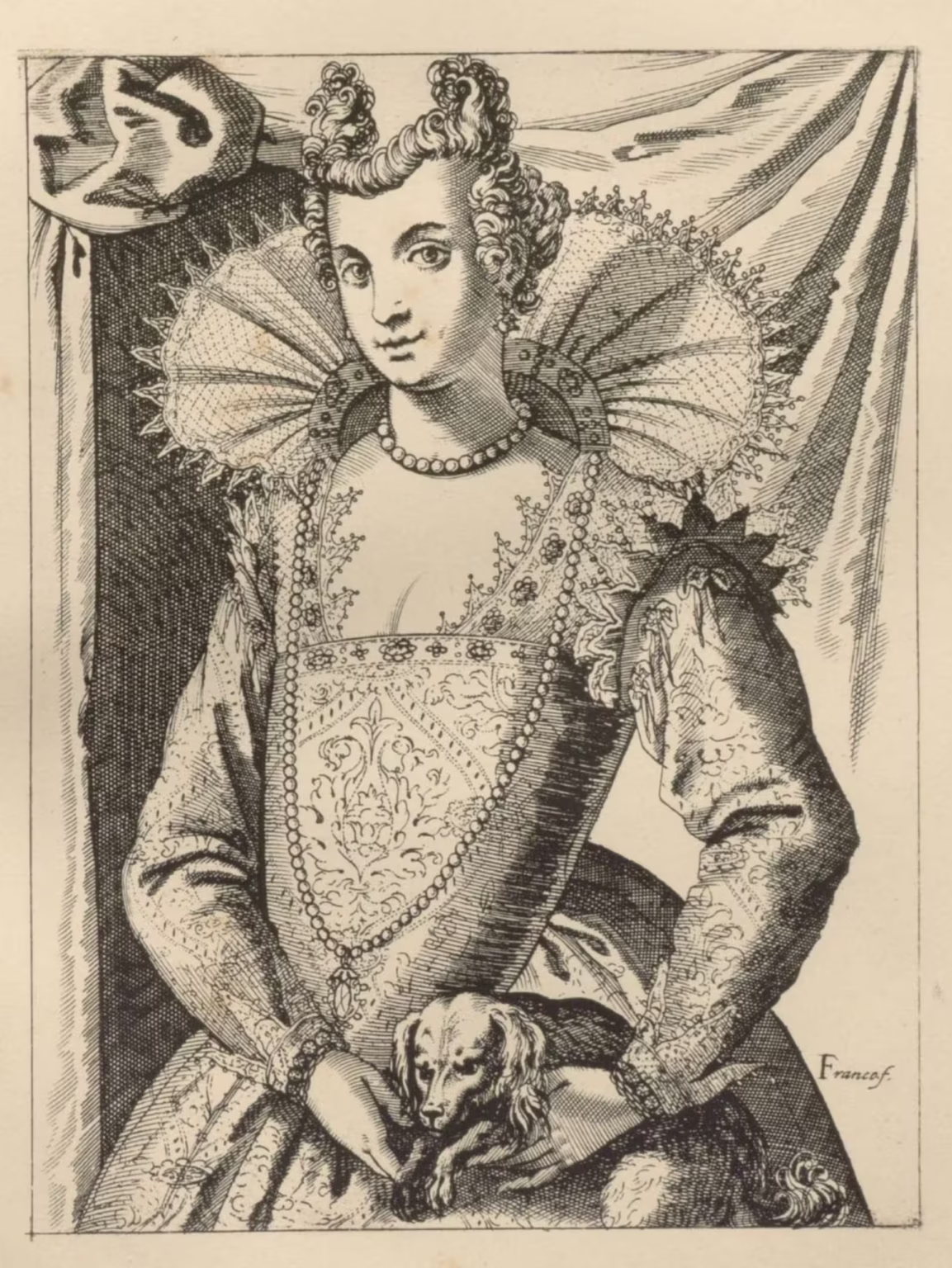
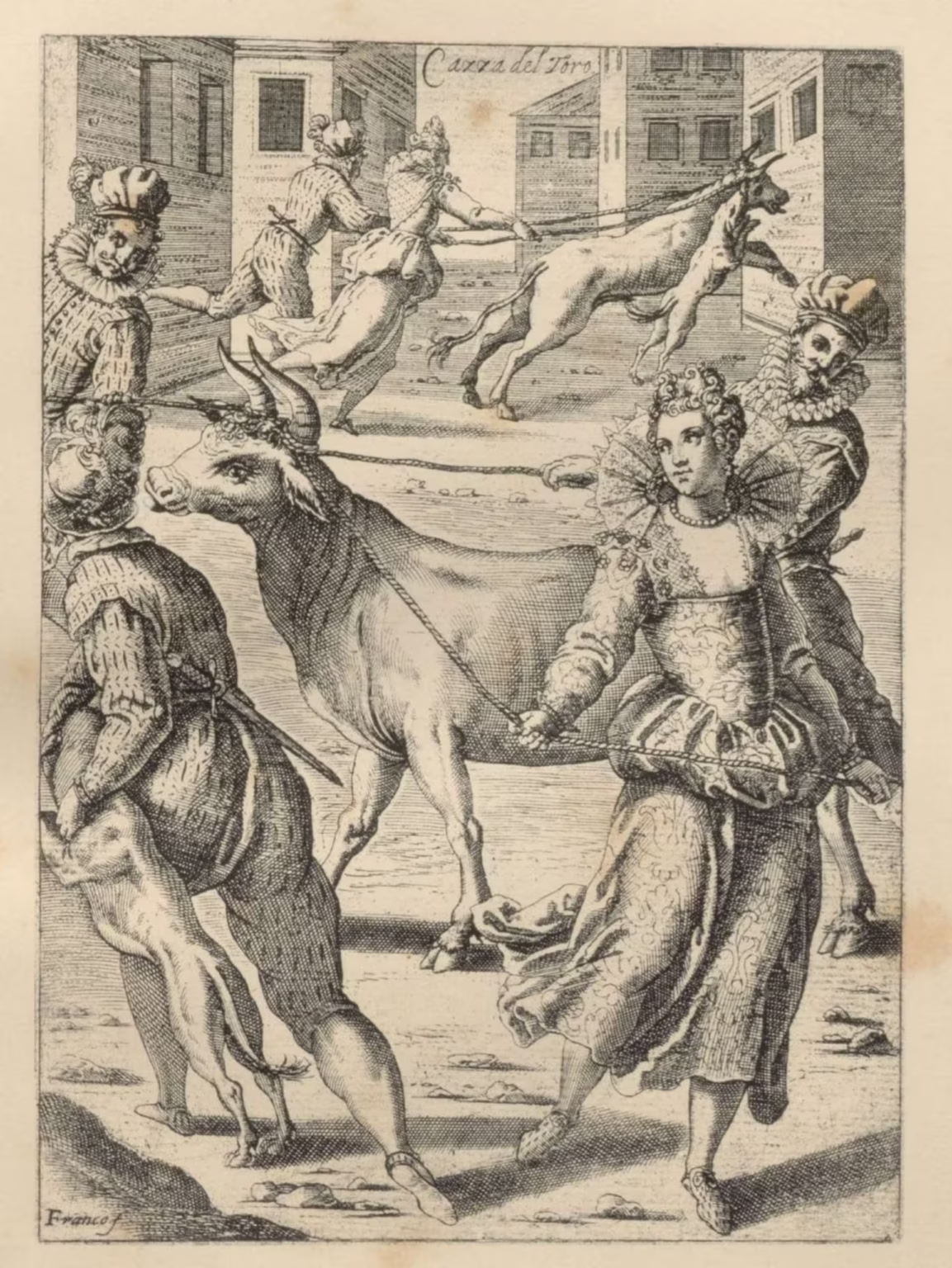
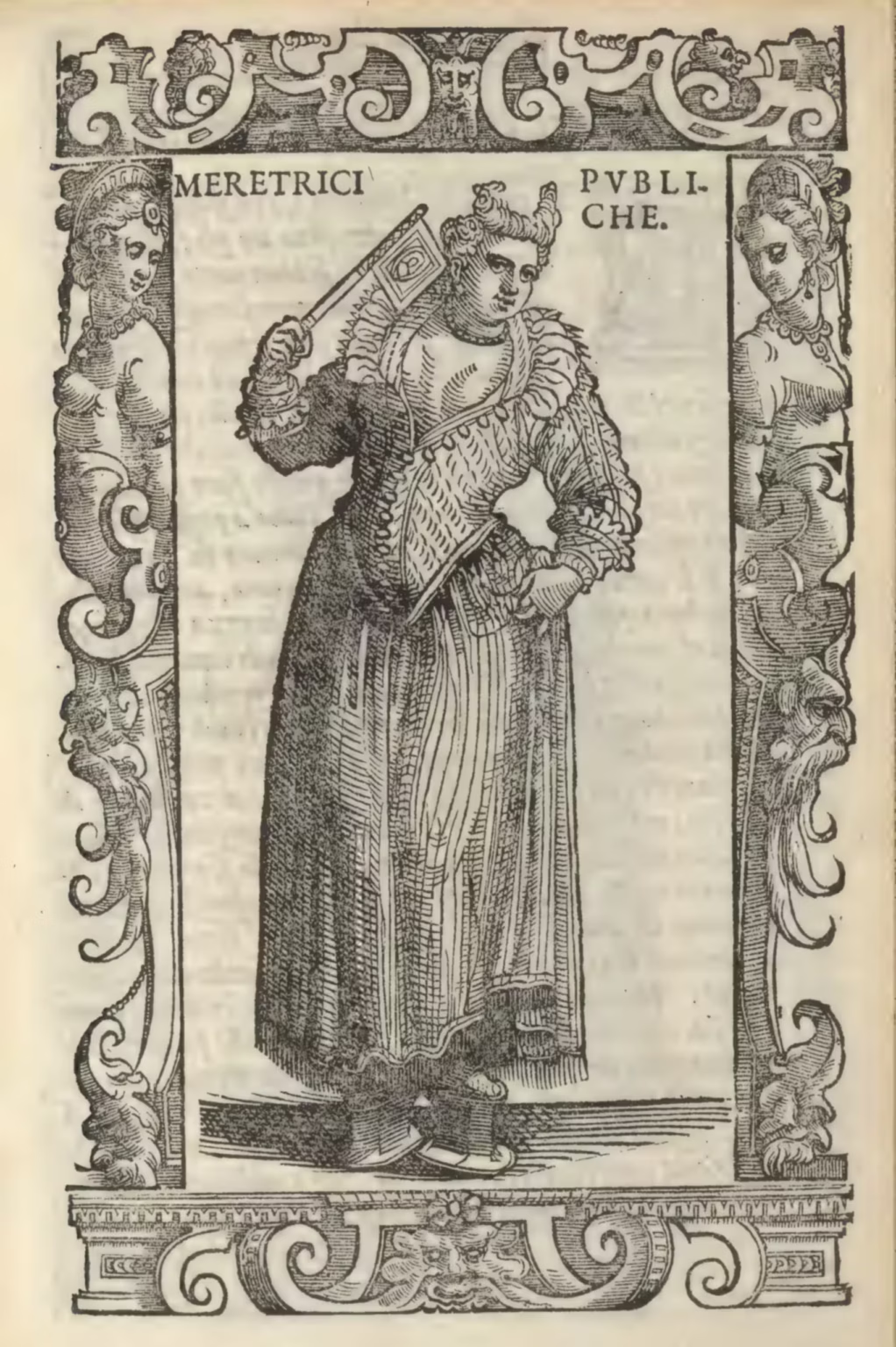
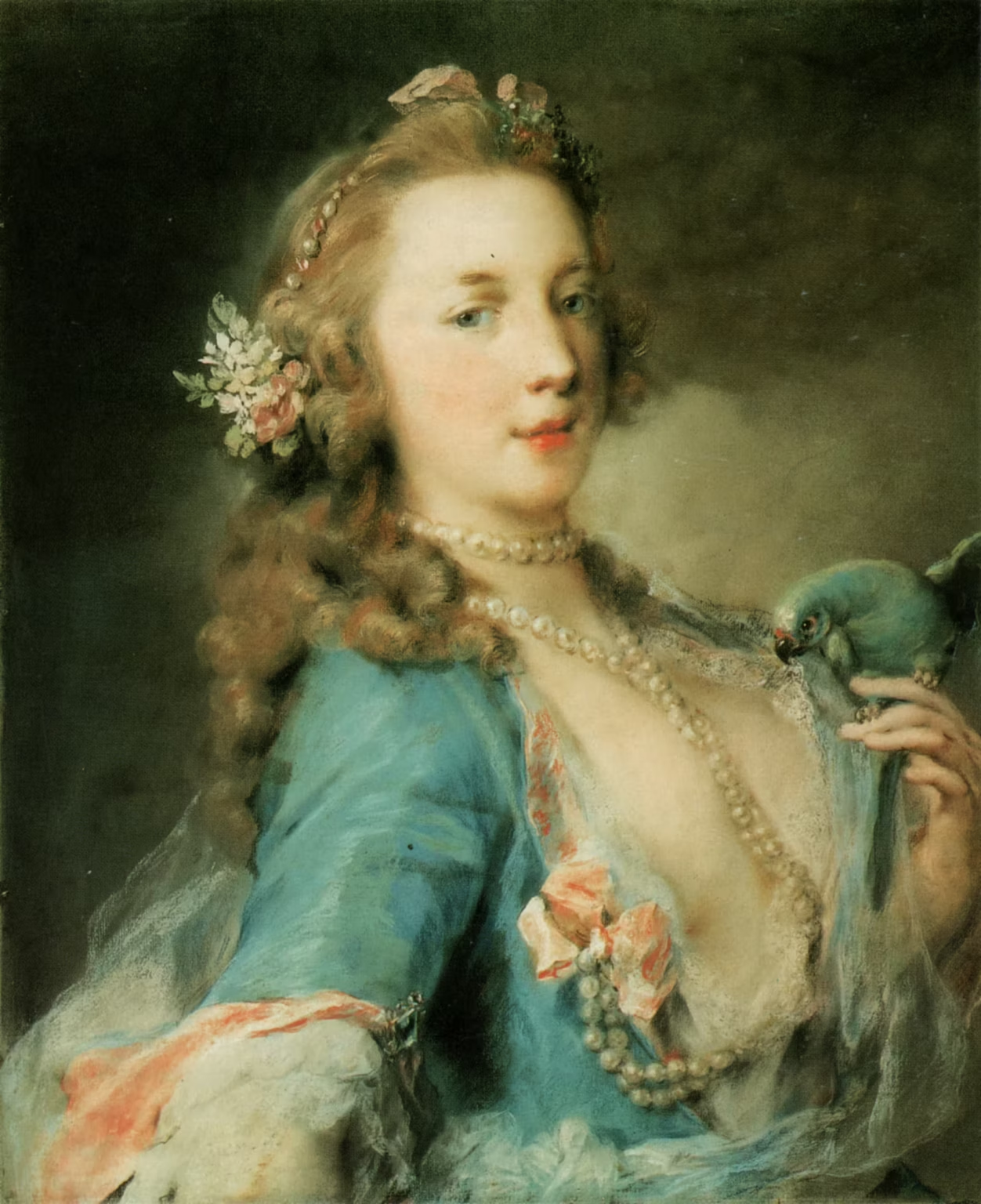
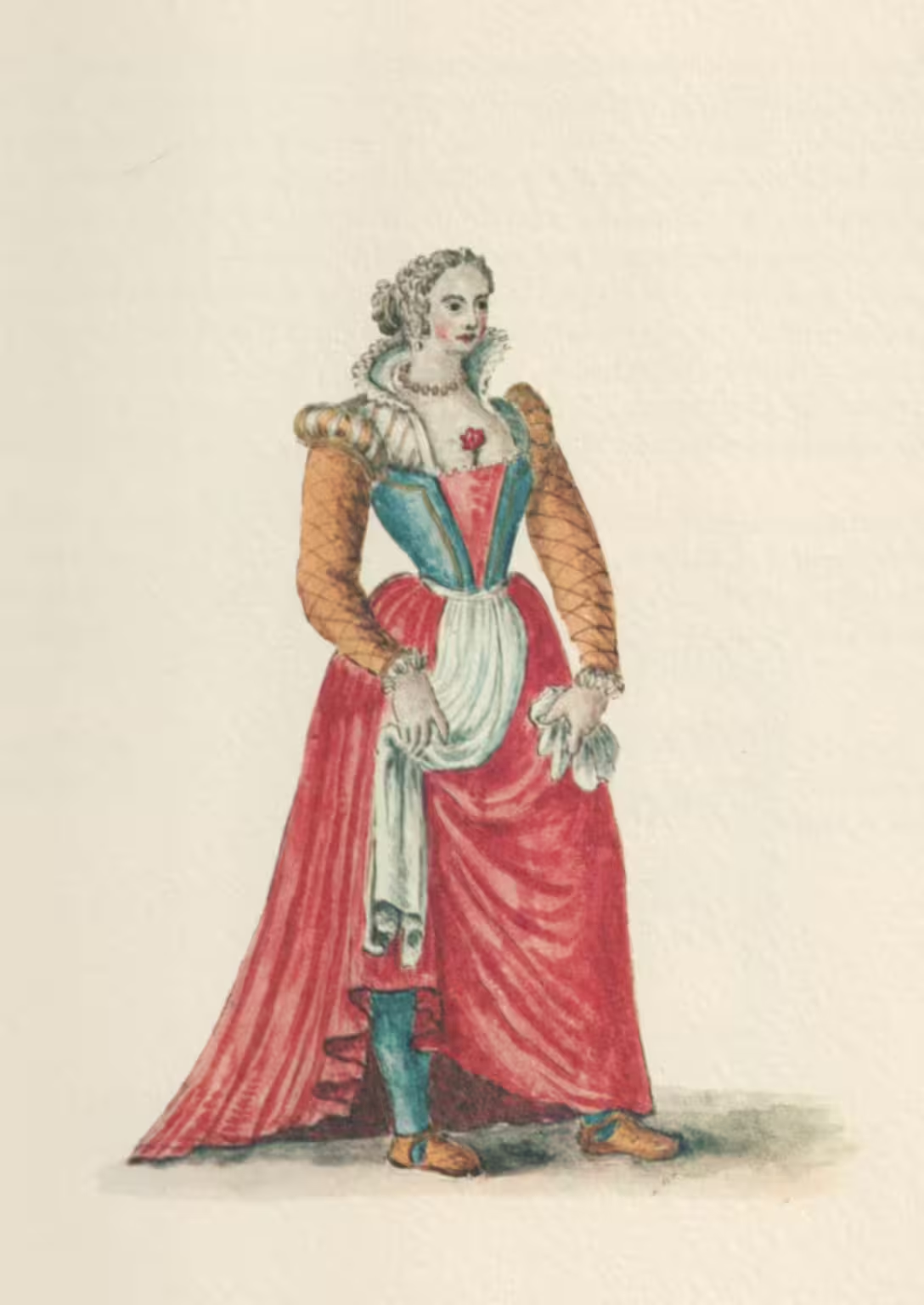
- Cortegiana famosa — Famous courtesan — Habiti delle Donne Venetiane — 10
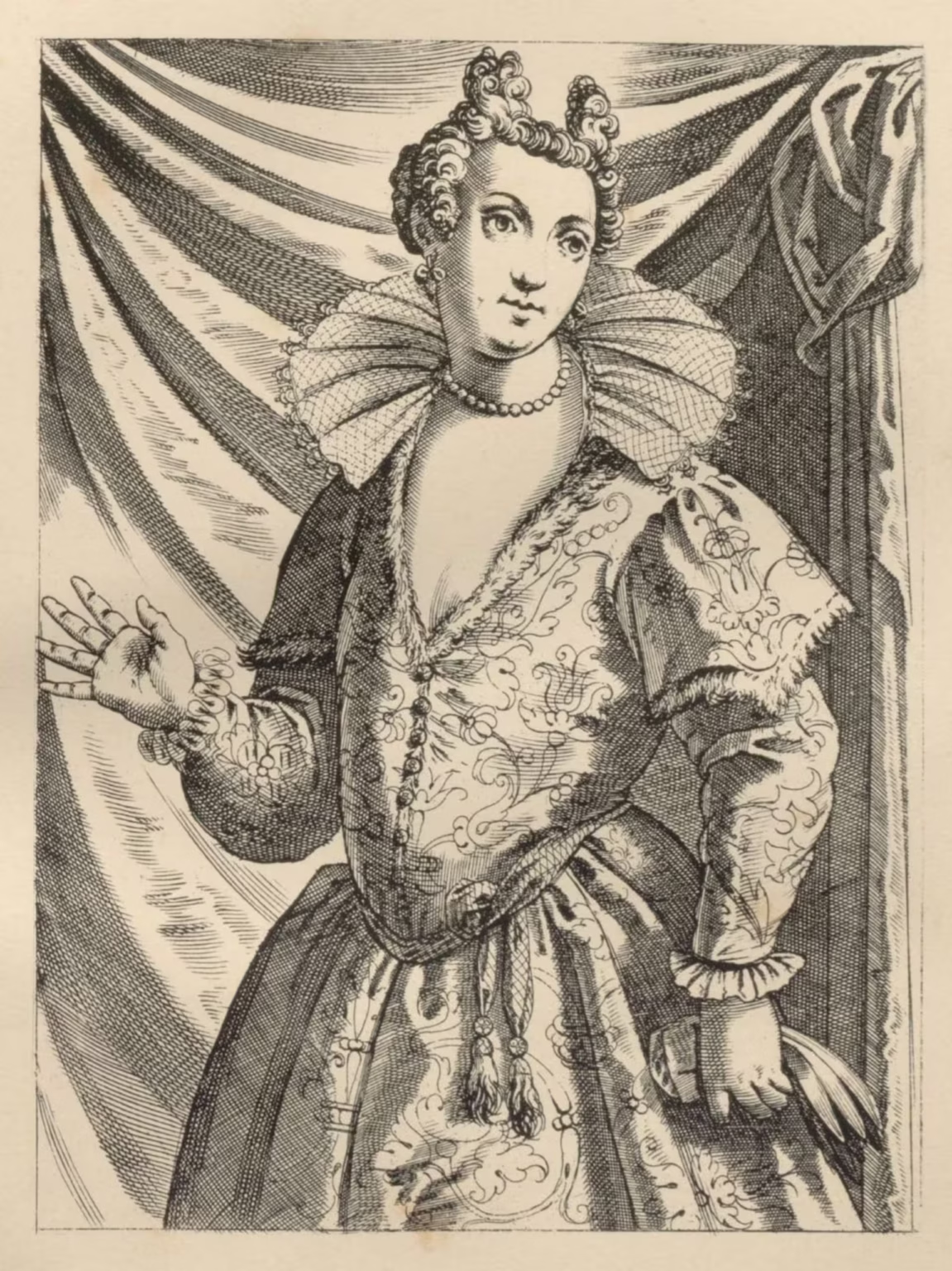
- Cortegiana vestita da inverno — Courtesan dressed for winter — Habiti delle Donne Venetiane — 11
- La cazza del toro — Running with bulls — Habiti delle Donne Venetiane — 12
- Meretrici de’ luoghi publici — Prostitutes of public places — Habiti Antichi e Moderni — 146.a
- Cortegiana by Rosalba Carriera
- Puttana — Whore — Grevembroch 3–159
- Una che si concia con due specchi — A woman dressing her hair with two mirrors — Habiti delle Donne Venetiane — 8
- Diana acconcia alla venetiana — Diana with Venetian hairstyle — Habiti delle Donne Venetiane — 18
Leave a Reply