Venezia
-
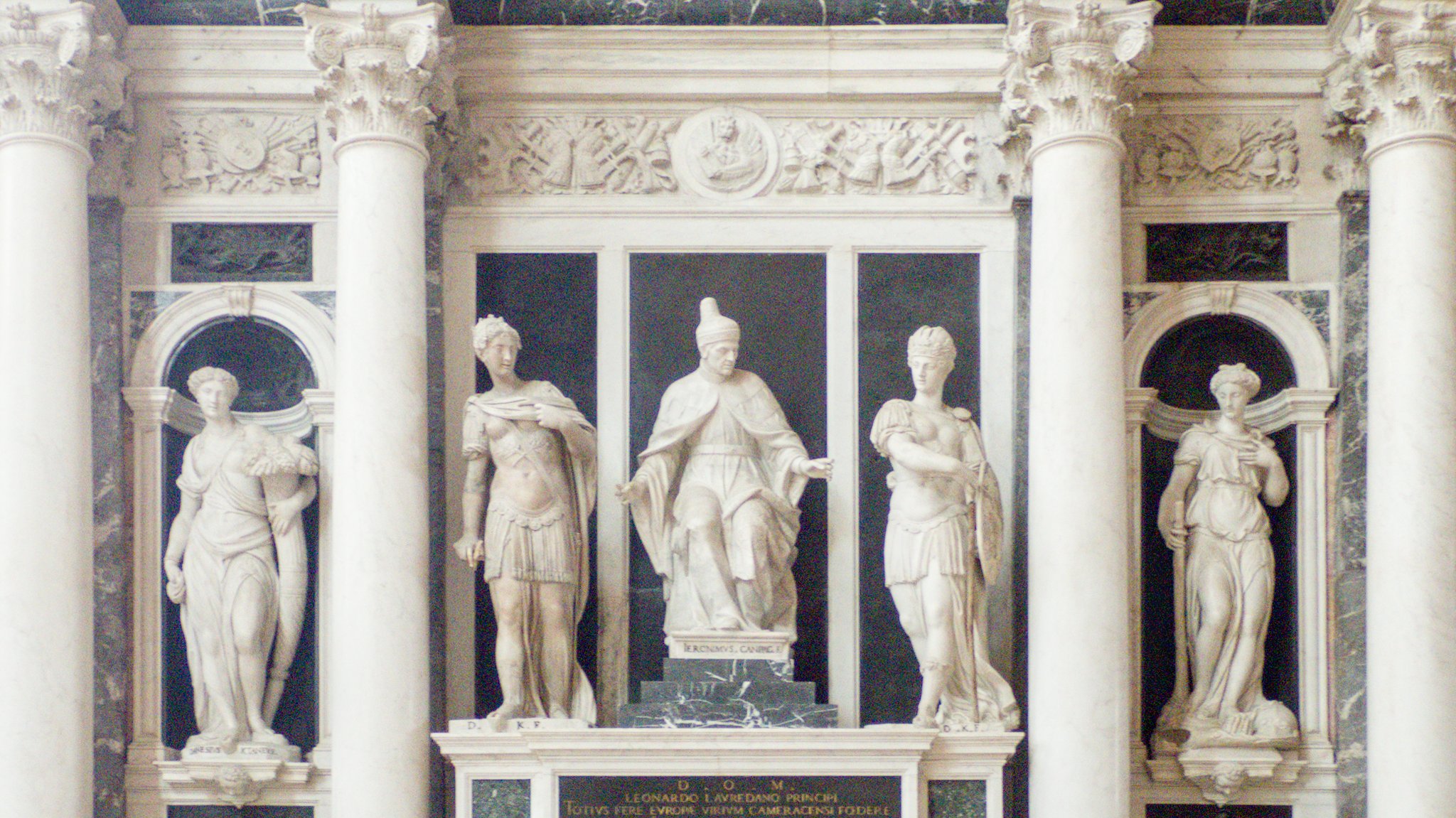
Tombs of the doges
Where were the doges of Venice buried? A little bit all over, in churches and monasteries in Venice and beyond.
-
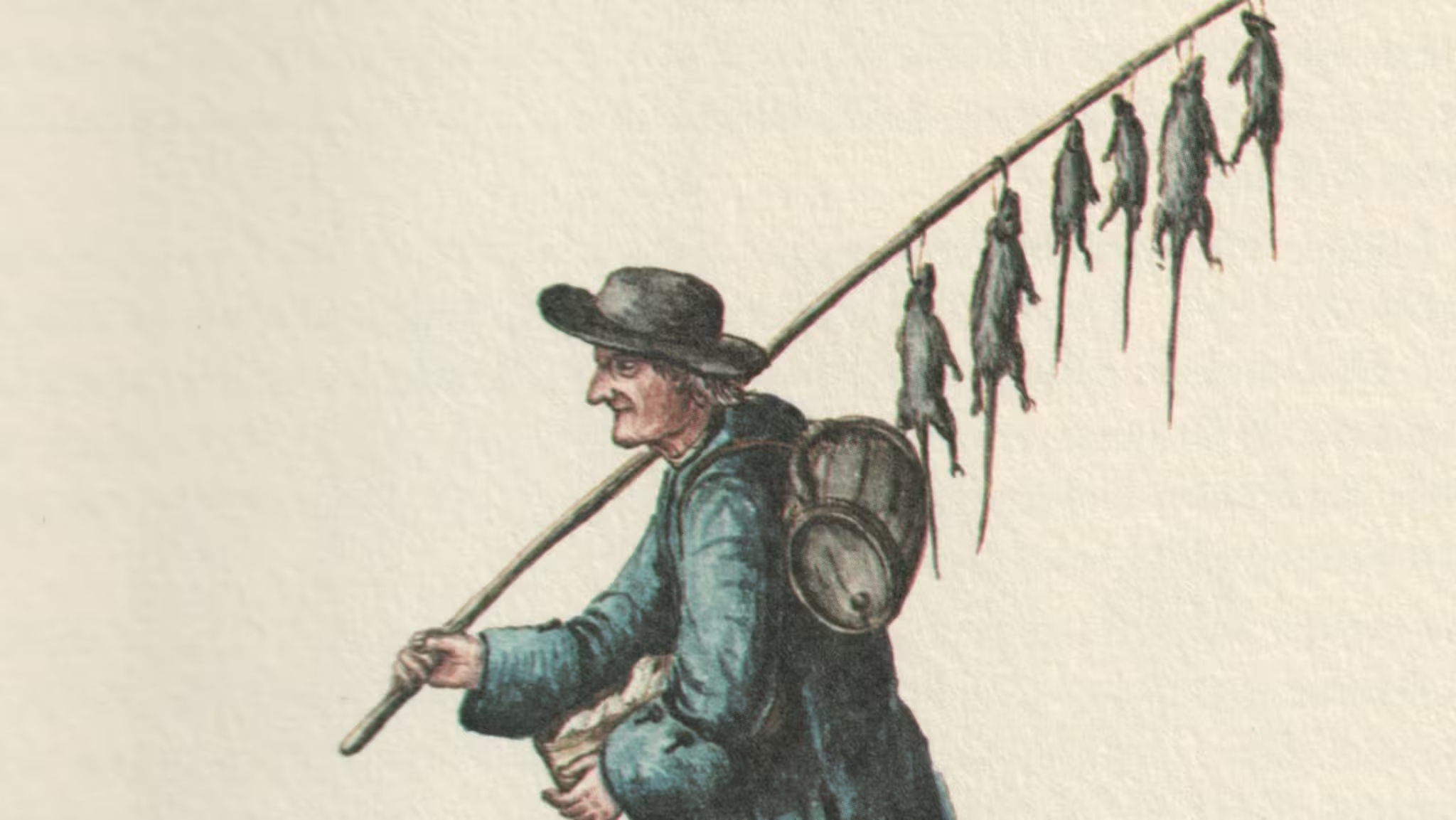
Ink and Rat Poison
Is there a connection between writing ink and rat poison, as some images from the 1700s seem to indicate?
-
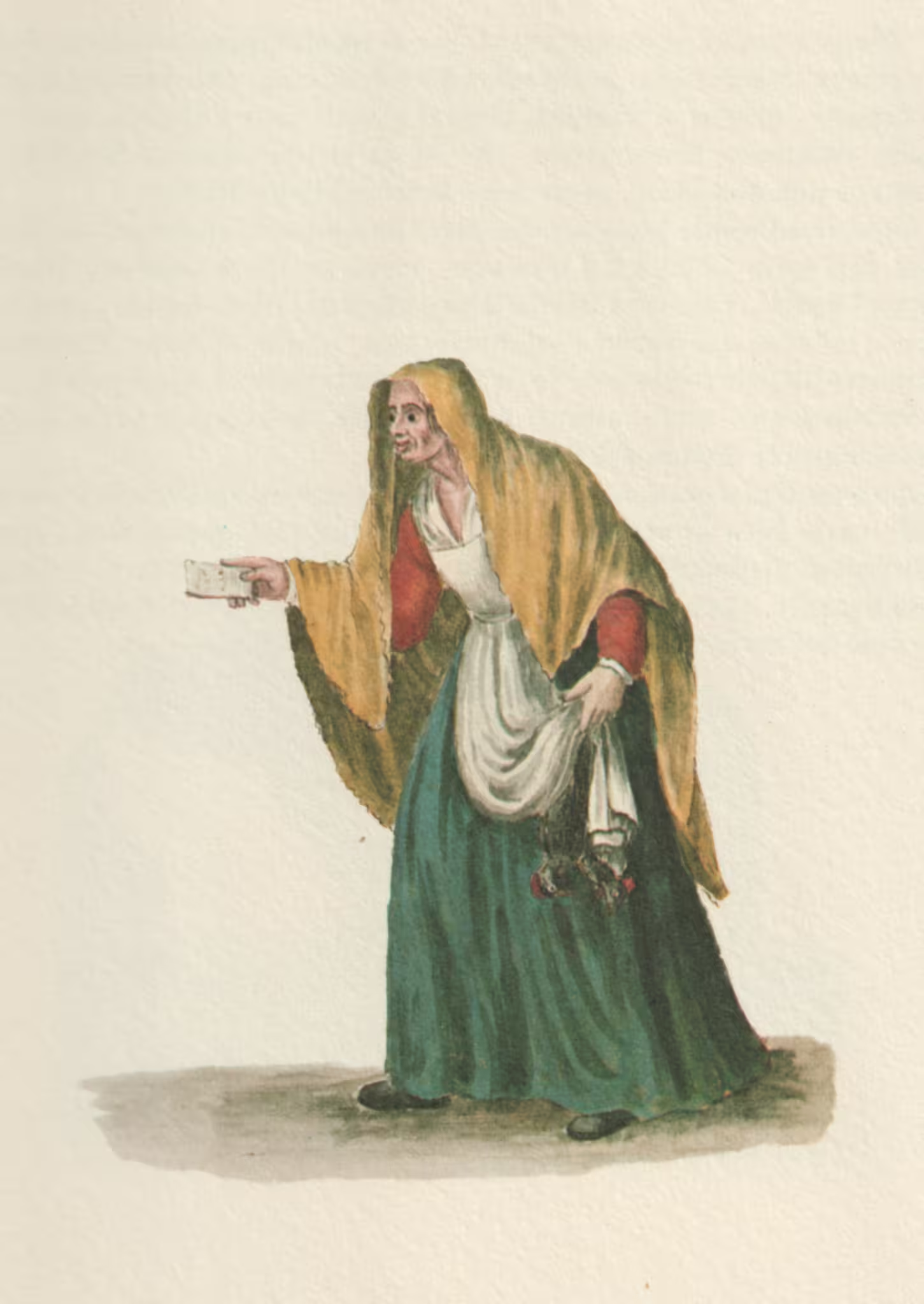
Ruffiana — Madam — Grevembroch 3–162
“Ruffiana” (Ruffian or Madam) from the Gli abiti de veneziani (1754) by Giovanni Grevembroch, translated by René Seindal.
-
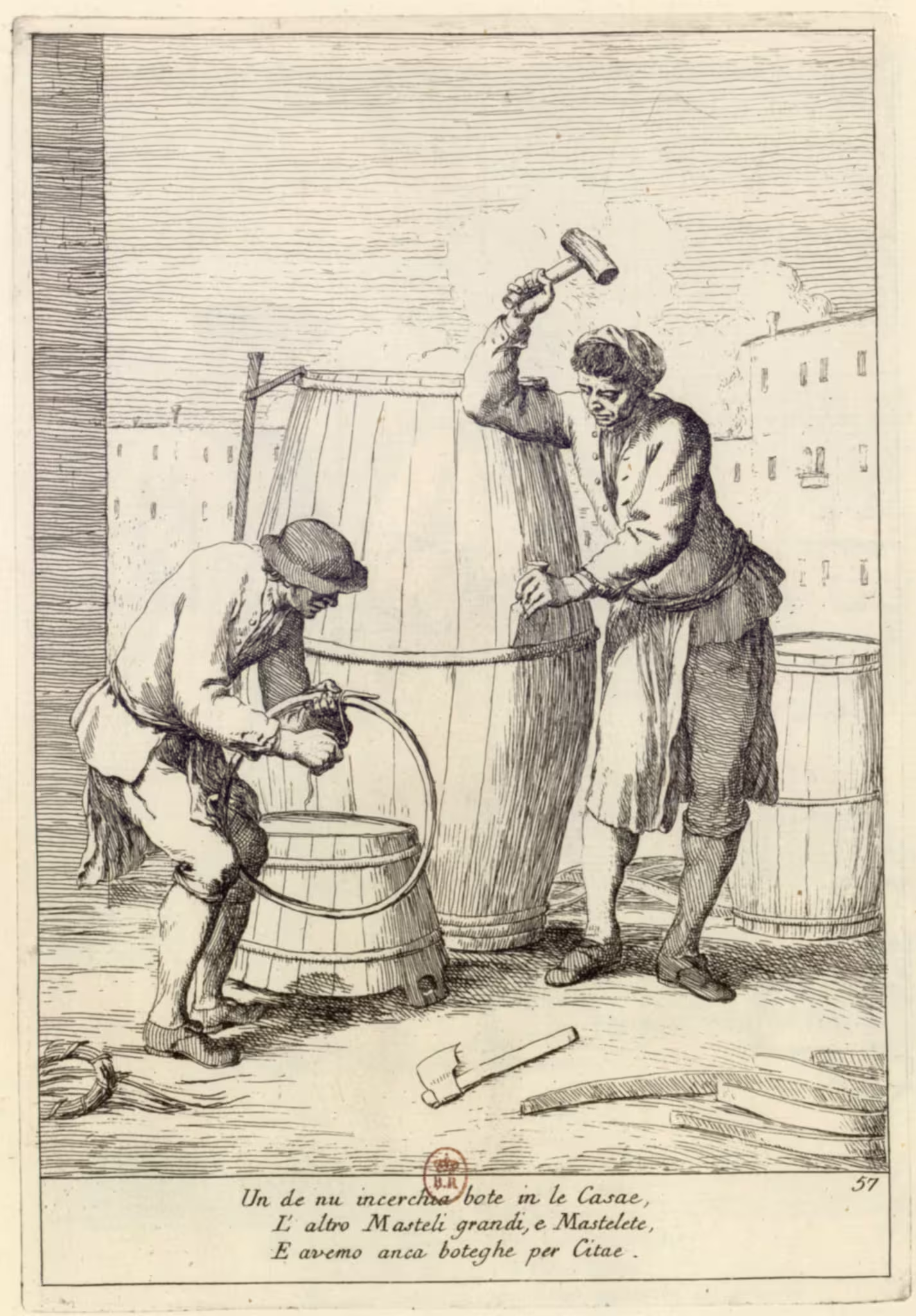
Botter — barrel-maker — Zompini — Arti #57
“Botter” (barrel-maker) from “Arti che vanno per via” (1785) by Gaetano Zompini, translated by René Seindal.
-

Buildings, Palaces and Churches
Buildings Bridges Monuments Details
-
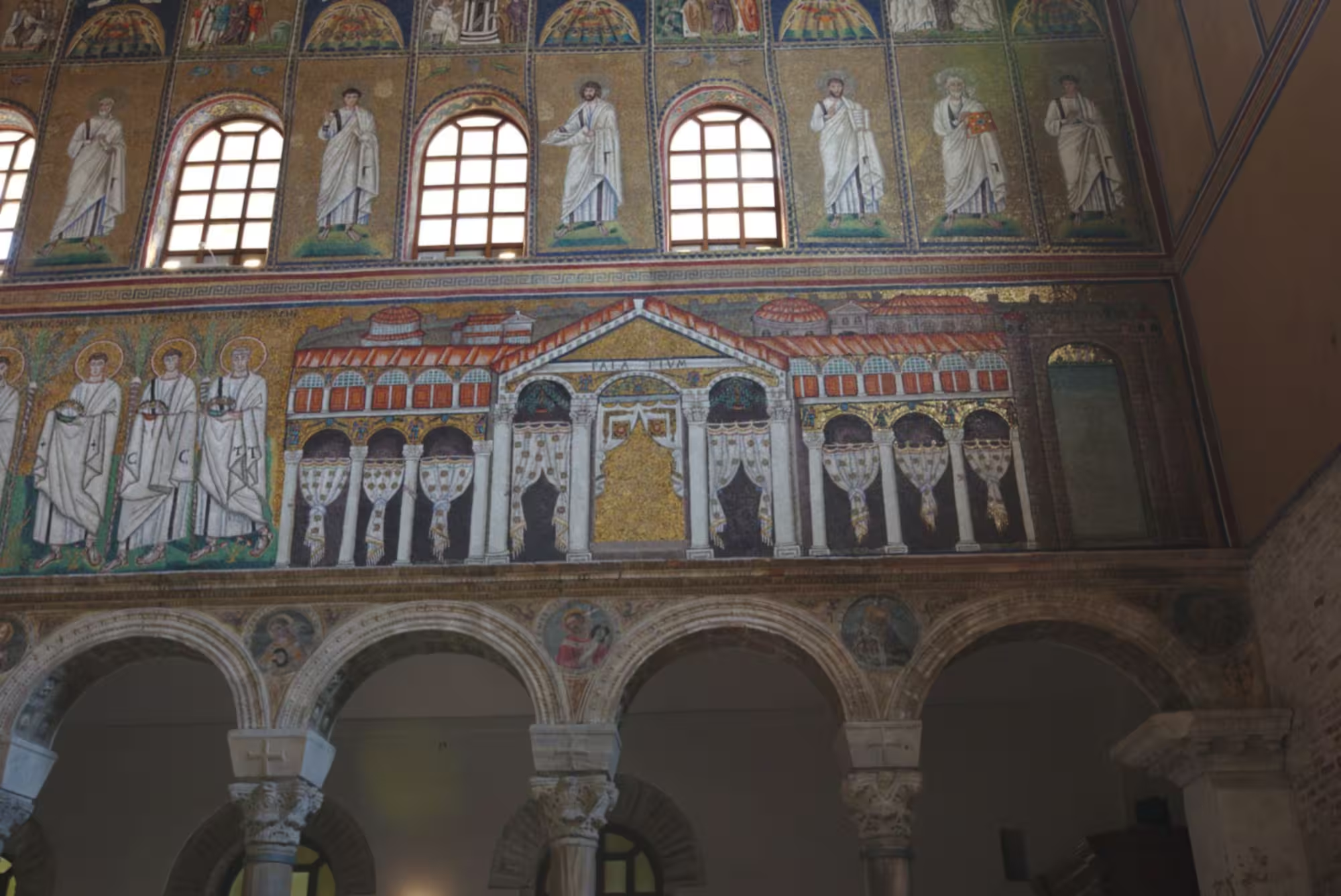
Early Venice
The Venetian people were indigenous, and already present on the territory in Roman times. The Republic of Venice appeared out of the tumultuous centuries in late Antiquity and the early Middle Ages. Invasions The earliest times Legends
-
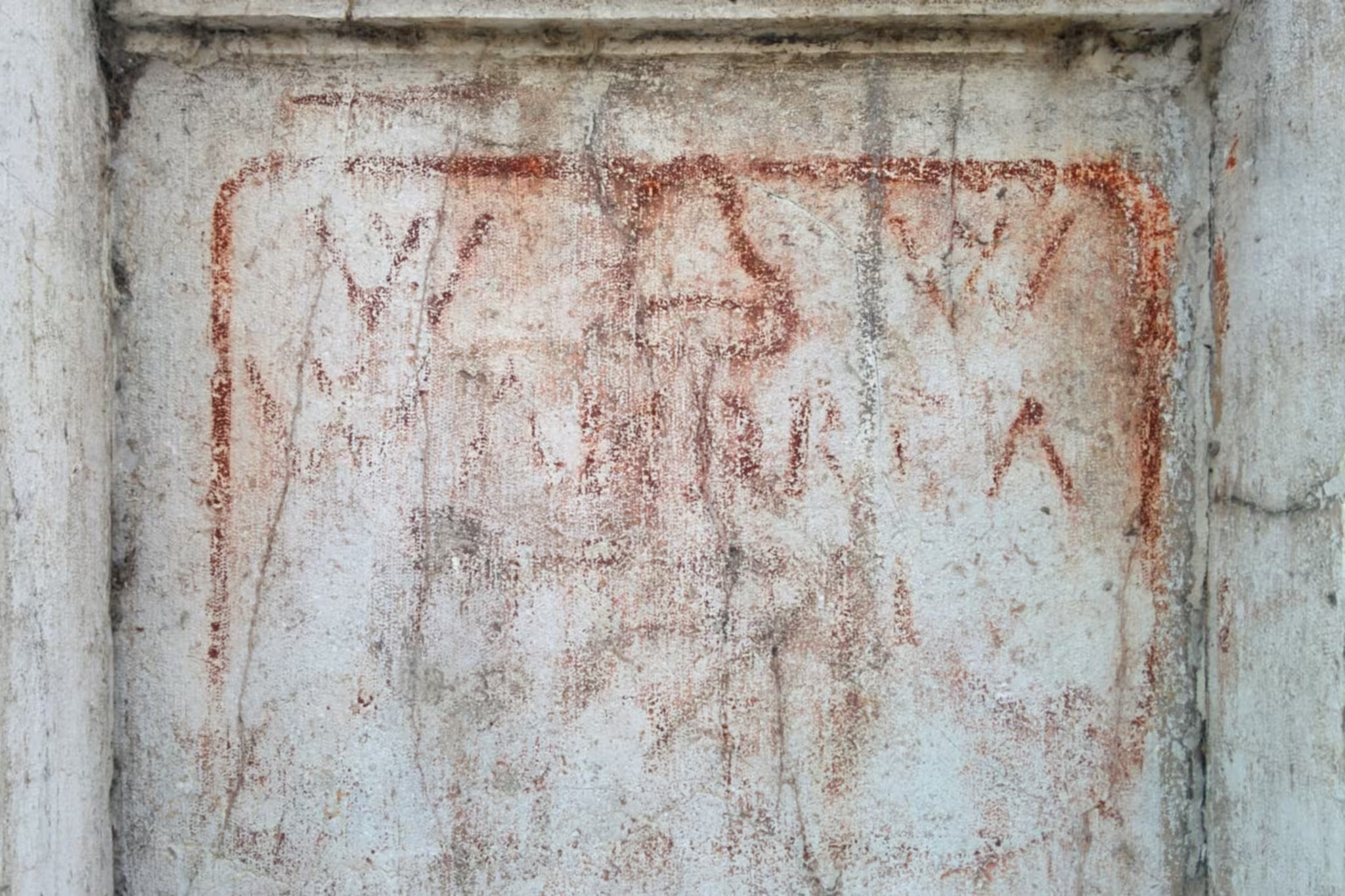
Curiosities
Venice is full of curiosities, often scattered around the city in the most unlikely of places.
-
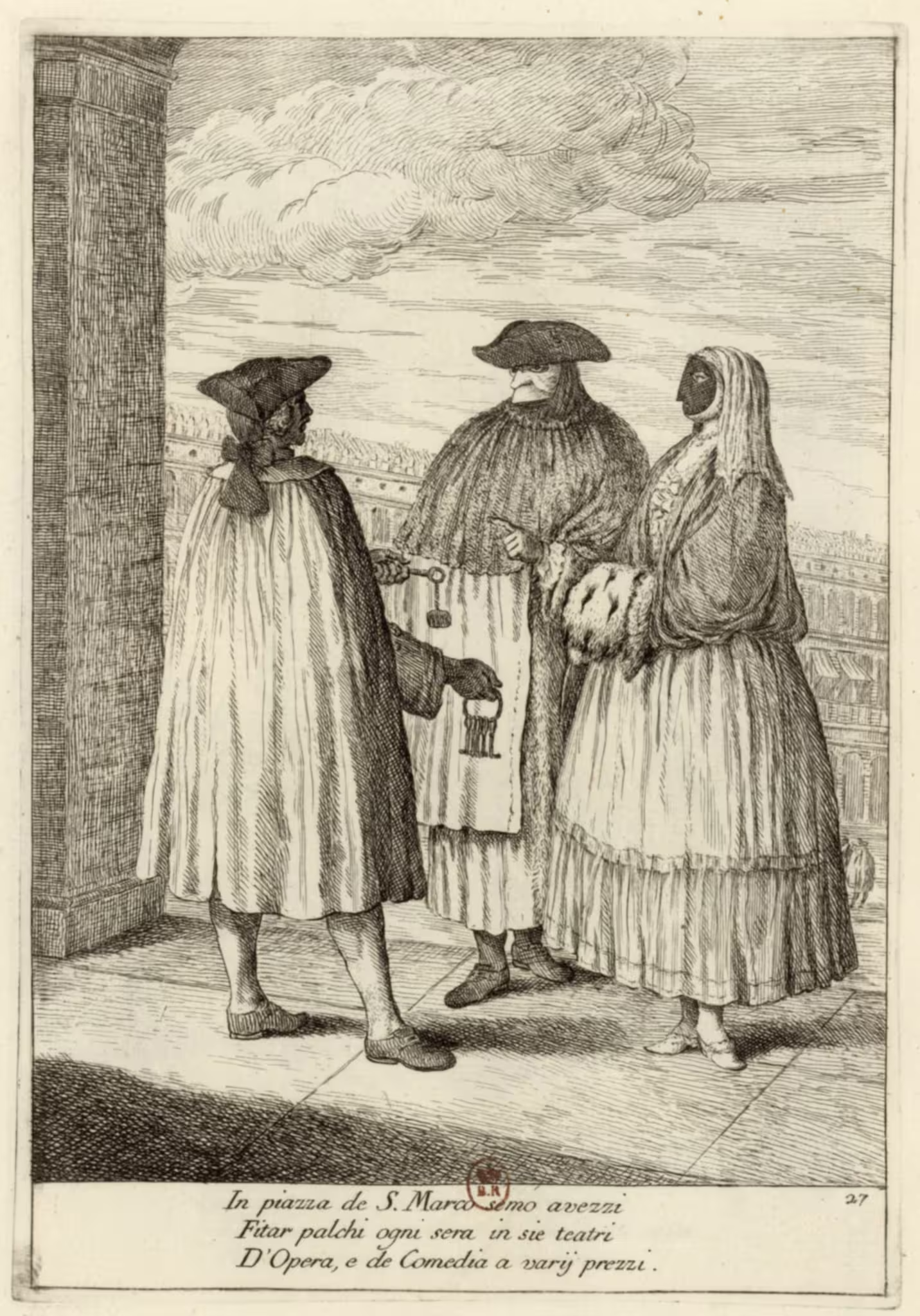
Fitta Palchi — keeper of theatre boxes — Zompini — Arti #27
“Fitta Palchi” (keeper of theatre boxes) from “Arti che vanno per via” (1785) by Gaetano Zompini, translated by René Seindal.
-
Feasts, celebrations and ceremonial
The Republic of Venice had its feasts and celebrations like any other state, except most of these traditions are now long gone and very often entirely forgotten.
-
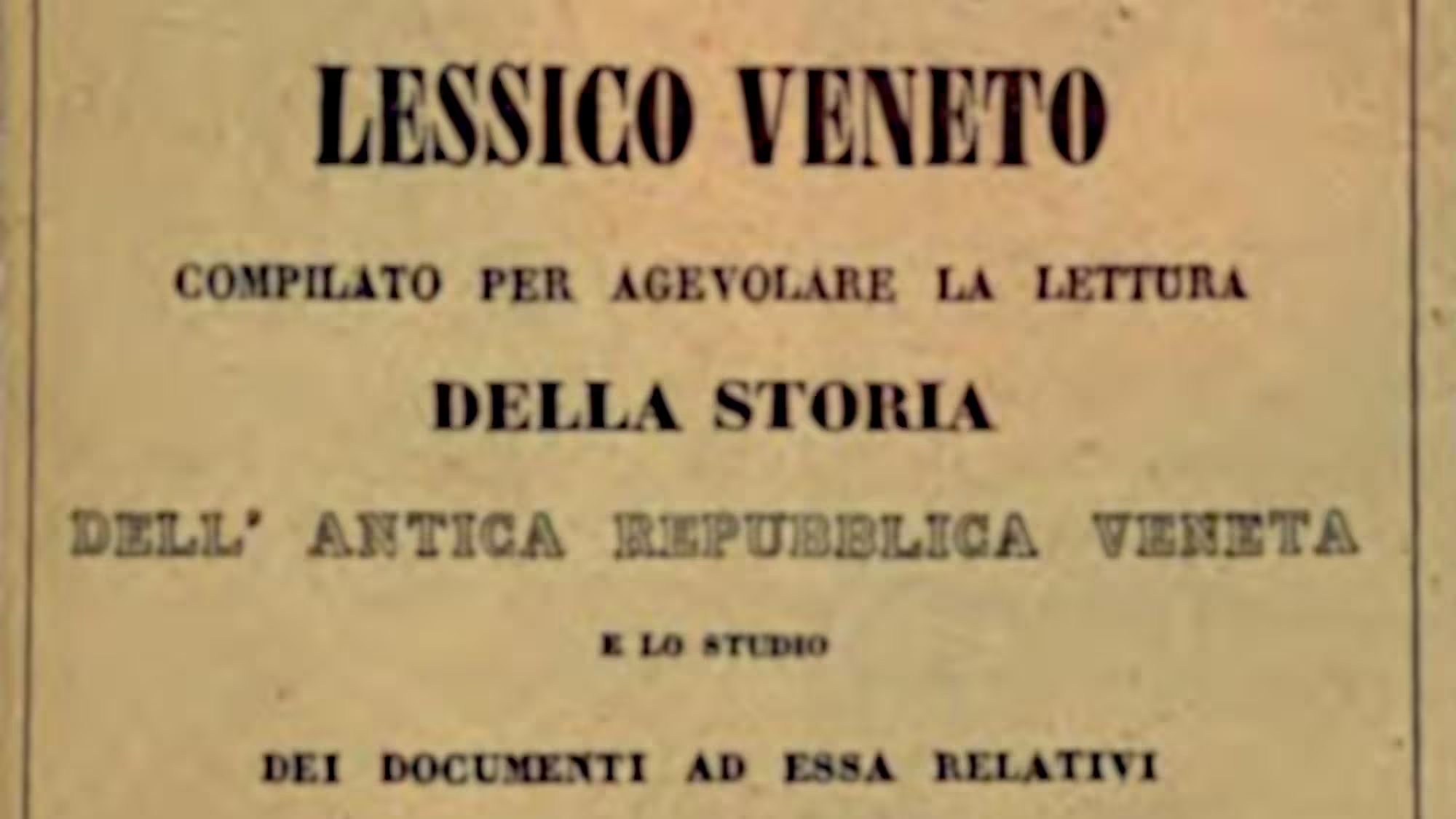
Prigioni — Lessico Veneto
“Prigioni” from the Lessico Veneto (1851) by Fabio Mutinelli, translated by René Seindal.