
Procuratori di San Marco
The Procuratori di San Marco were mostly, but not entirely, an honorific position, held for life. Formally, the procuratori di San Marco ranked second only to the doge.
-
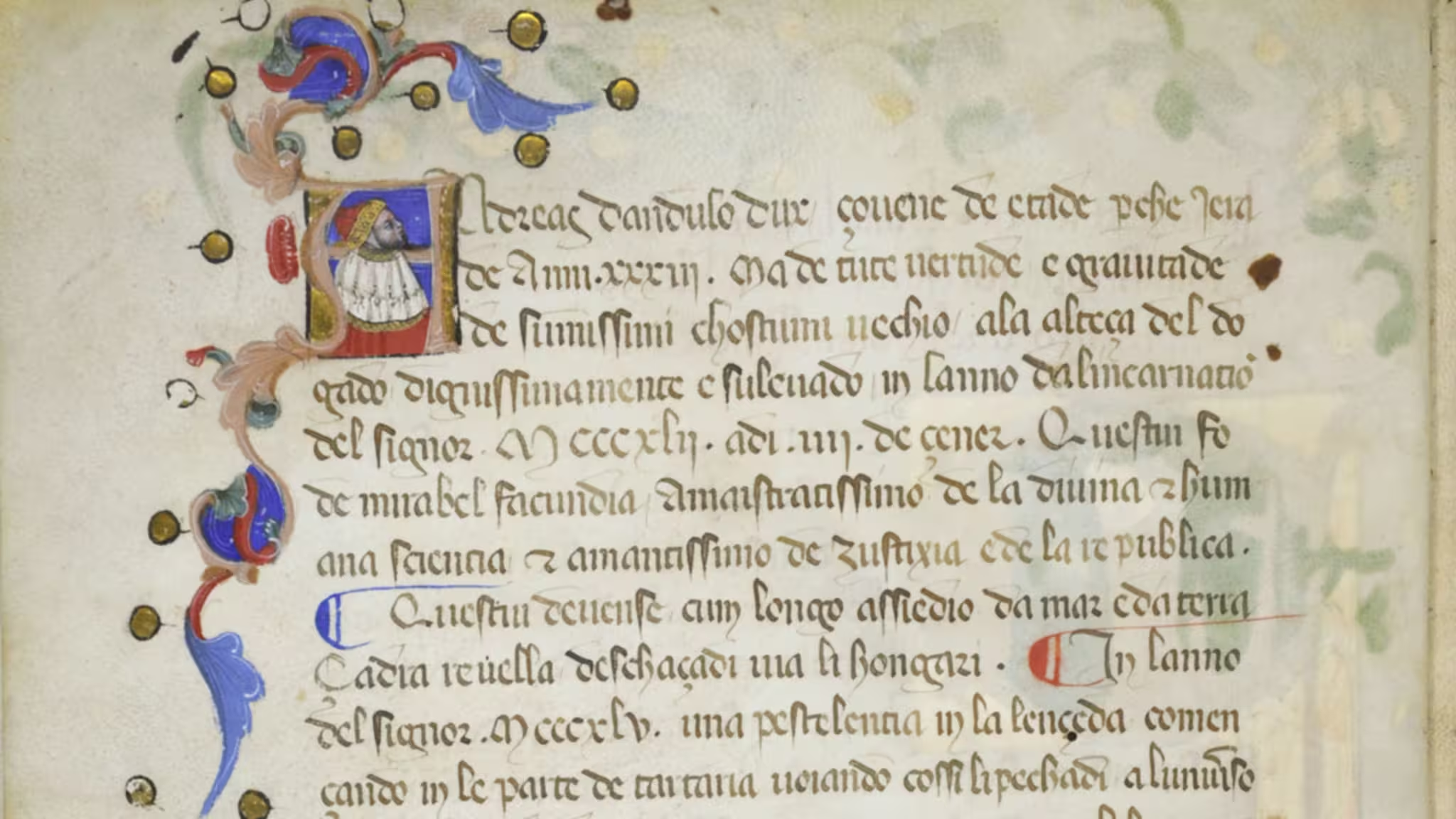
The “Chronica per extensum descripta” by Andrea Dandolo
The “Chronica per extensum descripta” by doge Andrea Dandolo was an influential early chronicle for the history of Venice.
-
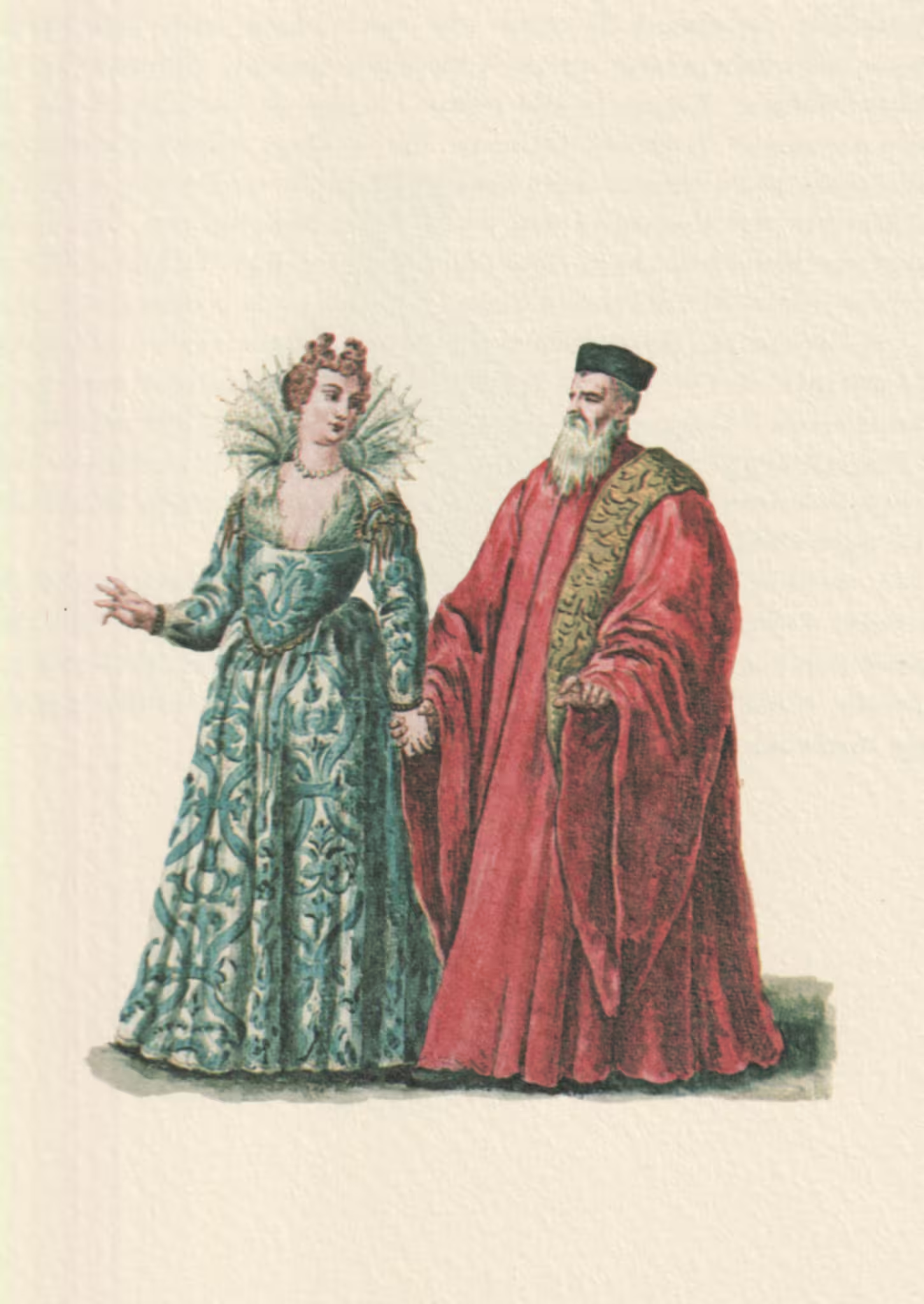
Procuratore, e Cavaliere — Procurator and Cavalier — Grevembroch 1-18
“Procuratore, e Cavaliere” (Procurator, and Cavalier) from the Gli abiti de veneziani (1754) by Giovanni Grevembroch, translated by René Seindal.
-
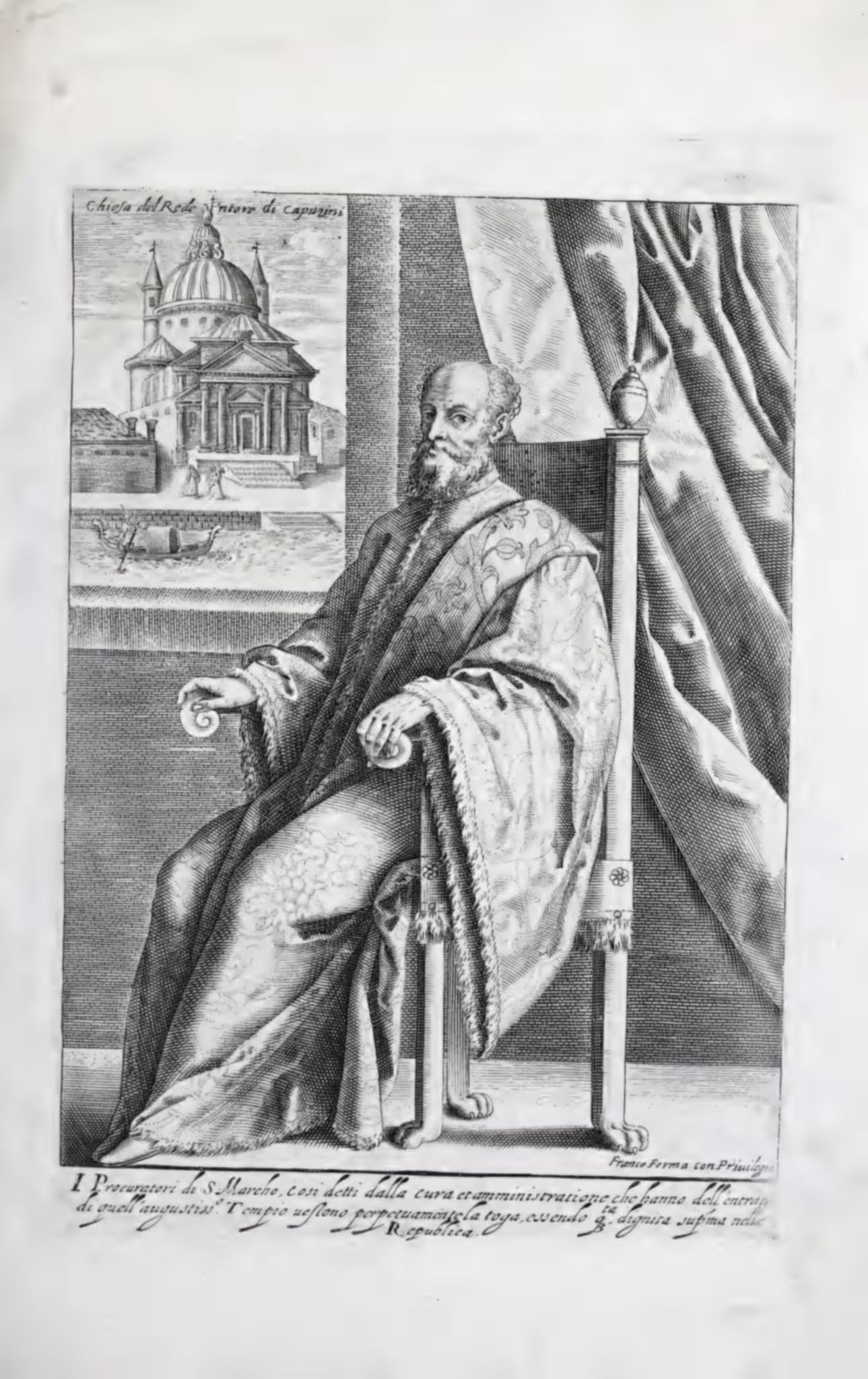
I Procuratori di S. Marcho — Habiti d’huomeni et donne venetiane — 3
“I Procuratori di S. Marcho” from the “Habiti d’huomeni et donne venetiane”, published by Giacomo Franco, c. 1610.
-
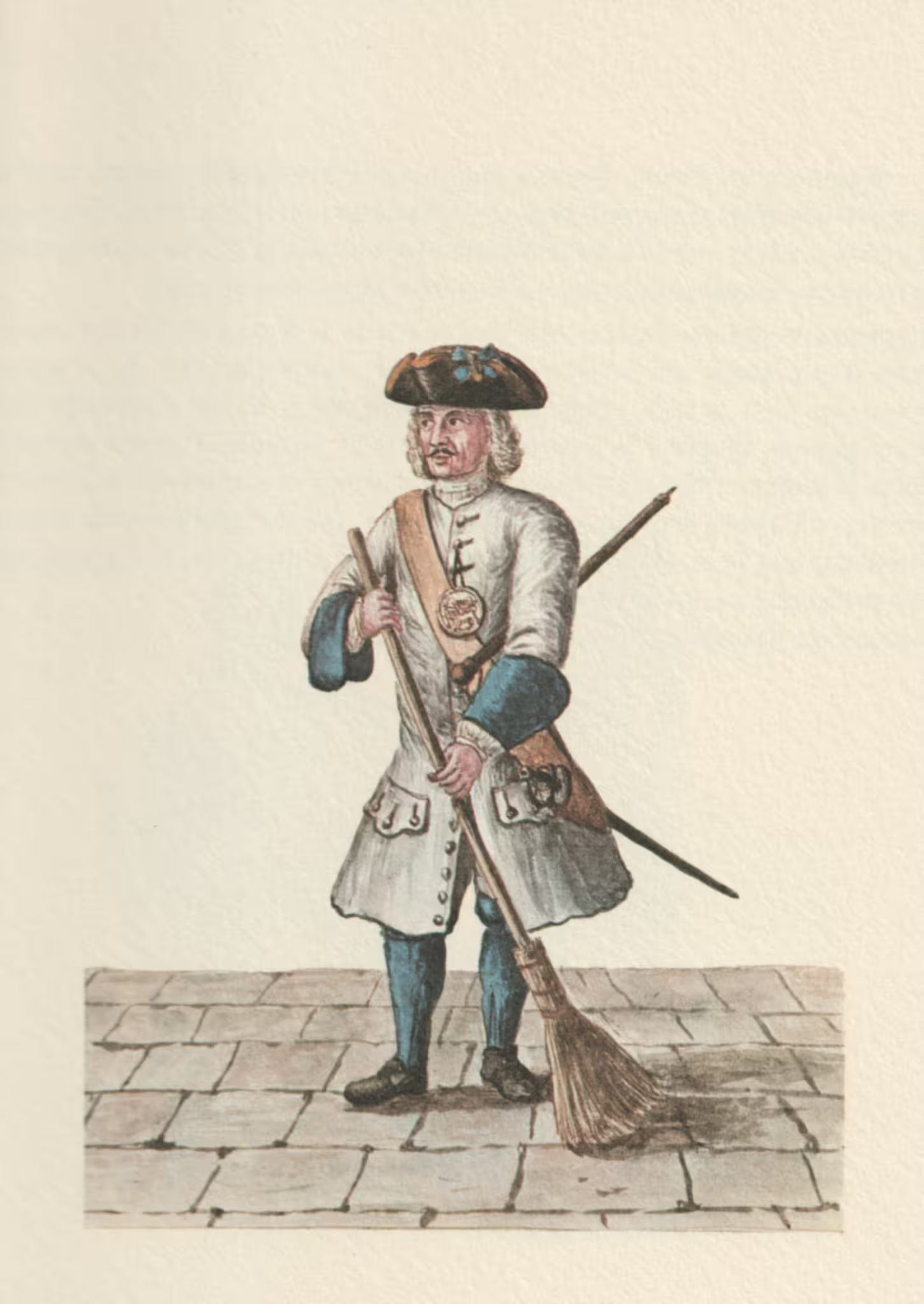
La scopa privilegiata — The privileged broom — Grevembroch 4-57
“La scopa privilegiata” (The privileged broom) from the Gli abiti de veneziani (1754) by Giovanni Grevembroch, translated by René Seindal.
-
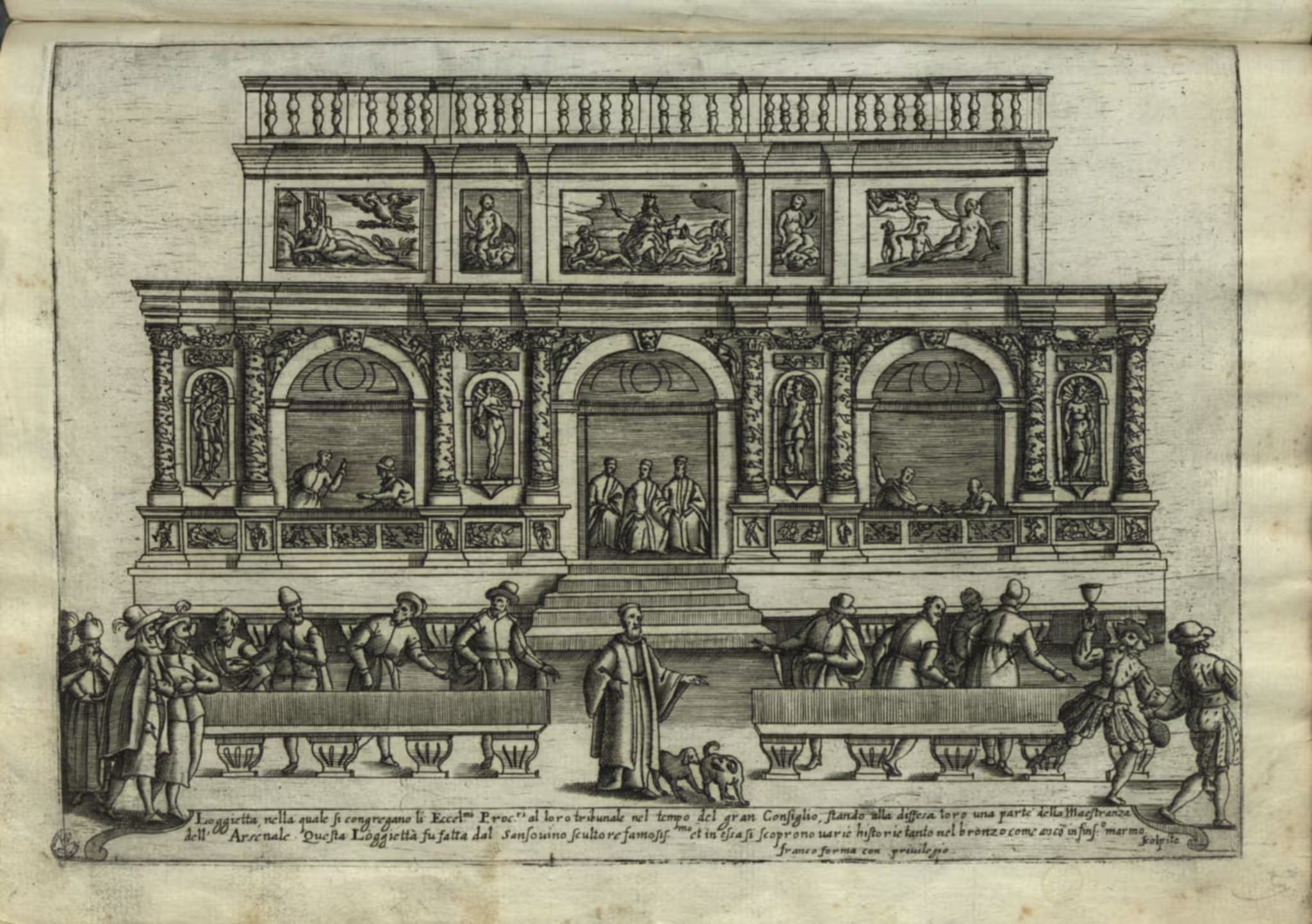
Loggietta — Habiti d’huomeni et donne venetiane — 11
“Loggietta” from the “Habiti d’huomeni et donne venetiane”, published by Giacomo Franco, c. 1610.
-
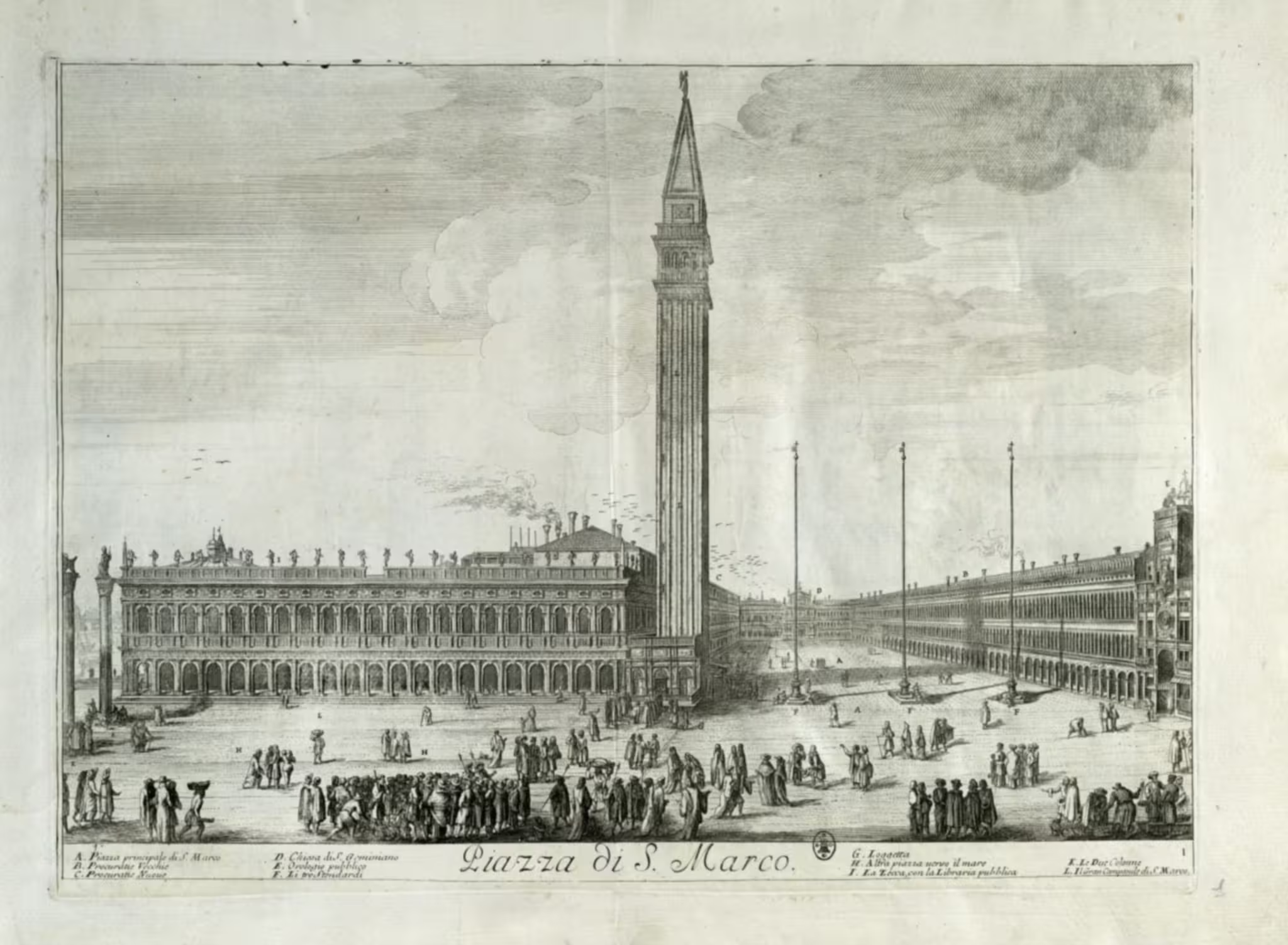
La Piazza di S. Marco — Il Gran Teatro di Venezia — plate 1
“La Piazza di S. Marco” from the “Gran Teatro di Venezia”, published by Domenico Lovisa, c. 1717.
-

Jacopo Tiepolo — the 43rd doge of Venice
Jacopo TIepolo, doge 1229–1249, left an impact on Venice, which is still clearly visible today.
-
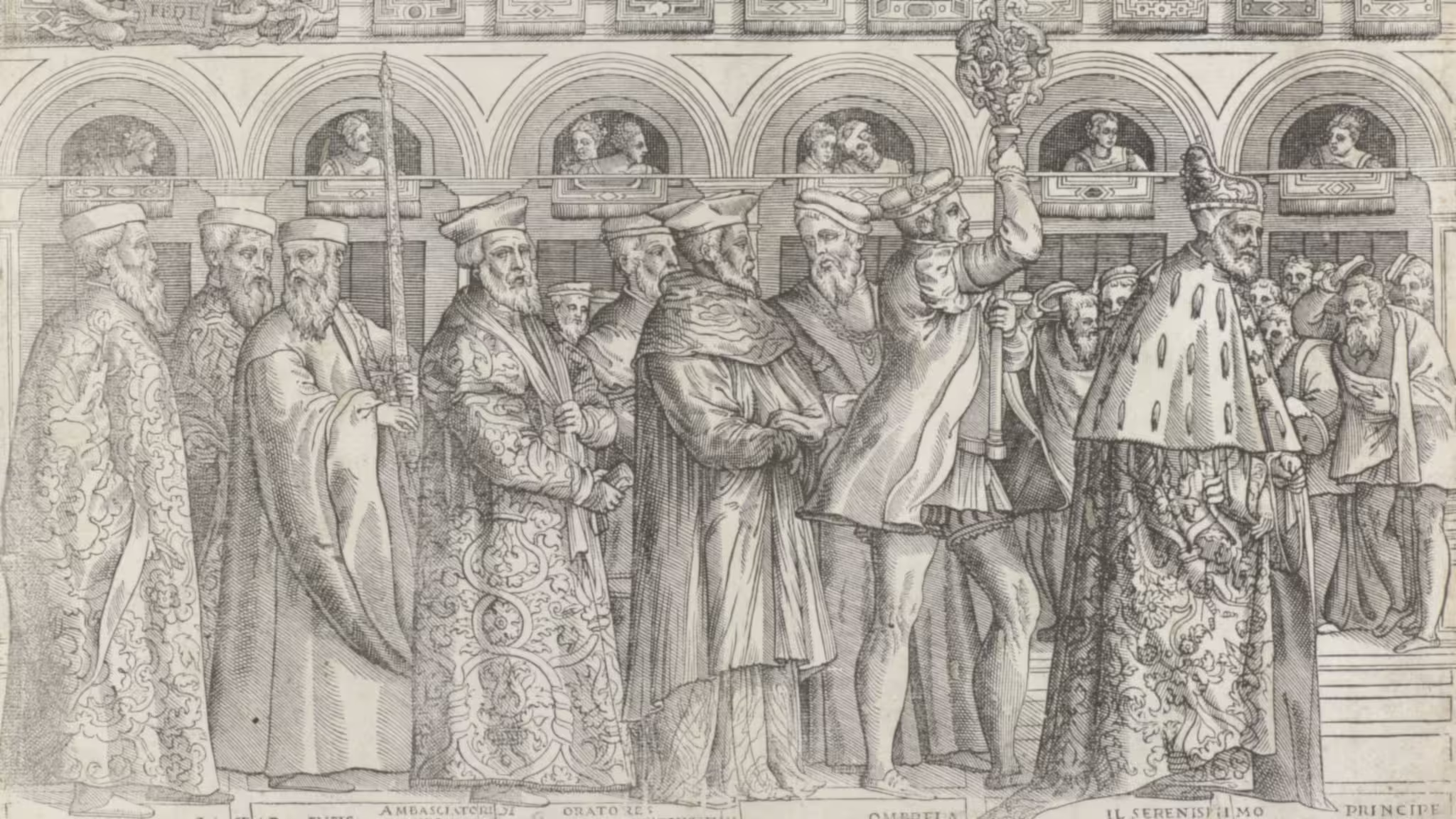
Chronology of major Venetian state institutions
The Venetian state was always an ad hoc construct, and institutions came and went at the convenience of the ruling elite.
-
Procurator di san Marco — Lessico Veneto
“Procurator di san Marco” from the Lessico Veneto (1851) by Fabio Mutinelli, translated by René Seindal.
-
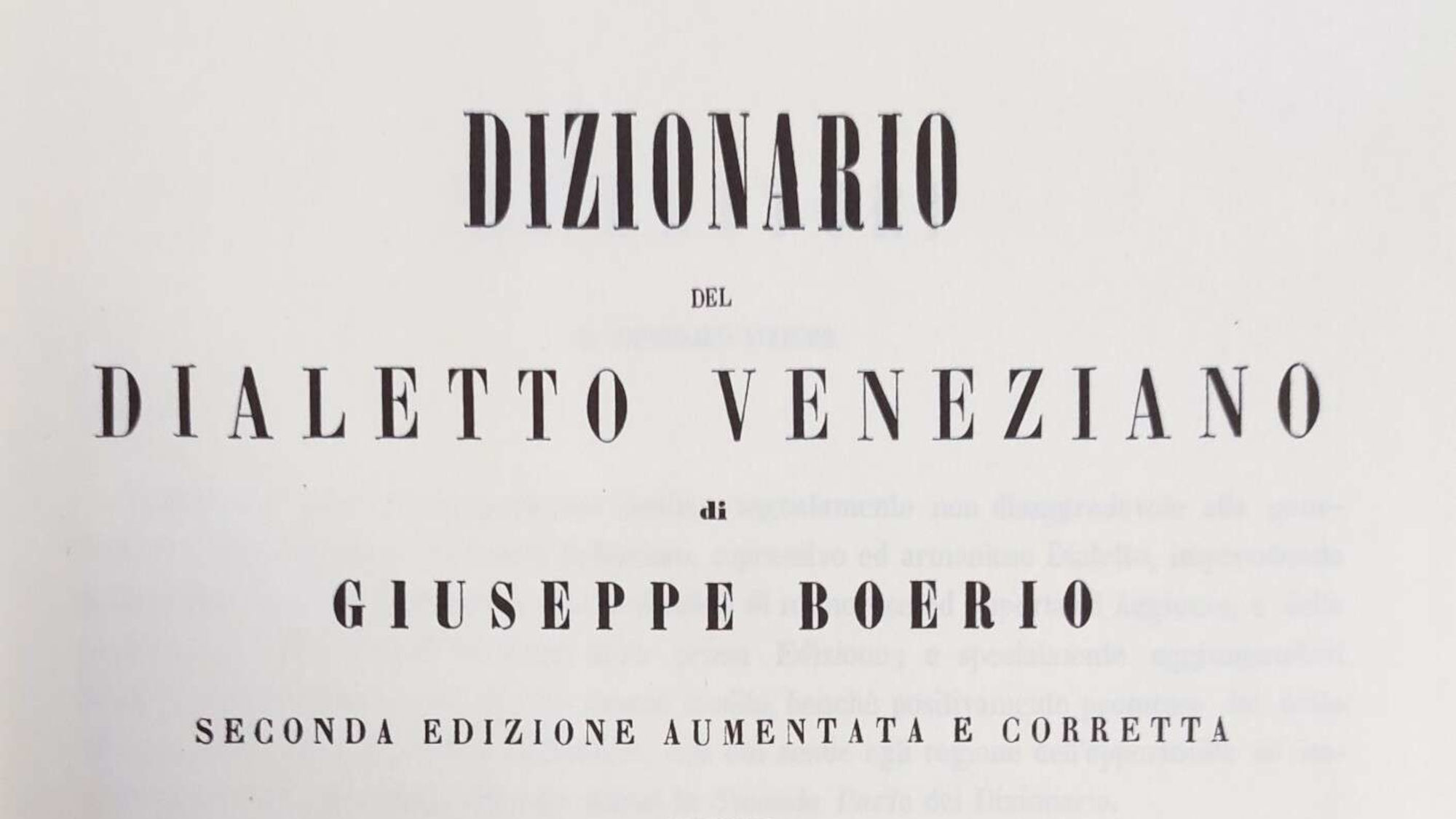
Procuratori di S. Marco — Dizionario,
“Procuratori di S. Marco” from the Dizionario del Dialetto Veneziano by Giuseppe Boerio.