Articles
-
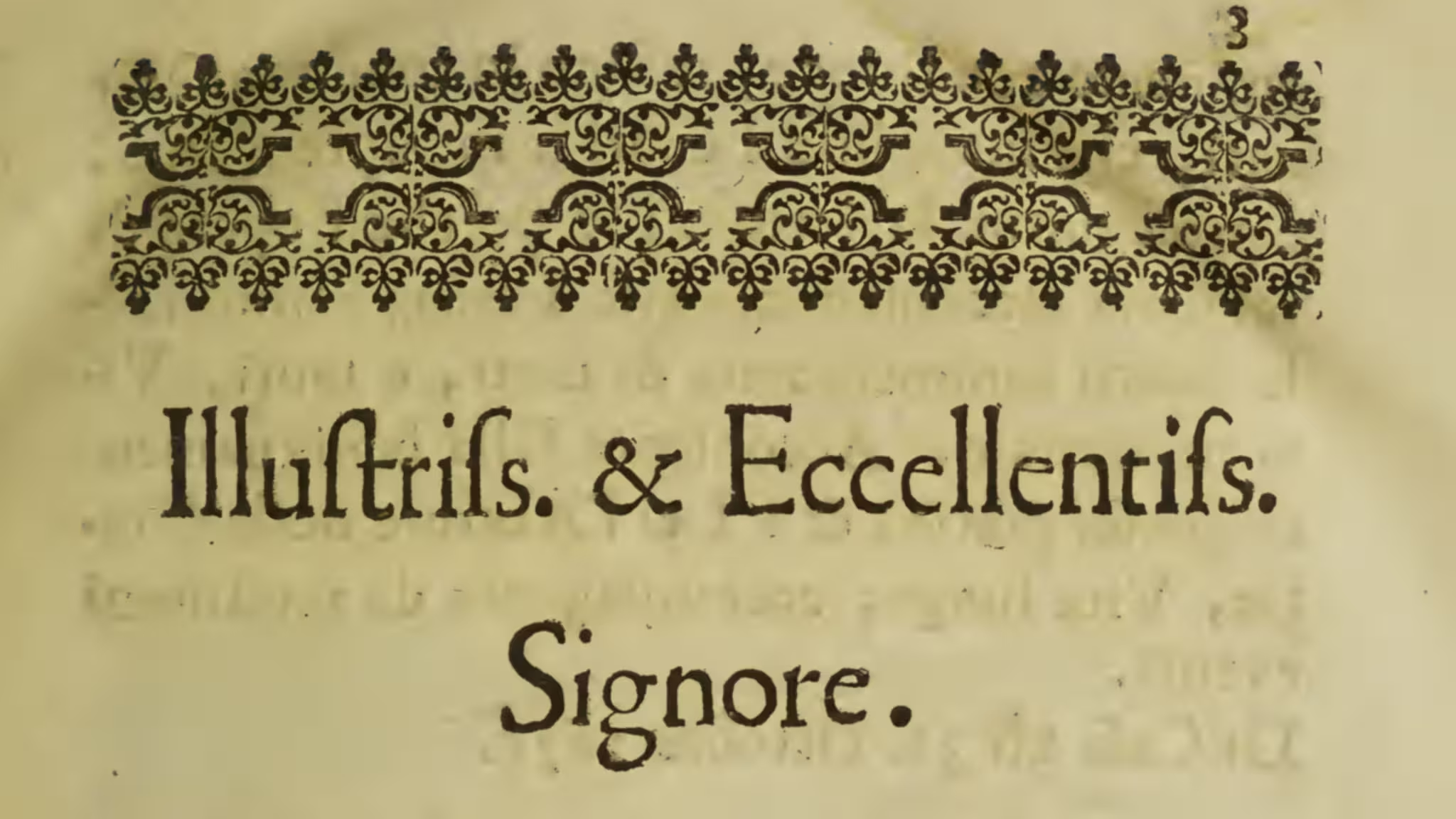
Il Gran Contagio di Verona — Francesco Pona — dedication (translated)
Frontispiece and dedication of “Il Gran Contagio di Verona” by Francesco Pona (1631) — English translation.
-
Il Gran Contagio di Verona — Francesco Pona — dedication (modern)
Frontispiece and dedication of “Il Gran Contagio di Verona” by Francesco Pona (1631) — modernised text.
-
Il Gran Contagio di Verona — Francesco Pona — dedication (original)
Frontispiece and dedication of “Il Gran Contagio di Verona” by Francesco Pona (1631) — original text.
-
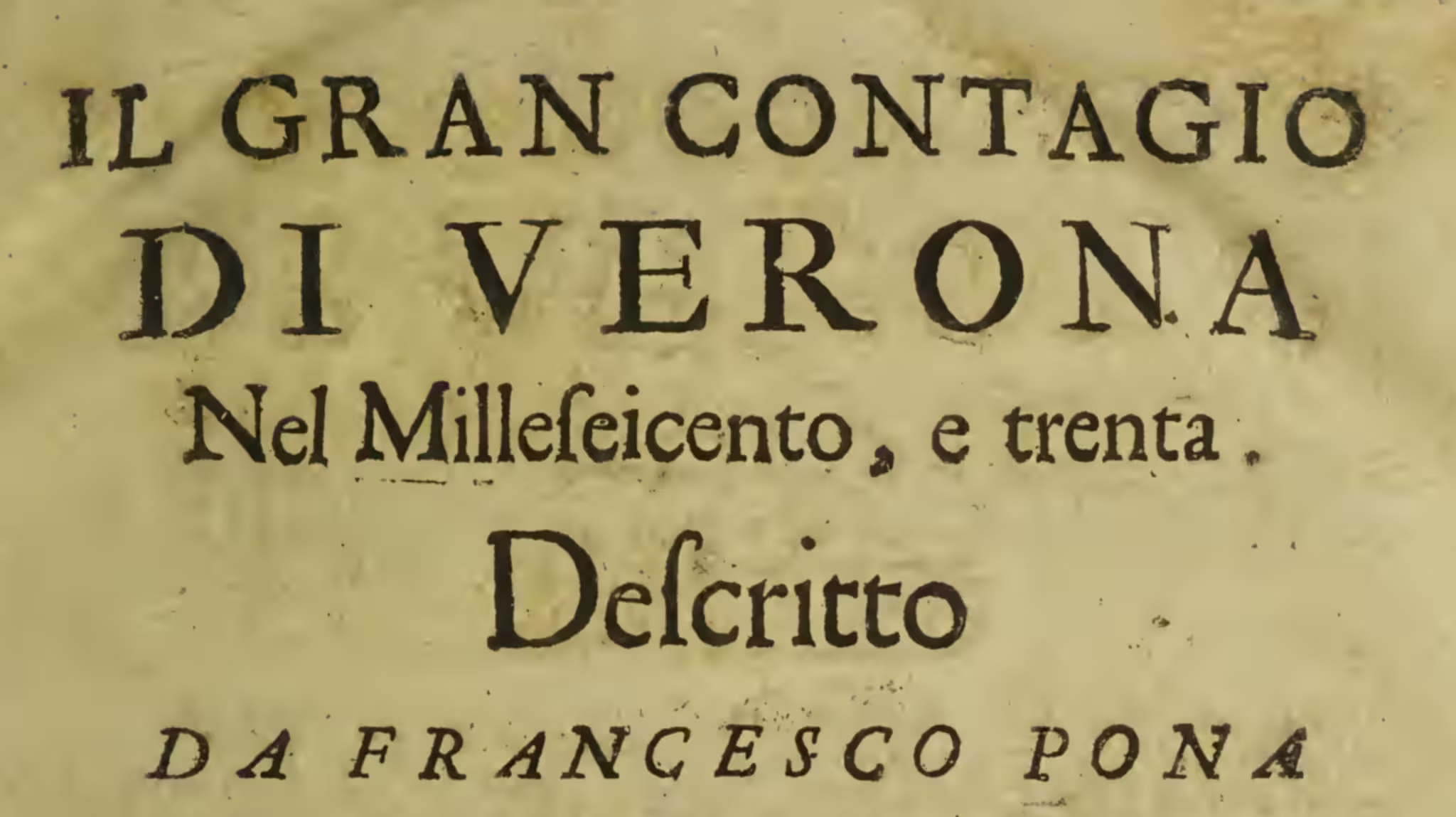
Francesco Pona — The Plague in Verona, 1630
A doctor’s eyewitness account of the plague epidemic in Verona in 1630, which killed some 60% of the population of the city.
-
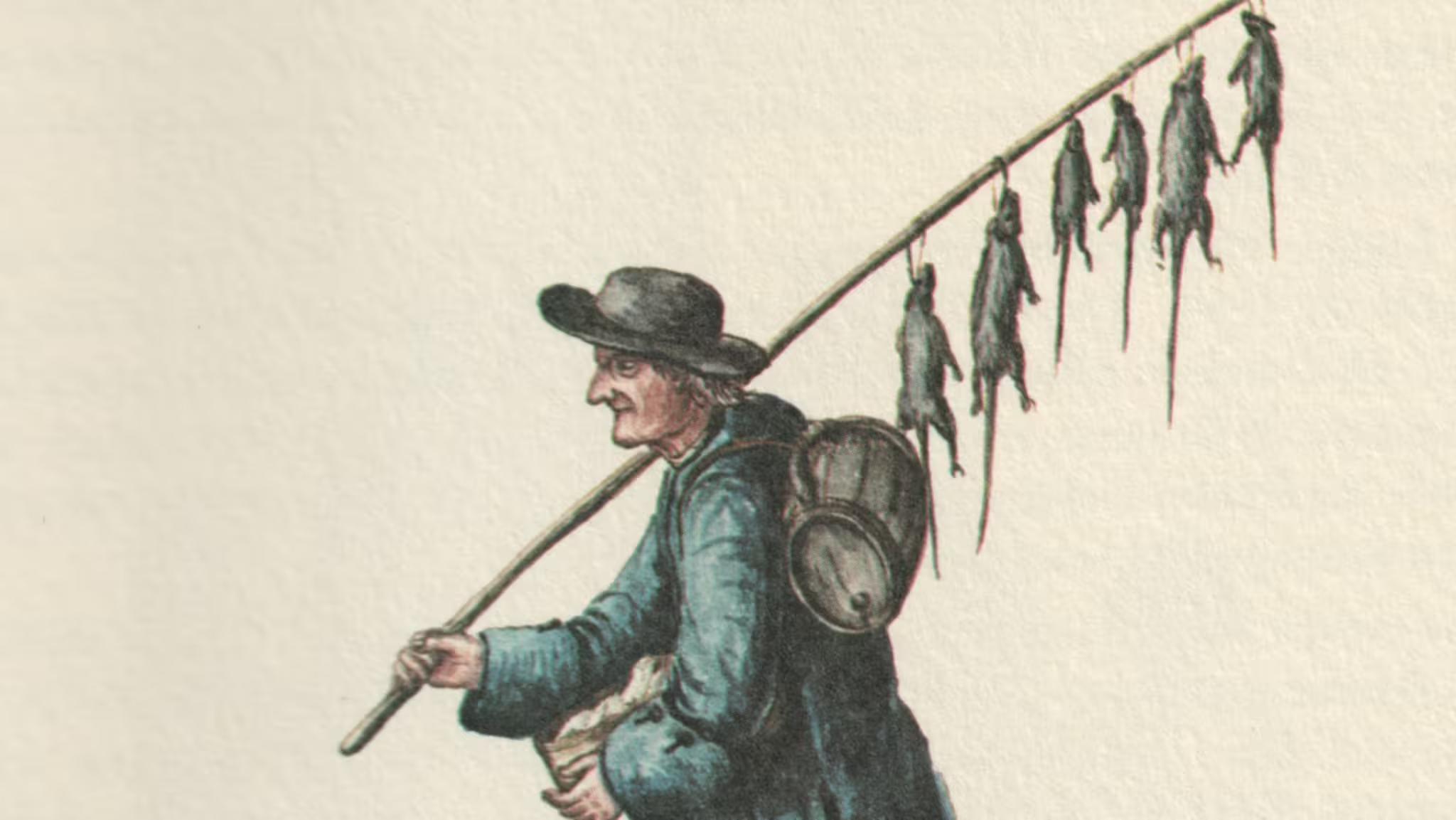
Ink and Rat Poison
Is there a connection between writing ink and rat poison, as some images from the 1700s seem to indicate?
-

Buildings, Palaces and Churches
Buildings Bridges Monuments Details
-
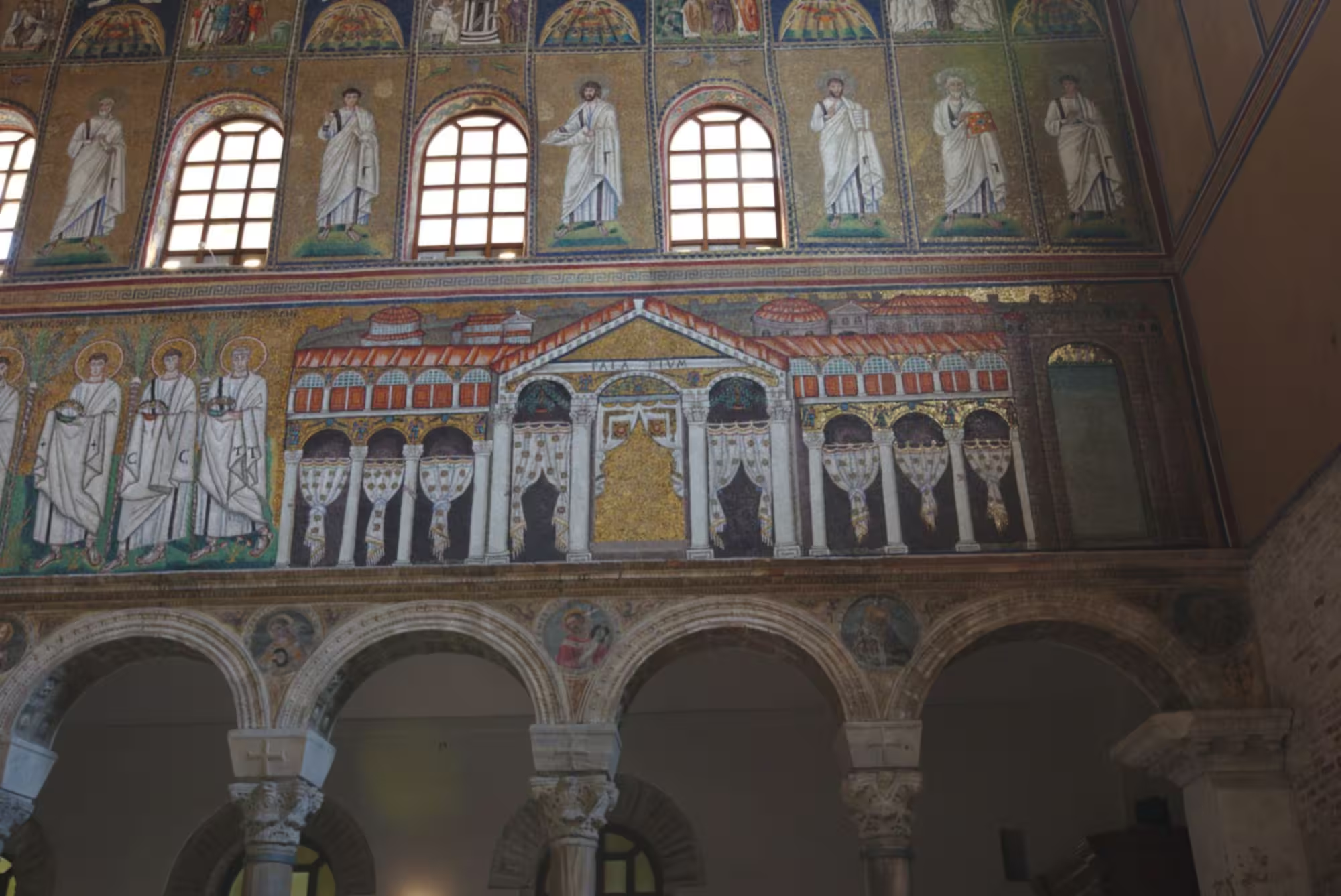
Early Venice
The Venetian people were indigenous, and already present on the territory in Roman times. The Republic of Venice appeared out of the tumultuous centuries in late Antiquity and the early Middle Ages. Invasions The earliest times Legends Sources Venetian Stories
-
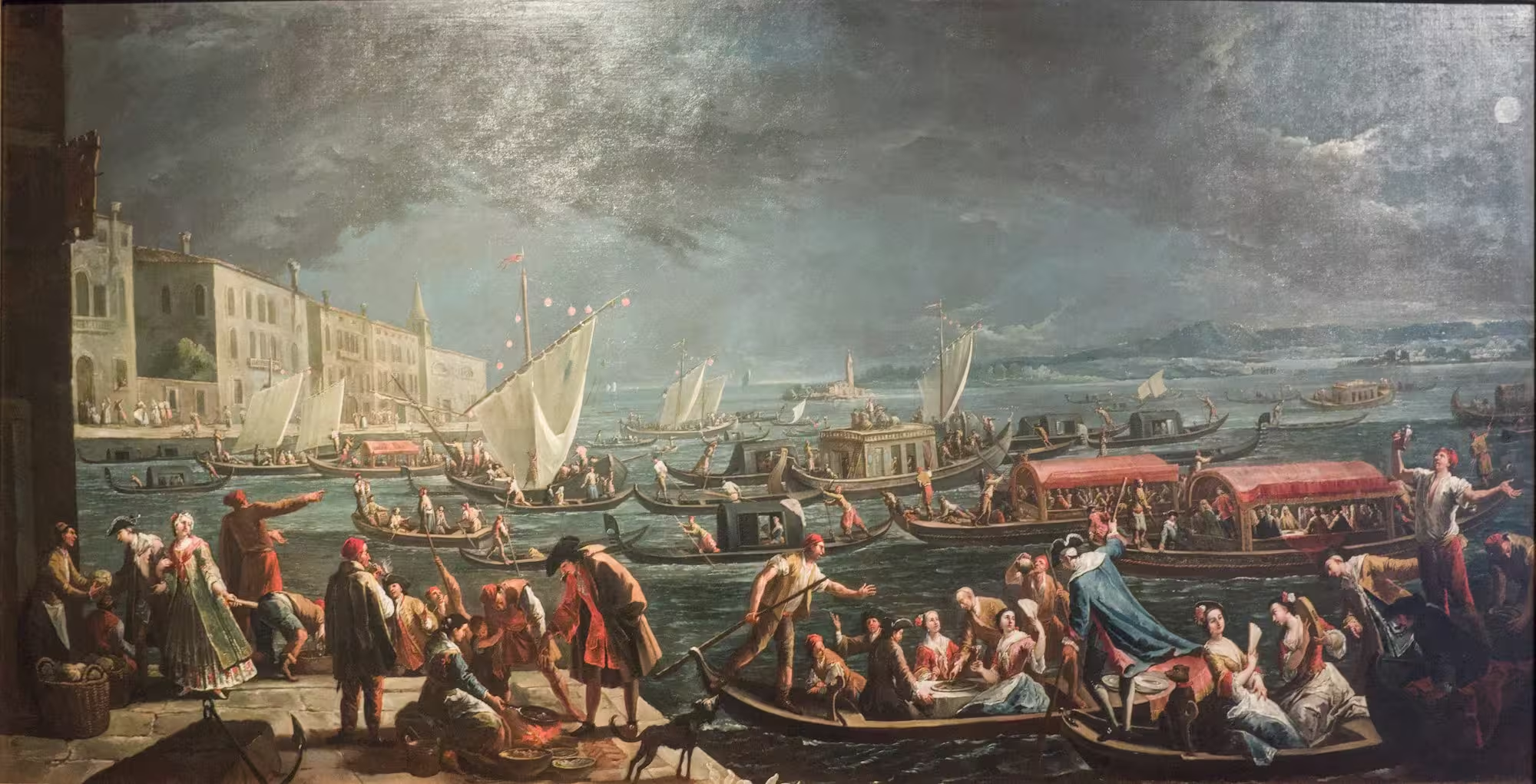
Daily life and customs
Venice was a buzzing city, full of people and activity, and of course, the Venetian had their particular ways of doing things in their daily lives.
-
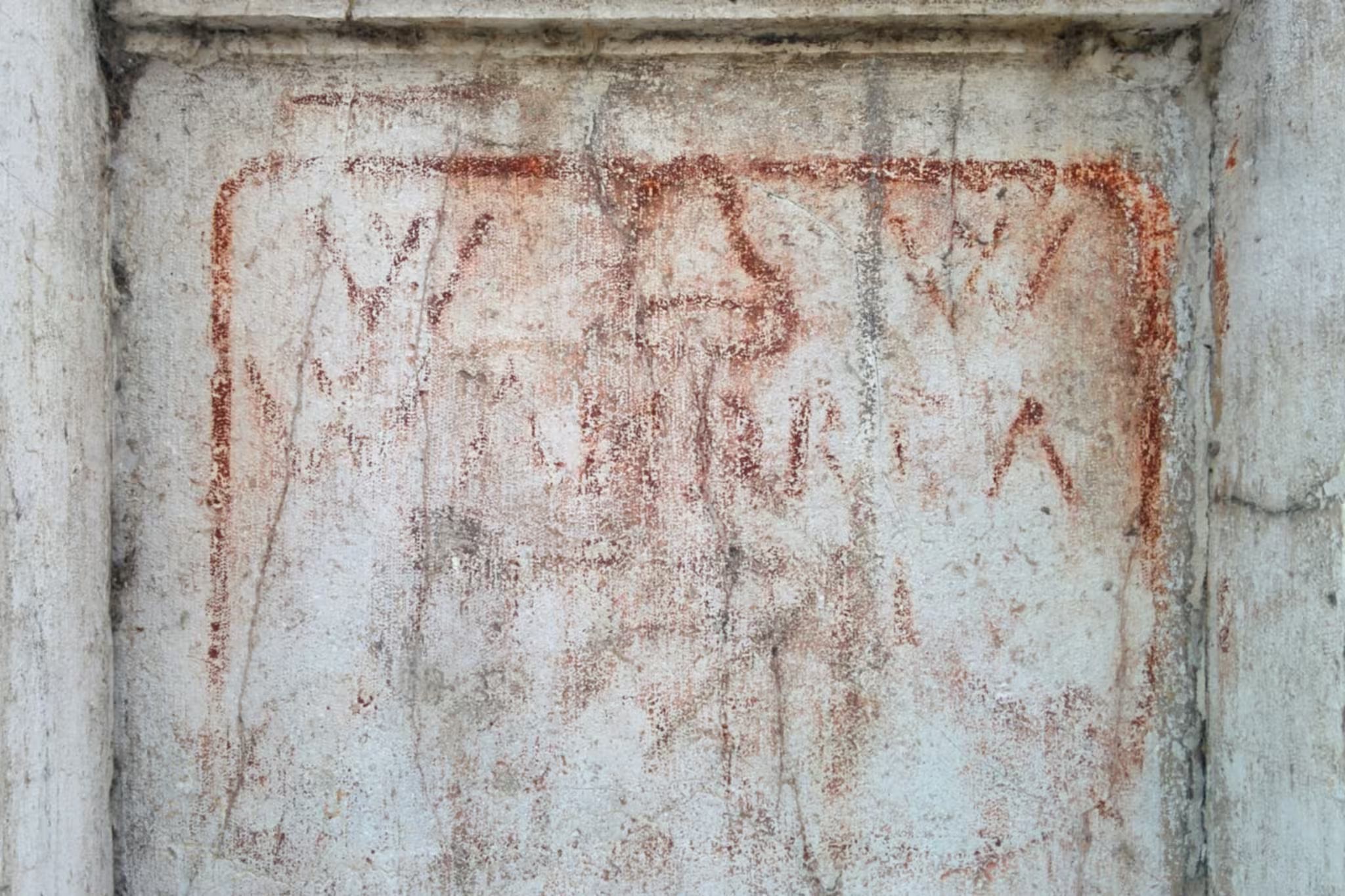
Curiosities
Venice is full of curiosities, often scattered around the city in the most unlikely of places.
-
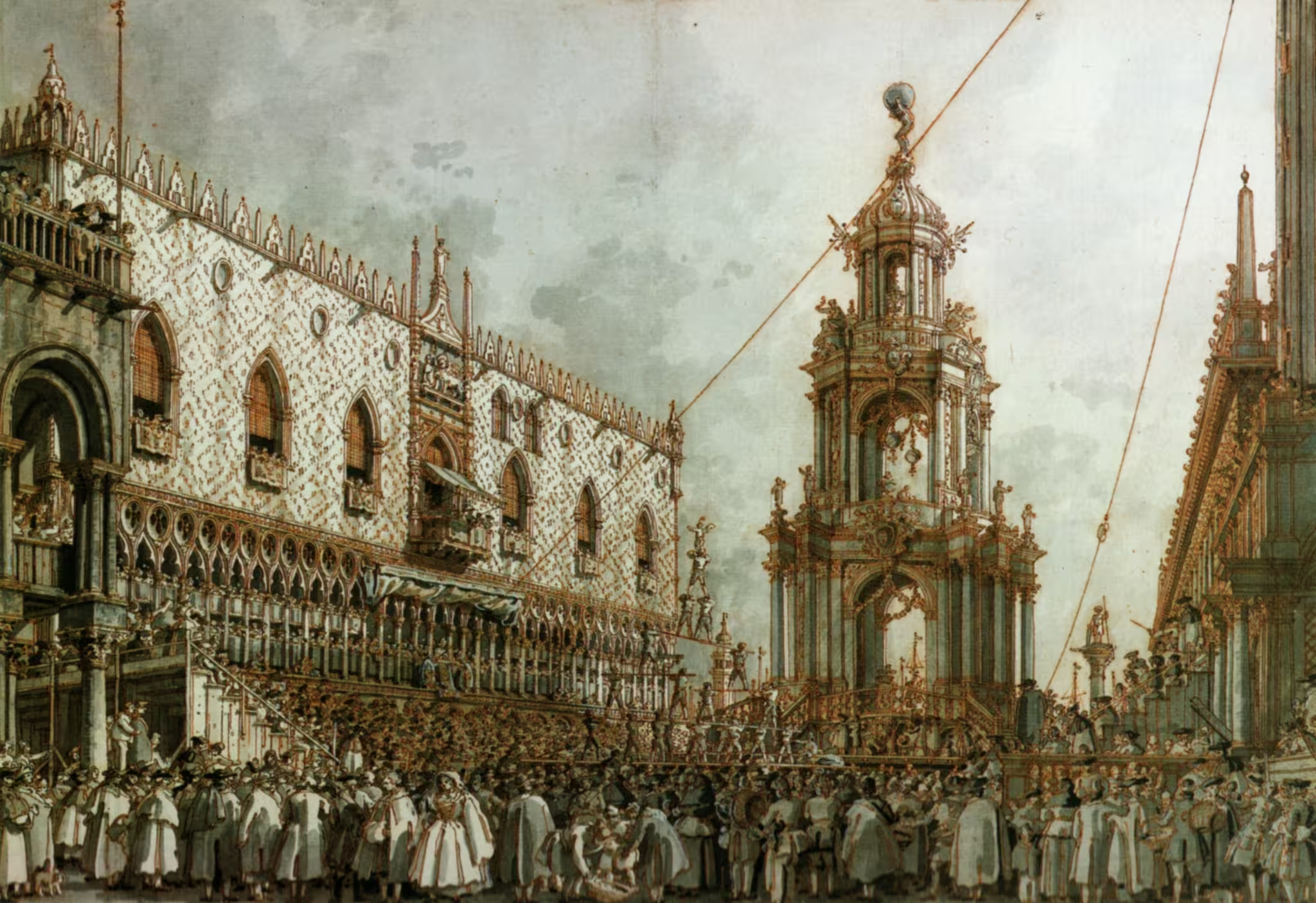
Feasts, celebrations and ceremonial
The Republic of Venice had its feasts and celebrations like any other state, except most of these traditions are now long gone and very often entirely forgotten.