
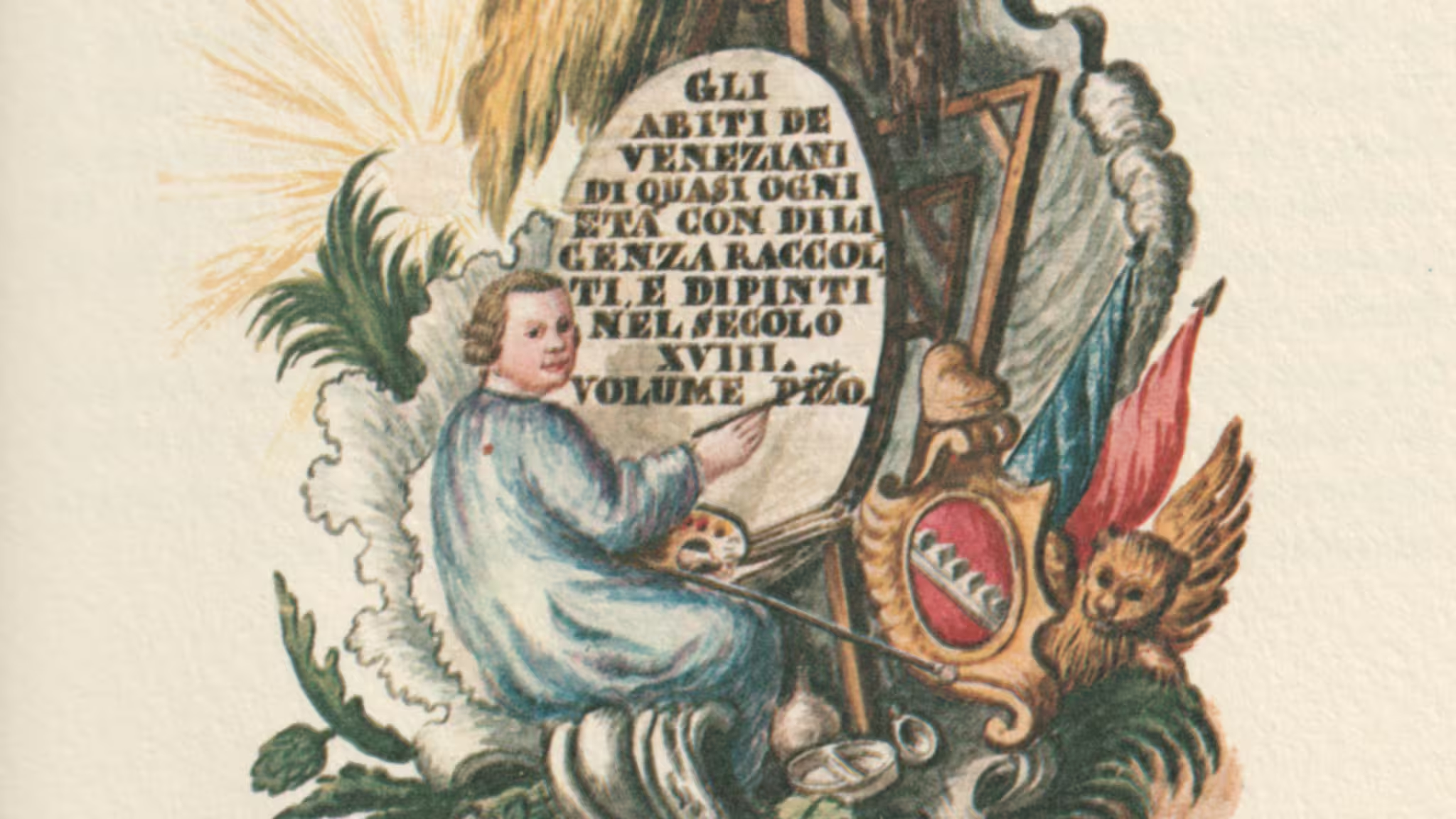
The four volumes of Gli abiti de veneziani di quasi ogni età con diligenza raccolti e dipinti nel secolo XVIII, by Giovanni Grevembroch (1731–1807), is a treasure of information about how the Venetians dressed and looked in the 1700s.
The title translates as “The dresses of the Venetians of almost every age, diligently collected and drawn in the 18th century.”
The work — which contains more than six hundred watercolours with associated descriptions and dedications — was made over a twenty-year period in the mid-1700s for the Venetian nobleman Pietro Gradenigo (1695–1776). His library and archive were later bequeathed to the Museo Correr, where the collection still resides.
The drawings and watercolours have deteriorated over the centuries, and they are no longer available for consultation.
However, all four volumes of the Gli abiti de veneziani di quasi ogni età con diligenza raccolti e dipinti nel secolo XVIII were photographed and scanned. Filippi Editore in Venice subsequently published the entire work in 1981, in a limited number, but it can still be found.
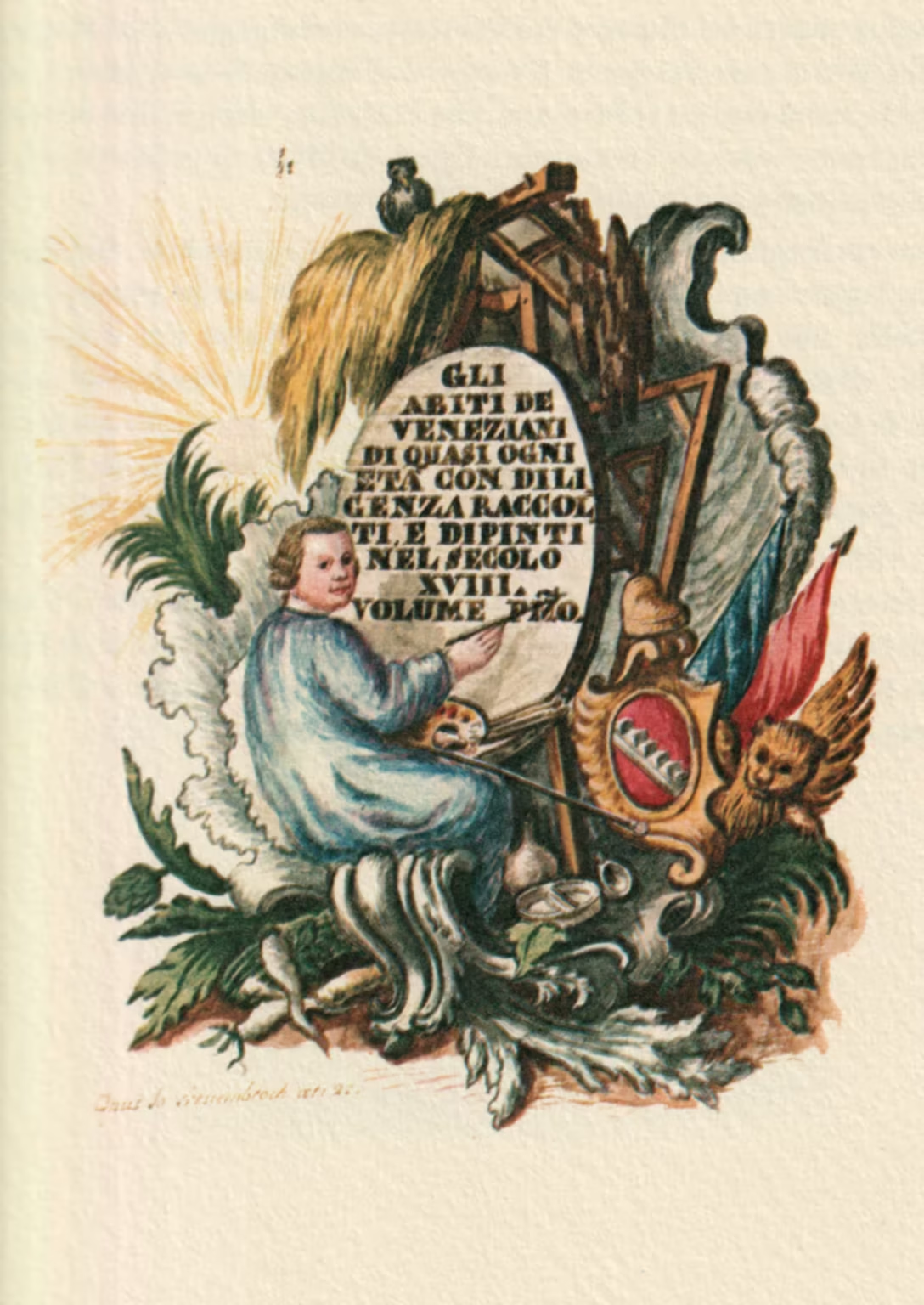
Giovanni Grevembroch
Giovanni (or Jan or Johannes) Grevembroch was probably born in Venice in or around 1731, and he stayed in Venice for all or most of his life.
His father, Alessandro (or Alexander) Grevembroch, of a Dutch family of landscape and marine painters, lived in Venice and/or Padua from 1717 to 1748.
For much of his early life, Grevembroch worked for Pietro Gradenico in Venice. He produced around three thousand drawings and watercolours in that period.
A large collection of drawings of architecture and artworks is valuable because much of what he drew was later lost, damaged or moved after the fall of the Republic of Venice.
Sources of inspiration
Grevembroch no doubt had access to the large library of Pietro Gradenigo, and in some cases it is possible to identify his sources of inspiration.
Some figures, and sometimes also the associated text, are copied from — or at least inspired by — the Habiti Antichi et Moderni (1590), by Cesare Vecellio.
For example, the Giovane in Dogalina and Prostitute al Bordello are straight copies from Vecellio, both figure and text.
Some texts are copied almost word for word from Venetia citta nobilissima et singolare (1581) by Francesco Sansovino, which was a popular and well-known reference book for everything Venetian at the time.
While this might sound like plagiarism, Grevembroch commission was not as much artistic as documentary. He was charged with producing a visual work of documentation, and he used the sources of knowledge at his disposal.
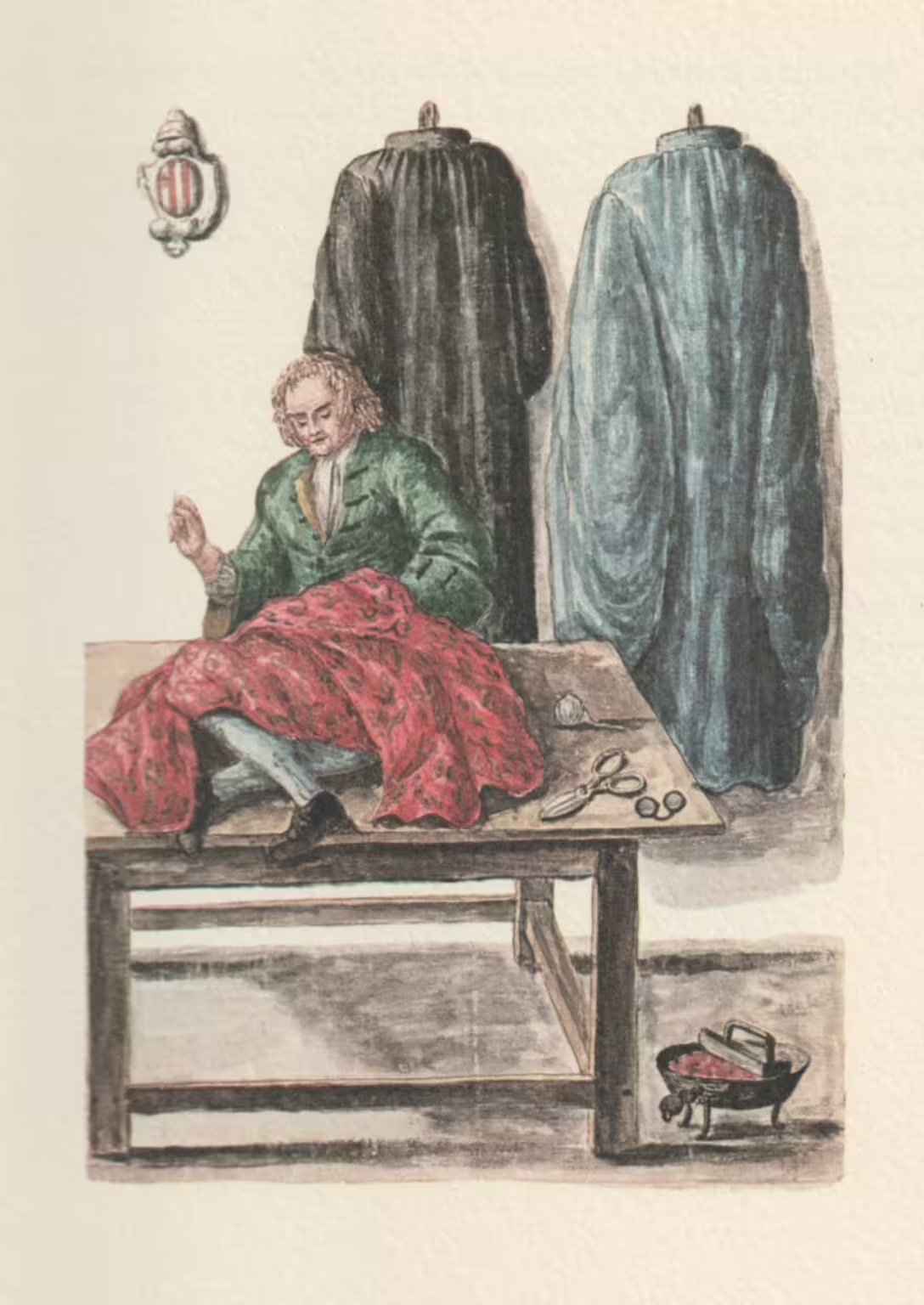
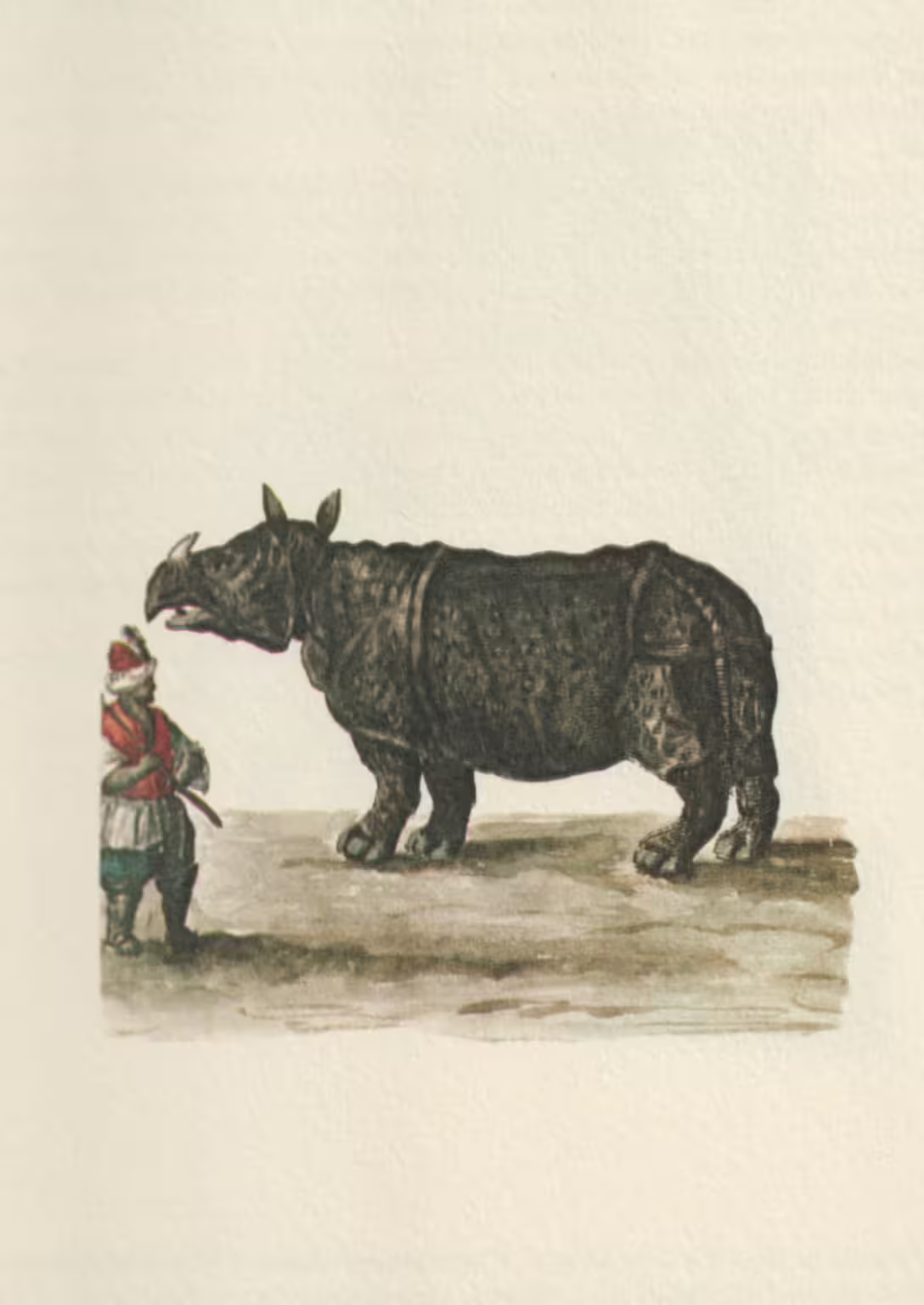
Some of the watercolours

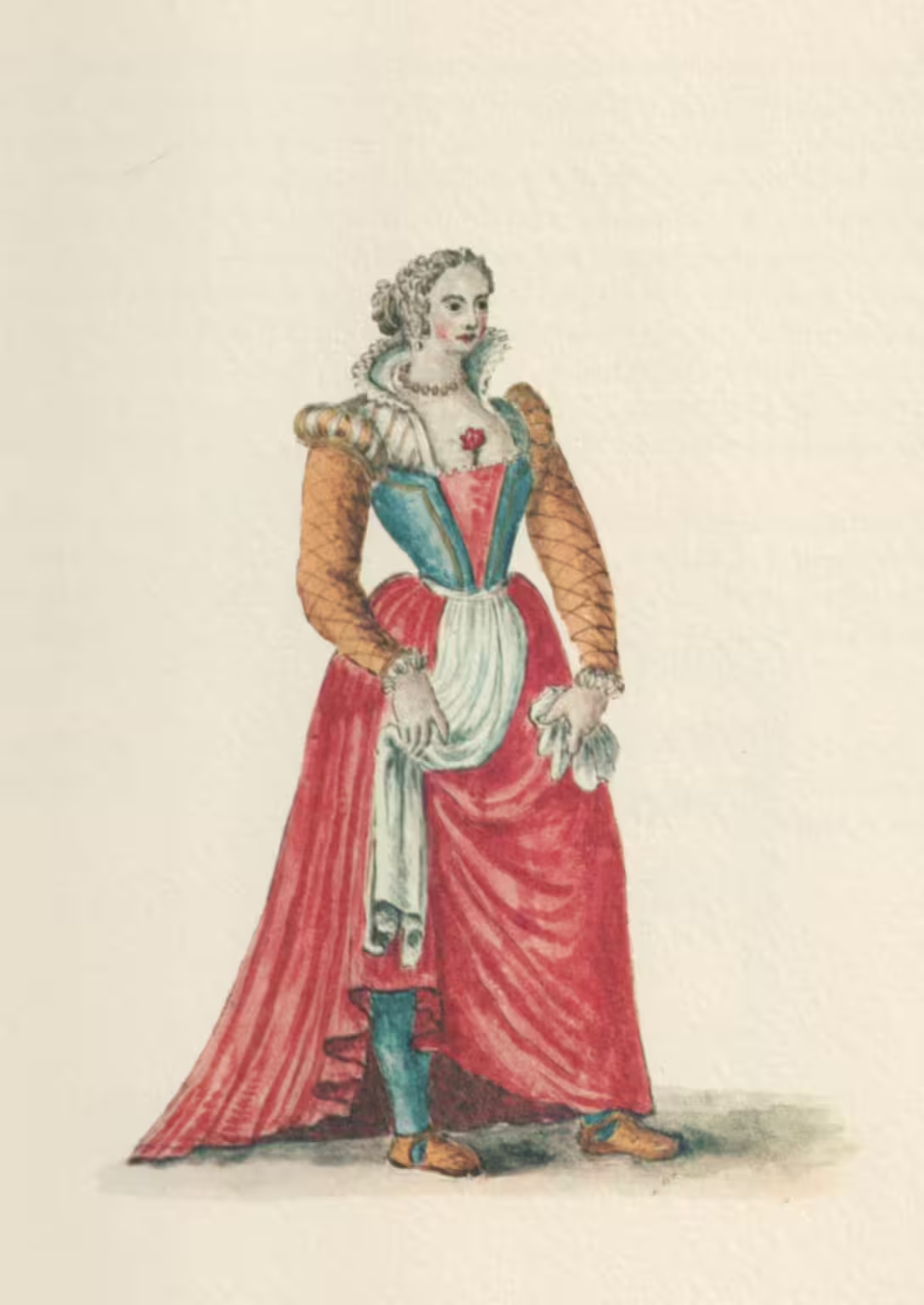
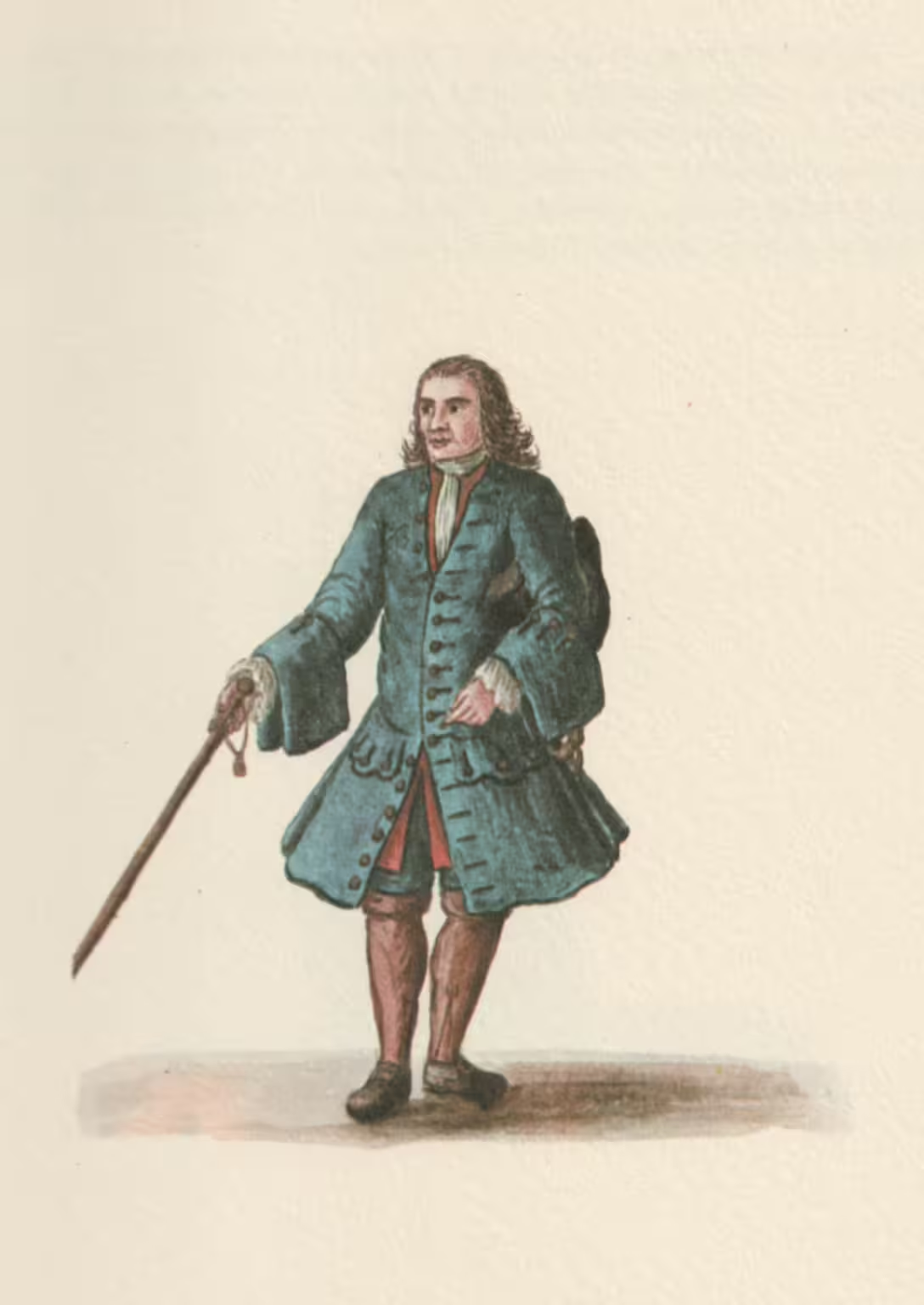
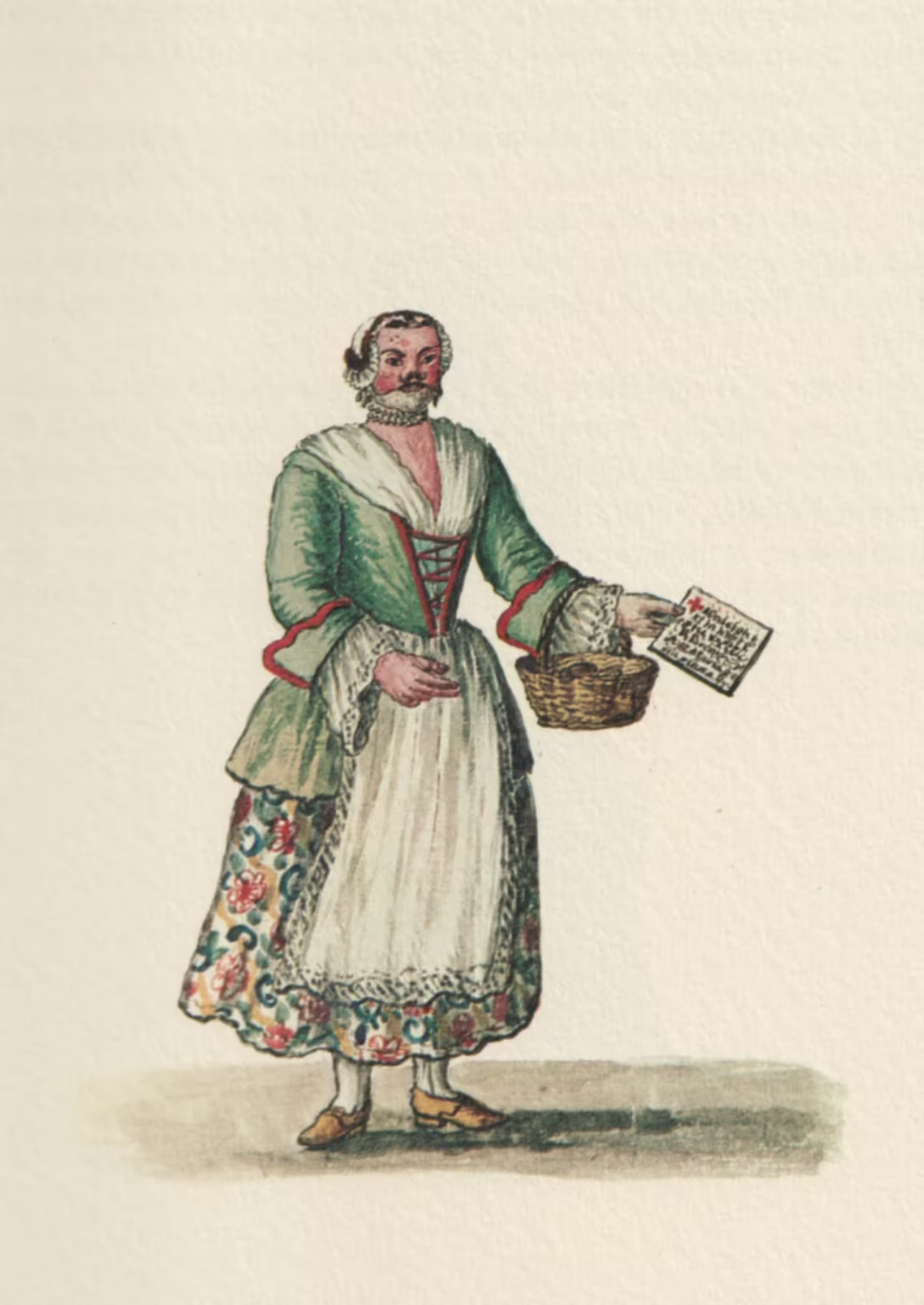
The manuscripts
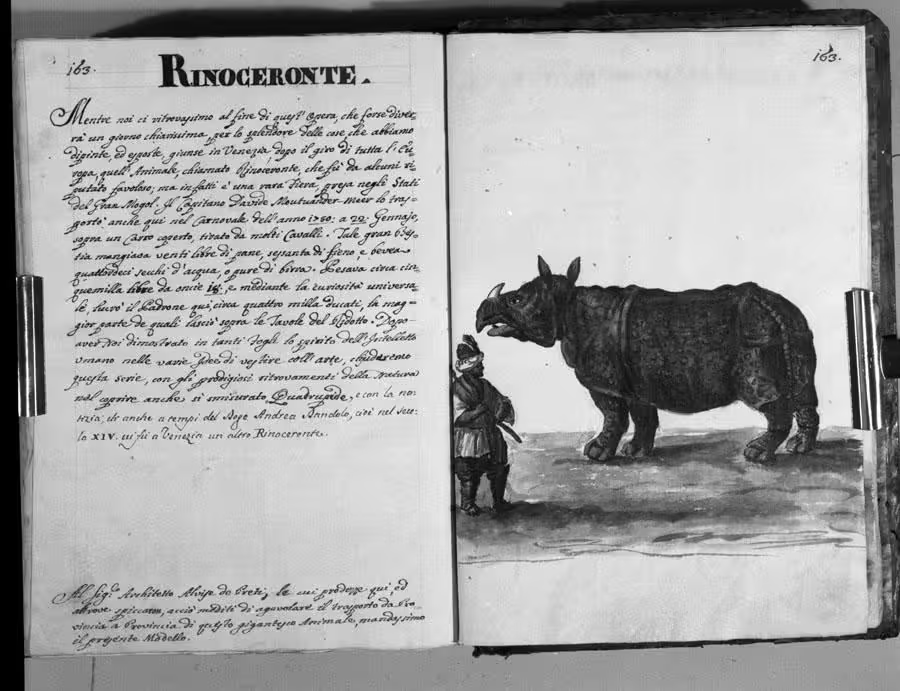
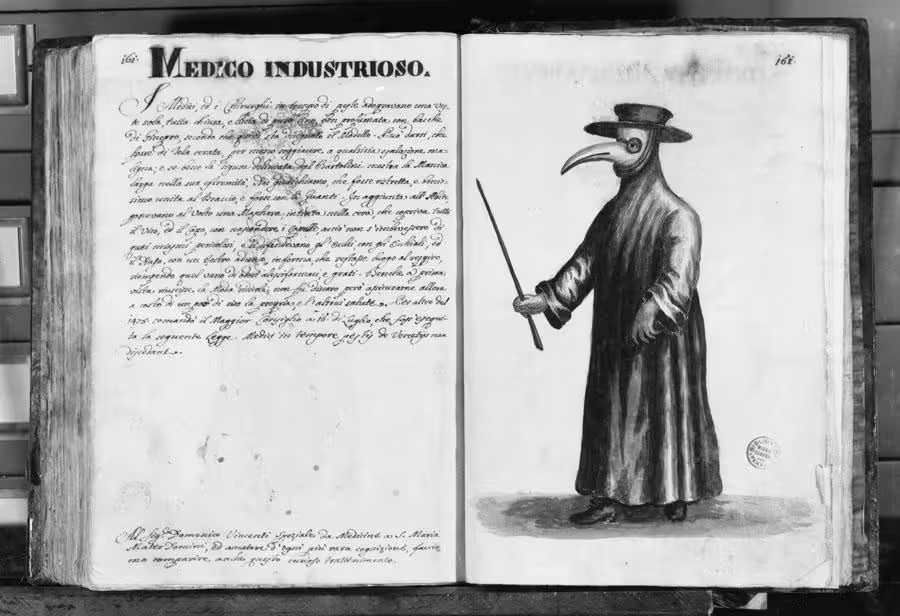
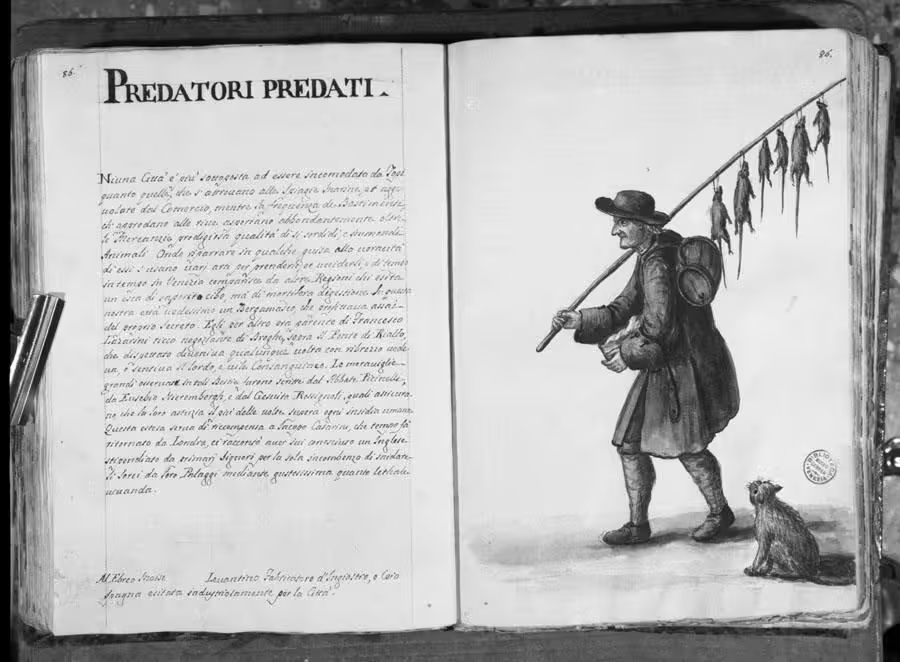
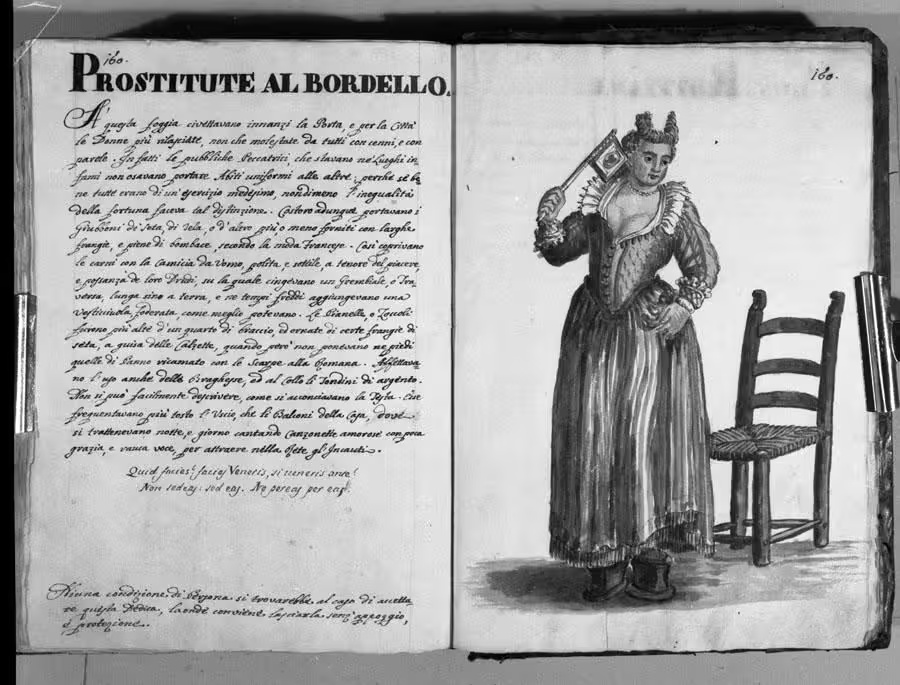
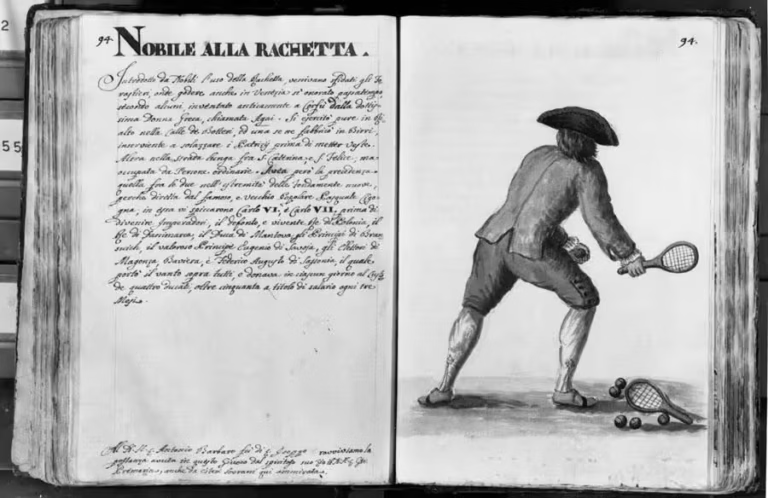
The manuscripts with the watercolours and texts are in the archive of the Museo Correr in Venice, but black-and-white photos of many pages are available online. Here are some samples of how the pages look.
Translated entries
I have translated some entries and scanned the images, when referenced by other articles on this site.
The list below are just the translated and commented entries. The complete list of all the paintings in all four volumes is here, and a gallery of the translated entries here.
The cover illustrations for the four volumes are also interesting.
Volume 1
- Procuratore, e Cavaliere — Procurator and Cavalier — vol. 1 plate 18.
- Giovane in Dogalina — Young Nobleman in Dogalina — vol. 1, plate 32.
- Senatore con stola di duolo — Senator with a mourning stole — vol. 1, plate 33.
- Giacomo Gradenigo Cavaliere — vol. 1, plate 37.
- Nobile in Abito d’Inverno — Nobleman in Winter Attire — vol. 1, plate 52.
- Nobile in abito di state — Nobleman in summer robe — vol. 1, plate 53.
- Nobile della Casa Trivisan — nobleman of the House of Trevisan — vol. 1, plate 55.
- Nobile sopra l’incanto — nobleman as auctioneer — vol. 1, plate 81.
- Compari alla Malvasia — young noblemen’s debut — vol. 1, plate 84.
- Nobile al Giuoco del Calcio — nobleman playing calcio — vol. 1, plate 87
- Nobile al Giuoco del Pallone — nobleman playing at ball — vol. 1, plate 89.
- Nobile in Maschera — Nobleman in Mask — vol. 1, plate 90.
- Nobile al Ridotto — Nobleman at the Ridotto — vol. 1, plate 91.
- Nobile alla Rachetta — nobleman playing racchetta — vol. 1, plate 94.
- Nobili al Cafè — Nobles at the Café — vol. 1, plate 96.
- Gentildonne — Noblewomen — vol. 1, plate 136.
Volume 2
- Scuola della Passione — School of the Passion — vol. 2, plate 62.
- Protomedico — Chief Physician — vol. 2, plate 160.
- Medico Industrioso — the plague doctor — vol. 2, plate 161.
- Coniatore di Moneta — Minter of Coins — vol. 2, plate 162.
Volume 3
- Fabro — Blacksmith — vol. 3, plate 45.
- Povero in Mascara — Poor nobleman begging — vol. 3, plate 80.
- Mascara — Mask — vol. 3, plate 90.
- Mascare — Masks — vol. 3, plate 92.
- Mascara — Mask — vol. 3, plate 93.
- Altra Donzella — Another young woman — vol. 3, plate 113.
- Facchini — Labourers — vol. 3, plate 120.
- Fabricatore di Teriaca — Maker of Theriac — vol. 3, plate 127.
- Scuazzero — Rubbish collector — vol. 3, plate 129.
- Concubine — concubines — vol. 3, plate 156.
- Cortigiane — courtesans — vol. 3, plate 157.
- Meretrice — prostitute — vol. 3, plate 158.
- Puttana — whore — vol. 3, plate 159.
- Prostitute al Bordello — brothel whore — vol. 3, plate 160.
- Ruffiana — ruffian, madam — vol. 3, plate 161.
- Ruffiana — ruffian, madam — vol. 3, plate 162.
- Rinoceronte — the rhinoceros, Clara — vol. 3, plate 163.
Volume 4
- Liberalità Misteriosa — the newly elected doge distributing money to the people — vol. 4, plate 1.
- Custodia gelosa — the prior of a lazzaretto — vol. 4, plate 43.
- Stratagemi Ingegnosi — Ingenious Stratagems — vol. 4, plate 52.
- La scopa privilegiata — cleaning of the Broglio — vol. 4, plate 57.
- Arte Quadrupla — shoemakers — vol. 4, plate 64.
- Il mermeo in giro — vendor of songbirds — vol. 4, plate 77.
- Industria Elvetica — Swiss Industry — vol. 4, plate 81.
- Fetore Allontanato — Odour Removed — vol. 4, plate 82.
- Predatori Predati — the rat-catcher — vol. 4, plate 86.
- Sartore Ducale — tailor to the doge — vol. 4, plate 102.
Leave a Reply