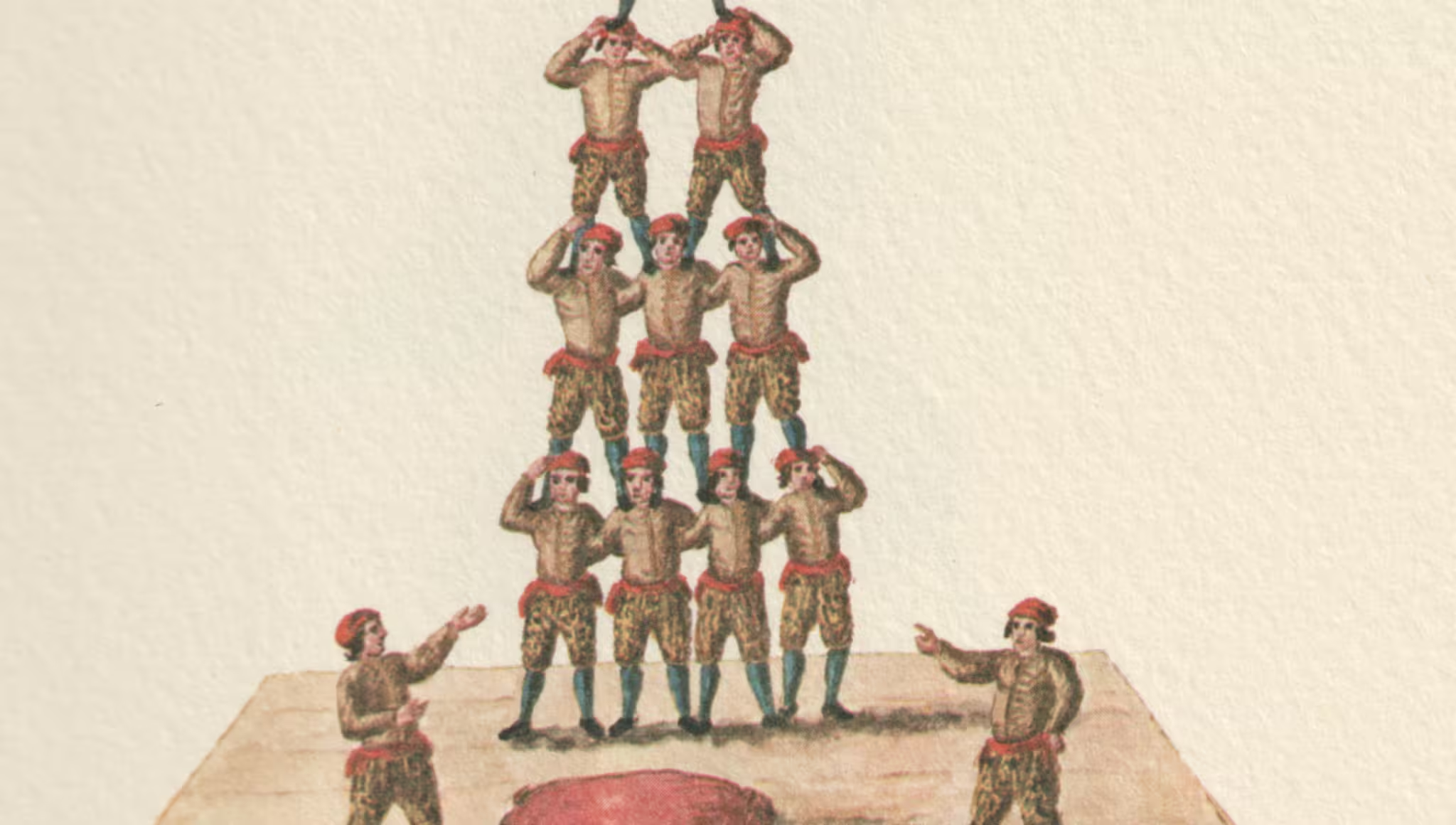
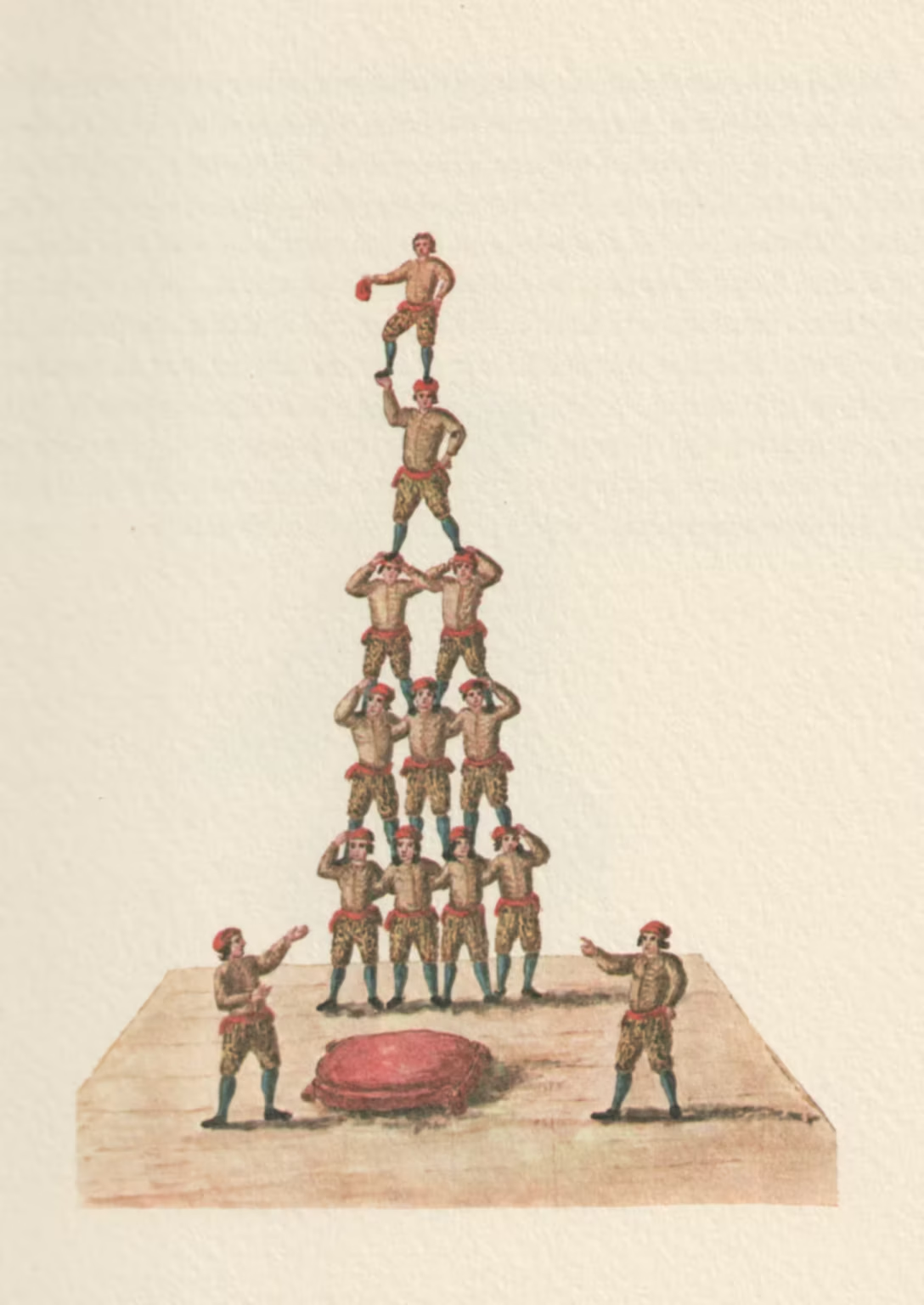
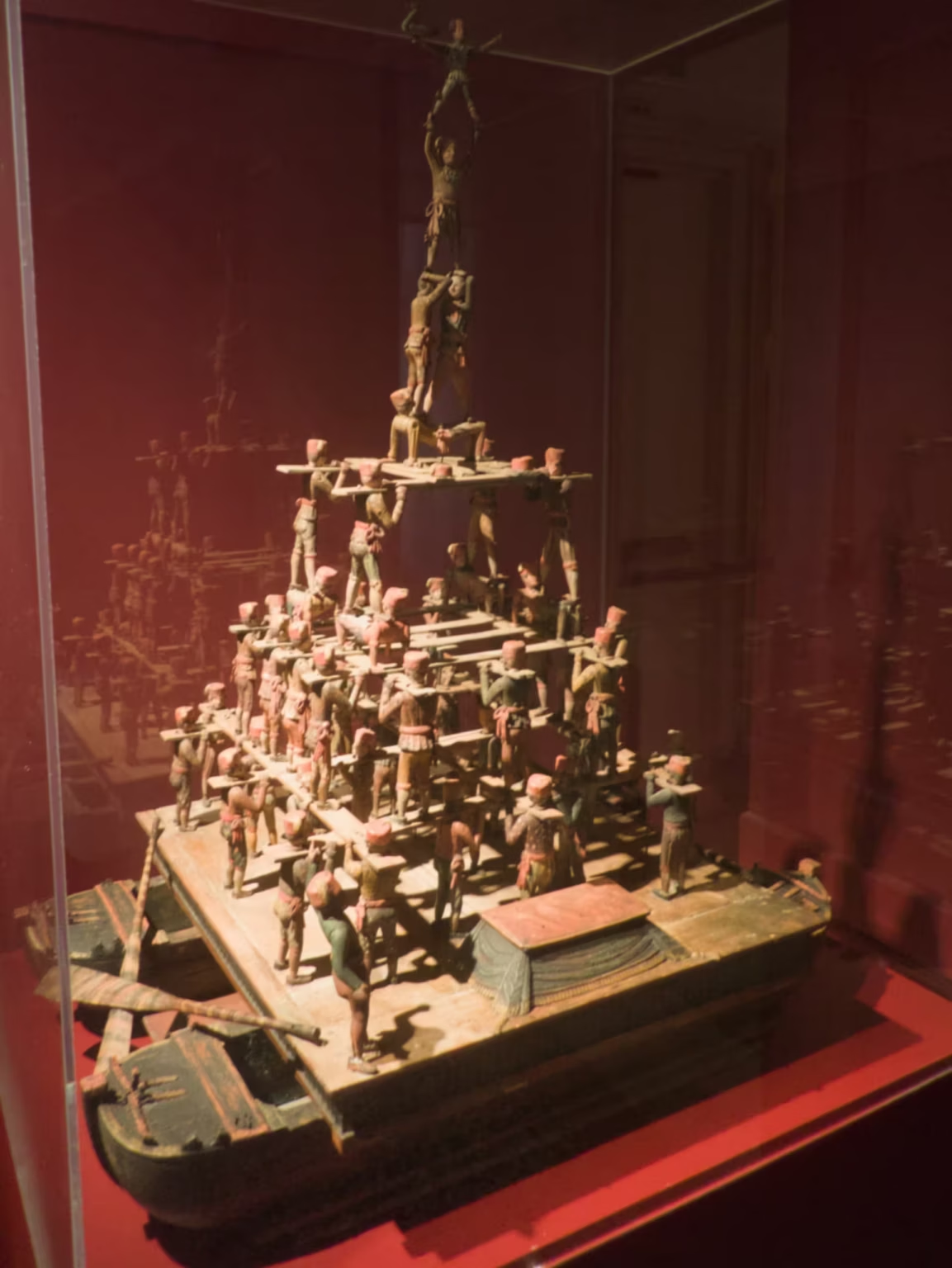
This painting depicts the Forze d’Ercole — the Strength of Hercules — which was a common spectacle at the time of the Republic of Venice.
Two groups of commoners — the nicolotti and the castellani, from either side of the Grand Canal — competed in who could make the tallest human tower. Such displays were common on the Giovedì Grasso festivities during Carnival, and during the visits of foreign dignitaries to Venice.
Source: Gli abiti de veneziani di quasi ogni età con diligenza raccolti e dipinti nel secolo XVIII, by Giovanni Grevembroch (1731–1807), which in four volumes contains over six hundred watercolours of how Venetians dressed in the 1700s.
Ingenious Stratagems
That game, which the Venetian commoners call the Strengths of Hercules,1 brings delight and amusement; it is still practiced in our time, and is particularly seen on Fat Thursday,2 given the festival established in the reign of the victorious Vitale Michele II,3 Doge XXXVII of the Republic in the year 1162, following the favourable outcome of that time against Ulrich, Patriarch of Aquileia,4 who was subject to Emperor Frederick I, called Barbarossa.5
Nor did the Foreign Potentates refuse to be spectators of it; on the occasion of necessary stays in this Metropolis, they did not disdain to generously reward the efforts of those who, with astonishing steadiness, mounted one upon another to incredible heights.
They compete in such dangerous daring, both the Castellani6 and the Nicolotti;7 but because we, by origin of birth and by the perseverance of an unforgettable residence, are inclined to the former; so here we show something so rare that occurred in the year 1708 in honour of the King of Denmark,8 and at the same time during such excessive cold, that it seemed His Majesty had sympathetically brought it here from Norway. At that time, the campo of Sant’Eustachio9 was substituted, instead of the completely frozen Grand Canal, since the residence of the said Monarch was in the palaces of the Knight and Procurator Sebastiano Foscarini of renowned memory.
To Domenico Nato, Head of the Pinelliana Printing House, always passionate about the aforementioned wonderful game.
Translator’s notes
- The Forze d’Ercole (Strengths of Hercules or Herculean strength) was a common spectacle, where the nicolotti and the castellani competed in making the tallest human tower. ↩︎
- The feast of Giovedì Grasso (Fat Thursday) was a major event during the Venetian carnival, celebrating a Venetian victory over the Patriarch of Aquileia in 1162. ↩︎
- Vitale Michiel II was doge 1156–1172 during the wars of Frederic I Barbarossa in Nothern Italy. He was assassinated after a failed war against Byzantium. ↩︎
- Ulrich von Treven was an Austrian aristocrat, appointed Patriarch of Aquileia by Frederick Barbarossa. In 1162 he attacked the Patriarch of Grado, but was defeated and captured by the Venetians. ↩︎
- Frederick Barbarossa was Holy Roman Emperor from 1155, and fought several wars in Northern Italy 1158–1174, in which Venice was involved indirectly. ↩︎
- The Castellani were a group of commoners from the part of Venice north of the Grand Canal, which during feasts and celebrations competed with the Nicolotti. The name comes from the ancient fortifications of the eastern part of Venice. ↩︎
- The Nicolotti were a group of commoners from the part of Venice south of the Grand Canal, which during feasts and celebrations competed with the Castellani. The name comes from the church of San Nicolò dei Mendicanti. ↩︎
- Frederick IV of Denmark and Norway (1671-1730) visited Venice in 1708–1709. ↩︎
- Campo Sant’Eustachio is the Italian name for Campo San Stae. The Foscarini palace is just besides the small square, facing the Grand Canal. ↩︎
Original text
Stratagemi Ingegnosi
Apporta diletto, e solazzo quel Giuocho, che la Plebe veneta chiama le Forze d’Ercole, ch’anche nella nostra ettà è usato, e particolarmente si vede nel giovedì grasso stante la Festa instituita nel Ducato del vittorioso Vitale Michele II, e Doge della Repubblica XXXVII l’anno 1162, atteso il favorevole esito d’allora contro Ulrico Patriarca di Aquileia deppendente dal Imperadore Federigo I cognominato Barbarossa.
Non riffiuttarono indi li Forastieri Potentati d’esserne spettatori, al caso di doverosi trattenimenti soggiornando in questa Metropoli, non sdegnarono di riccompensare largamente la fatica di coloro, che con portentosa stabilità gl’uni sopra gl’altri montavano sino ad incredibile altezza.
Gareggiano in sì pericoloso azzardo, sì li Castellani, che li Nicolotti; mà perche noi per origine di nascita, e per perseveranza d’immemorabile soggiorno, siamo inclinati a primi; così qui facciamo vedere cosa sì rara occorsa l’anno 1708 ad onore del Rè di Danimarca, et ad un tempo d’un freddo tanto eccessivo, che sembrava aver Sua Maestà qui dalla Norveggia simpaticamente tradotto. Fù allora sostituito il campo di Sant’Eustachio, in luogo del Canal grande del tutto gelato, giacchè il Soggiorno del sudetto Monarca era nelli Palaggi del Cavaliere, e Procuratore Sebastiano Foscarini di chiara ricordanza.
A Domenico Nato, Proto della Stamparia Pinelliana, sempre appassionato verso il sudetto meraviglioso giocco.
Grevembroch (1981), vol. 4, p. 52.
Related articles
Venetian Stories
Related sources
Related images
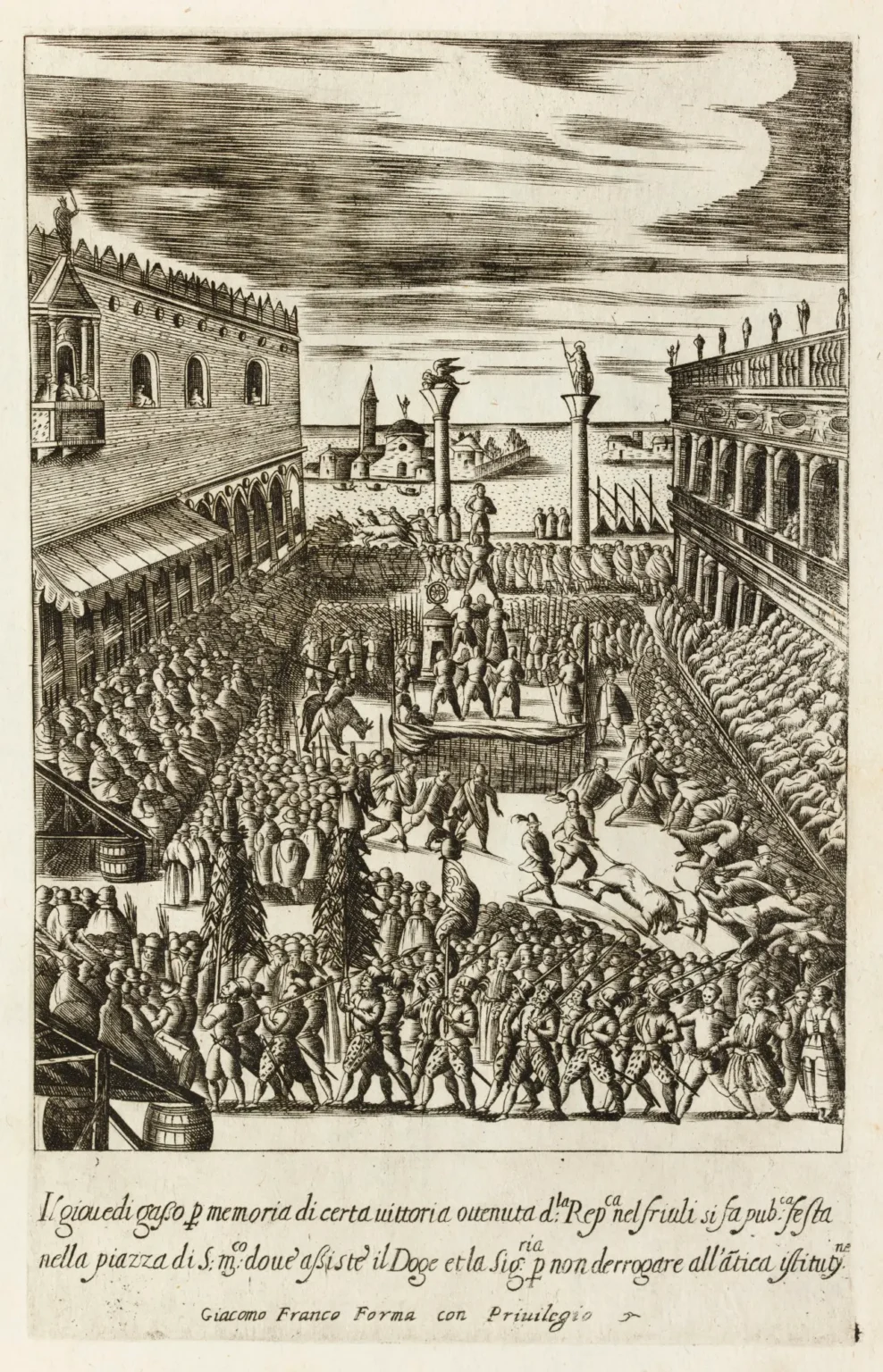

- Giacomo Franco — Habiti d’hvomeni et donne venetiane — Giovedì grasso.
- A wooden model of a six man tall Forze d’Ercole, executed on a platform across two boats (Museo Correr).
Bibliography
- Grevembroch, Giovanni. Gli abiti de veneziani di quasi ogni eta con diligenza raccolti e dipinti nel secolo XVIII, orig. c. 1754. Venezia, Filippi Editore, 1981. [more]
Leave a Reply