
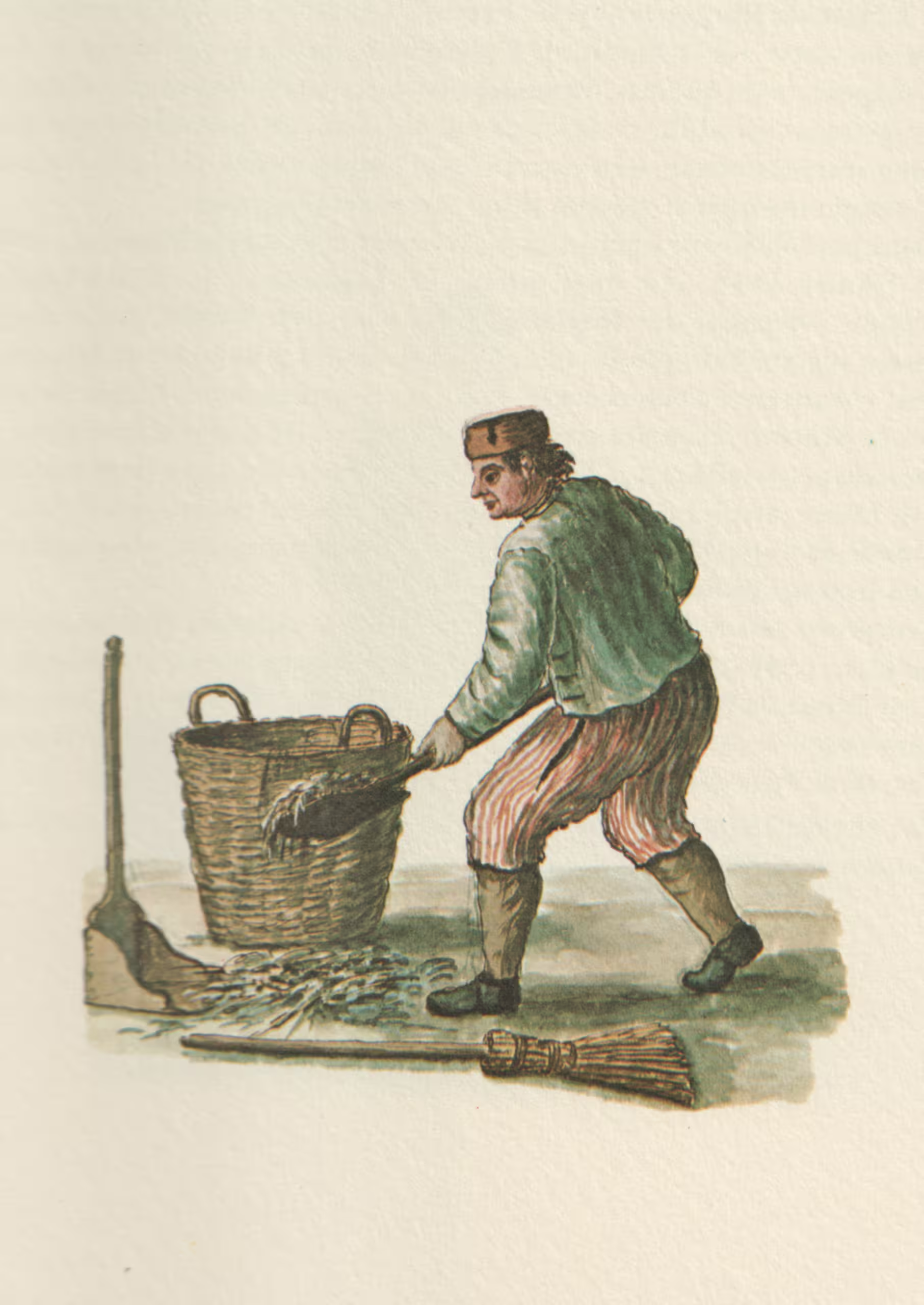
This painting depicts a rubbish collector, called a scoazzér.
Scoazze means rubbish, and the word is still in common use today in Venice.
Venice used non-biodegradable rubbish to prepare muddy areas for building, or for enlarging lagoon islands. The city had a system of scoazzere — designated areas for collecting such refuse — for this purpose.
Source: Gli abiti de veneziani di quasi ogni età con diligenza raccolti e dipinti nel secolo XVIII, by Giovanni Grevembroch (1731–1807), which in four volumes contains over six hundred watercolours of how Venetians dressed in the 1700s.
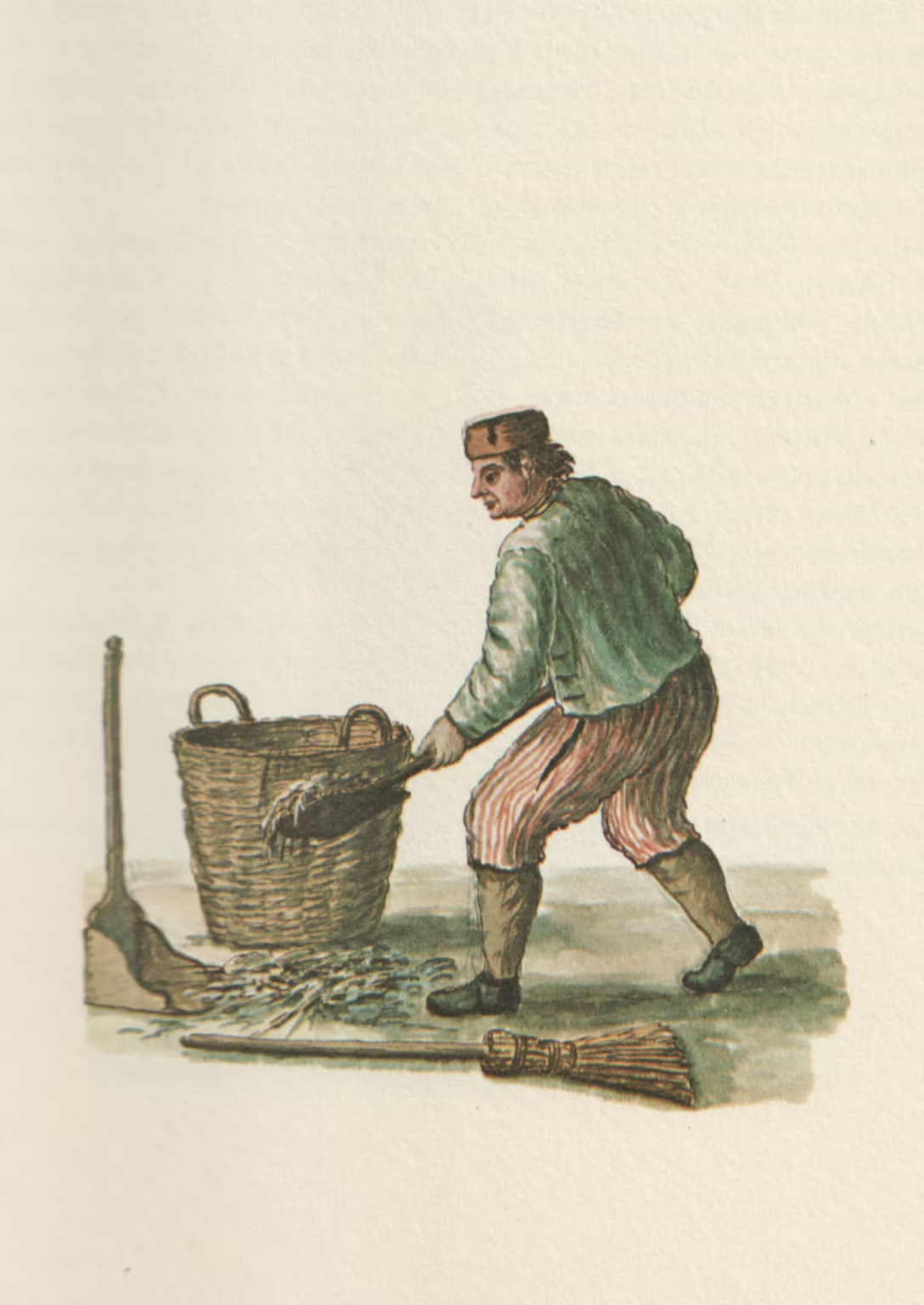
Rubbish collector
For the sake of the health of the People, for the cleanliness of the Streets, and for the preservation of the city Canals, just as it is not permitted to throw filthy things throughout the City, certain Receptacles were thus introduced in secluded Places at the edges of the Districts, to dump sweeps and any other filth into them so that they could be, occasionally, removed to more distant areas.
Besides this, certain men, natives of Poveglia1 (an island that formerly welcomed the people of Monselice and Este, fleeing the invasion of the Barbarians, then occupied by the army of Pepin,2 much to their displeasure), were assigned by the Public Providence; who, under the title of Scuazzeri, made use of boats serving this purpose, with no small advantage, since by transporting refuse over the gardens and vineyards in the surroundings of the Lagoon, they were paid a sufficient price, never refused by the cultivators of marshy lands. These men, dividing themselves in good order among the parishes of Venice, have access to every house, from which they rarely leave with an empty basket, also encouraged by the courtesy of the maids and cooks, who provide them with either bread or wine, and those who excel in generosity also share with them a dish of meat.
In times of fresh water shortage, they endeavour to bring it here from the Brenta River, and in the months of June and July they sell straw, despite the Guild of the Mattress makers. Meanwhile, their wives are occupied with domestic industries, and with lacework, at other times constantly engaged in production and consumption.
Fattening orchards, and vineyards; back and arms
I dirty, and tire, and I take away the rubbish:
And thanks to me, the houses and palaces are clean.3
To Mister Alessio, late Domenico Gabiato of Palestrina, discoverer of the fire at the Public Mint on the night of January 4, 1753, we present this tercet.
Translator’s notes
- Poveglia is an island in the southern lagoon, which was once a flourishing settlement, destroyed during the War of Chioggia (1378–81). It was later a naval shipyard and a quarantine station. ↩︎
- This is a reference to the war with the Franks in 809. See Venice might not have been. ↩︎
- This little poem is copied from the Le Arti che vanno per via (1753) by Gaetano Zompini. ↩︎
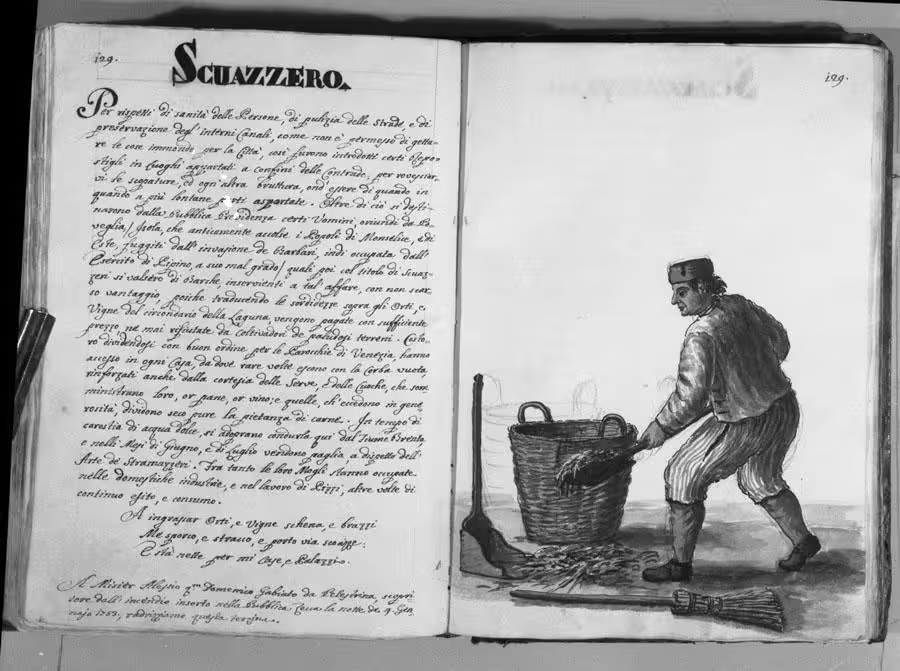
Original text
Scuazzero
Per rispetti di sanità delle Persone, di pulizia delle Strade, e di preservazione degl’interni Canali, come non è permesso di gettare le cose immonde per la Città, così furono introdotti certi Repostigli in Luoghi appartati a confini delle Contrade, per rovesciarvi le scopature, ed ogn’altra bruttura, ond’essere di quando in quando a più lontane parti asportate.
Oltre di ciò si destinarono dalla Pubblica Previdenza certi Uomini, oriundi da Poveglia, (Isola, che anticamente accolse i Popoli di Monselice, e di Este, fuggiti dall’Invasione de Barbari, indi occupata dall’Esercito di Pipino, a suo mal grado) quali poi col titolo di Scuazzeri si valsero di Barche, inservienti a tal’affare, con non scarso vantaggio, poiche traducendo le sordidezze sopra gli Orti, e Vigne del circondario della Laguna, vengono pagate con sufficiente prezzo, ne mai rifiutate da Coltivadori de paludosi terreni. Costoro dividendosi con buon ordine per le Parocchie di Venezia, hanno accesso in ogni Casa, da dove rare volte escono con la Corba vuota, rinforzati anche dalla cortesia delle Serve, e delle Cuoche, che somministrano loro, or pane, or vino; e quelle, ch’eccedono in generosità, dividono seco pure la pietanza di carne.
In tempo di carestia di acqua dolce, si adoprano condurla qui dal Fiume Brenta, e nelli Mesi di Giugno, e di Luglio vendono paglia, a dispetto dell’Arte de Stramazzeri. Fra tanto le loro Mogli stanno occupate nelle domestiche industrie, e nel lavoro di Pizzi, altre volte di continuo esito, e consumo.
A ingrassar orti, e vigne schena, e brazzi
Me sporco, e stracco; e porto via scoazze:
E sta nette per mi case, e palazzi.
A Misier Alessio q.m Domenico Gabiato da Pelestrina, scopritore dell’incendio nella Pubblica Zecca la notte de 4 Gennajo 1753, radrizziamo questa terzina.
Grevembroch (1981), vol. 3, p. 129.
Related articles
- Gli abiti de veneziani — by Giovanni Grevembroch
- Differentiated rubbish collection in Venice
- Venice might not have been
- Poveglia – more than ghost stories
Venetian Stories
- Episode 4 — Becoming a state for the war with the Franks of 809.
Related images
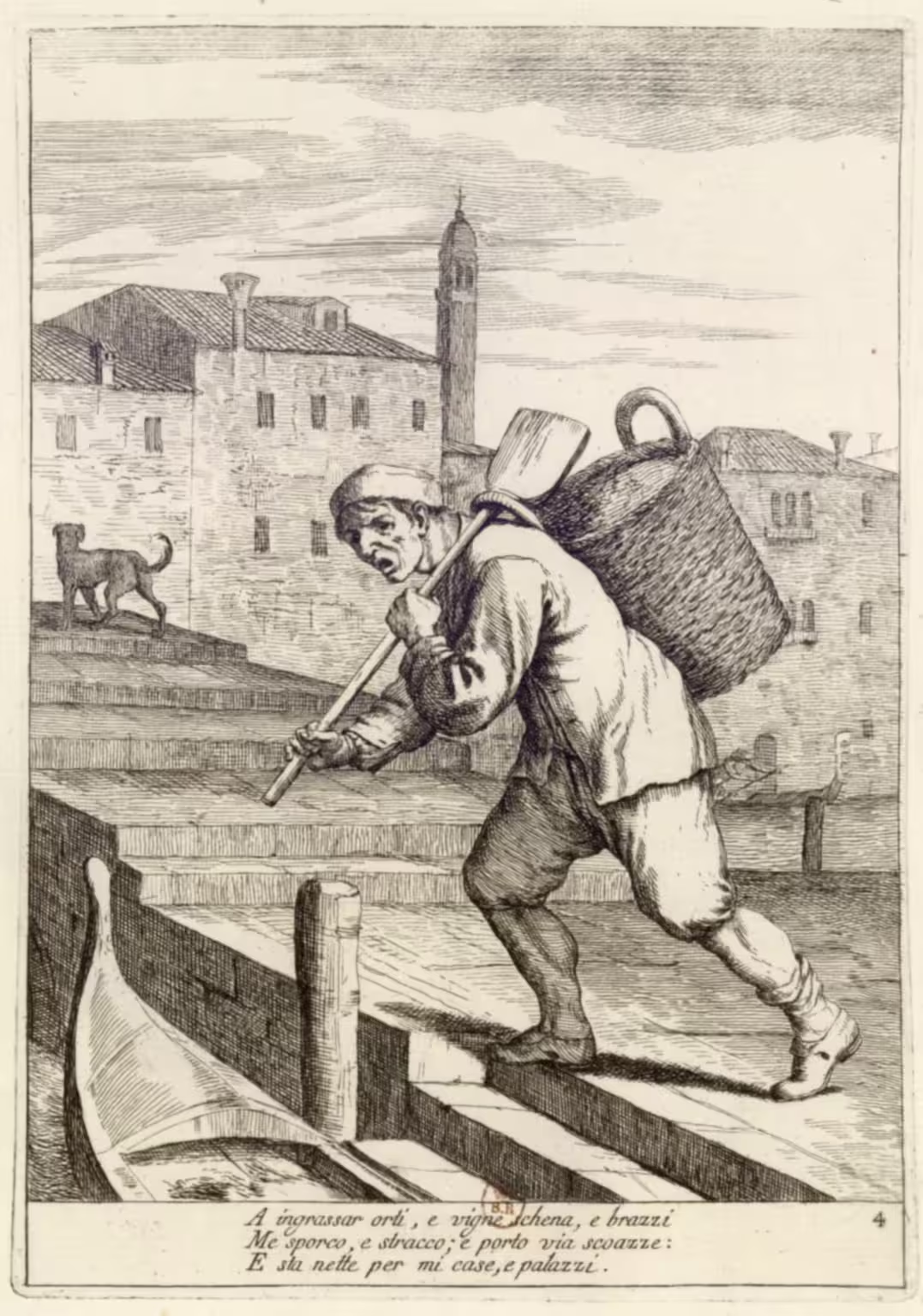
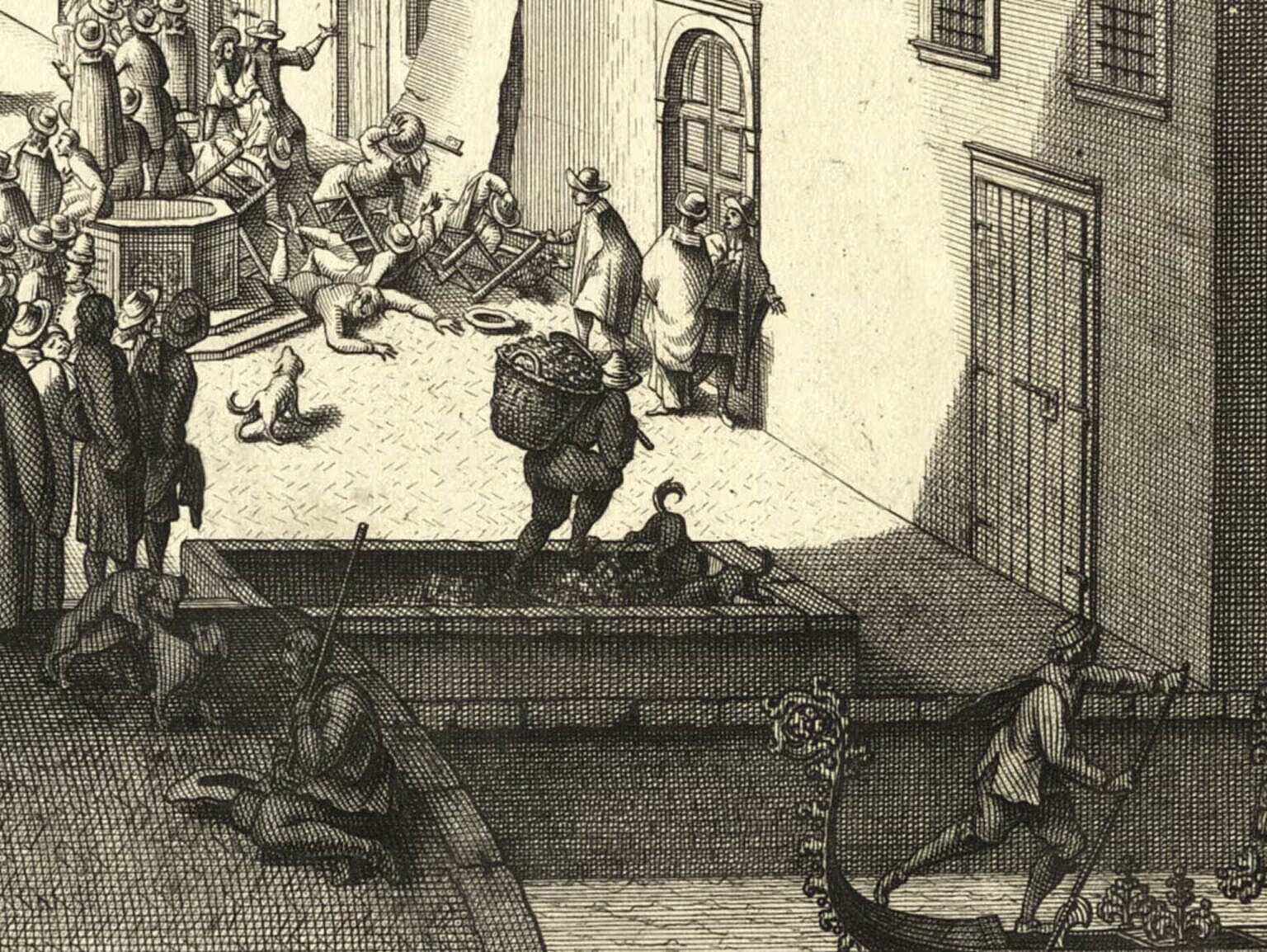
- Scoazer — rubbish collector — Zompini — Arti #4
- Veduta del Campo de’ Giesuiti — Il Gran Teatro di Venezia — plate 35
Bibliography
- Grevembroch, Giovanni. Gli abiti de veneziani di quasi ogni eta con diligenza raccolti e dipinti nel secolo XVIII, orig. c. 1754. Venezia, Filippi Editore, 1981. [more]
Leave a Reply