
Translations
-
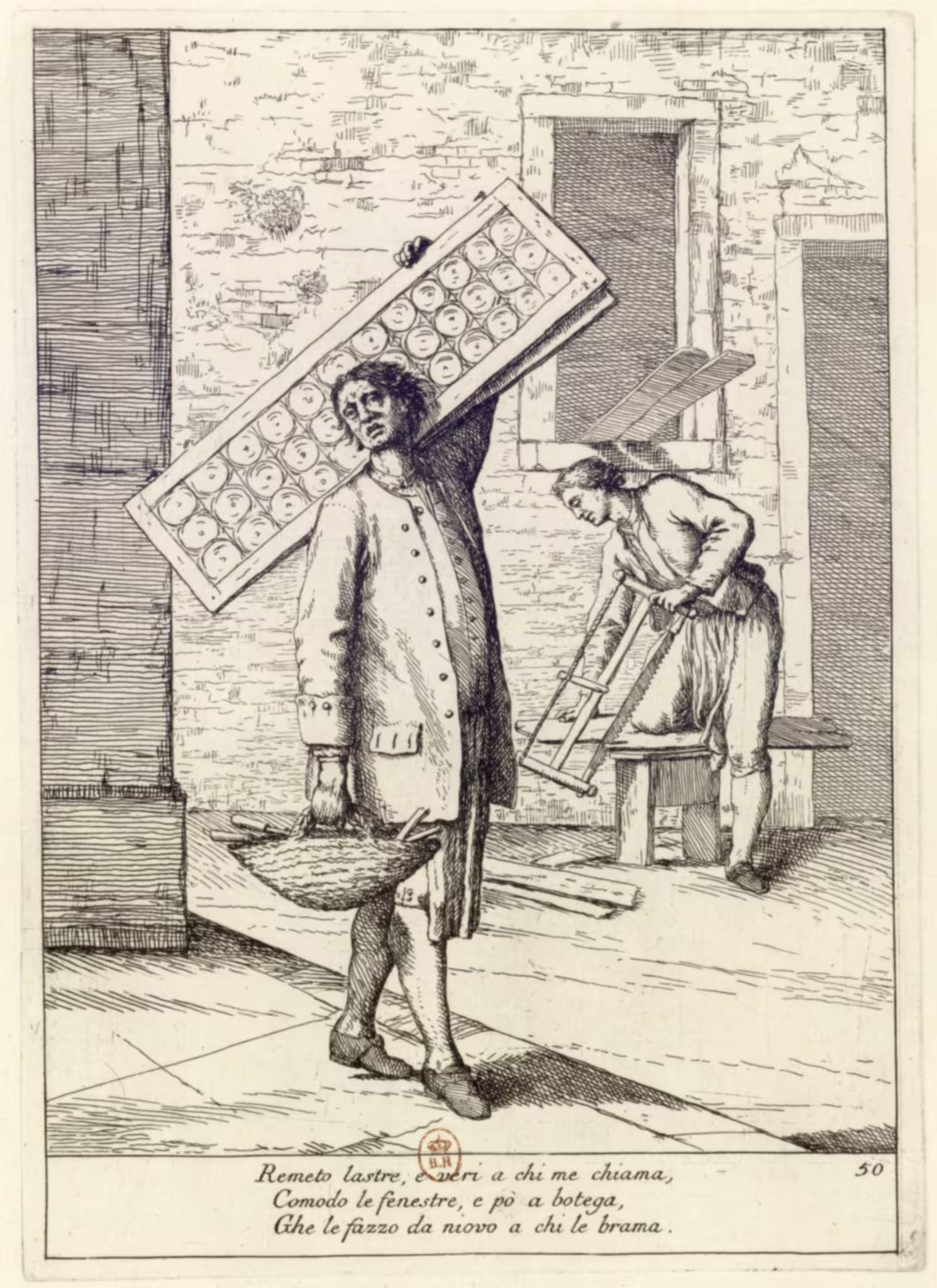
Fenestrer — window maker and mender — Zompini — Arti #50
“Fenestrer” (window maker and mender) from “Arti che vanno per via” (1785) by Gaetano Zompini, translated by René Seindal.
-
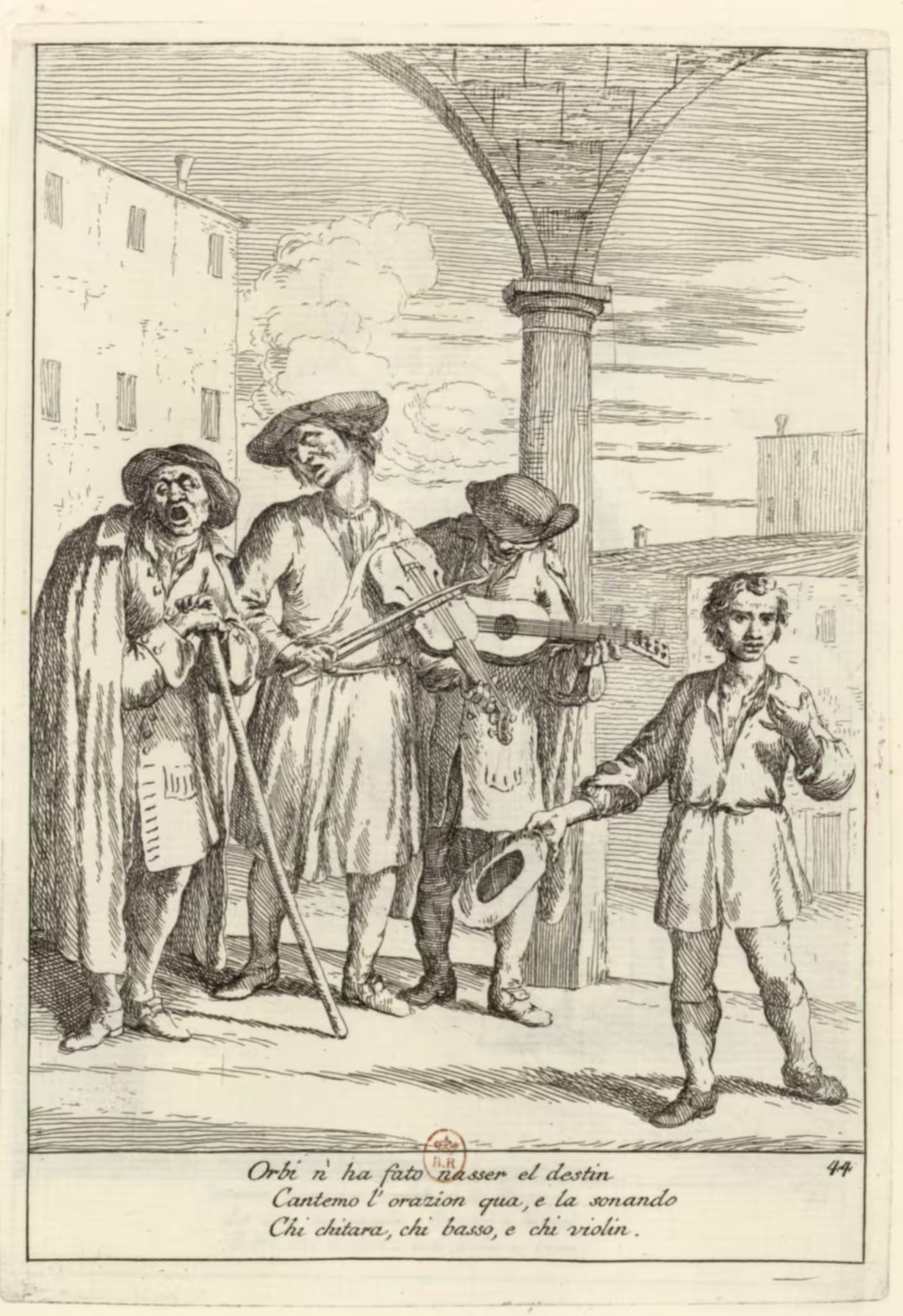
Coro d’Orbi — choir of blind — Zompini — Arti #44
“Coro d’Orbi” (choir of blind) from “Arti che vanno per via” (1785) by Gaetano Zompini, translated by René Seindal.
-
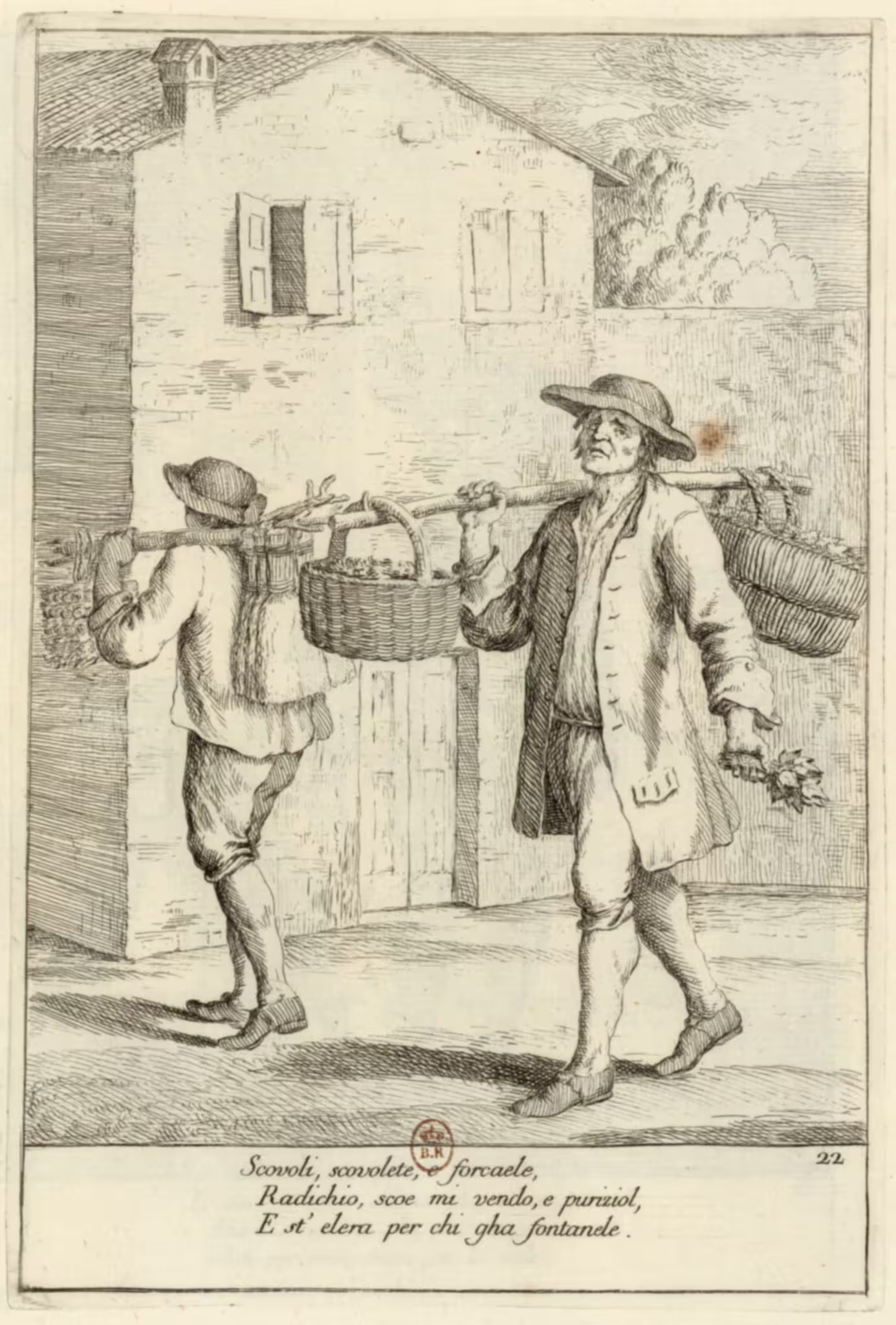
Forcae, Elera ec. — peddlers of brooms and brushers — Zompini — Arti #22
“Forcae, Elera ec.” (peddlers of brooms and brushers) from “Arti che vanno per via” (1785) by Gaetano Zompini, translated by René Seindal.
-
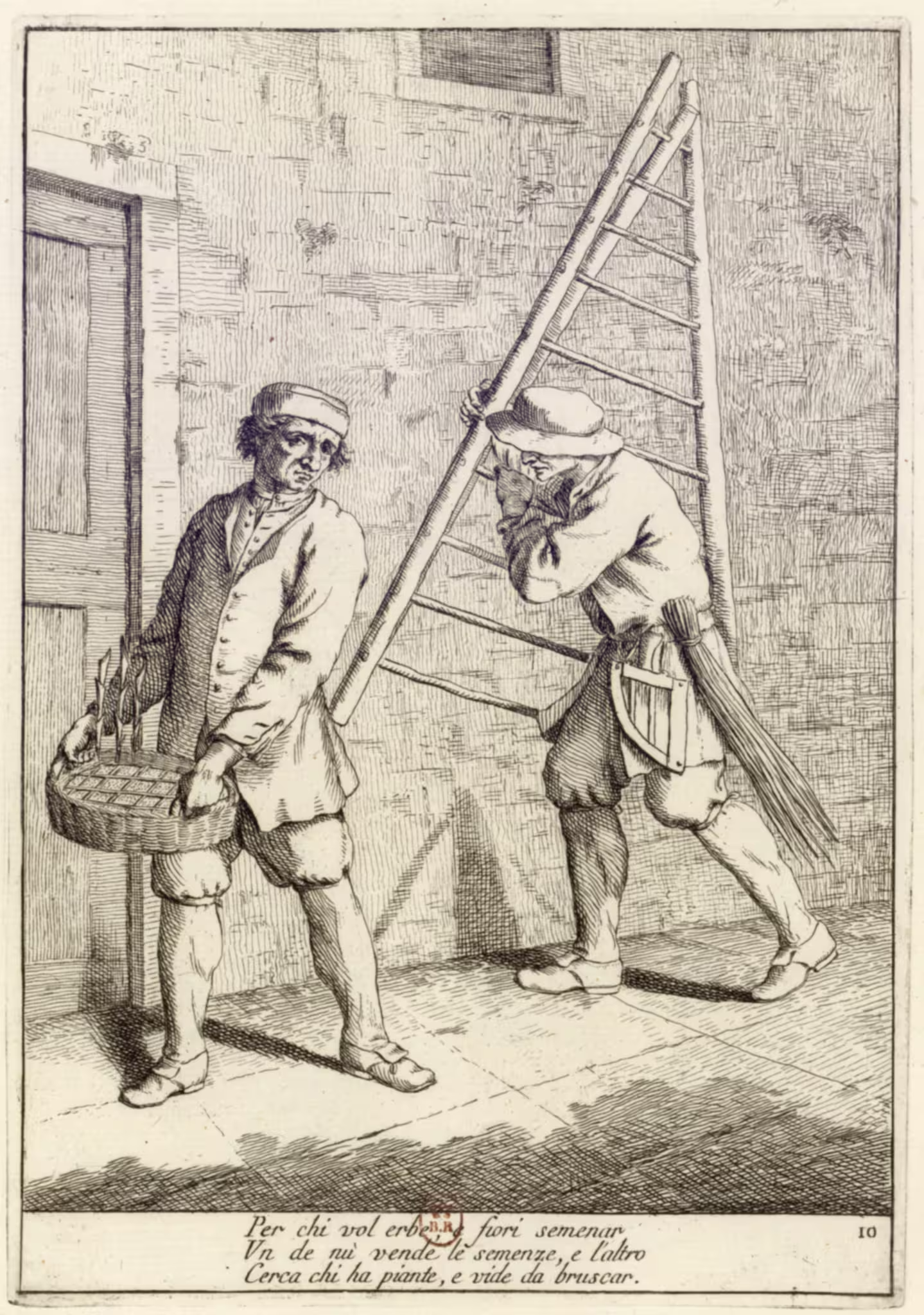
Semena l’Orto — gardener — Zompini — Arti #10
“Semena l’Orto” (gardener) from “Arti che vanno per via” (1785) by Gaetano Zompini, translated by René Seindal.
-
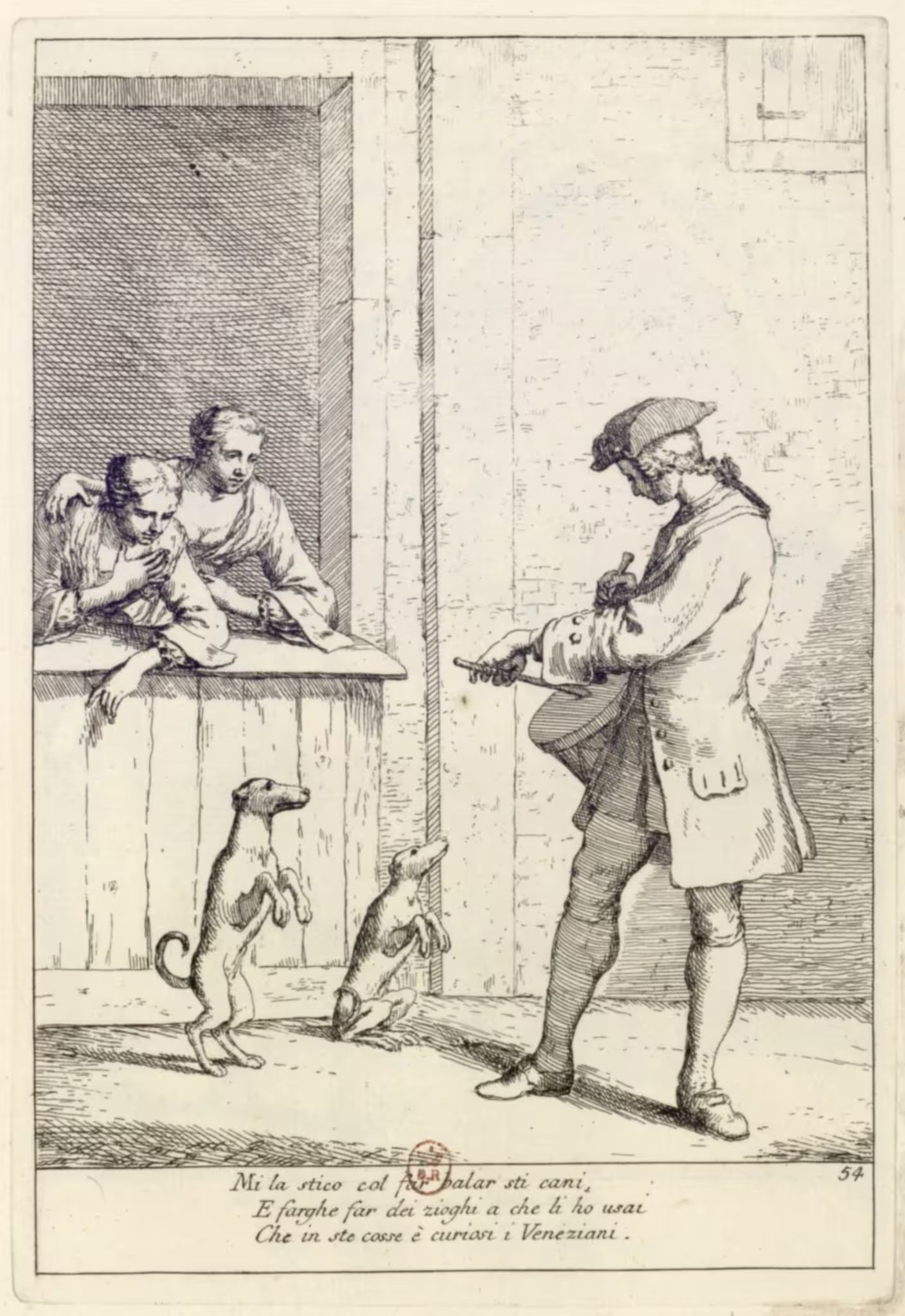
Fa ballar i Cani — street entertainer with dancing dogs — Zompini — Arti #54
“Fa ballar i Cani” (street entertainer with dancing dogs) from “Arti che vanno per via” (1785) by Gaetano Zompini, translated by René Seindal.
-
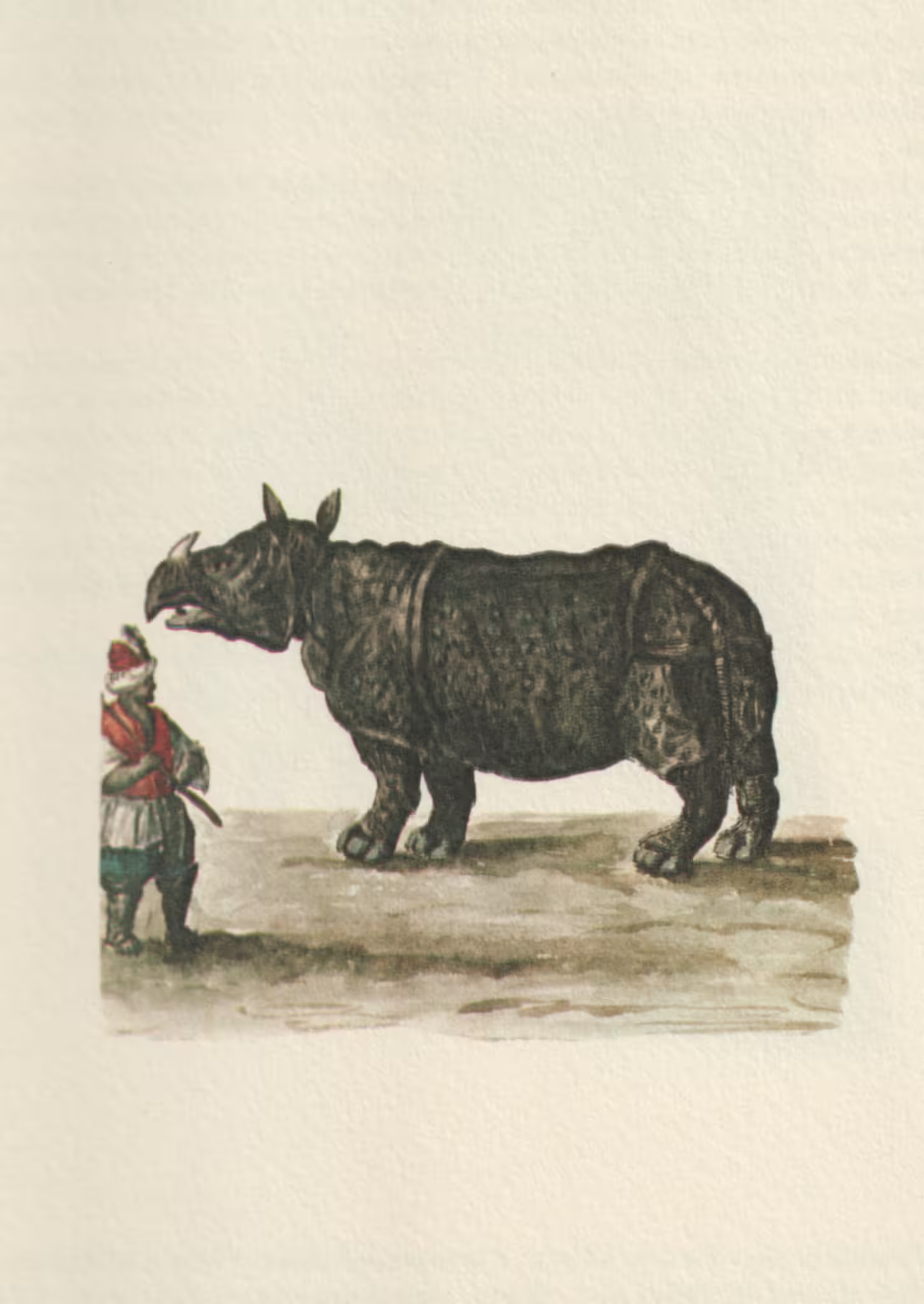
Rinoceronte — Rhinoceros — Grevembroch 3–163
“Rinoceronte” (Rhinoceros) from the Gli abiti de veneziani (1754) by Giovanni Grevembroch, translated by René Seindal.
-

An Englishman in Venice — the diary of John Evelyn (1645)
Excerpts of the diary of the English gentleman John Evelyn from May 1645 to March 1646, covering his stay in Venice and Padua.
-
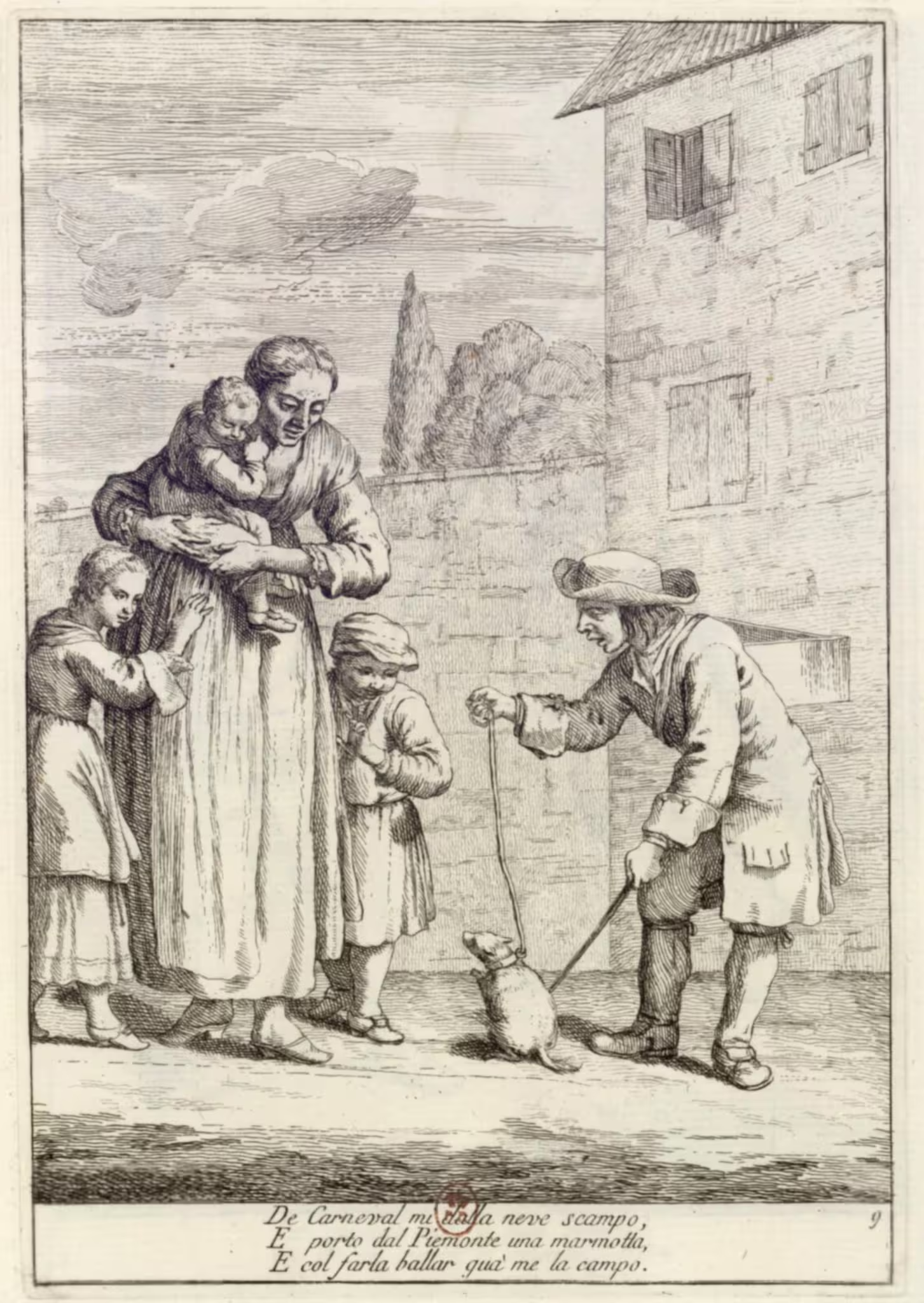
Marmotina — street entertainer with a trained marmot — Zompini — Arti #9
“Marmotina” (street entertainer with a trained marmot) from “Arti che vanno per via” (1785) by Gaetano Zompini, translated by René Seindal.
-
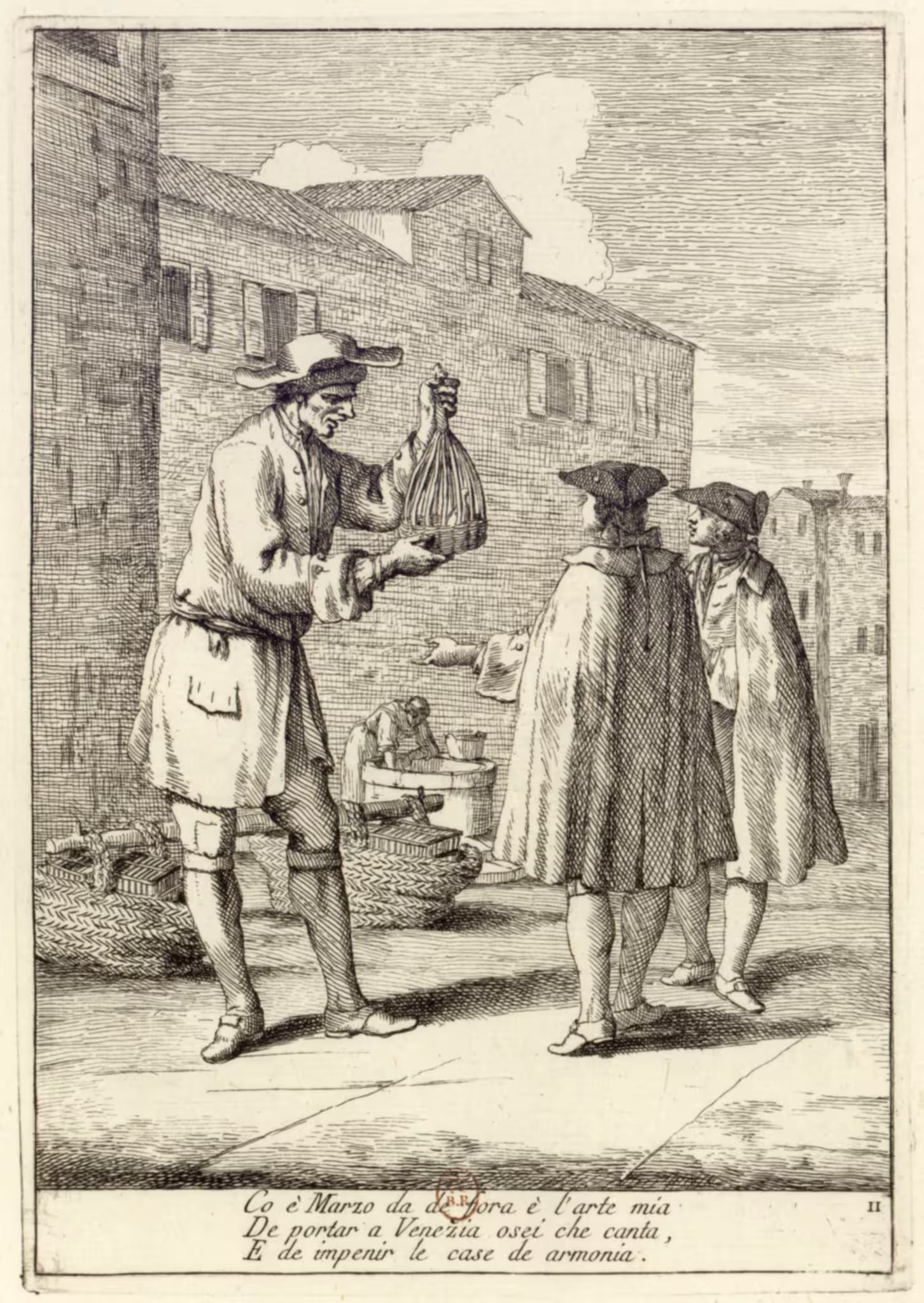
Osei, che canta — vendor of caged songbirds — Zompini — Arti #11
“Osei, che canta” (vendor of caged songbirds) from “Arti che vanno per via” (1785) by Gaetano Zompini, translated by René Seindal.
-
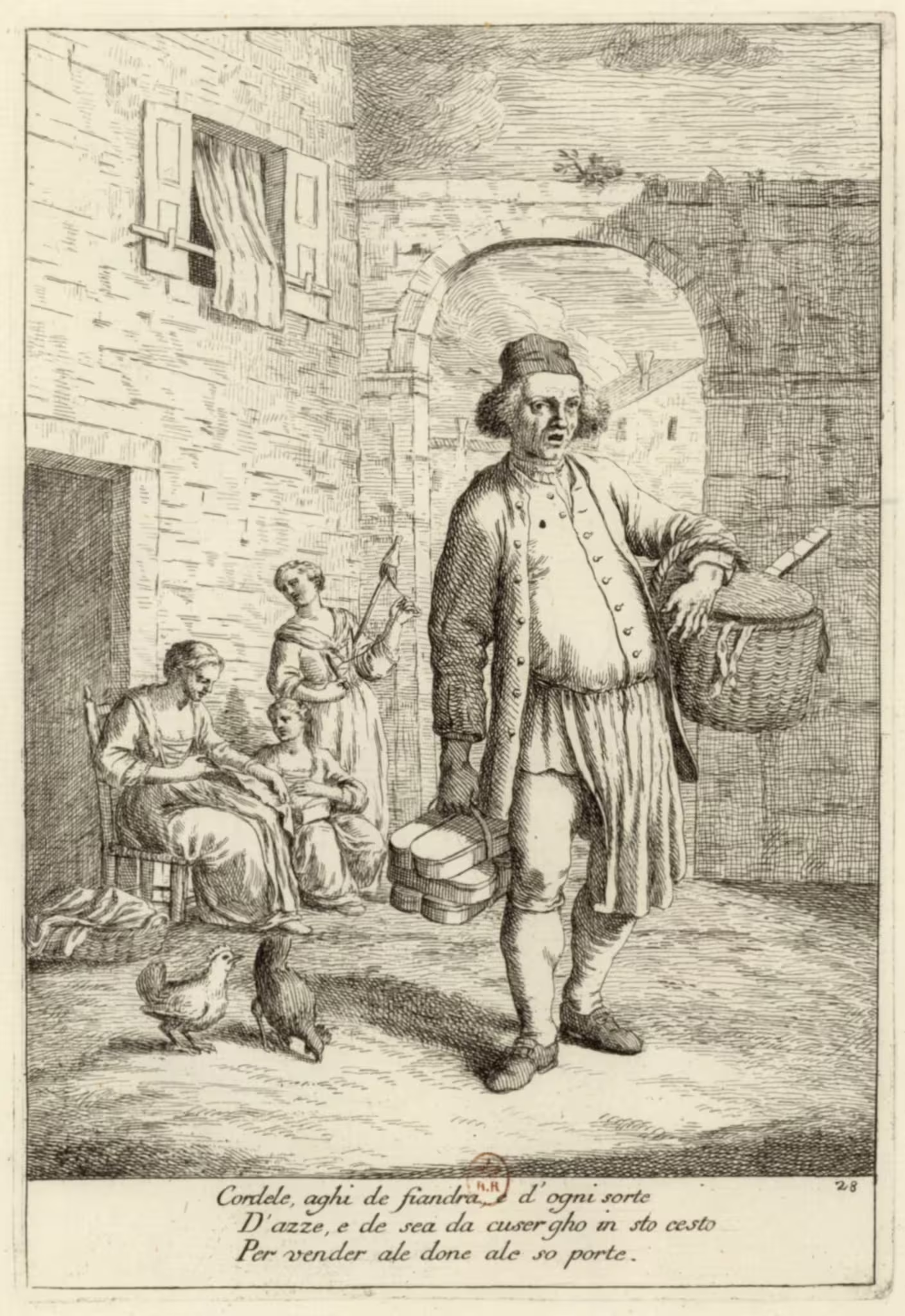
Marcer — door to door salesman of cloth and sewing utensils — Zompini — Arti #28
“Marcer” (door to door salesman of cloth and sewing utensils) from “Arti che vanno per via” (1785) by Gaetano Zompini, translated by René Seindal.