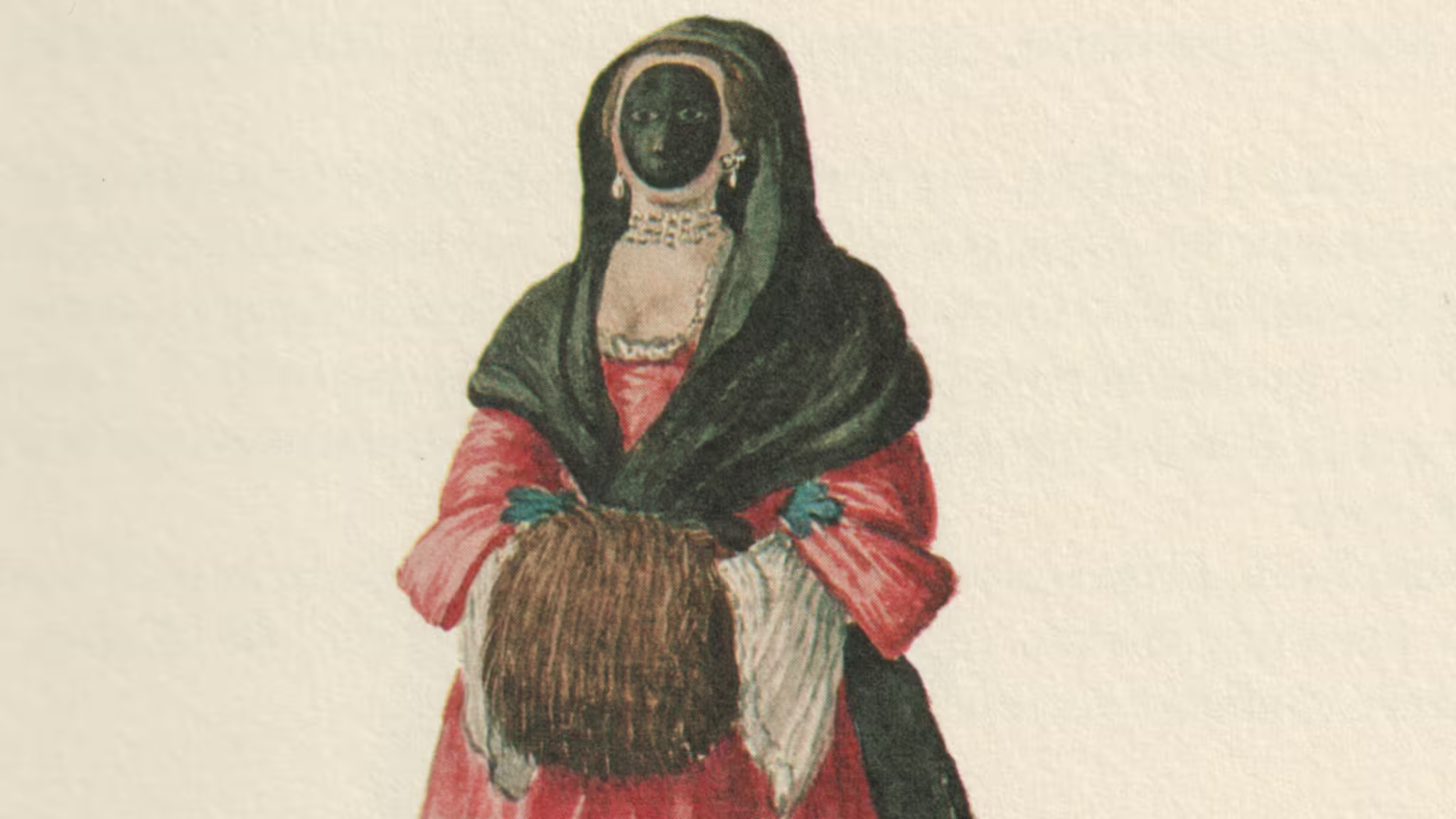
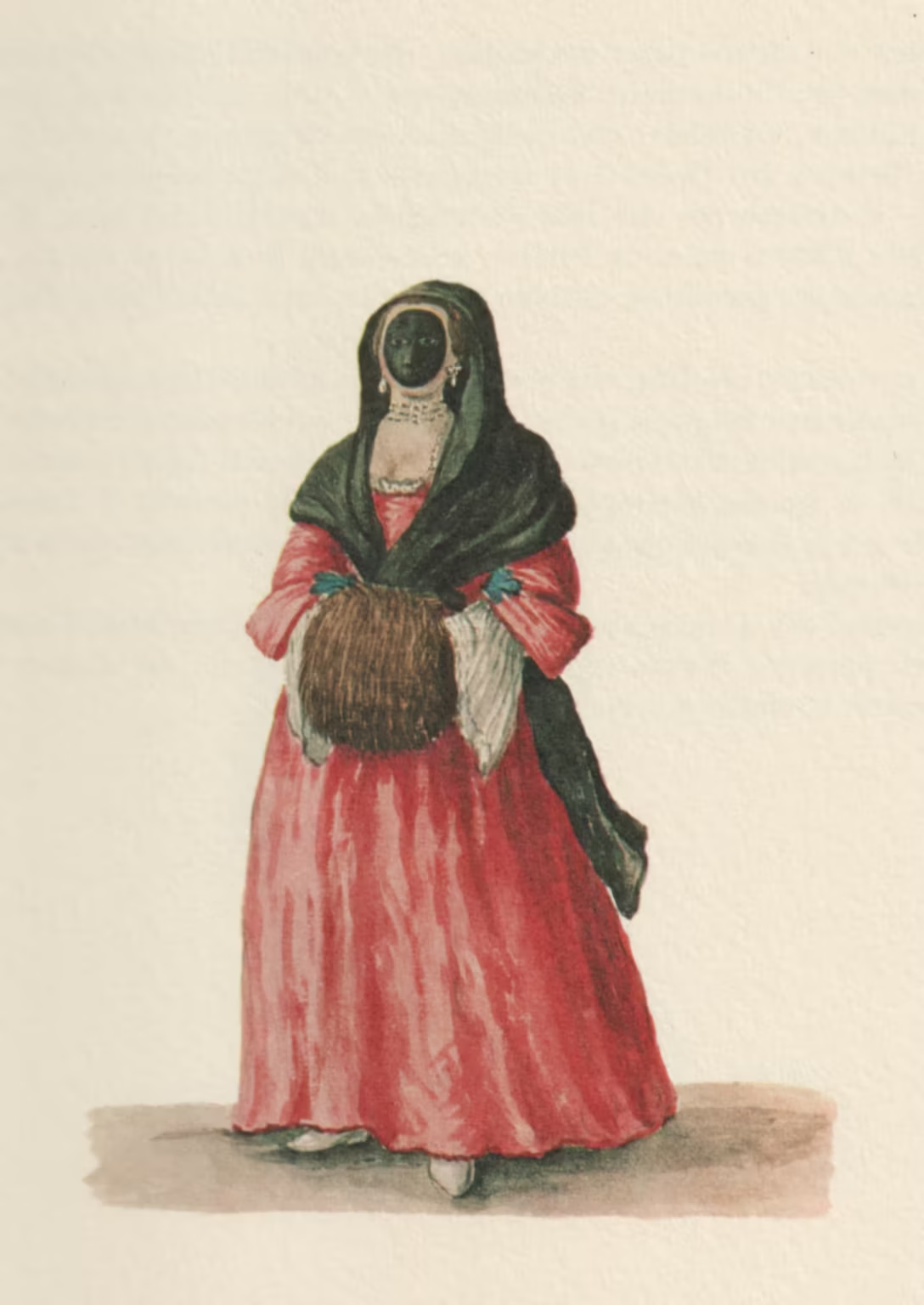
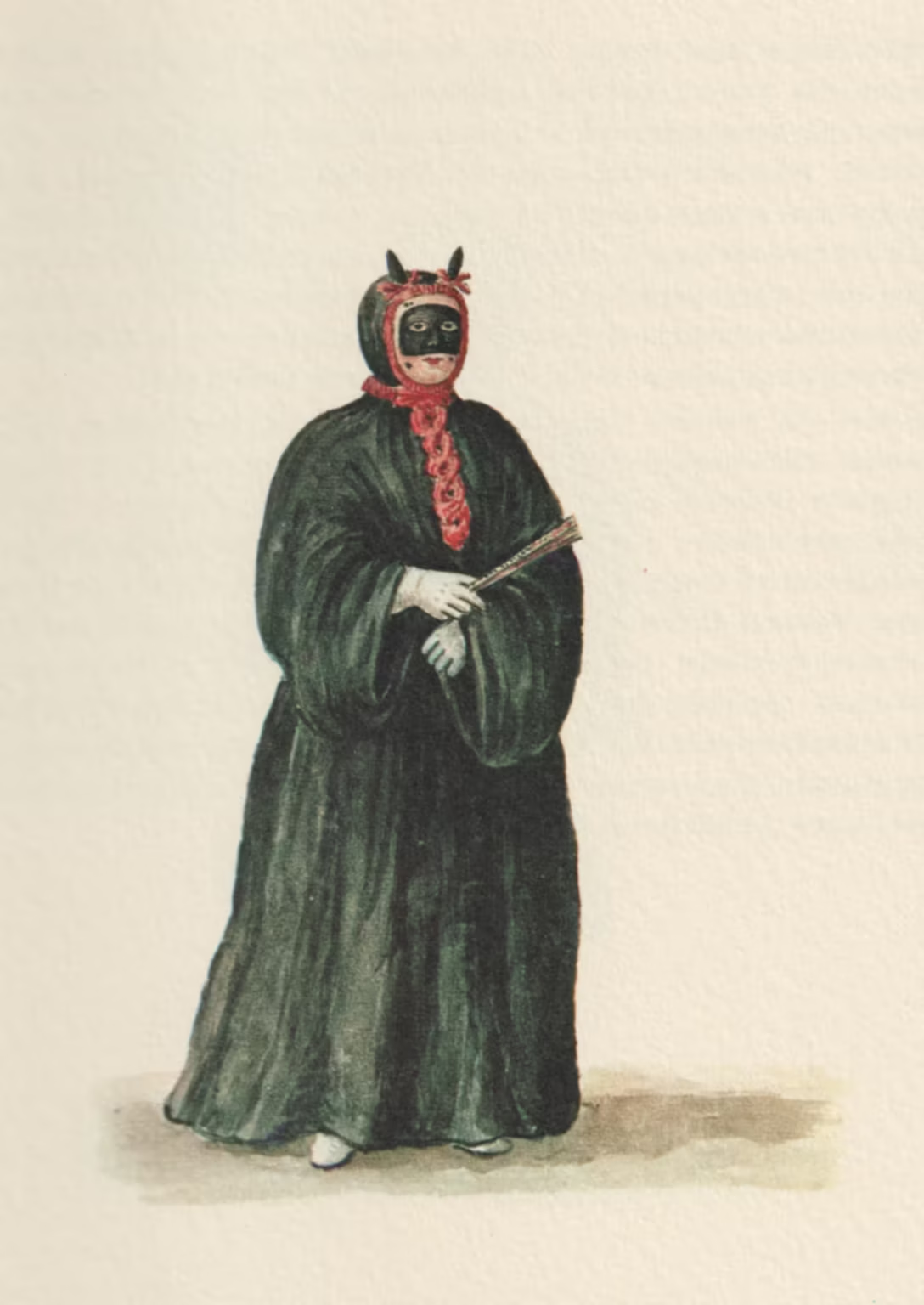
This painting depicts a woman wearing the moretta mask.
The moretta, which in its simplicity was a round piece of black velvet, which covered the face. It had two slits for the eyes, a string around the head to hold it in place, and a button sewed on the inside, which the wearer held in her mouth.
It was therefore a silent figure, as the woman couldn’t speak and hold the mask in place at the same time, and it is sometimes called the servetta muta — the mute maid.
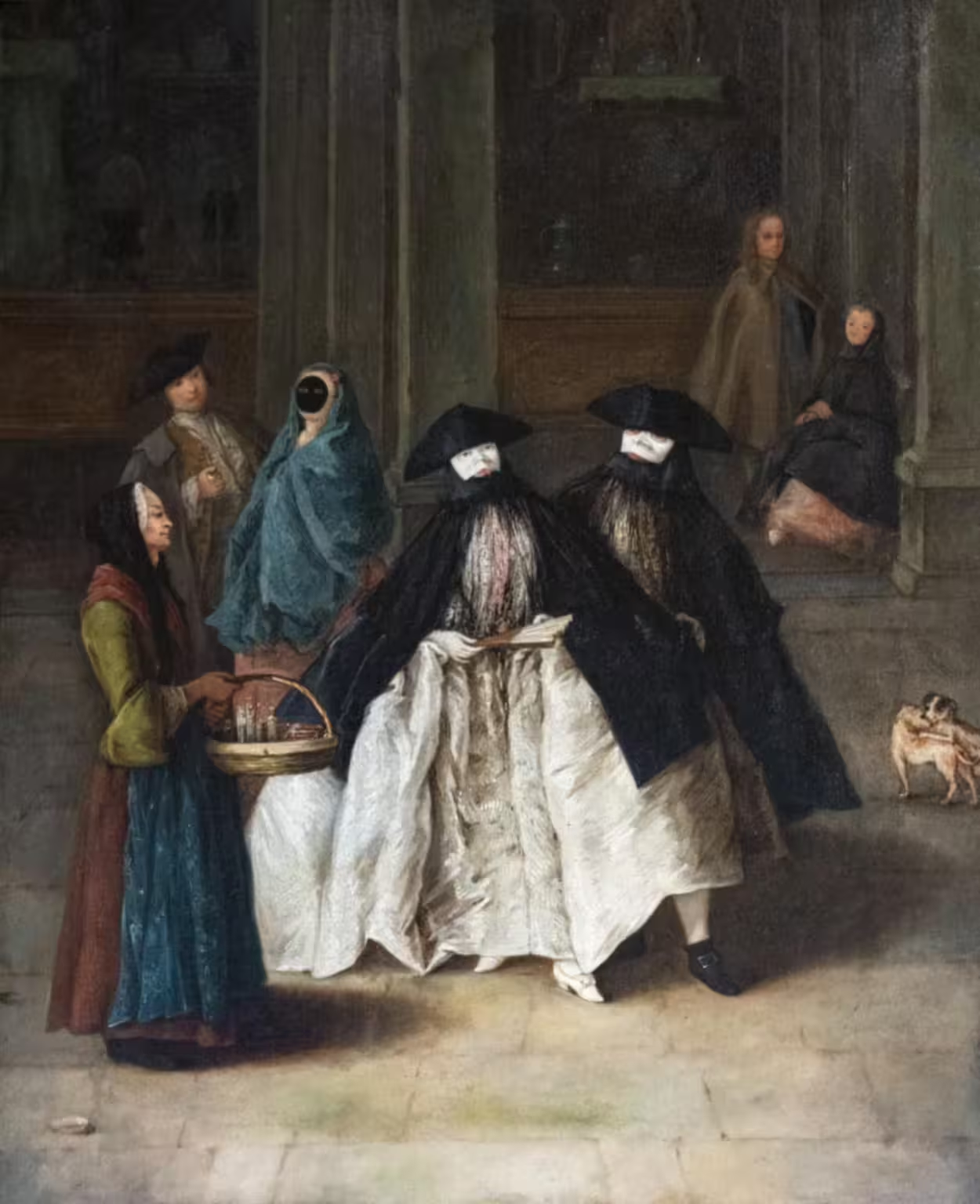
The moretta was a common female figure during the carnival in Venice, and it often appears on Venetian paintings from the 1600s and 1700s.
Source: Gli abiti de veneziani di quasi ogni età con diligenza raccolti e dipinti nel secolo XVIII, by Giovanni Grevembroch (1731–1807), which in four volumes contains over six hundred watercolours of how Venetians dressed in the 1700s.
Mask
In other times, dressing a woman in Mask was not a costly effort, just as the desire for Women to leave the house even on weekdays was not so deeply rooted.
The Heads of the Families, and the Husbands, would take their Wives and Daughters to the Square, to visit Relatives, and to the Parlours of the nuns, Dressed in the attire they wore throughout the year, with their Faces covered by a small black Velvet Mask, through which the whiteness of their skin shone, and making their Person more noticeable, highlighting the vivacity of the Young Women.
The invention of such convenient Morette1 came from France, and proved so agreeable, given that they did not cover the complexion of the Face, the adornment of blonde Hair, and other garments not disproportionate to economy or the expenditure of the Dowry, things that in no way disturbed the delicate temperament of the Women, who had to be strengthened through the generation of Offspring, with whom they were either already joined or were destined to be.
To the charming and fair Young Lady Ms. Andreana Vicco, for the merit that exceeds in her, and for the affability that shines in her, we promise to soon create an object even more delightful than the present one.
Translator’s notes
Original text
Mascara
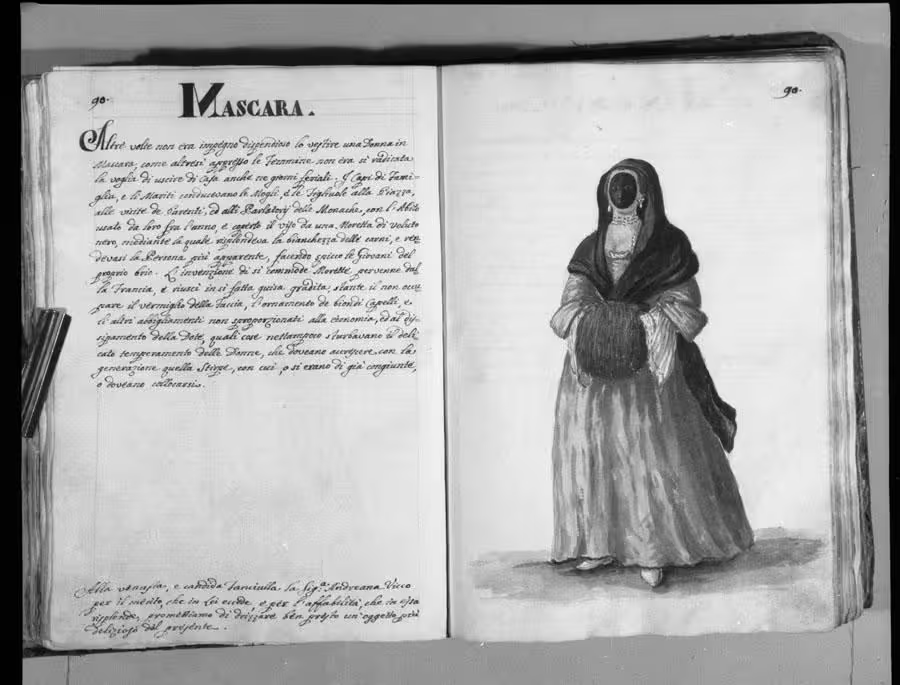
Altre volte non era impegno dispendioso lo vestire una Donna in Mascara, come altresì appresso le Femmine non era sì radicata la voglia di uscire di Casa anche ne giorni feriali.
I Capi di Famiglia, e li Mariti conducevano le Mogli, e le Figliuole alla Piazza, alle visite de Parenti, ed alli Parlatorij delle Monache, con l’Abito usato da loro fra l’anno, e coperto il Viso da una Moretta di Veluto nero, mediante la quale risplendeva la bianchezza delle carni, e rendevasi la Persona più apparente, facendo spicco le Giovani del proprio brio.
L’invenzione di sì commode Morette pervenne dalla Francia, e riuscì in sì fatta guisa gradita, stante il non occupare il vermiglio della Faccia, l’ornamento de biondi Capelli, e li altri abbigliamenti non sproporzionati alla economia, ed al dissipamento della Dote, quali cose nettampoco sturbavano il delicato temperamento delle Donne, che doveano accrescere con la generazione della Stirpe, con cui, o si erano di già congiunte, o doveano collocarsi.
Alla venusta, e candida Fanciulla la Sig.a Andreana Vicco per il merito, che in Lei eccede, e per l’affabilità, che in Essa risplende, promettiamo di drizzare ben presto un’oggetto più delizioso del presente.
Grevembroch (1981), vol. 3, p. 90.
Related articles
Venetian Stories
Related sources
Related images

- Nobile in Maschera — Nobleman in Mask — Grevembroch 1-90
- Mascara — Mask — Grevembroch 3-90
- Nobile al Ridotto — Nobleman at the Ridotto — Grevembroch 1-91
- Mascare — Masks — Grevembroch 3-92
Bibliography
- Grevembroch, Giovanni. Gli abiti de veneziani di quasi ogni eta con diligenza raccolti e dipinti nel secolo XVIII, orig. c. 1754. Venezia, Filippi Editore, 1981. [more]
Leave a Reply