
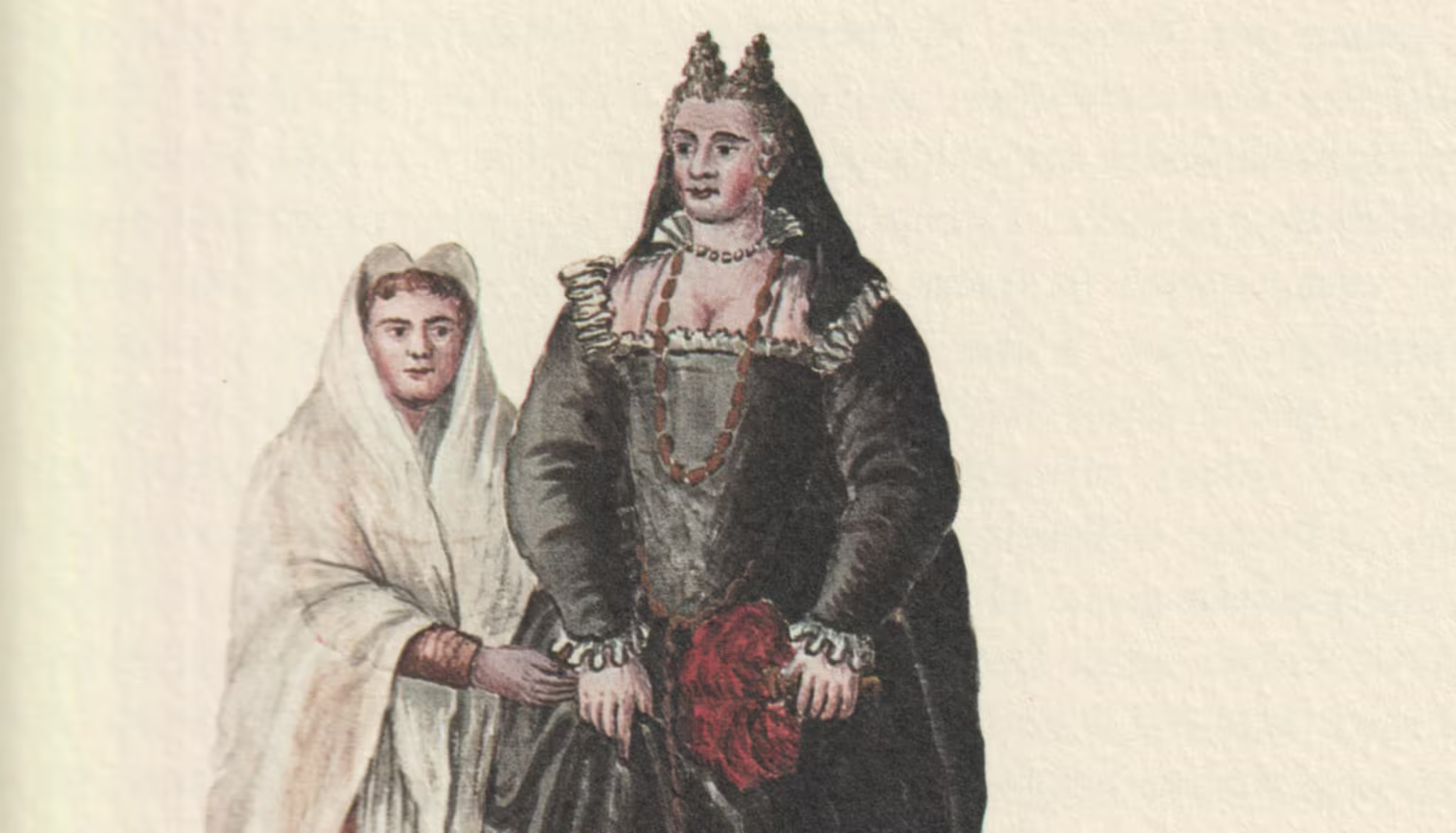
This painting depicts a noblewoman and her maid. The noblewoman wears a dress of dark silk, and fine jewellery. Her hair is set with the typical ‘horns’, and her dress is pulled up to reveal the calcagnette on her feet, which makes her a lot taller than her maid.
The maid wears a simple red dress, and a wide and long shawl, which covers her head and her dress almost until her knees.
Source: Gli abiti de veneziani di quasi ogni età con diligenza raccolti e dipinti nel secolo XVIII, by Giovanni Grevembroch (1731–1807), which in four volumes contains over six hundred watercolours of how Venetians dressed in the 1700s.
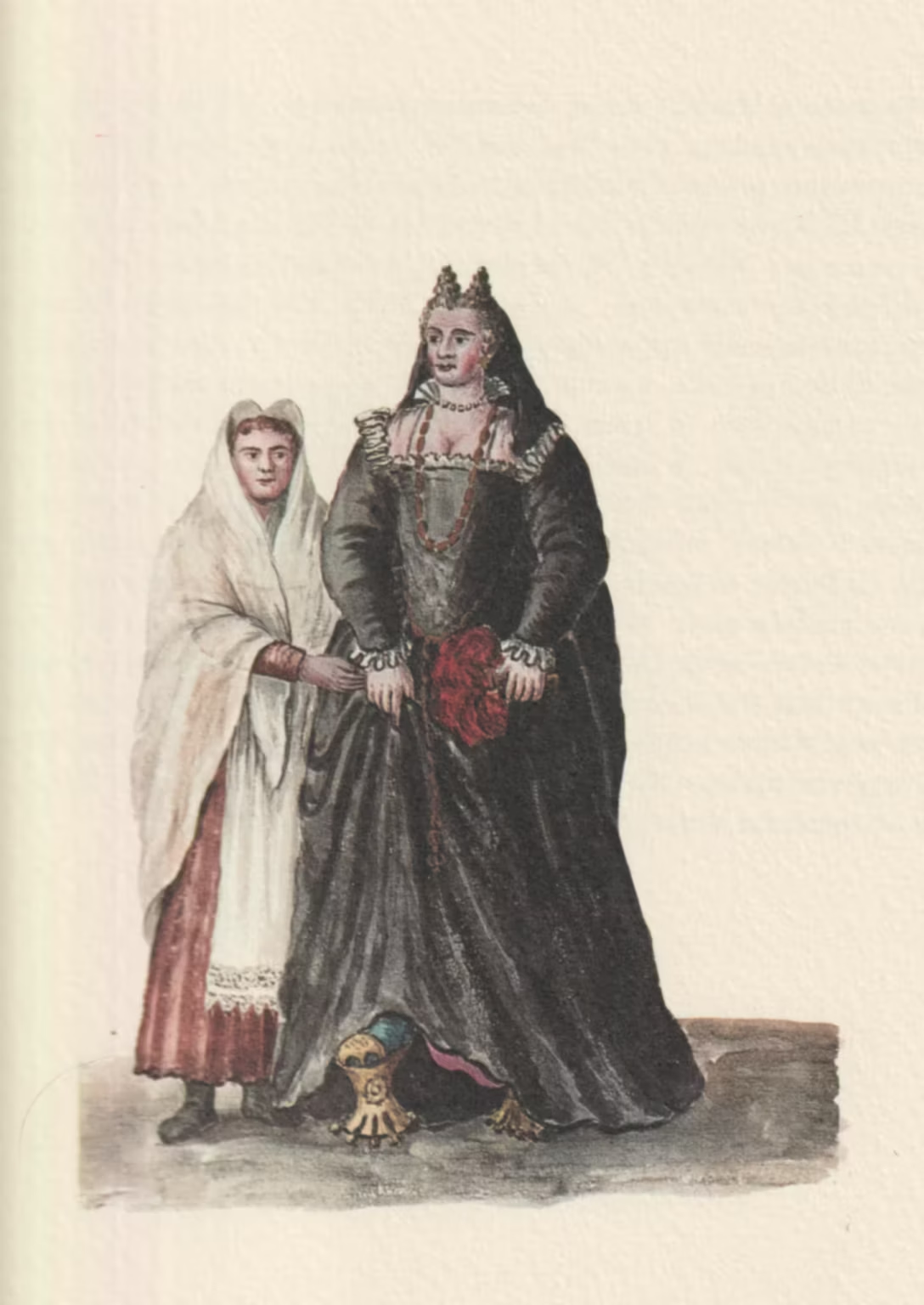
Noblewomen
At other times, certain abuses in Venice were displeasing, and while the Public was resolving to moderate the expense of Women’s clothing with lavish Robes and long Trains, it is said that a venerable Elder stood up and spoke against the proposal. He suggested that women should instead be required to wear Clogs,1 and the Dresses of the Women, richer and heavier because, if by misfortune they had been permitted to walk outside without these encumbrances, they would never tire of wandering about the City. Everyone would, on their own, have wanted Parties; they would have abhorred the Home, and poor governance would have thrown the Families into disarray.
The voice of that serious Senator then caused the Decree to be suspended, so well was his opinion heard and acclaimed. This story is not Fantasy; but it is printed among the customs of fashion, recalled by Giovanni Pagnalmino.2
To the Most Illustrious Countess Marcella Rados, dedicated to the retirement and sole care of her dear children, do not be displeased by the different method used by others, which, for the sole purpose of observation, we have sent to her in Guastalla.
Translator’s notes
- Calcagnette (also pianelle or zoccoli) were tall platform sandals or clogs, worn by Venetian women to look taller, and not to soil their feet in the streets ↩︎
- Lampugnani (1648), p. 42–44 (bibliography below). ↩︎
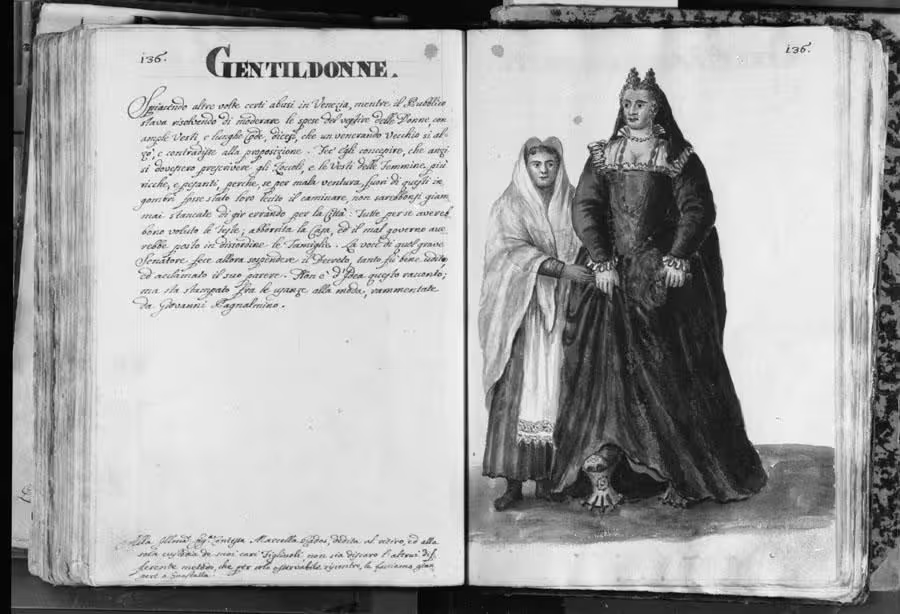
Original text
Gentildonne
Spiacendo altre volte certi abusi in Venezia, mentre il Pubblico stava risolvendo di moderare le spese del vestire delle Donne, con ample Vesti, e lunghe Code, dicesi, che un venerando Vecchio si alzò, e contradisse alla proposizione. Fec’egli concepire, che anzi si dovessero prescrivere gli Zoccoli, e le Vesti delle Femmine, più ricche, e pesanti, perche, se per mala ventura, fuori di questi ingombri fosse stato loro lecito il caminare, non sarebbonsi giammai stancate di gir errando per la Città. Tutte per se averebbono voluto le Feste; abborrita la Casa, ed il mal governo averebbe posto in dissordine le Famiglie.
La voce di quel grave Senatore fece allora sospendere il Decreto, tanto fù bene udito, ed acclamato il suo parere. Non è d’Idea questo racconto; ma sta stampato fra le usanze alla moda, rammentate da Giovanni Pagnalmino.
Alla Ill.ma Sig.a Contessa Marcella Rados, dedita al ritiro, ed alla sola custodia de suoi cari Figliuoli, non sia discaro l’altrui differente metodo che per solo osservabile riscontro, le facciamo giungere a Guastalla.
Grevembroch (1981), vol. 1, p. 136.
Related articles
Related images
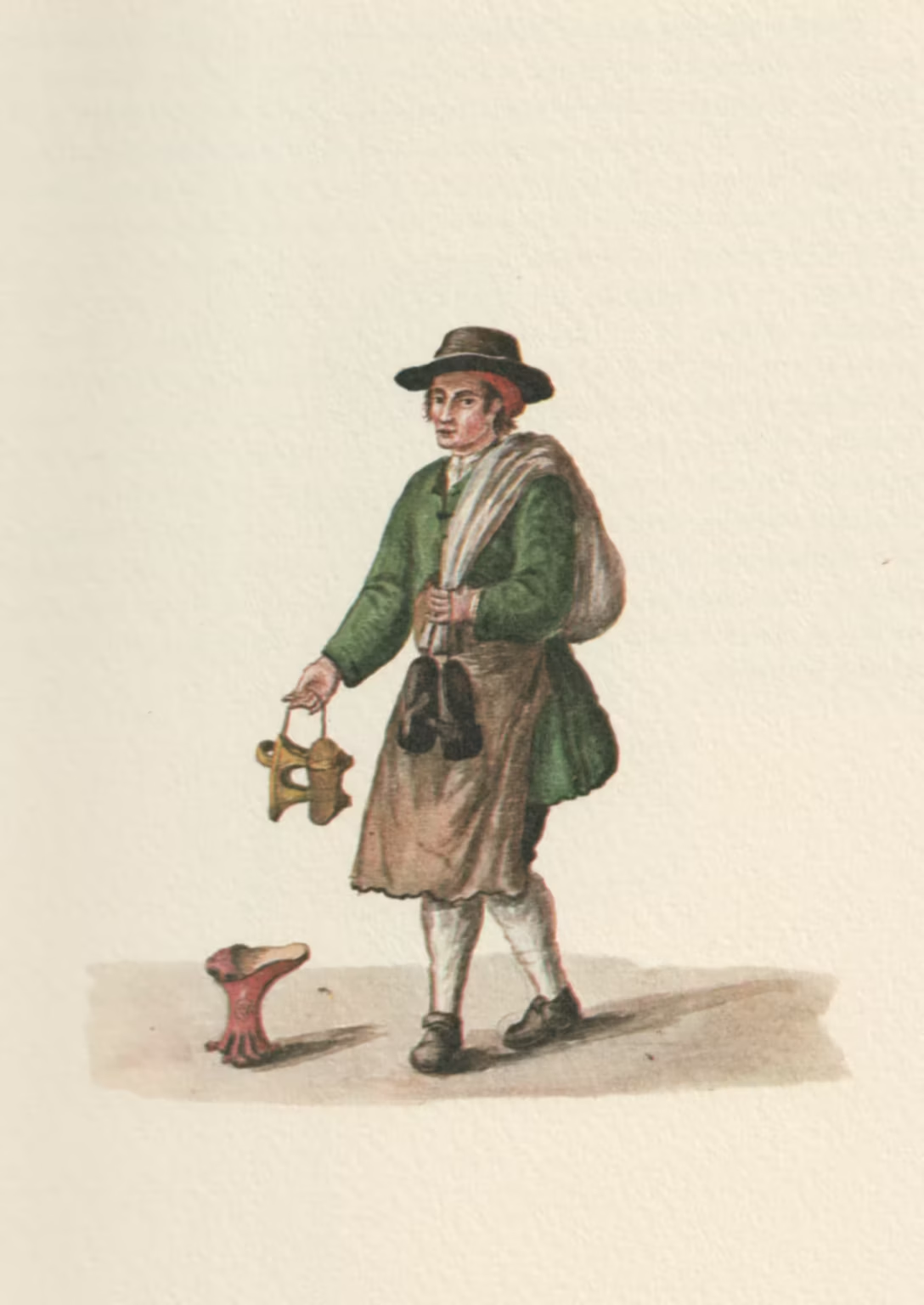
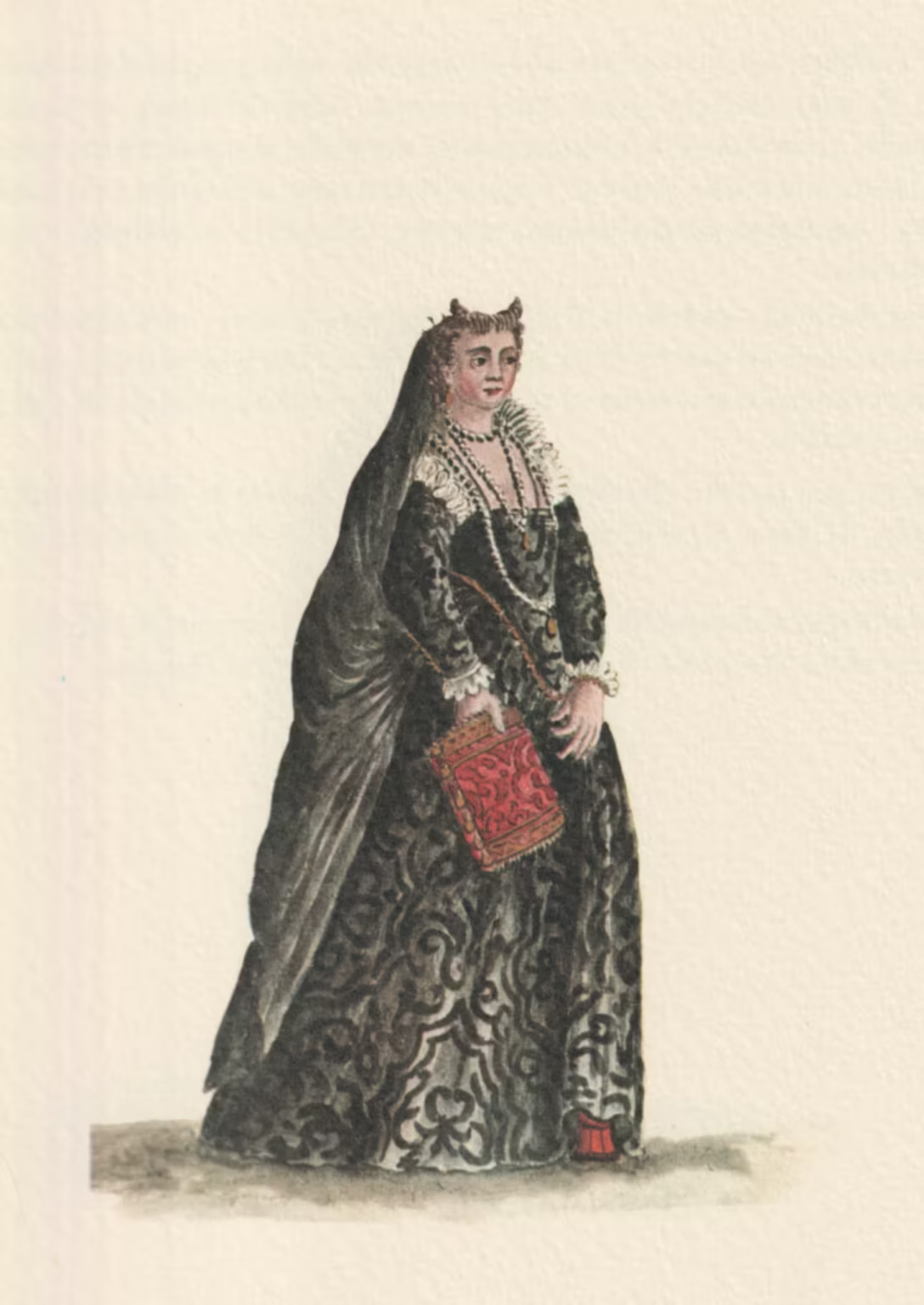
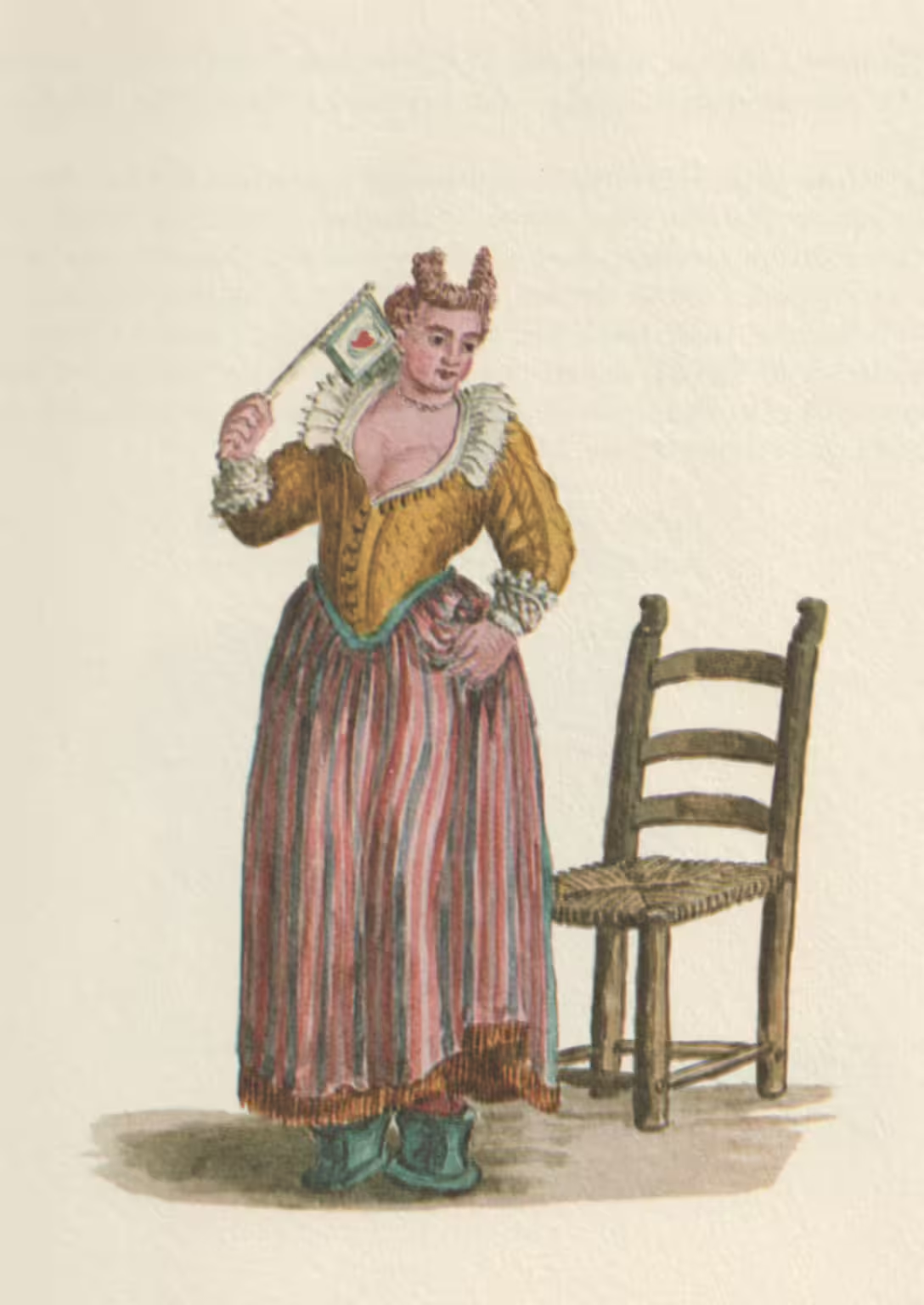
- Arte Quadrupla — Quadruple Craft — Grevembroch 4-64
- Gentildonne — Noblewomen — Grevembroch 1-140
- Prostitute al Bordello — Prostitutes in the Brothel — Grevembroch 3–160
- Altra Donzella — Another young woman — Grevembroch 3-113
Bibliography
- Grevembroch, Giovanni. Gli abiti de veneziani di quasi ogni eta con diligenza raccolti e dipinti nel secolo XVIII, orig. c. 1754. Venezia, Filippi Editore, 1981. [more]
- Lampugnani, Agostino. Della carrozza da nolo, ouero Del vestire, & vsanze alla moda di Gio. Sonta Pagnalmino, Dedicata all'illustriss. sig. e padrone colendiss. il signor Gio. Pietro Mandelli. In Bologna per Carlo Zenero, 1648. 🔗
Leave a Reply