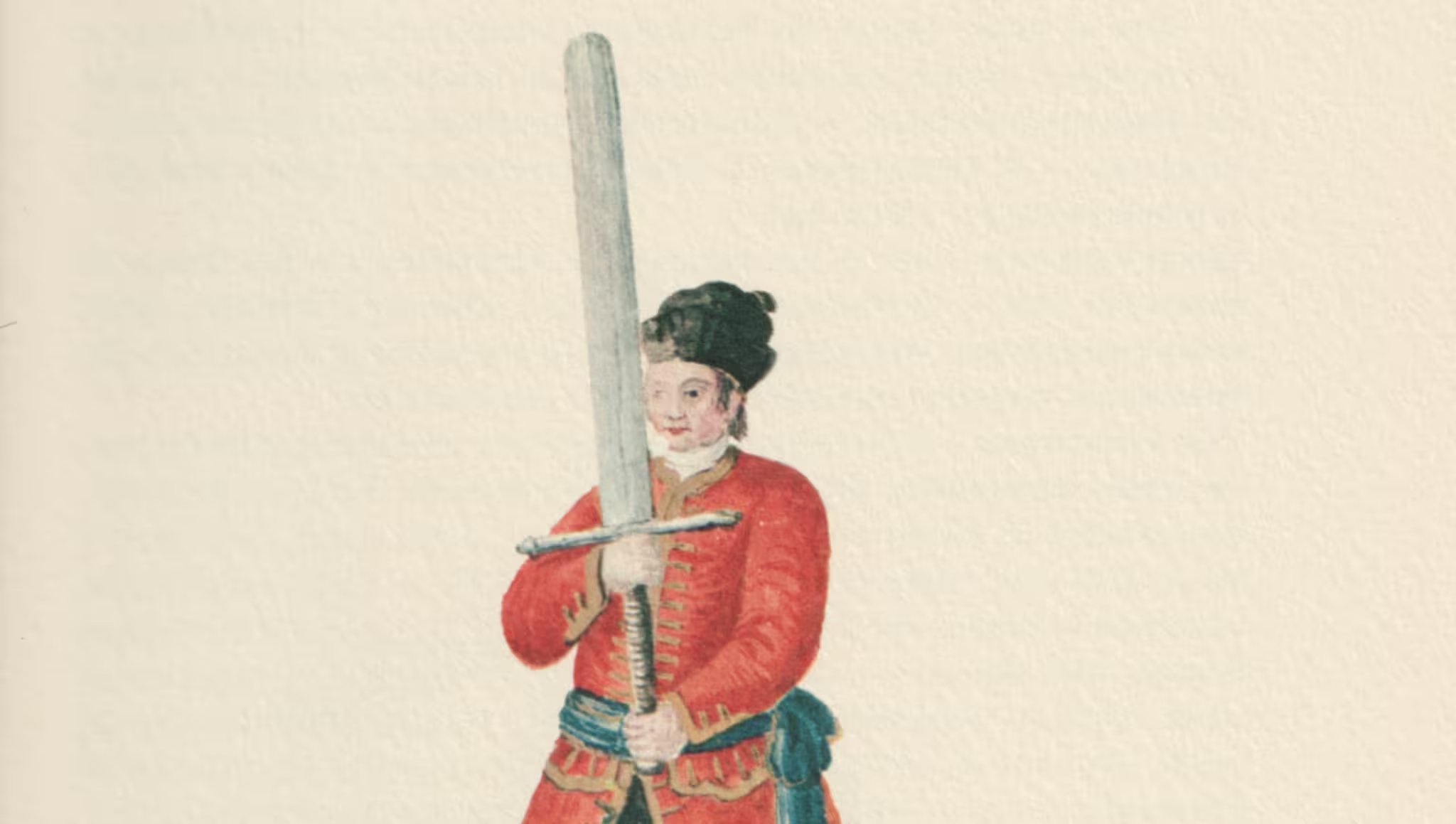
This painting depicts a blacksmith, in formal dress for a celebration, carrying a large, blunt two-handed sword used for beheading bulls during bull-fights in Venice.
One or more bulls were decapitated during the Fat Thursday feast in the Piazzetta, in front of the Palazzo Ducale, during the carnival in Venice.
The task of beheading the oxen on Fat Thursday were given to the guild of the blacksmiths and the guild of the butchers. The bull’s head had to come off with one blow, so the strongest men were chosen for the job.
The killing of the bull was in celebration of the Venetian victory over the Patriarch of Aquileia, which in 1162 had attacked Grado.
One such sword for beheading bulls is on display in the armoury in the Palazzo Ducale.
Grevembroch’s text below is copied almost verbatim from Sansovino (1581).
Source: Gli abiti de veneziani di quasi ogni età con diligenza raccolti e dipinti nel secolo XVIII, by Giovanni Grevembroch (1731–1807), which in four volumes contains over six hundred watercolours of how Venetians dressed in the 1700s.
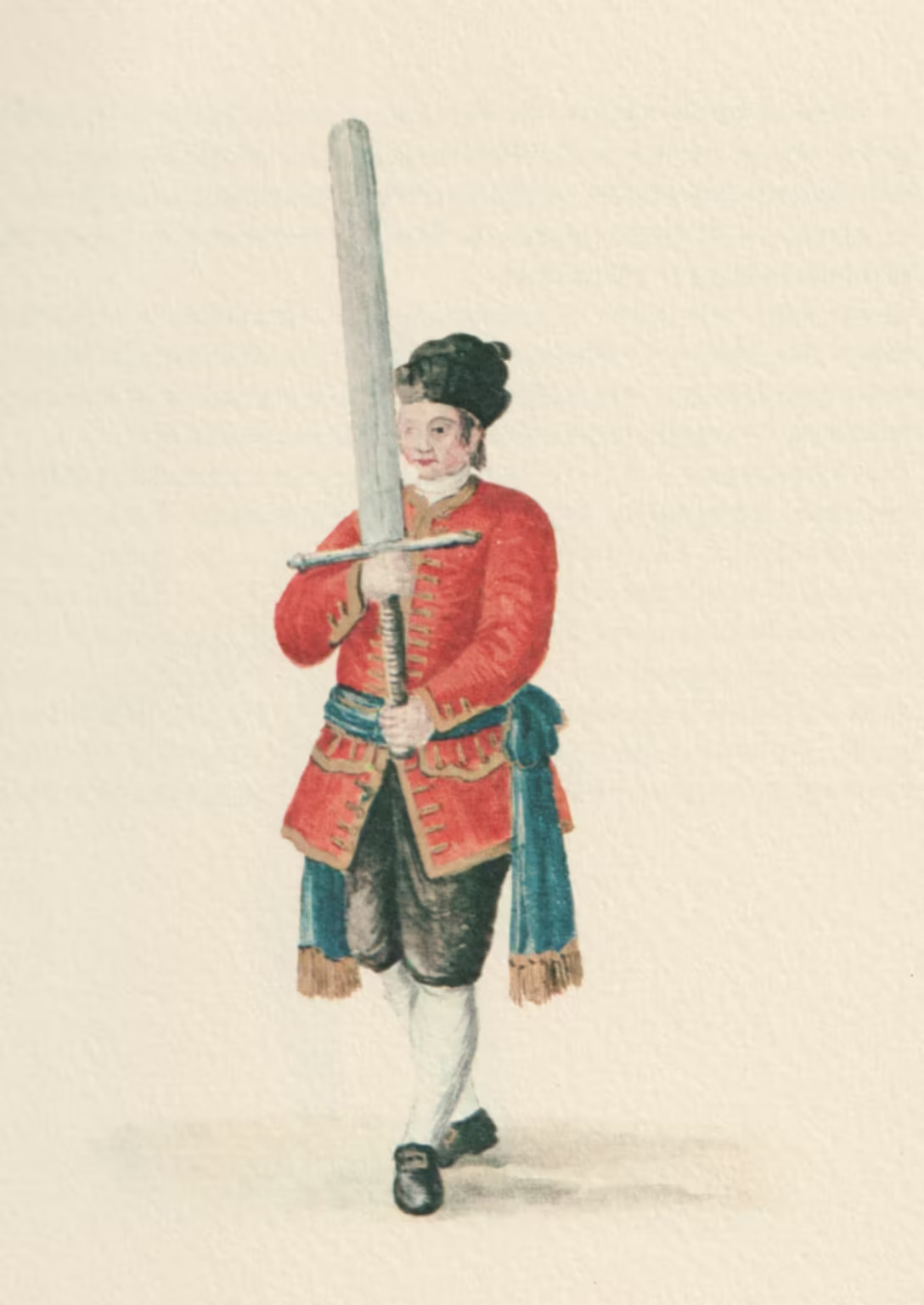
Blacksmith
Public Feasts were celebrated by the Venetians at different times in various ways, and for different occasions.
Among the ancient ones, that of Fat Thursday was established in the Square in front of the Signoria1 because Ulrich, Patriarch of Aquileia, with his Canons, took up arms against the Republic, and having been defeated and captured in 1162, it was established by irrevocable law that its memory be perpetuated.
It was therefore customary, at the Court Office, to sentence to death twelve pigs with a bull, and then, when the Doge went into the Sala del Piovego2, where there was a wooden castle, the Senators with some Bracciolari3 in hand would fight it; this practice seemed to the valiant Andrea Gritti, accustomed to properly conquering cities, to be ridiculous, even if well arranged by the simplicity of his predecessor Vitale Michiele, and by ancient Fathers, it was entirely abolished, leaving only the spectacle of the ox, whose head must be severed by the strongest of the Guild of the Blacksmiths, flanked by others from the Butchers, and some from the Jewish Sect.
To Mister Paolo Cloder, residing in Calle del Paradiso at Rialto, Blacksmith, of high speculative standing, we solemnly acknowledge the enduring recognition of his worth, intending to repeat the formalities of the aforementioned Feast.
Translator’s notes
- The Serenissima Signoria were the Doge and the six Councillors of the Doge, appointed annually by the Maggior Consiglio, the closest the Republic of Venice had to an executive.. Here, it means the seat of government in the Palazzo Ducale. ↩︎
- The Sala del Piovego is a courtroom on the first floor of the Palazzo Ducale, which is not open to the public. ↩︎
- The bracciolari are parts of wooden ships, an elbow-shaped piece of wood between the horizontal deck and the vertical ribs. ↩︎
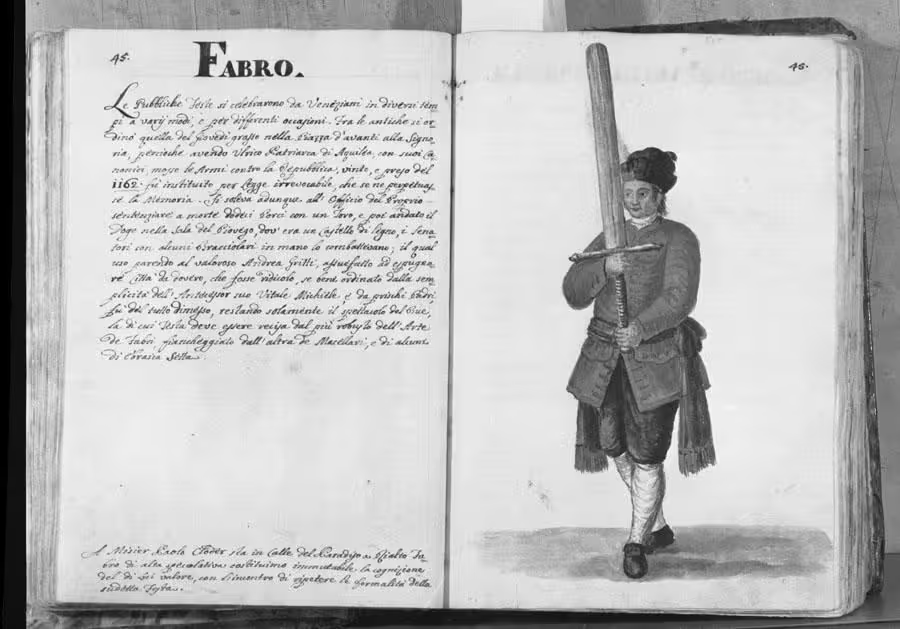
Original text
Fabro
Le Pubbliche Feste si celebrarono da Veneziani in diversi tempi a varij modi, e per differenti occasioni.
Fra le antiche si ordinò quella del Giovedì grasso nella Piazza davanti alla Signoria, percioche avendo Ulrico Patriarca di Aquilea, con suoi Canonici, mosse le Armi contro la Repubblica, vinto, e preso del 1162, fù instituito per Legge irrevocabile, che se ne perpetuasse la Memoria.
Si soleva adunque all’Officio del Proprio sentenziare a morte dodeci Porci con un Toro, e poi andato il Doge nella Sala del Piovego, dov’era un Castello di legno, i Senatori con alcuni Bracciolari in mano lo combattevano; il qual uso parendo al valoroso Andrea Gritti, assuefatto ad espugnare Città da dovero, che fosse ridicolo, se bene ordinato dalla semplicità dell’Antecessor suo Vitale Michiele, e da prischi Padri, fù del tutto dimesso, restando solamente il spettacolo del Bue, la di cui Testa deve essere recisa dal più robusto dell’Arte de Fabri, fiancheggiato dall’altra de Macellari, e di alcuni di Ebraica Setta.
A Misier Paolo Cloder sta in Calle del Paradiso a Rialto Fabro di alta specolativa costituimo immutabile la cognizione del di Lui valore, con l’incontro di ripetere le formalità della sudetta Festa.
Grevembroch (1981), vol. 3, p. 45.
Related articles
- Gli abiti de veneziani (1754) — Giovanni Grevembroch
- Habiti d’huomeni et donne venetiane (1610) — Giacomo Franco
Venetian Stories
Related sources
Related images
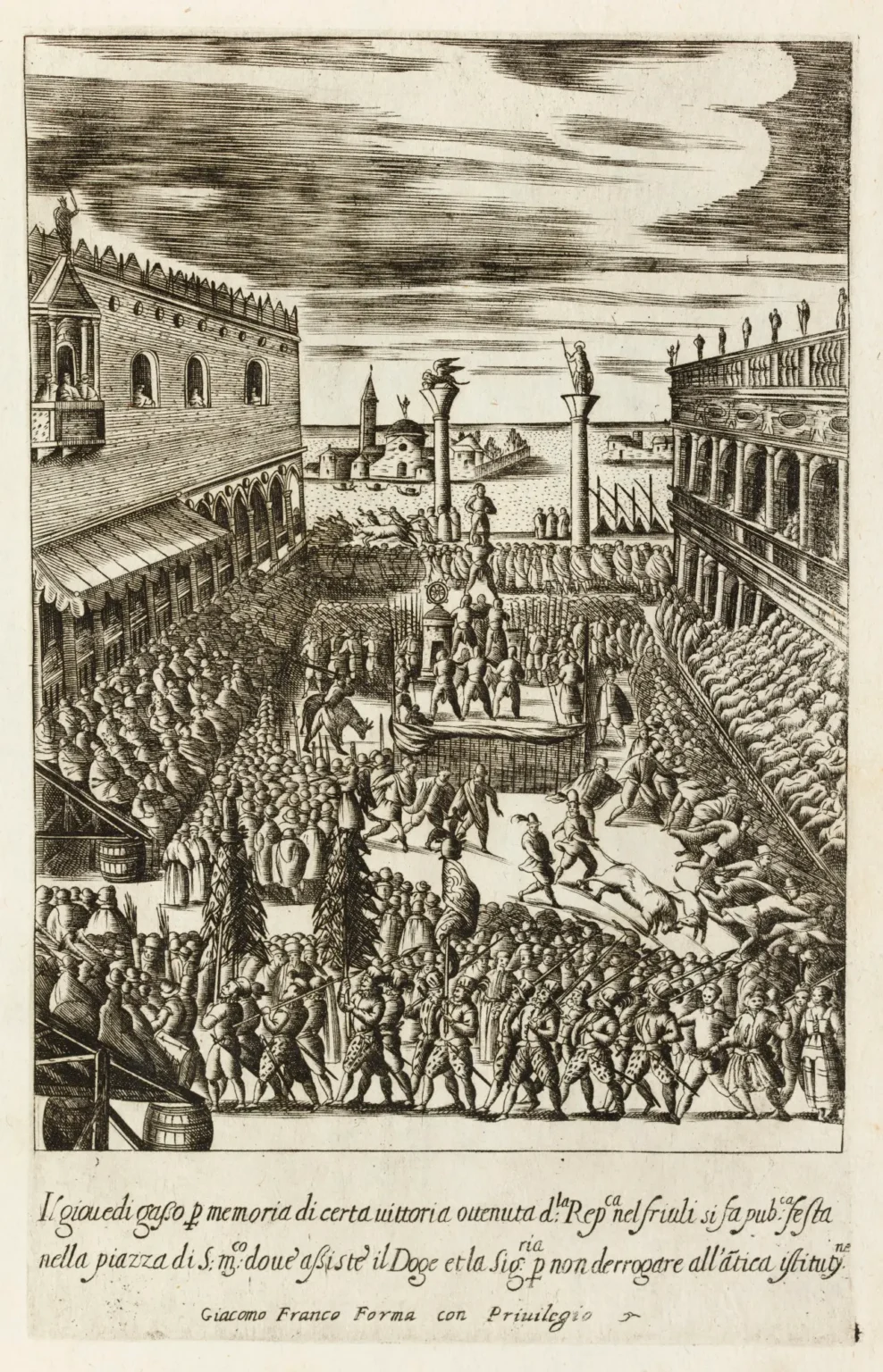
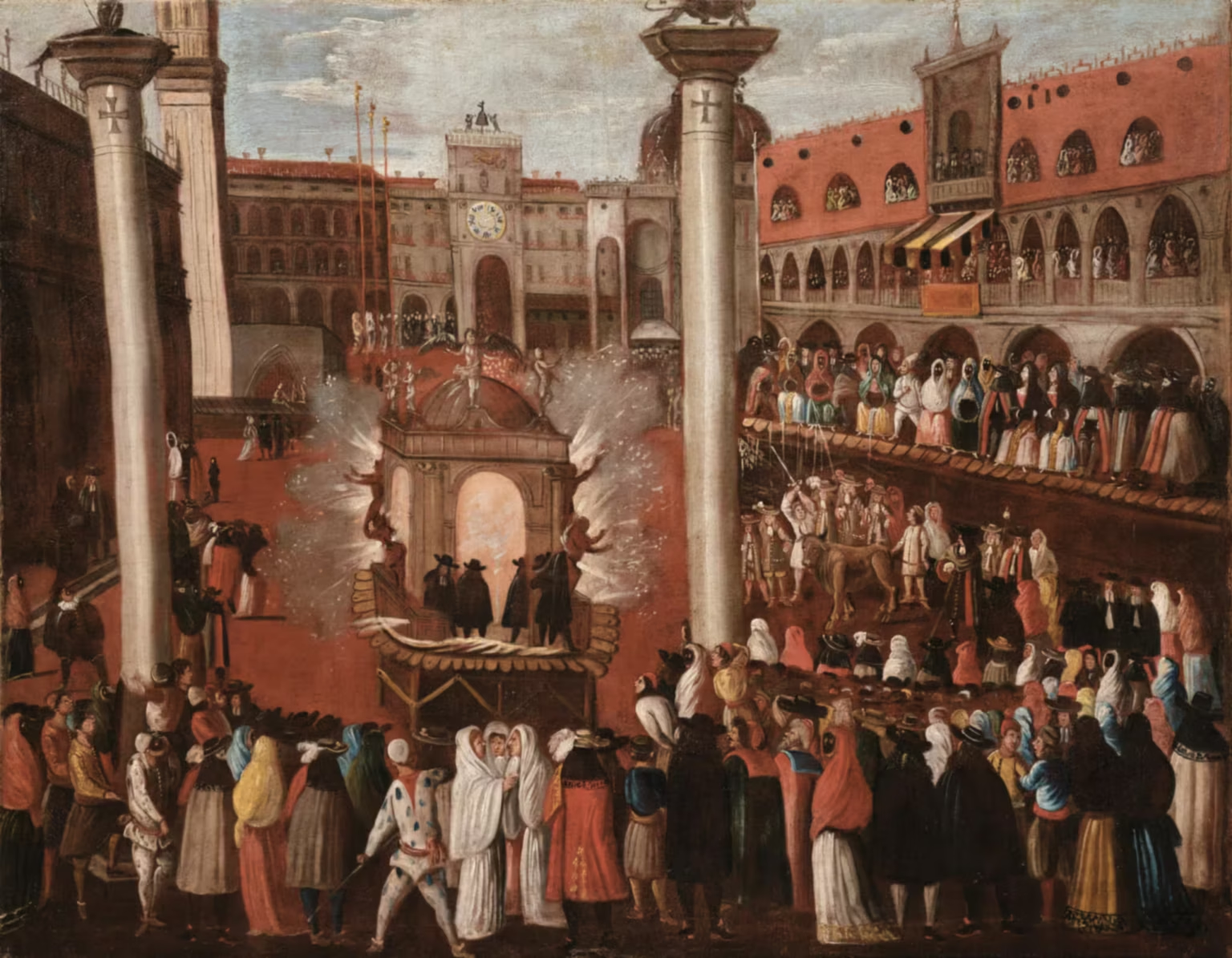
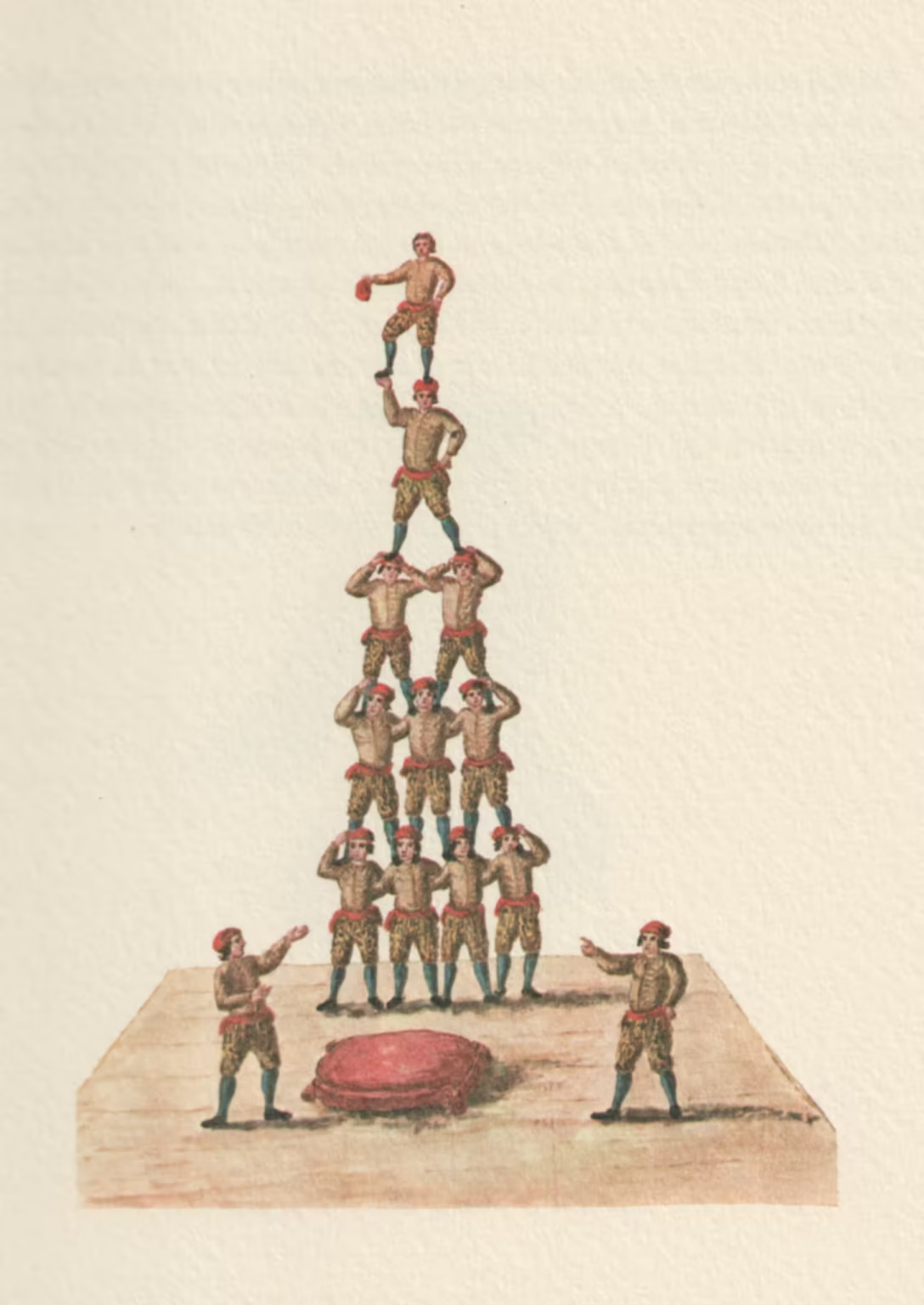
- Giovedì grasso — Habiti d’hvomeni et donne venetiane — Giacomo Franco
- The celebration of Giovedì grasso — Alessandro Piazza
- Stratagemi Ingegnosi — Ingenious Stratagems — Grevembroch 4-52
- La cazza del toro — Running with bulls — Habiti delle Donne Venetiane — 12
Bibliography
- Grevembroch, Giovanni. Gli abiti de veneziani di quasi ogni eta con diligenza raccolti e dipinti nel secolo XVIII, orig. c. 1754. Venezia, Filippi Editore, 1981. [more]
- Sansovino, Francesco. Venetia citta nobilissima et singolare, descritta in 14. libri da M. Francesco Sansouino. In Venetia appresso Iacomo Sansouino, 1581. [more] 🔗
Leave a Reply