Venetian State
-

Liberalità Misteriosa — Mysterious Liberality — Grevembroch 4-1
“Liberalità Misteriosa” (Mysterious Liberality) from the Gli abiti de veneziani (1754) by Giovanni Grevembroch, translated by René Seindal.
-
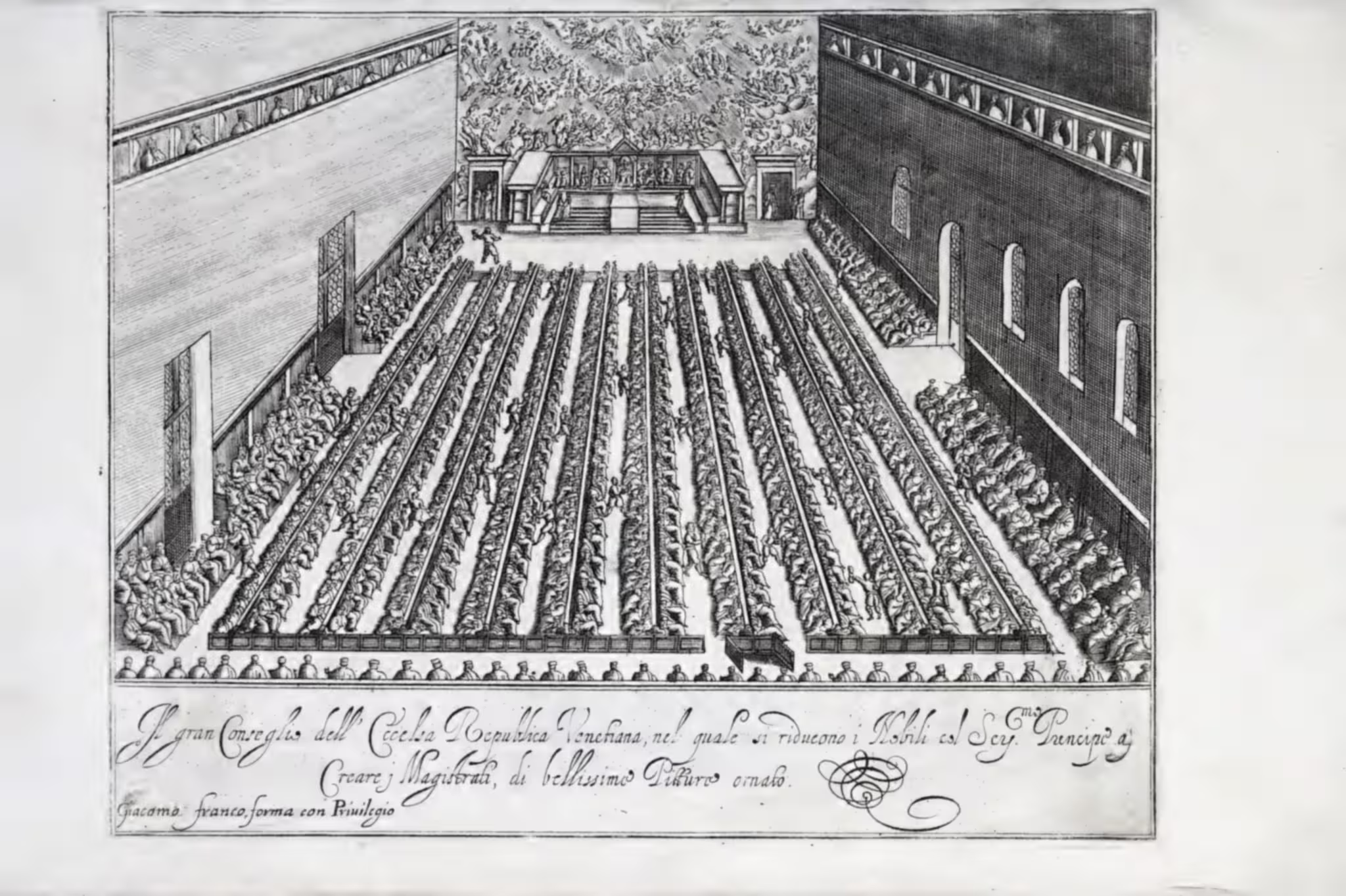
Gran Consiglio — Habiti d’huomeni et donne venetiane — 12
“Gran Consiglio” from the “Habiti d’huomeni et donne venetiane”, published by Giacomo Franco, c. 1610.
-

Jacopo Tiepolo — the 43rd doge of Venice
Jacopo TIepolo, doge 1229–1249, left an impact on Venice, which is still clearly visible today.
-

Bianca Cappello — a chronology
A chronology of the main events in the life of Bianca Cappello, Venetian noblewoman, Grand Duchess of Tuscany, and Daughter of the Republic.
-
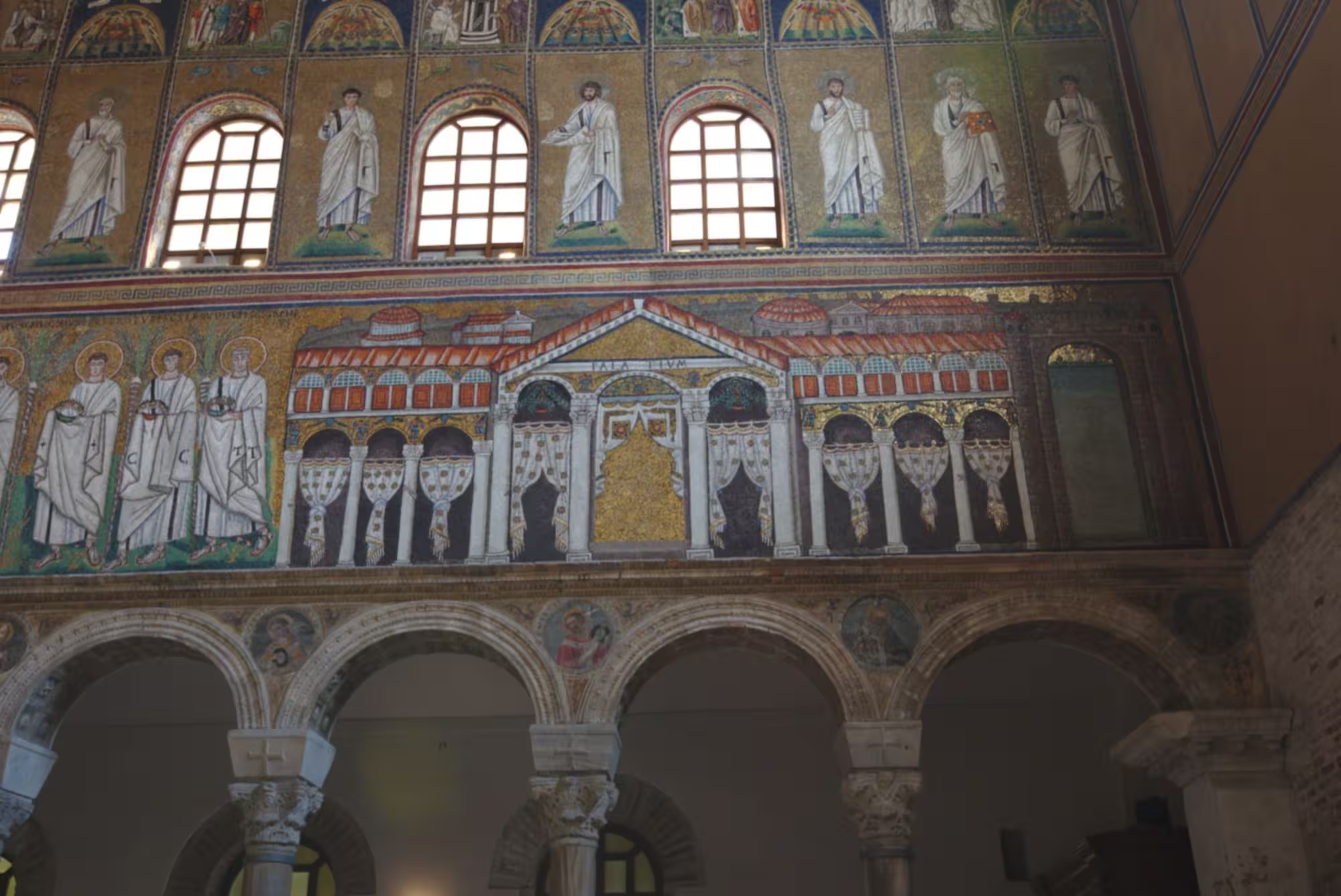
Early Venice
Venice wasn’t founded. Venice happened, and events and reasons behind it happening are rather complex. This series researches the origins of Venice.
-
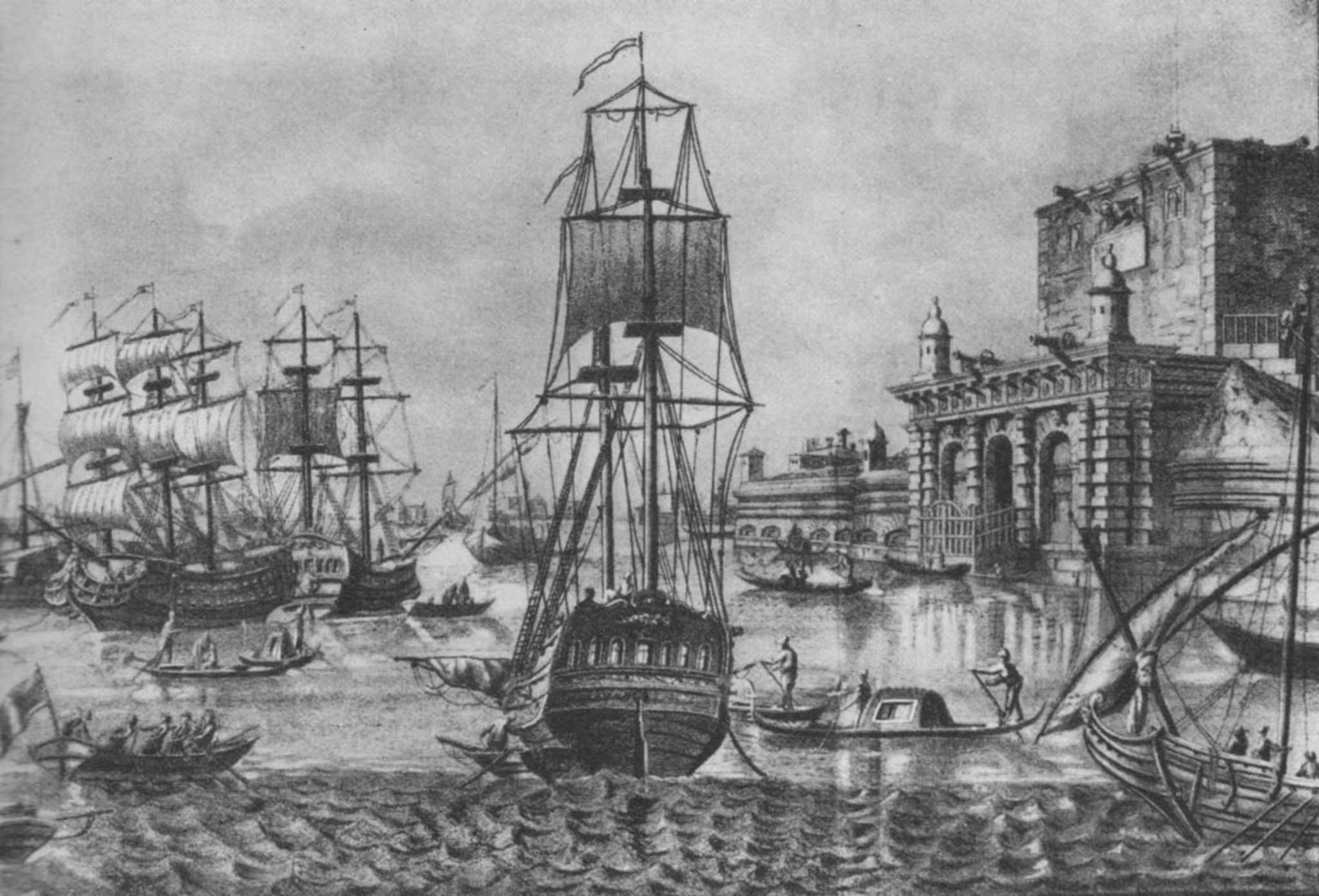
Chronology of the Fortress of Sant’Andrea
The Fortress of Sant’Andrea is a unique example of Renaissance military architecture and engineering. It is also sadly abandoned.
-
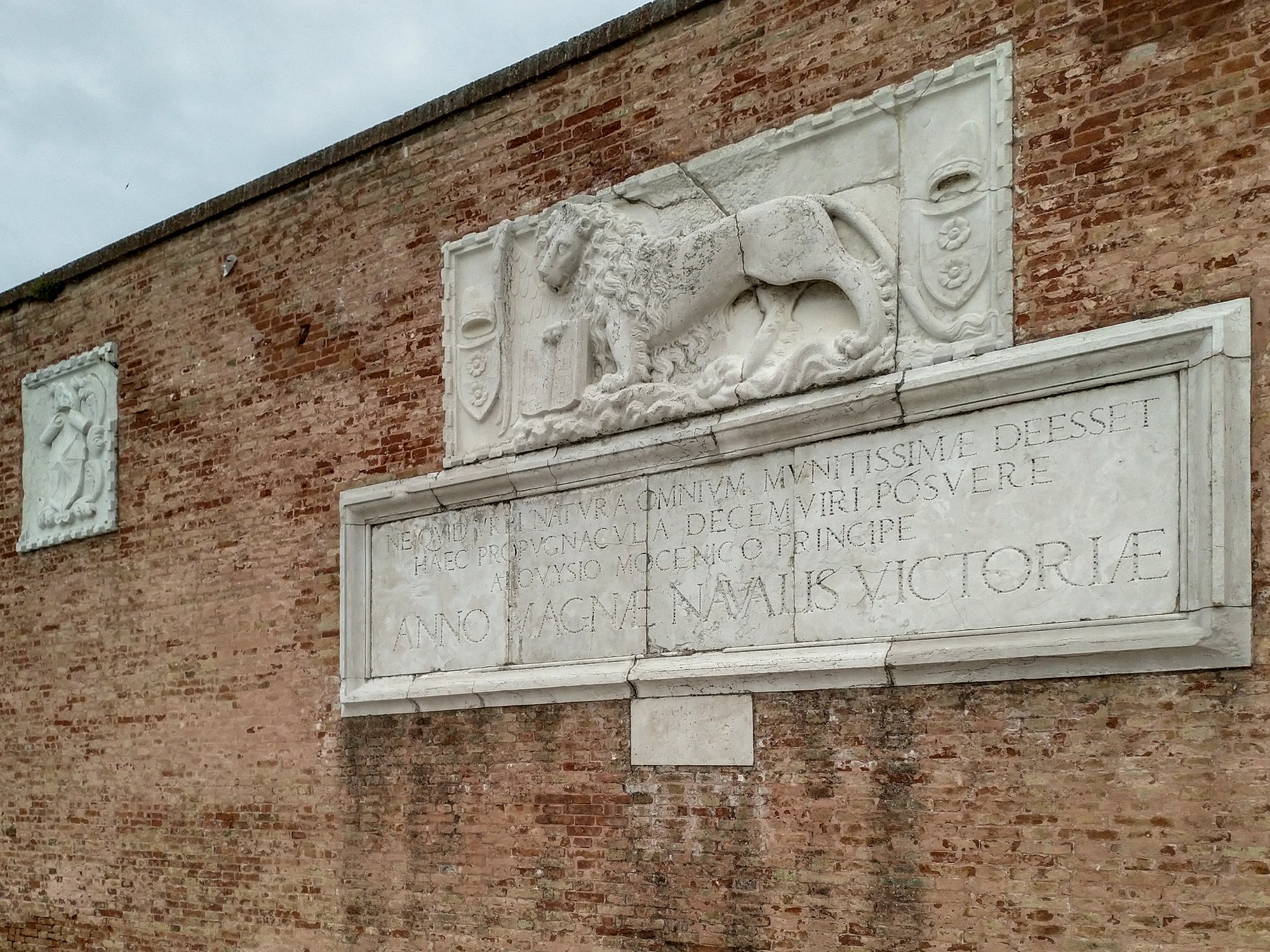
The fortress of Sant’Andrea
The Fortress of Sant’Andrea, in the Venetian lagoon, is a unique example of Renaissance military architecture and engineering. It played an important part in the fall of Venice in 1797.
-
Citizen of the Republic of Venice
Being a citizen of the Republic of Venice could mean different things, mostly depending on the conditions of your birth
-
The Republic of Venice
The Republic of Venice never had an actual formal constitution, much less a written constitution. Neither did it have any kind of foundational event.
-
Chronology of major Venetian state institutions
The Venetian state was always an ad hoc construct, and institutions came and went at the convenience of the ruling elite.