Giovanni Grevembroch aka Jan Van Grevenbroeck (artist; 1731-1807)
Giovanni Grevembroch (1731-1807) was a Venetian artist, probably of Dutch descent, who worked for many years for the Venetian nobleman Pietro Gradenigo. His best known work is the Gli Abiti de Veneziani.
-
Ink and Rat Poison
Is there a connection between writing ink and rat poison, as some images from the 1700s seem to indicate?
-
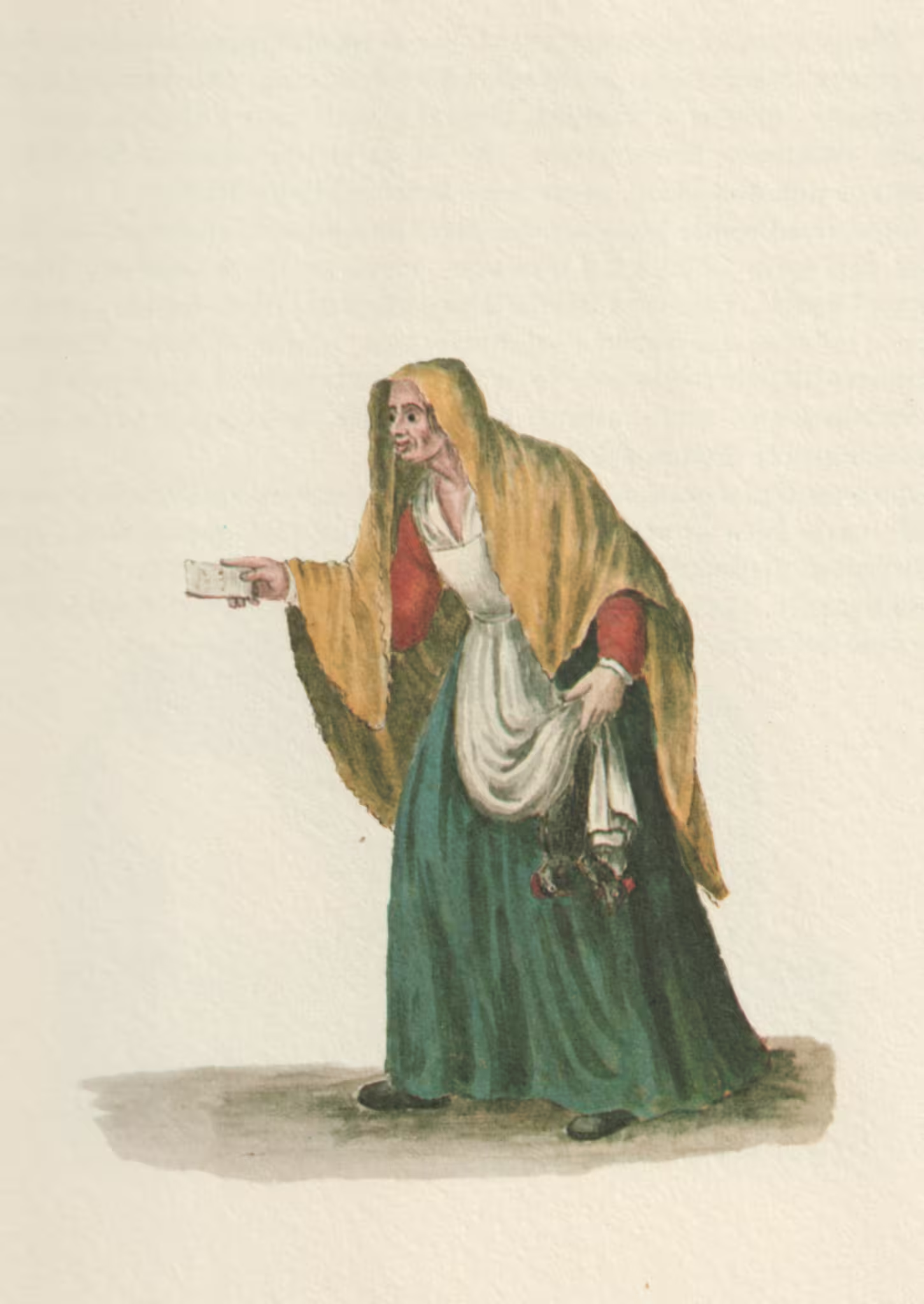
Ruffiana — Madam — Grevembroch 3–162
“Ruffiana” (Ruffian or Madam) from the Gli abiti de veneziani (1754) by Giovanni Grevembroch, translated by René Seindal.
-
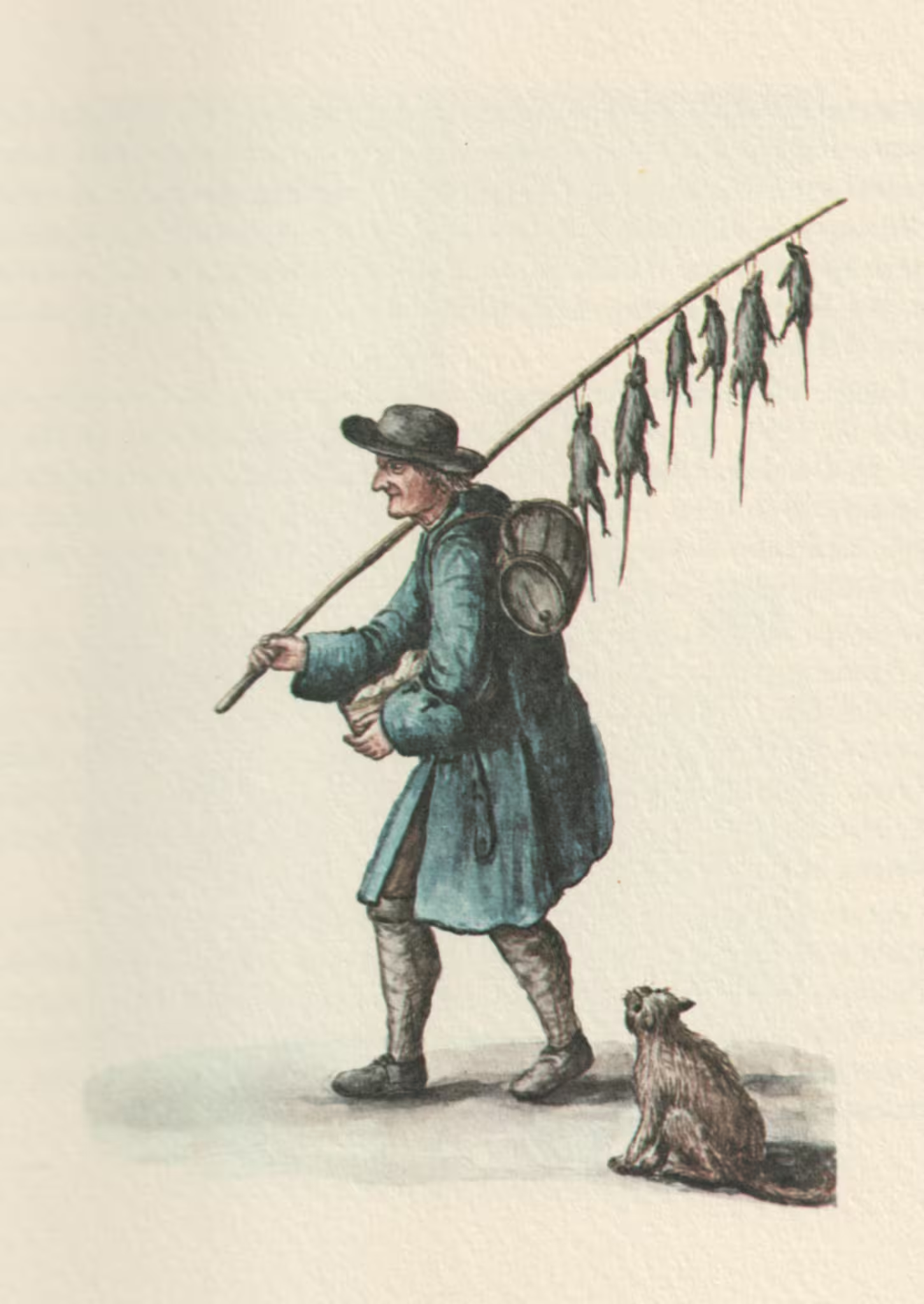
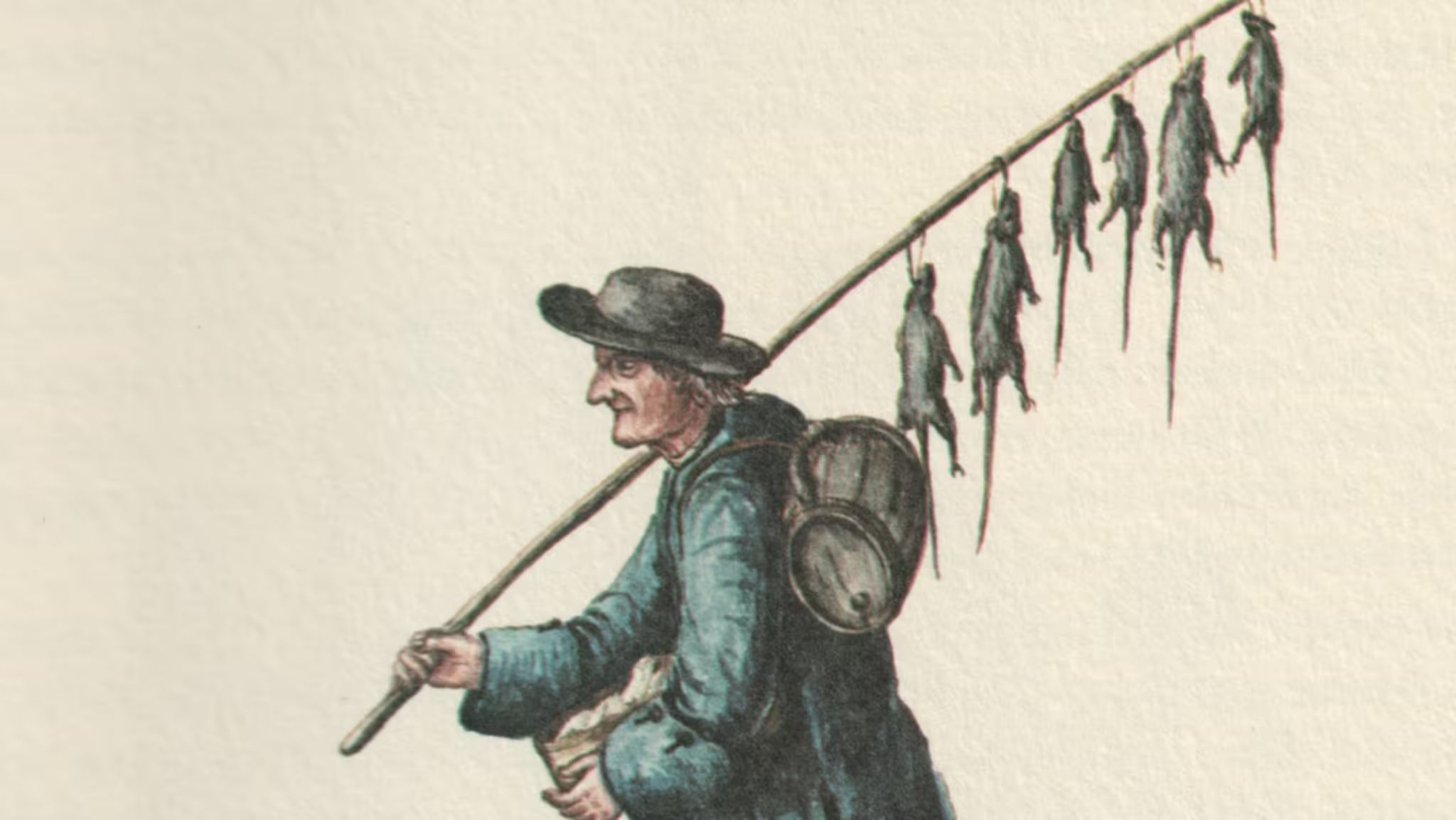
Predatori Predati — Prayed upon Predators — Grevembroch 4–86
“Predatori Predati” (Prayed Predators) from the Gli abiti de veneziani (1754) by Giovanni Grevembroch, translated by René Seindal.
-
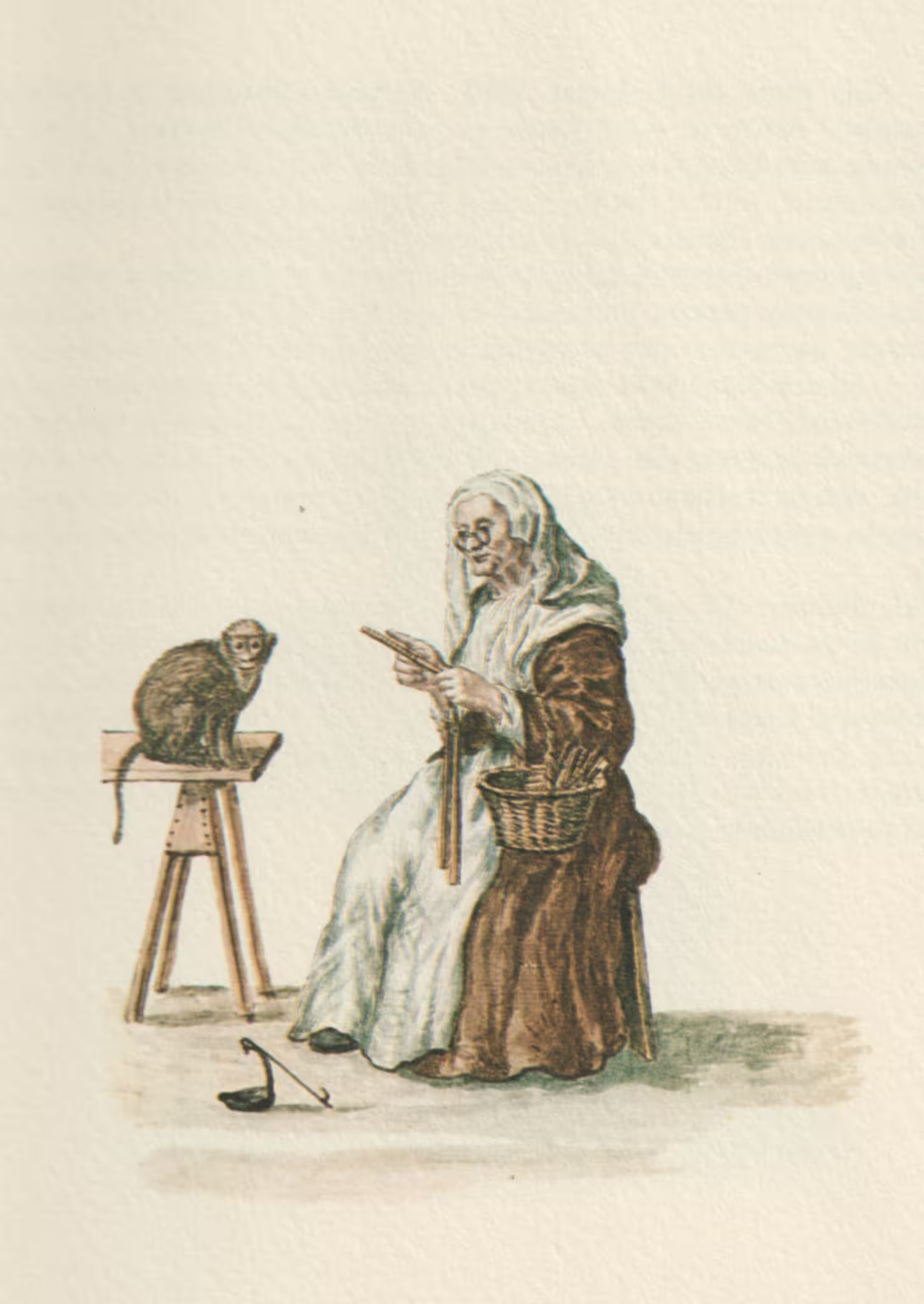
Ruffiana — Ruffian — Grevembroch 3–161
“Ruffiana” (Ruffian) from the Gli abiti de veneziani (1754) by Giovanni Grevembroch, translated by René Seindal.
-
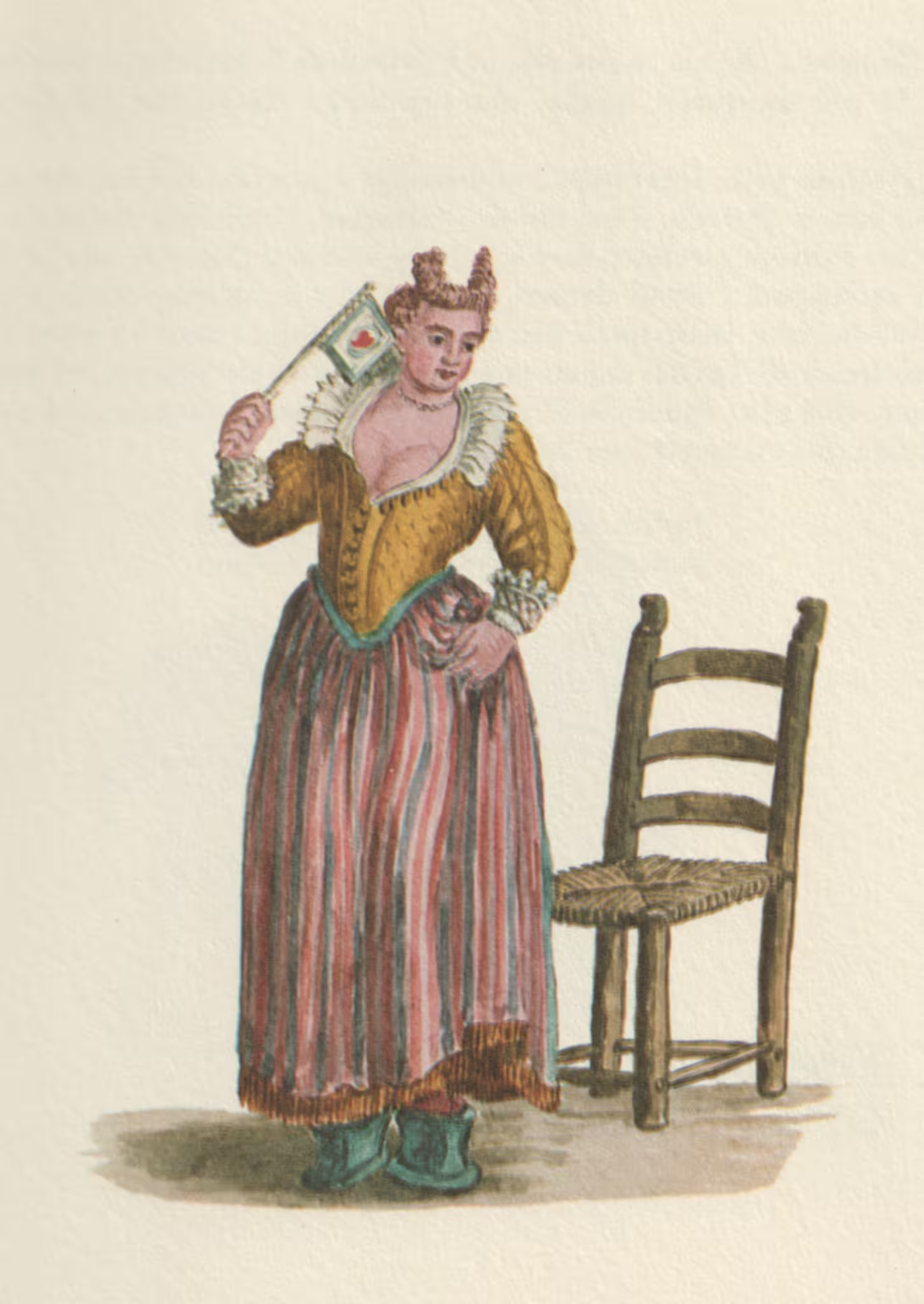
Prostitute al Bordello — Prostitutes in the Brothel — Grevembroch 3–160
“Prostitute al Bordello” (Prostitutes in the Brothel) from the Gli abiti de veneziani (1754) by Giovanni Grevembroch, translated by René Seindal.
-
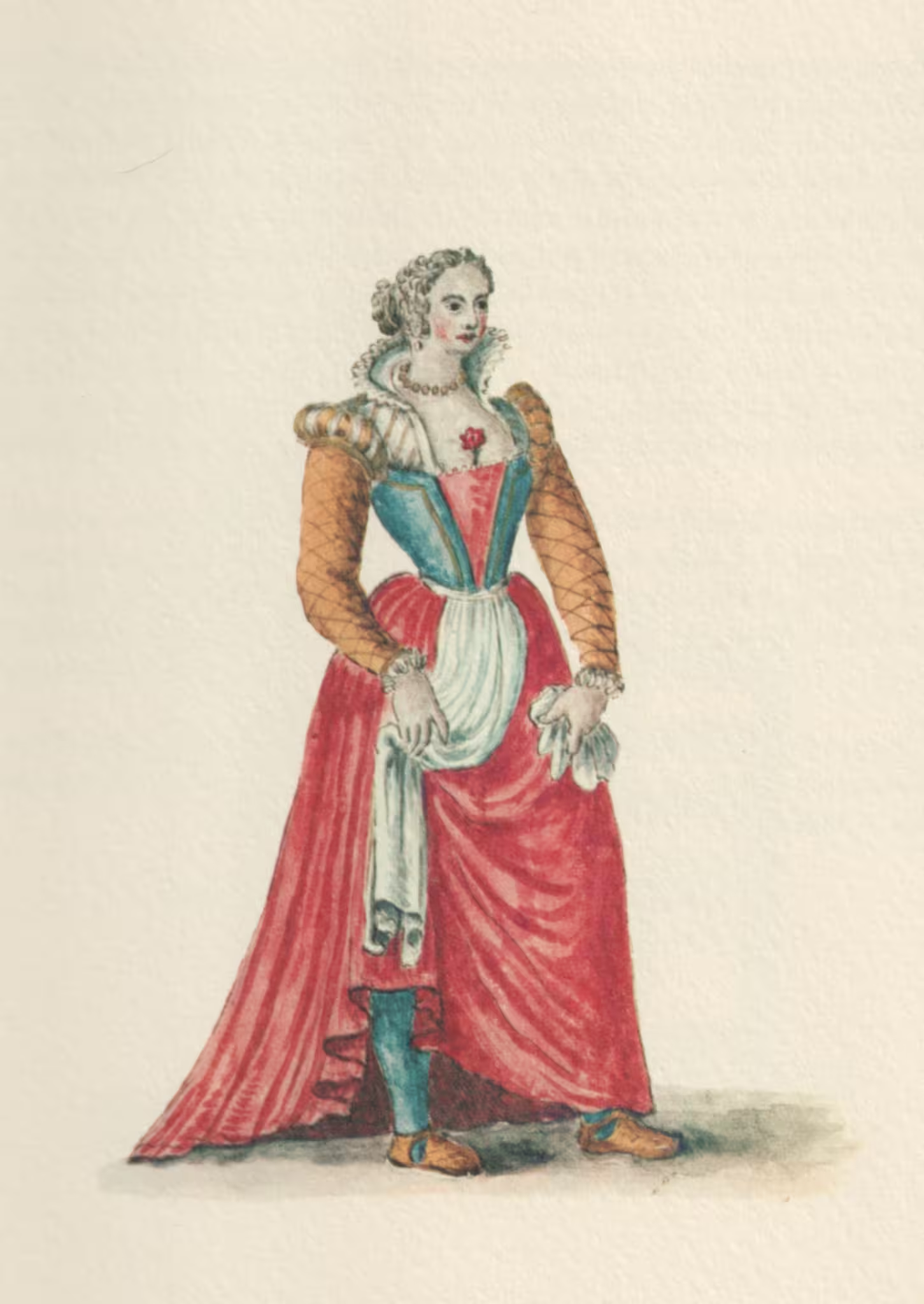
Puttana — Whore — Grevembroch 3–159
“Puttana” (Whore) from the Gli abiti de veneziani (1754) by Giovanni Grevembroch, translated by René Seindal.
-
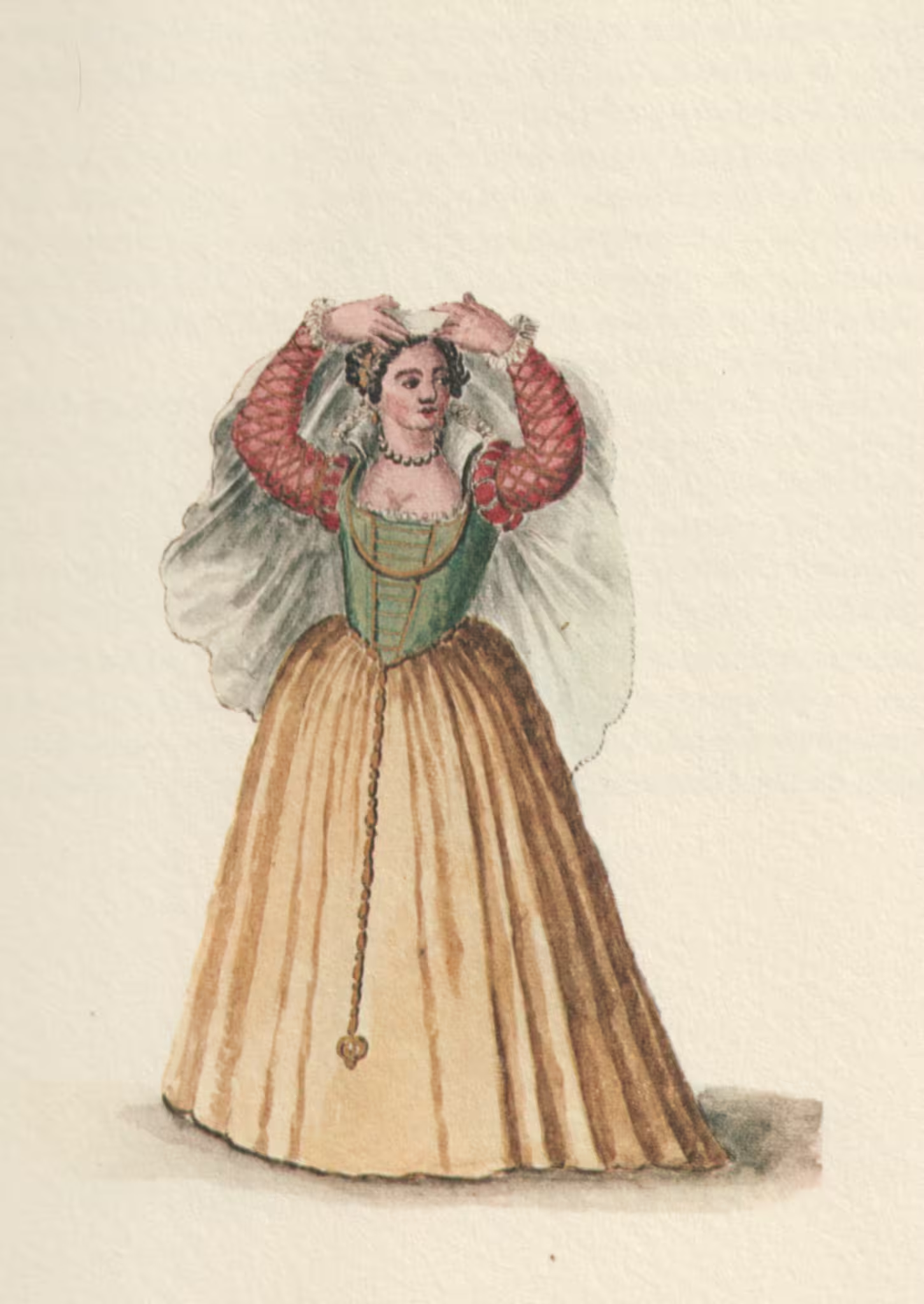
Meretrice — Prostitute — Grevembroch 3–158
“Meretrice” (Prostitute) from the Gli abiti de veneziani (1754) by Giovanni Grevembroch, translated by René Seindal.
-
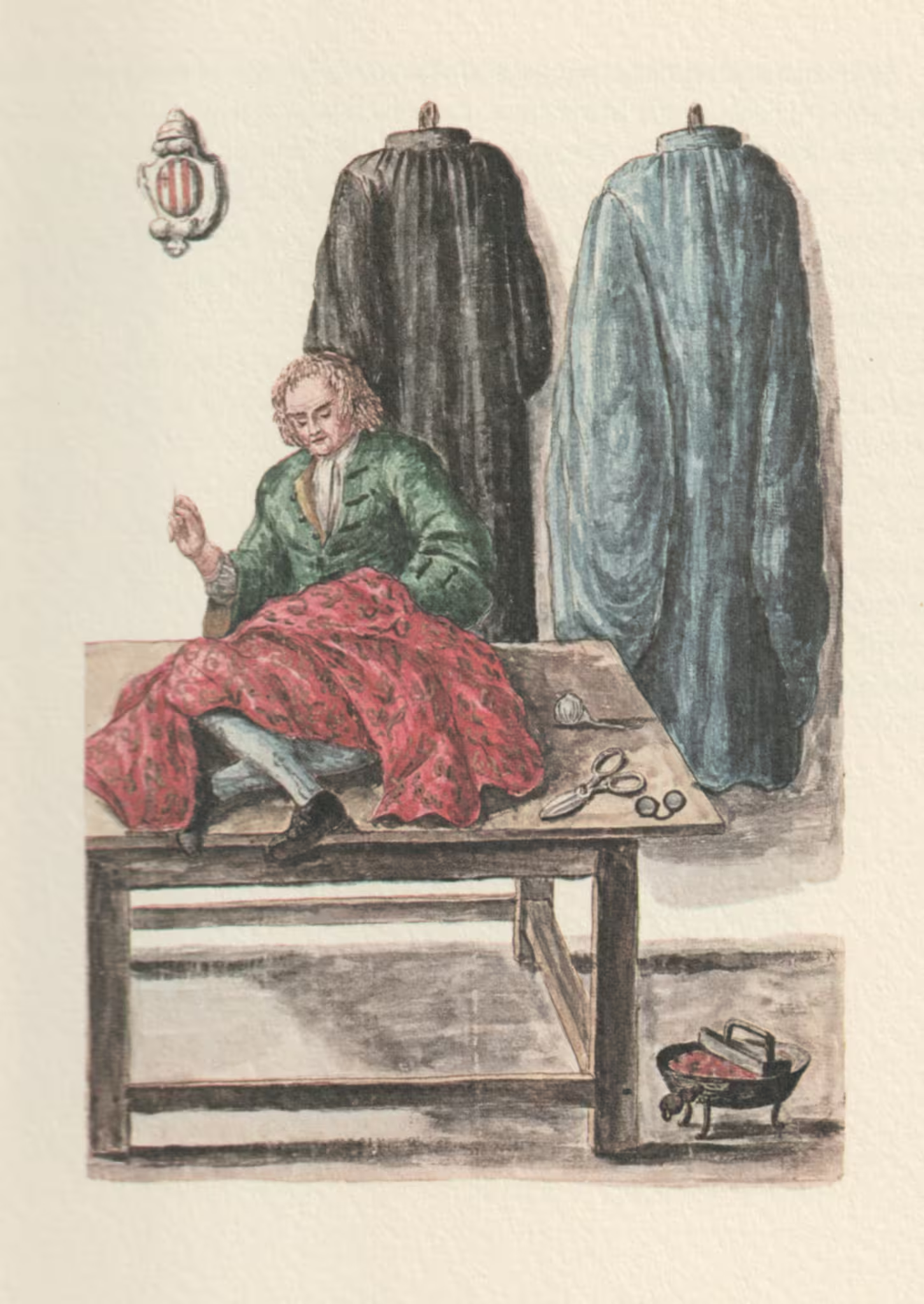
Sartore Ducale — Tailor of the Doge — Grevembroch 4–102
“Sartore Ducale” (Tailor of the Doge) from the Gli abiti de veneziani (1754) by Giovanni Grevembroch, translated by René Seindal.
-
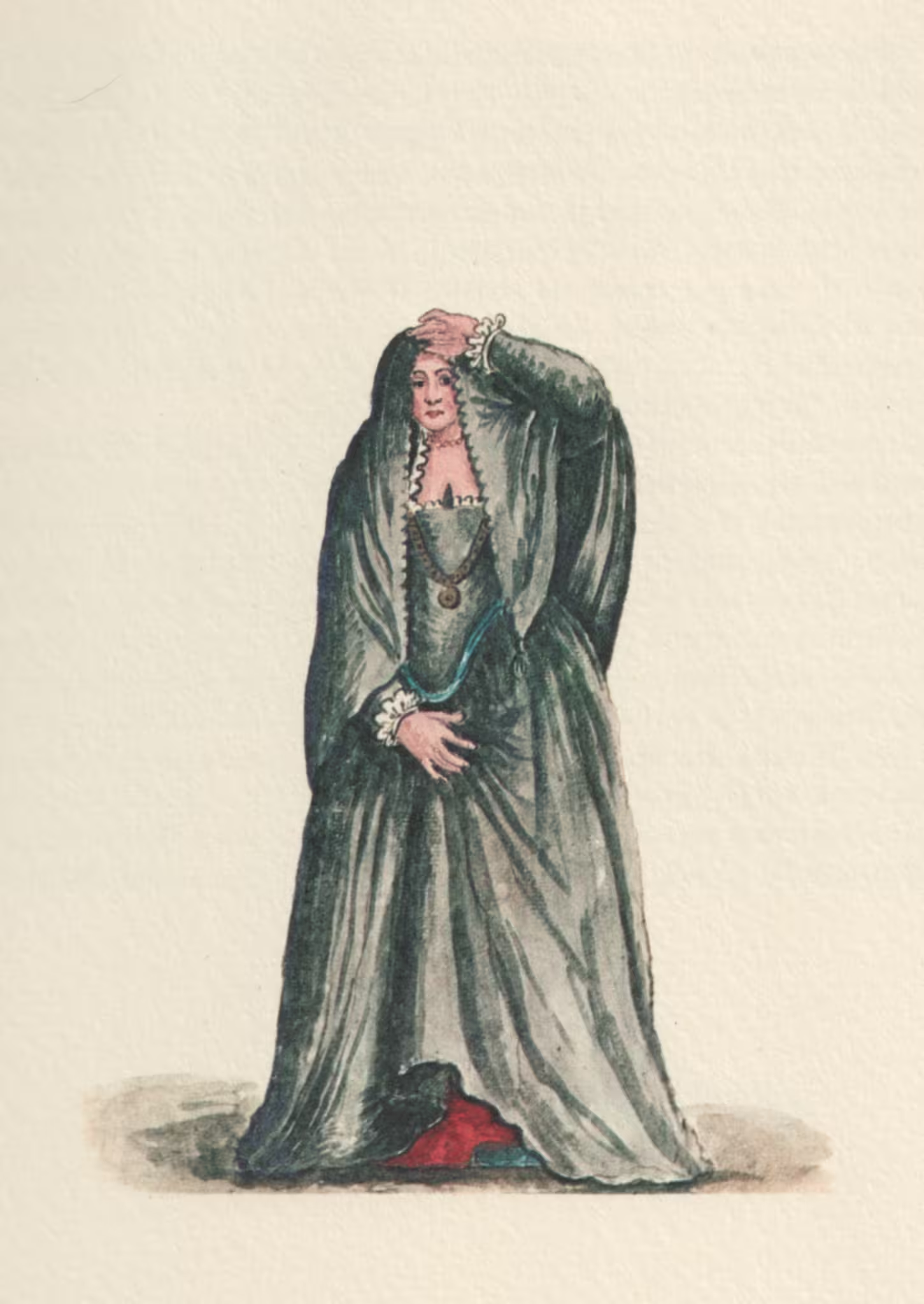
Cortigiane — Courtesans — Grevembroch 3–157
“Cortigiane” (Courtesans) from the Gli abiti de veneziani (1754) by Giovanni Grevembroch, translated by René Seindal.
-
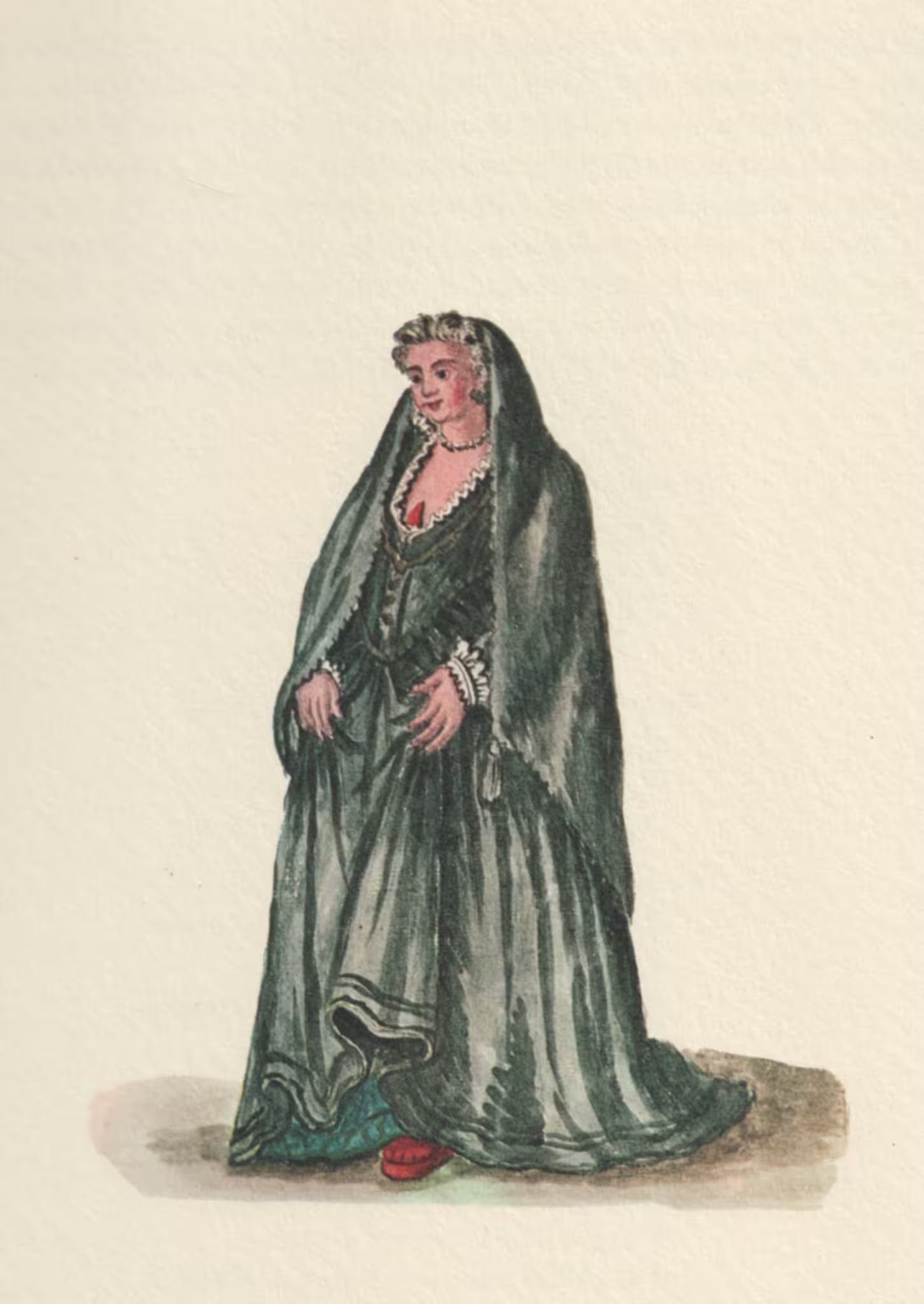
Concubine — Concubines — Grevembroch 3–156
“Concubine” (Concubines) from the Gli abiti de veneziani (1754) by Giovanni Grevembroch, translated by René Seindal.