Paulus Diaconus (2000) Storia dei longobardi
Paulus : Diaconus, Antonio (trad) Zanella and Bruno Luiselli. Storia dei longobardi. Milano BUR, 2000 (6th ed.)
-
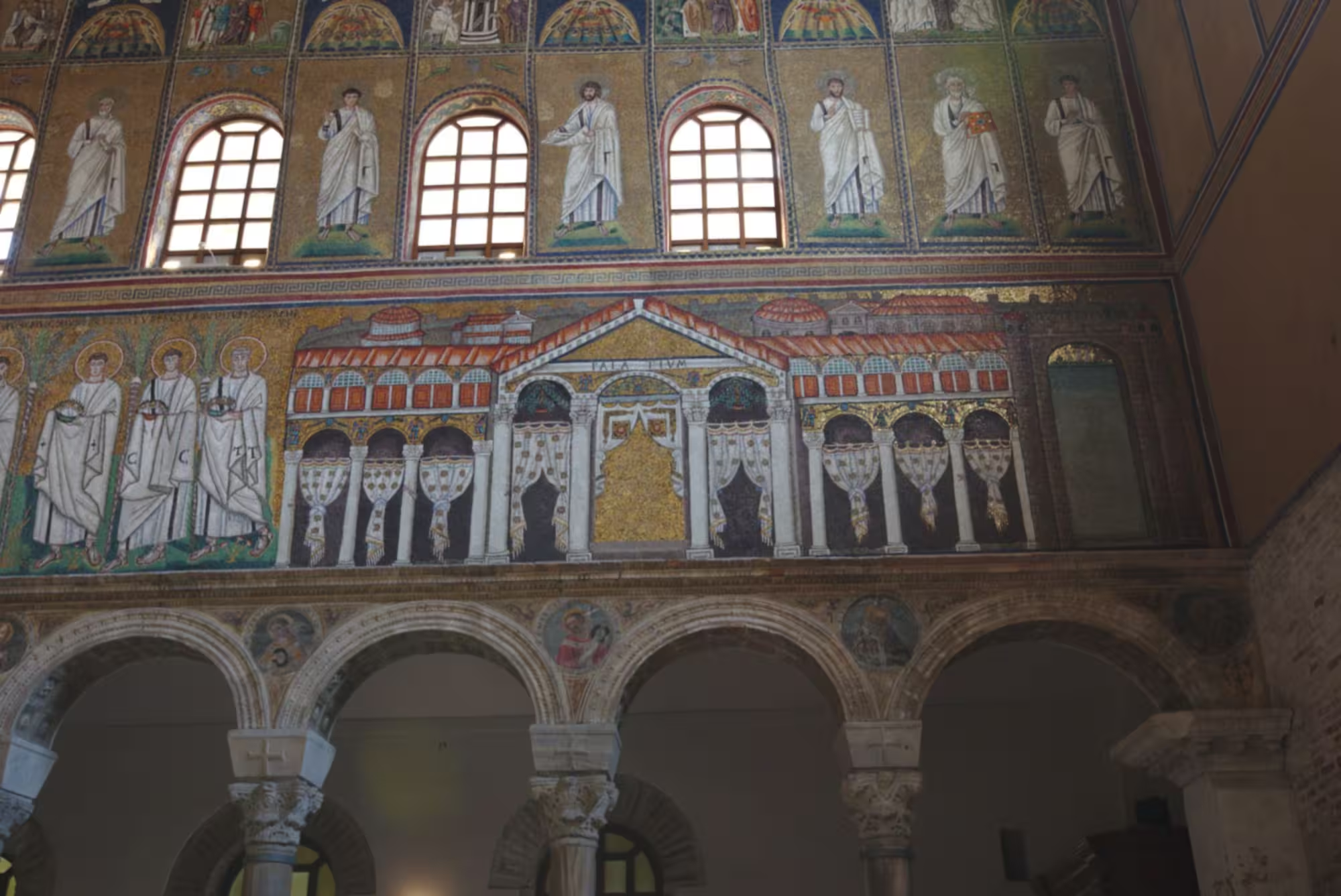
Hildeprand in Ravenna — Paul the Deacon
In the 730s or early 740s, Hildeprand, nephew of king Liutprand, and Peredeo, duke of Vicenza, managed to take Ravenna, the capital of the Exarchate of Ravenna.
-
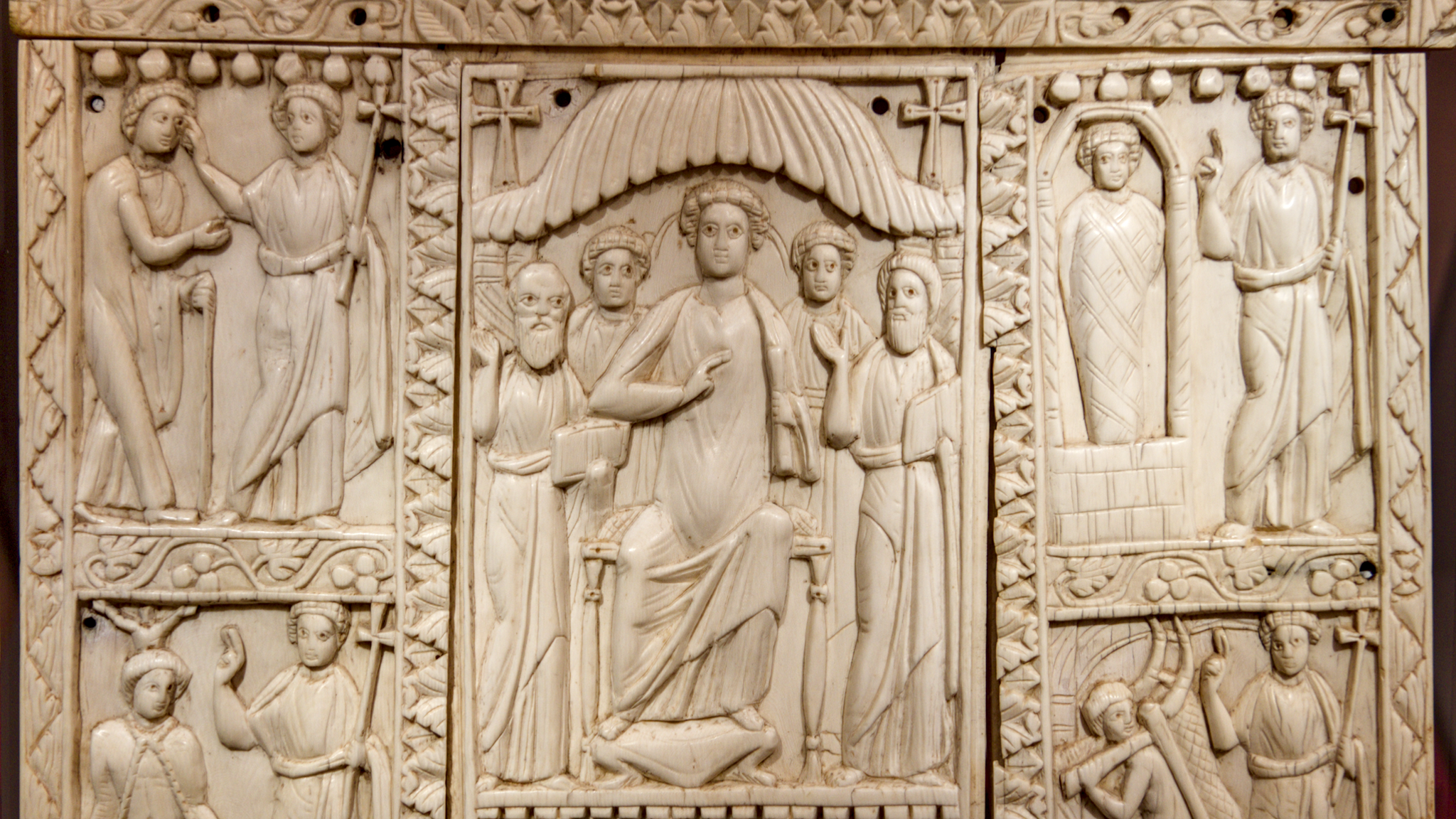
The demise of the Exarchate
The events around the demise of the Exarchate of Ravenna only involved the Venetians marginally. It is nevertheless important to the history of Venice.
-
Iconoclasm — Paul the Deacon
An account of the anti-iconoclast rebellion of 726–727 in Byzantine Italy, from the “Historia Langobardorum” by Paul the Deacon.
-
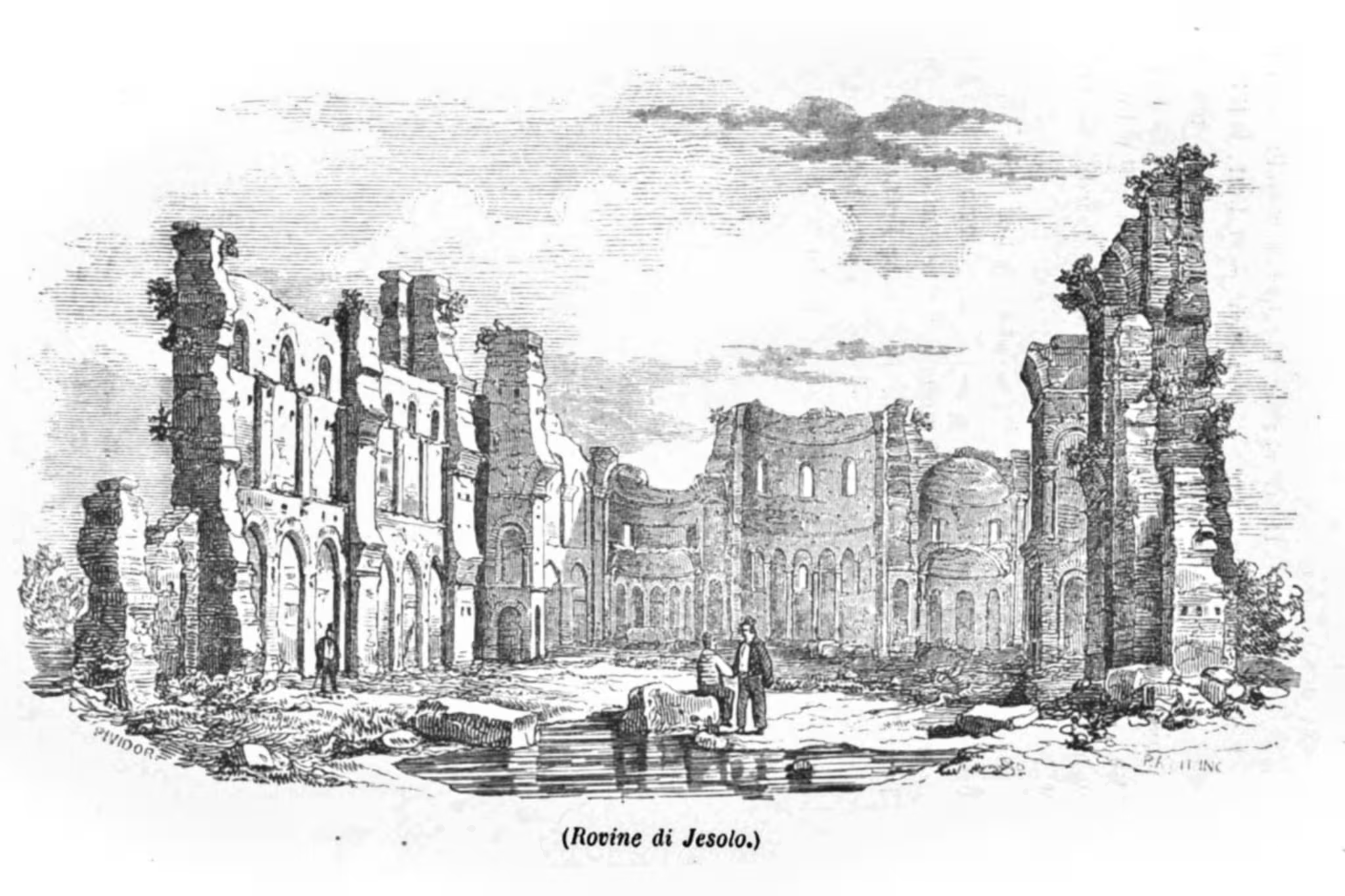
Lagoon settlements in the early Middle Ages
The lagoon was settled in Antiquity, and in the 600s, there were numerous known towns, and several important cities. Venice, however, was not one of them.
-
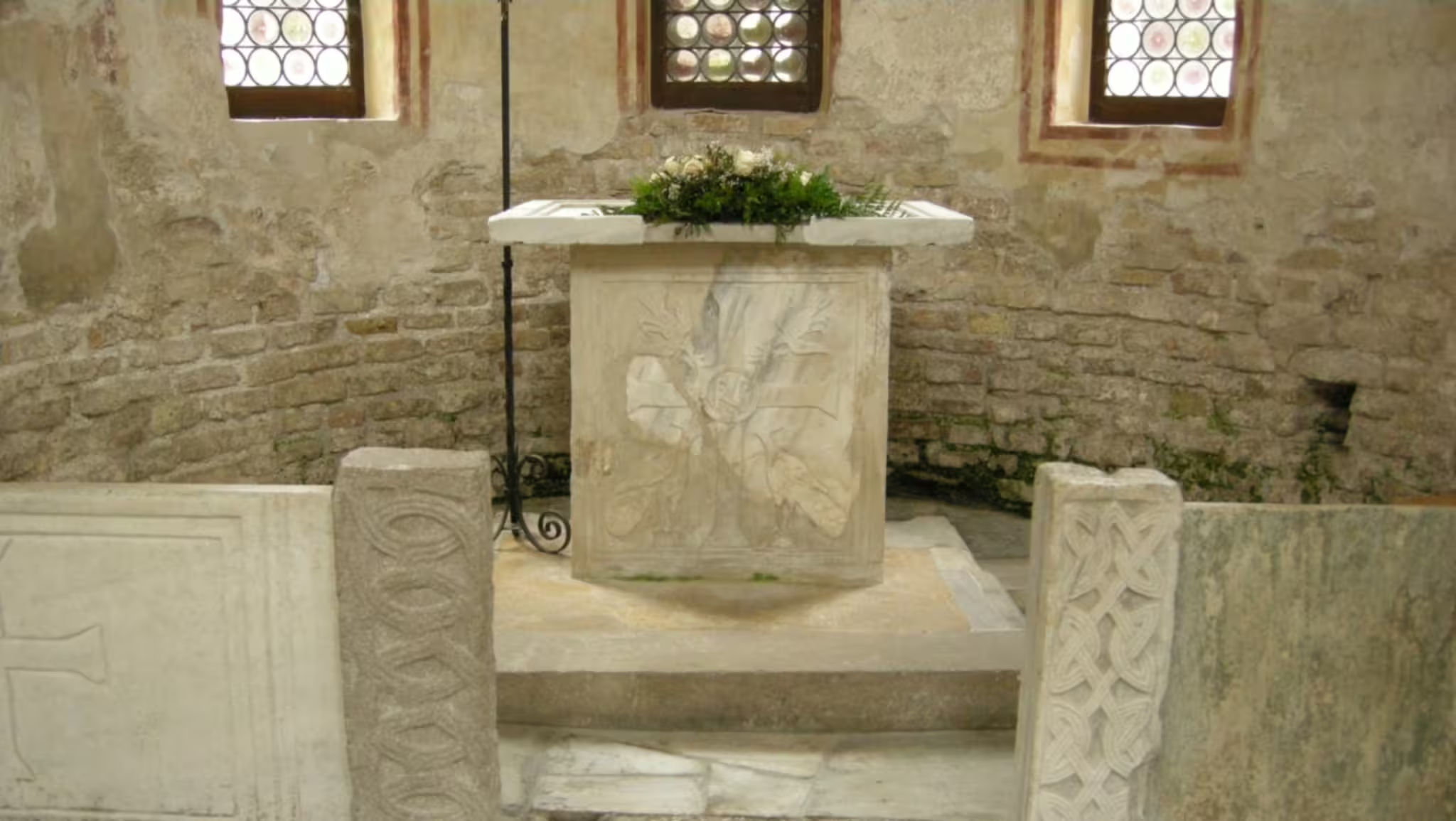
Venetian refugees
Following the Lombard invasion and conquest of Venetia, a part of the Venetian population of the mainland cities fled or left for the settlements in the nearby lagoons.
-
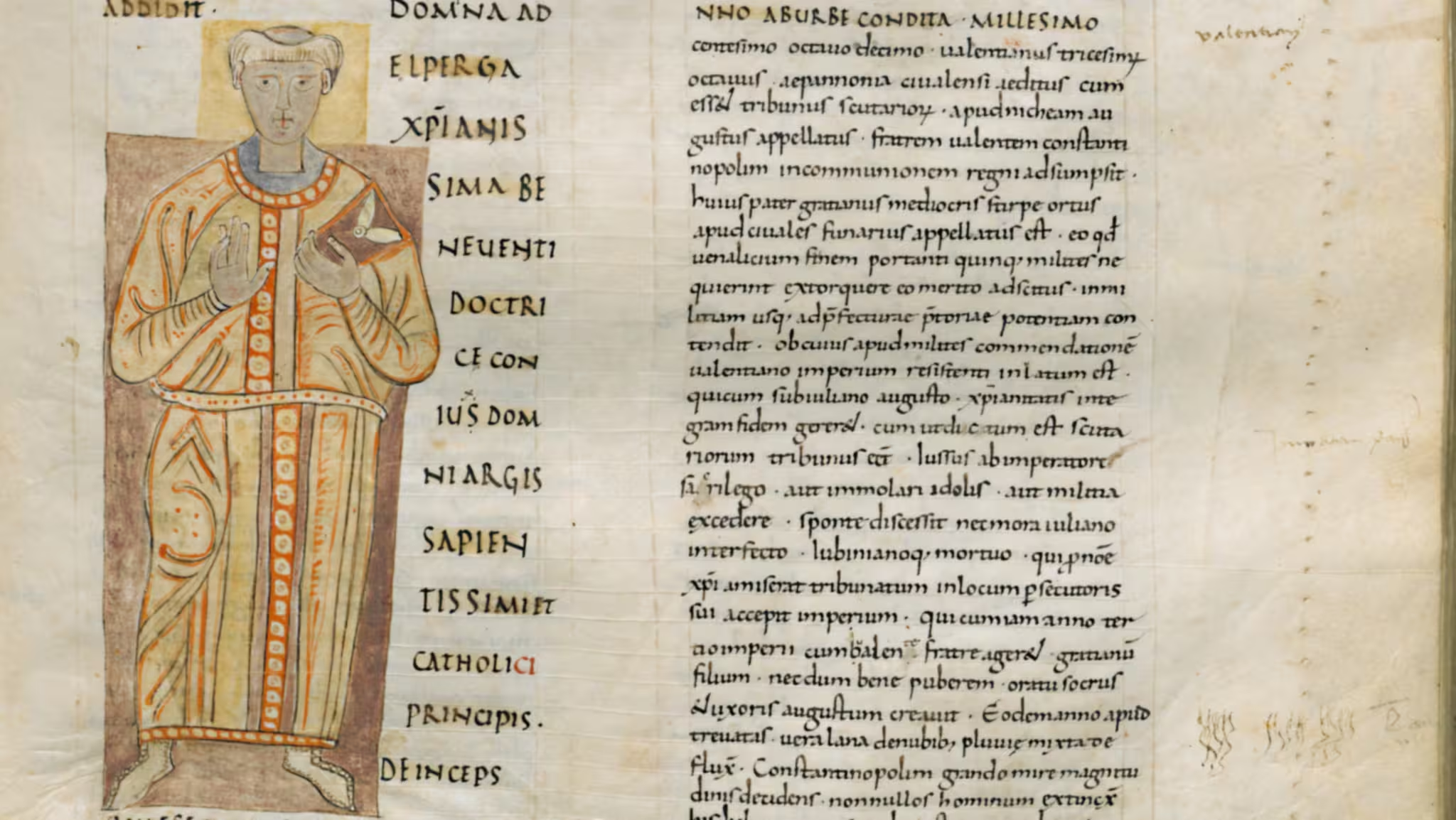
The conquest of Venetia — Paul the Deacon
The account of the Lombard conquest of the remaining parts of Byzantine Venetia in the 600s — from “Historia Langobardorum” by Paul the Deacon.
-
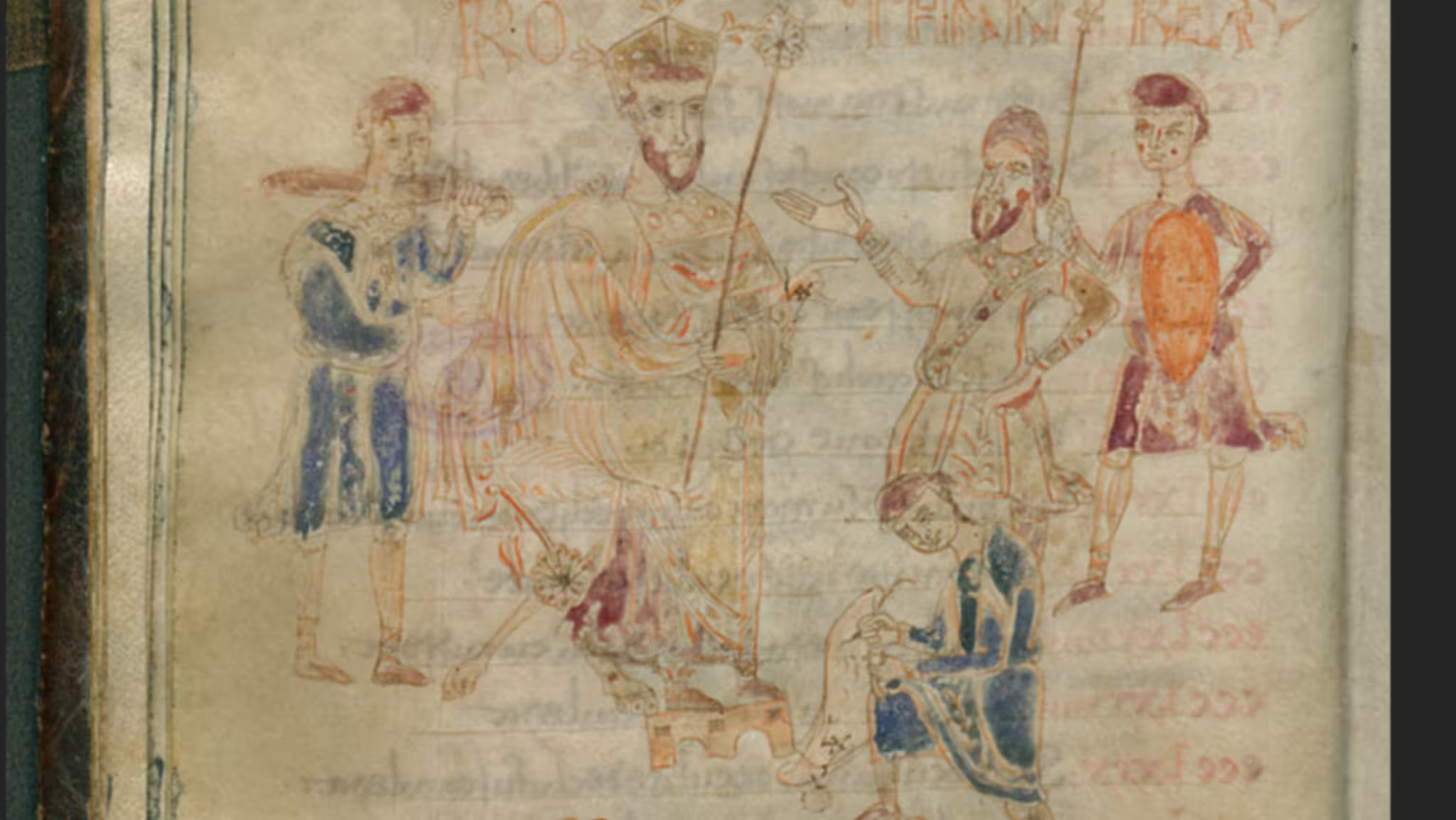
The conquest of Venetia
The invasion of the Lombards in 568 was only the first part of the Lombard conquest of the Byzantine province of Venetia.
-
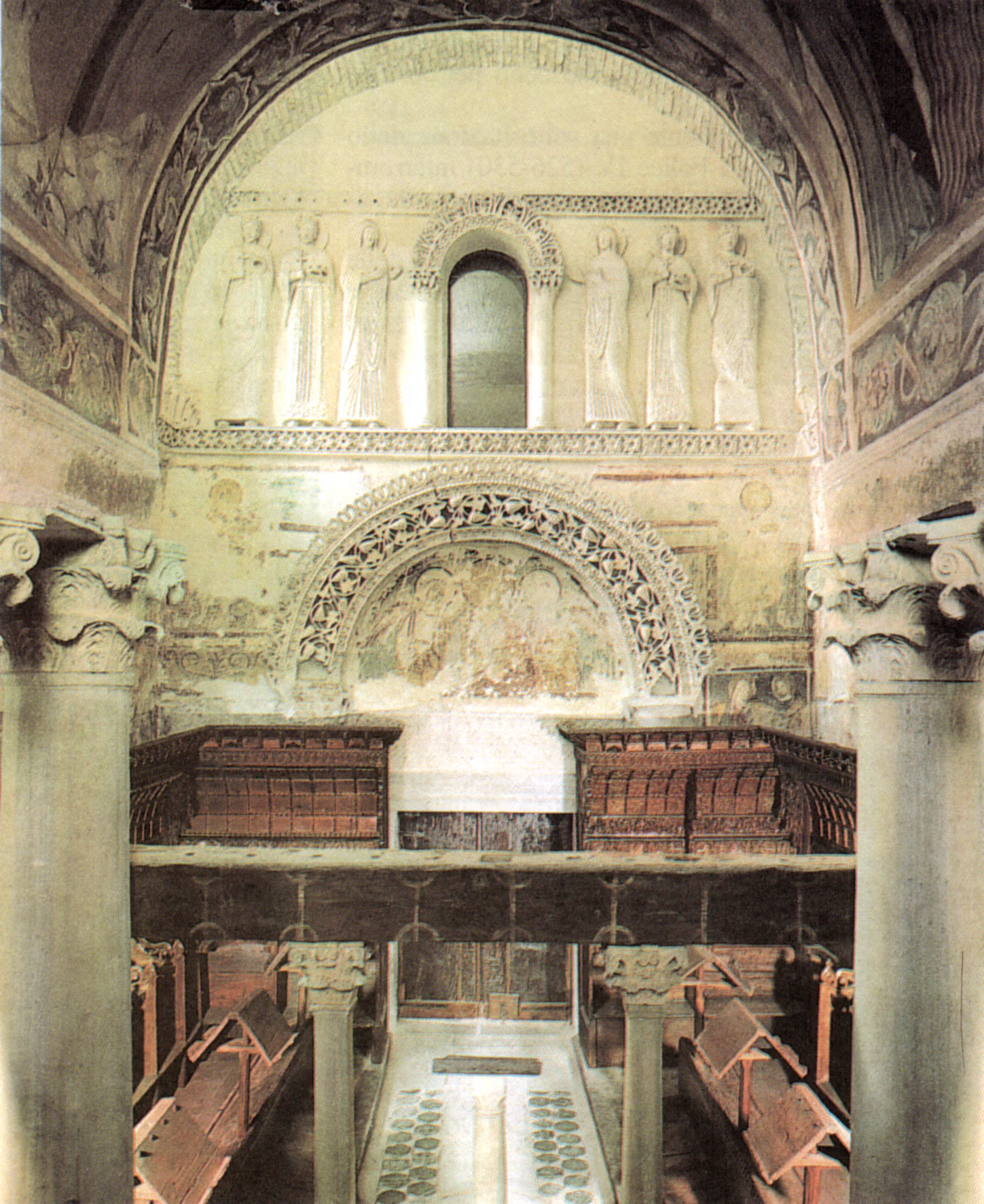
Chronology of the Lombard invasion
A list of some of the main events of the Lombard conquest of Byzantine Venetia and other parts of Italy.
-
Main sources for early Venice
A summary of the main primary sources for the early history of Venice, and where to find them.
-
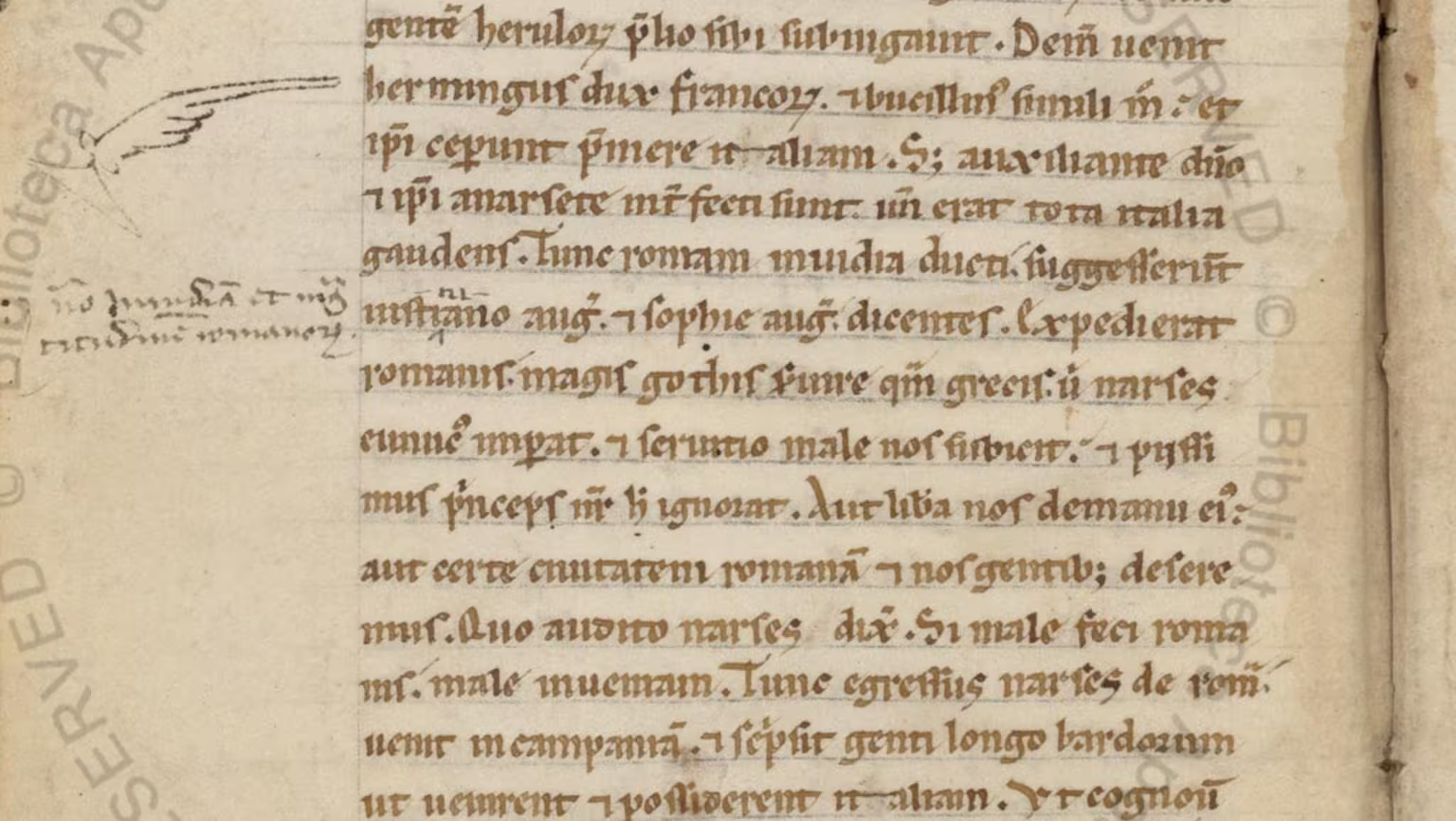
Did Narses invite the Lombards?
Why did the Lombards decide to invade Byzantine Italy in 568? A popular story was the Byzantine general Narses, who had just retaken Italy for the empire, invited them. Was Narses a traitor to the empire?