
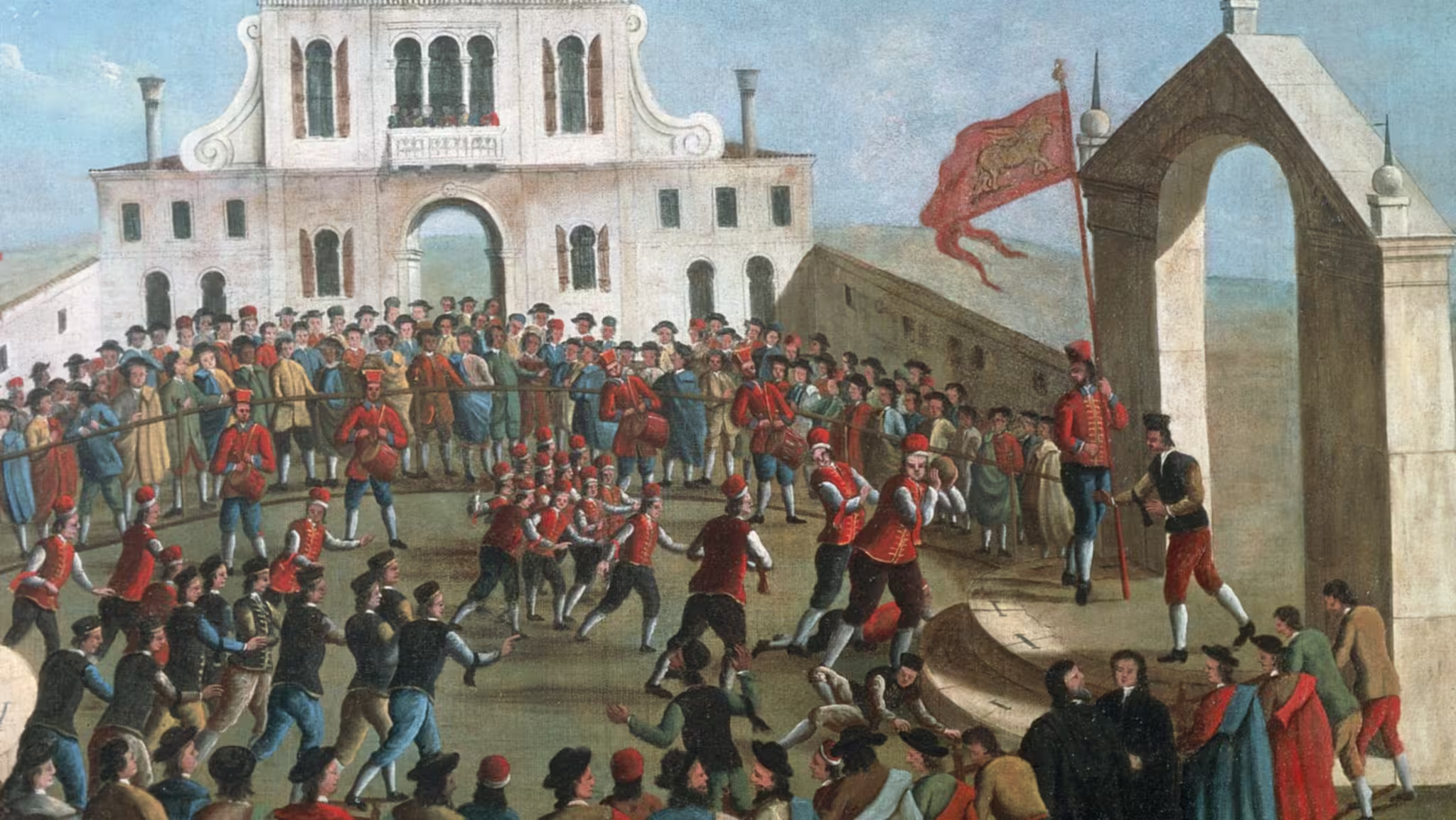
In its art collection, the Fondazione Querini-Stampalia in Venice has more than sixty paintings by the Venetian painter Gabriel Bella.
Those paintings are almost all we know about Gabriel Bella.
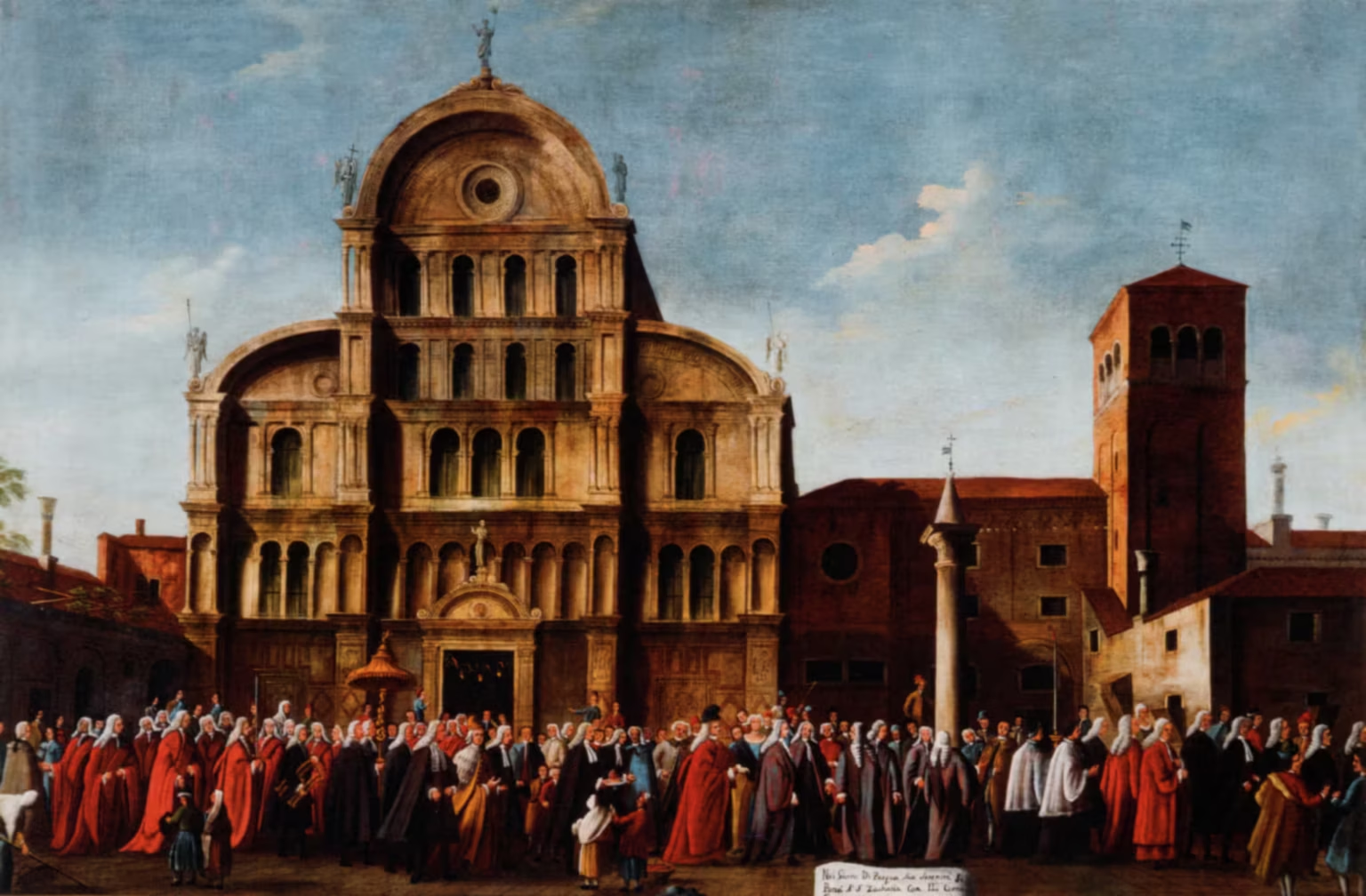
He lived in the 1700s. His style was a bit naif, somewhat inspired by the great vedutisti of his time, but where it is possible to point at a direct, tangible inspiration, it is usually from popular prints from the 1600s.
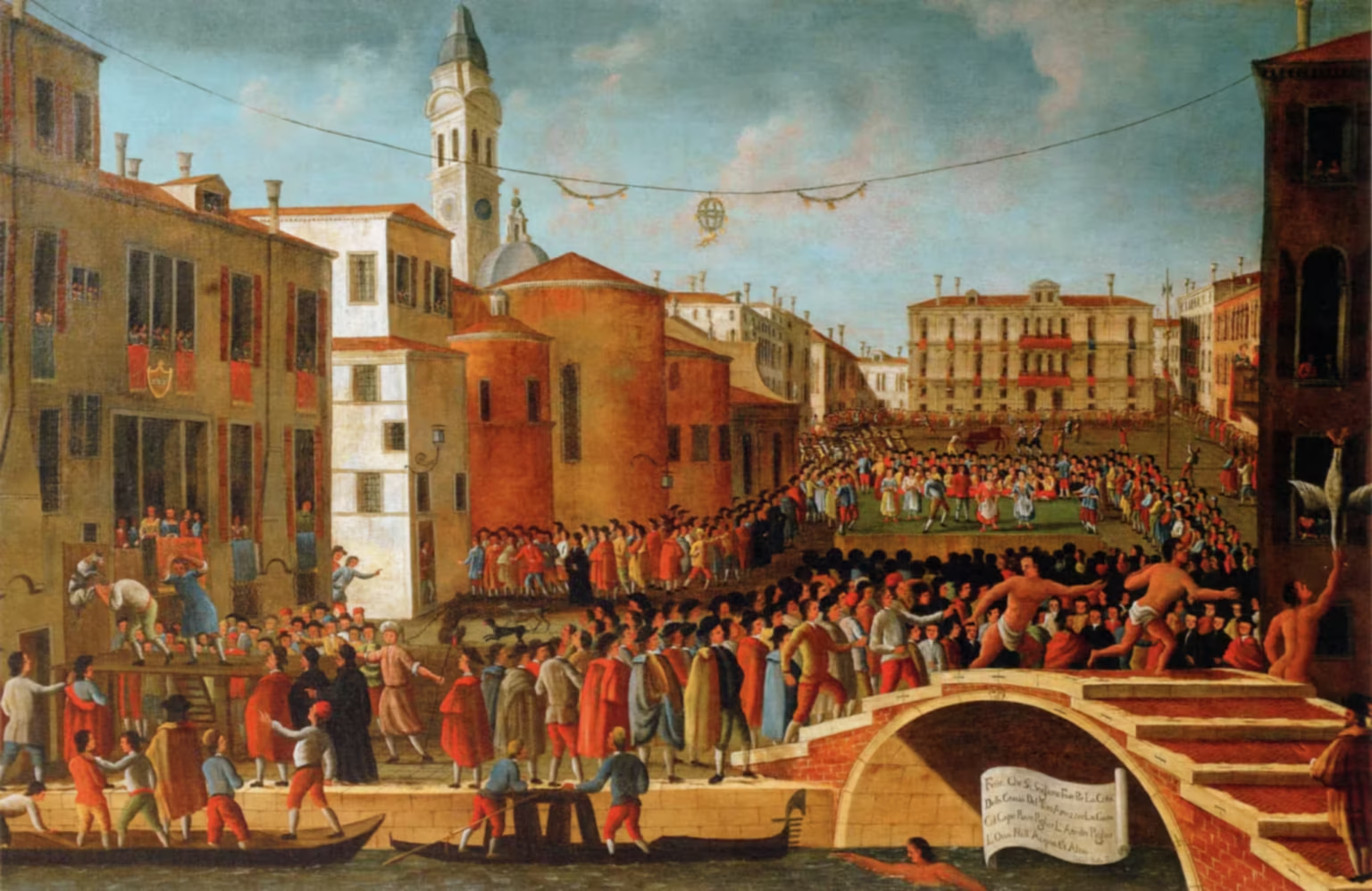
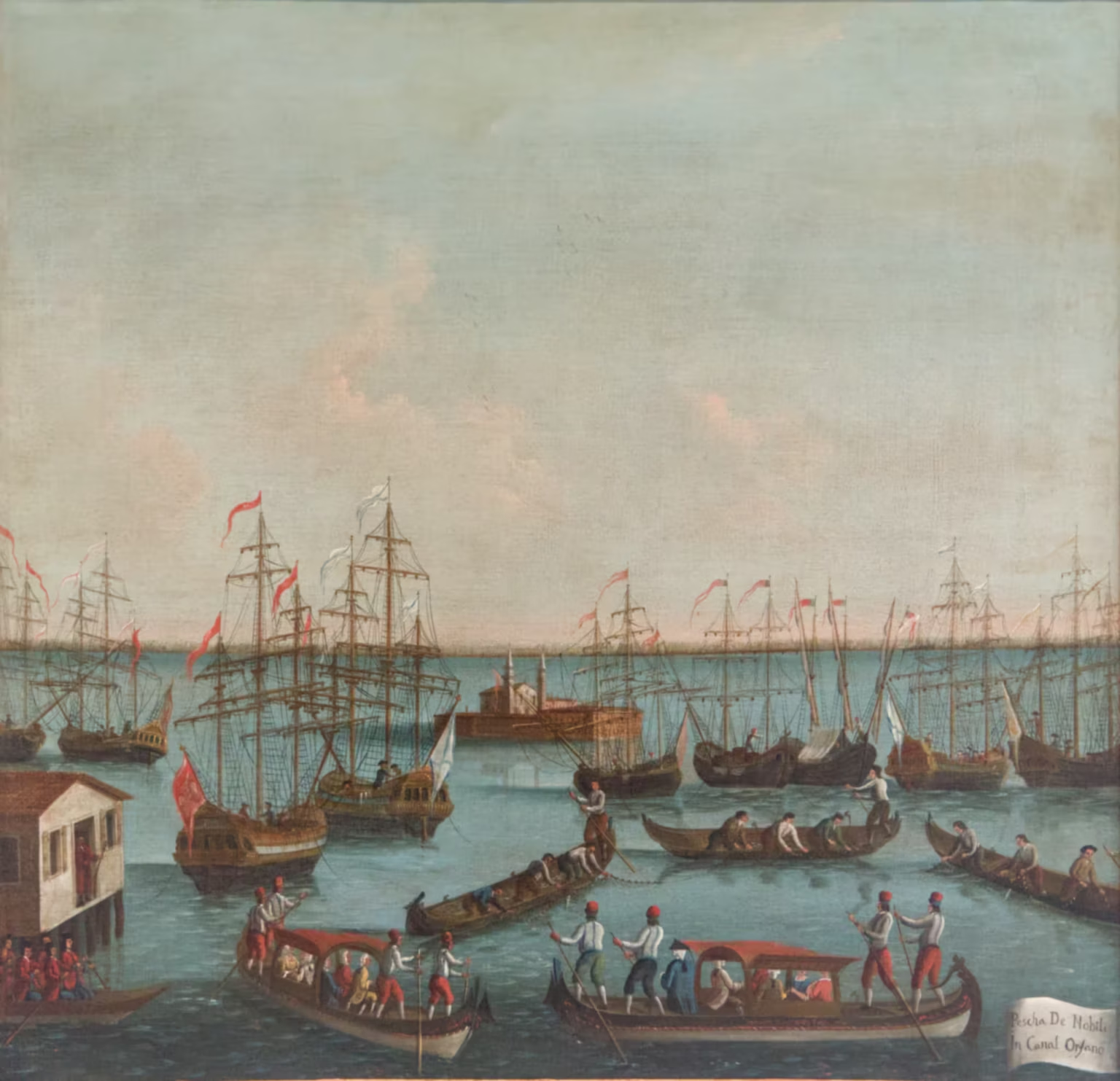
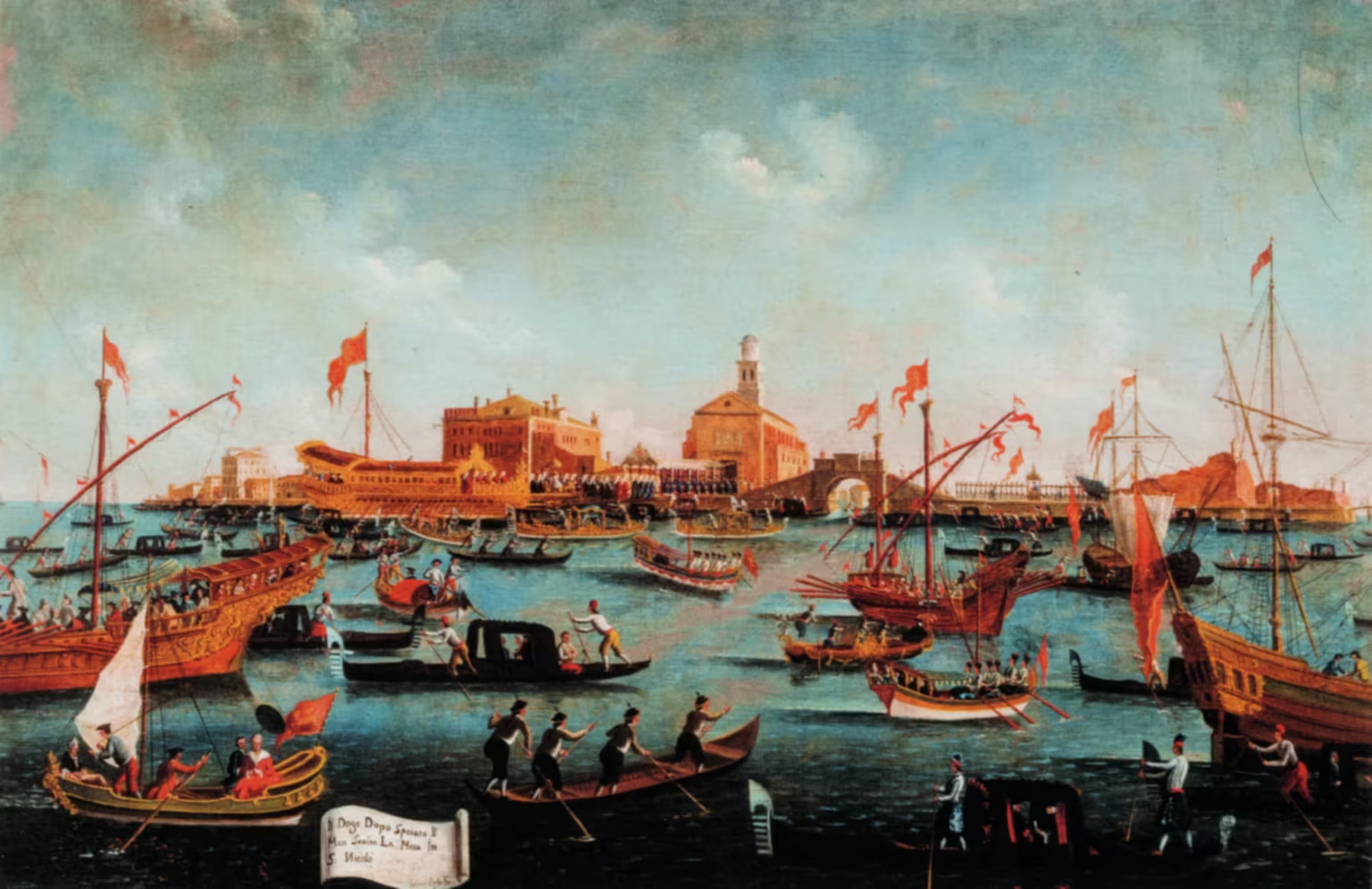
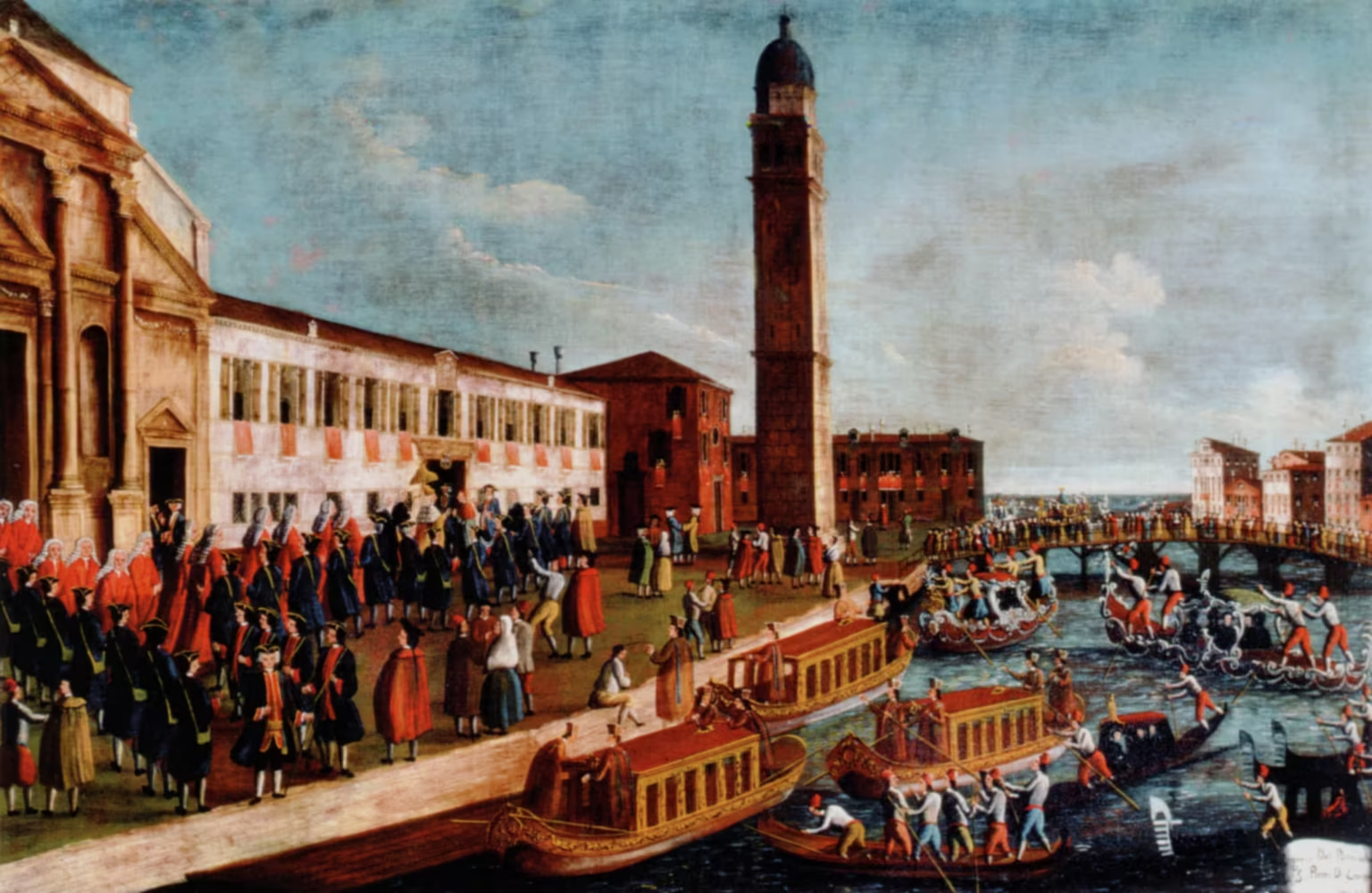
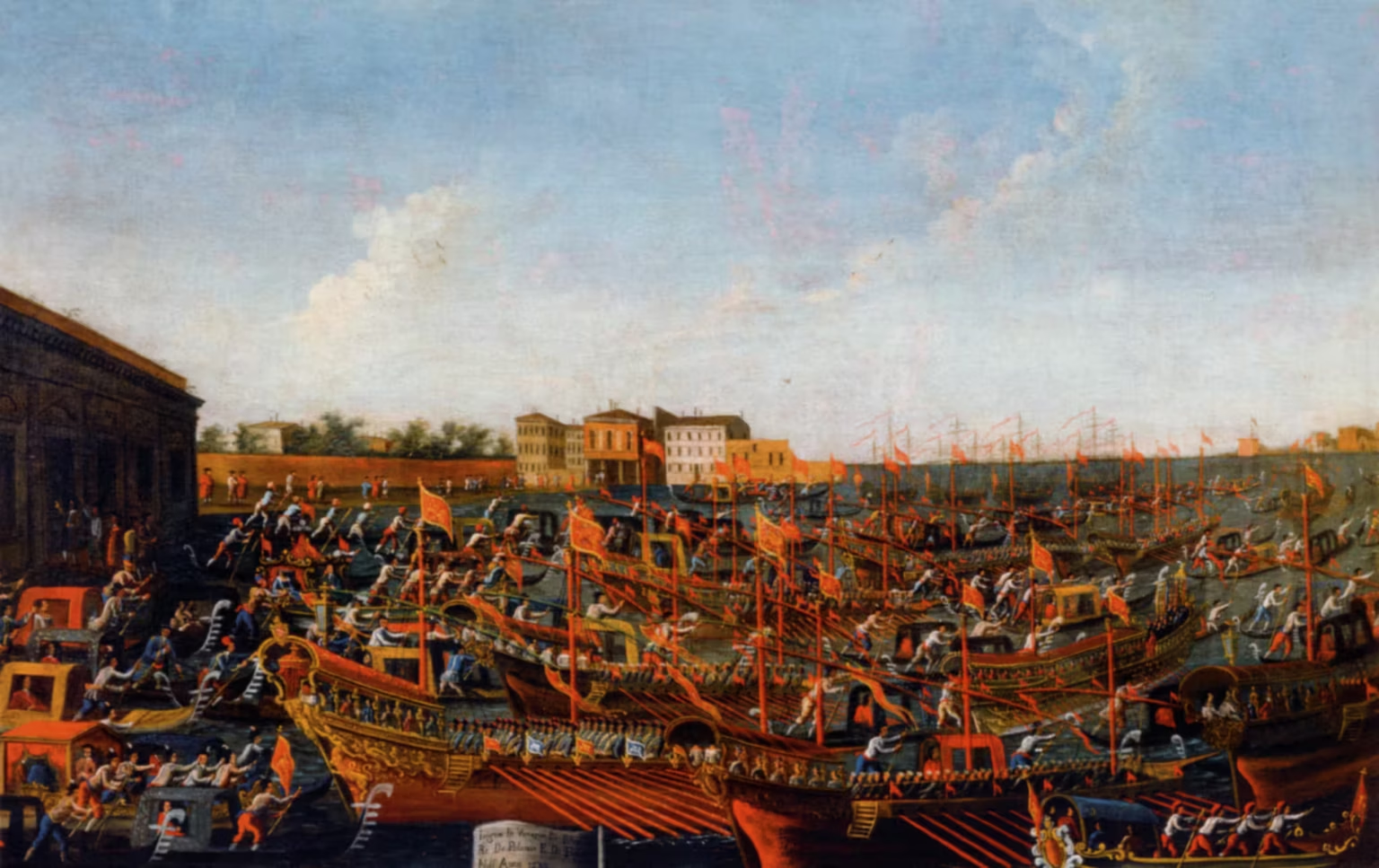
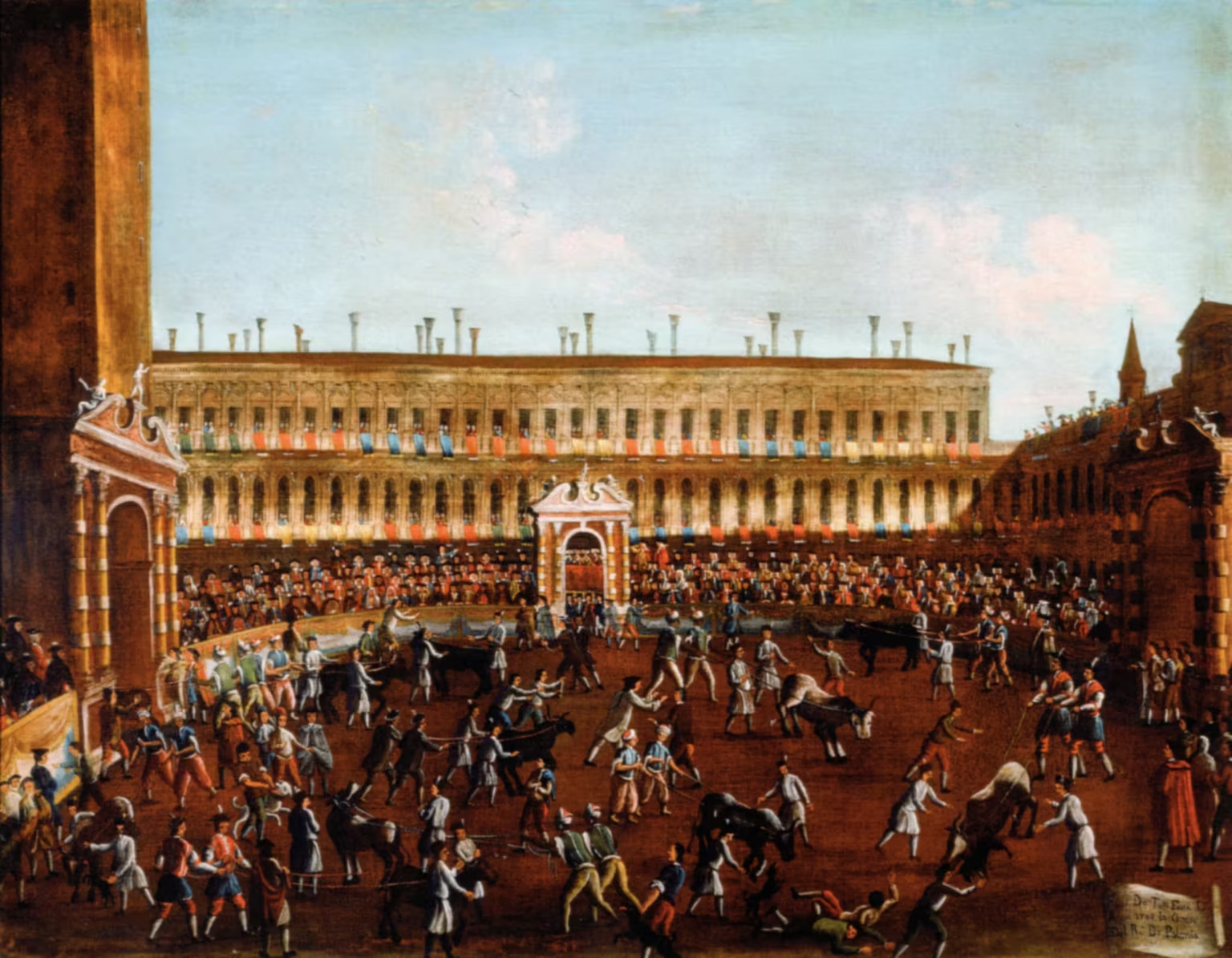
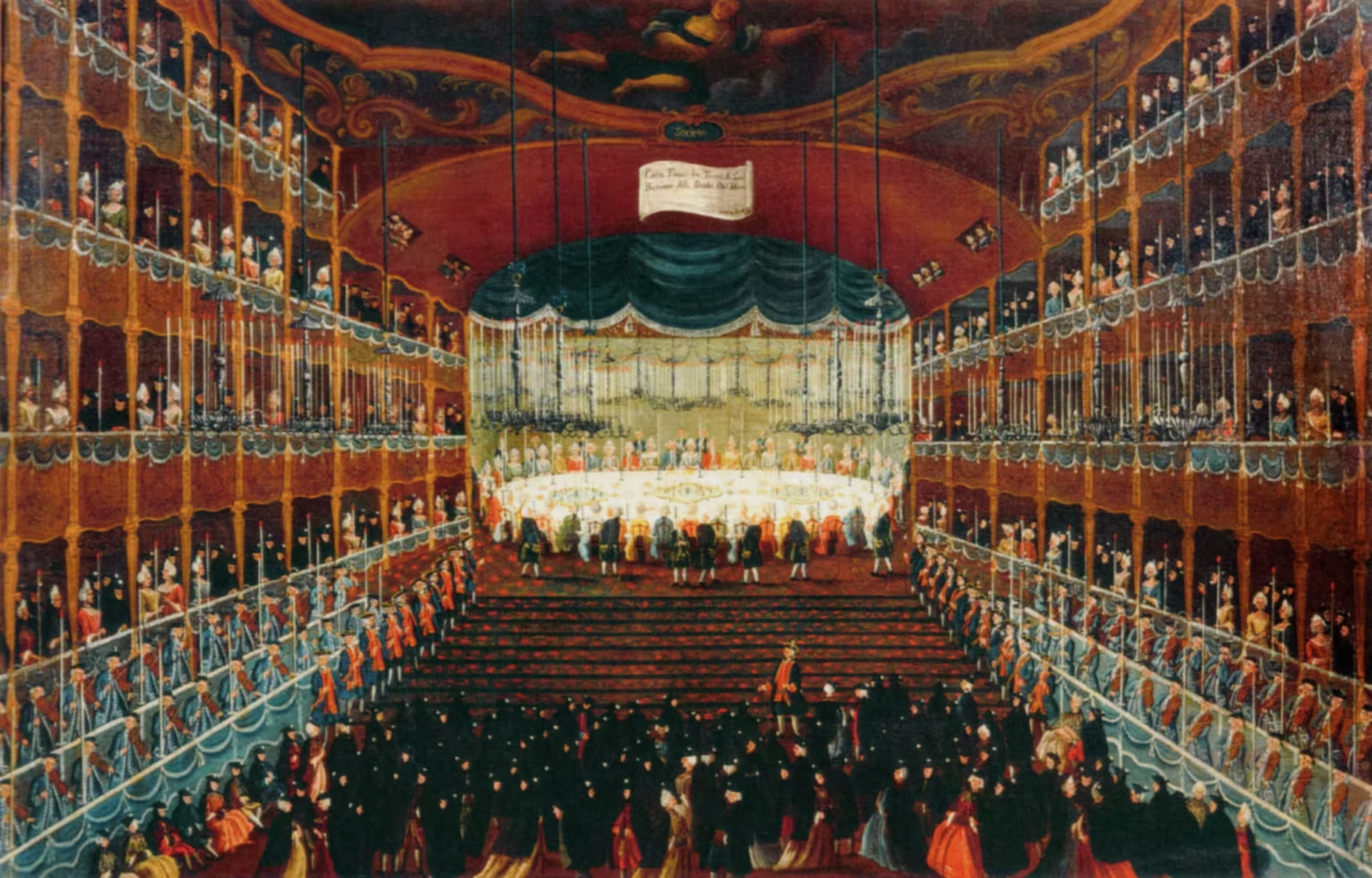
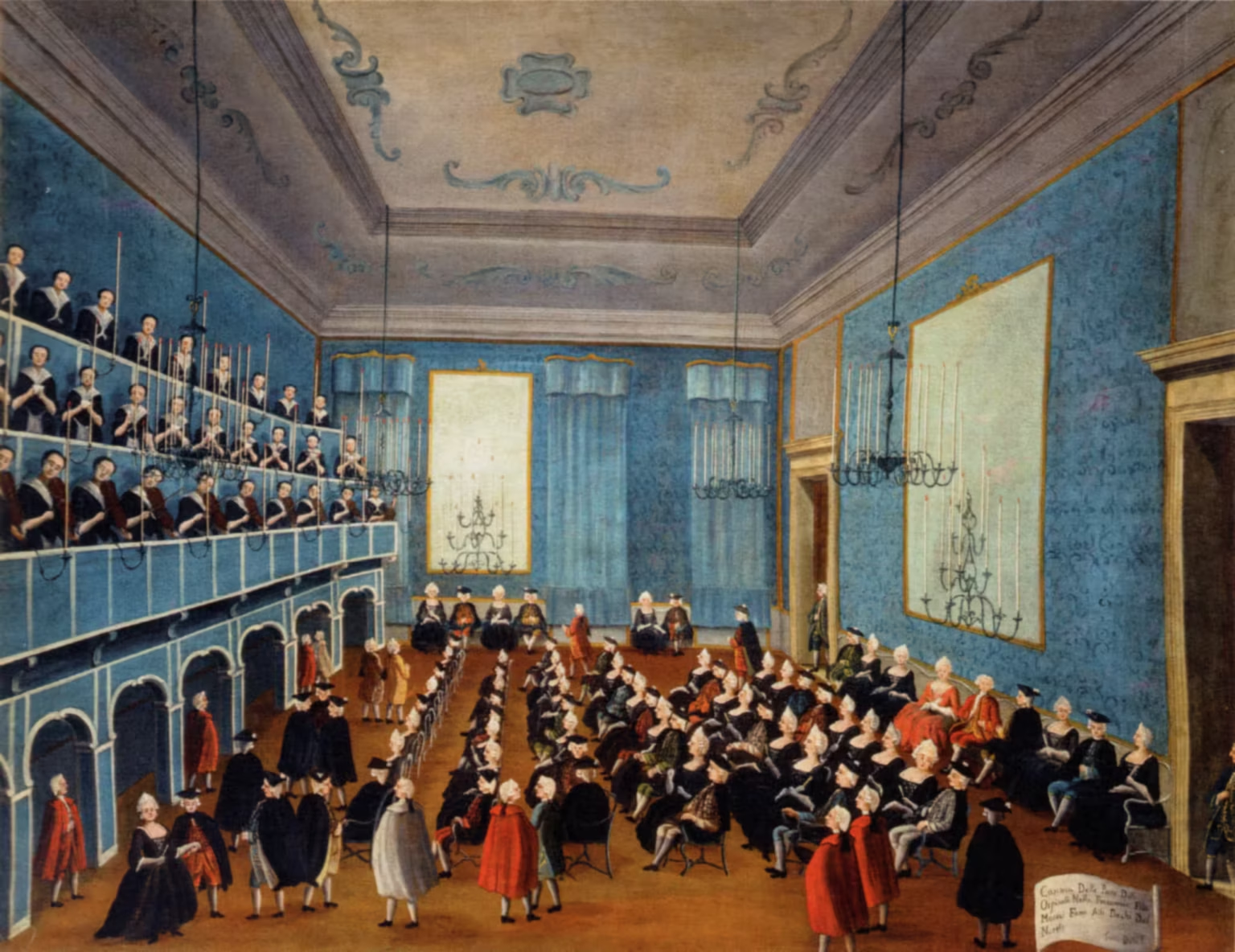
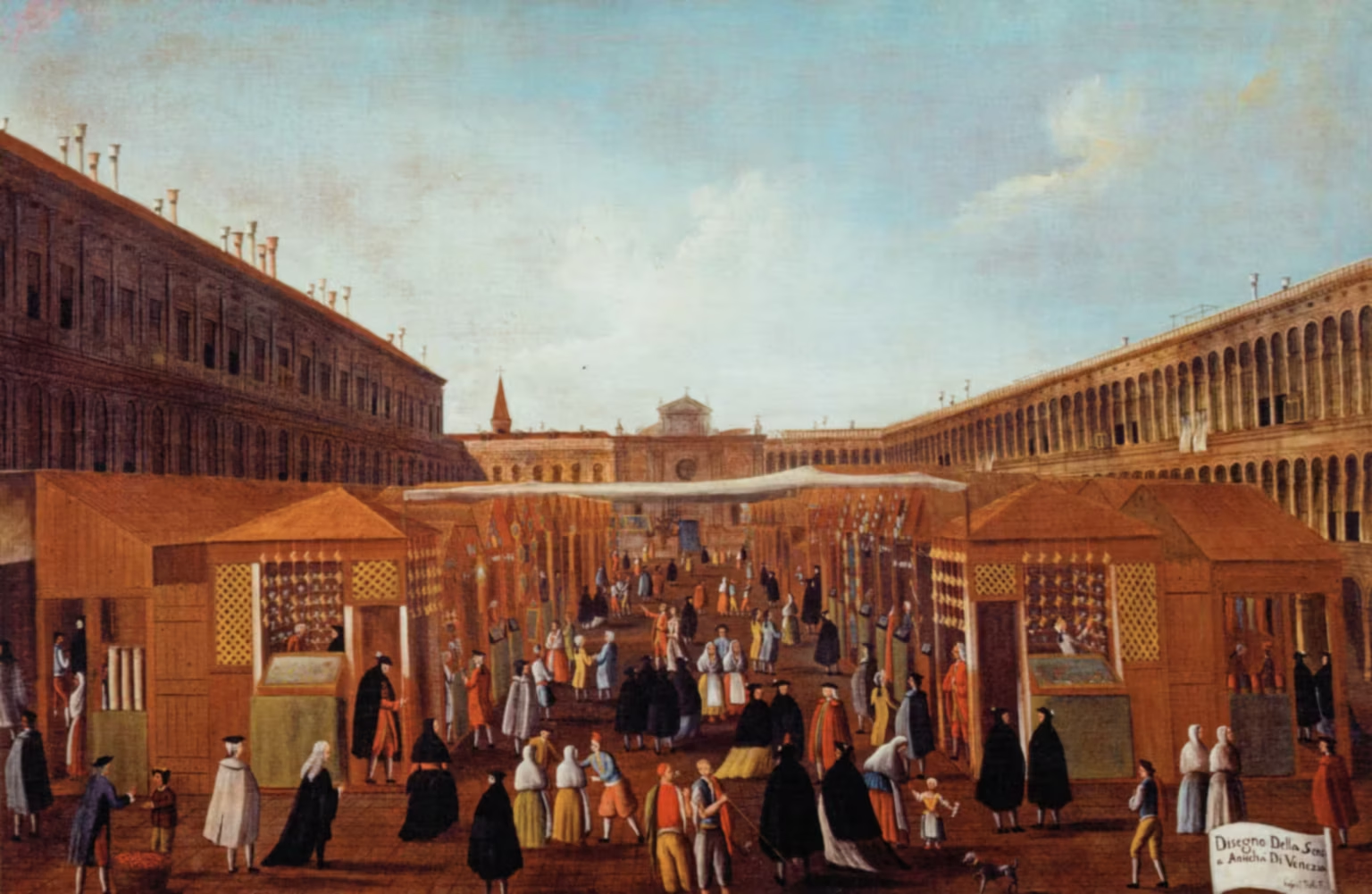
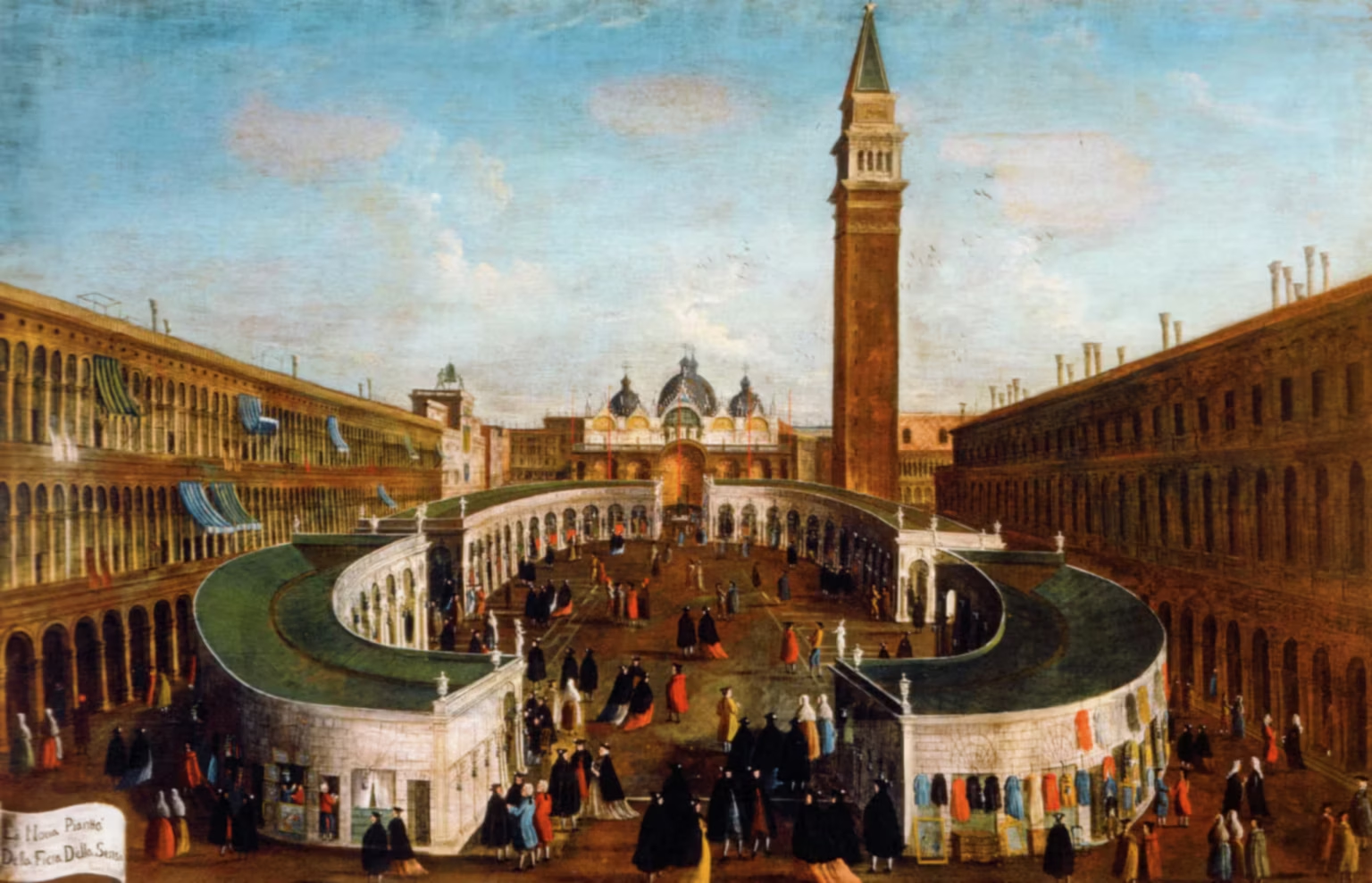
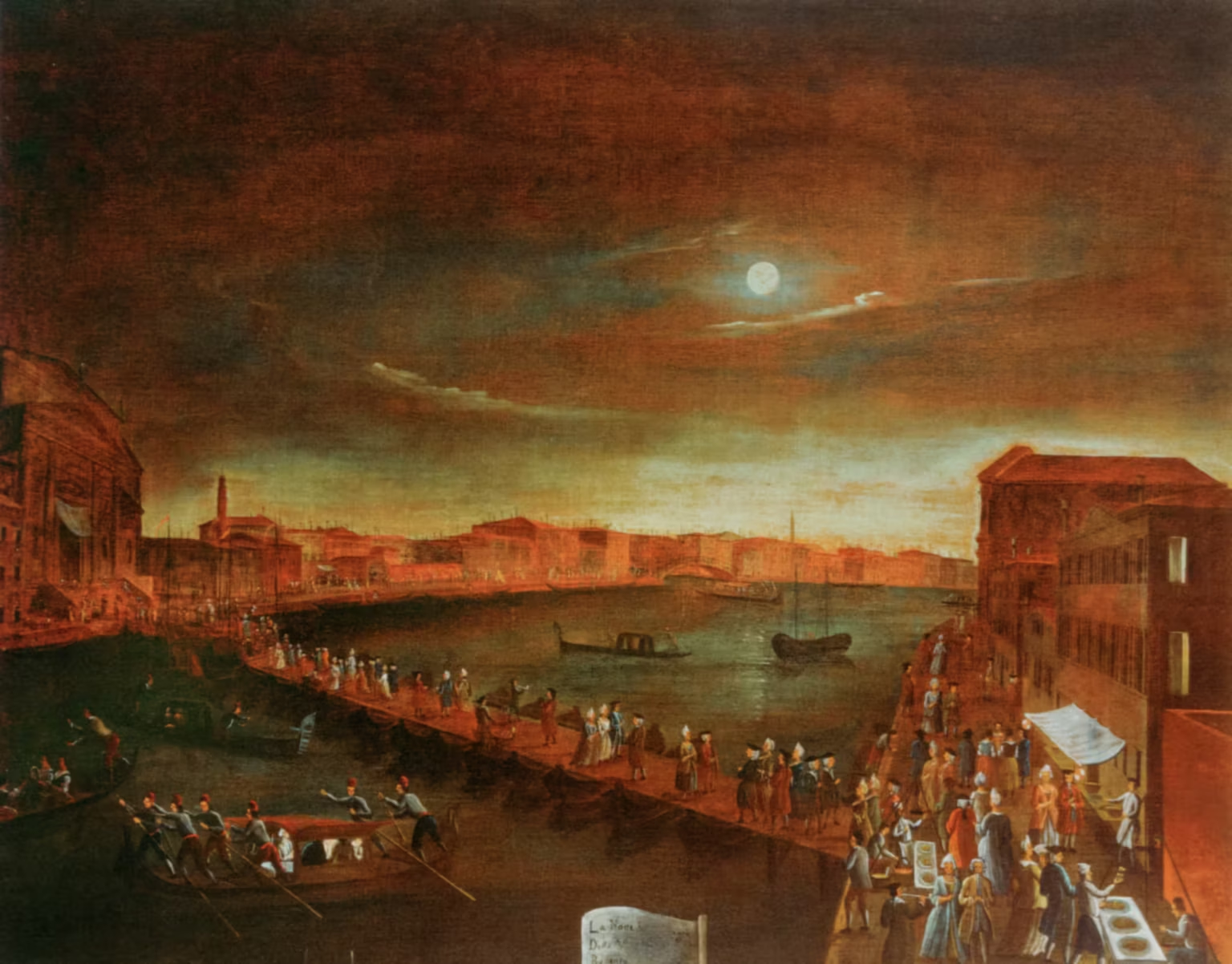
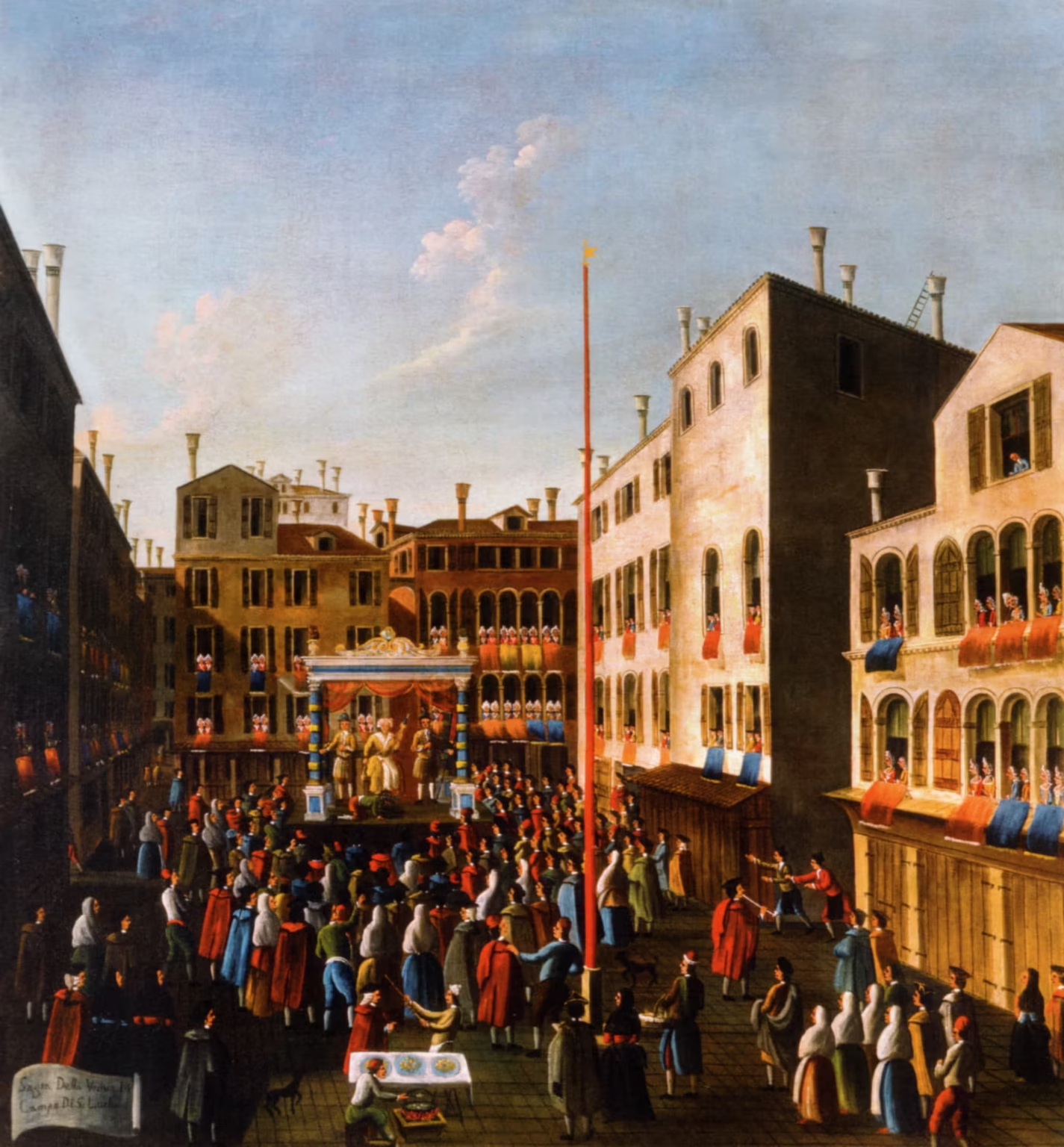
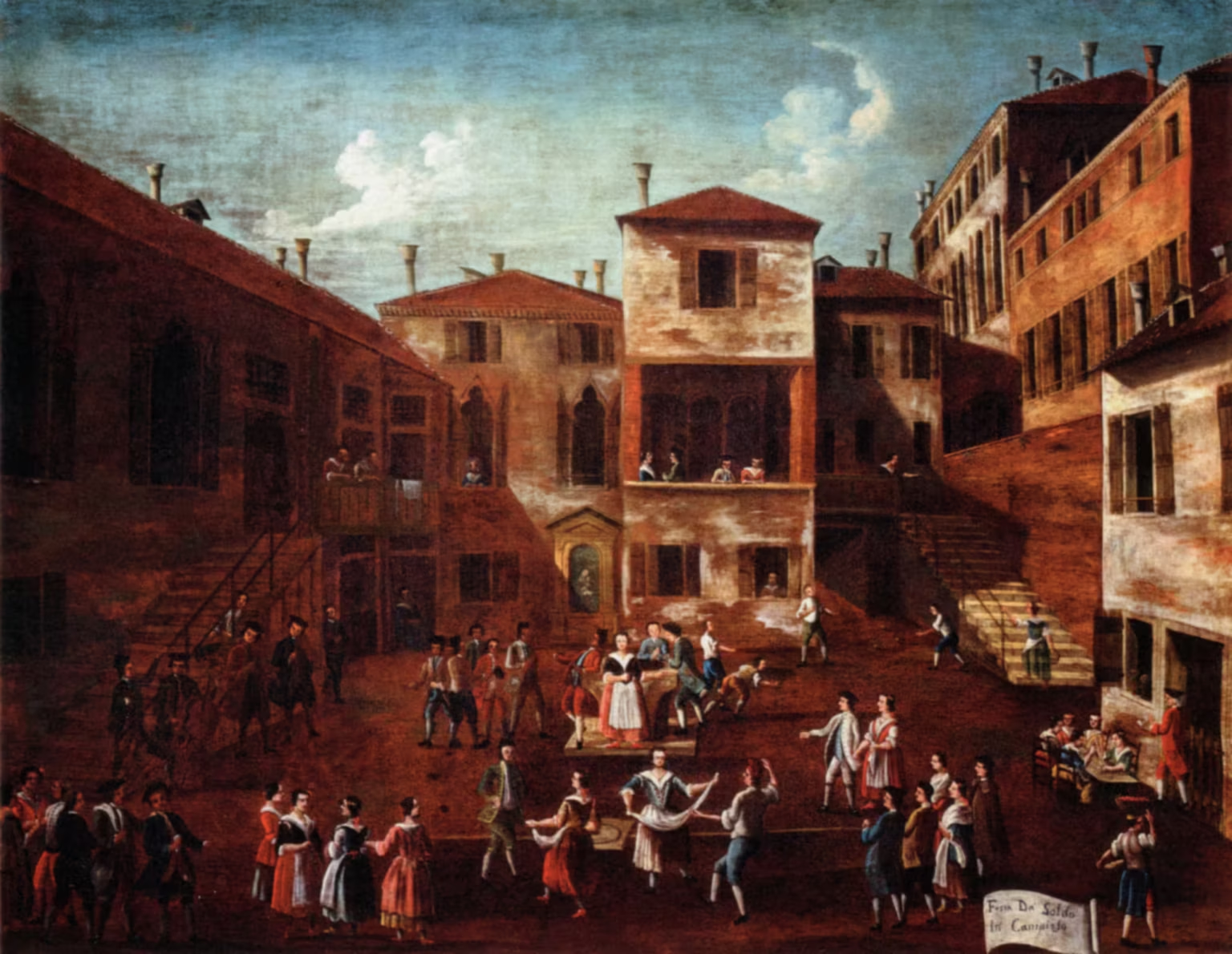
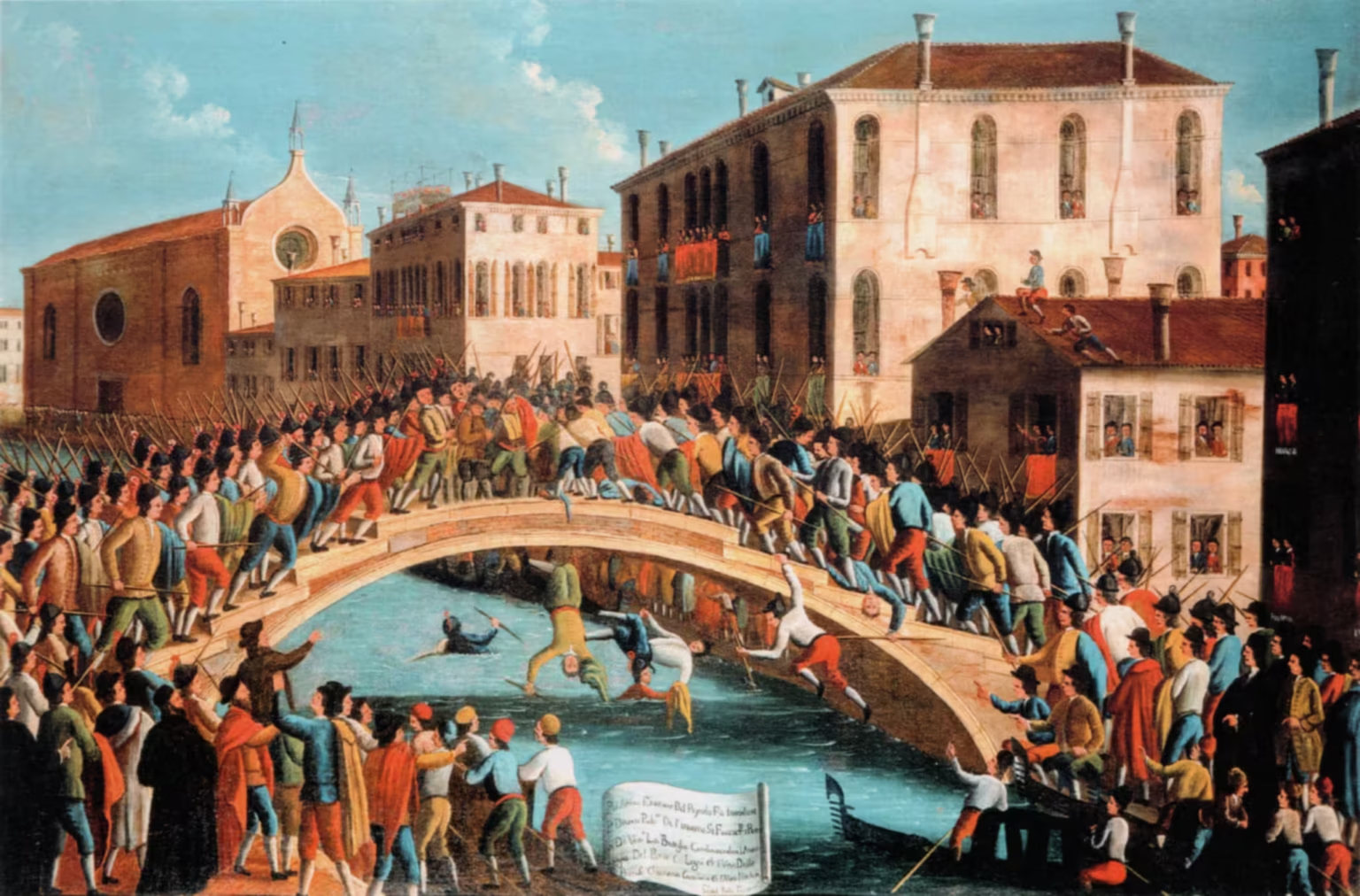
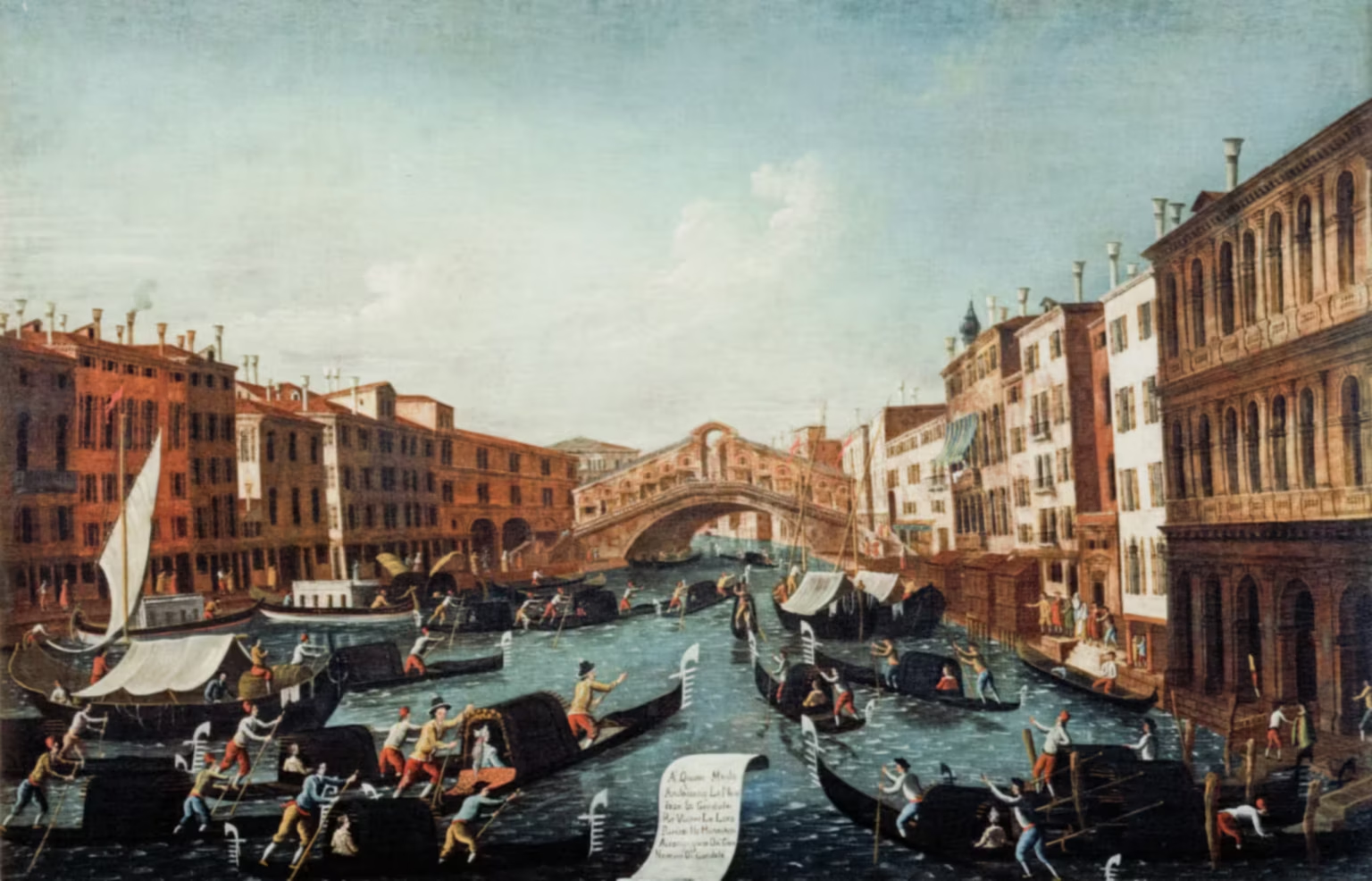
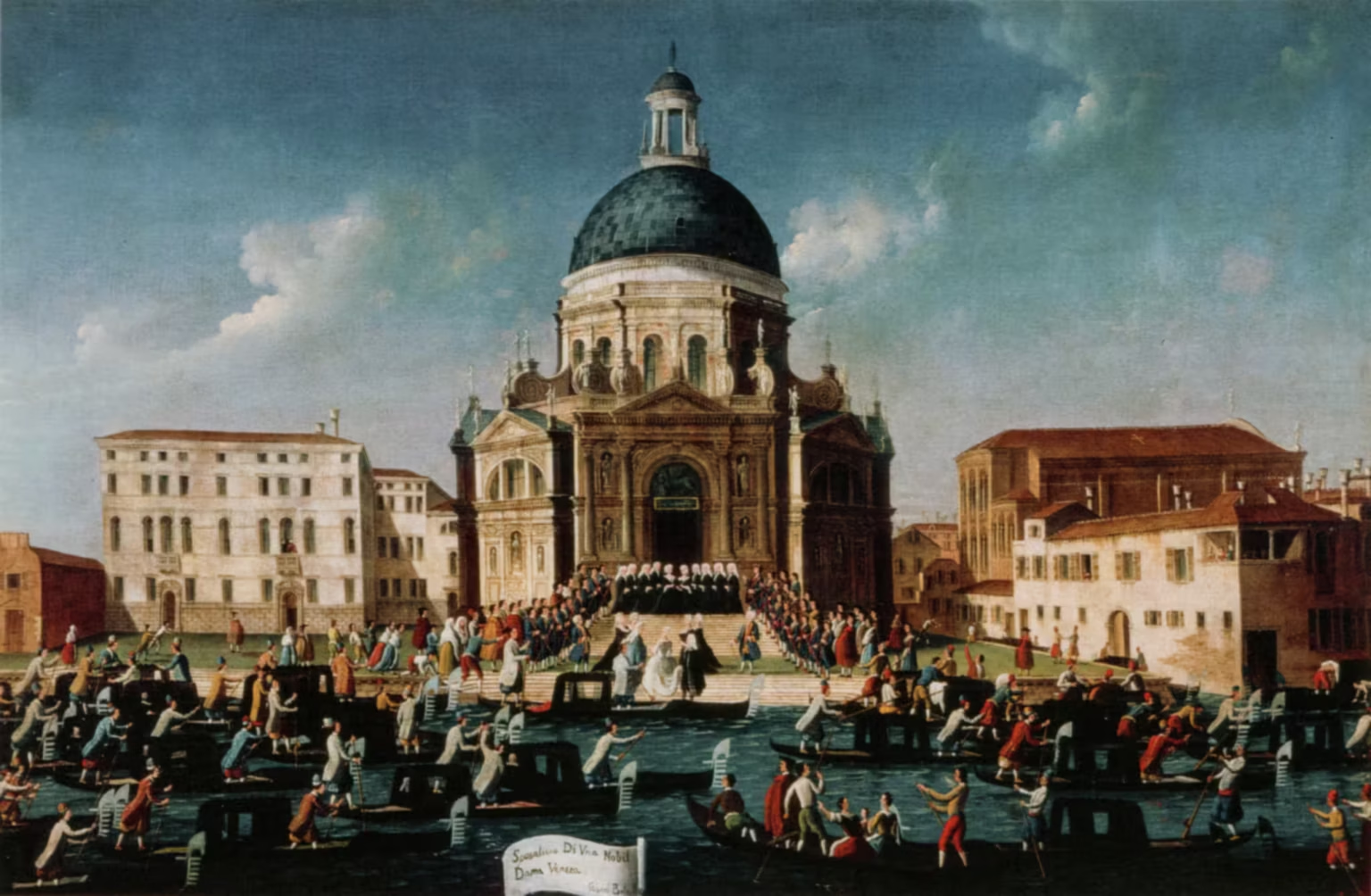
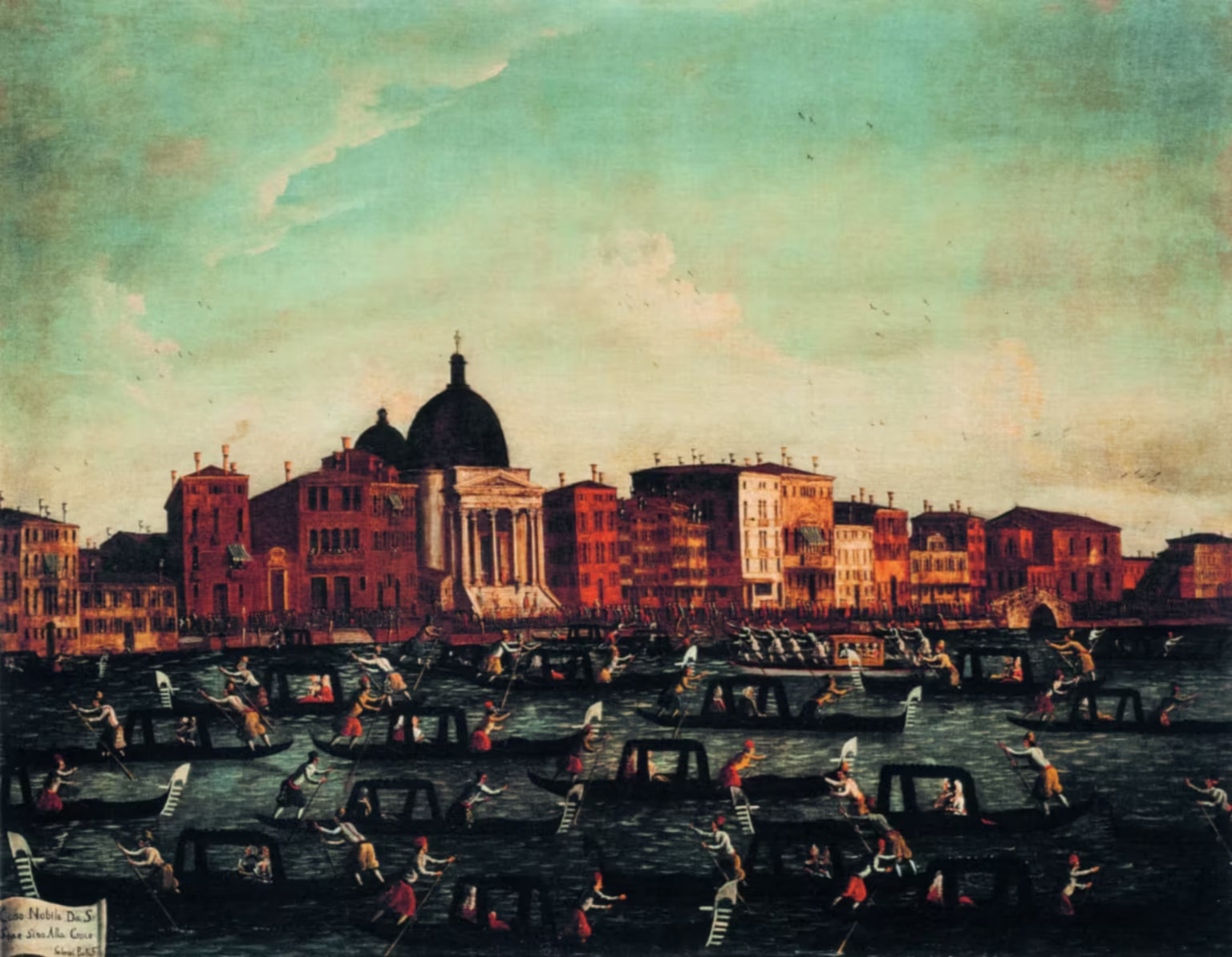
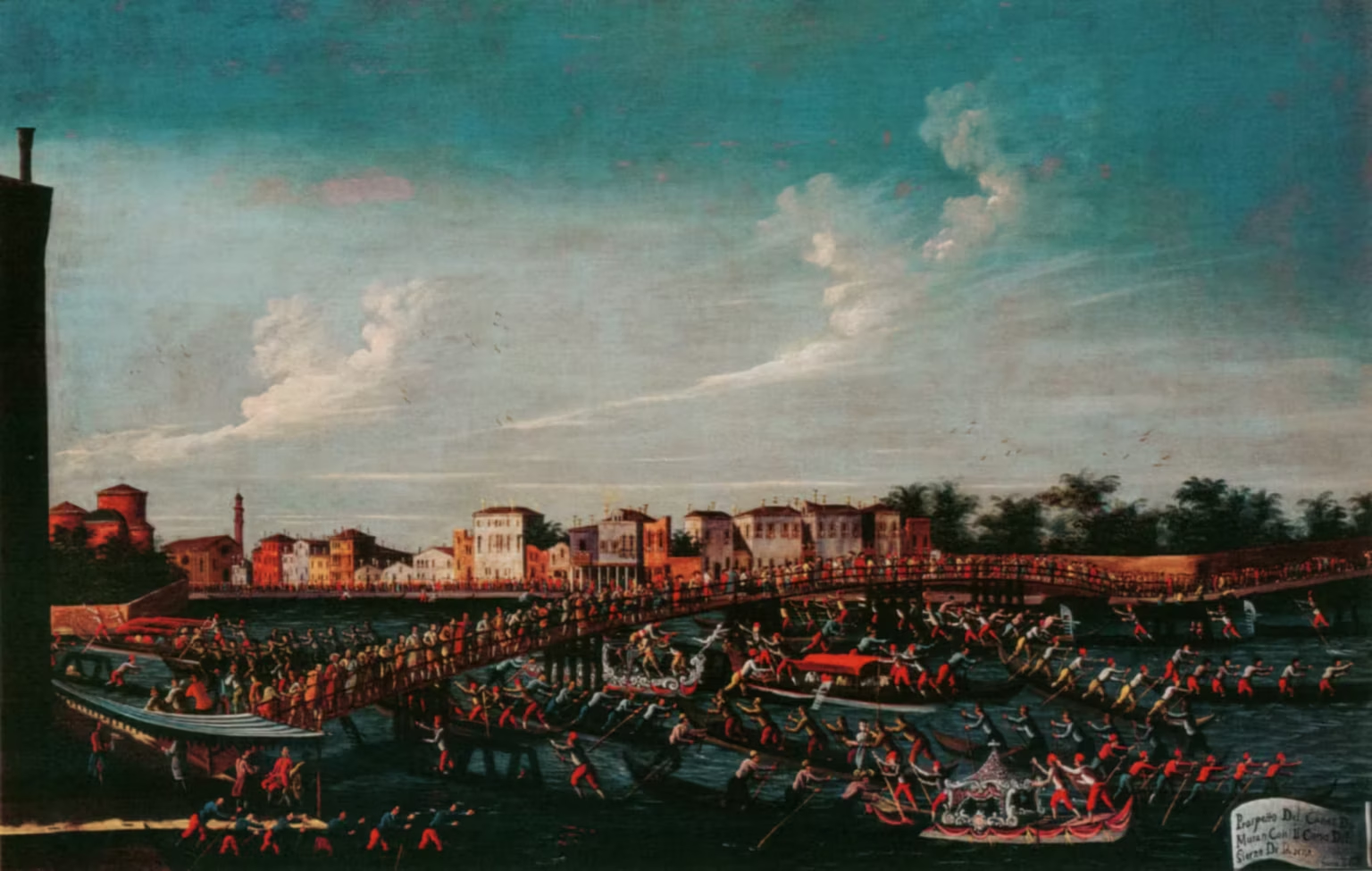
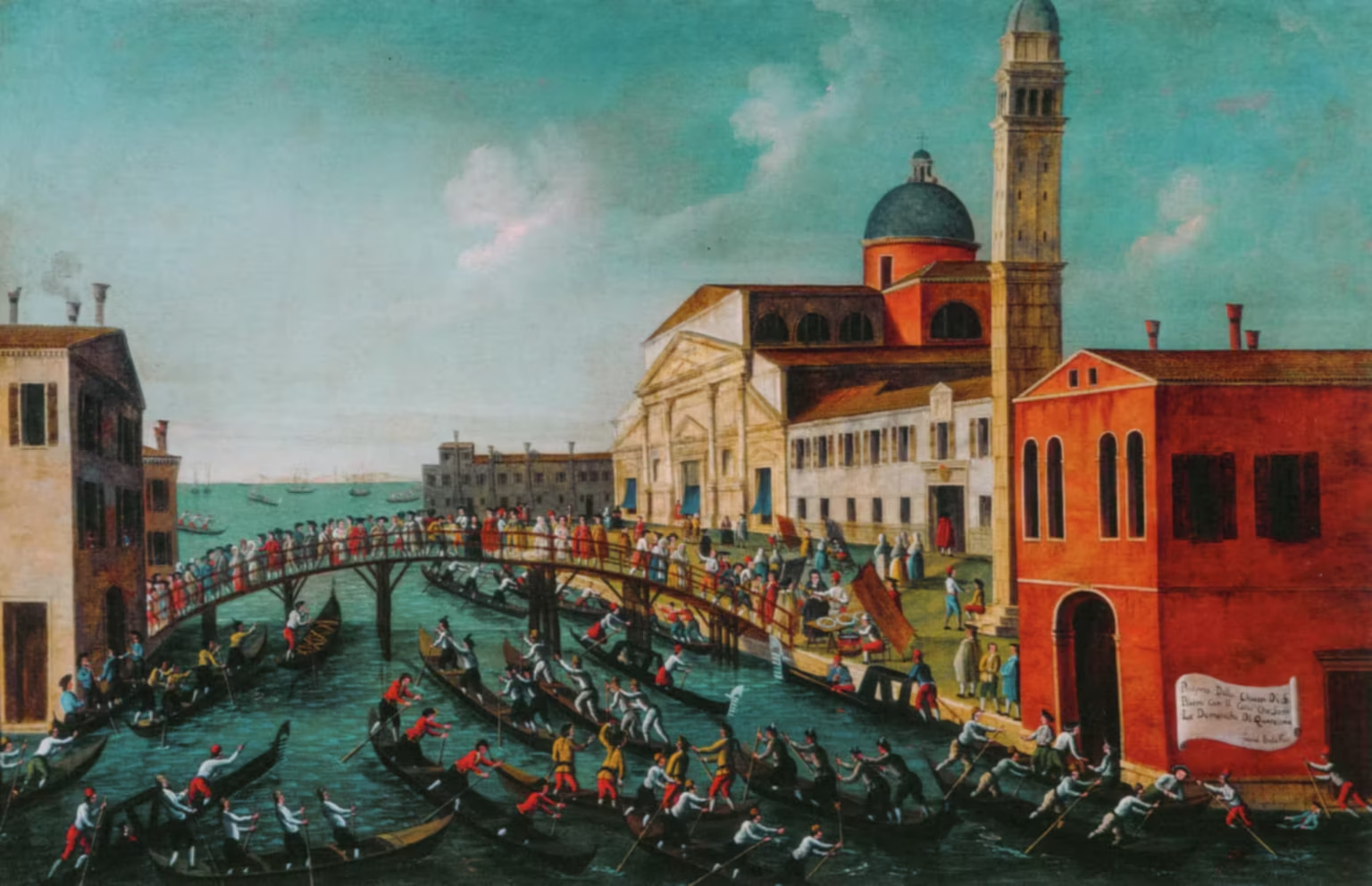
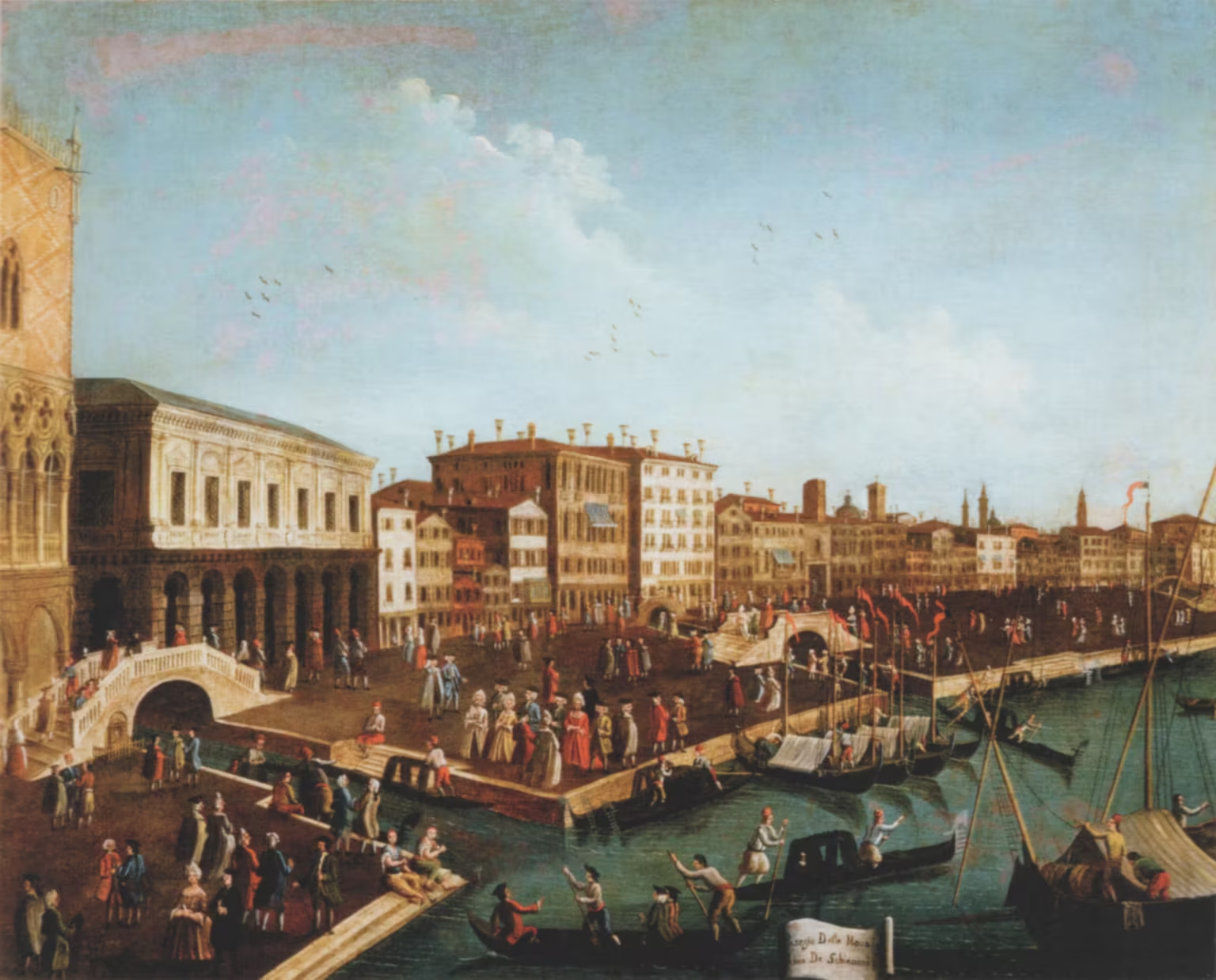
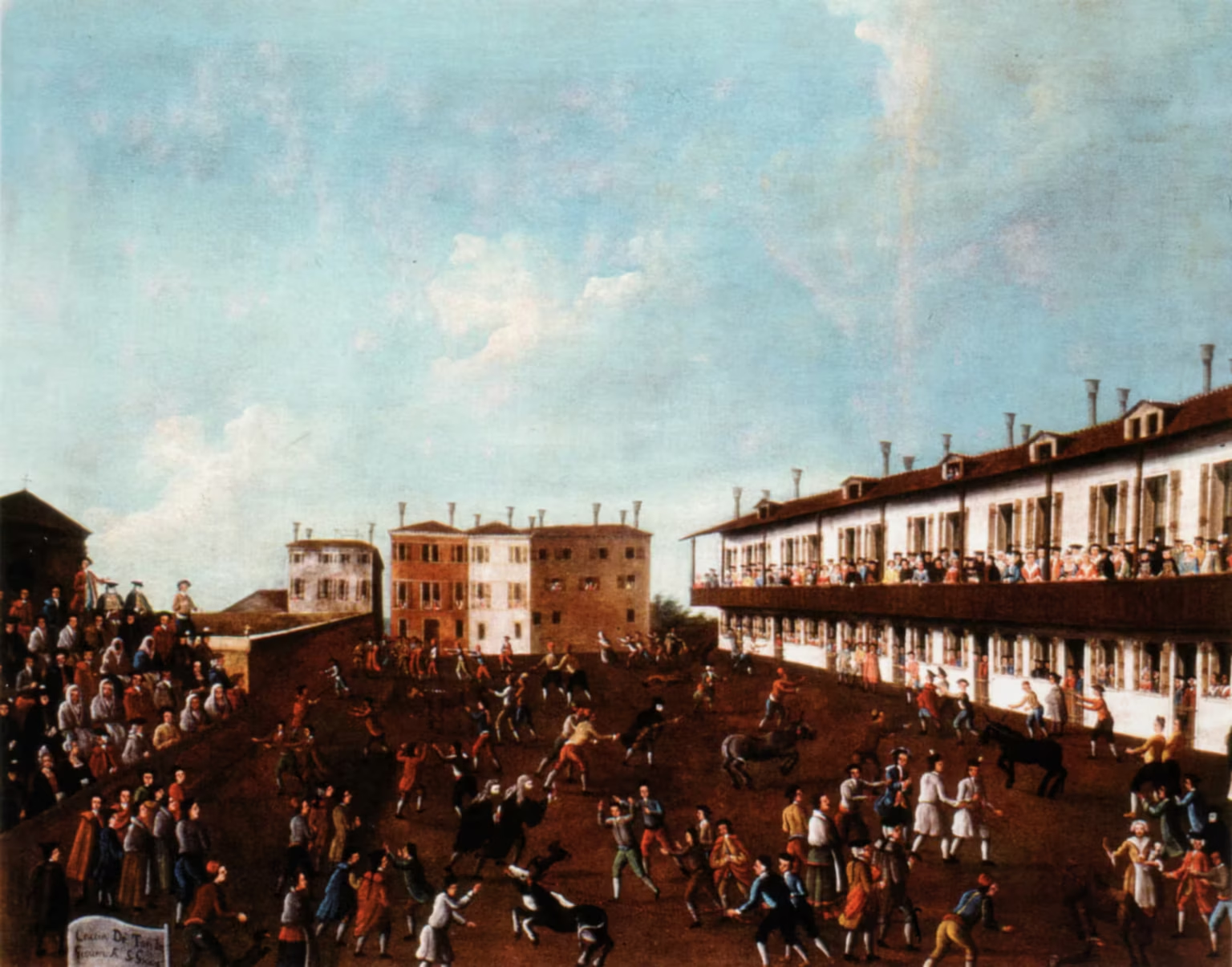
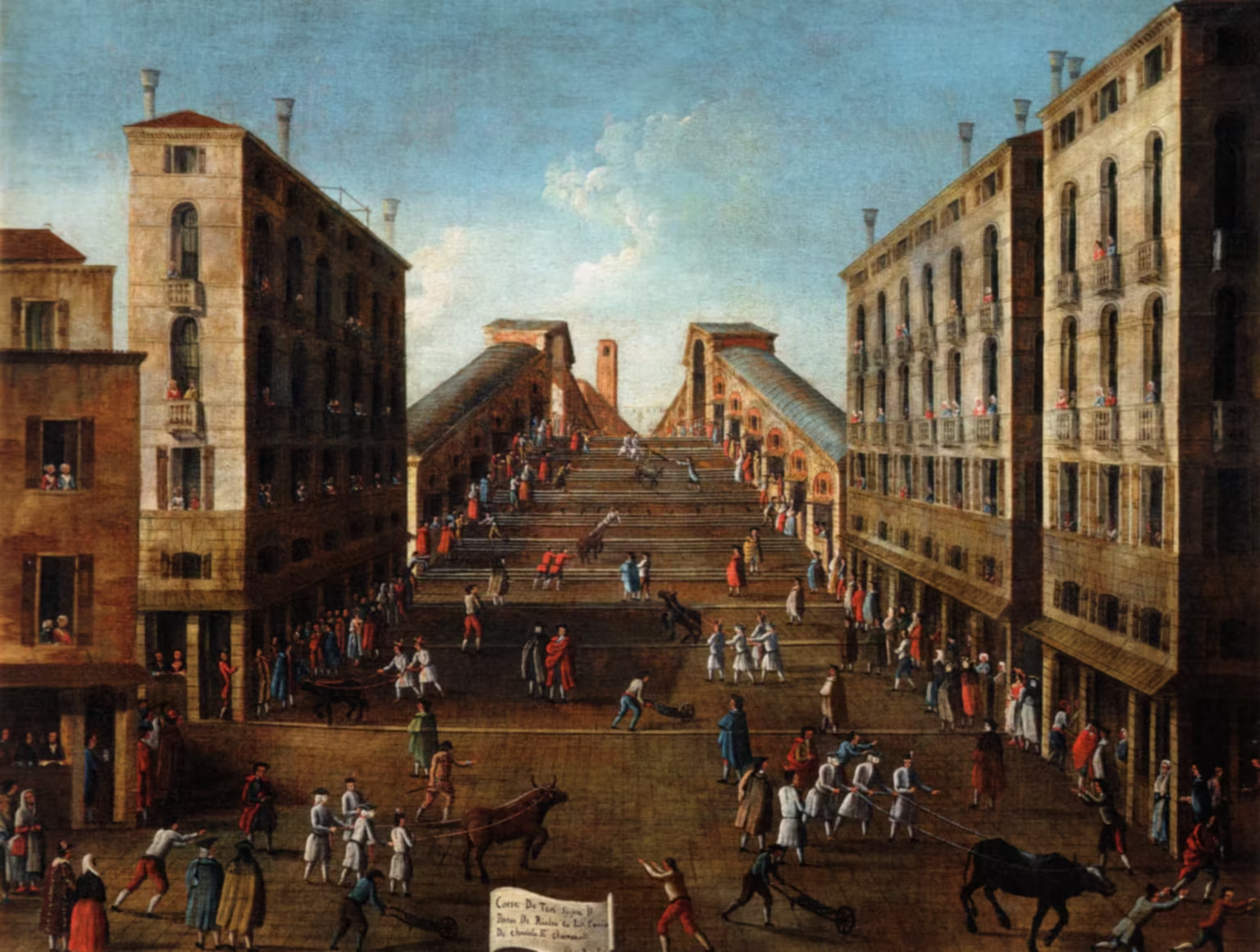
Most of the paintings depict public events, such as state ceremonial of the Republic of Venice, public feasts in the squares, regattas on the canals, and the reception of important foreign dignitaries.
The views are often of open spaces, or large inside spaces, depicted at a wide angle to take in the entire area. Usually, the spaces are very crowded, at times to a point where the painting is almost illegible.
The intent, to the extent we can discern it, seems almost documentary.
Gabriel Bella
The little we do know about the person Gabriel Bella, are from his works, which are almost all in the Fondazione Querini-Spampalia, and a few documentary traces.
Starting with the paintings, very few are dated, but of those that are, the earliest is from 1740, and the latest from 1782. These four decades must be more or less the span of his working life.
Extrapolating, we can guess that he must have been born around 1720.
He was not, however, a member of the fraglia (guild) of the Venetian painters until 1760.
A daughter, Maria Francesca, was baptised in 1763, and among the witnesses was a representative of “N.H. Lorenzo Giustinian“.1
The patronage of a nobleman indicates a relationship between Bella and that branch of the Giustinian family of some duration, and importance.
In the guild, he was placed with the artisans, as opposed to the artists. There were differences between painters.
Before the invention of photography, paintings and drawings were the normal way of recording memories, whether portraits of persons or depictions of events. There was, consequently, a range of painters and draftsmen spanning from those who mostly did shop signs to the renowned artists, we admire in the art galleries today.
Bella was somewhere in the middle of that scale. He was a professional, a solid craftsman, but not a great artist.
Patronage
One way forward for such a painter was to establish a working relationship with somebody important, who could pass them commissions and keep them working.
That was how Giovanni Grevembroch lived for several decades, and it was what ultimately failed for Gaetano Zompini, who ended his life in abject poverty.
Bella must have done much of his works for the Giustinian family, as they all appeared in the 1790s in a villa in Treviso, the property of Girolamo Ascanio Giustinian.
When Girolamo Ascanio Giustinian died on January 14th, 1790 m.v., the villa went to Andrea Querini, who in 1796 had an inventory drawn up. It mentioned 95 assorted paintings of events in Venice.
The paintings were initially moved to the Querini residence in Treviso, and then, after the fall of the republic in 1797, to their Venetian home, the Palazzo Querini-Stampalia in Venice, on the Campo Santa Maria Formosa.
An inventory from 1844 lists 67 paintings by Gabriel Bella, marked as originating in the Querini villa in Treviso. Several other paintings in the collection, of similar motifs and from the same period, but by Antonio Stom, Pietro Longhi and others, might have been included in the 95 paintings in the earlier inventory.
Gabriel Bella must have benefitted from the patronage of both noble families, who in any case were close, as some of the paintings are clearly made for the Querini.
Fondazione Querini-Stampalia
The Querini-Stampalia dynasty2 — the owners of the palace on Campo Santa Maria Formosa — died out with Giovanni Querini-Stampalia in 1868.
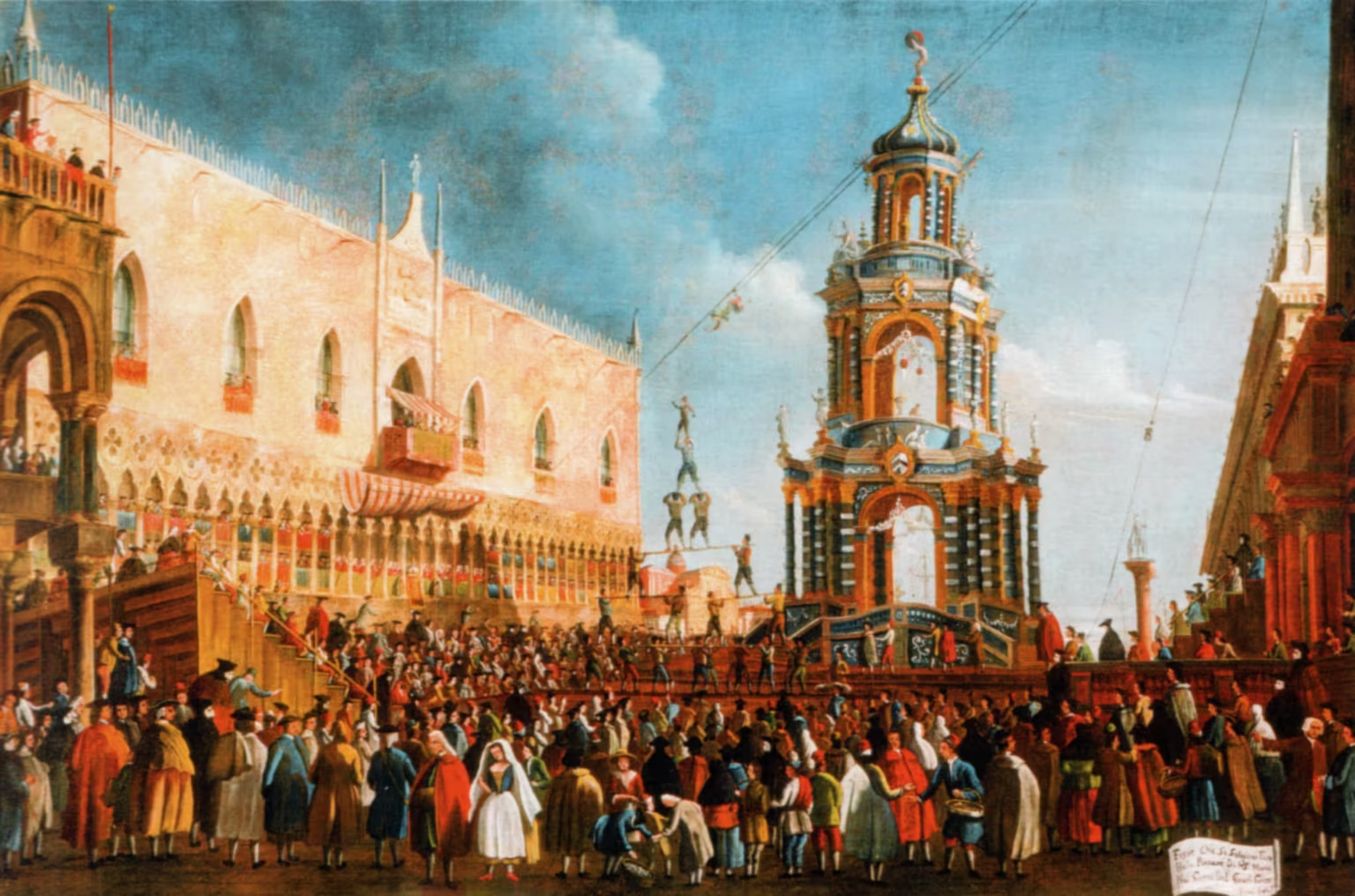
He bequeathed everything to a foundation with the scope of “promoting the cult of good studies, and of useful disciplines,” and he stipulated that the library should be open when the others aren’t.
The Querini-Stampalia library became the base of a public library, and the palace is today one of the fixtures for university students in Venice.
The first floor houses the library, the piano nobile a museum where most of the paintings of Bella are usually on display, and the third floor various exhibitions.
The Fondazione Querini-Stampalia is one of the cheaper museums to visit in Venice, so there’s really no excuse.
Notes
- The title Nobil Huomo (abbreviated N.H.; also Nobil Uomo, N.U.) was the shared title of all Venetian noblemen. The Venetian nobility was oddly egalitarian in this respect. ↩︎
- Shortly after the Fourth Crusade in 1204, a member of the Querini family bought the Greek island of Astypalaia, which in Venetian is Stampalia, and made it into a family fiefdom, which they retained until 1537. That branch of the Querini added Stampalia to their name. ↩︎
The paintings
There’s no inherent order to the paintings, as very few are dated. I have therefore divided them into thematic groups below, but that organisation is entirely mine.
Each painting has an explanatory legend, but they’re sometimes rather long, and at other times hardly legible, so the titles and their translations are also on me.
The Doge
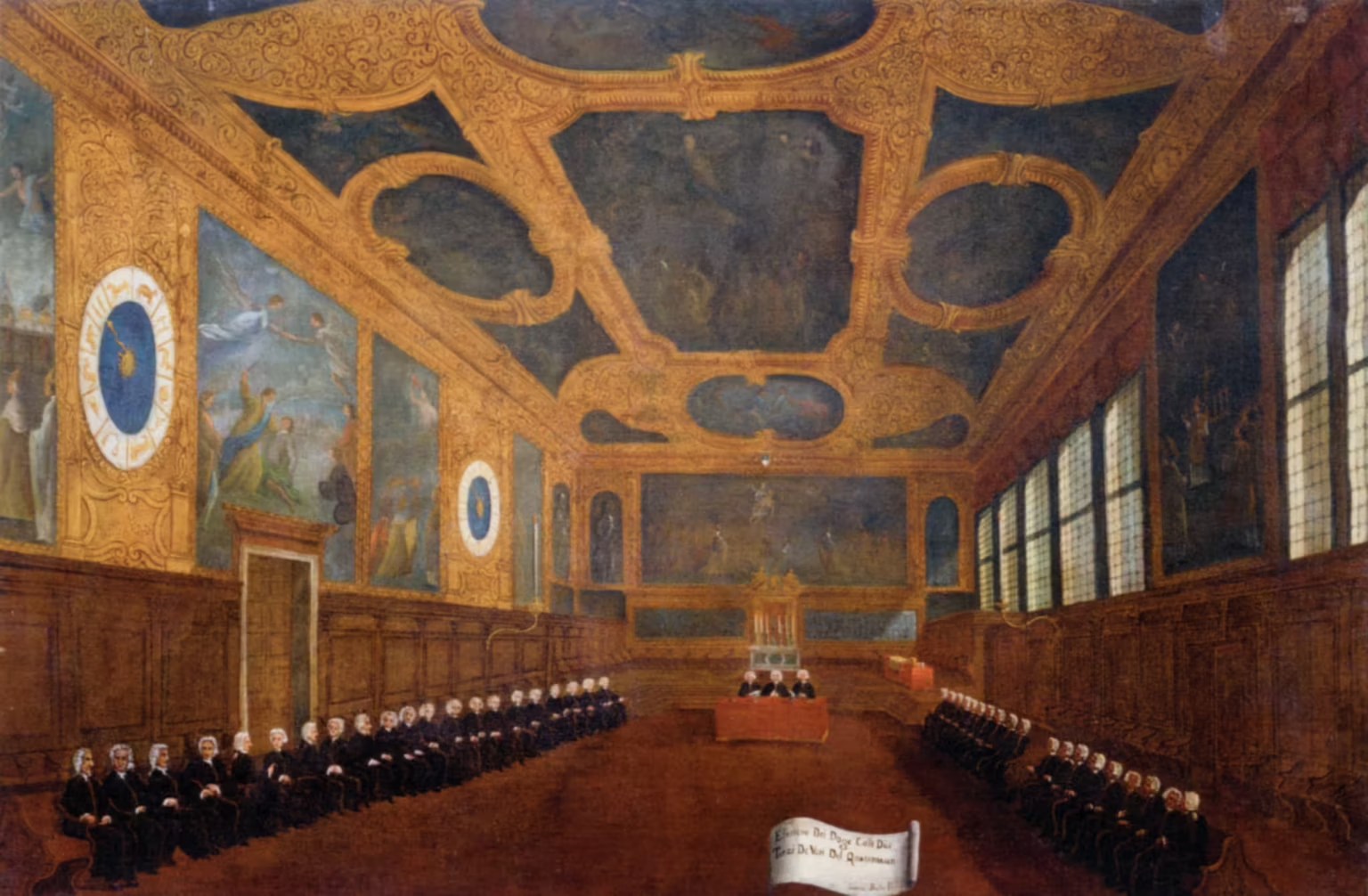
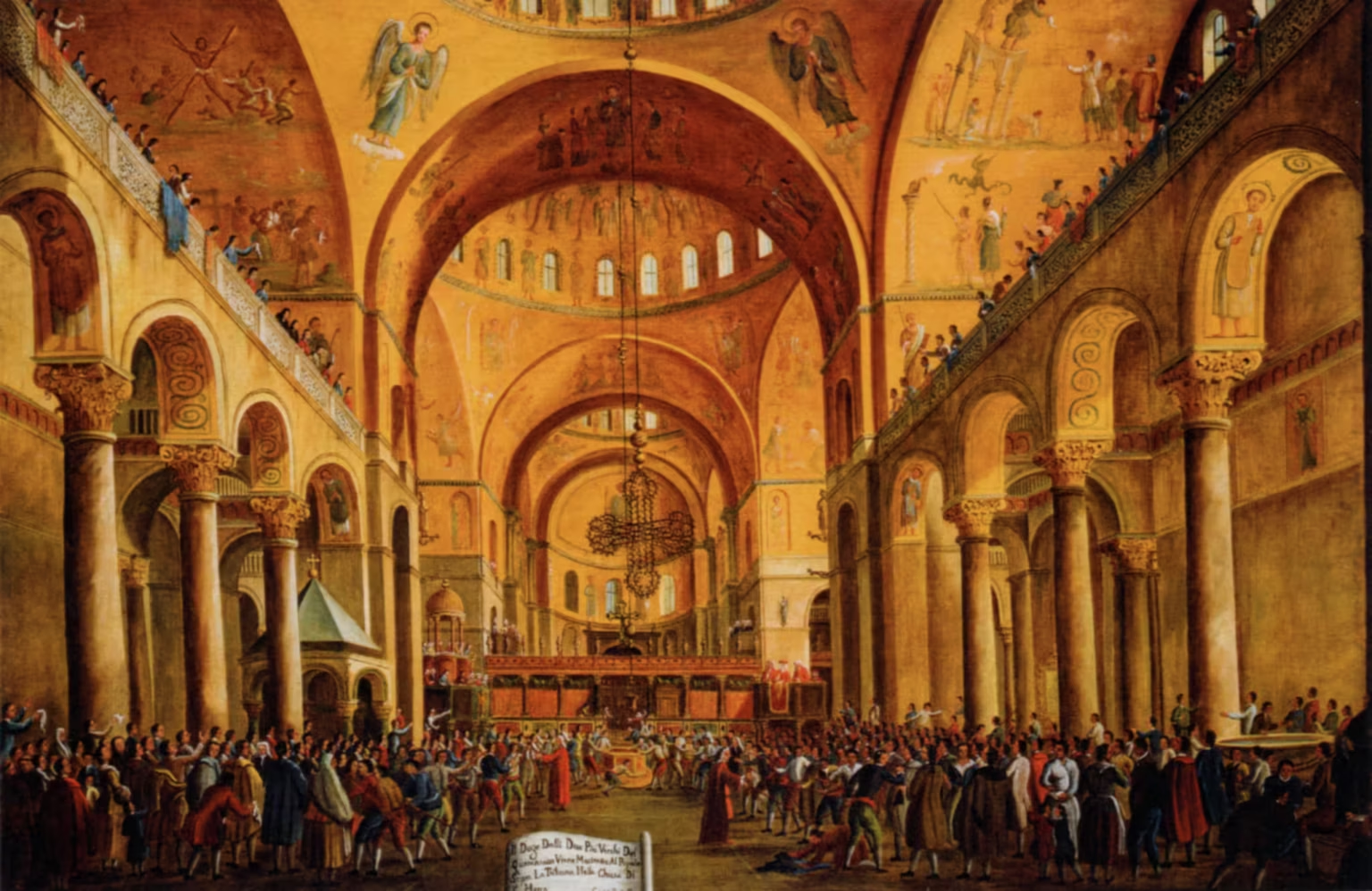
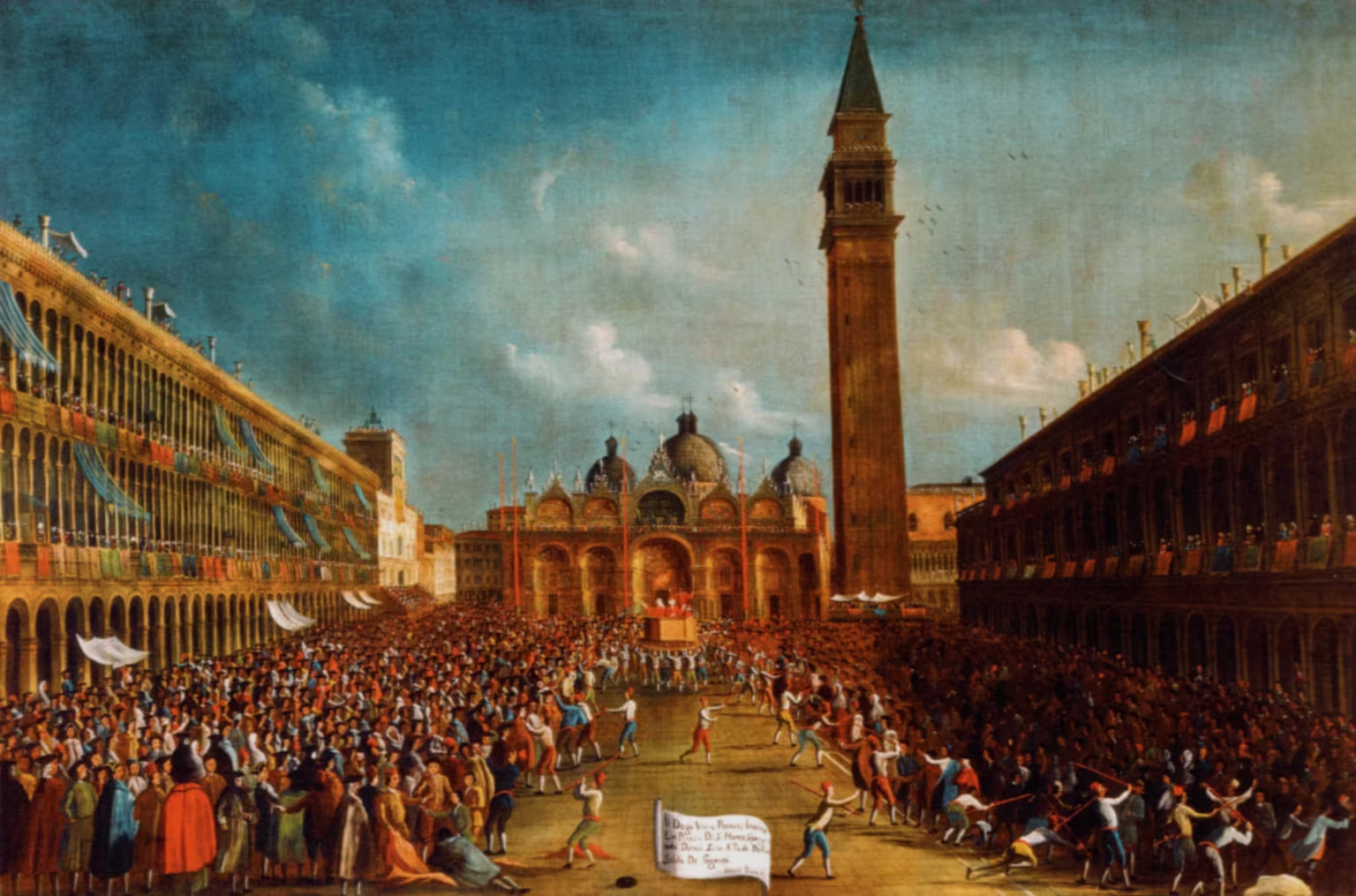
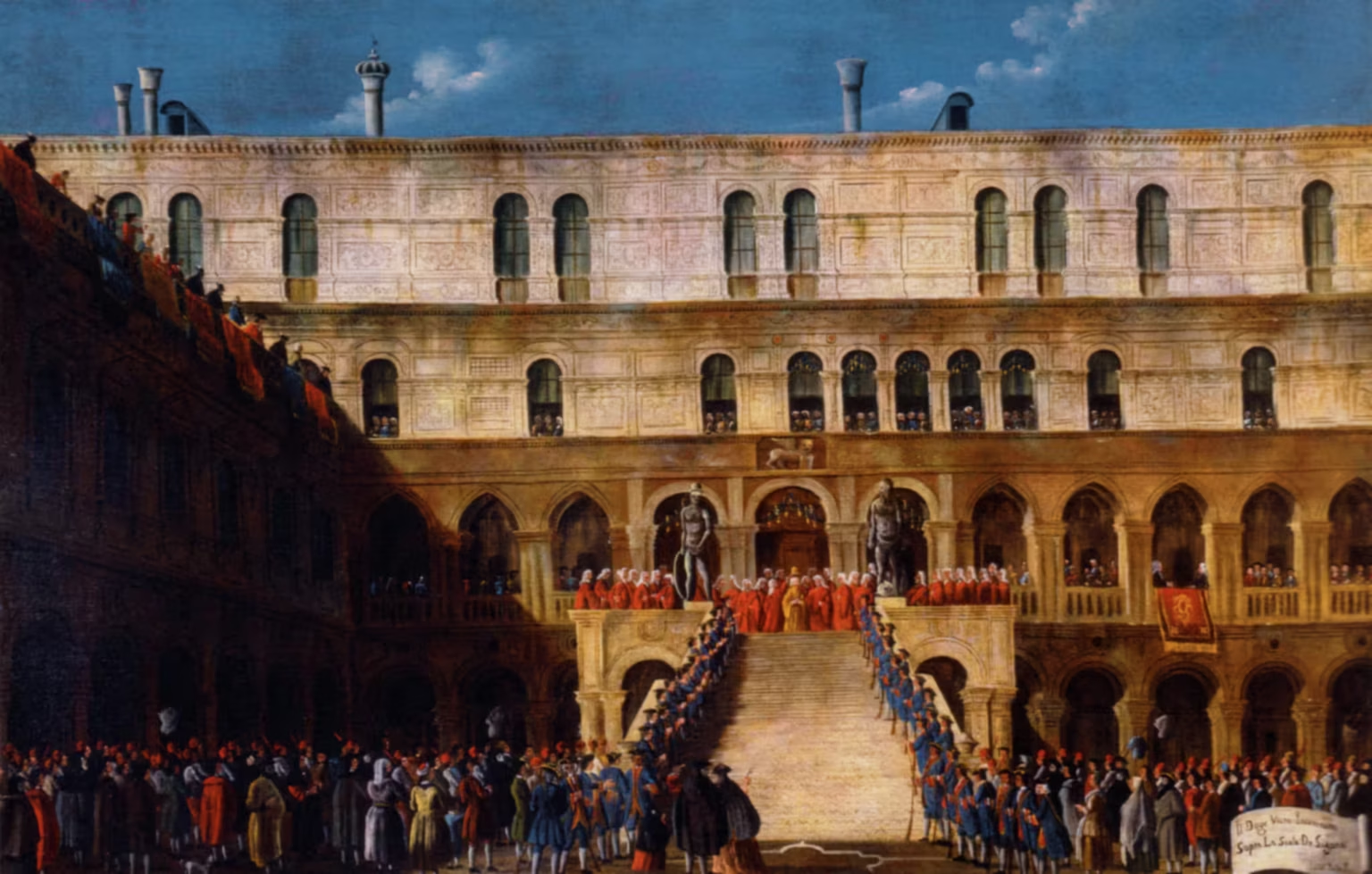
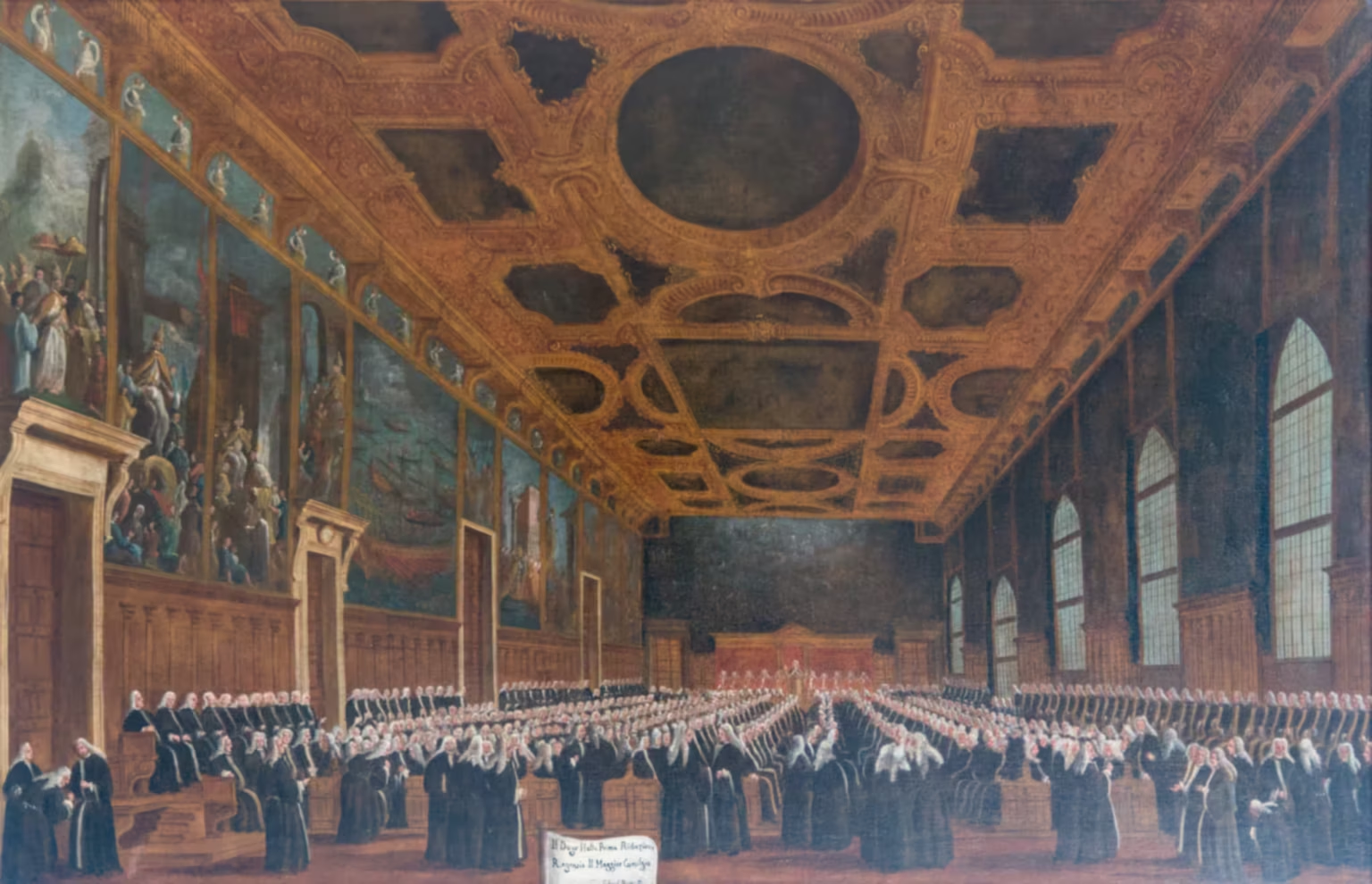
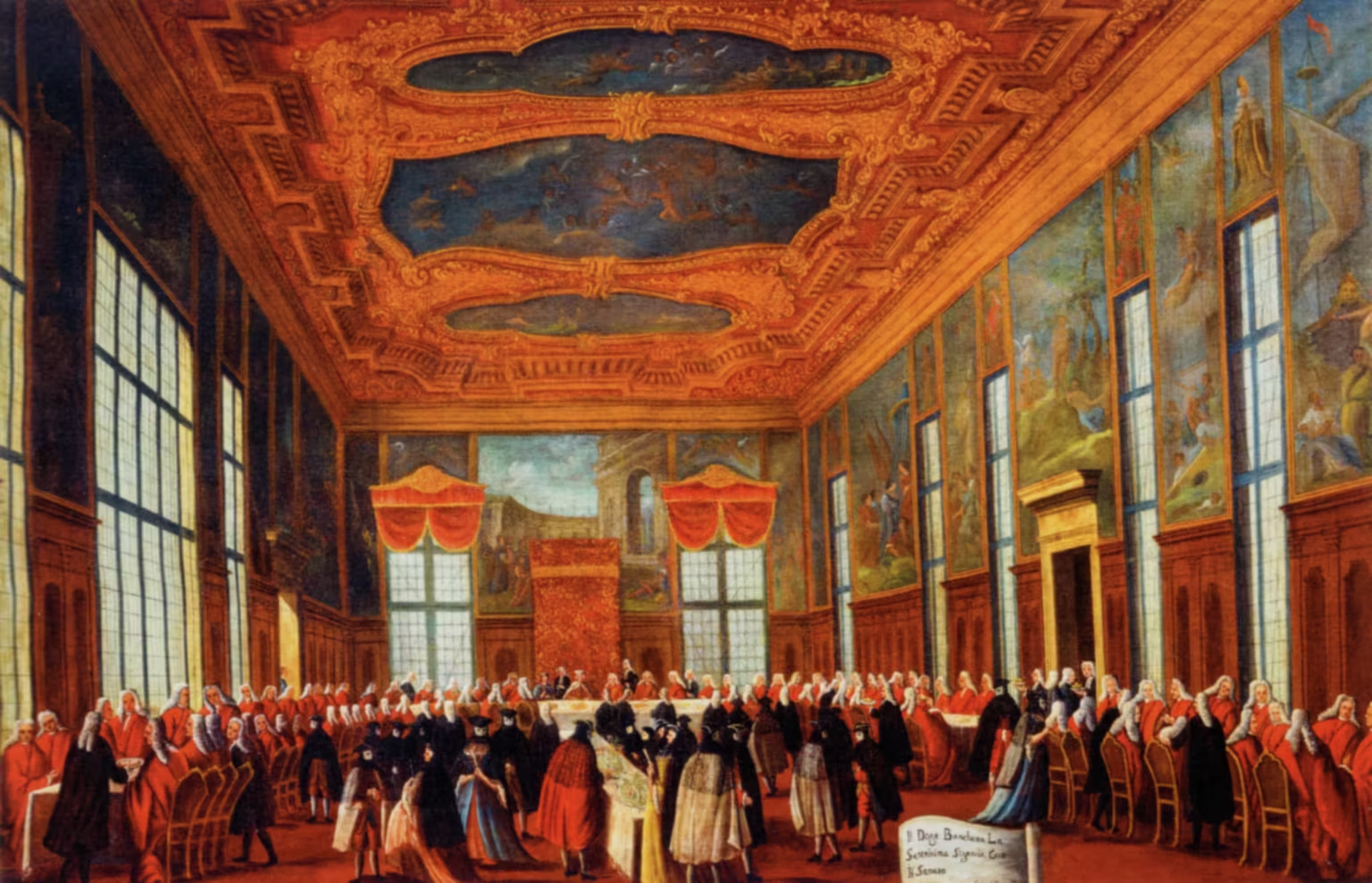
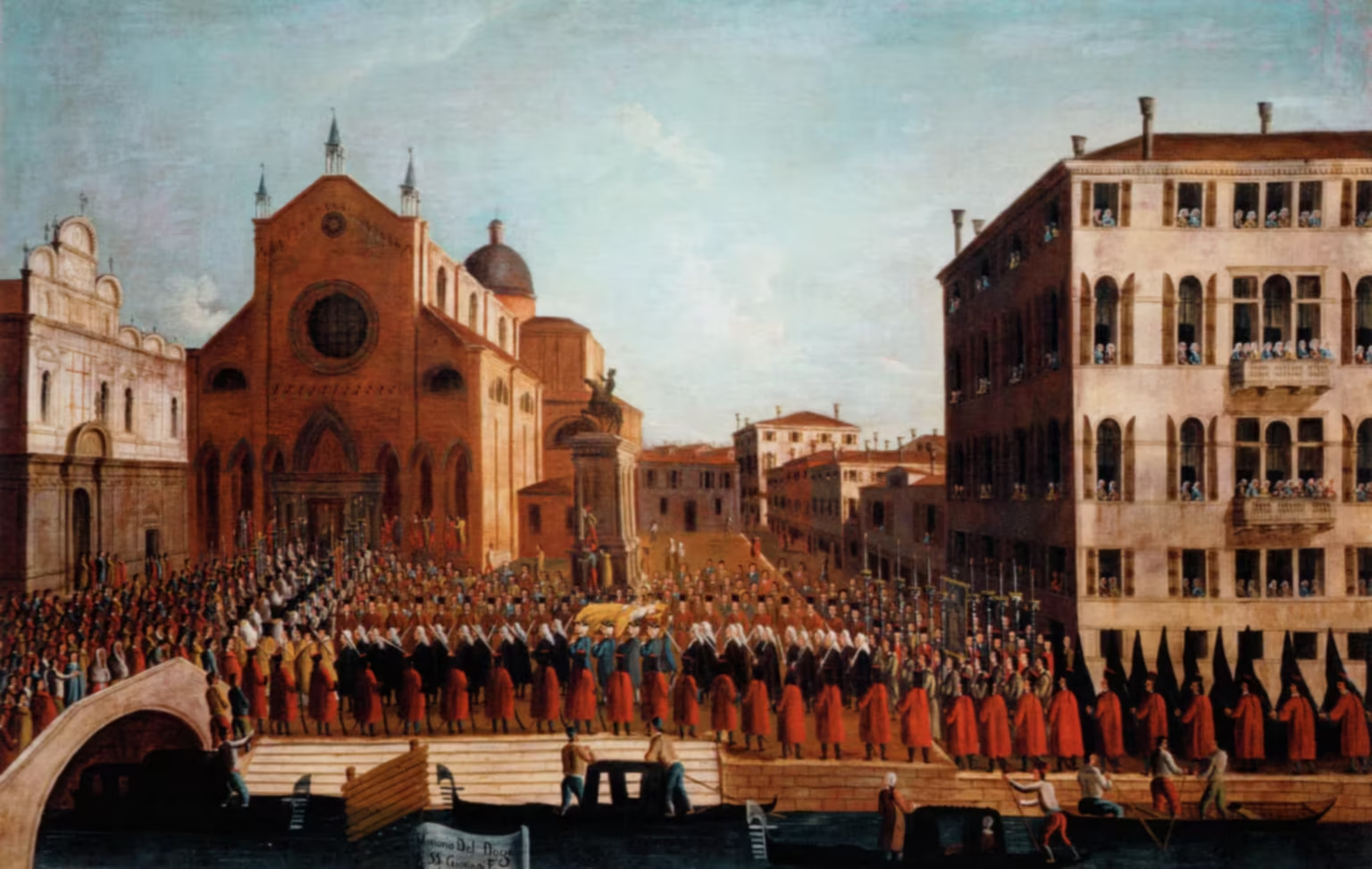
- L’elezione del doge per opera dei Quarantuno — The Election of the Doge by the Forty-one Electors
- La presentazione del nuovo doge al popolo — The Presentation of the New Doge to the People
- Il giro della piazza del doge in pozzetto — The Procession of the Doge on his Throne around the Piazza
- L’incoronazione del doge sulla Scala dei Giganti — The Coronation of the Doge on the Scala dei Giganti
- Il ringraziamento del doge al Maggior Consiglio — The thanks-giving of the doge to the Greater Council
- Il banchetto pubblico del doge — The Doge’s Public Banquet
- Funerali del doge ai Santi Giovanni e Paolo — The Funeral of the Doge at Santi Giovanni e Paolo
The Republic
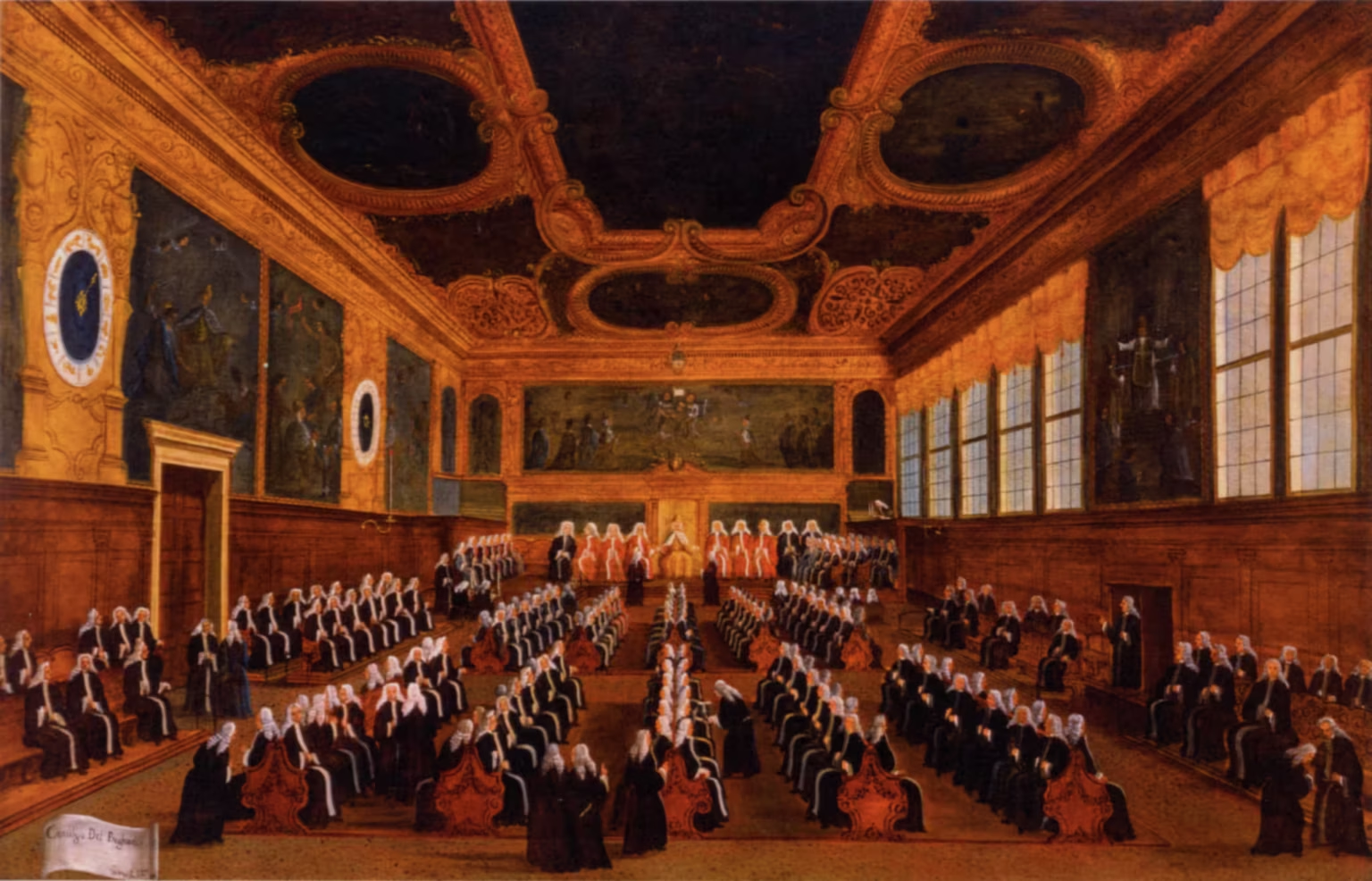
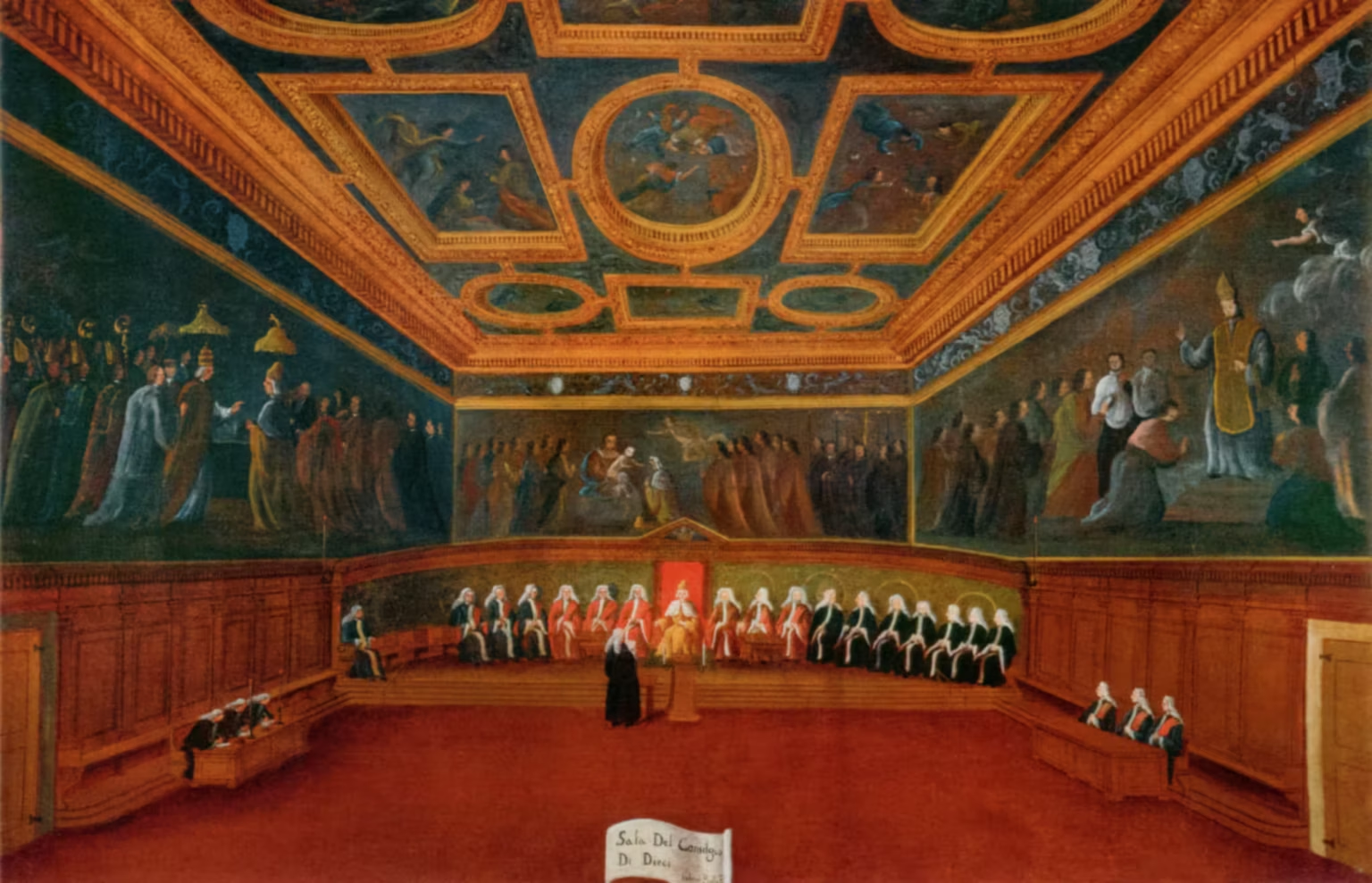
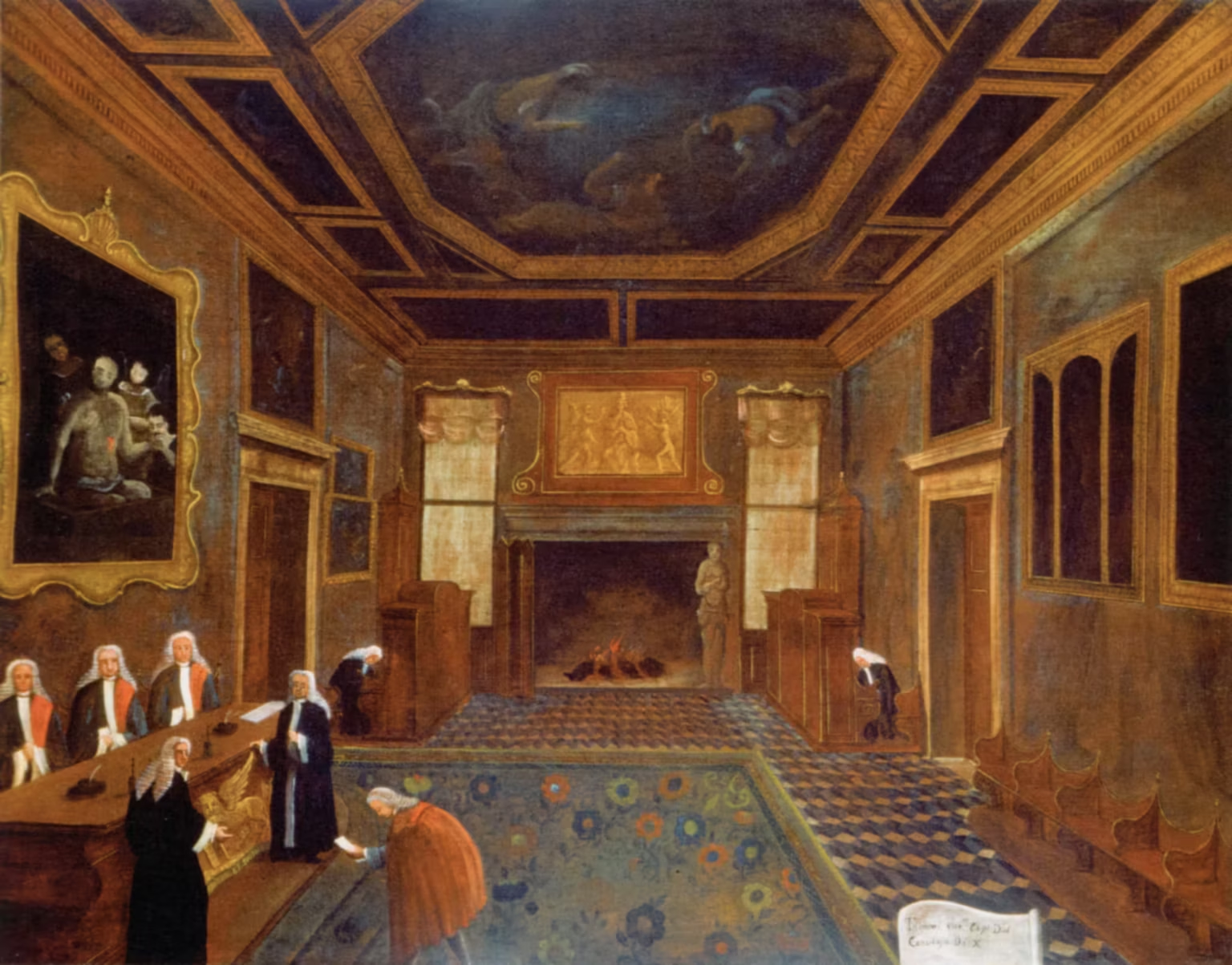
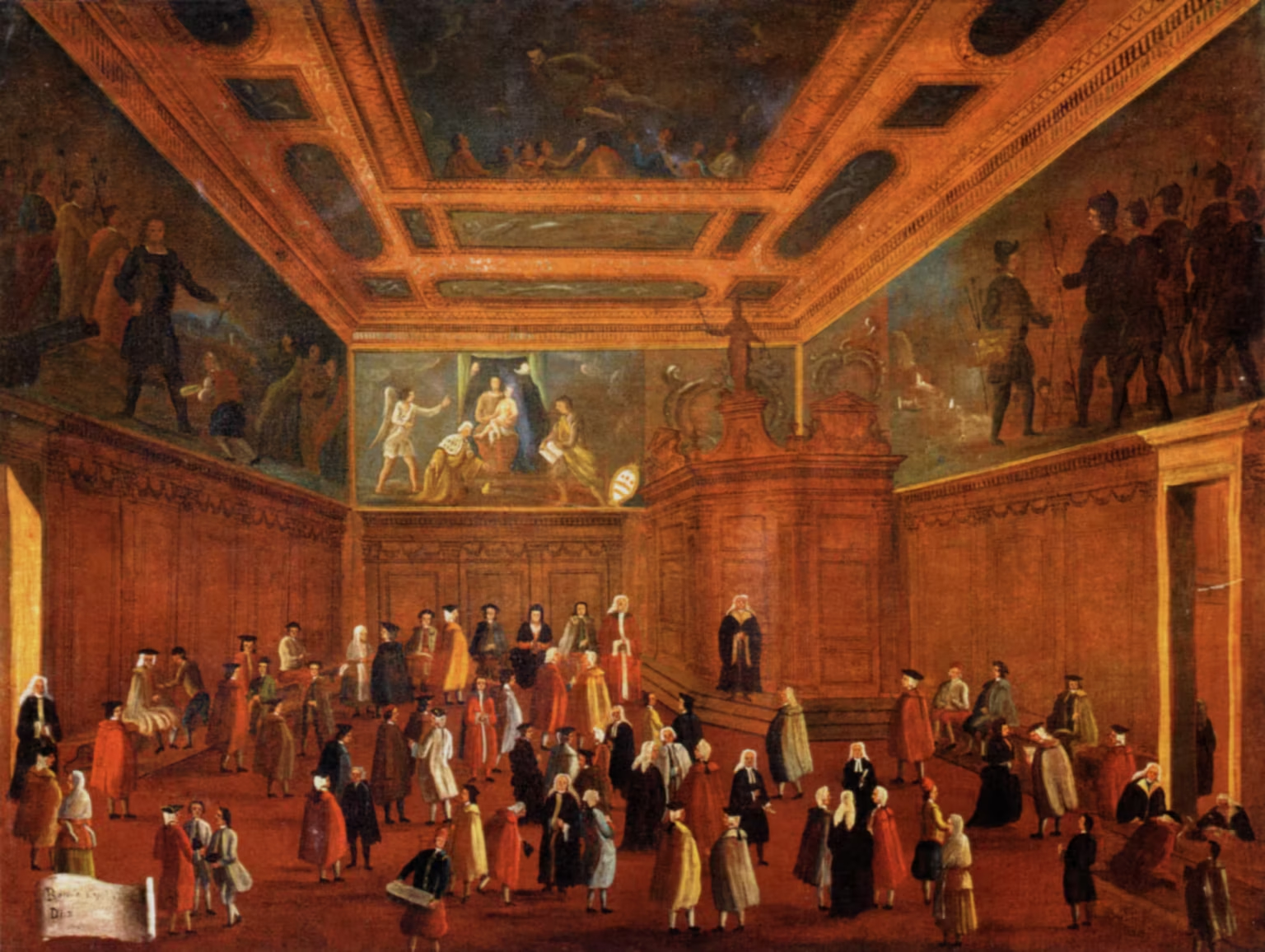
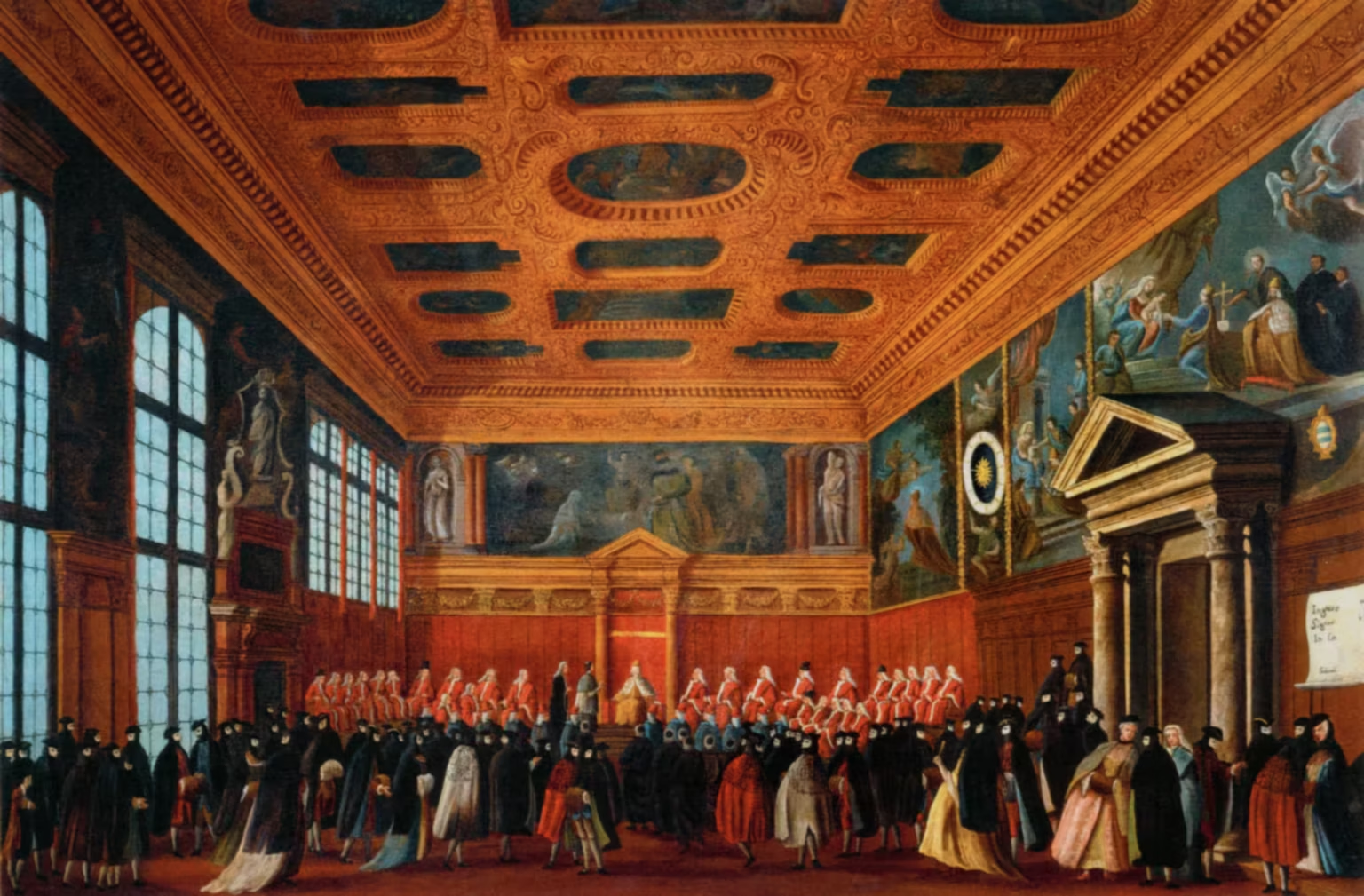
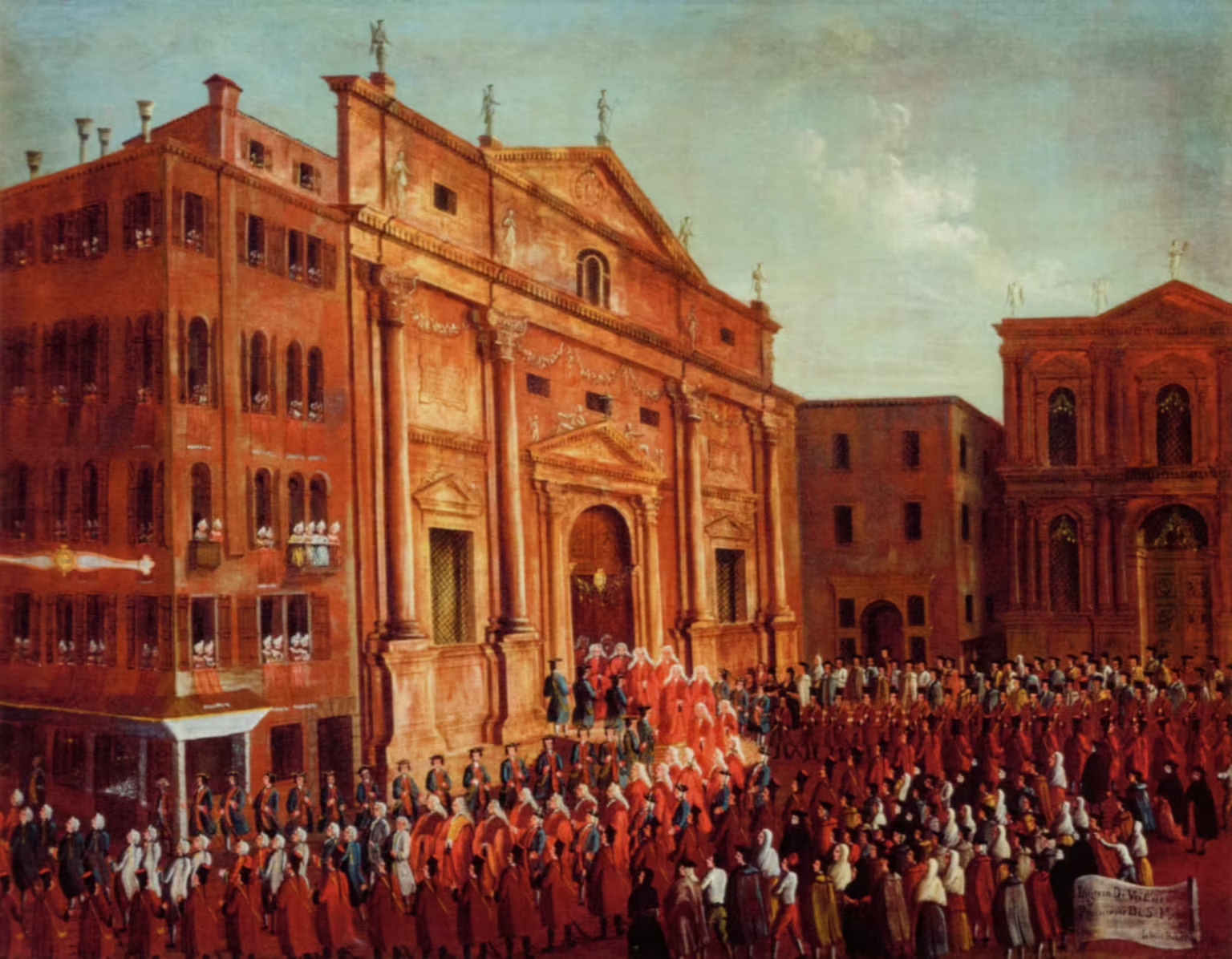
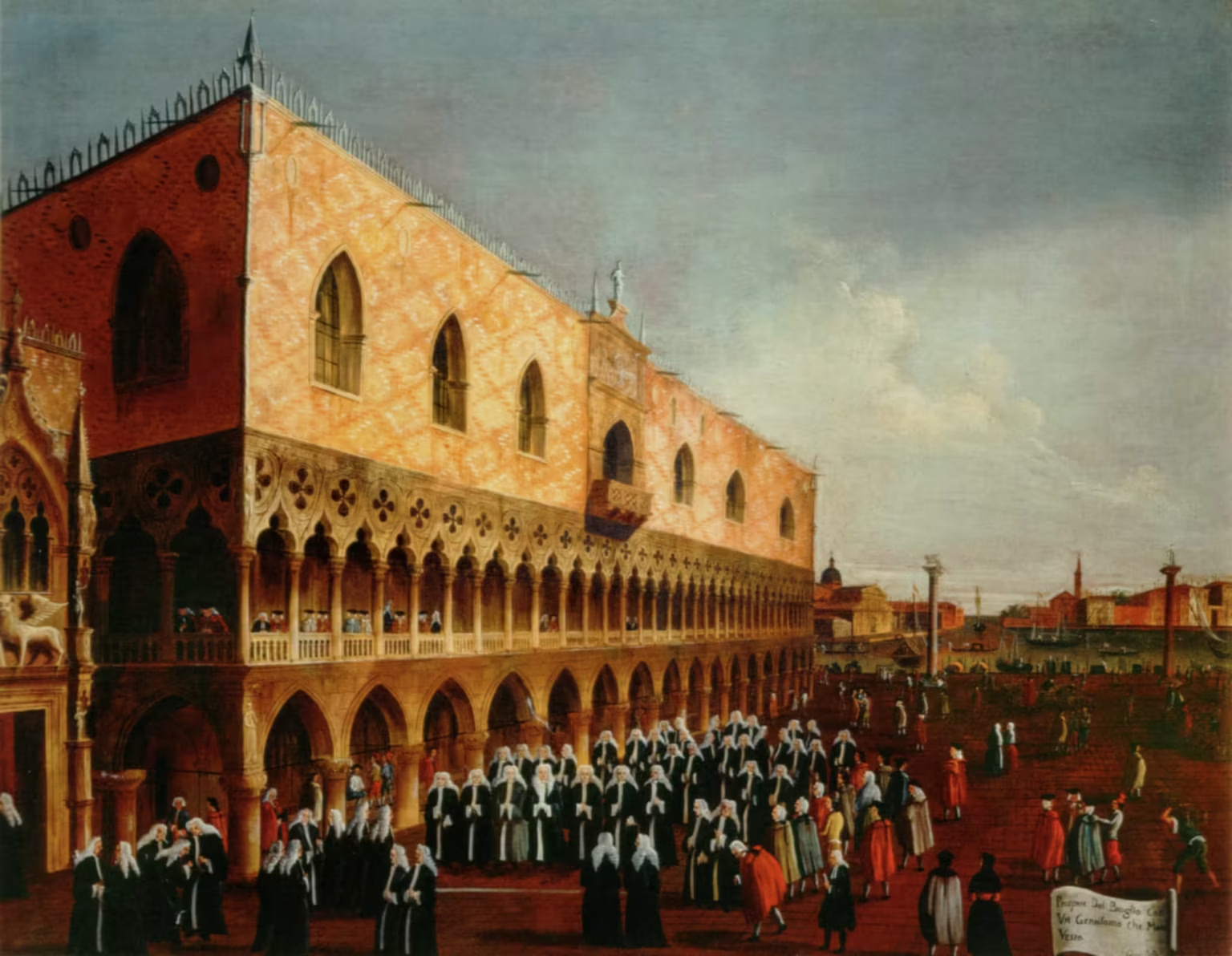
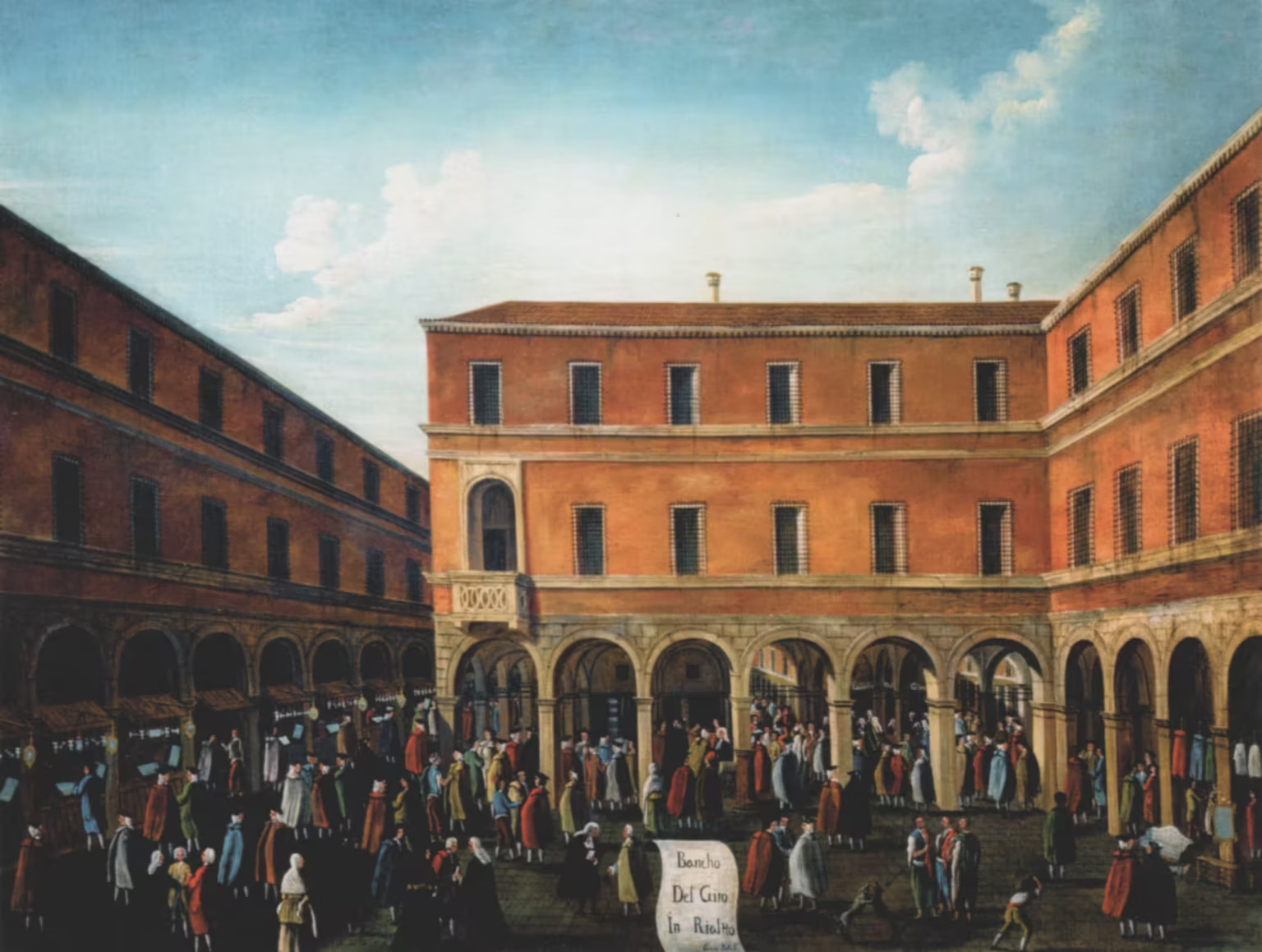
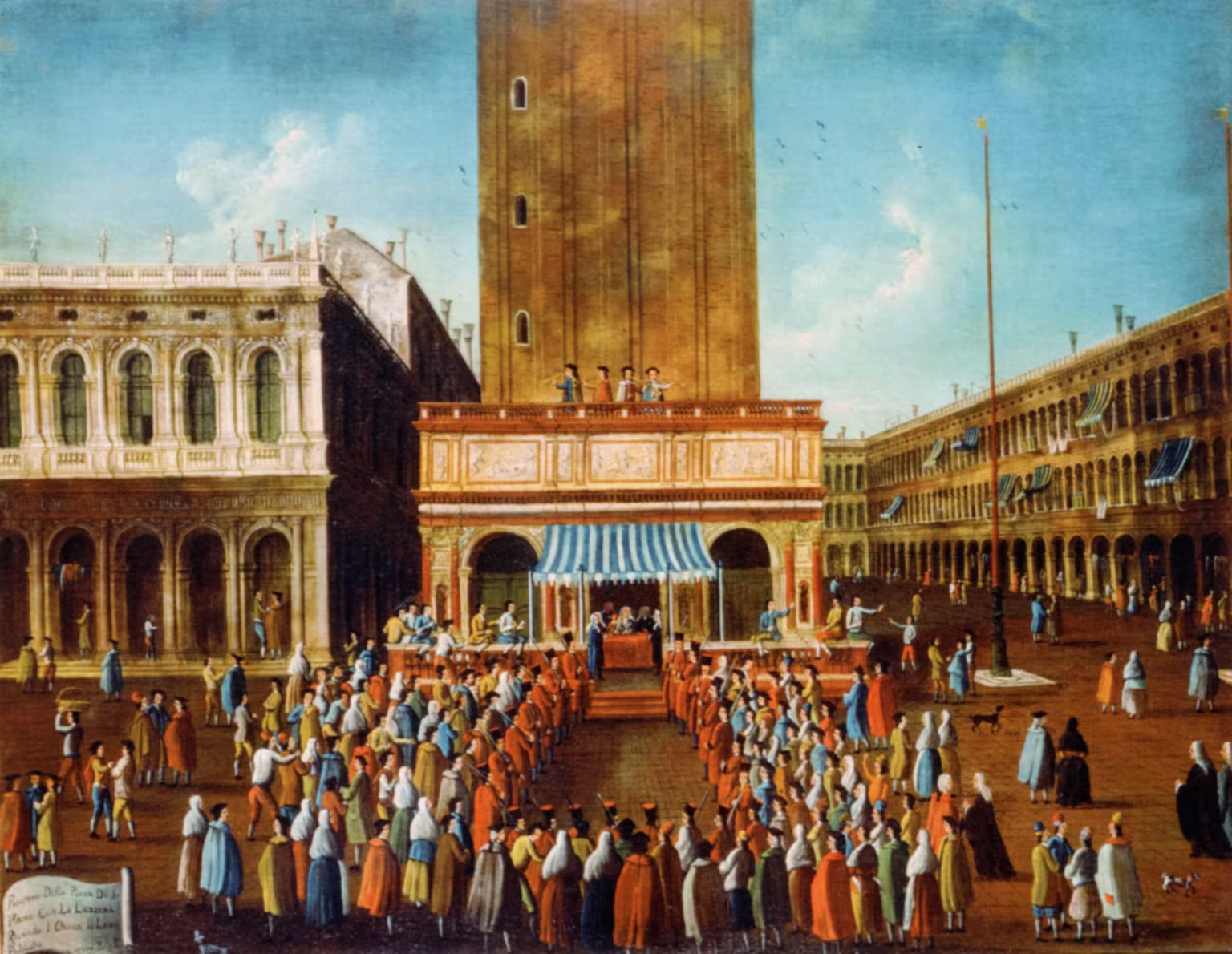
- Il Consiglio dei Pregadi — The Venetian Senate
- La Sala del Consiglio dei Dieci — The Chamber of the Council of Ten
- La Sala dei Tre Capi del Consiglio dei Dieci — The Chamber of the Three Heads of the Council of Ten
- La Sala della Bussola — The Compass Chamber
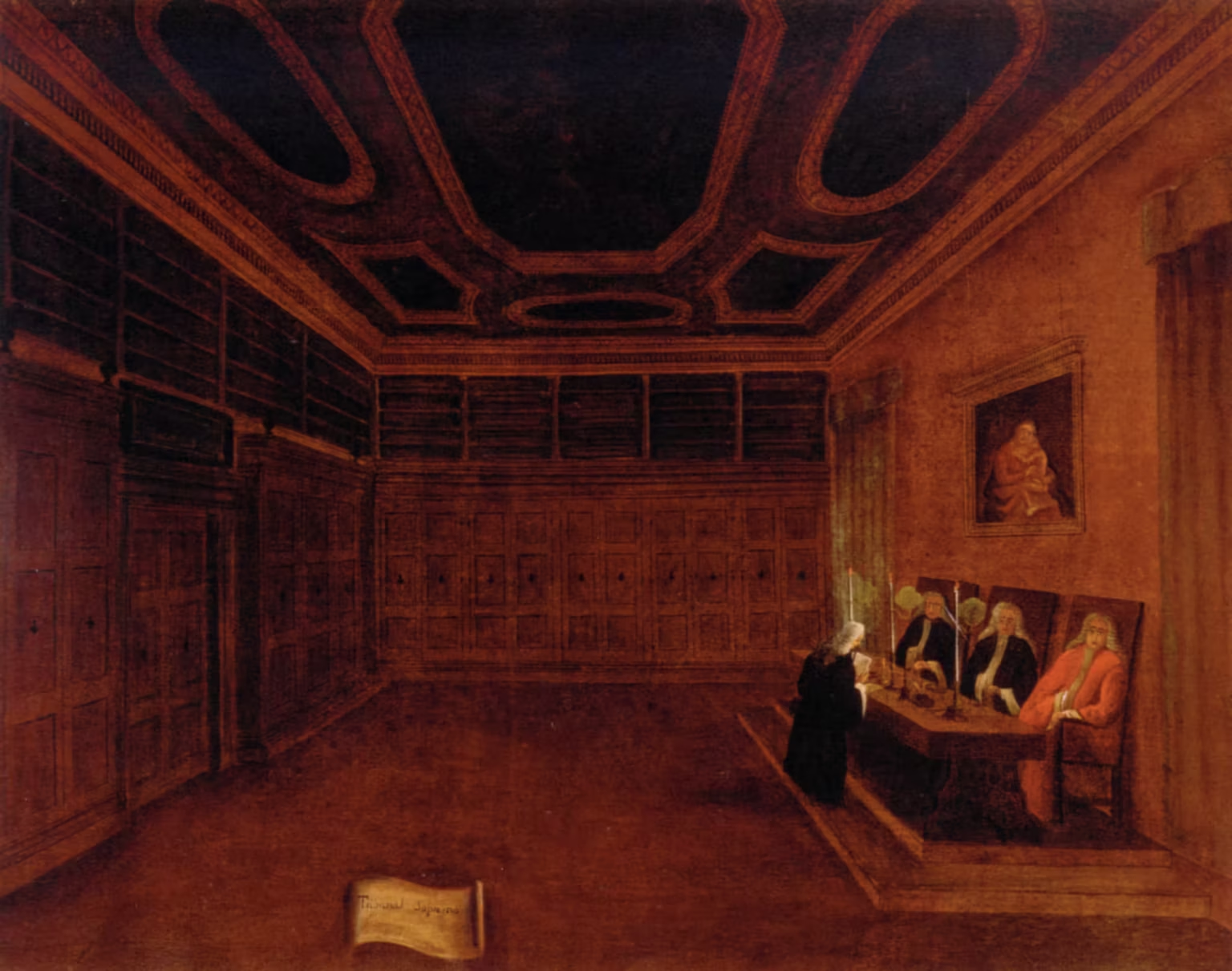
- Il Tribunale Supremo — The Supreme Tribunal
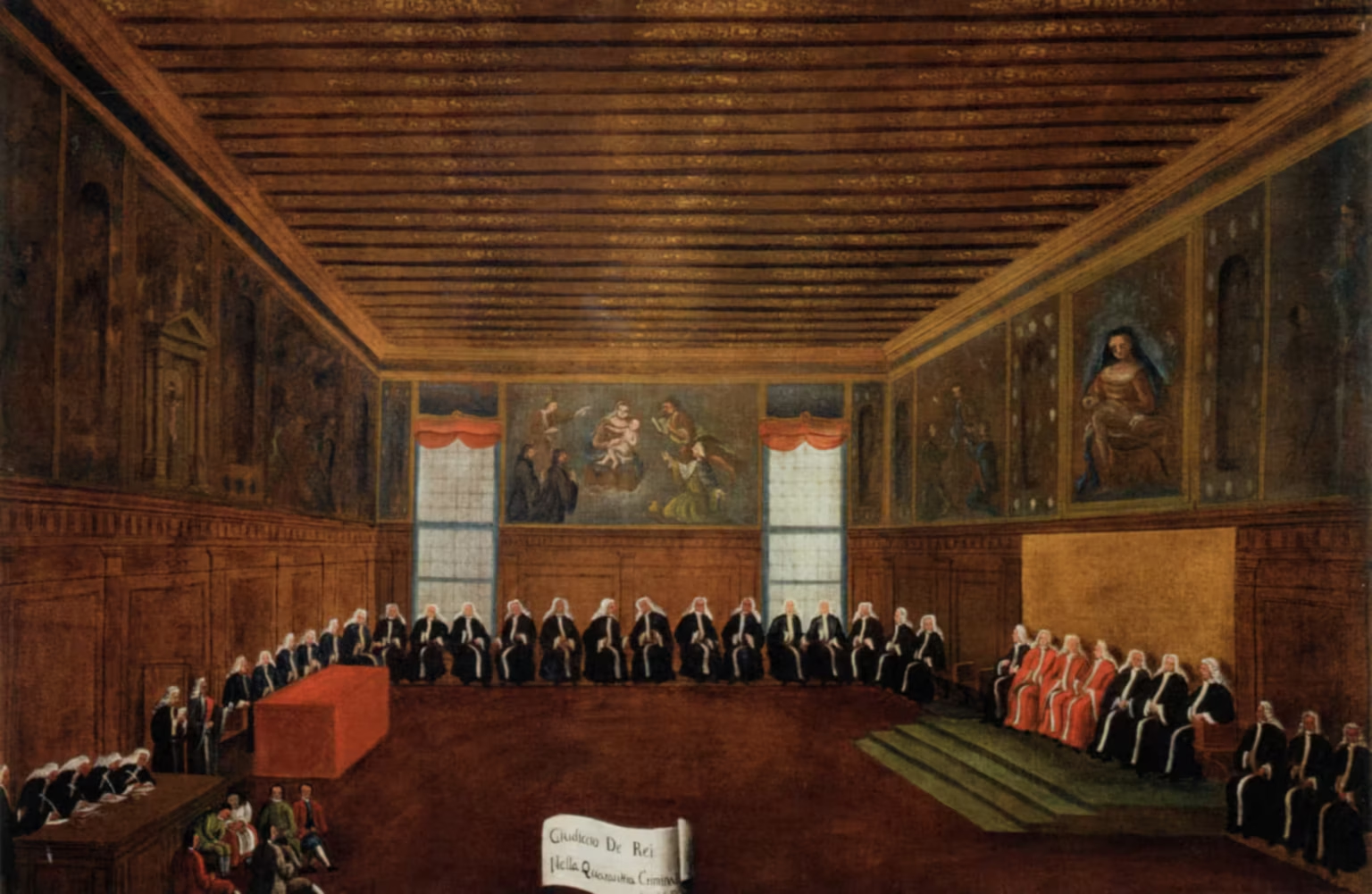
- La Sala della Quarantia Criminale — The Chamber of the Quarantia Criminale
- La consegna del bastone di comando al Generale da Mar — Handing over the Baton of Command to the Generale da Mar
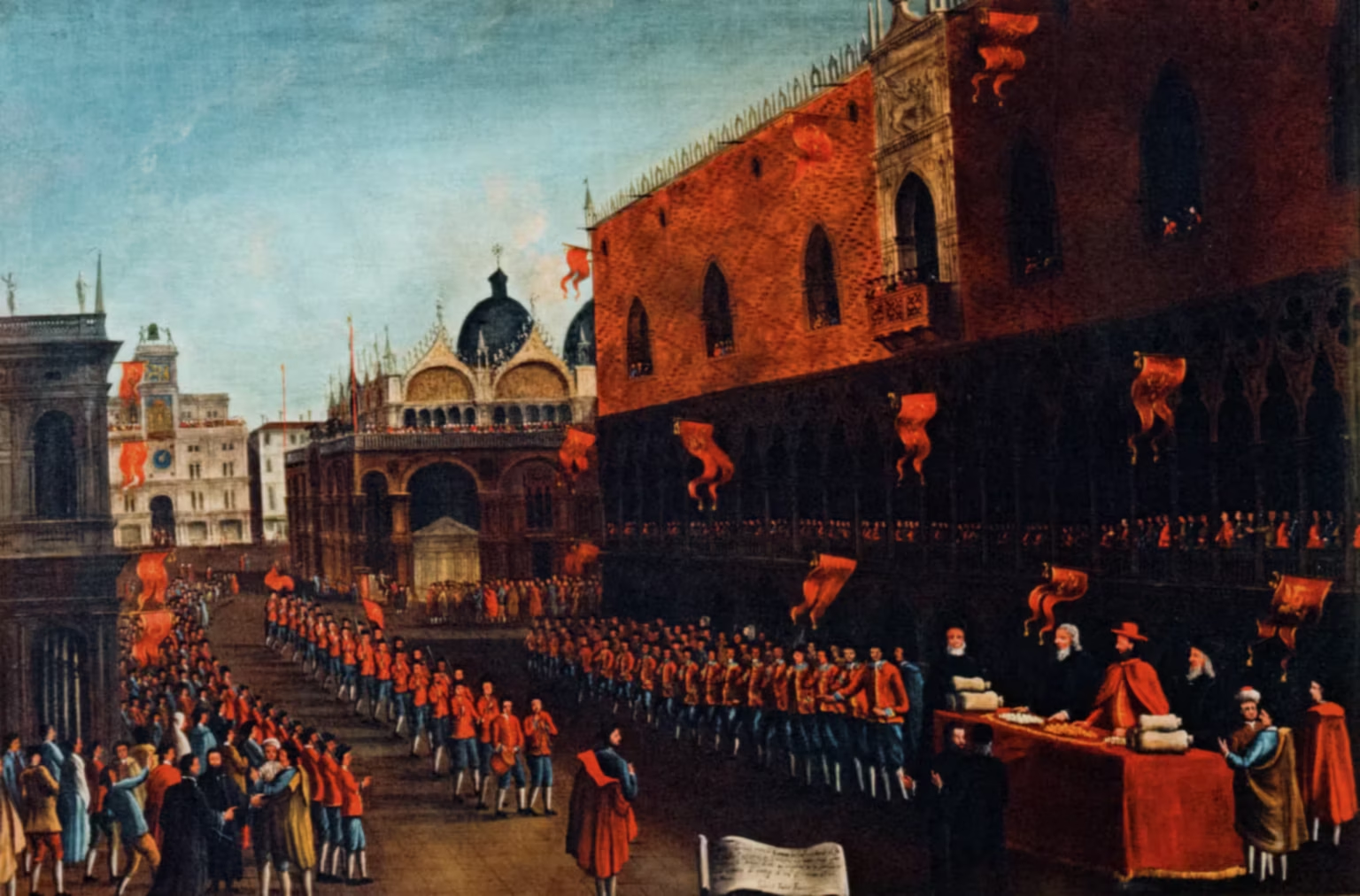
- L’asta delle galee in Piazzetta — The Auction of the Galleys in the Piazzetta
- Il ricevimento di un ambasciatore in Collegio — The Reception of an Ambassador in the College
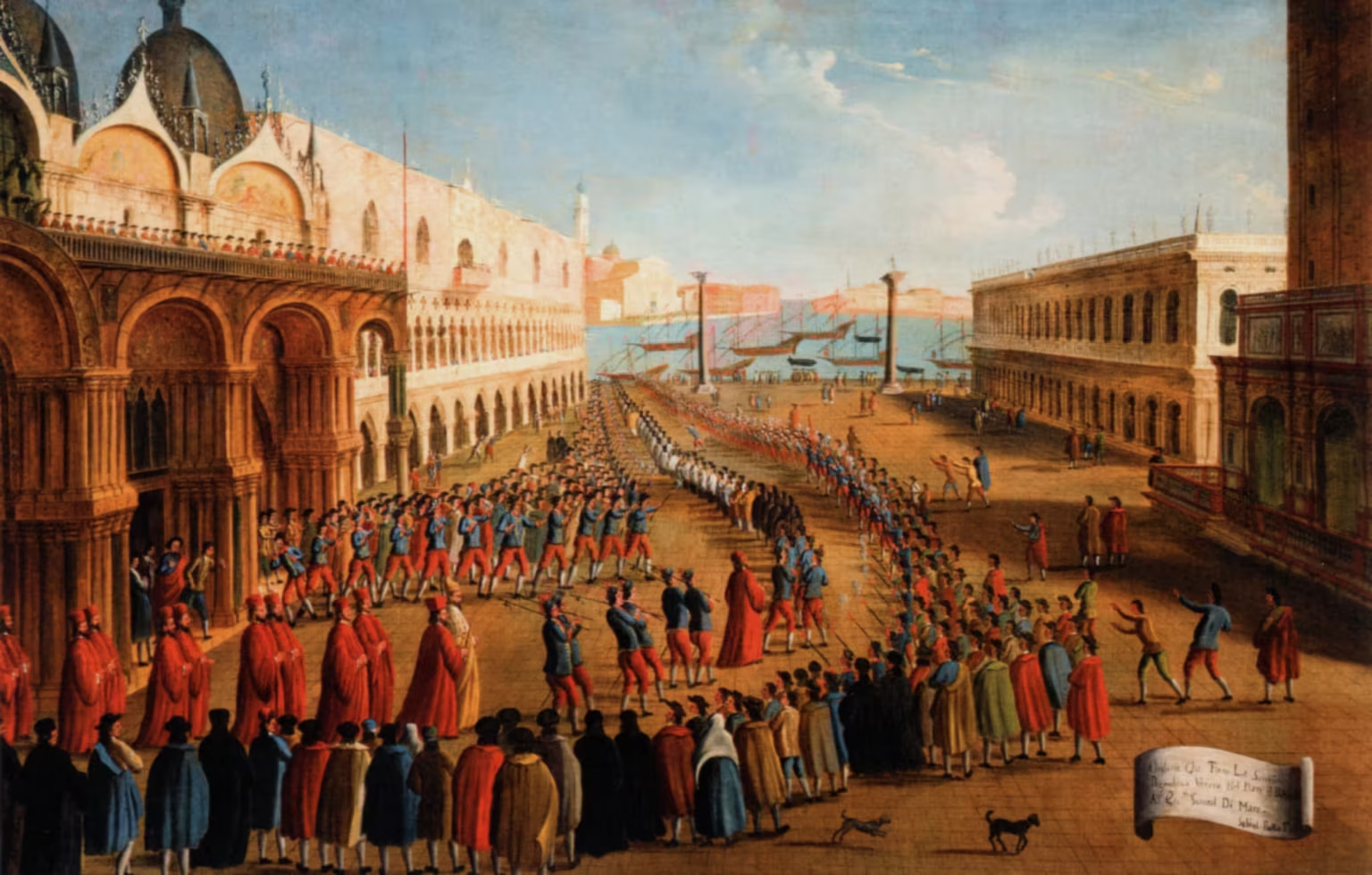
- L’ingresso di un procuratore di San Marco — Inauguration of a Procurator of St. Mark
- Il broglio e la prima vestizione della toga — The “Broglio” and the Inaugural Wearing of the Robe
- Il Bancogiro di Rialto — The Banco Giro at the Rialto
- Il lotto pubblico — The Public Lottery
Official celebrations
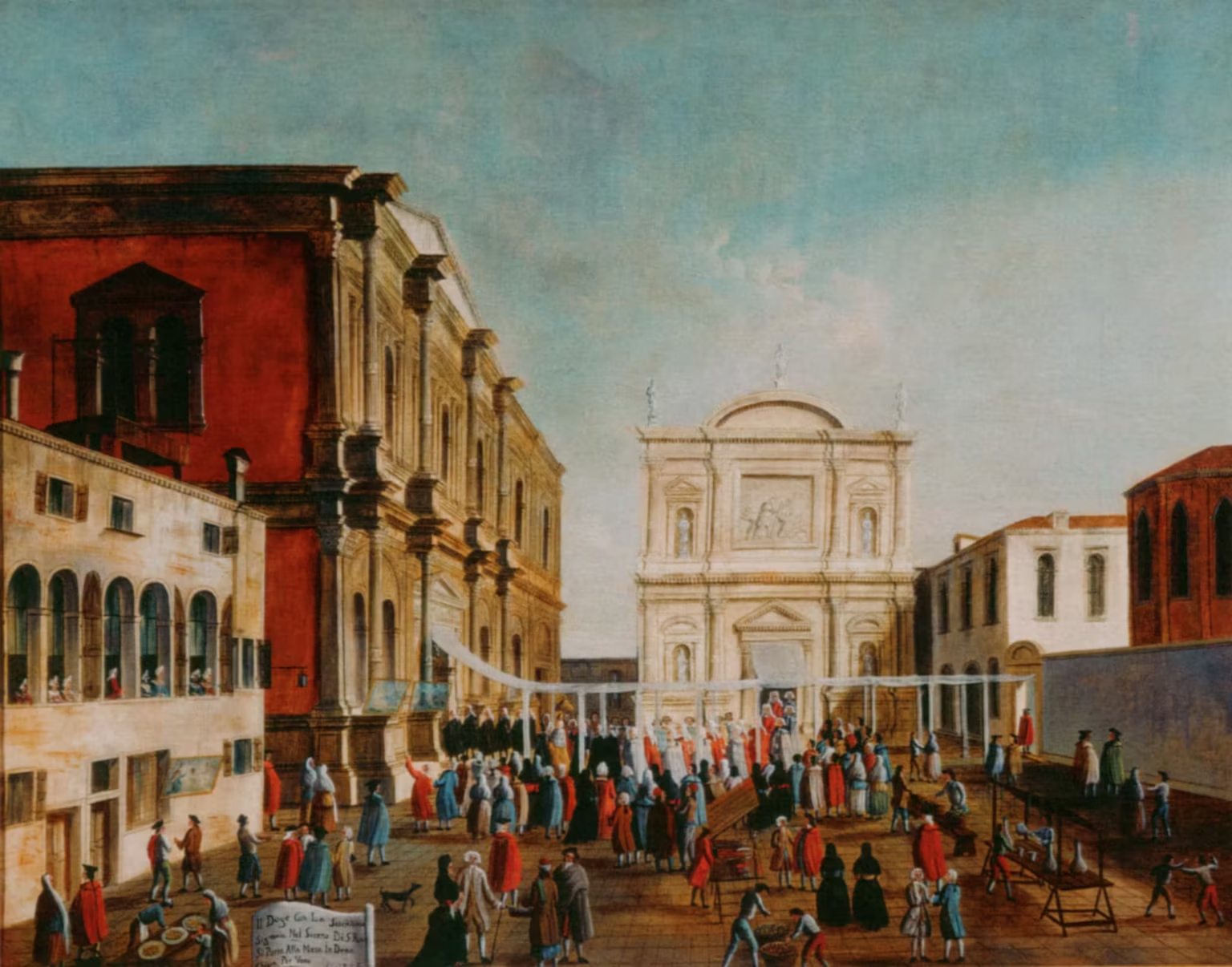
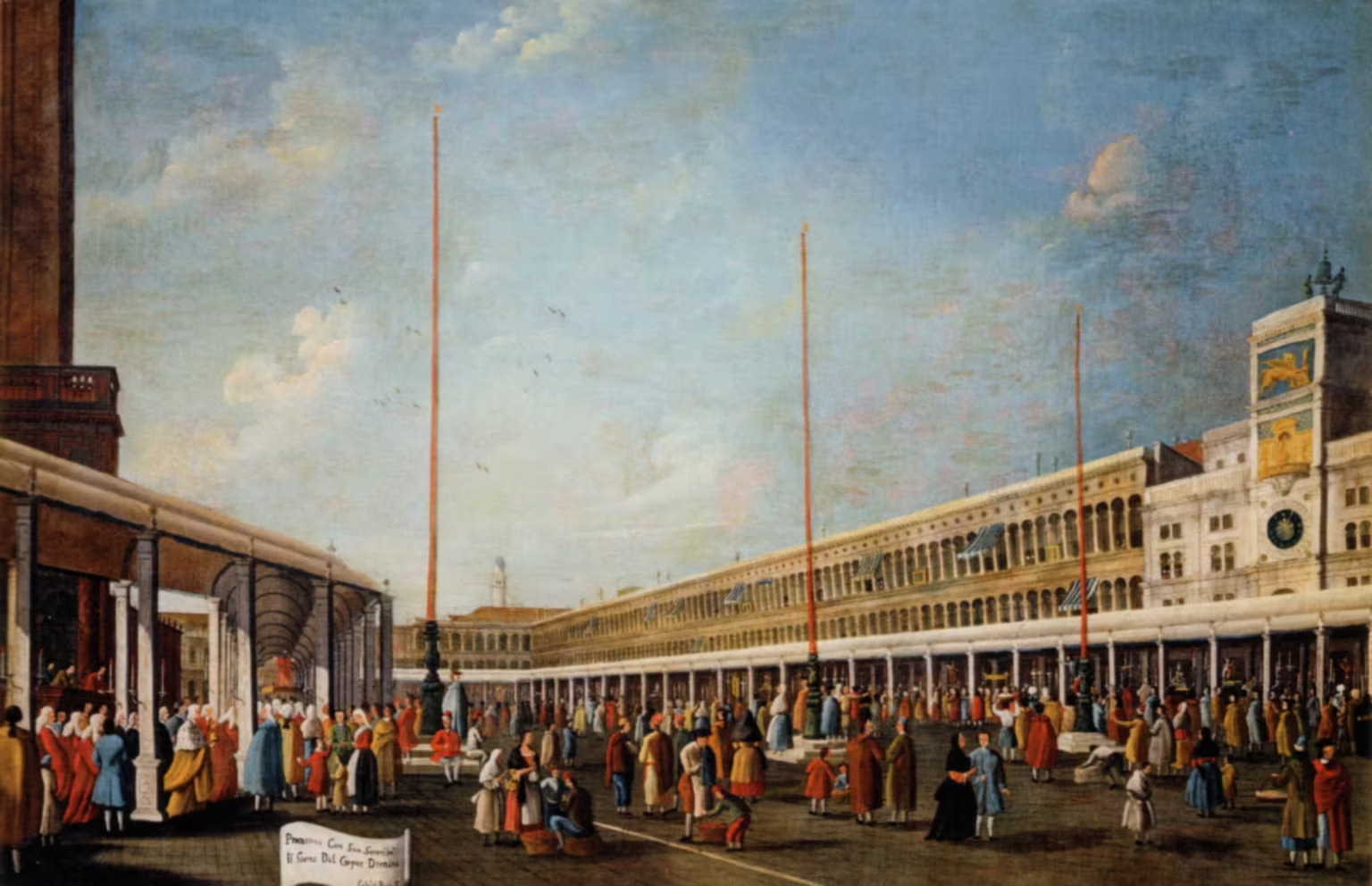
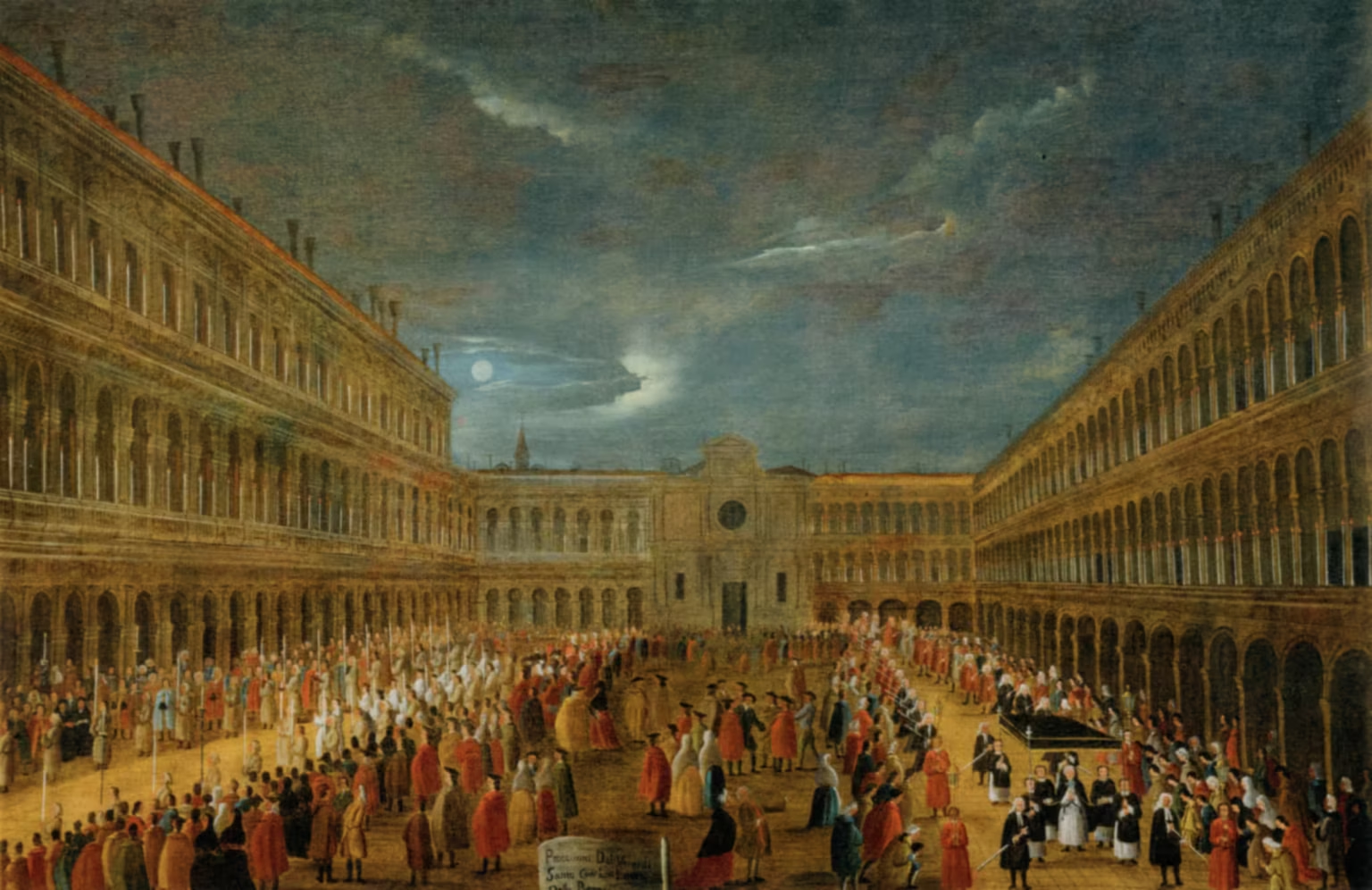
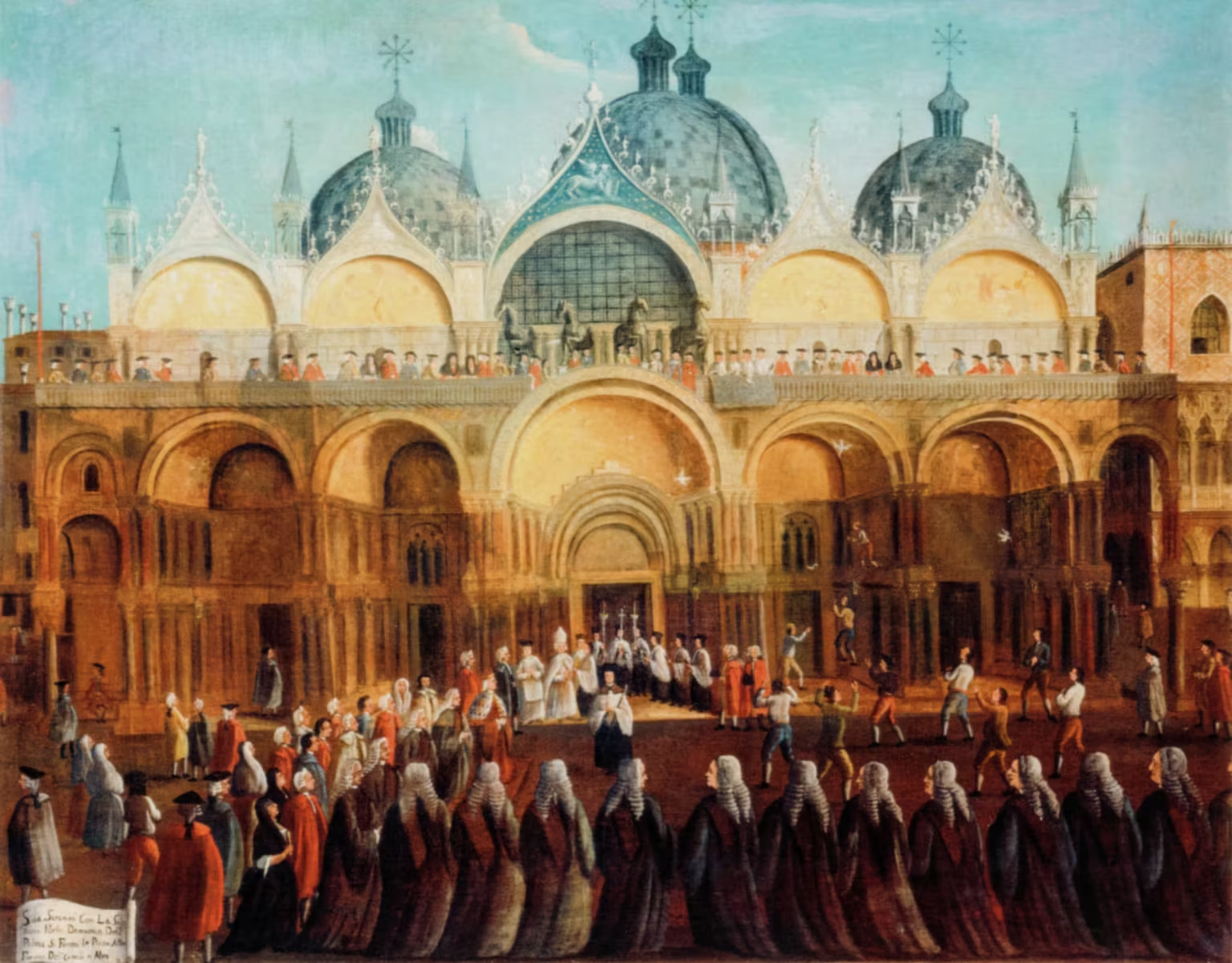
- La visita del doge alla chiesa di San Rocco — The Doge’s Visit to the Church of San Rocco
- La visita del doge a San Zaccaria nel giorno di Pasqua — The Doge Visits San Zaccaria on Easter Day
- La visita del doge a San Nicolò dopo lo Sposalizio de del Mare — The Doge visiting San Nicolò following the Marriage to the Sea
- L’ingresso del patriarca a San Pietro di Castello — The Arrival of the Patriarch at San Pietro di Castello
- La processione del Corpus Domini — The Corpus Christi Day Procession
- La processione del Venerdì Santo — The Good Friday Procession
- La funzione della Domenica delle Palme — The Palm Sunday Ceremony
Specific events
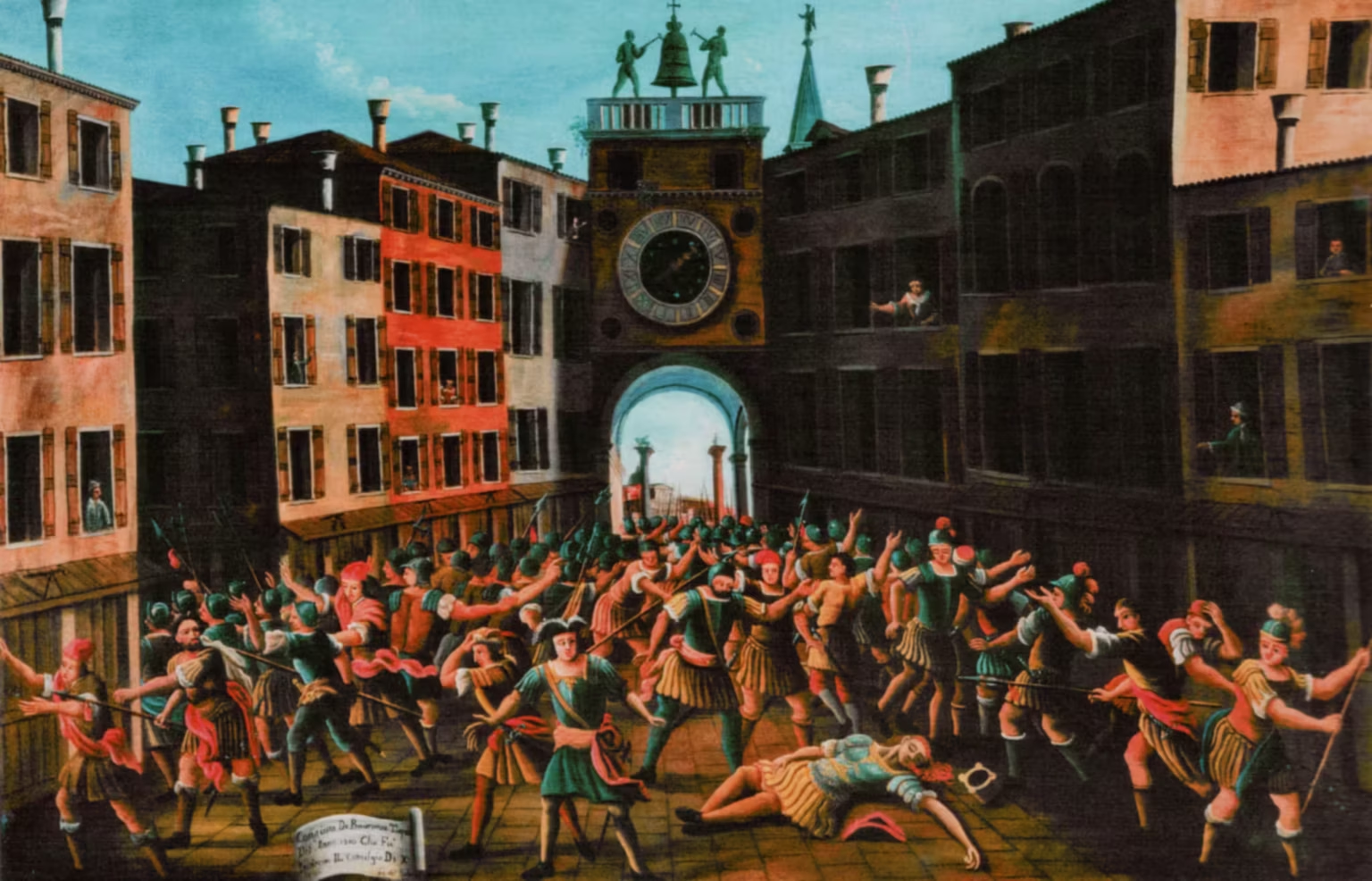
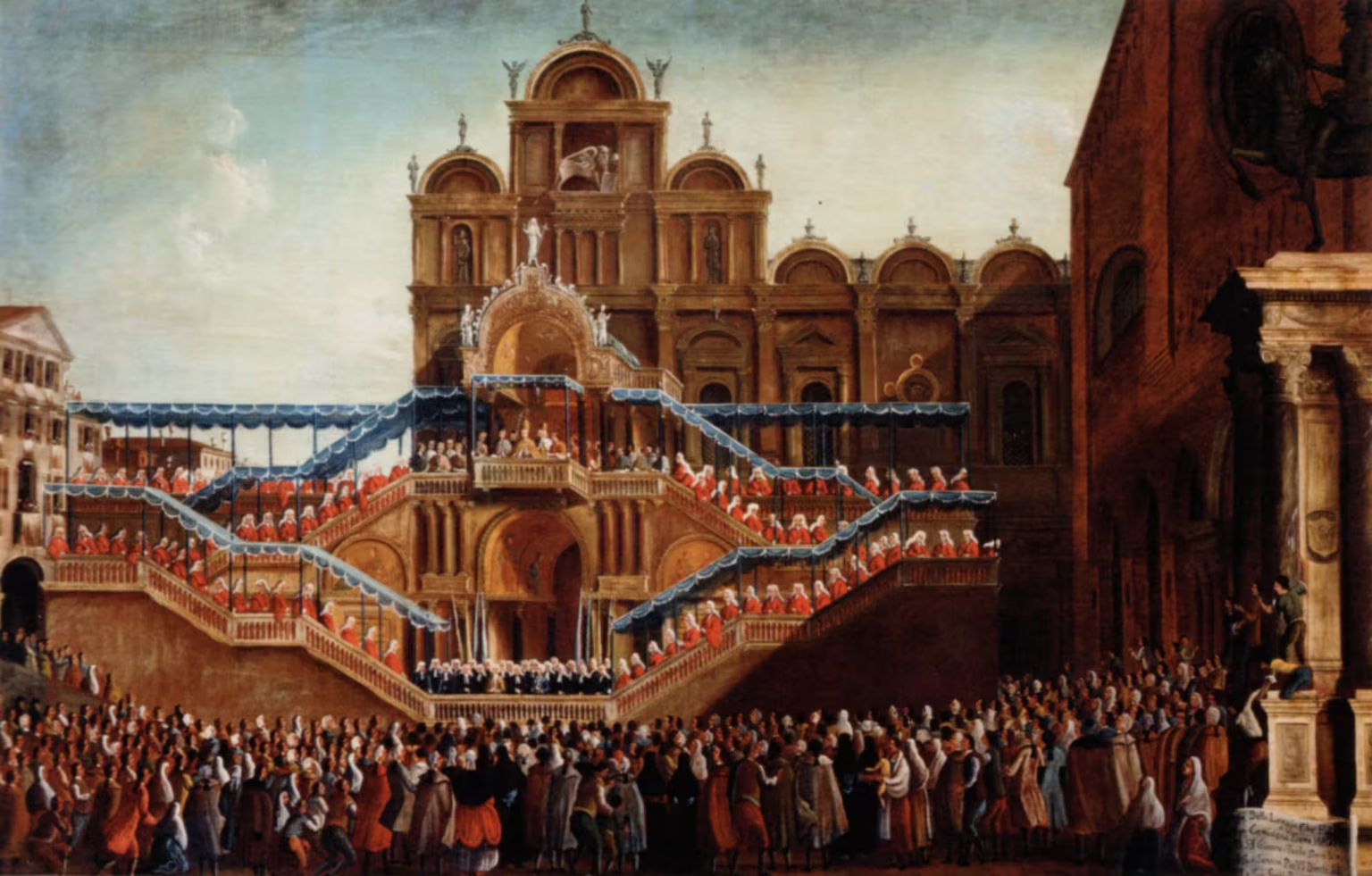
- La congiura di Bajamonte Tiepolo — The conspiracy of Bajamonte Tiepolo
- L’ingresso di Enrico III di Polonia e di Francia nel 1574 — The Arrival of Henry III of Poland and France in 1574
- La festa dei tori per il re di Polonia nel 1740 — The Bull Fight for the King of Poland in 1740
- La cena al Teatro di San Benedetto per i Duchi del Nord — The Feast at the Theatre of San Benedetto for the Dukes of the North
- La cantata delle orfanelle per i Duchi del Nord — The Concert of the Orphans for the Dukes of the North
- La benedizione di papa Pio VI ai Santi Giovanni e Paolo — The Benediction of Pope Pius VI at the Basilica Santi Giovanni e Paolo
Carnival
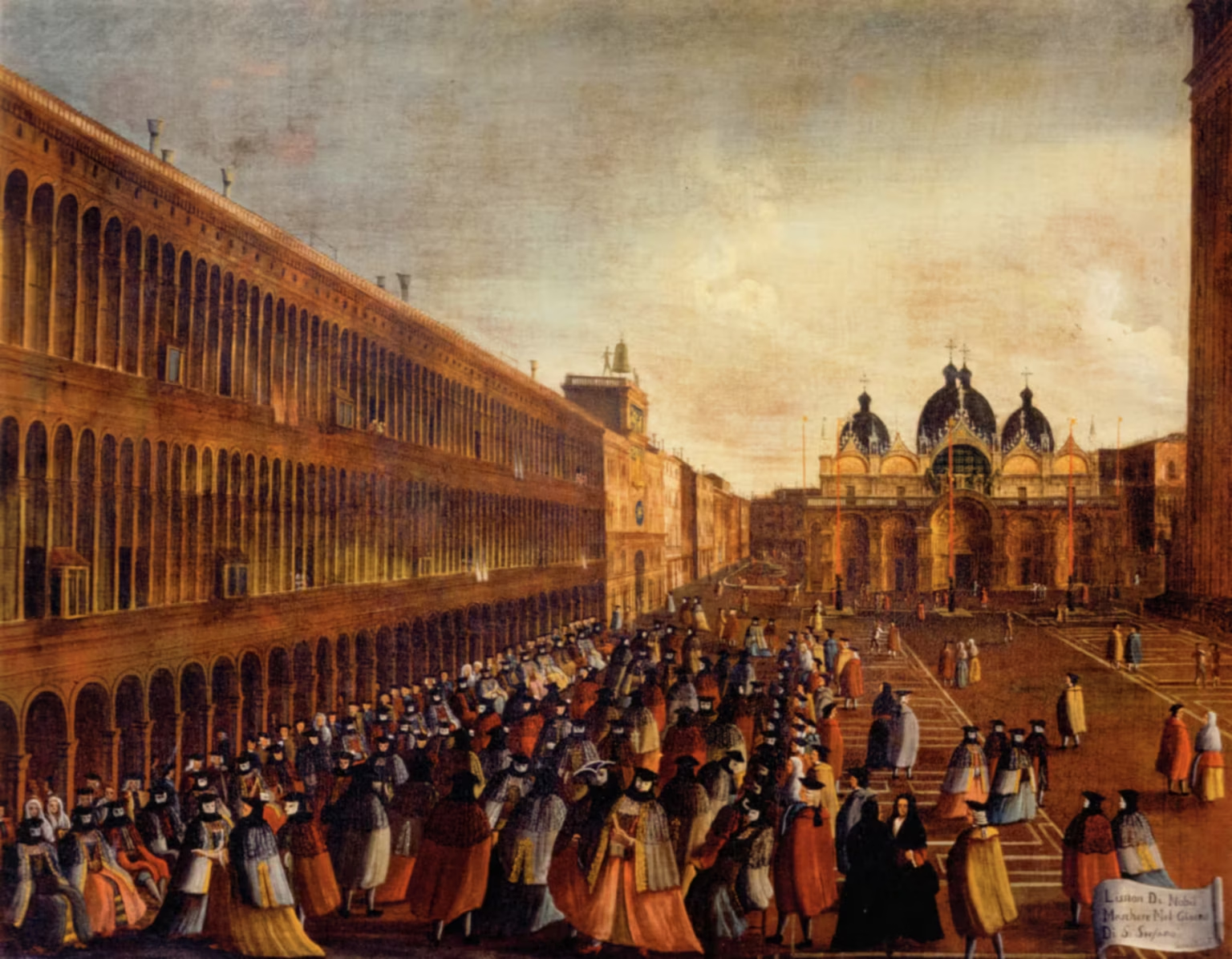
- Il liston delle maschere il giorno di Santo Stefano — The Boxing Day Promenade in costume
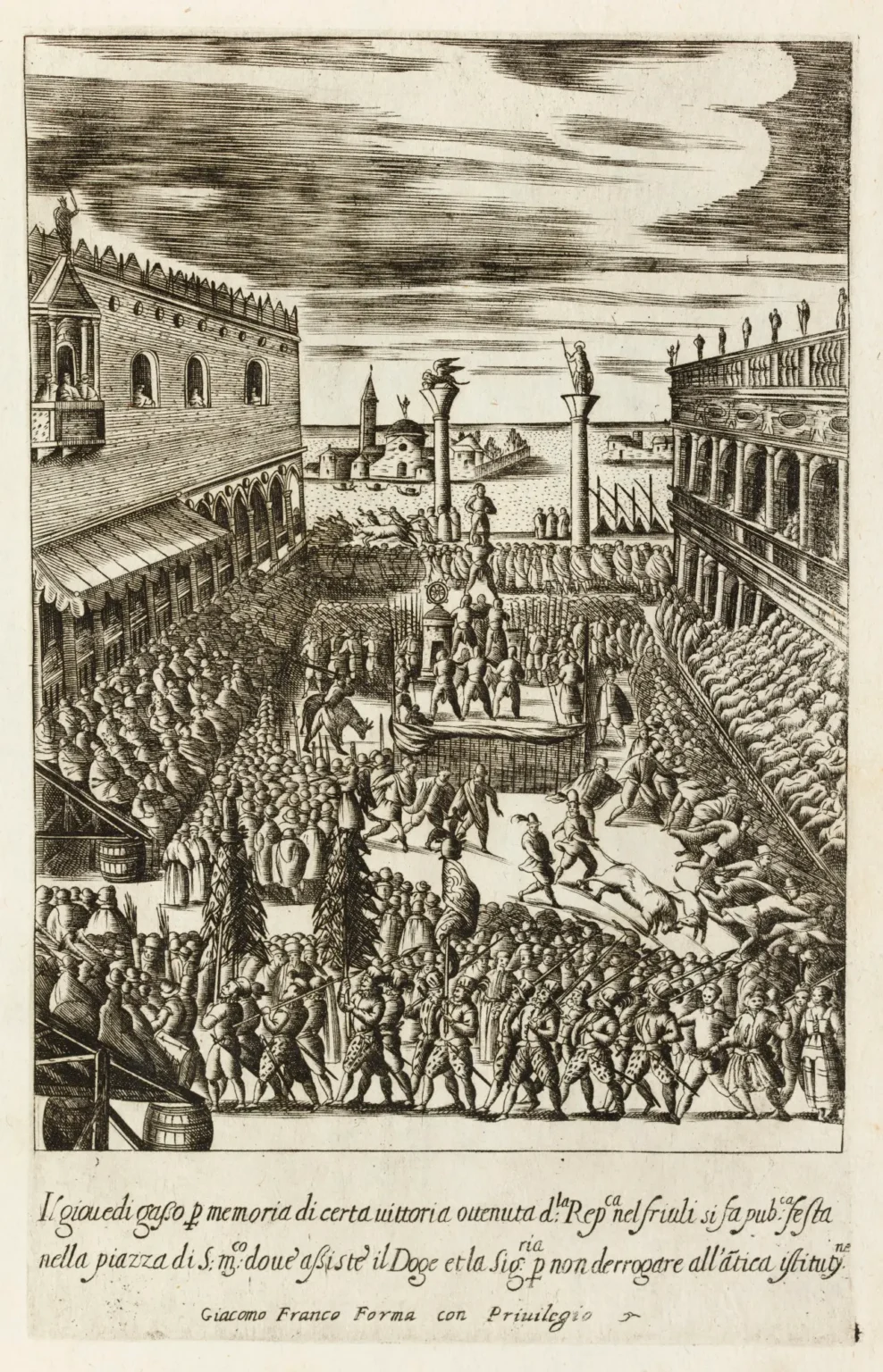
- La festa del giovedì grasso in Piazzetta — Carnival Thursday Fair in the Piazzetta
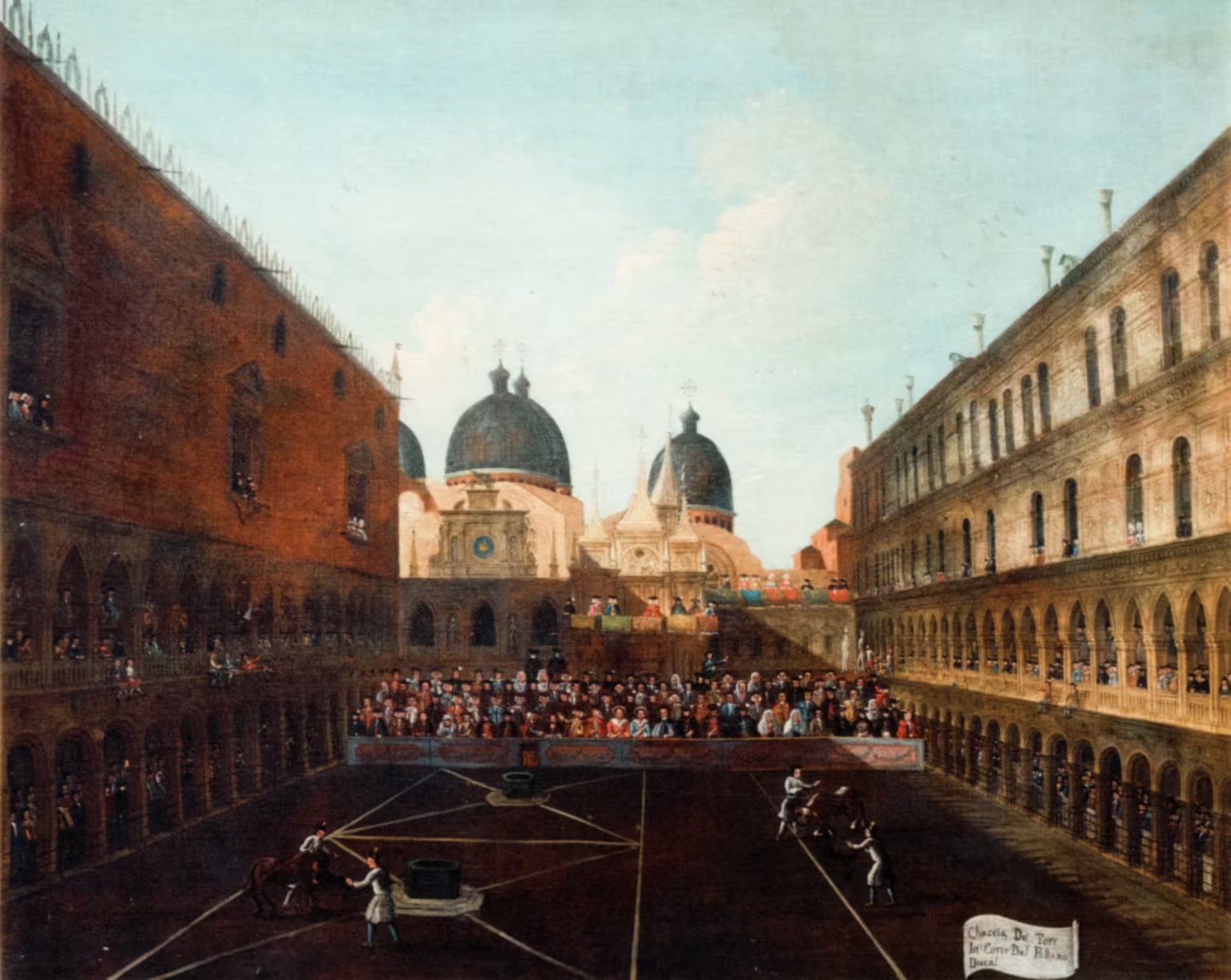
- La caccia di tori nel cortile del Palazzo Ducale — Bull fight in the Courtyard of the Doge’s Palace
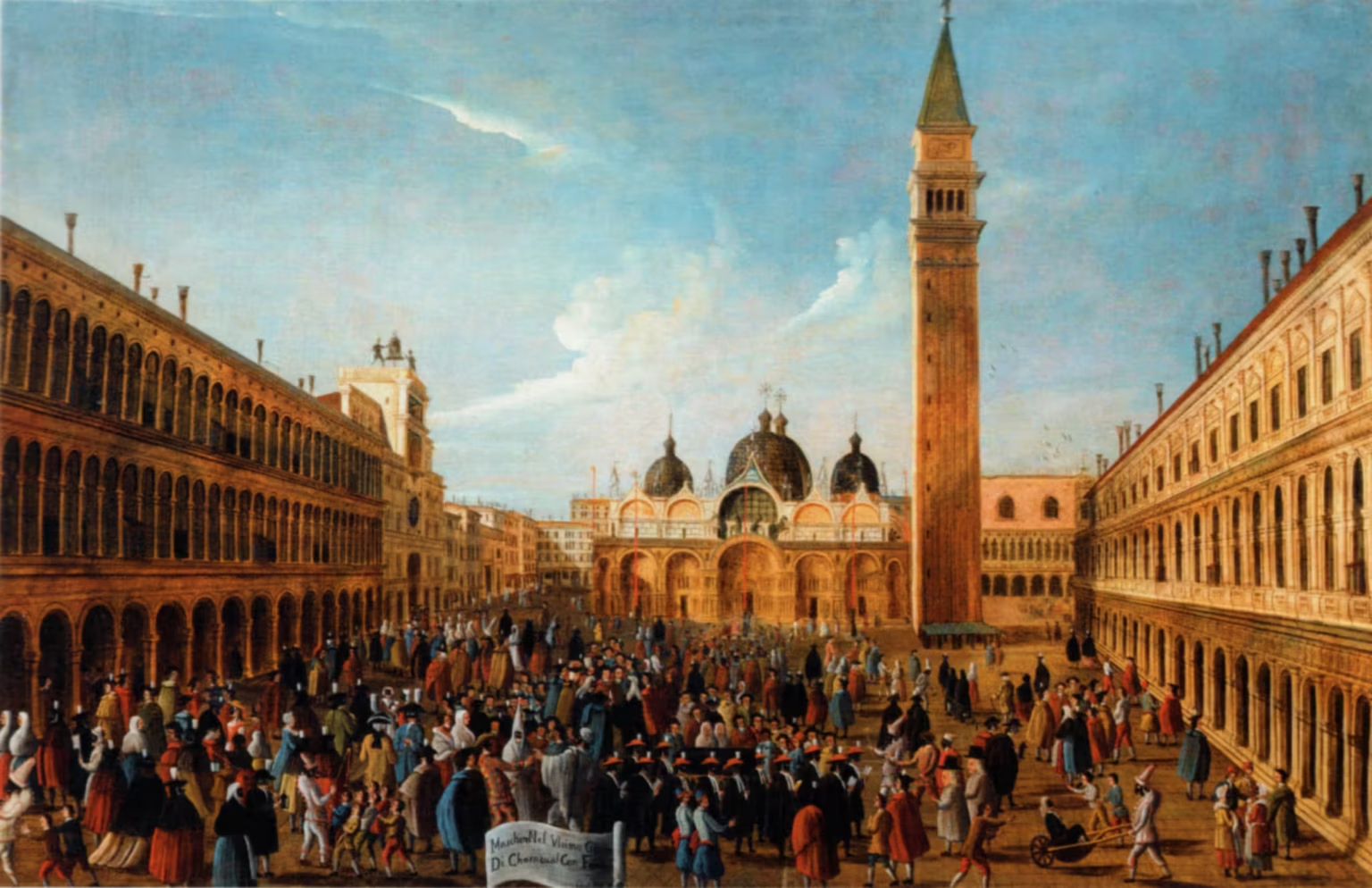
- L’ultimo giorno di Carnevale — The Last Day of Carnival
Popular feasts and celebrations
- La festa del 2 febbraio a Santa Maria Formosa — The celebrations of the 2nd of February in Santa Maria Formosa
- L’antica Fiera della Sensa — The Traditional Fair of Ascension Day
- La nuova Fiera della Sensa — The New Fair of Ascension Day
- La notte del Redentore — The night of the Redentore
- La sagra della Vecchia in campo San Luca — La Sagra della Vecchia in Campo San Luca
- La festa da ballo in Campiello — A Dance in the Campiello
- Battagliola coi bastoni al ponte di Santa Fosca — Battle with clubs on the Bridge of Santa Fosca
Social customs
- La visita delle novizie ai conventi — The Visit of the Betrothed to the Convents
- Sposalizio alla Salute — A Wedding at the Salute
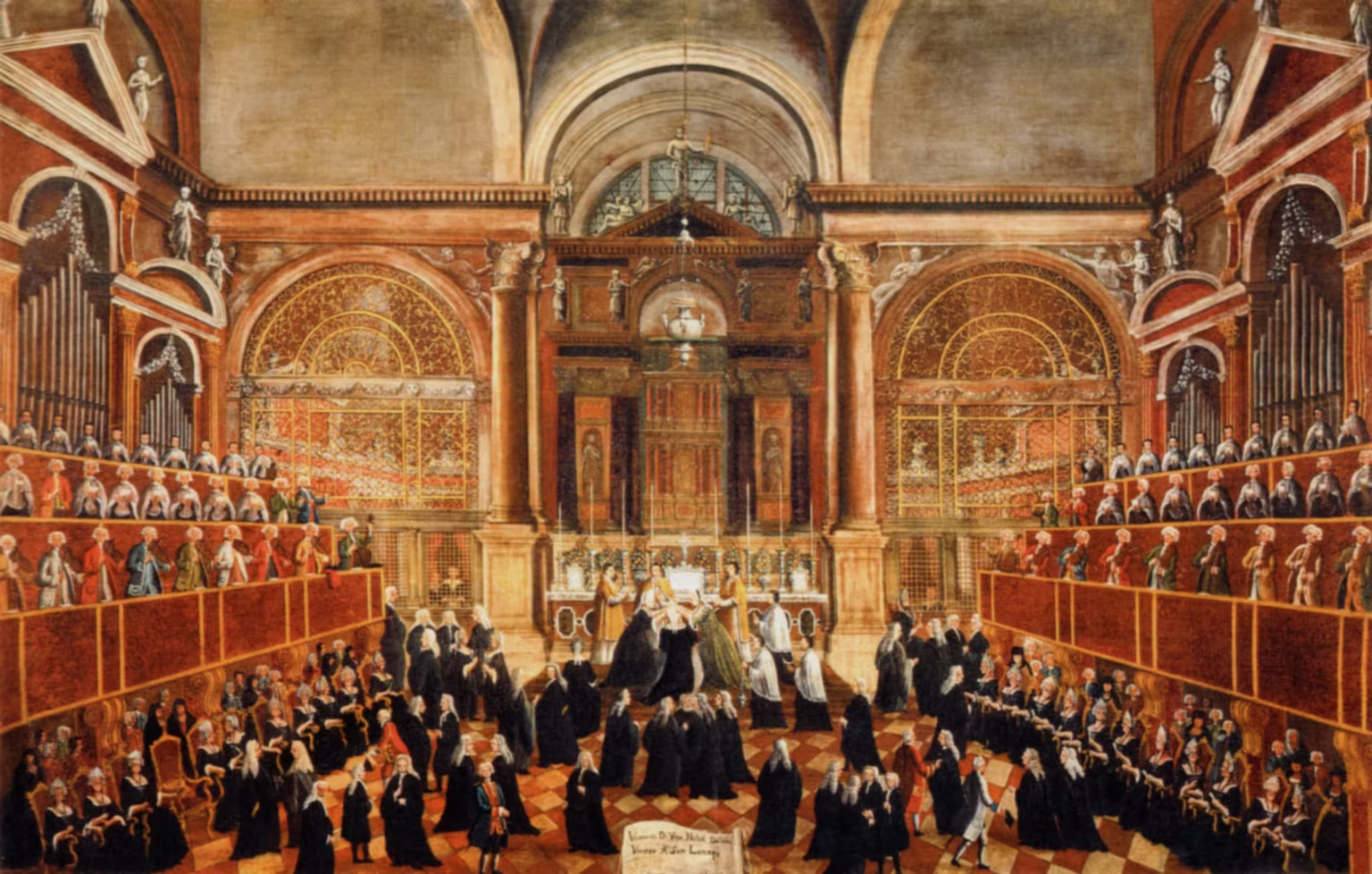
- La vestizione di una monaca a San Lorenzo — The Investiture of a Nun at San Lorenzo
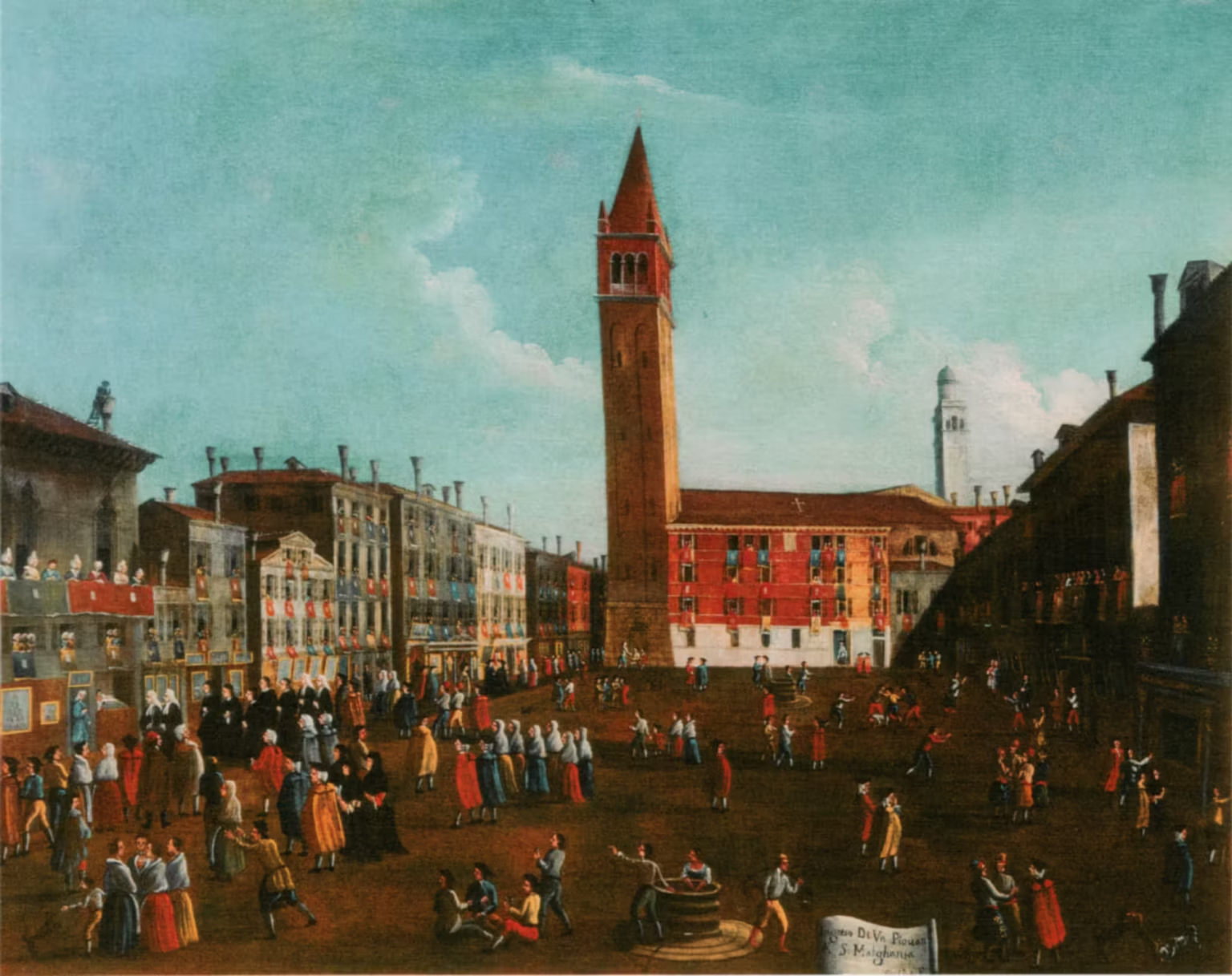
- L’ingresso di un parroco a Santa Margherita — The Arrival of a new Parish Priest at Santa Margherita
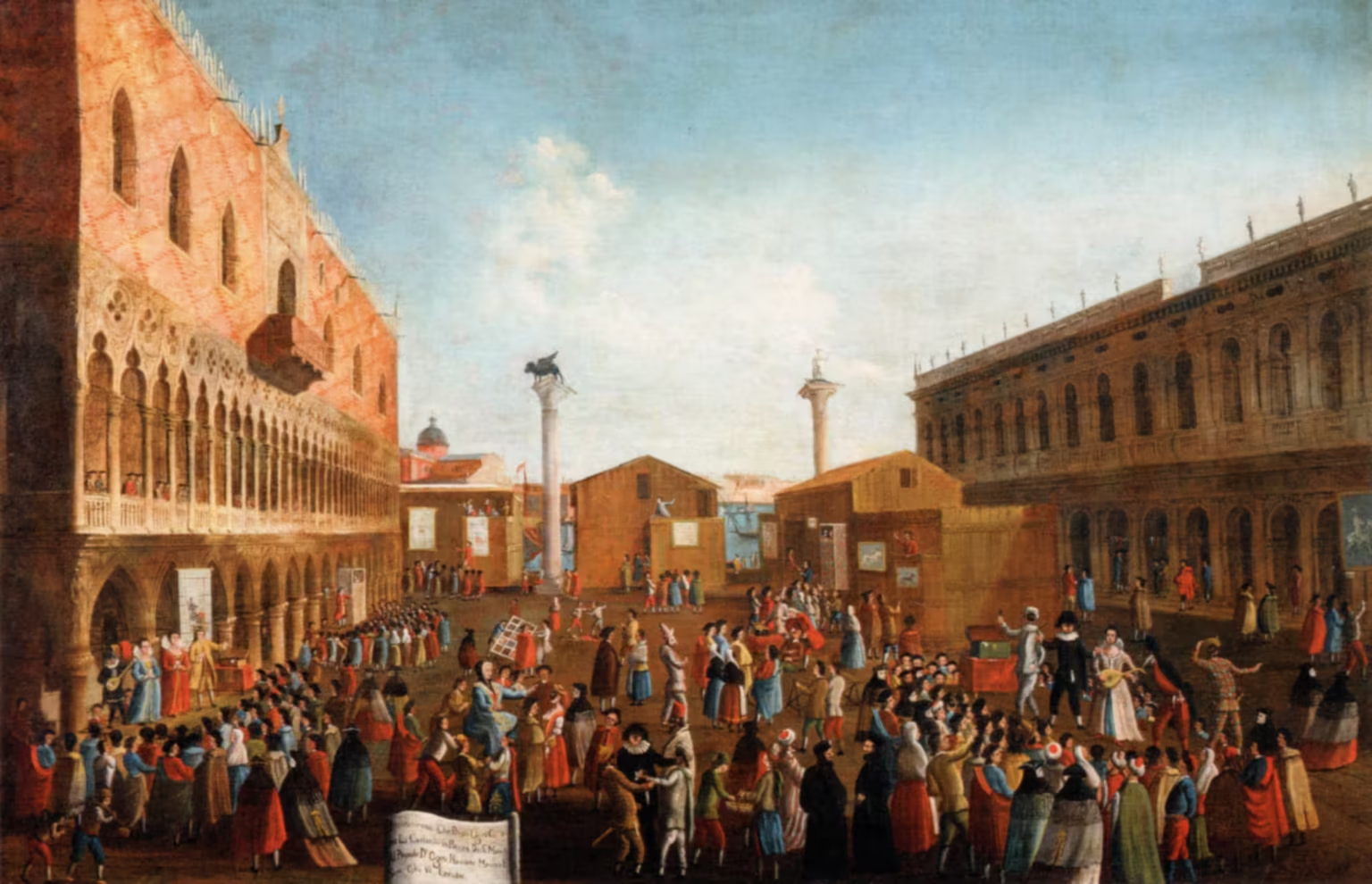
- I ciarlatani in Piazzetta — Charlatans in the Piazzetta
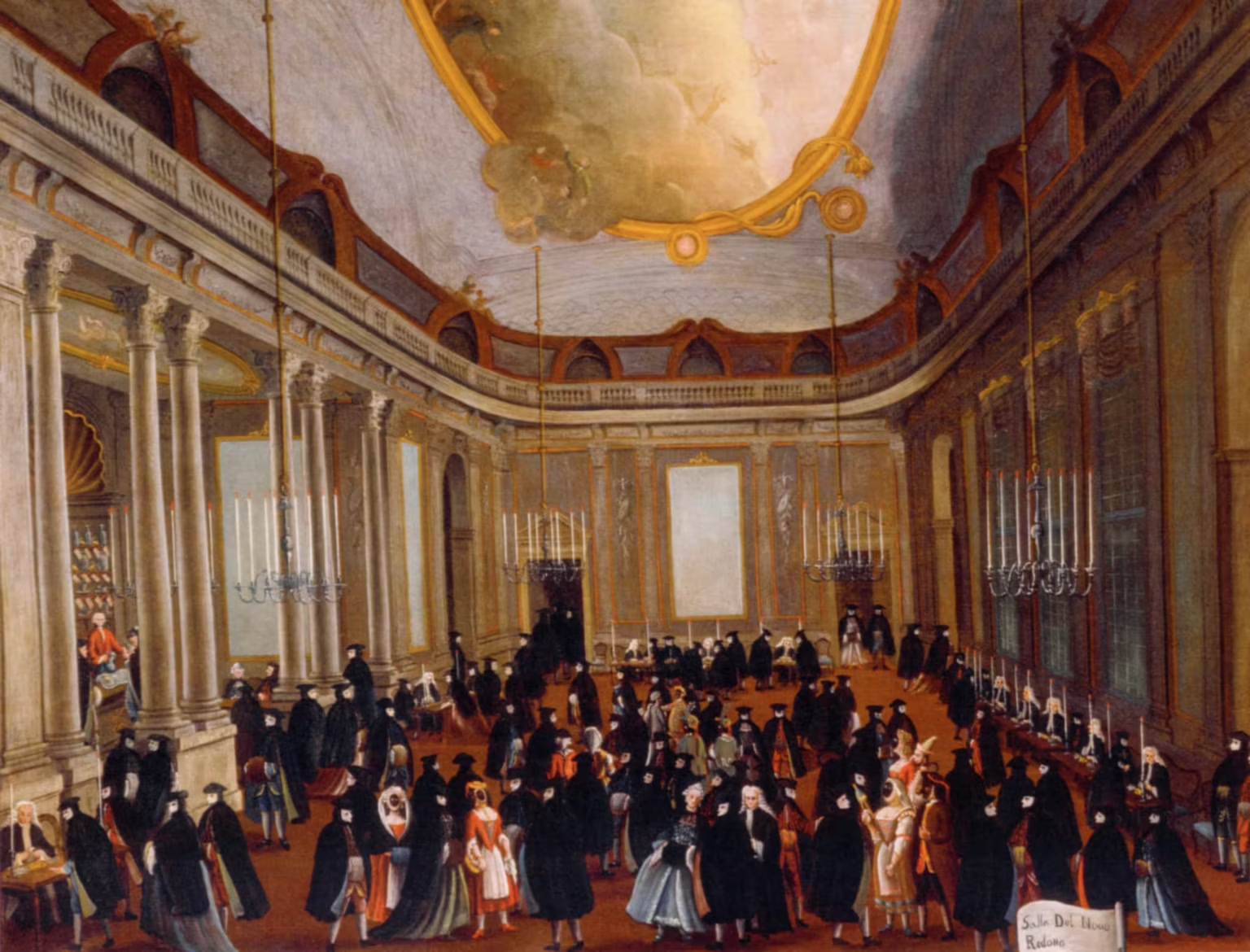
- Il nuovo Ridotto — The new Ridotto
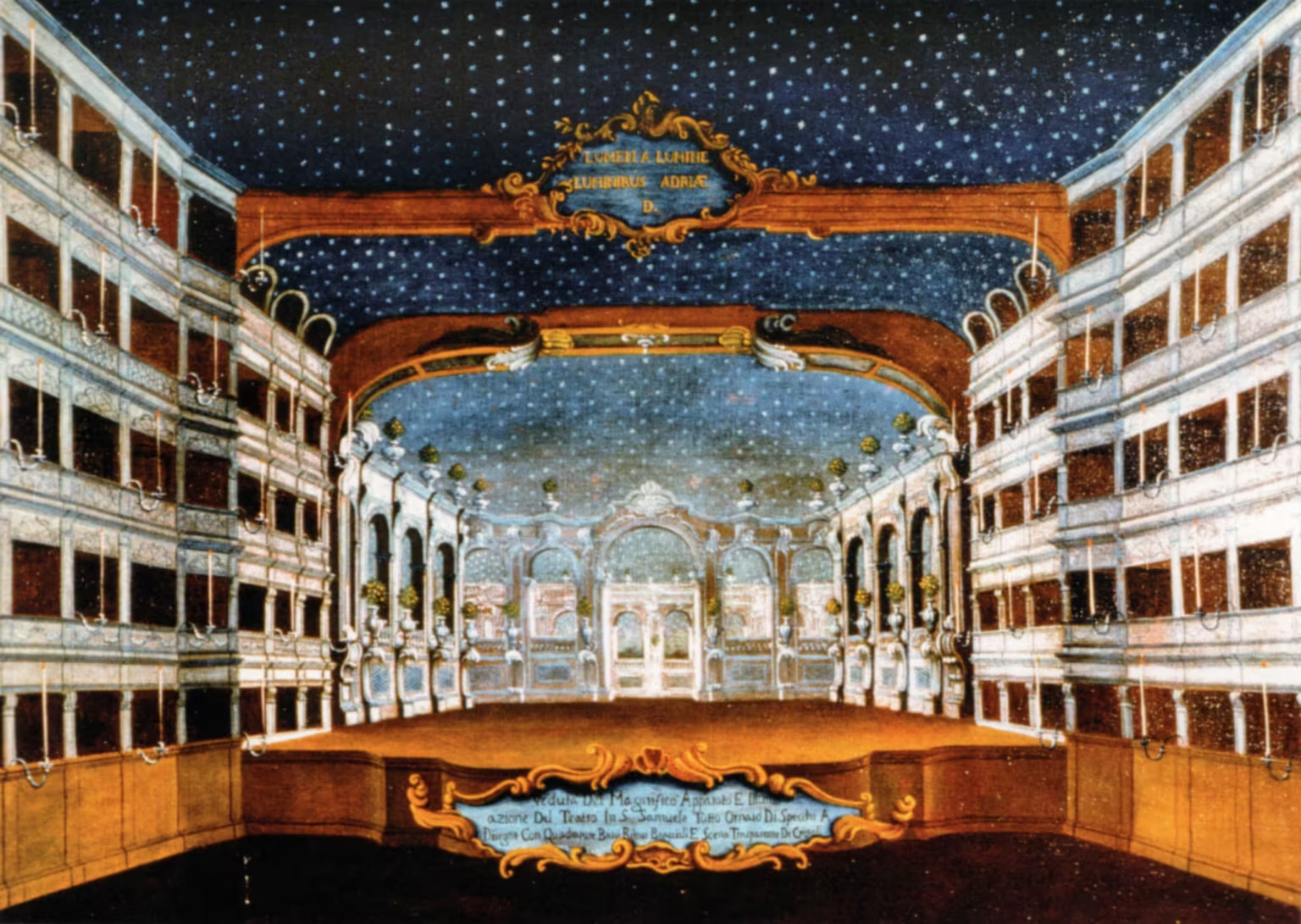
- Lo scenario e l’illuminazione del Teatro di San Samuele — The Décor and Illumination of the Theatre of San Samuele
Leisure in boats
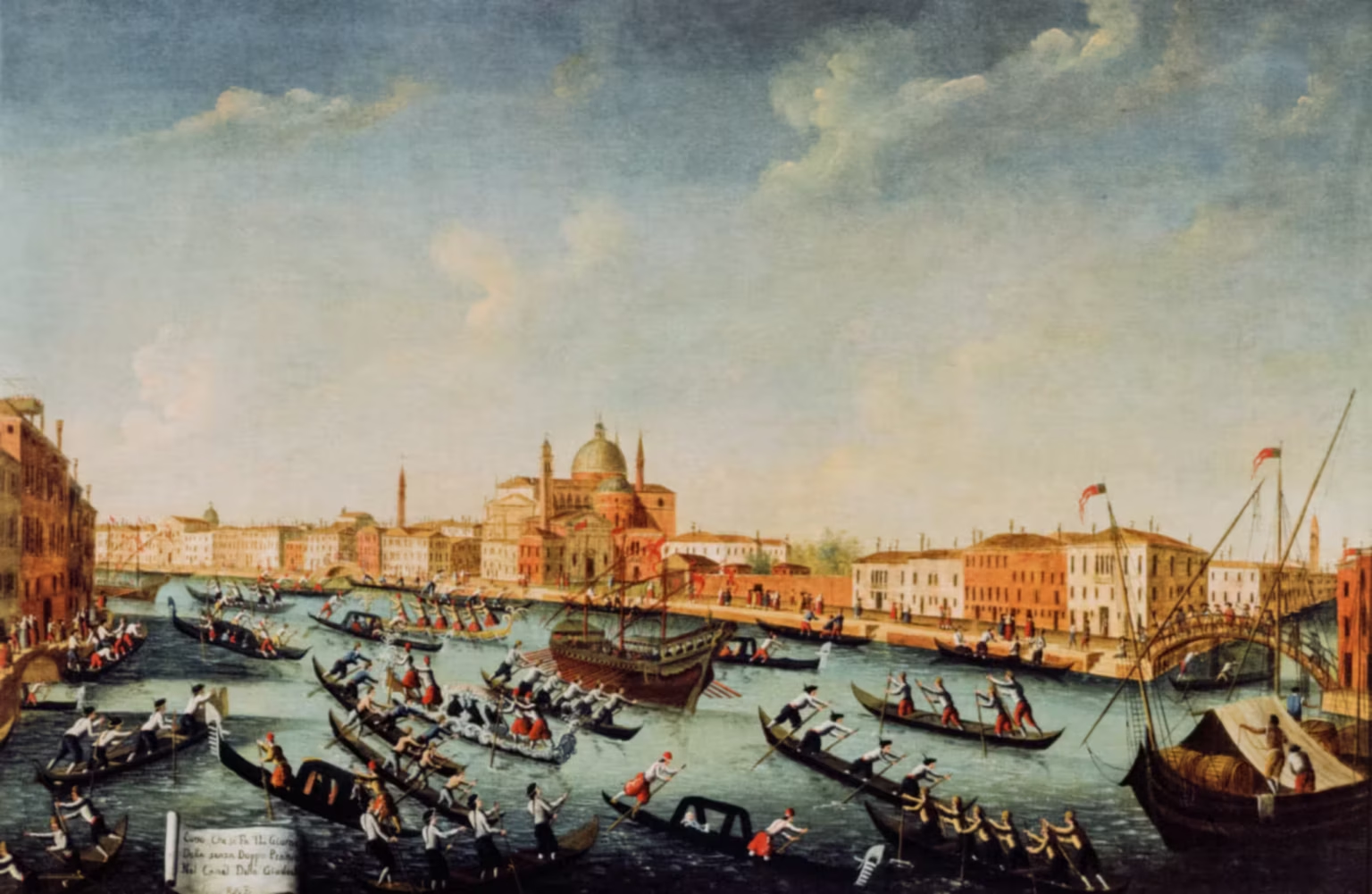
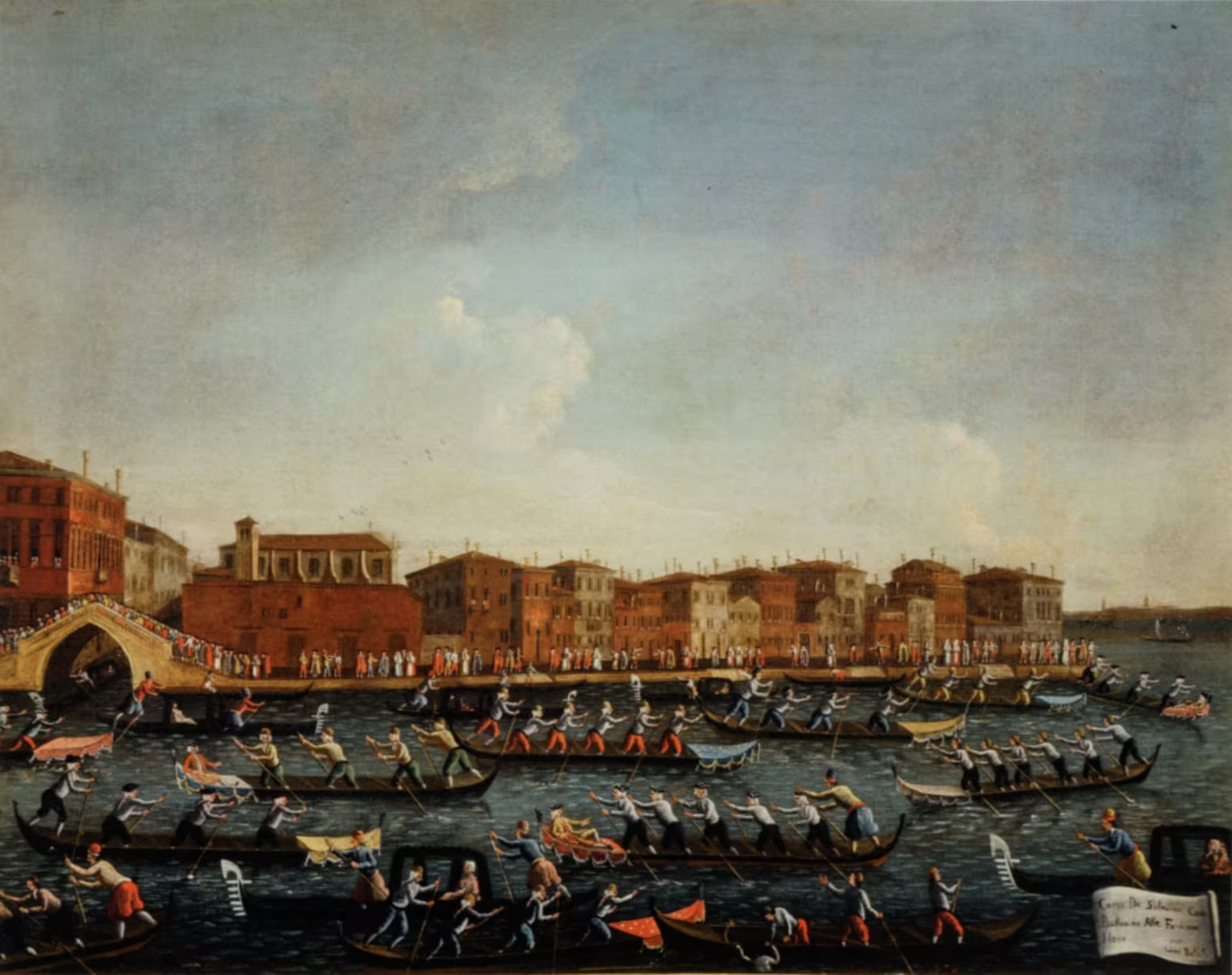
- Il corso nel canale della Giudecca — The Boat Promenade on the Giudecca Canal
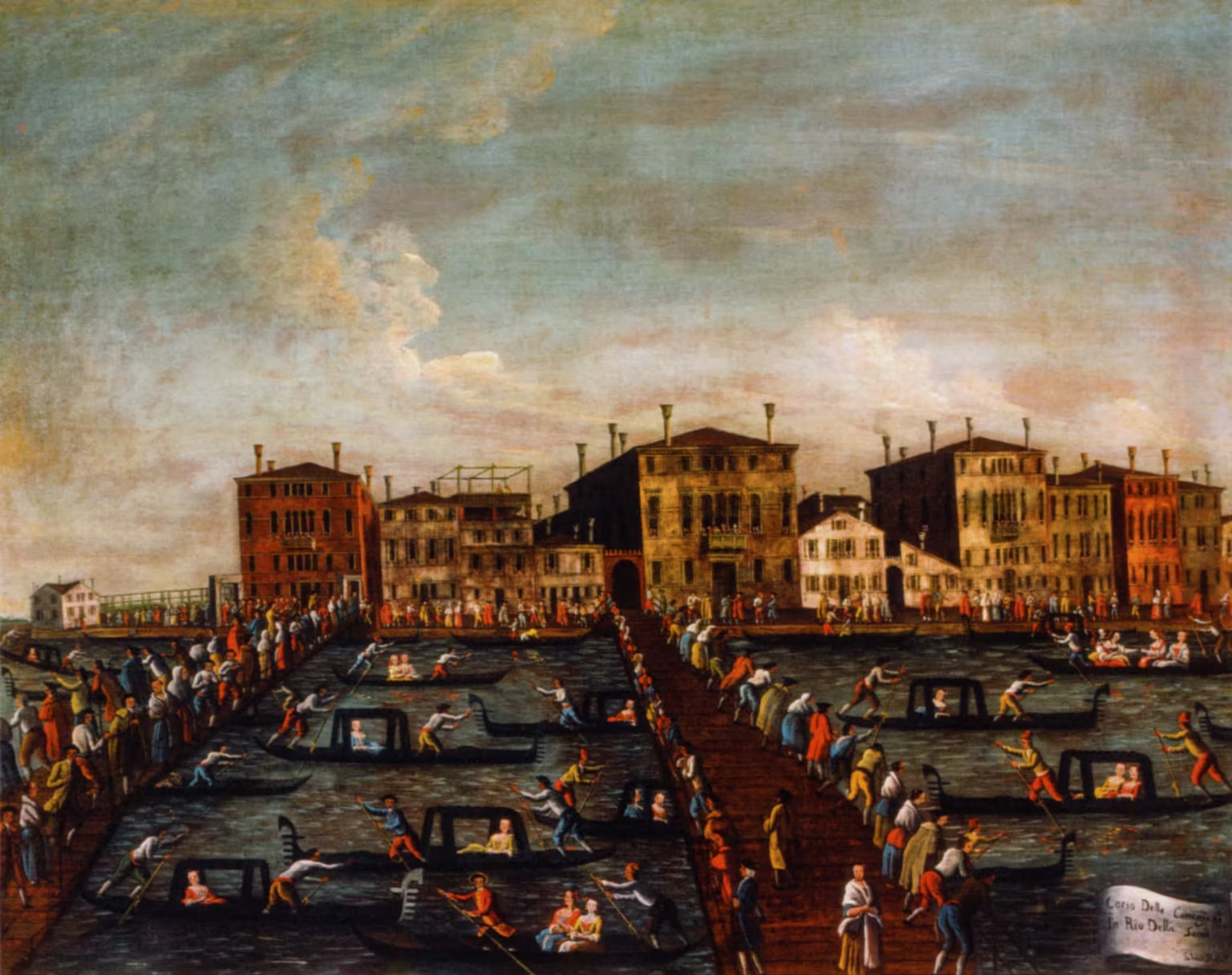
- Il corso delle cortigiane in Rio della Sensa — The Boat Promenade of the Courtesans in Rio della Sensa
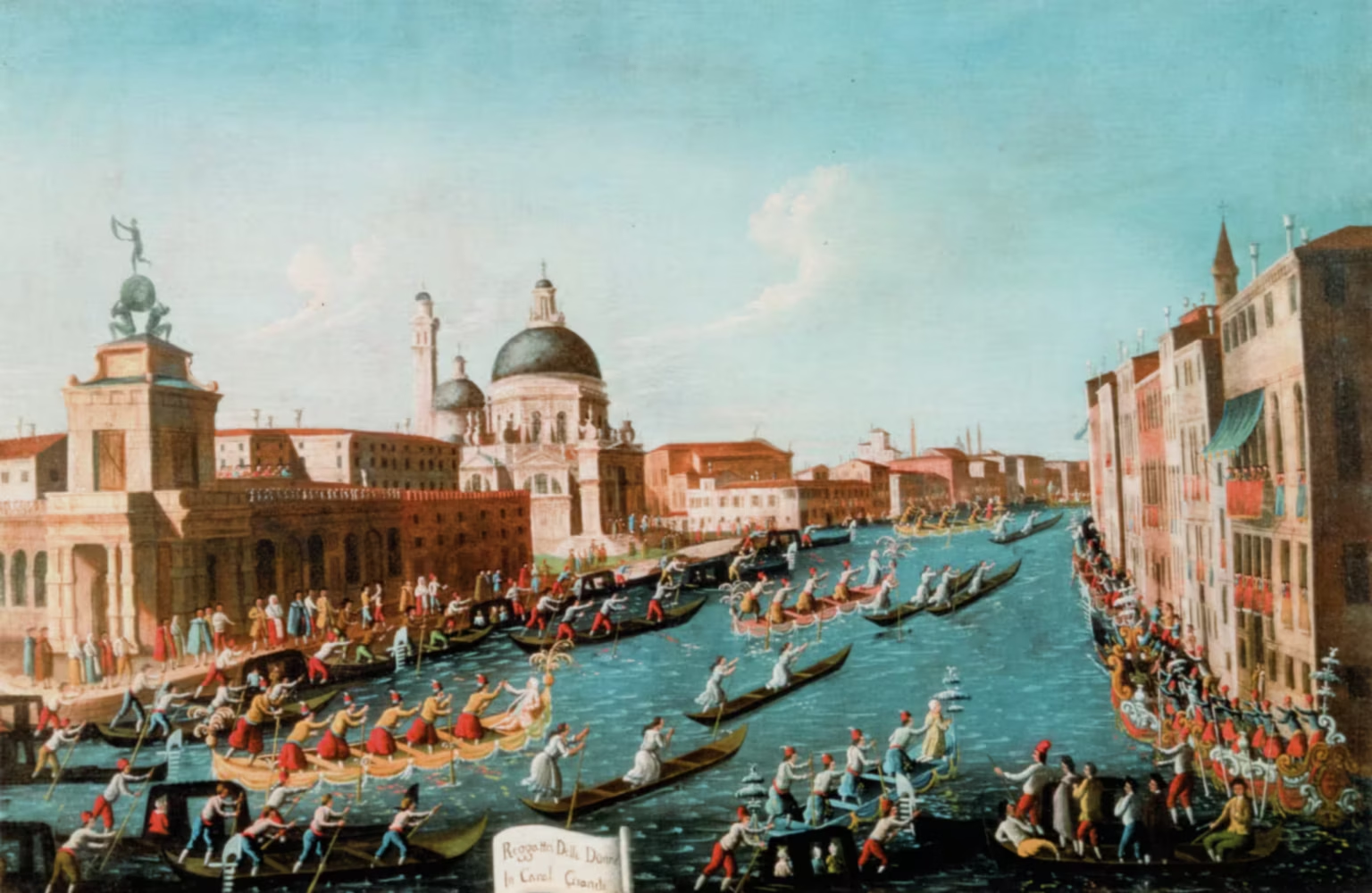
- La regata delle donne in Canal Grande — The Women’s Regatta on the Grand Canal
- Il corso dei sollazzieri alle Fondamenta Nuove — Boat Promenade of the Sollazzieri at the Fondamenta Nuove
- Il corso nobile da San Stae alla Croce — The Boat Promenade of the Patricians from San Stae to the Croce
- Il corso nel Canal Grande di Murano — The Boat Promenade in the Grand Canal of Murano
- Il corso di San Pietro di Castello — The Boat Promenade on San Pietro di Castello
- La pesca in Canal Orfano — Fishing on Canal Orfano
Leisure on land
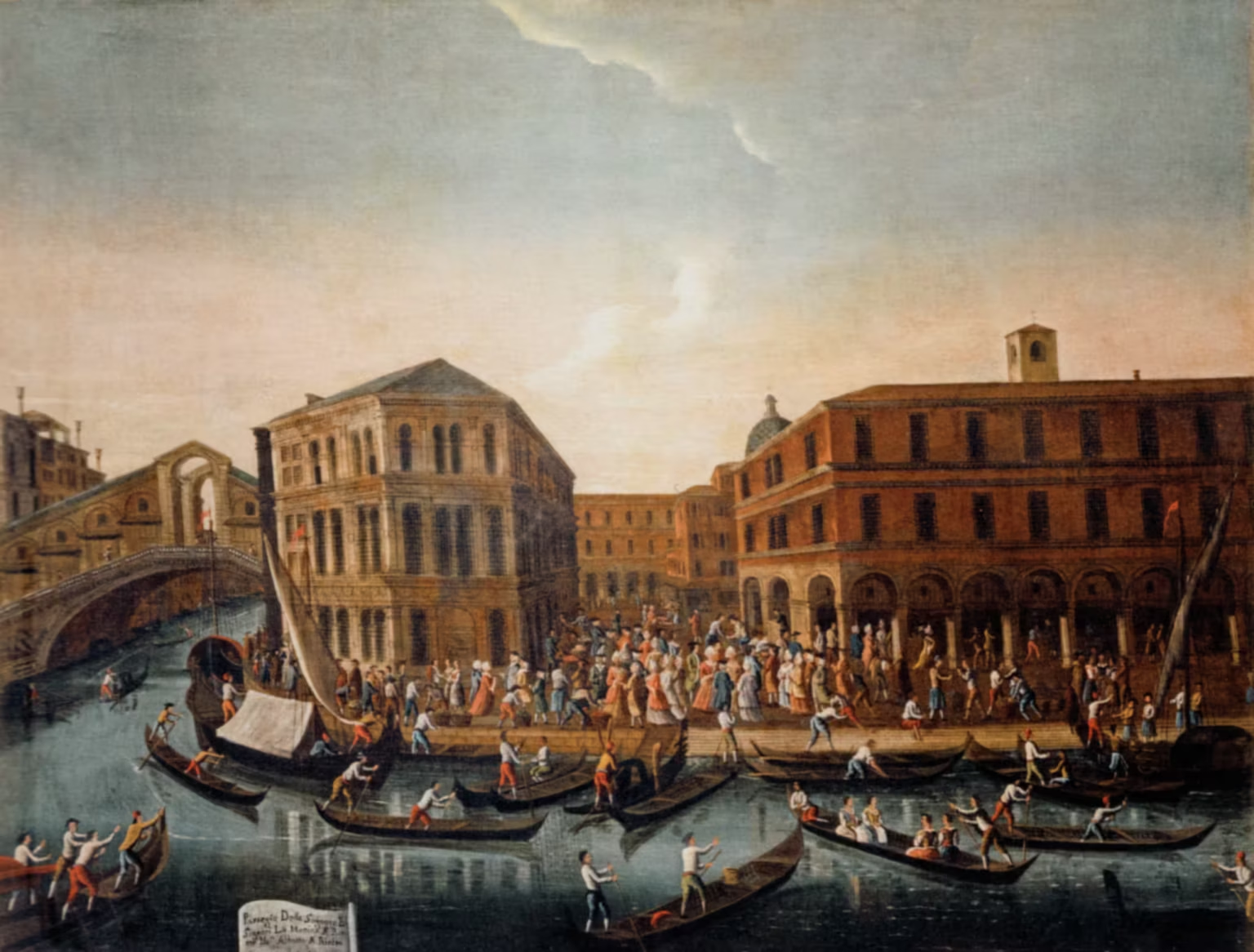
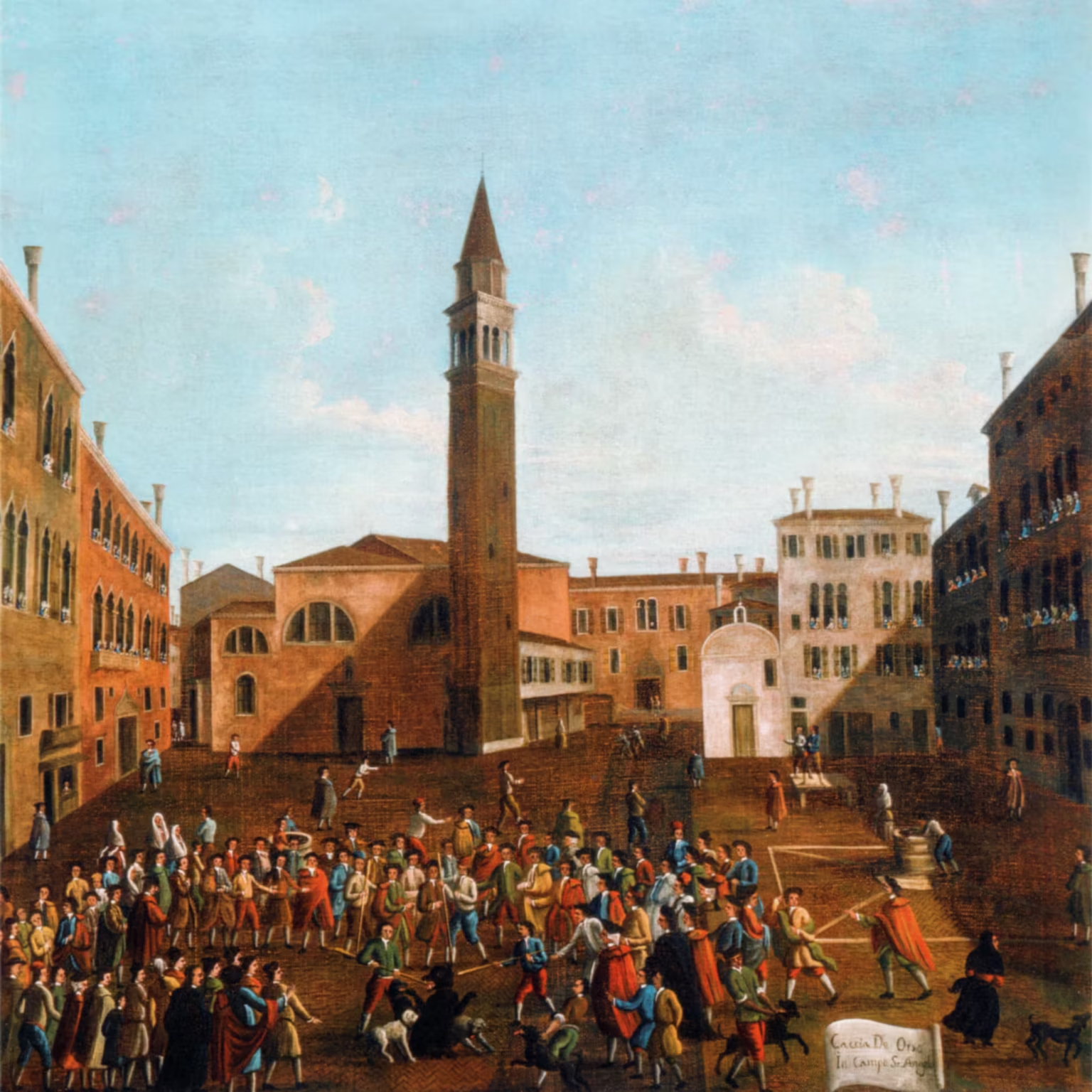
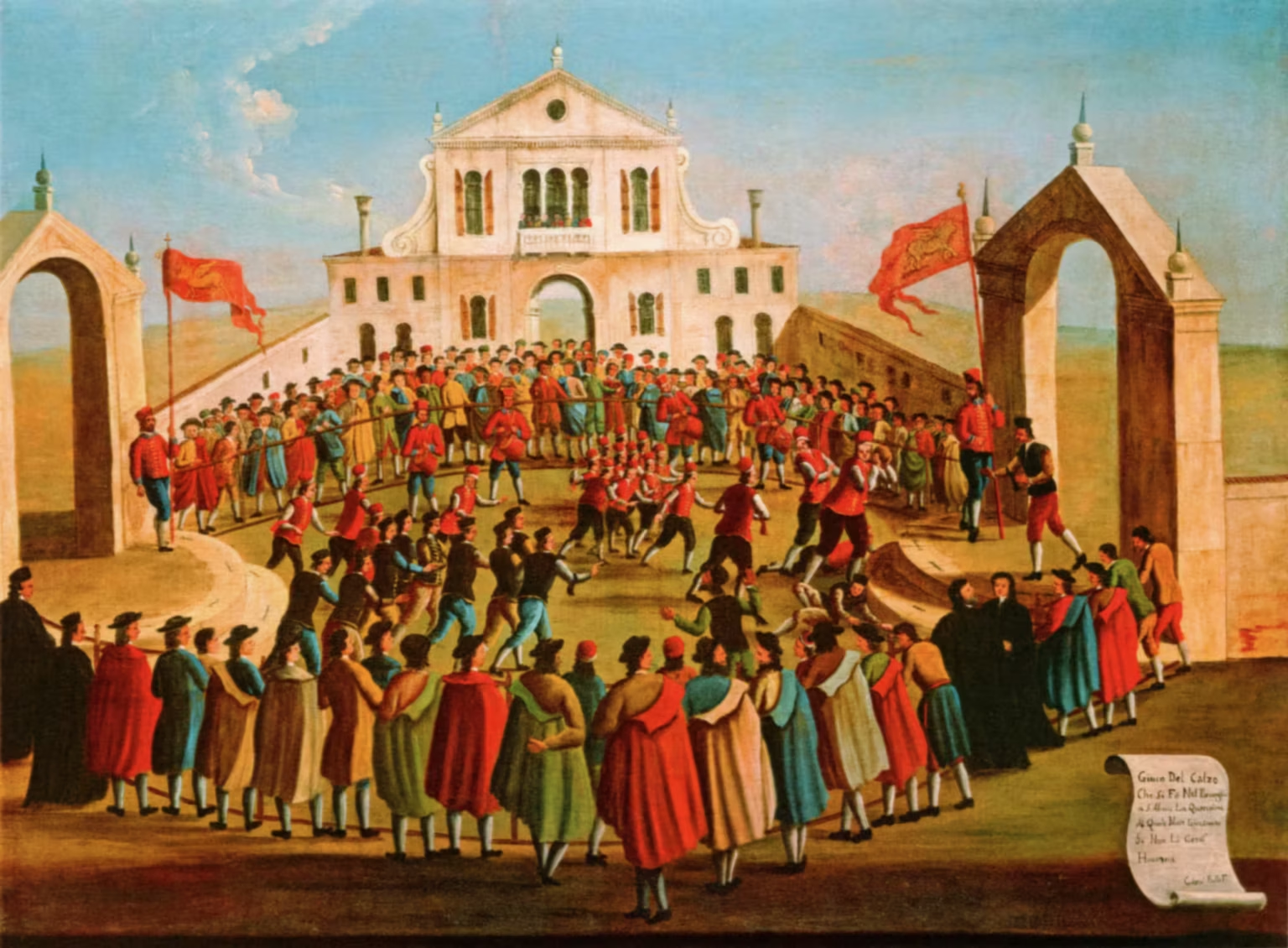
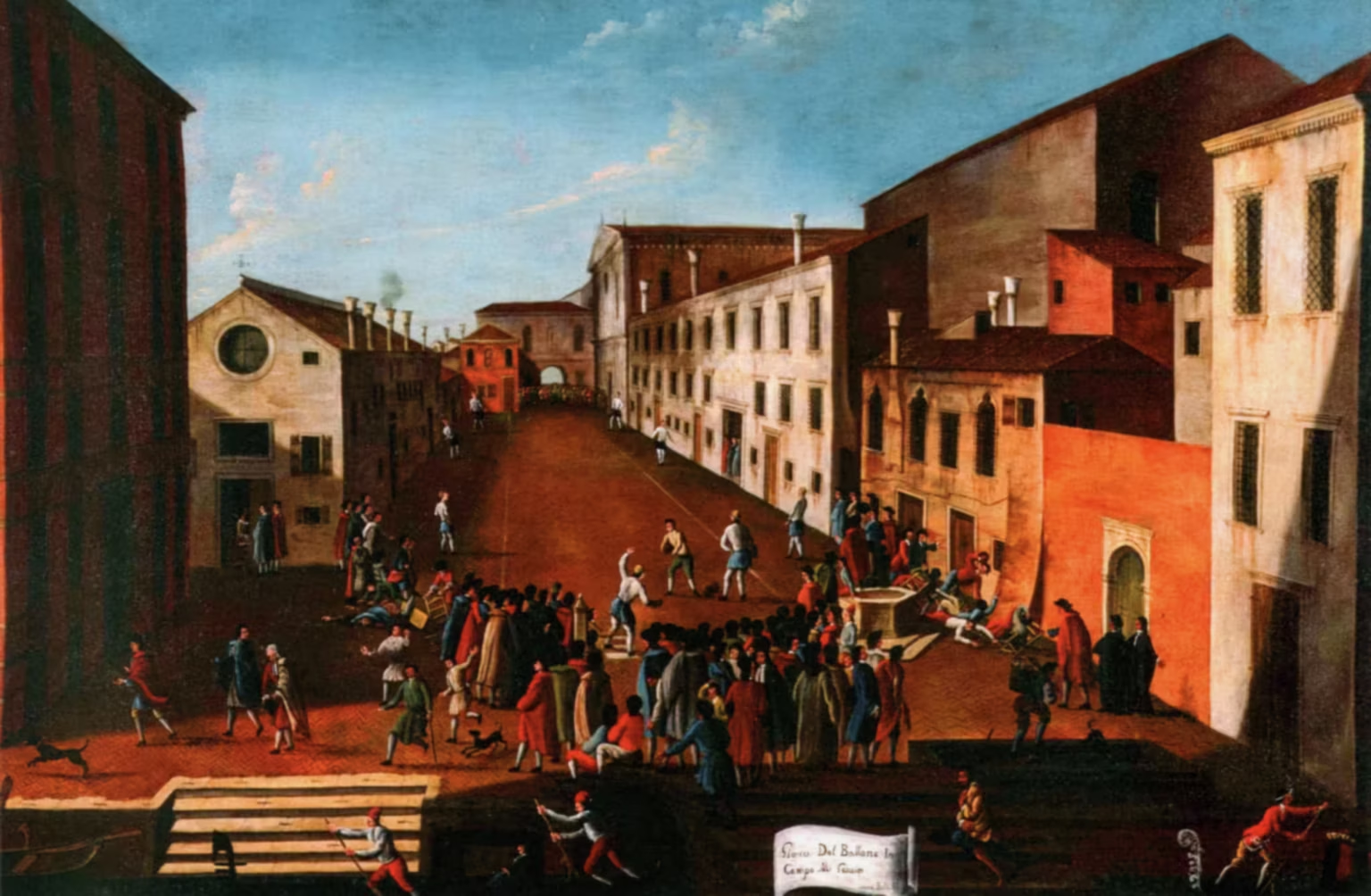
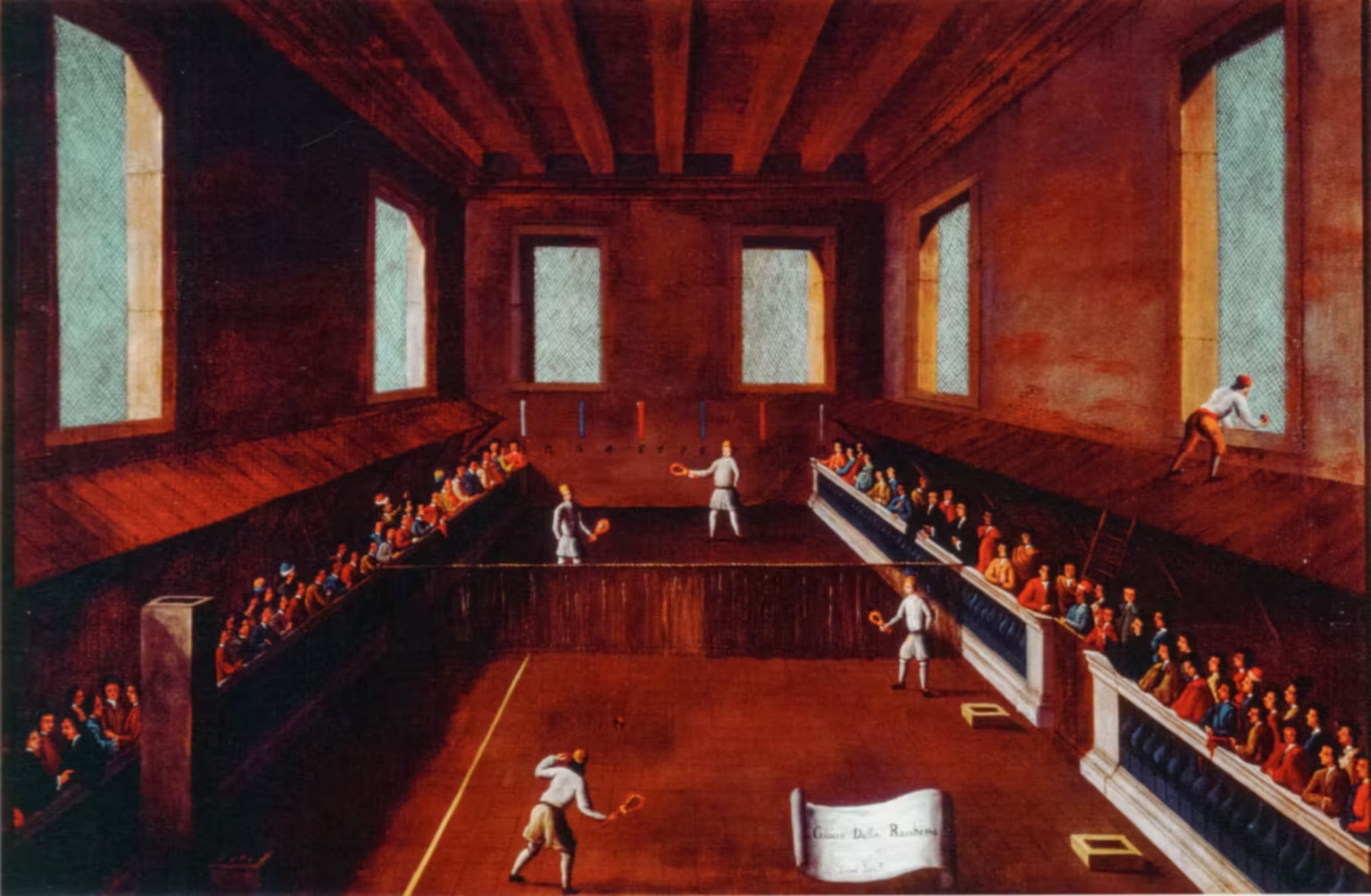
- Il passeggio al mattino all’Erberia di Rialto — Morning walk in the Erberia at Rialto
- Il passeggio sulla Riva degli Schiavoni — Promenading along the Riva degli Schiavoni
- La caccia di tori nelle Chiovere di San Giobbe — Bull fight at the Chiovere di San Giobbe
- Il corso dei tori e la gara delle carriole a Rialto — The Race of the Bulls and the Barrow Race at the Rialto
- La caccia dell’orso in campo Sant’Angelo — Bear Baiting in Campo Sant’Angelo
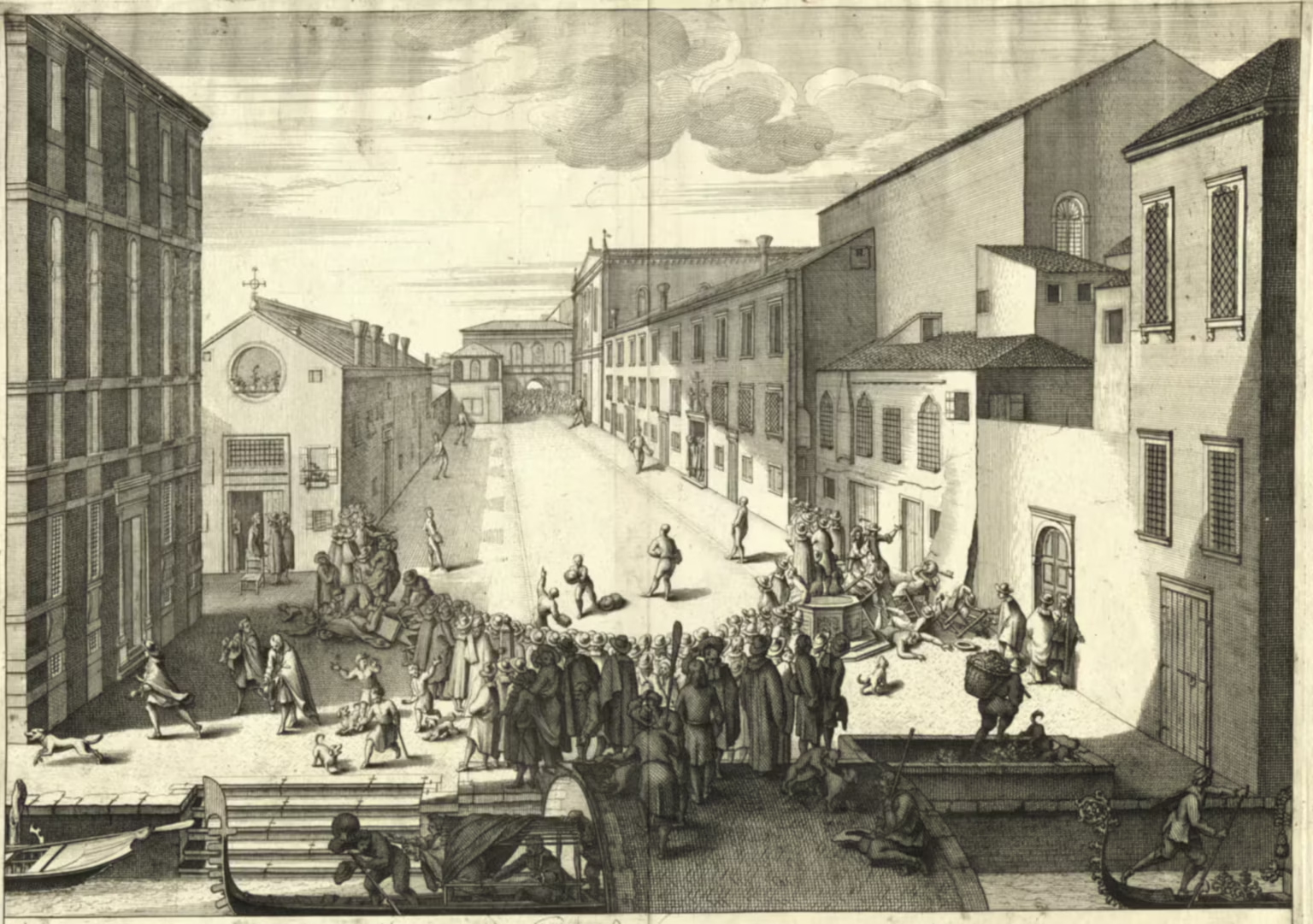
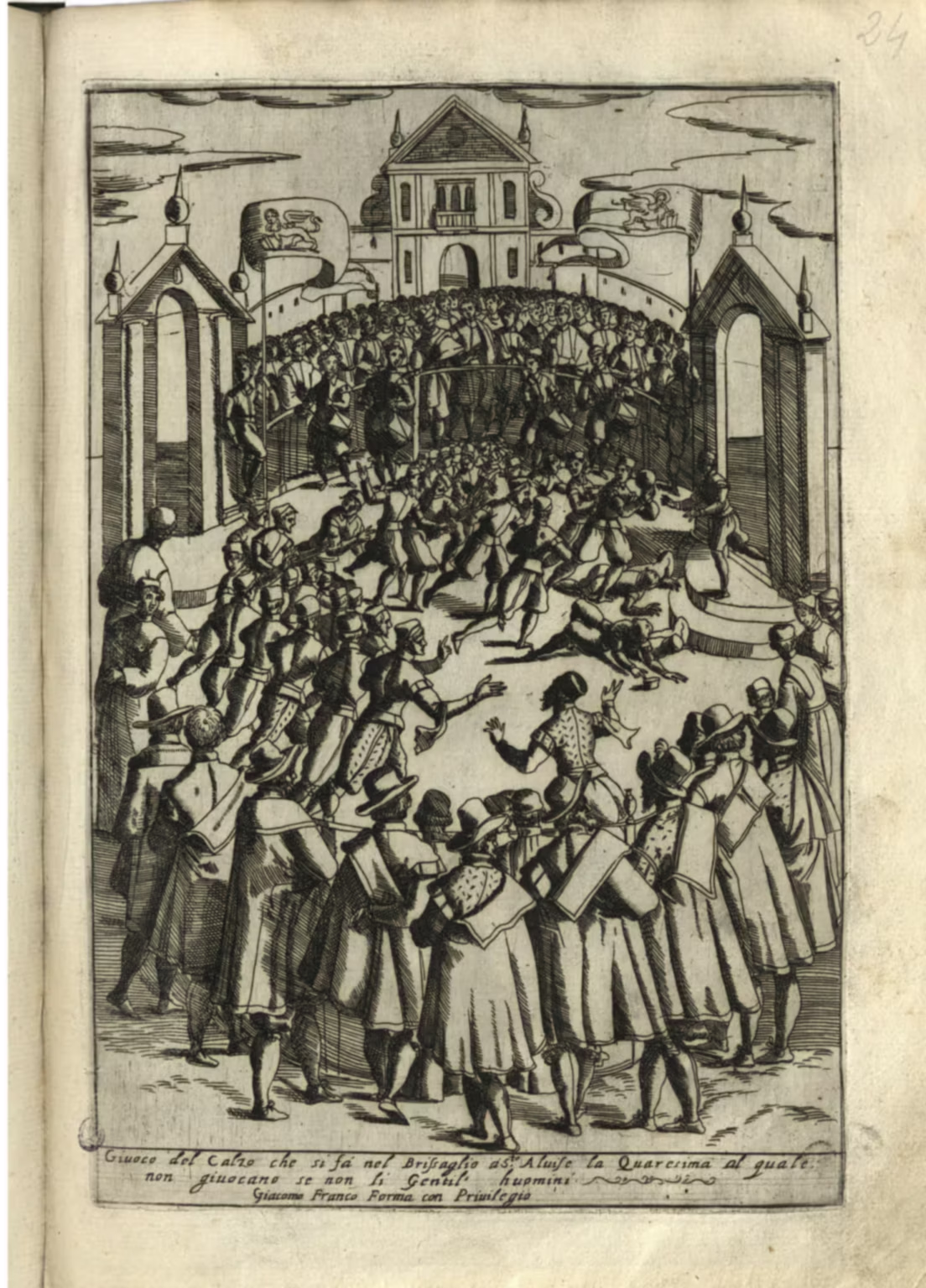
- Il gioco del calcio a Sant’Alvise — The Game of Calcio at Sant’Alvise
- Il gioco del pallone ai Gesuiti — The Game of Pallone at the Gesuiti
- Il gioco della racchetta — The Game of Rackets
Related articles
- Venetia citta nobilissima et singolare (1581) — Francesco Sansovino
- Habiti Antichi et Moderni (1590) — Cesare Vecellio
- Habiti d’huomeni et donne venetiane (1610) — Giacomo Franco
- Habiti delle Donne Venetiane (c.1610) — Giacomo Franco
- Il Gran teatro di Venezia (1717) — Domenico Lovisa
- Le Arti che vanno per via (1753) — Gaetano Zompini
- Gli abiti de veneziani (1754) — Giovanni Grevembroch
Venetian Stories
Related images
Leave a Reply