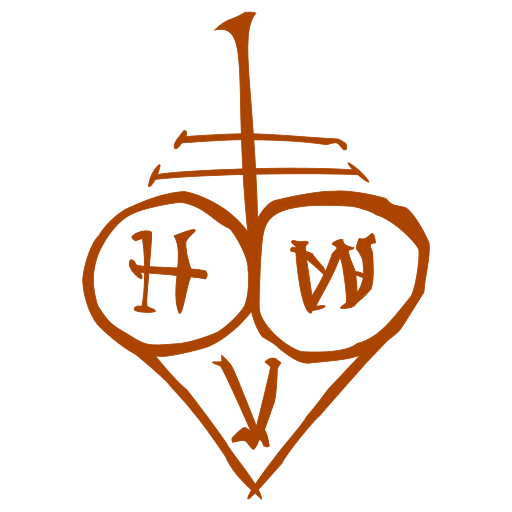
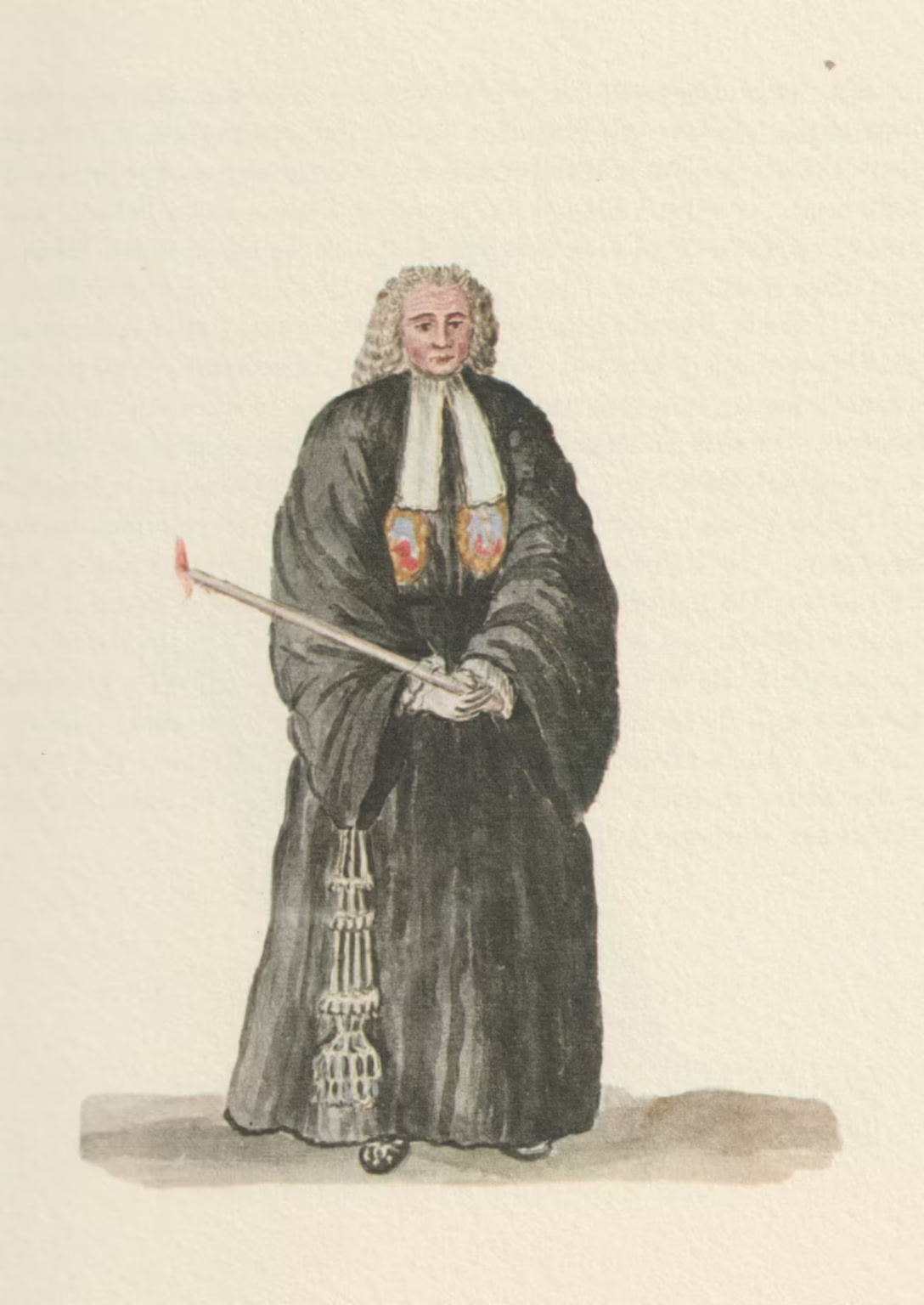
The Scuola della Passione was a lay religious charity, established in the early 1500s when it quickly gathered a large membership.
Besides the Easter procession, it partook, with the Scuole Grandi, in the ceremonies at the cathedral of San Pietro di Castello, and, as other charities and guilds, in the distribution of alms and provision of dowries for young, poor women.
Despite its importance, the Scuola della Passione was never awarded the recognition as a Scuola Grande.
The charity was suppressed in 1810, during the reign of Napoleon, and its patrimony sold and dispersed.
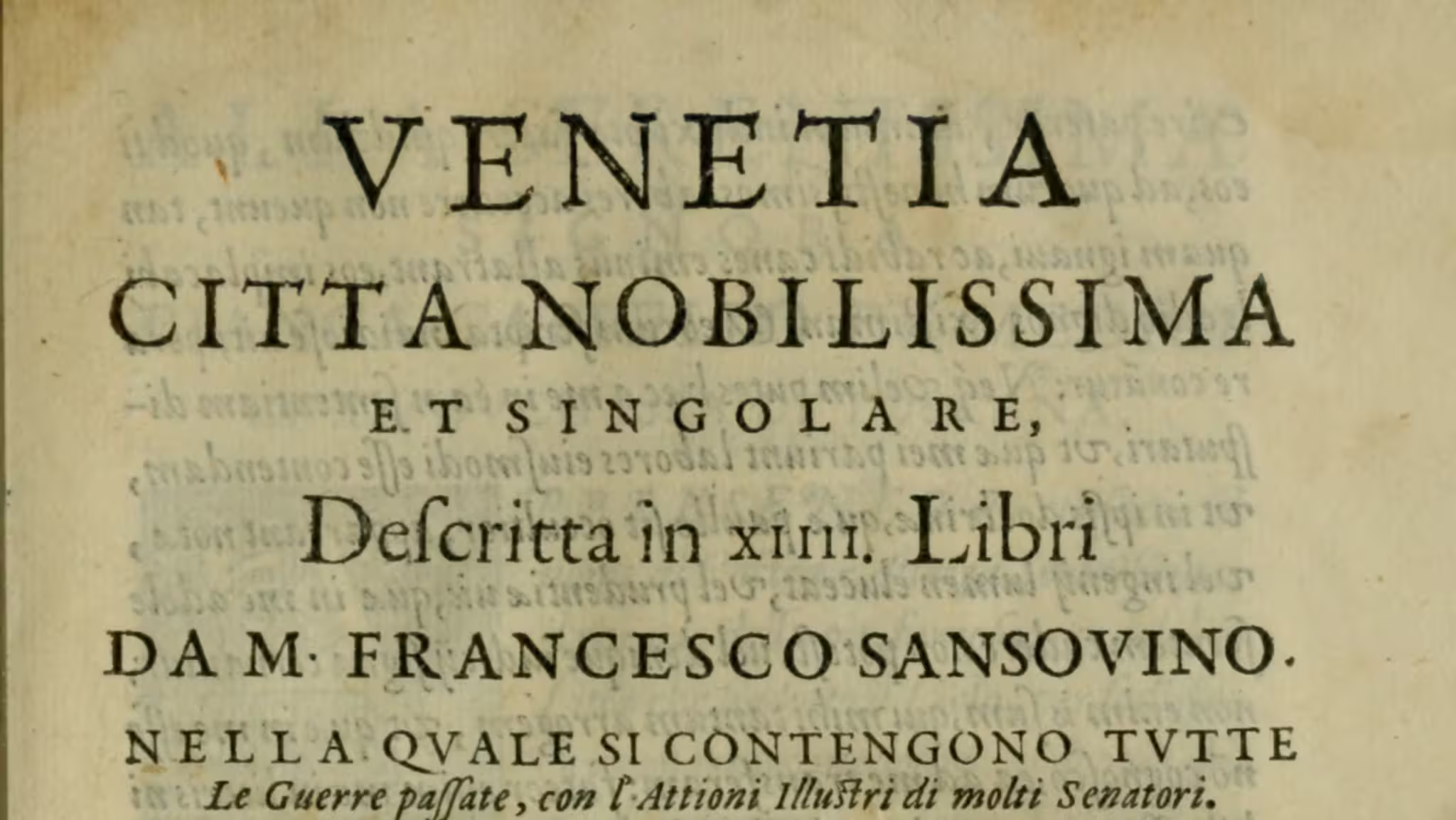
Source: Venetia citta nobilissima et singolare published in 1581 by Francesco Sansovino (1520–1583).
School of the Passion
Almost in imitation of these great ones,1 but not, however, in the number of the six, although by no means smaller in the quantity of brothers, another school called of the Passion has arisen in these years, but different in habits and in insignia. They are seen once a year in procession, that is, on the night of Holy Thursday when the miraculous blood is shown to the other brotherhoods. Their initial meeting place was in San Giuliano, but later it was moved to the Frari. 
The officials of this school dispense alms, marry off maidens,2 and so on, doing as the others do. On the Sundays of Lent they visit the Church of Saint Peter3 in imitation of the six major ones, and, still growing in number and devotion, it is believed that in time it will become something important. 
To the aforementioned schools is added an incredible number of schools or brotherhoods called ‘small’, located in various Churches because every craft (and crafts are abundant) has its school governed by the annual Gastaldo4 with the bank, and regulated by the decisions made by them according to the needs of the craft, all of which are subject to the Giustizia Vecchia.5 
From these small brotherhoods or schools, in times of war, men are drawn for arming, according to the status of said schools. And each school has in every Church its altar, and many of them marry off young women, distribute alms, and perform other such pious works.
In addition to this, there are the schools of the Sacrament in every Church, separate from those of the arts, which attend solely to the altar of the body of Our Lord, taking care of it in terms of vestments, lamps, and other things necessary for such a matter. 
And these, after the solemn day of Corpus Christi, on which the Signoria6 holds a most solemn procession, every year on Sunday, according to their turn, carry out the procession for the said feast. Now all the sacred places mentioned above, both Churches and every other Sanctuary built in this city, it is impossible to narrate, what wealth they possess and in what abundance to administer the offices that pertain to His Divine Majesty. 
Besides, all the Churches, no matter how small they are, have a bell tower, an organ, and a square either at the side or in front. And every square has its public well, so that if you were to stretch out in a circuit all the empty spaces of this city, you would easily see a very wide square for building another great city next to it. And yet, we know that many of the main cities in Italy, situated on the mainland, where they did not lack land, scarcely have a public square.
There are, equally in all the Churches, Priests according to the convenience of the place, who diligently attend to their duties. And all the candles consumed by the clergy for any occasion are as white as snow, and the yellow ones are of no import. In addition to this, every Church has some income, some more, some less, and the Rectors of them are elected by citizens and townspeople who possess properties in the districts, through votes, and approved and confirmed by the Patriarch. In sum, the nature of their wealth and governance is such that every Church in Venice can rightly be called a small Bishopric.
Translator’s notes
The pilcrows ¶ mark paragraph breaks, which I have added for readability. They are not in the original, which, however, has some very long paragraphs.
- The scuole grandi were six at the time of Francesco Sansovino. ↩︎
- The charities provided dowries for deserving young women from poor families, so they could be properly married, and not having to resort to prostitution for survival. ↩︎
- The Chiesa di San Pietro di Castello (Church of St Peter), on the Olivolo island, was the seat of the Bishop of Venice, and later the Patriarch of Venice, and therefore one of the most important churches of Venice. ↩︎
- The gastaldo was the elected leader of a guild of artisans or merchants, often called a scuola or confraternità (brotherhood). ↩︎
- The Provveditori alla Giustizia Vecchia oversaw the work of artisans in Venice, and controlled weights, measures, prices and the quality of goods. ↩︎
- The Serenissima Signoria were the Doge and the six Councillors of the Doge, appointed annually by the Maggior Consiglio, the closest the Republic of Venice had to an executive. ↩︎
Original text
Scuola della Passione
Quasi a imitatione di queste grandi, ma non però nel numero delle sei, quantunque non punto minore per quantità di fratelli, s’è levata in quest’anni un’altra scuola chiamata della Passione, ma diversa di habiti & di segnati. Questi si veggono una volta l’anno in processione, cioè la notte del Giovedi santo quando si mostra all’altre fraterne il sangue miracoloso. Il ridotto loro fu alla prima in san Giuliano, ma poi fu traportato a i Frari. 
Gli offitiali di questa dispensano limosine, maritano donzelle, & fanno come l’altre. Le domeniche di Quaresima visitano la Chiesa di san Pietro a imitatione delle sei grandi, & crescendo tuttavia in persone & in divotione, si crede che col tempo habbia a riuscir cosa importante. 
Alle predette scuole s’aggiugne un numero incredibile di scuole o fraterne dette picciole collocate in diverse Chiese. percioche ogni arte (& l’arti ci sono in gran copia) ha la sua scuola governata dal Castaldo annuale con la banca, & regolata dalle deliberationi fatte da loro secondo i bisogni dell’arti, le quali tutte sono sottoposte alla Giustitia Vecchia. 
Dalle quali fraterne o scuole picciole in tēpo di guerra, si trahe quantità di huomini per armare, secondo la qualità d’esse scuole. Et ogni scuola ha in ogni Chiesa il suo altare, & molte di loro maritano donzelle, dispensano limosine, & fanno cosi fatte altre opere pie.
Oltre a ciò vi sono le scuole del Sacramẽto in ogni Chiesa appartate da quelle dell’arti, le quali hanno cura solamēte all’altare del corpo di N. Signore, tenendolo in punto di paramenti, di luminari, & d’altre cose bisognevoli a cosa tale. 
Et queste, dopo il giorno solenne del Corpusdomini, nel quale la Signoria fa solennissima processione, fanno ogni anno la domenica, secõdo la volta loro la processione per la detta festività. Ora tutti i sopra narrati luoghi sacri, così di Chiese come di ogni altro Sacrario edificato in questa città, è impossibil cosa a narrare, quali ricchezze habbiano & in quanta copia per amministrar gli offici che s’appartegono a sua Divina Maestà. 
Oltra che tutte le Chiese, per picciola che si sia, hanno il campanile, l’organo, & la piazza o per fianco o dinanzi. & ogni piazza ha il suo pozzo publico, di modo che se tu distendessi in circuito tutti gli spatij vacui di questa città, vedresti facilmente un larghissimo căpo per edificarvi un’altra gran citta appresso. Et tuttavia noi sappiamo, che molte citta delle principali in Italia & poste in terra ferma, dove non mãcava loro il terreno, hāno a pena una piazza publica. 
Sono parimente in tutte le Chiese, Sacerdoti secondo la convenienza del luogo, i quali assiduamente attendono al carico loro. Et tutte le cere che si consumano dal clero per qual si voglia occasione, sono bianchissime come neve, & le gialle non sono in conto alcuno. Appresso questo, ogni Chiesa ha qualche provēto, chi piu, chi meno, & i Piovani d’esse sono creati da cittadini & popolari che posseggono stabili nelle contrade, per via di suffragij, & approbati & confermati dal Patriarca. In somma la qualità delle ricchezze & del governo loro è di cosi fatta maniera, che ogni Chiesa di Venetia può dirsi cõ ogni ragione un picciolo Vescovado.
Sansovino (1581), p. 103.
Related articles
- Venetia citta nobilissima et singolare (1581) — Francesco Sansovino
- Scuole Grandi
- Scuole piccole
Related sources
Related images
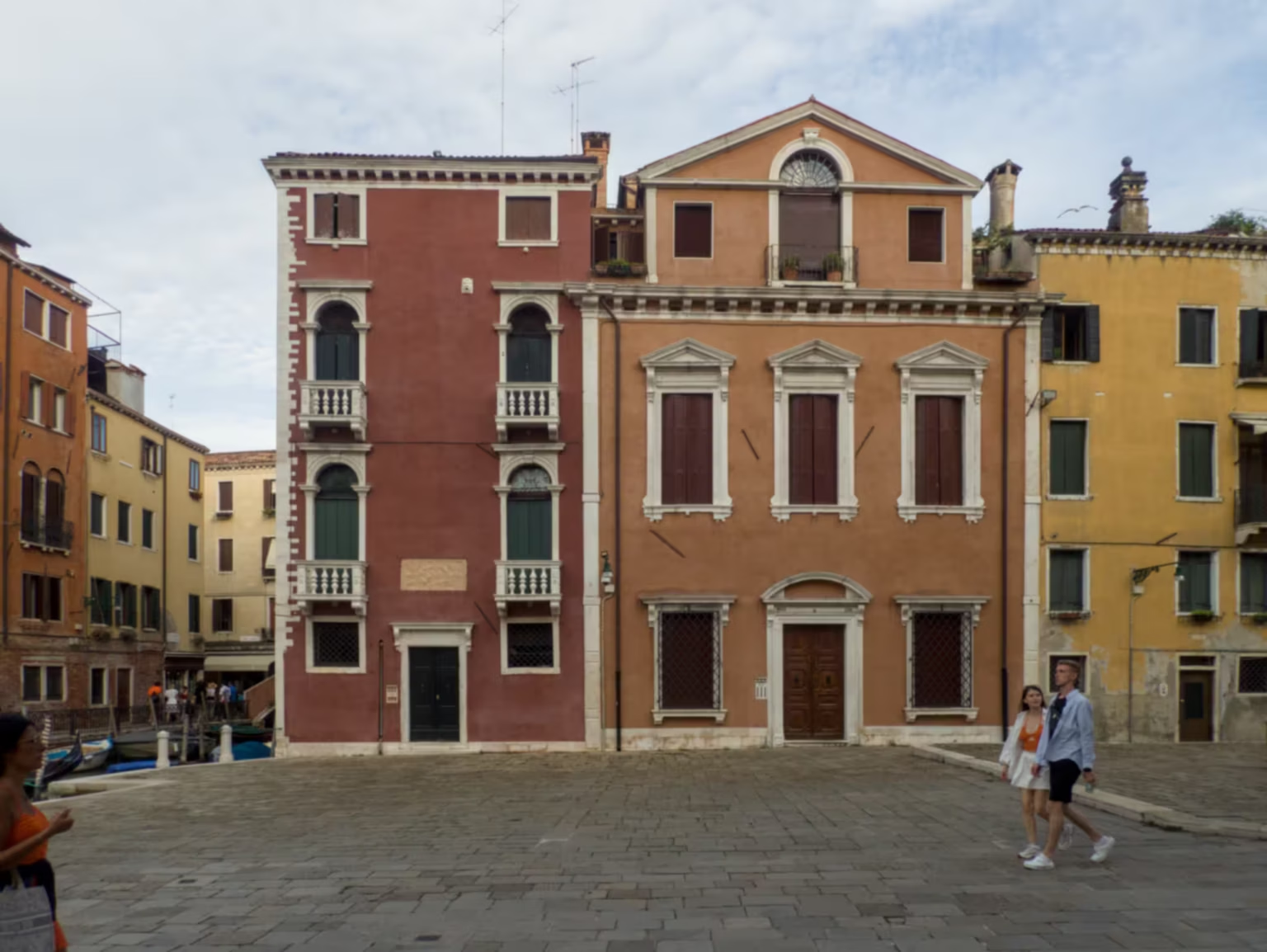
- The building of the Scuola della Passione in Campo dei Frari.
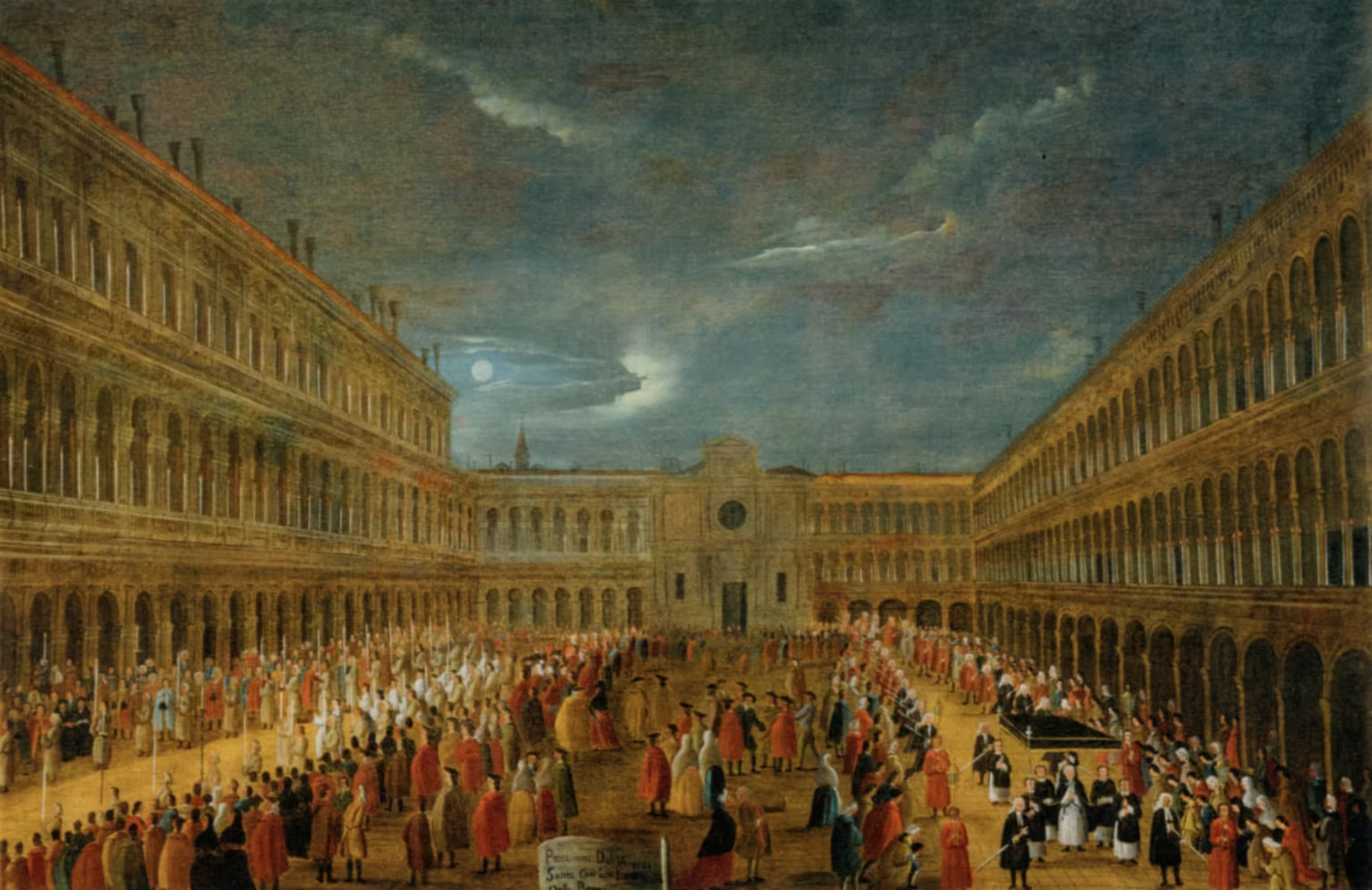
- La processione del Venerdì Santo — Gabriel Bella
- Scuola della Passione — School of the Passion — Grevembroch 2-62
Leave a Reply