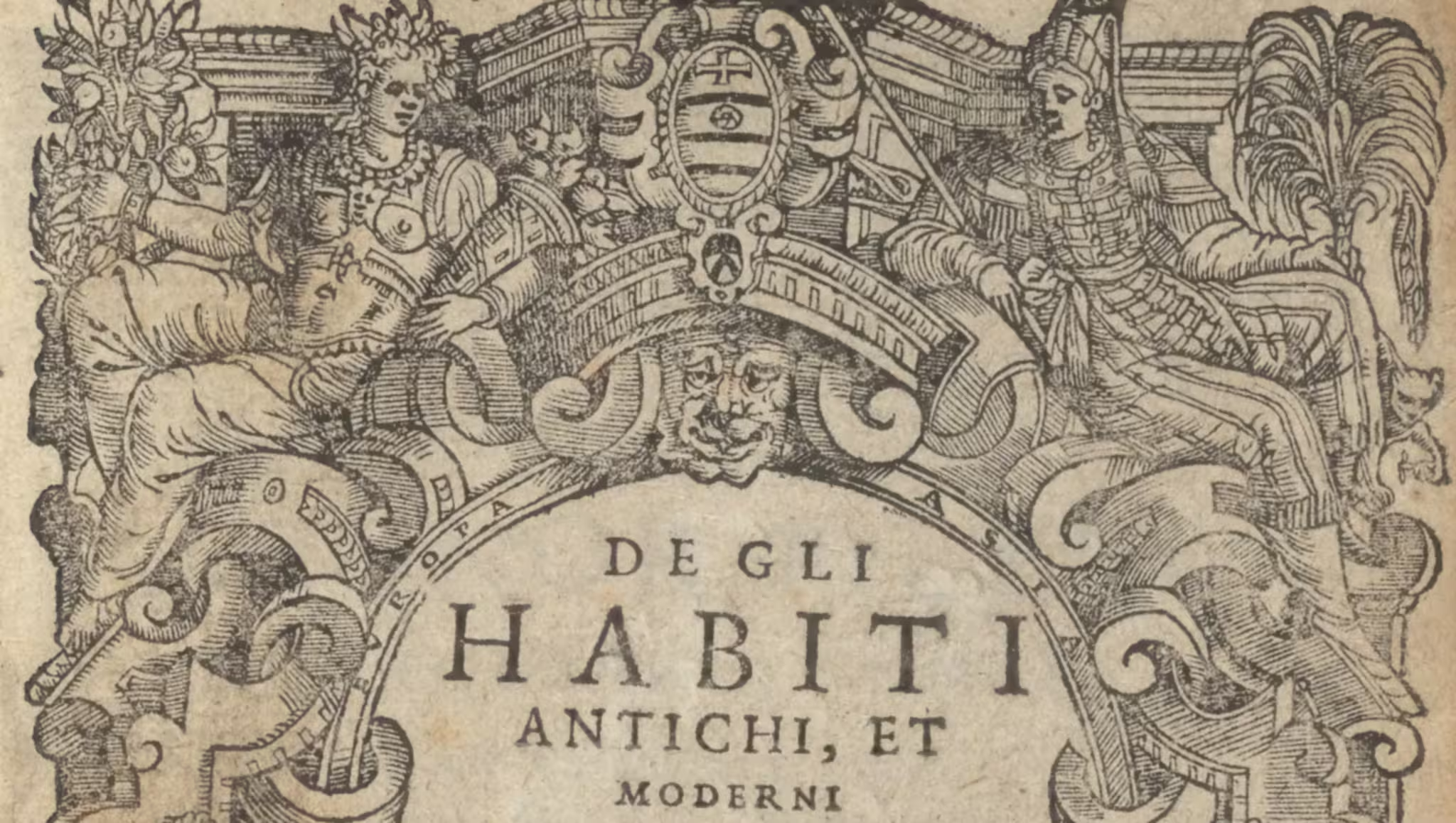
The Degli Habiti antichi et moderni di Diverse Parti del Mondo, libri due fatti da Cesare Vecellio, et con discorsi da lui dichiarati (1590) by Cesare Vecellio (1521–1601) is a large work of over four hundred illustrations of how people from all over the world dressed (or were thought or perceived to dress) in the late 1500s.
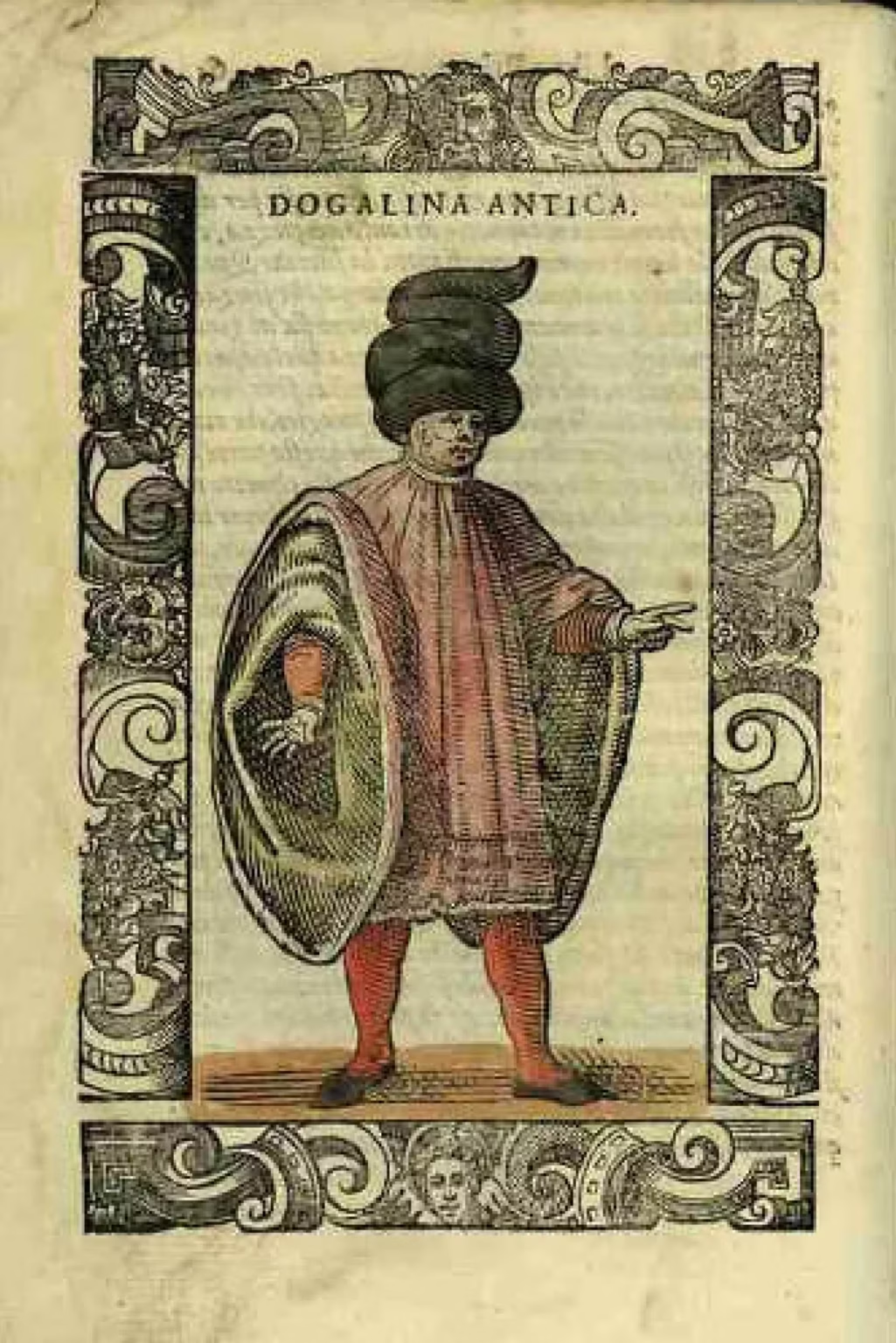
Around one hundred of the illustrations are of Venetian dresses. Most of the rest are European, but there are images of Turks, Indians, Chinese, Japanese, Egyptians, Ethiopians and even indigenous Americans too.
The title means On the ancient and modern Dress from Various Parts of the World, two books made by Cesare Vecellio, with an introduction by himself.
The first edition was followed by a second, with more illustrations, in 1598, and two other posthumous editions.
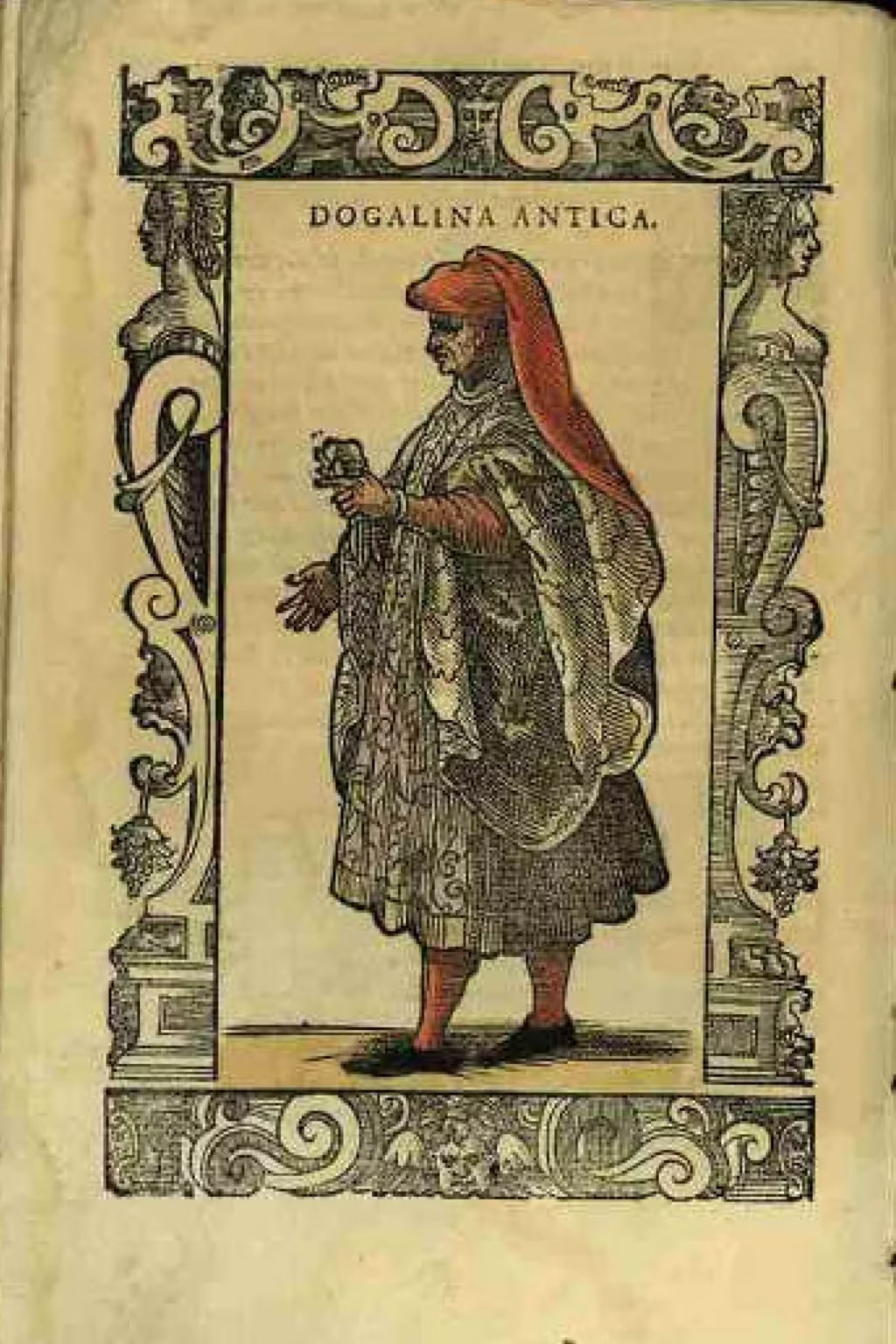
Some copies have the woodcuts hand coloured.
Cesare Vecellio
Cesare Vecellio was born in 1521 in Pieve di Cadore in the Dolomites, to a well-established citizen family with several notaries.
He was a second cousin of Tiziano Vecellio, also known as Titian.
Like Titian, both Cesare and his brother Fabrizio became painters and artists, and like Titian, they moved to Venice to work. They worked with their cousin, but none of them reached his level of fame.
Cesare Vecellio is best known for his publication on ancient and modern dress, the Habiti antichi et moderni, and for an opus of several volumes on lace and embroideries in female dress, the Corona delle nobili e virtuose dame (1591–98) — the “Crown of Noble and Virtuous Ladies.”
Both of these works were made when he was in his sixties and seventies.
Cesare Vecellio died in Venice in 1601.
Cristoforo Guerra
Vecellio states multiple times in the texts of Habiti antichi et moderni, that he made the drawings and had them carved in wood for printing.
The artist, who made (most of) the woodcuts, is named in the work as Christoforo Guerra. The surname is most likely an Italianisation of a German name, such as Krüger, Krieg, Krieger or Chrieger.
Christoforo Guerra is only mentioned a few times. For the Terza perspettiva di Piazza San Marco:
Vecellio (1590), p. 155.Et queste coſe ſi ſono brevemente raccontate, non eſſendo poſte nel diſegno d’eſſa Piazza, per la interpoſittione della morte di Christoforo Guerra mio amico, & Eccellente intagliatore de’ noſtri tempi.
And these things are briefly recounted, not being placed in the design of that Square, due to the interposition of the death of Christoforo Guerra, my friend and excellent carver of our times.
For the figure Donna Bolognese nobile di conditione:
ibid., p. 200.E tal’Habito è ſtato uiſto da me qui in Venetia, & poi difegnato, & finalmente intagliato da Christoforo Guerra Thedeſco da Norimbergo eccellentiſsimo intagliatore in legno
And such Dress was seen by me here in Venice, and then drawn, and finally carved by Christopher Guerra, German from Nuremberg, most excellent wood carver.
And finally, for a Matrona di Piemonte in Turino:
ibid., p. 205.Et questo è il proprio Habito delle Matrone di Piemonte, ſecondo mi è ſtato mandato da M. Chriſtoforo di Maganza, Eccellente intagliatore, di quei luoghi habitante.
And this is the proper Dress of the Matrons of Piedmont, according to what was sent to me by M. Christo-foro of Maganza, an excellent carver, inhabitant of those places.
The clues are rather vague — and not unambiguous — so no definite identification of Christoforo Guerra has been made. There are several known candidates, from Nüremberg and Magonzo in Germany.
Editions
There are at least four editions of Degli Habiti antichi et moderni, two of which by Cesare Vecellio himself.
First edition (1590)
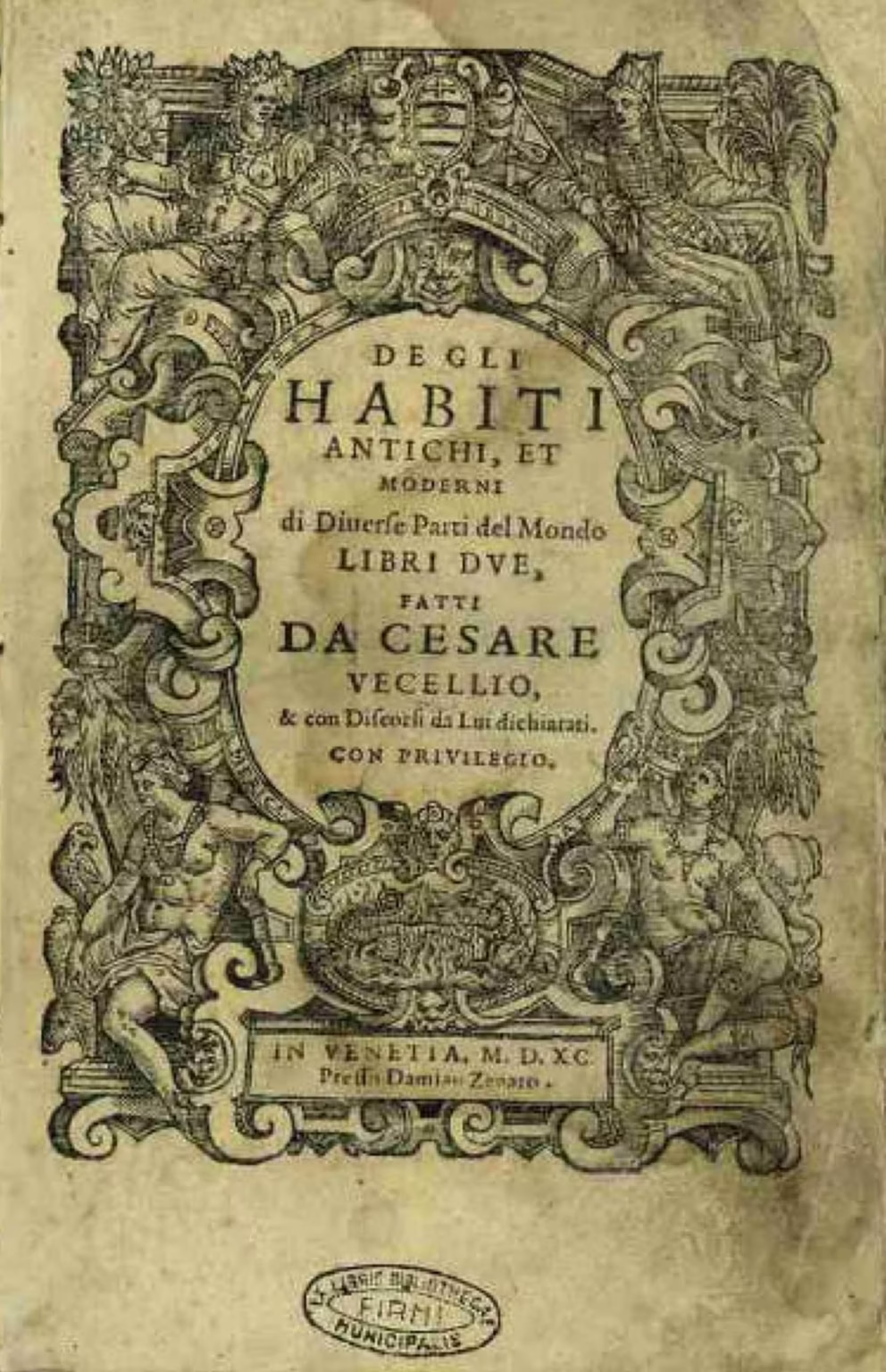
The first edition, from 1590, is:
DEGLI HABITI ANTICHI ET MODERNI
di Diverſe Parti del Mondo.LIBRI DUE, FATTI DA
CESARE VECELLIO
& con Diſcorſi da Lui dichiarati.CON PRIVILEGIO
In Venetia, M.D.XC.
Preſſo Damian Zenaro, 1590.
It is printed on paper, 499 pages, in 8º, with 418 illustrations, and a letter of dedication, dated October 9th, 1589, from Vecellio to Count and Knight Pietro Moltalbano. The Montalbano was a local noble family from Conegliano, near Treviso.
A digitised copy of the rare first edition, with coloured images, albeit in low-resolution scans, is available from the Biblioteca civica Romolo Spezioli, in Fermo (Marche).
Another copy is on the Internet Archive.
Second edition (1598)
The second edition, from 1598 is:
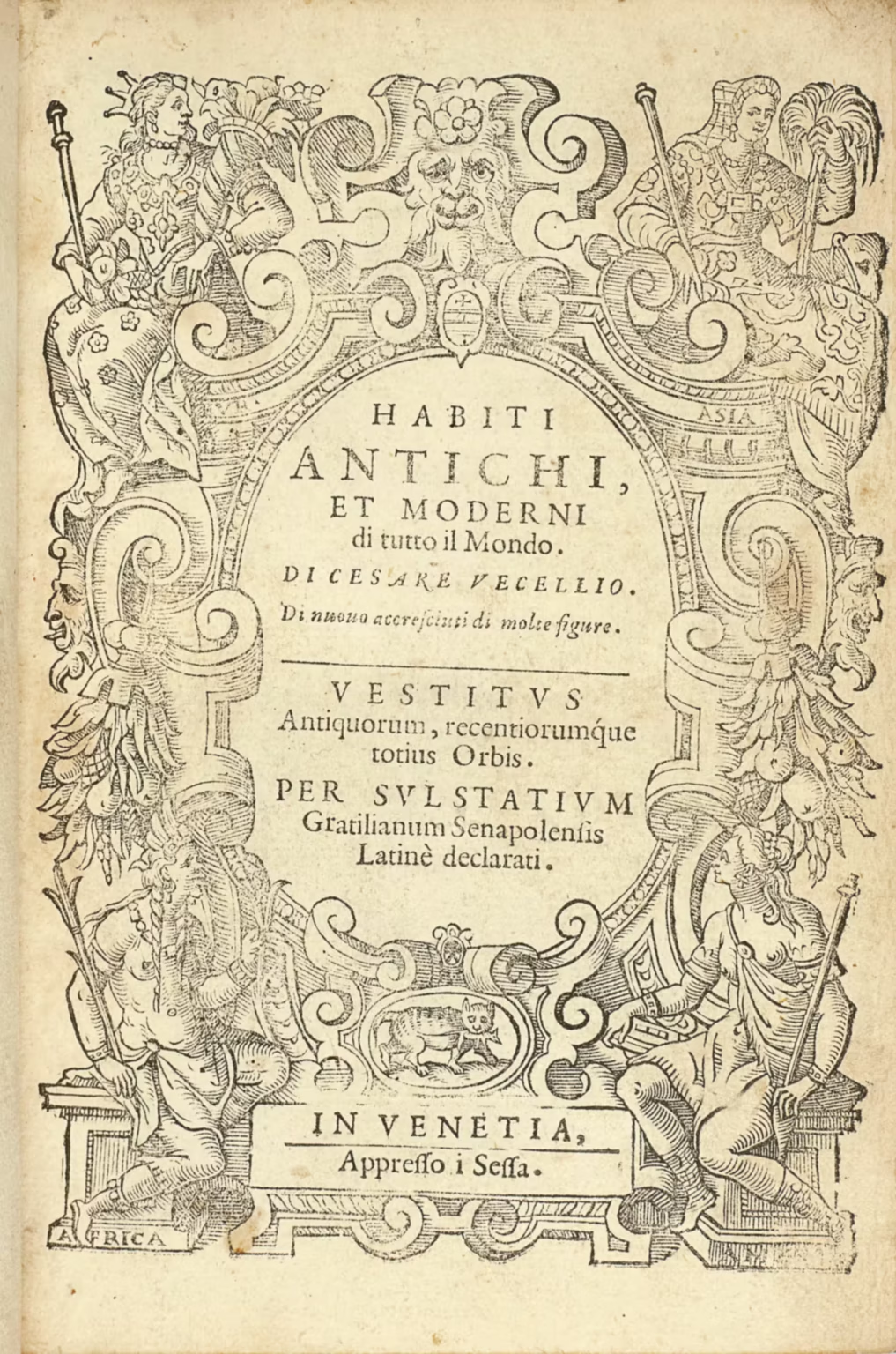
HABITI ANTICHI ET MODERNI di tutto il Mondo.
DI CESARE VECELLIO.
Di nuovo accresſiuto di molte figure.VESTIBUS antiquorum, recentiorumque totius Orbis.
PER SULSTATIUM Gratilianum Senapolenſis Latinè declarati.IN VENETIA.
Apreſſo i Seſſa.
At the end:
IN VENETIA, M.D.XCVIII.
Apreſſo Gio. Bernardo Seſſa.
Also printed on paper, 507 pages, in 8º, with 506 illustrations.
The text associated with each illustration also has a Latin translation, probably to make it available to a wider European audience.
A digitised copy of the also very rare second edition, in the John Carter Brown Library, is available from the Internet Archive.
Third edition (1664)
The third edition, from 1664, after the death of Vecellio:
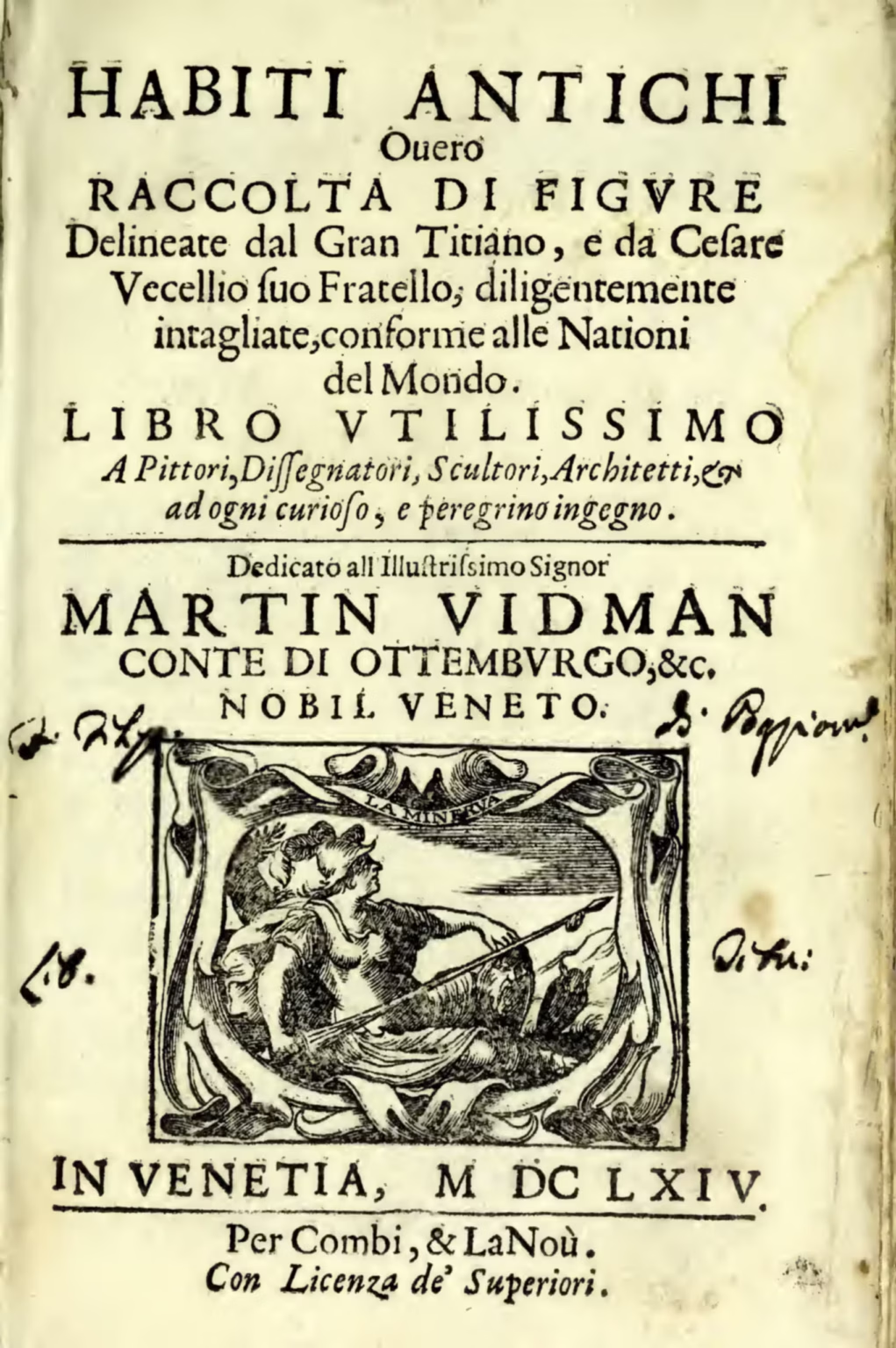
Habiti antichi, ovvero raccolta di figure delineate dal Gran Titiano e da Cesare Vecellio suo Fratello diligentemente intagliate conforme alle Nationi del Mondo. Libro utilissimo a Pittori, Disegnatori, Scultori, Architetti, et ad ogni curioso e peregrino ingegno, dedicato all’Ill. Signor Martin Vidman Conte di Ottemburgo, NobiI Veneto. In Venetia, 1664, per Combi et La Noù.
It has 415 illustrations with very short captions, as most of the text from the early editions have been left out.
The title claims, erroneously, that the drawings are by Titian, and that Cesare (mistakenly indicated as Titian’s brother) only made the wood-cuts. They also sold it as useful to painters, drawers, sculptors, architects and anybody curious and creative.
It was probably a purely commercial endeavour, in a time with copyright wasn’t much of a thing.
One example, from Duke University, is available digitised from the Internet Archive, with good quality images.
Later editions
The fourth edition, published in Paris in two volumes 1859–1863, was a French translation of the 1598 edition, with the images redone.
Sample prints
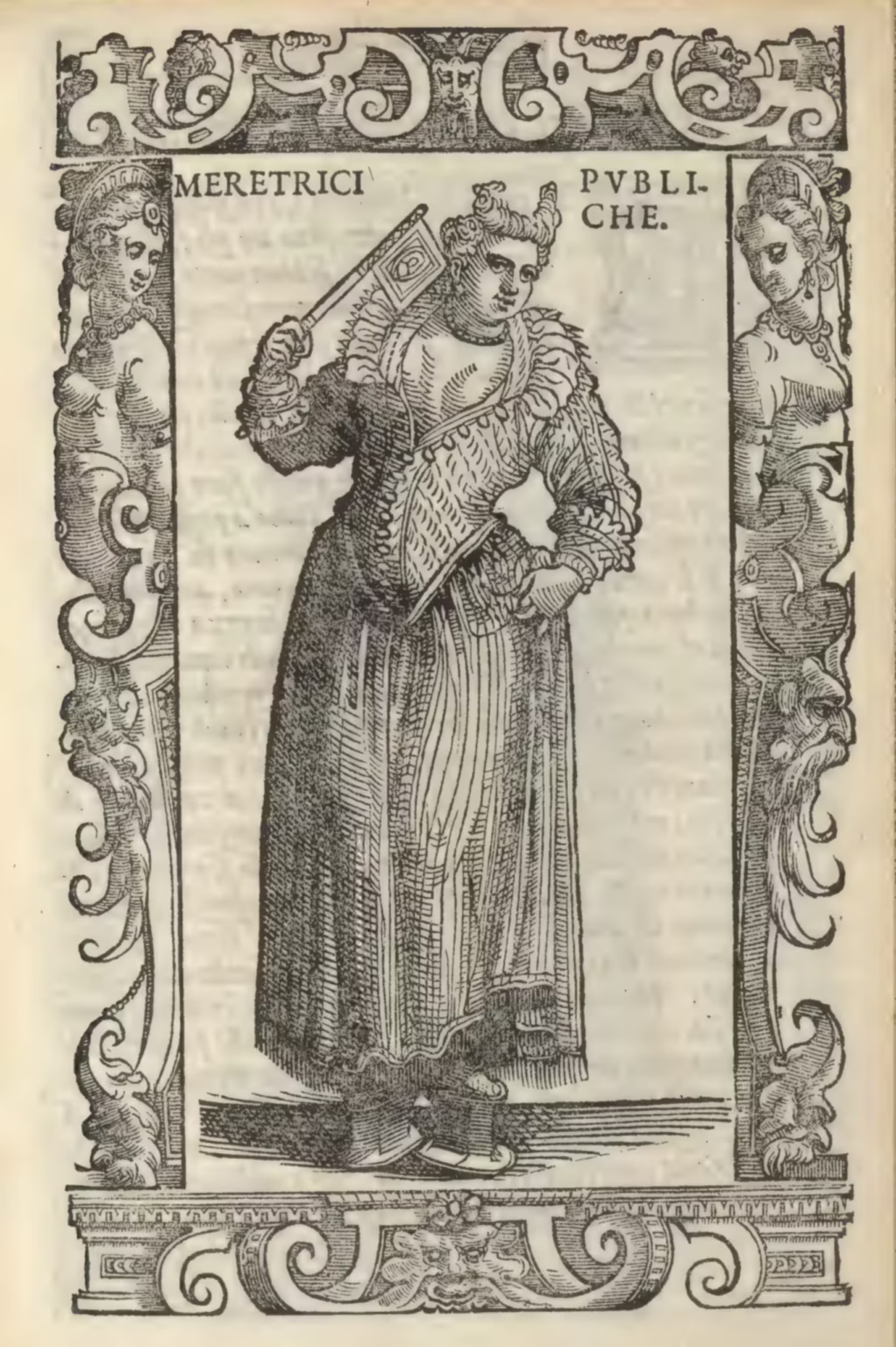
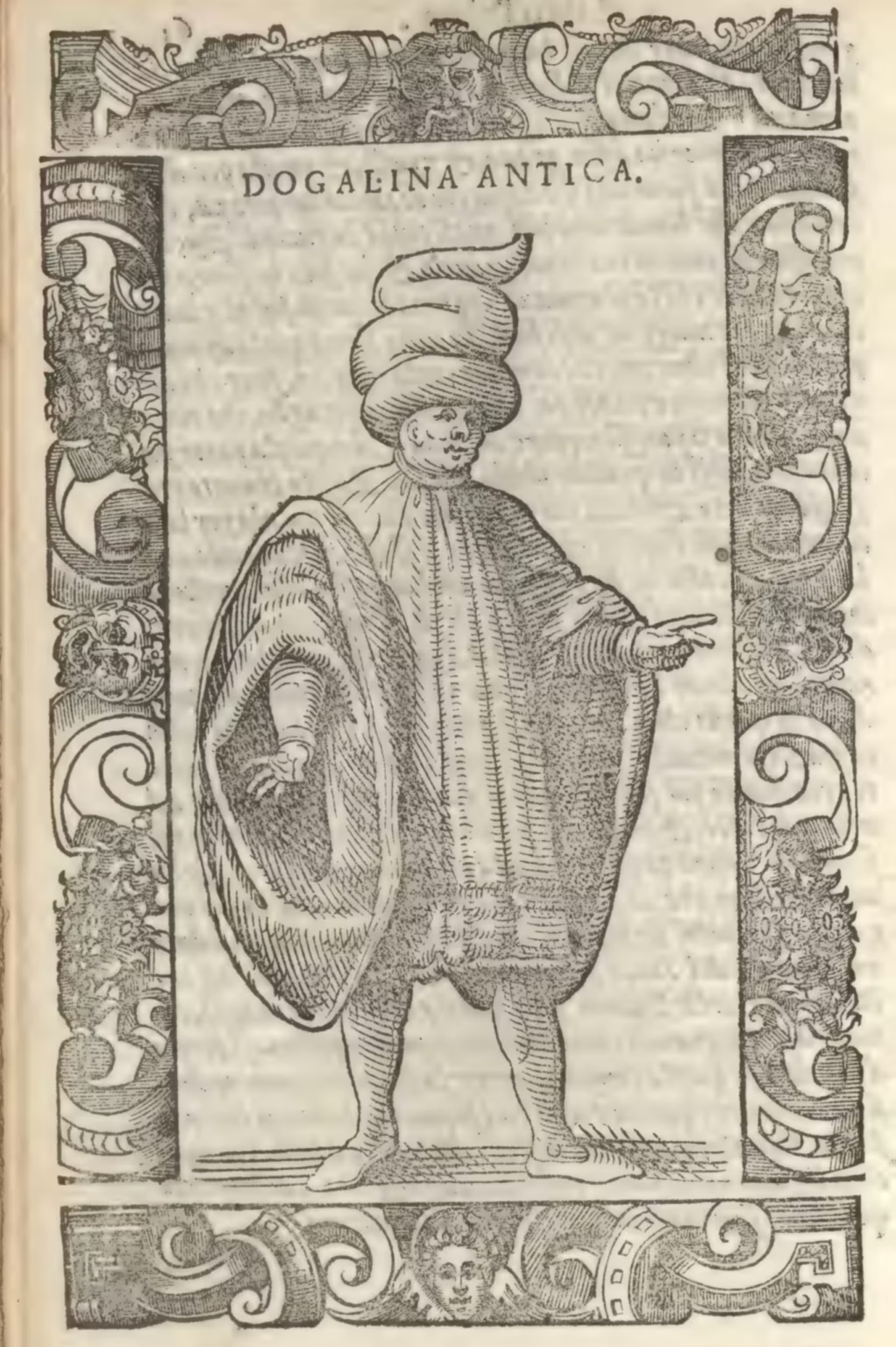
List of translated plates
- Dogalina Antica — Ancient Dogalina — 53.b
- Dogalina Antica di Venetia — Ancient Dogalina of Venice — 61.b
- Habito ordinario — Ordinary dress — 105.b
- Meretrici de’ luoghi publici — Prostitutes of public places — 146.a
- Schiavi sforzati di galea — Galley slaves — 172.b
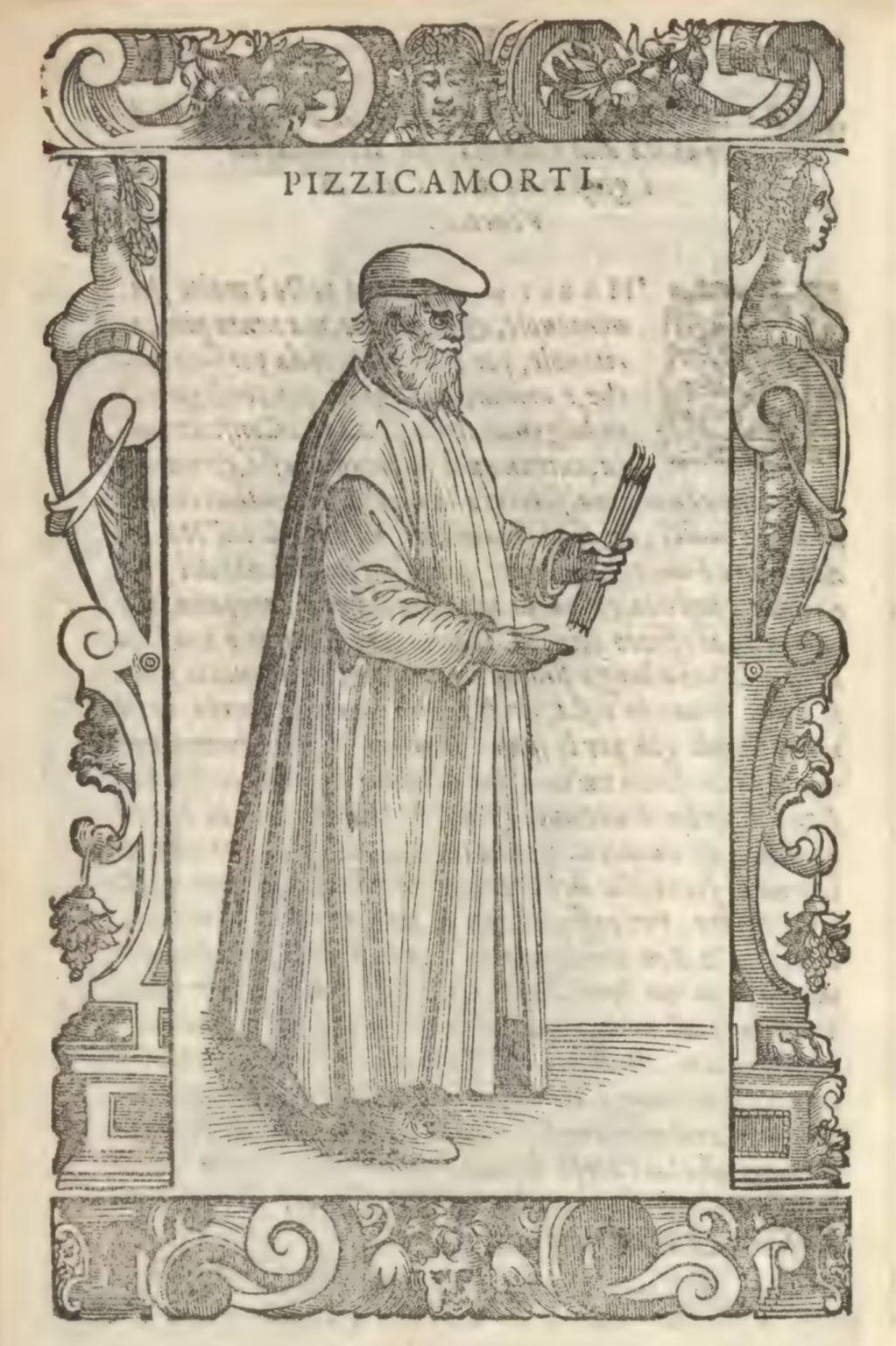
- Beccamorti o Pizzicamorti di Venetia — Undertakers or Corpse Removers of Venice — 174.b
Leave a Reply