
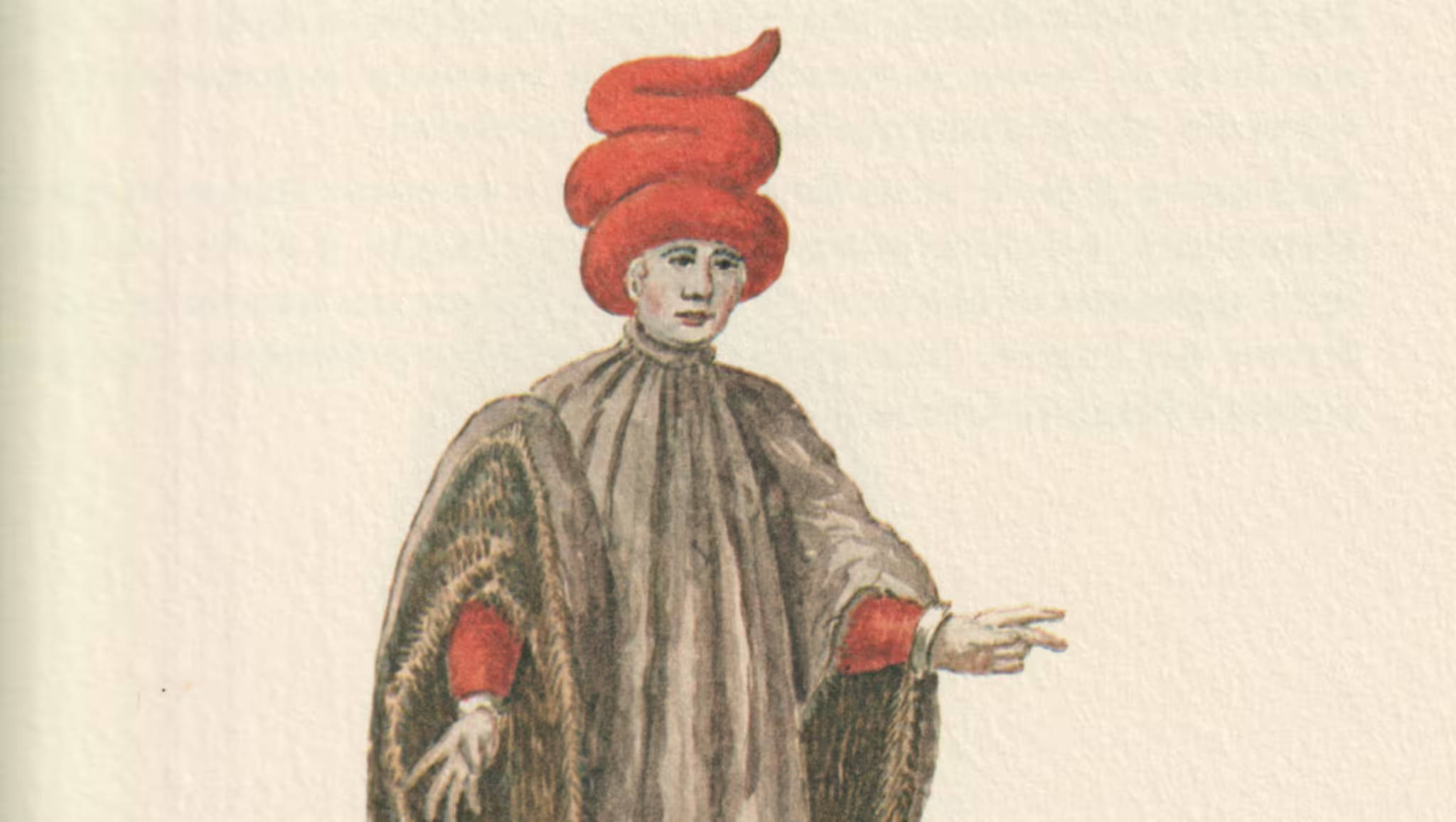
The formal dress code of the Venetian aristocracy changed over time, and this is Grevembroch’s rendering of a young nobleman from “ancient centuries”.
The robe is a dogalina with sleeves so wide, they would touch the floor, if they weren’t attached to the shoulder.
It is difficult not to concur, when Grevembroch, in the 1700s, found the “extravagant” hat rather curious.
Grevembroch copied this figure from Habiti Antichi e Moderni (1590) by Cesare Vecellio.
Source: Gli abiti de veneziani di quasi ogni età con diligenza raccolti e dipinti nel secolo XVIII, by Giovanni Grevembroch (1731–1807), which in four volumes contains over six hundred watercolours of how Venetians dressed in the 1700s.
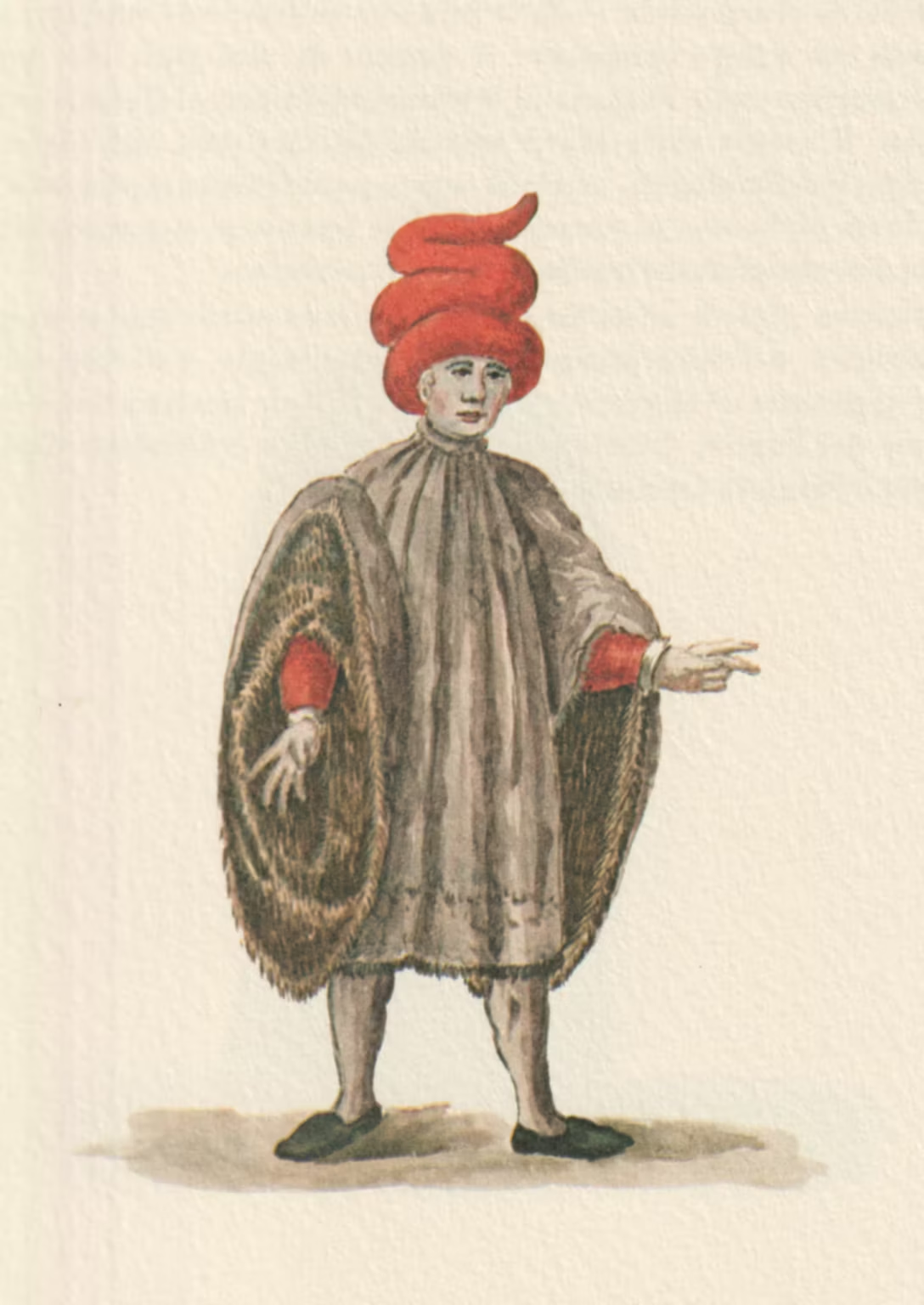
Young Nobleman in Dogalina
A person painted on an altarpiece in the Monastery of San Domenico1 in Venice, which clearly indicates the need to investigate the origin and use of wide sleeves, or the robe called the Dogalina. It was also revealed that it was used more by our young nobles than by people of other ages or classes, and that there was some variety in its wearing.
It is also noted that the women of those times tried to imitate it, and hence they wore open sleeves, as demonstrated on another sheet. The extravagance of the large cap could not dispense the Author of these Models from including it in such a beautiful Collection.
In the interest of variety, Youngster from past centuries, aggregated to the Greater Council,2 was inserted so that it could be accepted by the very studious Patrician Bernardo Nani, son of Antonio.
Translator’s notes
- The Church of San Domenico stood in what is now the Via Garibaldi. The associated monastery was where the Viale Garibaldi is today. Both were demolished in the early 1800s. Who knows where that altarpiece is now? ↩︎
- Noblemen became members of the Maggior Consiglio at the age of 25, so the implication is that this youngster was a nobleman. ↩︎
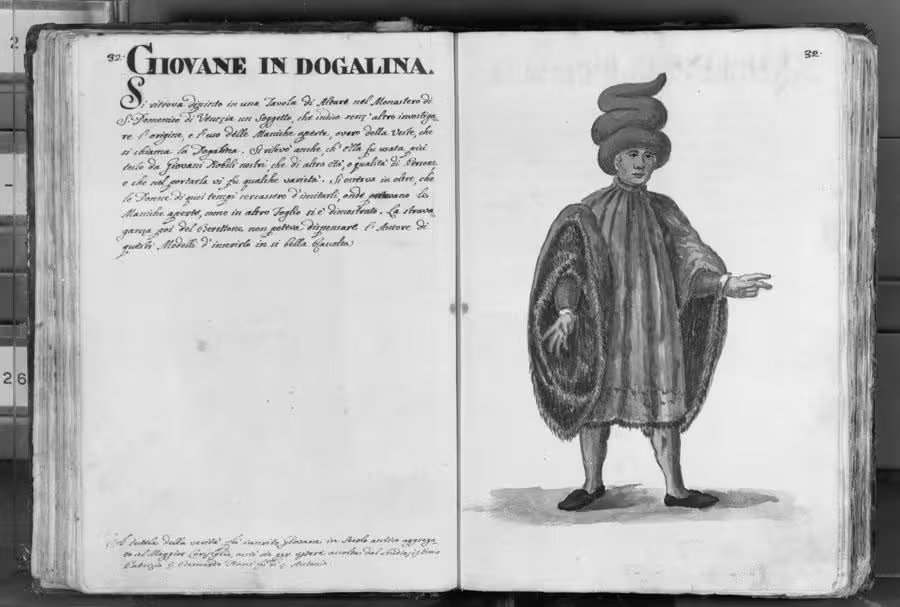
Original text
Giovane in Dogalina
Si ritrova dipinto in una Tavola di Altare nel Monastero di S. Domenico di Venezia un Soggetto, che indica senz’altro investigare l’origine, e l’uso delle Maniche aperte, overo della Veste, che si chiama la Dogalina. Si rilevò anche, ch’ella fu usata più tosto da Giovani Nobili nostri, che di altra età, o qualità di Persone e che nel portarla vi fu qualche varietà.
Si osserva inoltre, che le Donne di quei tempi cercassero d’imitarli, onde portavano le Maniche aperte, come in altro Foglio si è dimostrato. La stravaganza poi del Berettone non poteva dispensare l’Autore di questi Modelli d’inserirlo in si bella Raccolta.
A tutela della varità fu inserito Giovane in Secolo antico aggregato al Maggior Consiglio, acciò sia per essere accolta dal studiossimo Patrizio Bernardo Nani fu di Antonio.
Grevembroch (1981), vol. 1, p. 32.
Related articles
Related sources
Related images
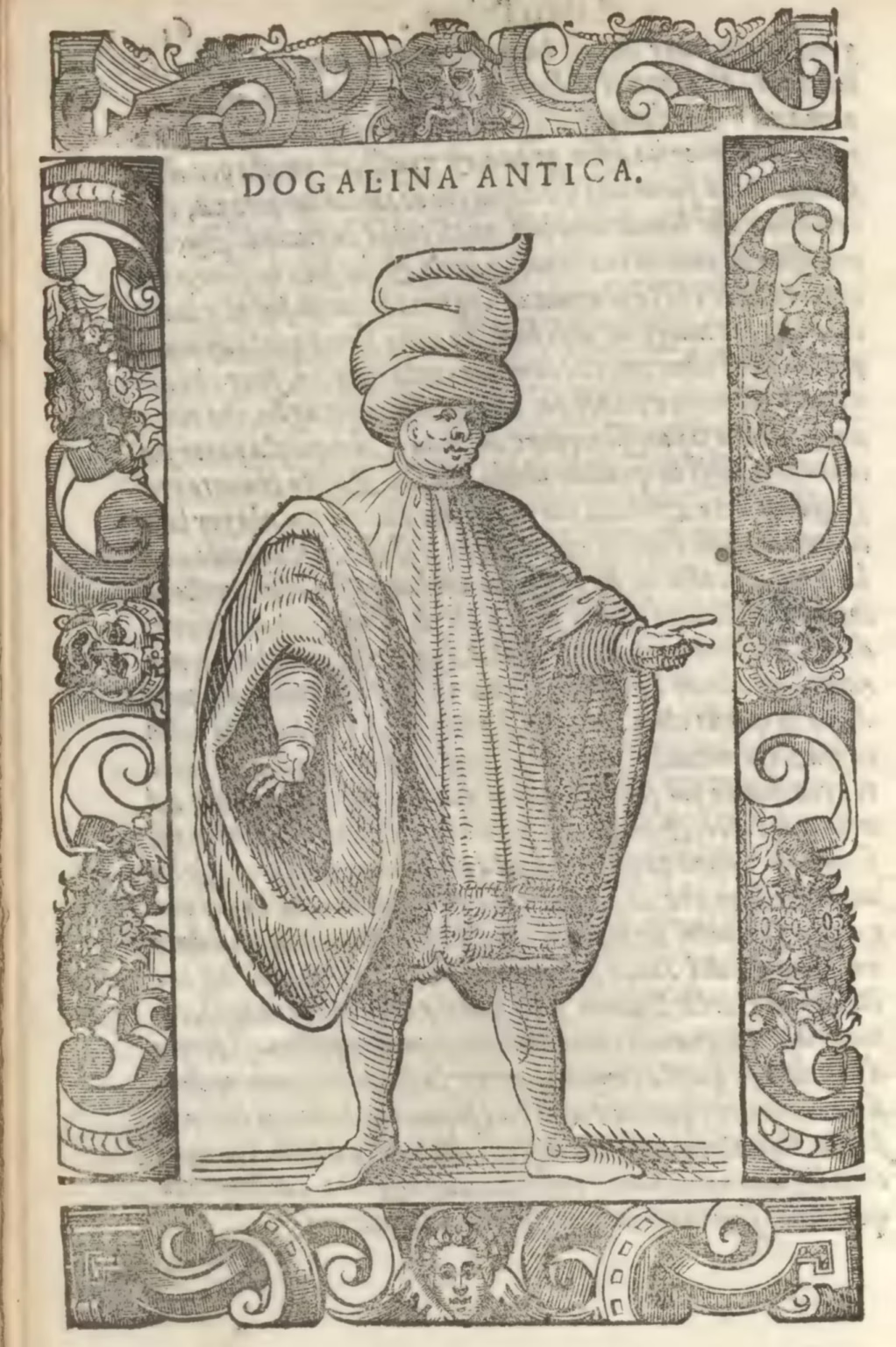
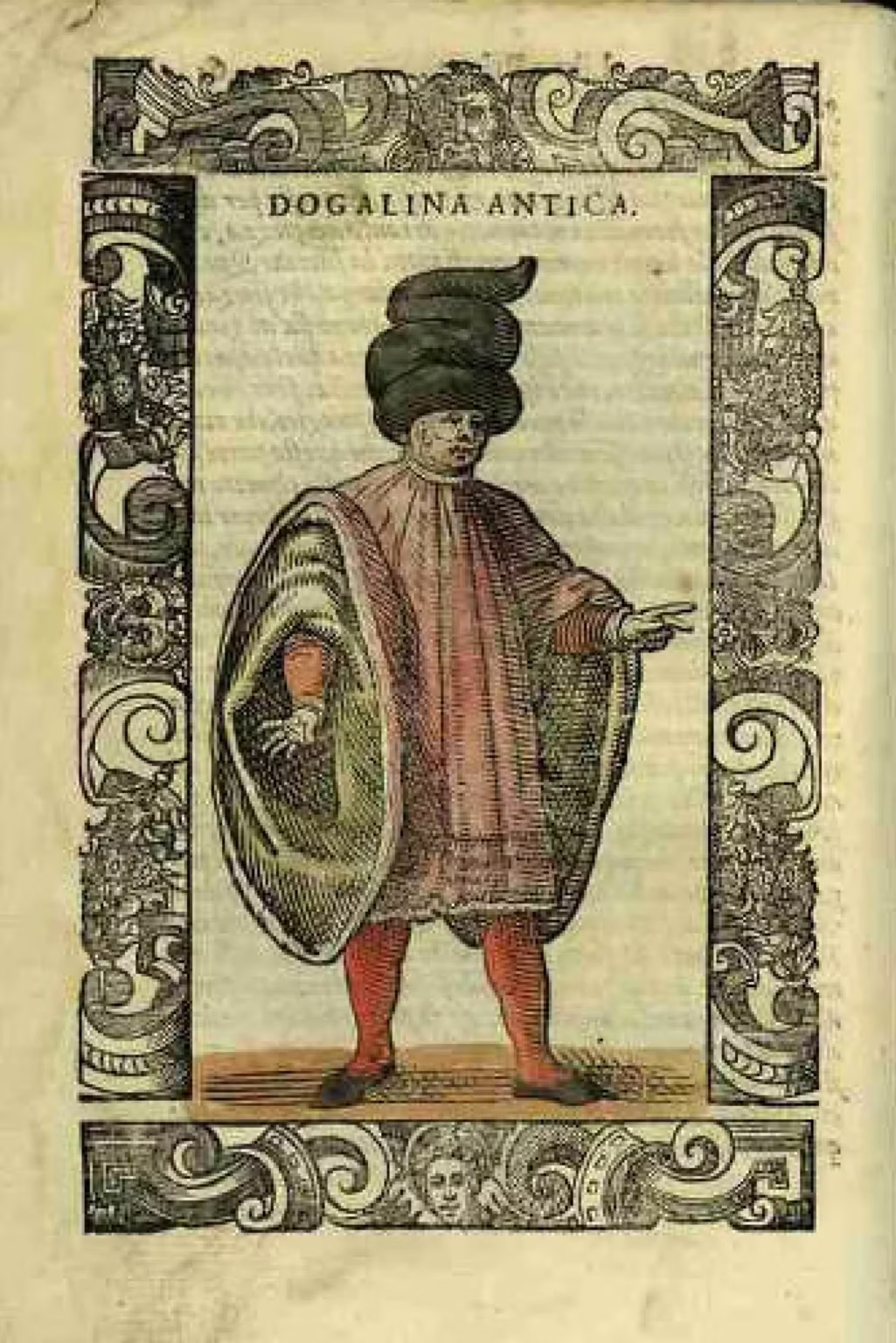
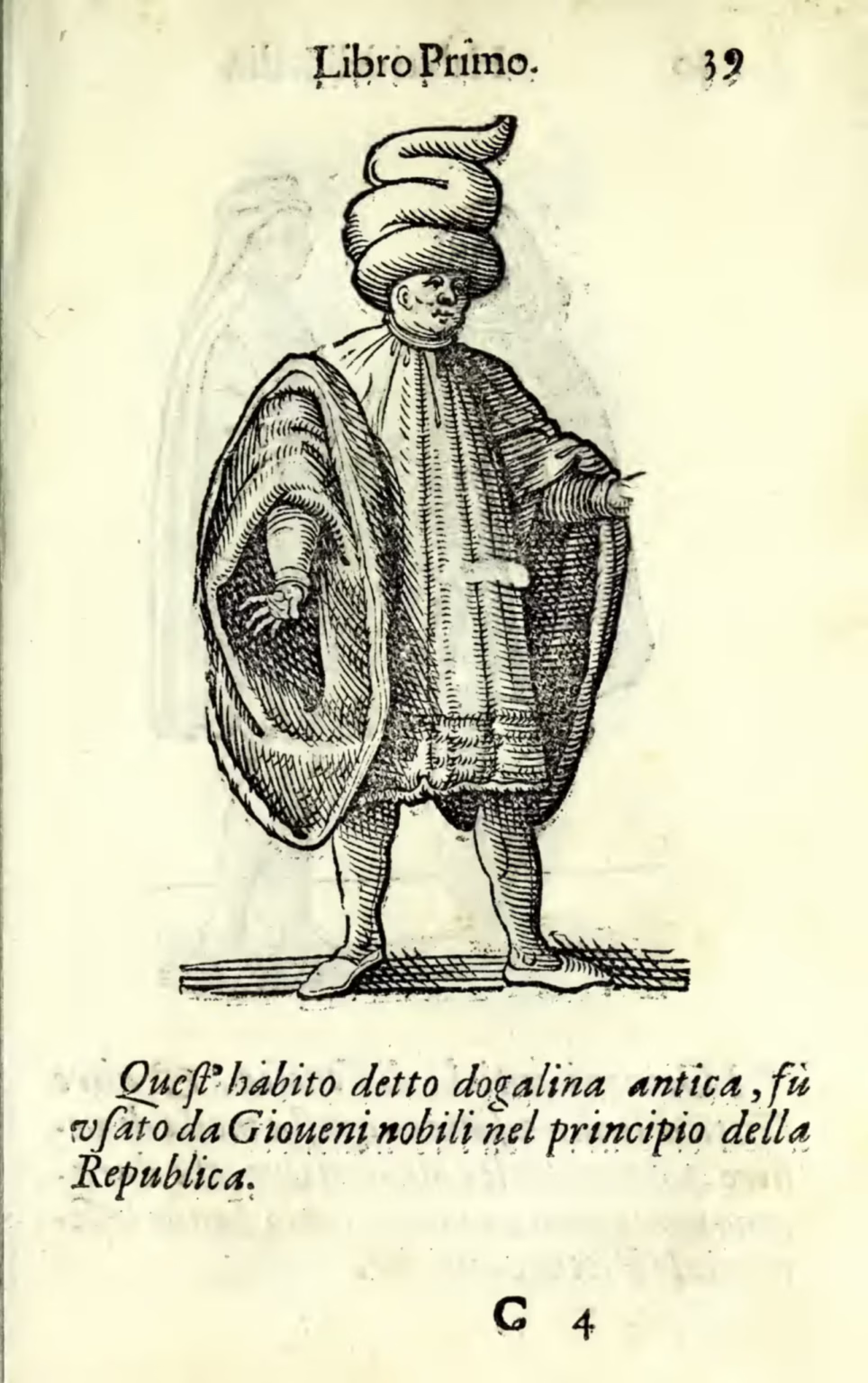
- Habiti Antichi et Moderni (1590) by Cesare Vecellio.
Bibliography
- Grevembroch, Giovanni. Gli abiti de veneziani di quasi ogni eta con diligenza raccolti e dipinti nel secolo XVIII, orig. c. 1754. Venezia, Filippi Editore, 1981. [more]
Leave a Reply