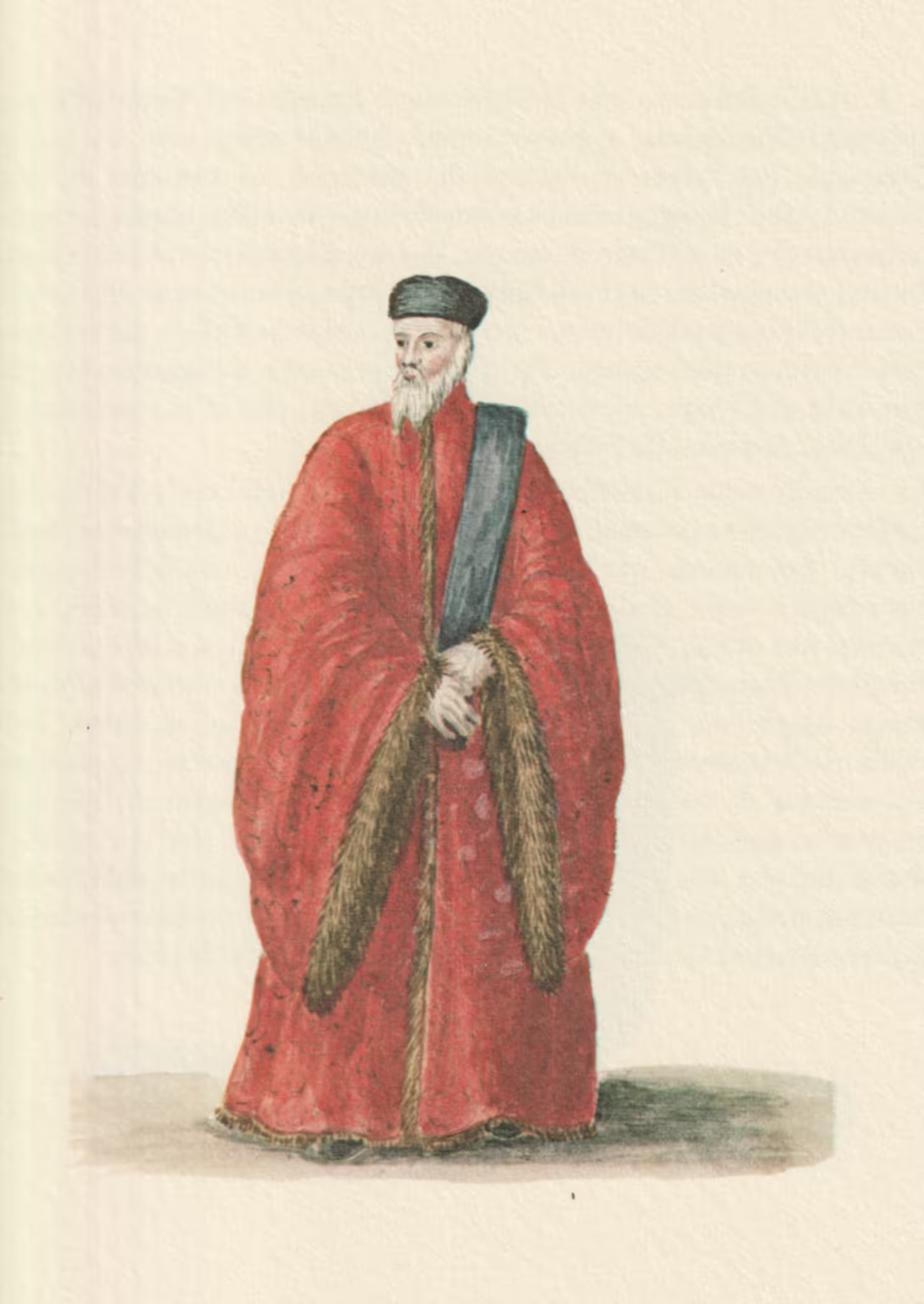
This painting depicts a member of the Pregadi — the Venetian senate — dressed in the traditional toga of important magistrates, with a black stola as a sign of mourning. There were special rules about how magistrates could dress, even in periods of mourning.
Source: Gli abiti de veneziani di quasi ogni età con diligenza raccolti e dipinti nel secolo XVIII, by Giovanni Grevembroch (1731–1807), which in four volumes contains over six hundred watercolours of how Venetians dressed in the 1700s.
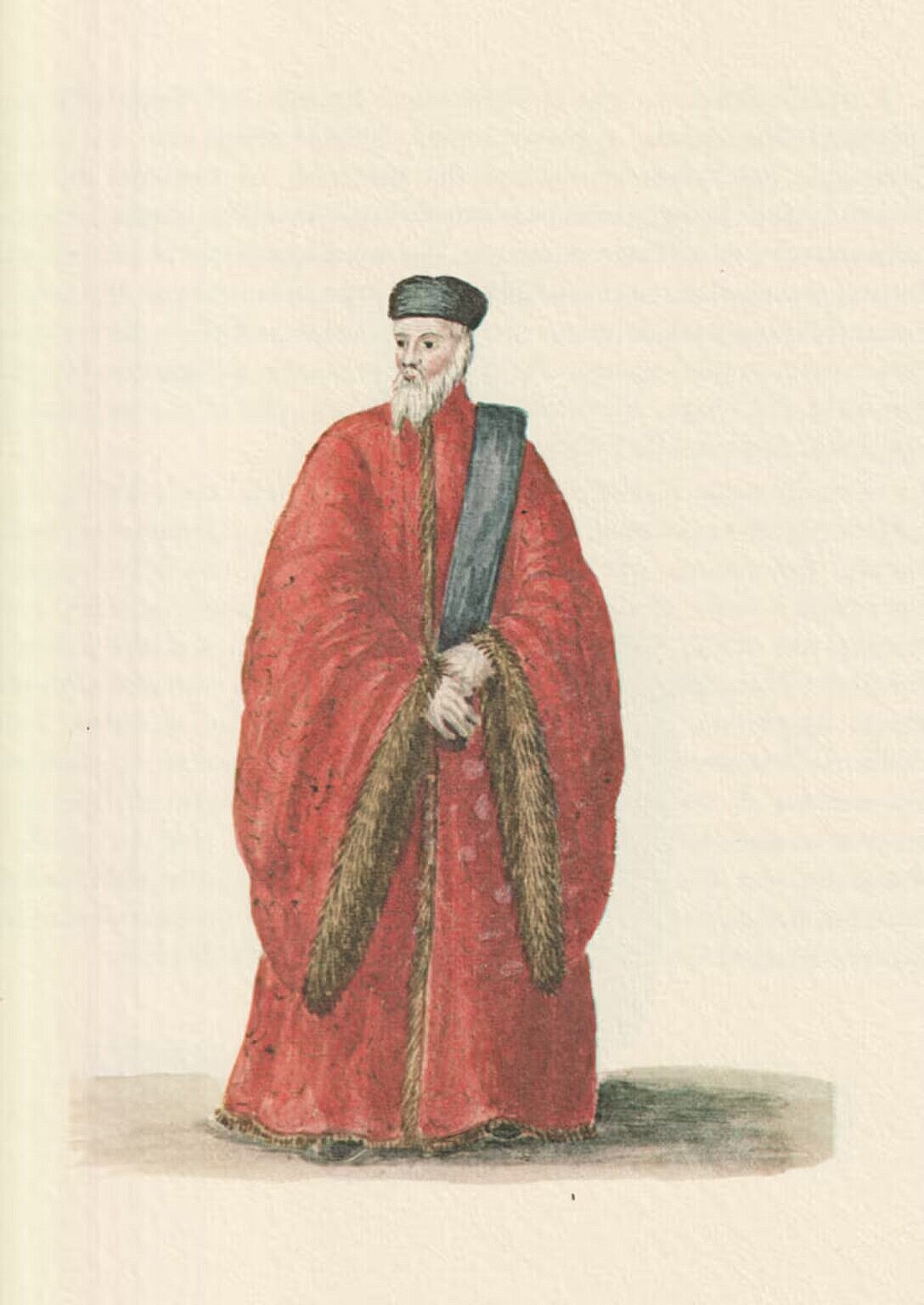
Senator with a mourning stole
It was incompatible for a Senator to ever wear mourning when he was chosen to make up the number of his peers who were to accompany the Most Serene Prince during the Functions. However, when the time had recently passed following the death of a Parent, Child, Brother, or Wife, he was not forbidden to wear over the purple toga a stole of red-violet velvet, which, after the prescribed period of the Sorrow, would be replaced by one of crimson velvet. Upon the arrival of any foreign potentate of the first rank in this Dominion, or on occasions of a malignant contagion, or during solemn festivities, any appearance of sadness was entirely forbidden, so as not to dampen the fervour of the People: Habitus lugubres ob moerorem prohibentur.1 Thus, the Greater Council prescribed on August 7, 1348.
Model of significant remembrance, according to the here expressed sign, with trust, that it may be regarded with compassion by the good heart of the most humane Senator Piero Zusto, son of the late Alvise.
Translator’s notes
- Funeral habits are prohibited during mourning. ↩︎
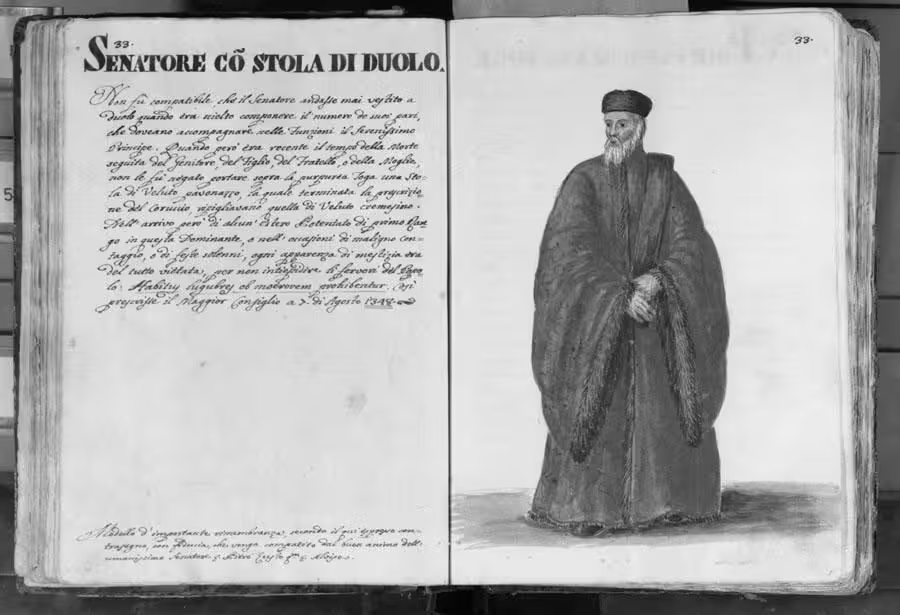
Original text
Senatore con stola di duolo
Non fù compatibile, che il Senatore andasse mai vestito a duolo quando era scielto componere il numero de suoi pari, che doveano accompagnare nelle Funzioni il Serenissimo Principe. Quando però era recente il tempo della Morte seguita del Genitore, del Figlio, del Fratello, o della Moglie, non le fù negato portare sopra la purpurea Toga una Stola di Veluto pavonazzo, la quale terminata la prescrizione del Coruccio, ripigliavano quella di Veluto cremesino. Nell’arrivo però di alcun’Estero Potentato di primo Ragno in questa Dominante, o nell’occasioni di maligno contaggio, o di feste solenni, ogni apparenza di mestizia era del tutto vietata, per non intiepidire li fervori del Popolo: Habitus lugubres ob moerorem prohibentur. Così prescrisse il Maggior Consiglio a 7 di Agosto 1348.
Modello d’importante rimembranza, secondo il qui espresso contrasegno, con fiducia, che venga compatito dal buon animo dell’umanissimo Senatore Piero Zusto qm. Alvise.
Grevembroch (1981), vol. 1, p. 33.
Related articles
- Gli abiti de veneziani — by Giovanni Grevembroch
- Abito — Lessico Veneto
- Vesta da zentilomo — Dizionario
Bibliography
- Grevembroch, Giovanni. Gli abiti de veneziani di quasi ogni eta con diligenza raccolti e dipinti nel secolo XVIII, orig. c. 1754. Venezia, Filippi Editore, 1981. [more]
Leave a Reply