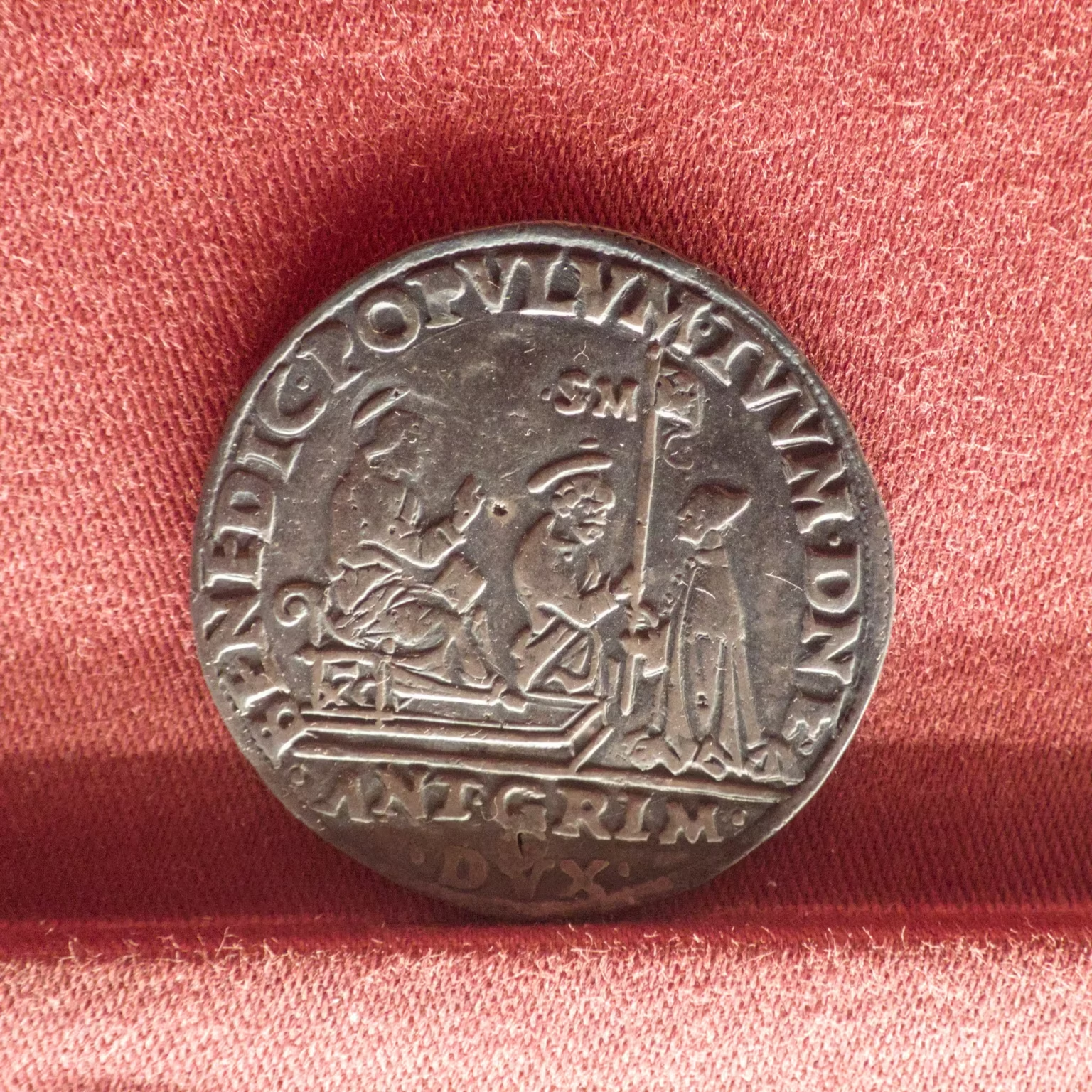
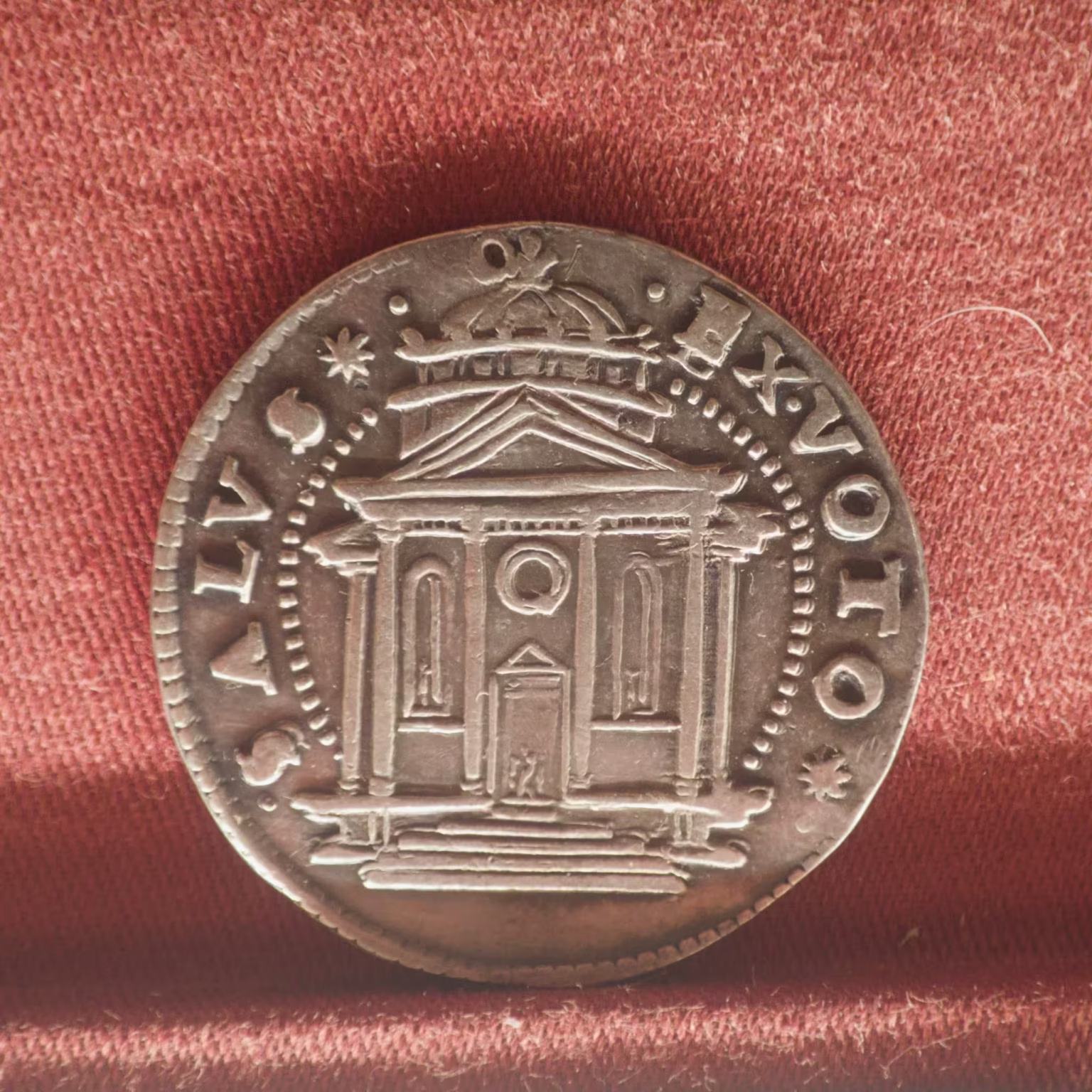
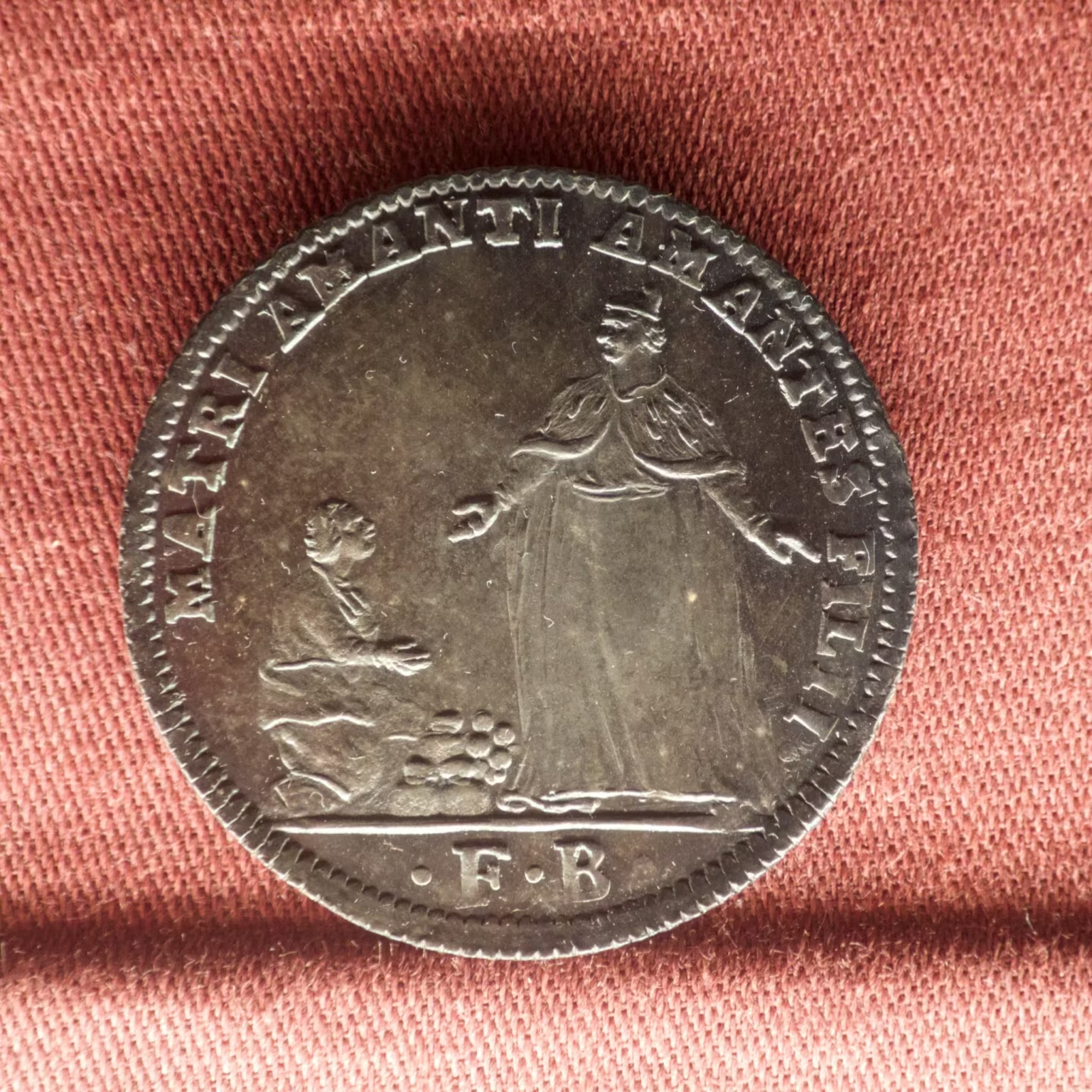
Over the more than a millennium of the Republic of Venice, the state issued a wide variety of coins for all sorts of different purposes. Some were for the state budget only, others for daily use in the city, and others again for ceremonial use or restricted to banking.
The Venetian coinage spans over half a millennium. Not all coins coexisted, and many changed their value over time. It is therefore not always possible to easily convert from one denomination to another.
Early Venetian coins
In the earliest period, the Serenissima didn’t mint its own coins. Rather, they used Carolingian coins, and later coins from the Holy Roman Empire.
The only coin in daily use was the copper denaro or piccolo (meaning small), and variations.
Twelve piccoli made a soldo, and twenty soldi a lira. A lira (from Latin libra, a pound) was therefore 240 piccoli, but no such coin was made. It was a moneta ideale — an accounting unit.
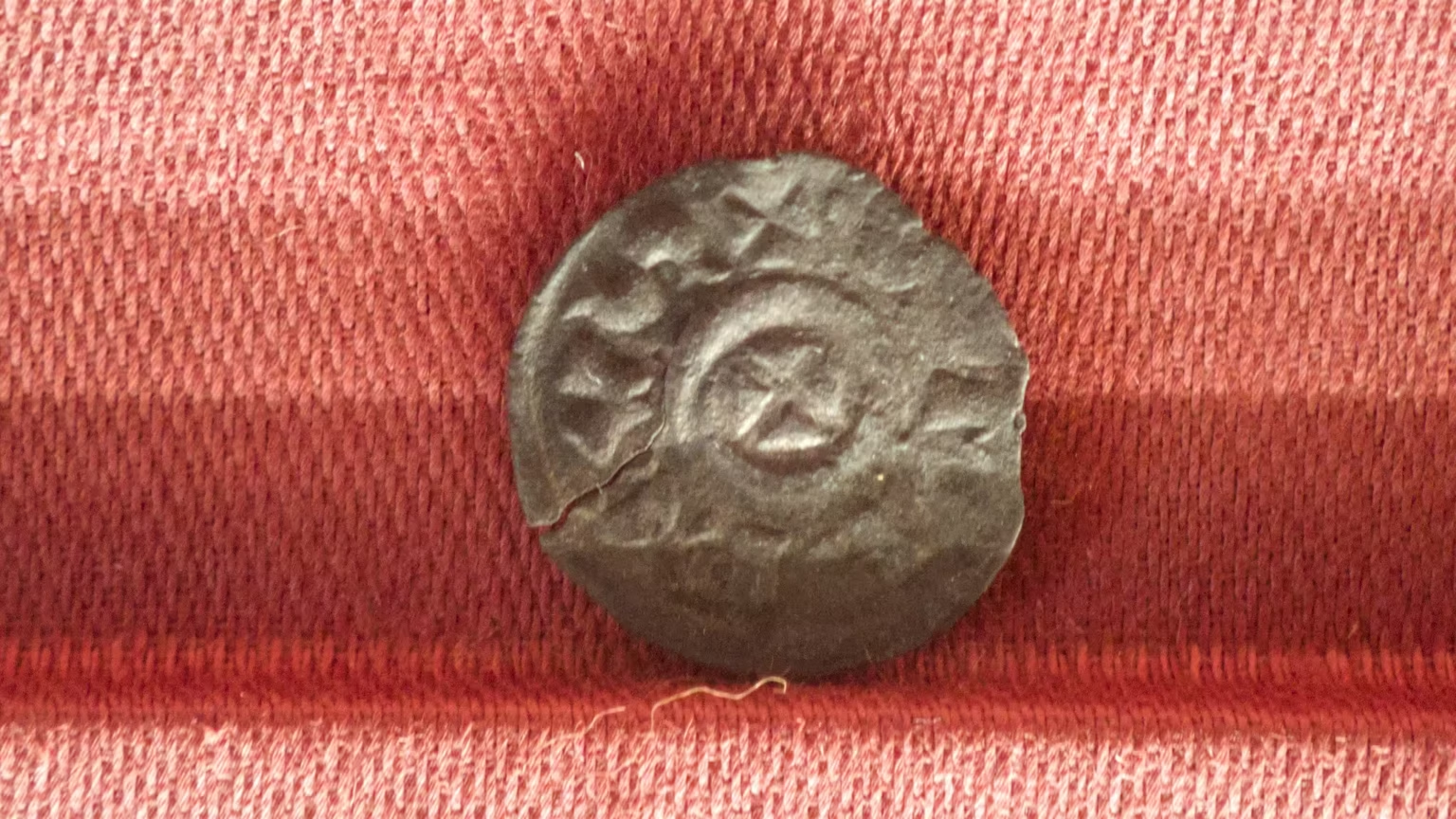
From the mid-1100s, under doge Vitale Michiel II, Venice started minting its own coins. They kept the Carolingian system, so the first Venetian coin was a copper half denaro (or piccolo).
Nothing grand or monumental, simply a small coin for daily transactions.
From the 1200s, the Venetian zecca (mint) issued a larger silver coin, called the grosso (meaning big as opposed to the piccolo which was small). It was initially worth 26 piccoli, increasing gradually to 48 piccoli by the mid-1300s.
A lira of 240 grossi appeared — again as an accounting unit, not a physical coin — leading to the confusing terms of lira di piccoli and lira di grossi, to distinguish the two lire.
The ducato d’oro was minted since 1284 by Giovanni Dandolo, of a value of 18 grossi or 3.2 lire di piccoli, as a grosso was worth 32 piccoli at that time.
The lira trona
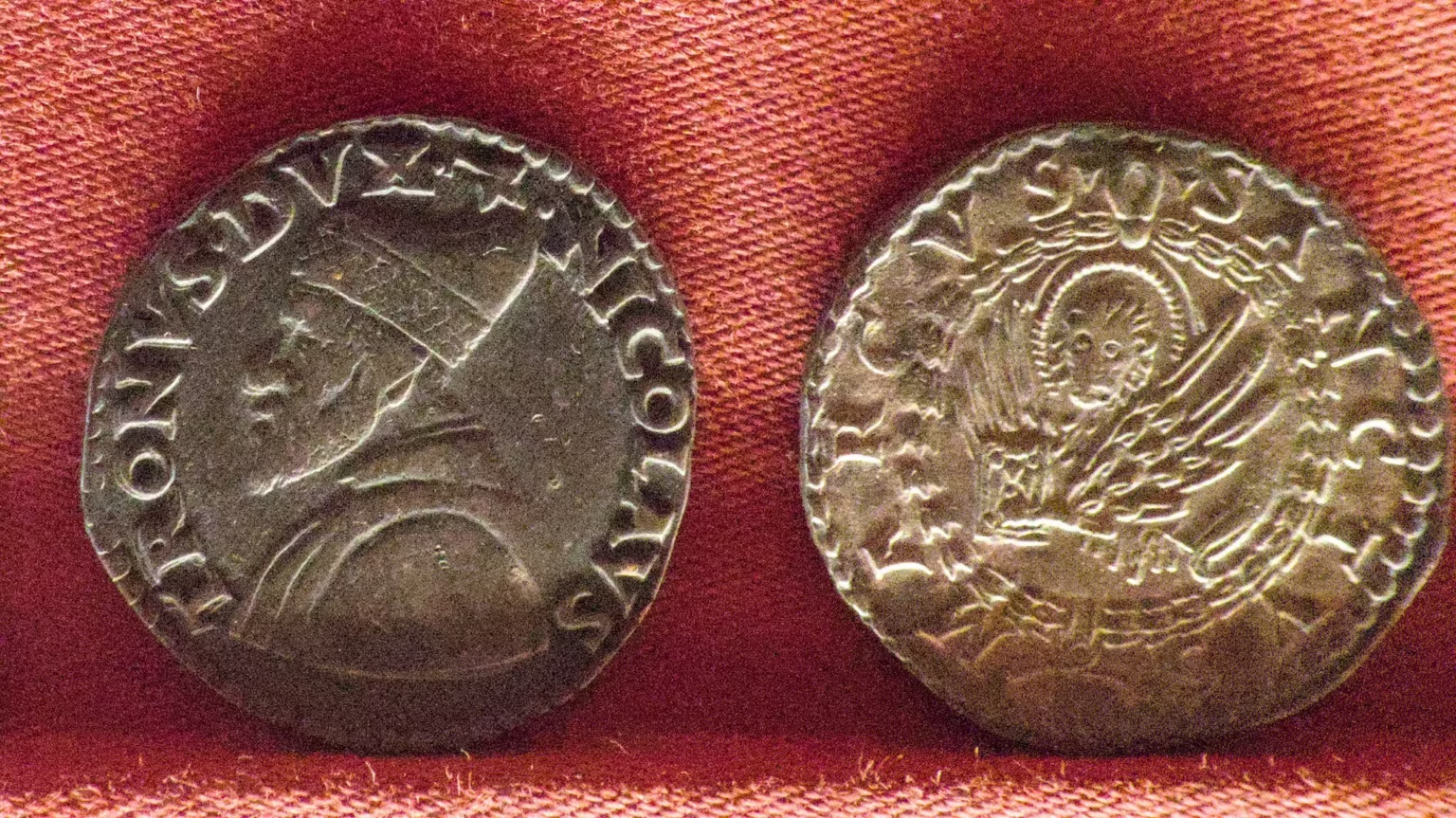
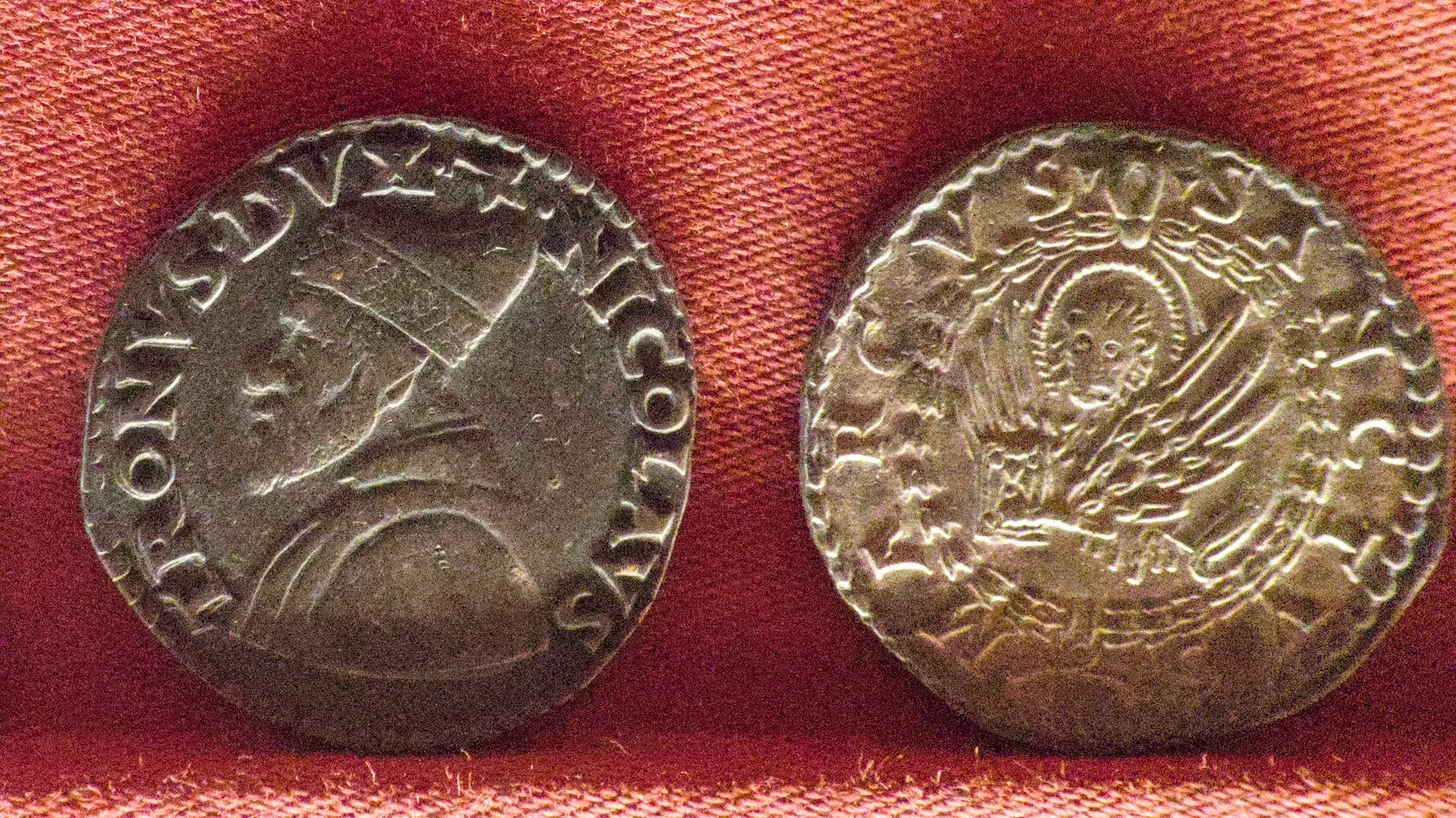
Doge Nicolò Tron reformed the coinage in 1472, and for the first time, an actual lira coin was issued. It was called the lira trona after the doge.
The silver lira trona consisted of twenty soldi, each of which was divided into twelve denari (interchangeably also called piccoli or bagattini), so there were still 240 piccoli on a lira.
The lira di grossi, however, disappeared. It was replaced as an accounting unit by the ducato, fixed at 24 grossi or 124 soldi di piccoli, which were 6:4 lire di piccoli.
An amount in lire and soldi was often written as, e.g., L. 6:4 for six lire di piccoli and four soldi di piccoli, which amounts to 124 soldi (6×20+4).
Despite the disappearance of the grosso, the term lira di piccoli remained in use, interchangeably with lira.
Gold and silver Scudi
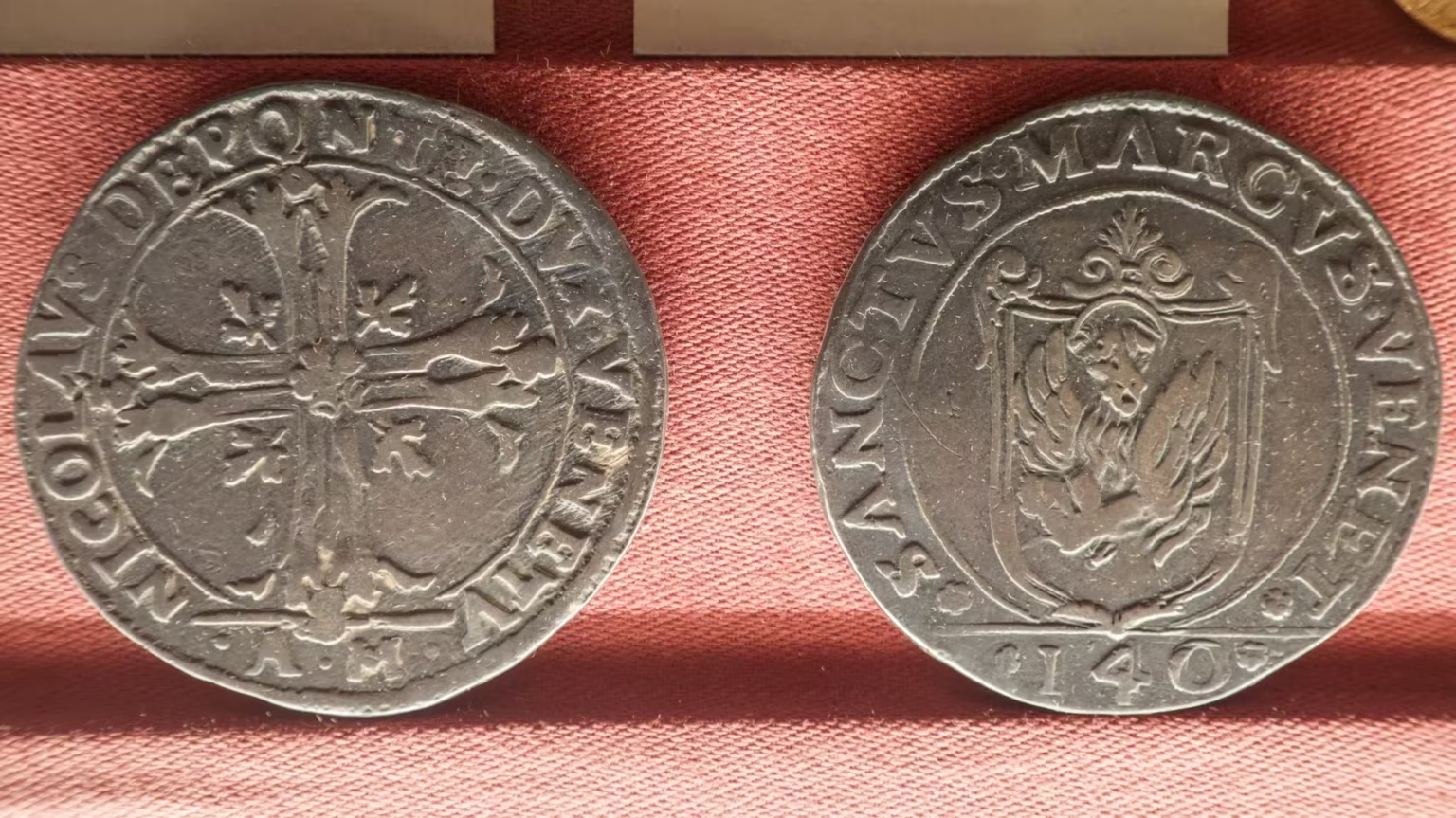
From the 1500s, it is common to see references to scudi as a monetary unit. The scudo is, for example, the unit used for the prices in the catalogue of Venetian prostitutes from the 1560s or 1570s.
The golden scudo d’oro was introduced in 1528 by doge Andrea Gritti, at a value of 12 ducats, or L. 6:10.
In 1577, a silver scudo d’argento or scudo della croce was issued. Its value changed over time. In 1598, it was worth L. 6:4, which increased to L. 12:8 in the 1700s, which was still the value at the end of the Republic, corresponding to two ducati.
Gold coins
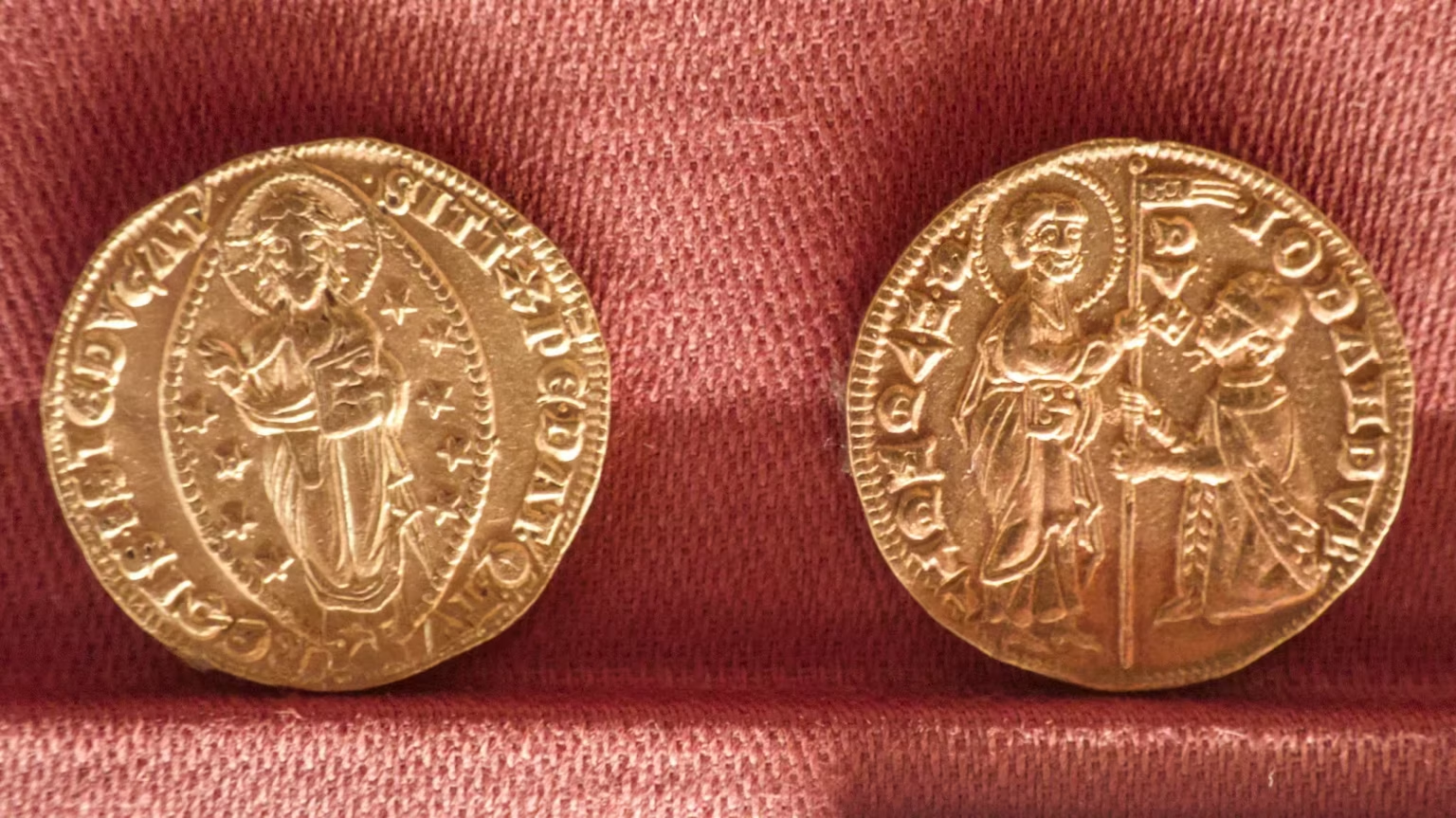
- Scudo d’oro — equivalent of three ozelle, twelve zecchini or lire 6:10, minted from 1528 under Doge Andrea Gritti (1523–1538).
- Half scudo — 1½ ozelle or six zecchini.
- Ozella d’oro — worth four zecchini.
- Doppio Zecchino — a double zecchino.
- Zecchino (also Cecchino and ducato d’oro) — the finest Venetian coin, minted since 1284, under Giovanni Dandolo, called the zecchino with the introduction of the ducato d’argento. At the end of the Republic it was worth 22 lire.
- Mezzo Zecchino — a half zecchino.
- Quarto di Zecchino — a quarter zecchino.
Silver coins
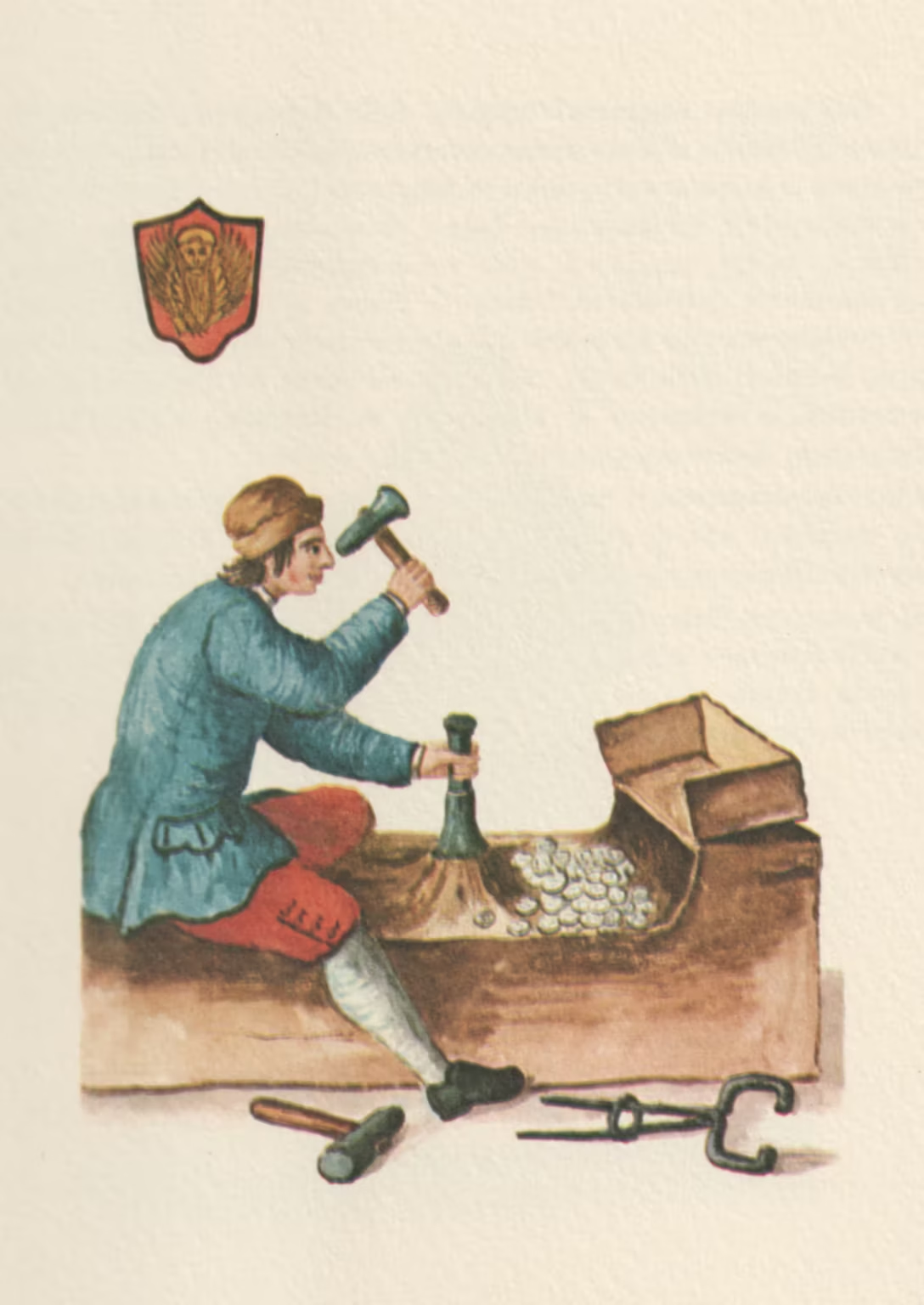
- Grosso (or matapan) — a ‘big coin’ worth between 26 and 48 piccoli, minted from 1200 until 1472.
- Grossone (or Doppio Grosso) — worth two grossi.
- Scudo d’argento (also Scudo della croce) — varying value, ending at L. 12:8, minted from 1577.
- Giustina (Ducatone) — worth L. 11 from 1571 to celebrate the victory of the Battle of Lepanto (Curzolari).
- Ducato d’argento (Ducato veneto) — worth L. 8 or L. 6:4, minted since 1562.
- Tallero — for trade in the Levant, worth ten lire.
- Lira (lira trona or just trona) — worth twenty soldi, minted since 1472 (doge Nicolò Tron).
- Lirazza — worth thirty soldi, minted 1722–1797.
- Liron — worth ten gazzete, minted 1571–c.1645.
- Marcello — worth ten soldi (later 12 and finally 25), minted in 1472.
Copper coins
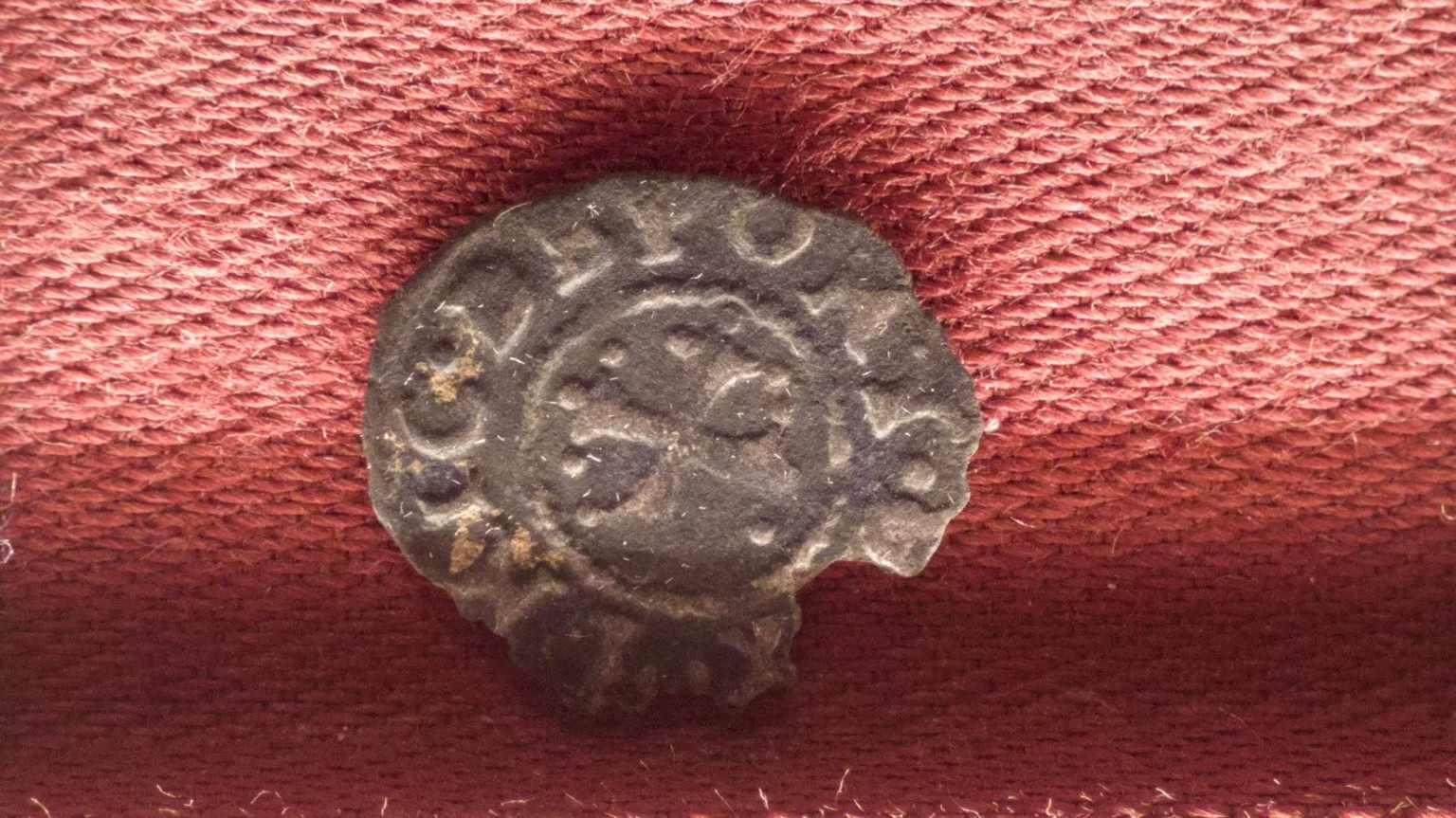
- Traero (also trairo and traro) — worth five soldi (one quarter lira), made of mixed copper and silver.
- Grosseto — four soldi or 1/5th of a lira, in disuse at the end of the Republic.
- Gazeta (also gazzeta and gazzetta) — two soldi or 1/10th of a lira, from 1538 (doge Andrea Gritti).
- Soldo (also soldino, samarco, or marchetto) — 1/20th of a lira, or twelve denari.
- Bezzo (bezzino or mezzo soldo) — half a soldo or six denari, a copper coin, from 1514.
- Quattrino — one third of a soldo, minted from 1489 until the early 1600s. Mostly used in the Dominio di Terra Ferma.
- Quartarolo — a quarter of a soldo, minted from the early 1200s.
- Denaro, Bagatin or Piccolo (bagattino) — 1/12th of a soldo, 1/240th of a lira, minted since 1282, later in disuse.
Ceremonial coinage
- Albula — a coin made specifically as an offering to the parish priest of Santa Maria Formosa for the Festa delle Marie.
- Osella d’argento — coin gifted to the aristocracy in replacement for the traditional gift of game birds (osei), from 1521.
Banking
- Lira di Banco — a lira used only for accounting purposes in the Banco Giro at the Rialto market
- Ducato di Banco — like above, worth lire 9:12.
Foreign coinage in Venice
- Bisanti — a Byzantine coin, sometimes also minted in Venice.
Bibliography
- Boerio, Giuseppe. Dizionario del dialetto veneziano. Venezia : coi tipi di Andrea Santini e figlio, 1829. [more] 🔗
- Gallicciolli, Giambattista. Delle memorie venete antiche profane ed ecclesiastiche raccolte da Giambattista Gallicciolli, Libri tre. Tomo 1. [- 8.]. In Venezia Appresso Domenico Fracasso, 1795. [more] 🔗
- Martini, Angelo. Manuale di metrologia, ossia, Misure, pesi e monete in uso attualmente e anticamente presso tutti i popoli. Torino, Ermanno Loescher, 1883. [more] 🔗
- Mutinelli, Fabio. Lessico veneto che contiene l'antica fraseologia volgare e forense … / compilato per agevolare la lettura della storia dell'antica Repubblica veneta e lo studio de'documenti a lei relativi. Venezia : co' tipi di Giambatista Andreola, 1851. [more] 🔗
All the photographs of coins are taken by the author in the Museo Correr, which has an extensive collection of Venetian coinage on display.
Related articles
Related images

Leave a Reply