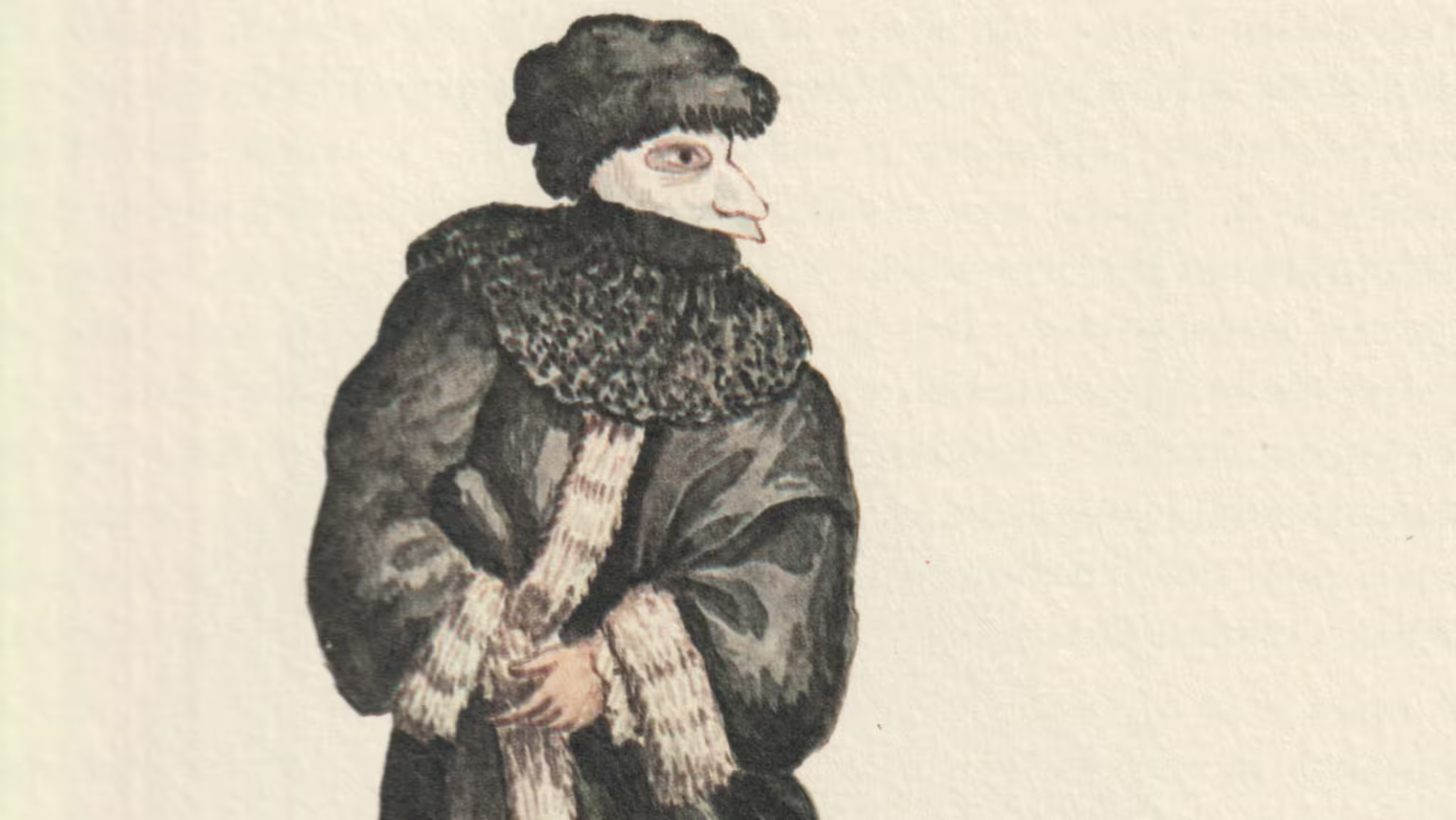
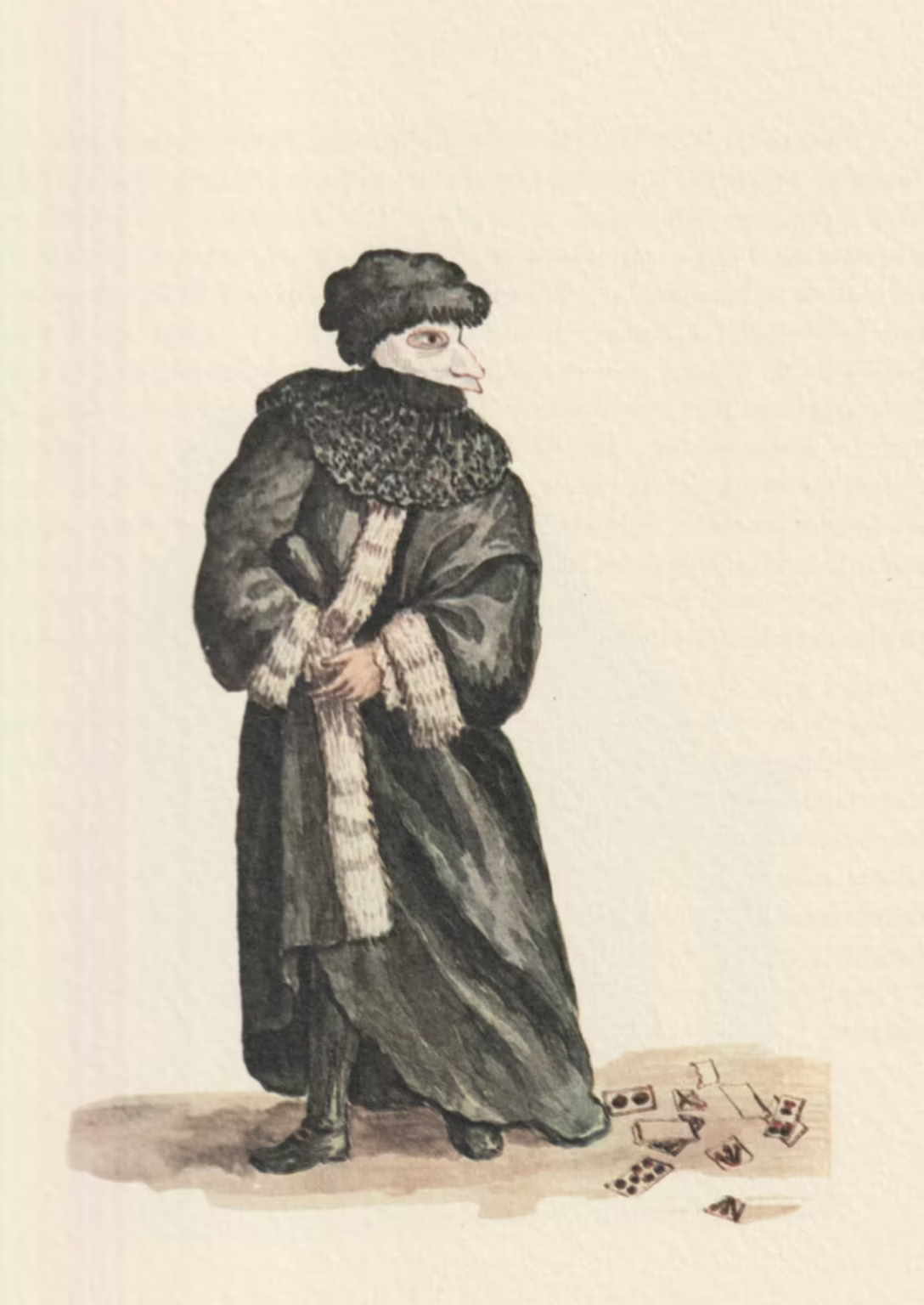
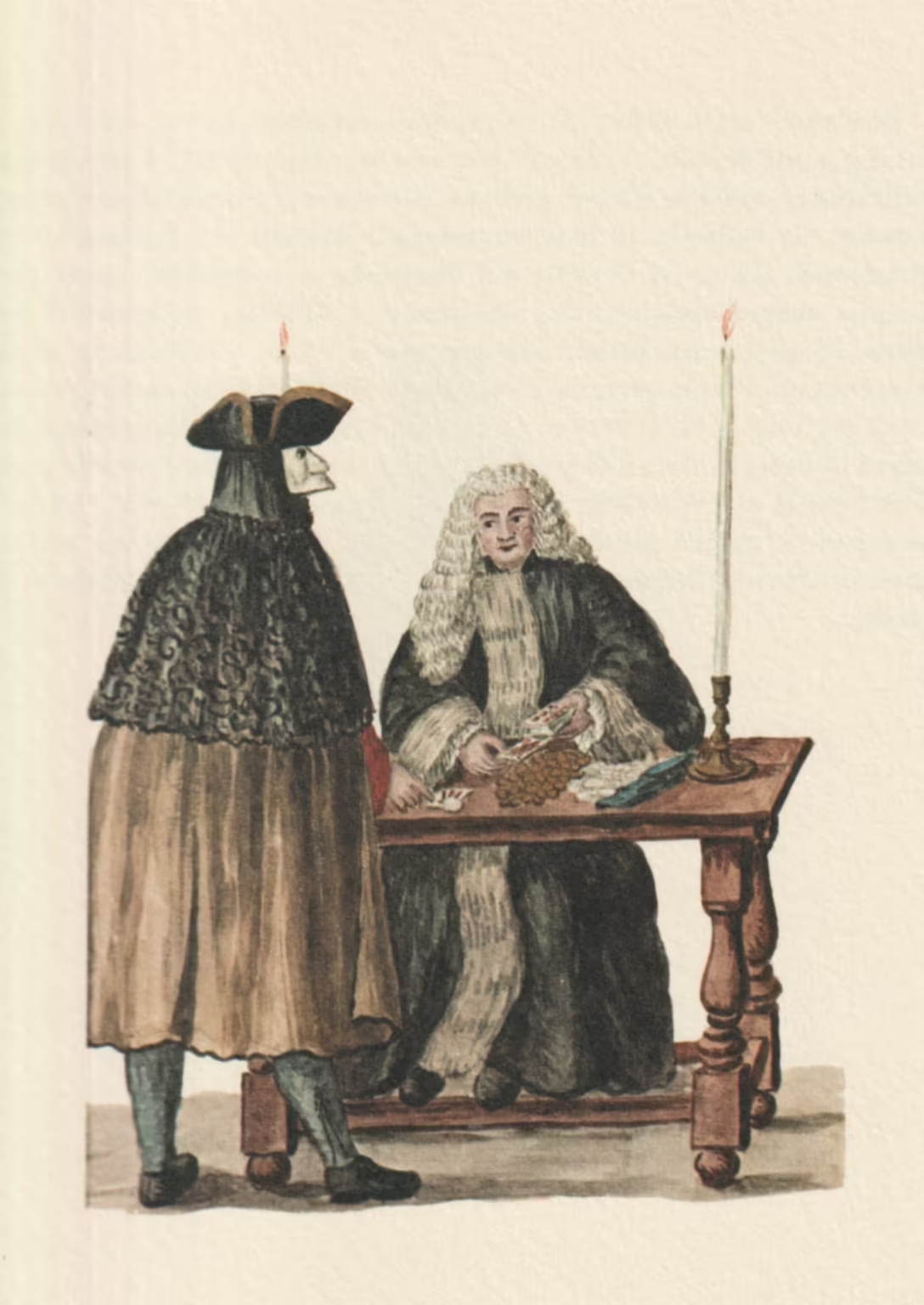
This painting depicts a Venetian nobleman, wearing the traditional vesta with wide sleeves, lined with fur for winter usage, and the mask of the bauta costume, which was used during carnival, and at other times.
Venetian nobles often wore masks for anonymity, and it became customary for nobles gambling at the Ridotto to be masked from when they entered to their departure.
Masks in Venice were much more than just carnival, in particular for the nobility.
Source: Gli abiti de veneziani di quasi ogni età con diligenza raccolti e dipinti nel secolo XVIII, by Giovanni Grevembroch (1731–1807), which in four volumes contains over six hundred watercolours of how Venetians dressed in the 1700s.
Nobleman in Mask
In that manner, as our Nobles hold gambling tables in the Ridotto,1 they in the past century attended theatres to listen to Operas and Comedies. In ancient times during Carnival, the masks were too licentious and dressed in indecent attire, so much so that public authority, on January 24, 1458, prohibited men from pretending to appear as women. Before the custom of wearing Tabarri,2 the fashions chosen by young people were so many, and so ridiculous, that it would be a difficult task to describe them.
Among these, the Fur Robe with Sleeves wide at the Elbow3 was not prohibited, which, by concealing, also of the Elderly, the Face as well as the rest of the Body, provided protection from the cold, especially since the Head, covered by the usual Cap and by the newly invented short Bauta,4 whether white or black, left no part of the Face exposed to the air, offering everything one could wish for to remain unrecognized in Winter, while also saving on expenses.
Another benefit derived from this way of dressing was that, as supposed people of rank, or indeed such, moved about here and there, the common people, experiencing restraint, learned deference and refrained from the excessive liberties usually indulged in during the Bacchanalia, especially since on December 31, 1628, all complaints against the Masks were submitted to the authority of the Exalted Council of Ten.5
In the revered shadow of His Excellency Mr. Giuseppe Barbaro, son of Nicolò, we accompany this mask, since with such an Outfit, he always made a fine appearance.
Translator’s notes
- The Ridotto was a palace on the Grand Canal near San Moisè where the nobility met for gambling. More generally, the word means a meeting or a meeting place, ↩︎
- The Tabarro (also: tabaro) was a loose cloak or cape, often made from lush materials for use in winter, fastened at the front. ↩︎
- The vesta was a long robe with wide sleeves, lined with fur, worn by magistrates of the Republic, with a stole across the left shoulder. ↩︎
- The bauta was a masquerade costume, consisting of a white mask with a beak like protrusion, a tricorne hat, a hood, a short mantel and long cloak. ↩︎
- The Consiglio di Dieci (Council of Ten) oversaw state security and sat a court for the prosecution of crimes against the state and in cases against patricians.. ↩︎
Original text
Nobile in Maschera
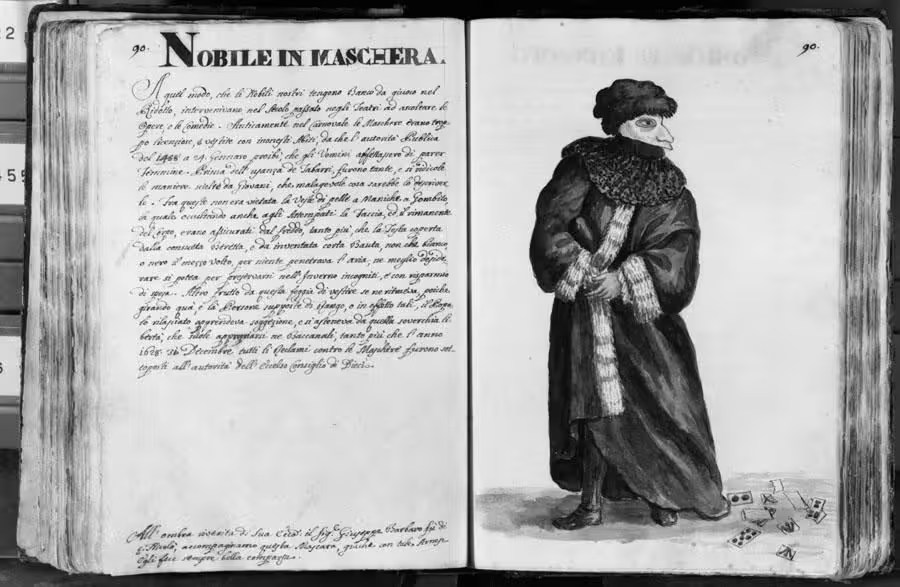
A quel modo, che li Nobili nostri tengono Banco da giuoco nel Ridotto, intervenivano nel Secolo passato negli Teatri ad ascoltare le Opere, e le Comedie. Anticamente nel Carnovale le Maschere erano troppo licenziose, e vestite con inonesti Abiti, da che l’autorità Publica del 1458 a 24 Gennaro proibì, che gli Uomini affettassero di parer Femmine. Prima dell’usanza de Tabarri, furono tante, e si ridicole le maniere scielte da Giovani, che malagevole cosa sarebbe lo descriverle.
Fra queste non era vietata la Veste di pelle a Maniche a Gombito, la quale occultando anche agli Attempati la Faccia, ed il rimanente del Corpo, erano assicurati dal freddo, tanto più, che la Testa coperta dalla consueta Beretta, e da inventata corta Bauta, non che bianco, o nero il mezzo Volto, per niente penetrava l’aria, ne meglio desiderare si potea per preservarsi nell’Inverno incogniti, e con risparmio di spesa.
Altro frutto da questa foggia di vestire se ne ritraeva, poiche girando quì, e là Persone supposte di Rango, o in effetto tali, il Popolo rilasciato apprendeva soggezione, e si asteneva da quella soverchia libertà, che suole appropriarsi ne Baccanali, tanto più che l’anno 1628. 31. Decembre tutti li Reclami contro le Maschere furono sottoposti all’autorità dell’Eccelso Consiglio di Dieci.
All’ombra riverita di Sua Ecc.a il Sig.e Giuseppe Barbaro fù di Nicolò, accompagnamo questa Mascara, giache con tale Arnese Egli fece sempre bella comparsa.
Grevembroch (1981), vol. 1, p. 90.
Related articles
Venetian Stories
Related sources
Related images
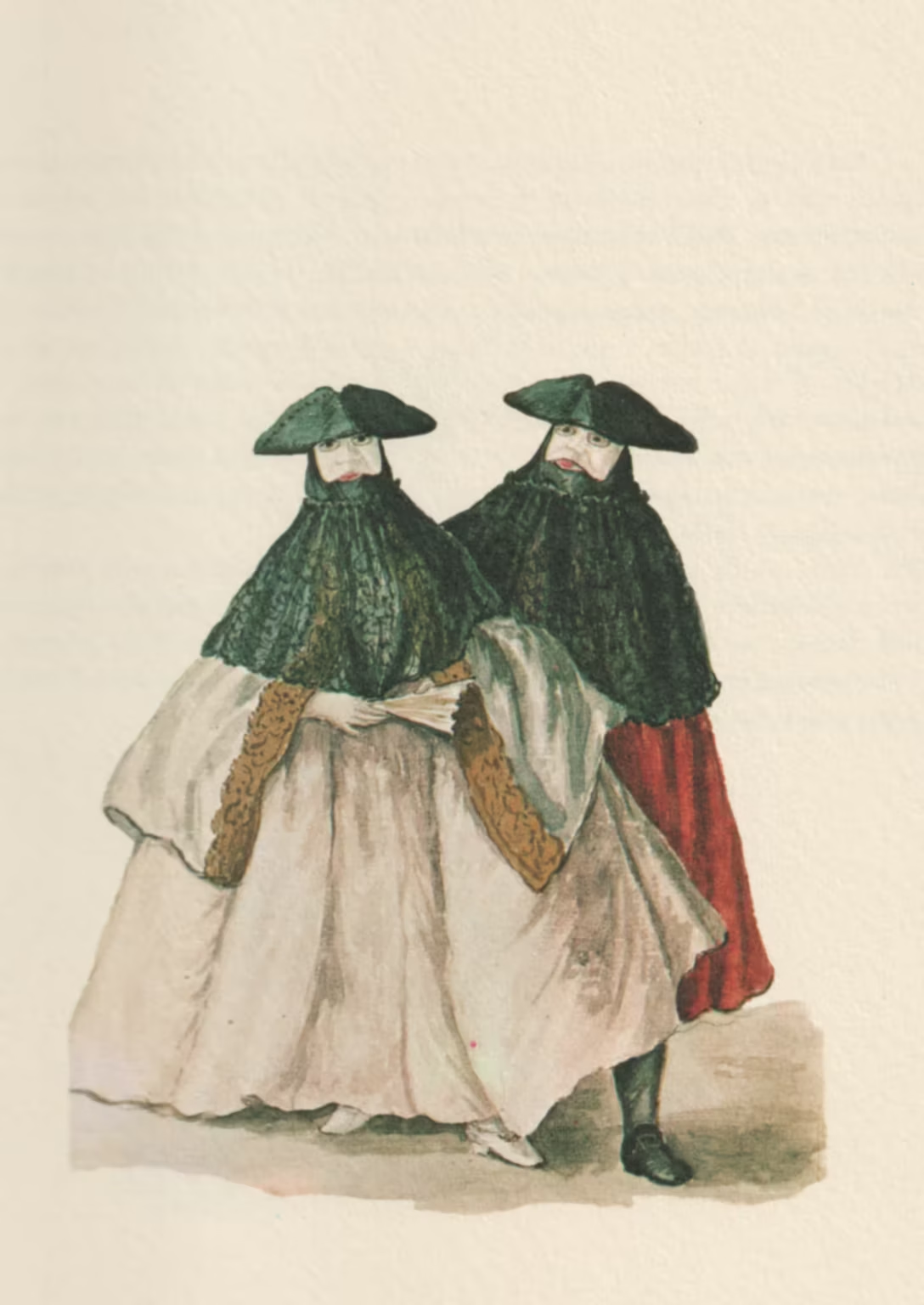
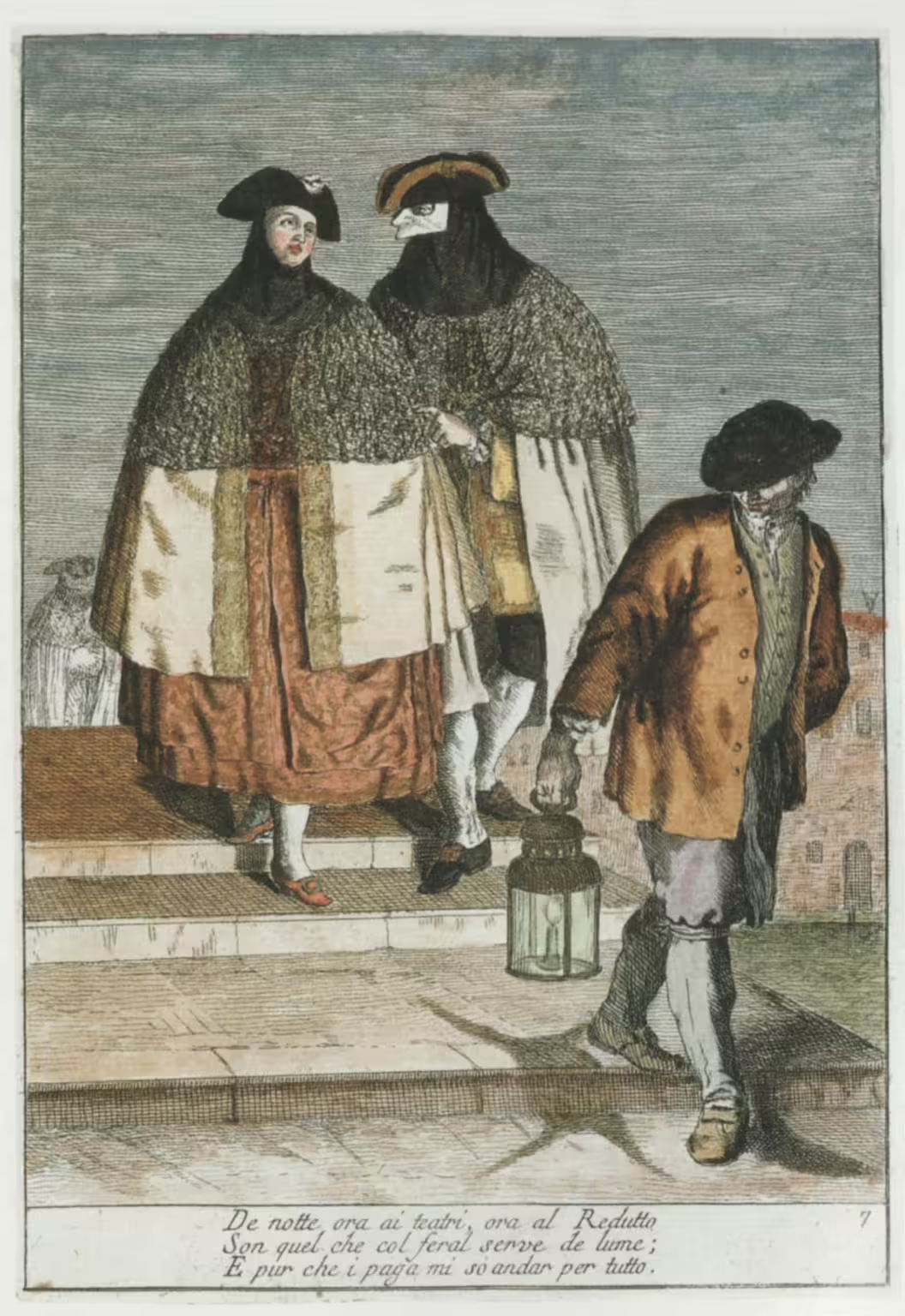
- Mascare — Masks — Grevembroch 3-92
- Codega — lantern bearer — Zompini — Arti #7
- Nobile al Ridotto — Nobleman at the Ridotto — Grevembroch 1-91
Bibliography
- Grevembroch, Giovanni. Gli abiti de veneziani di quasi ogni eta con diligenza raccolti e dipinti nel secolo XVIII, orig. c. 1754. Venezia, Filippi Editore, 1981. [more]
Leave a Reply