
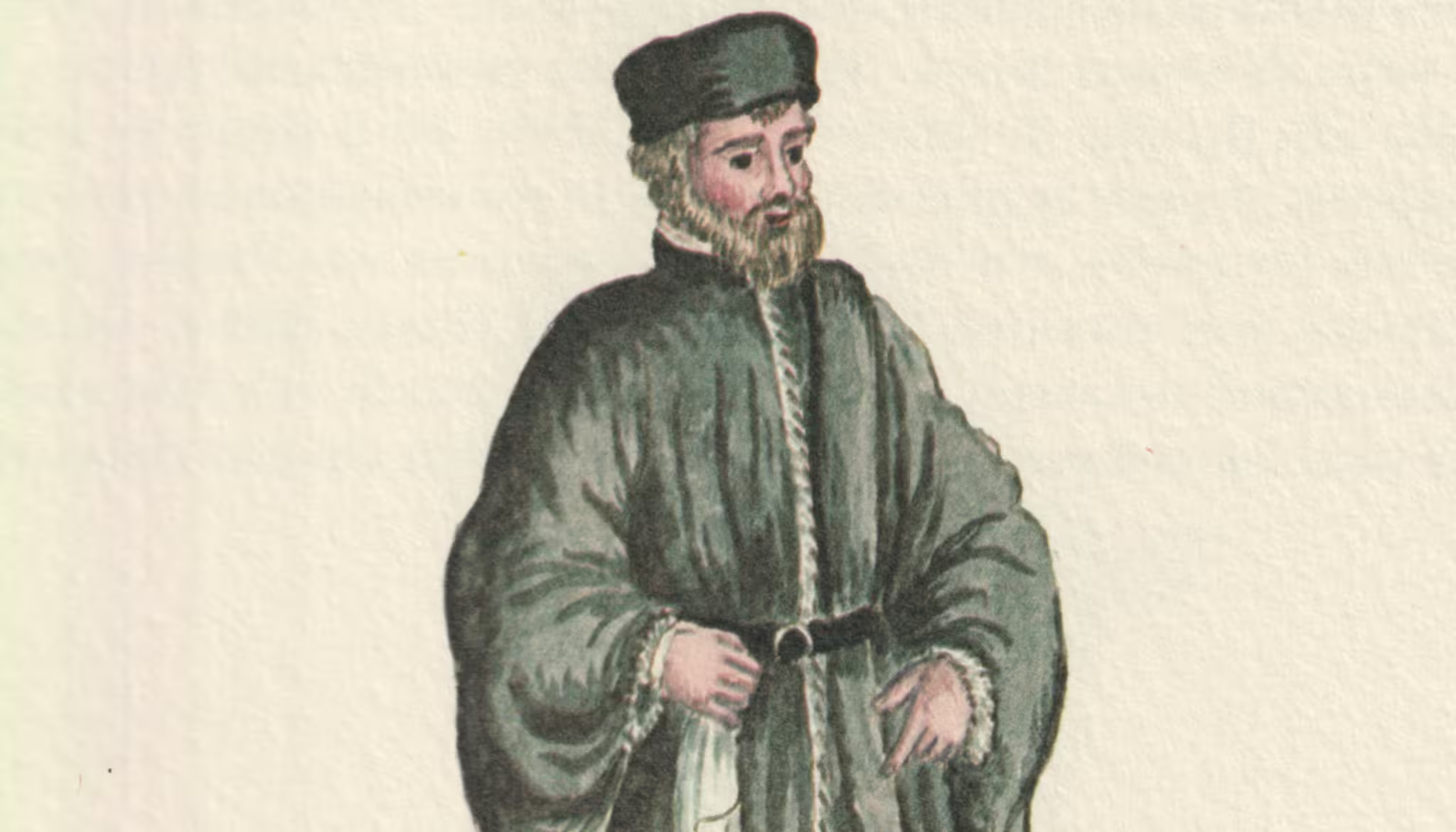
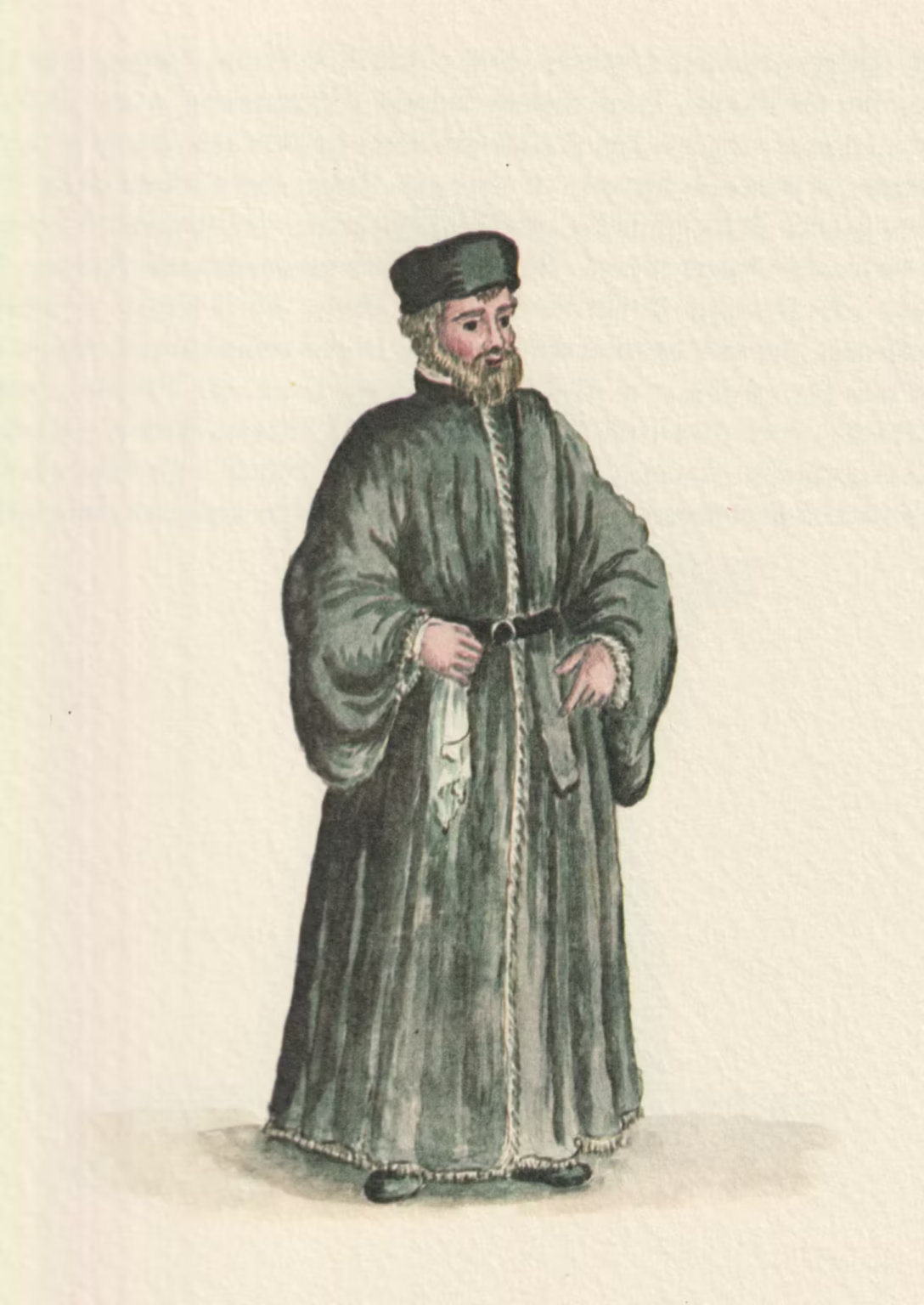
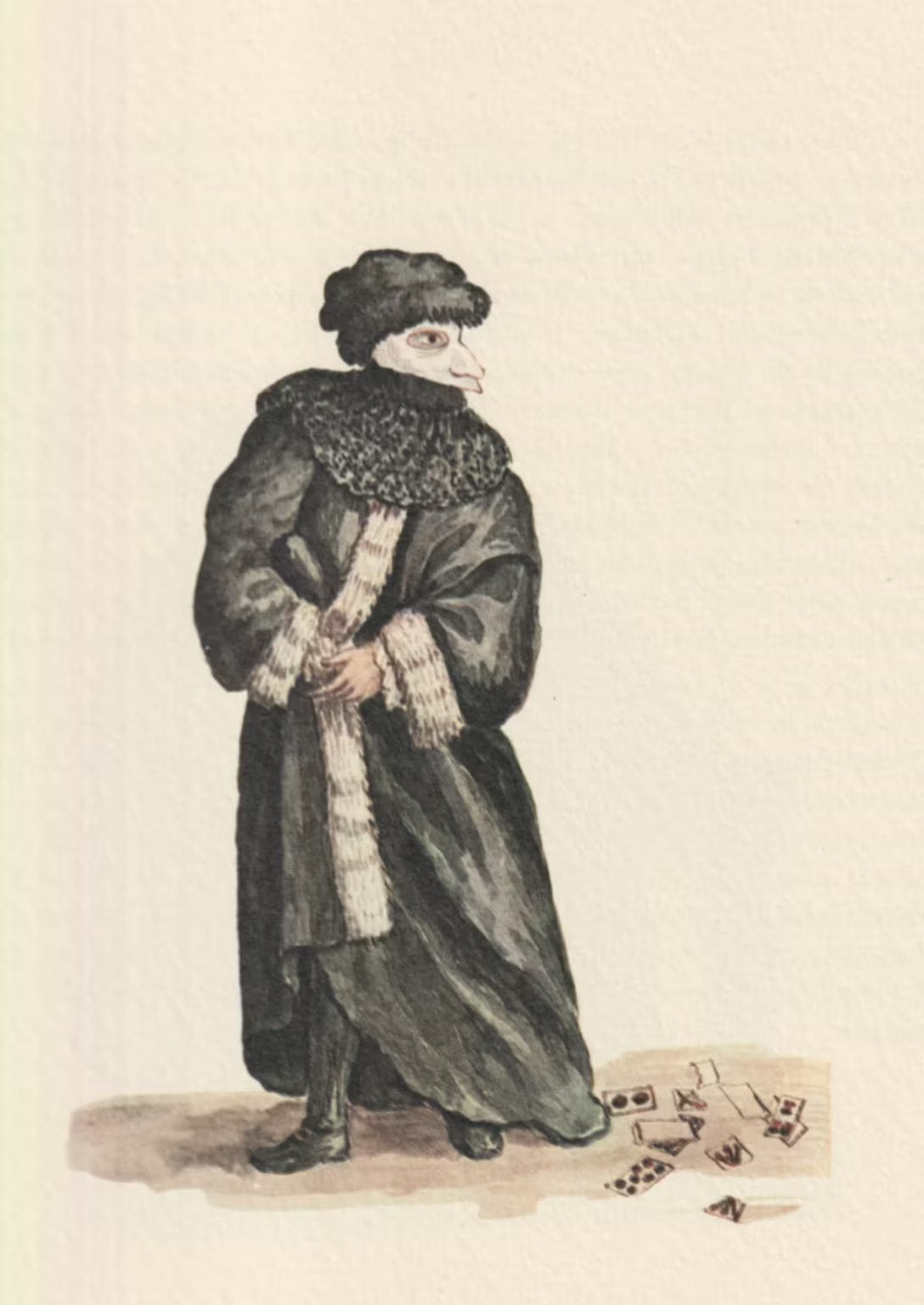
This painting depicts a Venetian nobleman wearing the formal dress, the vesta, here in its winter version, lined with expensive furs like vair and dosso.
The vesta was a long robe with wide sleeves, lined with fur, worn by magistrates of the Republic, with a stole across the left shoulder. It was for the ancient Venetians a bit like a suit and tie today.
Source: Gli abiti de veneziani di quasi ogni età con diligenza raccolti e dipinti nel secolo XVIII, by Giovanni Grevembroch (1731–1807), which in four volumes contains over six hundred watercolours of how Venetians dressed in the 1700s.
Nobleman in Winter Attire
In November, whether sooner or later, the cold begins to be felt, the ancestors of our living Gentlemen would put aside the loose Robe,1 and would wear the other lined with furs of Vair,2 tightened with a Velvet Belt, two fingers wide, with silver Buckles, and with the Stole.3 
But because these furs were very light, when the Season advanced, they would change them into Dossi,4 which are heavier, and to keep warmer. Thus, they enjoyed them until April, when it was customary to take up the Vair again until the heat forced them to leave it. 
The clothes worn outside the House were fastened under the throat, and for heavy frost, they used another Cap on the head, different from the one of cloth, which some older people accompanied by a small Cap, either of Velvet or Silk, embroidered with a Needle. 
Because after the middle of the 16th century there was a shortage of such furs in Venice, some laws were established by Public Commission by the Proveditori di Comun5 and by the Giustizia Vecchia,6 regulating for the Guild of the Varotari,7 price and consumption. 
Through these safe remedies one could see in Venice, to the amazement of foreigners, a great number of gentlemen of mature age, full-bodied; upright, robust, and of venerable appearance due to gray hair and the beauty of the body.
To the enlightened Vincenzo Bembo, Senator of historical knowledge, we take the opportunity to testify to him with our so weakly expressed reverence.
Translator’s notes
The pilcrows ¶ mark paragraph breaks, which I have added for readability. They are not in the original, which, however, has some very long paragraphs.
- The vesta was a long robe with wide sleeves, lined with fur, worn by magistrates of the Republic, with a stole across the left shoulder. ↩︎
- Vaio (English: vair) is fur of Baltic or Sibirian squirrels. The belly of the winter coat, called dosso, was especially sought after, and used in the dress of the Doge and top magistrates. ↩︎
- A stola was a band of fabric, usually the same material as the vesta, hanging over the left shoulder of a magistrato of the republic. ↩︎
- Dosso is the winter coat of the Baltic or Sibirian squirrel, and used for linings and borders on the dress of doges and magistrates. The squirrel fur from other seasons is vaio. ↩︎
- The Provveditori de Comùn (Superintendents of the Commons), instituted in 1256, had a multitude of charges, including overseeing the wool and glass industries, public infrastructure, awarding citizenship and more. ↩︎
- The Provveditori alla Giustizia Vecchia oversaw the work of artisans in Venice, and controlled weights, measures, prices and the quality of goods. ↩︎
- The Scuola dei Varotari was the guild house of the furriers, and in particular those working with vair. The building was located in the Campo dei Gesuiti, but has been demolished. ↩︎
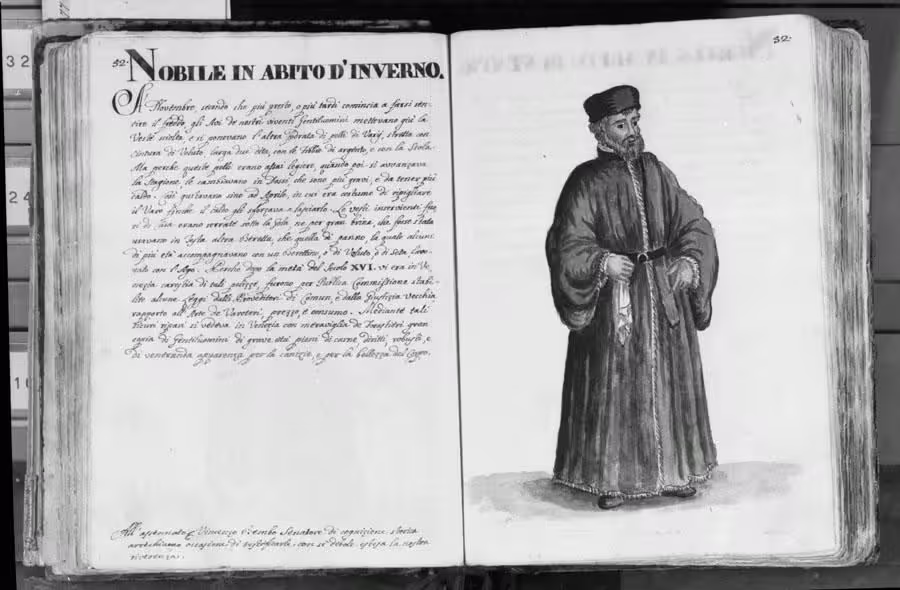
Original text
Nobile in Abito d’Inverno
A Novembre, secondo che più presto, o più tardi comincia a farsi sentire il freddo, gli Avi de nostri viventi Gentiluomini mettevano giù la Veste sciolta, e si ponevano l’altra fodrata di pelli di Varij, stretta con Cintura di Veluto, larga due dita, con le Fibbie di argento, e con la Stola. 
Ma perche queste pelli erano assai legiere, quando poi si avvanzava la Stagione, le cambiavano in Dossi, che sono più gravi, e da tener più caldo. Così gustavano sino ad Aprile, in cui era costume di ripigliare il Varo finche il caldo gli sforzava a lasciarlo. 
Le vesti inservienti fuori di Casa erano serrate sotto la Gola, ne per gran brina, che fosse stata usavano in Testa altra Beretta, che quella di panno, la quale alcuni di più età accompagnavano con un Berettino, o di Veluto, o di Seta, lavorato con l’Ago. 
Perche dopo la metà del Secolo XVI vi era in Venezia carestia di tali pelizze, furono per Publica Commissione stabilite alcune Leggi dalli Proveditori di Comun, e dalla Giustizia Vecchia, rapporto all’Arte de Varotari, prezzo, e consumo. 
Mediante tali sicuri ripari si vedeva in Venezia con meraviglia de Forastieri gran copia di Gentiluomini di grave età pieni di carne; diritti, robusti, e di veneranda apparenza per la canizie, e per la bellezza del Corpo.
All’assennato Vincenzo Bembo Senatore di cognizione storica arrechiamo occasione di testificarle con sì debole estesa la nostra riverenza.
Grevembroch (1981), vol. 1, p. 52.
Related articles
Related sources
Related images
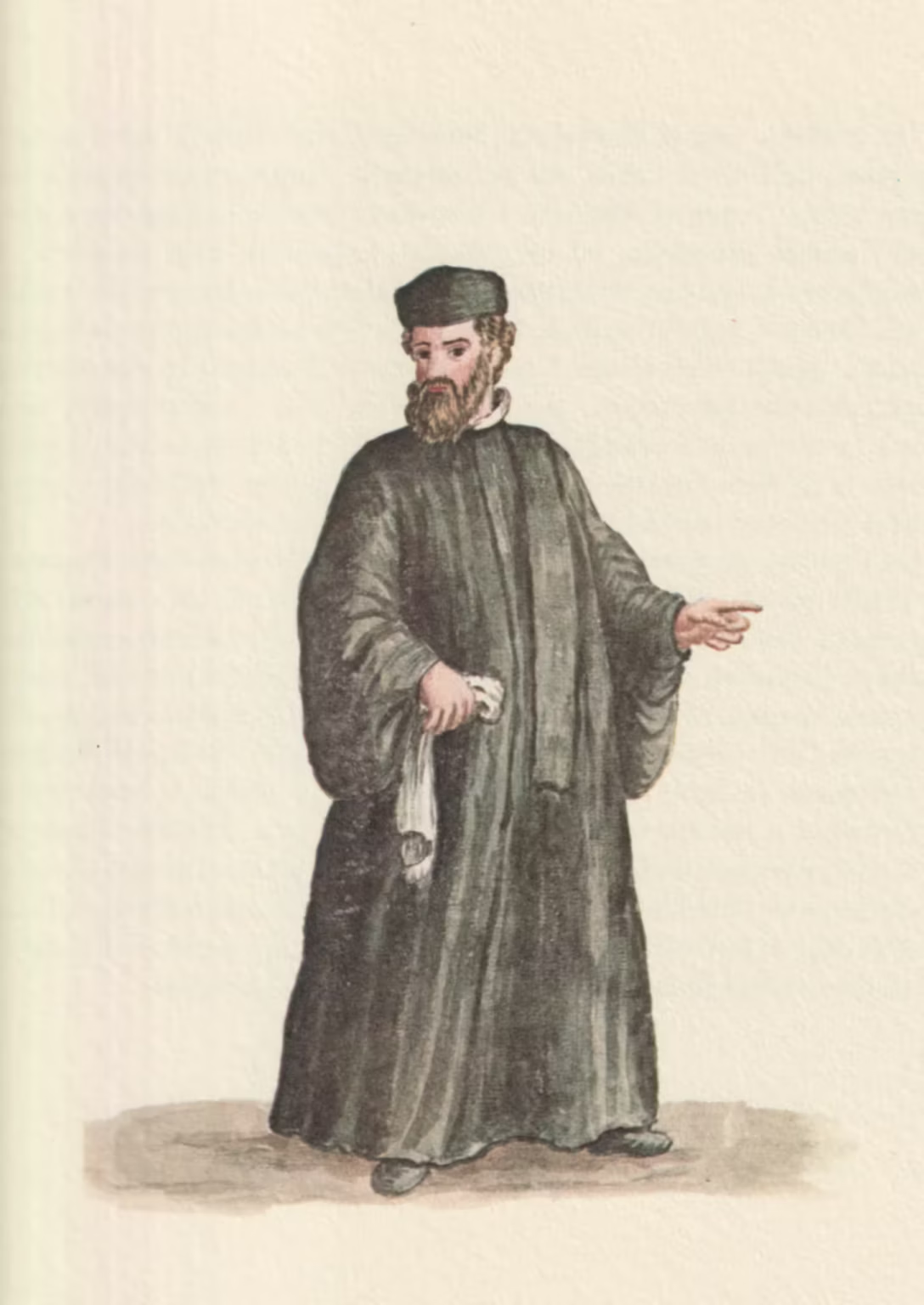
- Nobile in abito di state — Nobleman in summer robe — Grevembroch 1-53
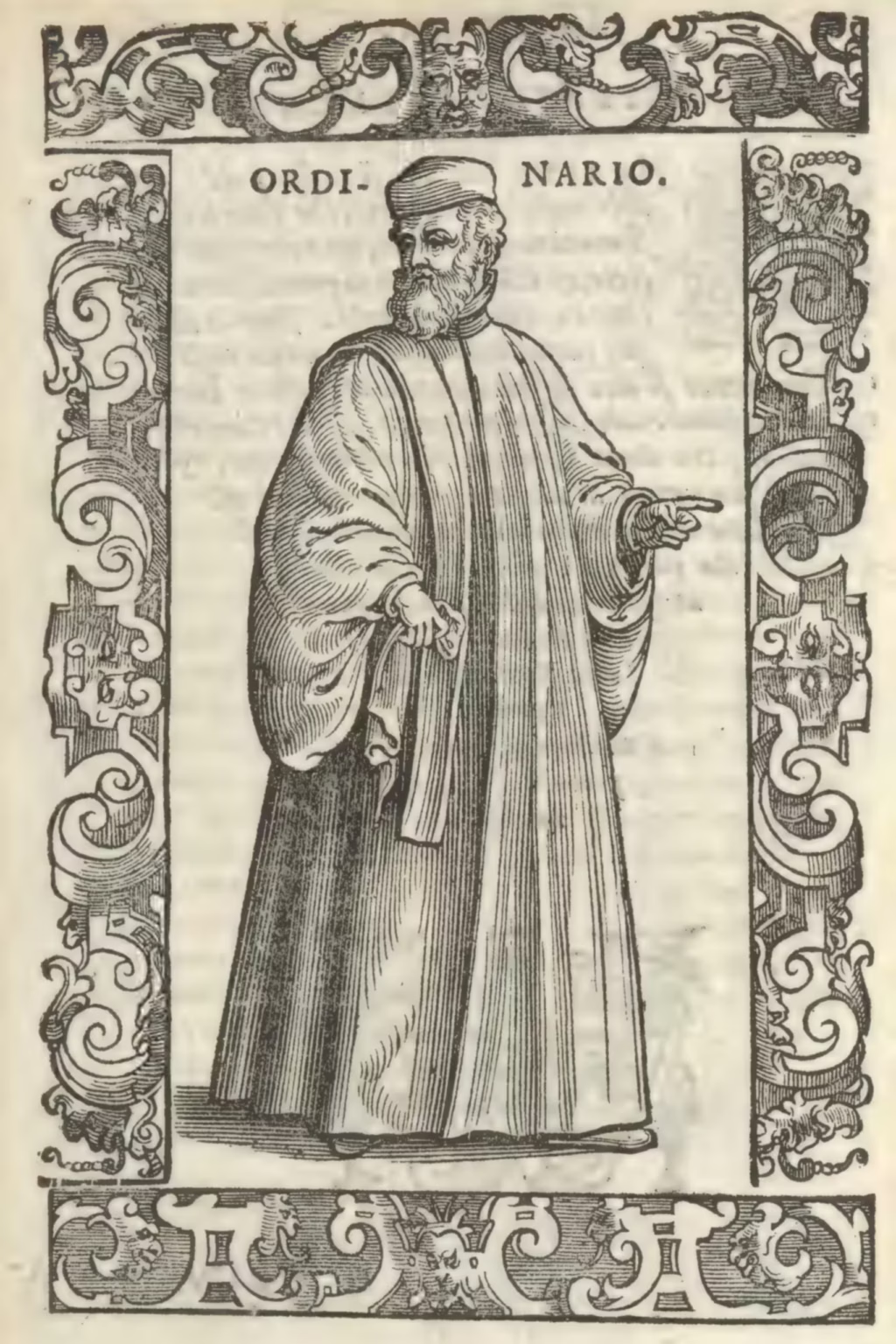
- Habito ordinario — Ordinary dress — Habiti Antichi e Moderni — 105.b
- Nobile in Maschera — Nobleman in Mask — Grevembroch 1-90
Bibliography
- Grevembroch, Giovanni. Gli abiti de veneziani di quasi ogni eta con diligenza raccolti e dipinti nel secolo XVIII, orig. c. 1754. Venezia, Filippi Editore, 1981. [more]
Leave a Reply