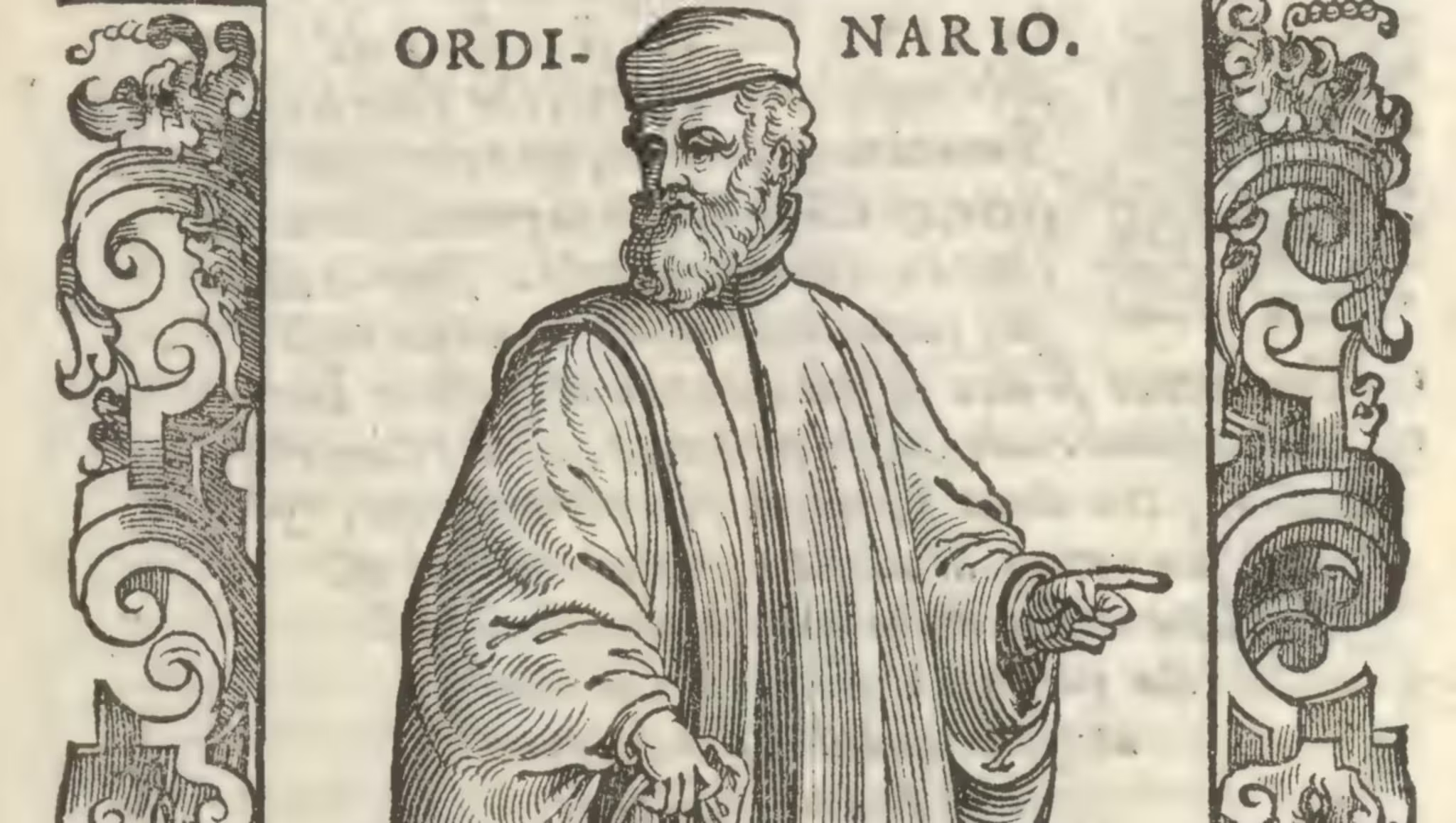
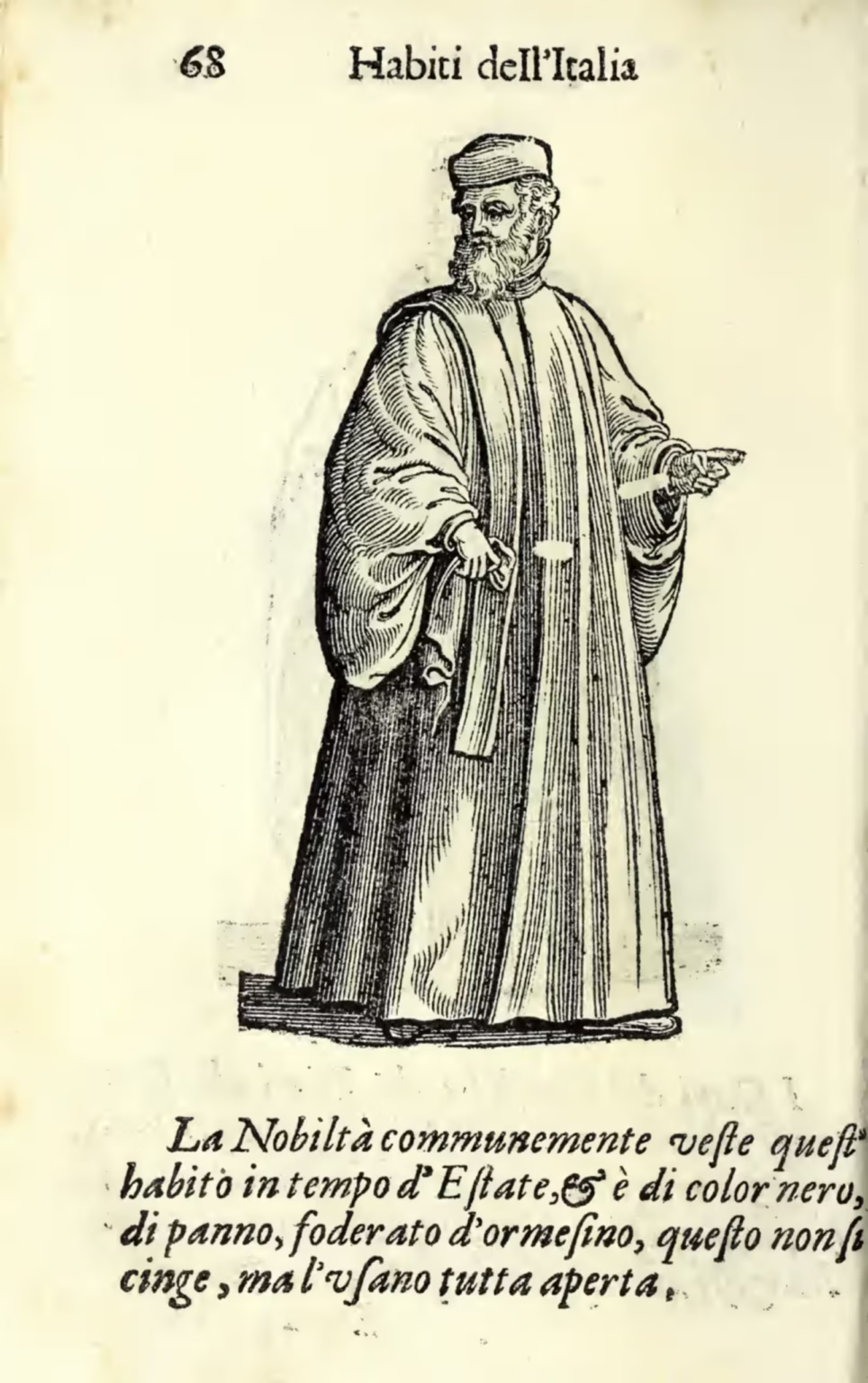
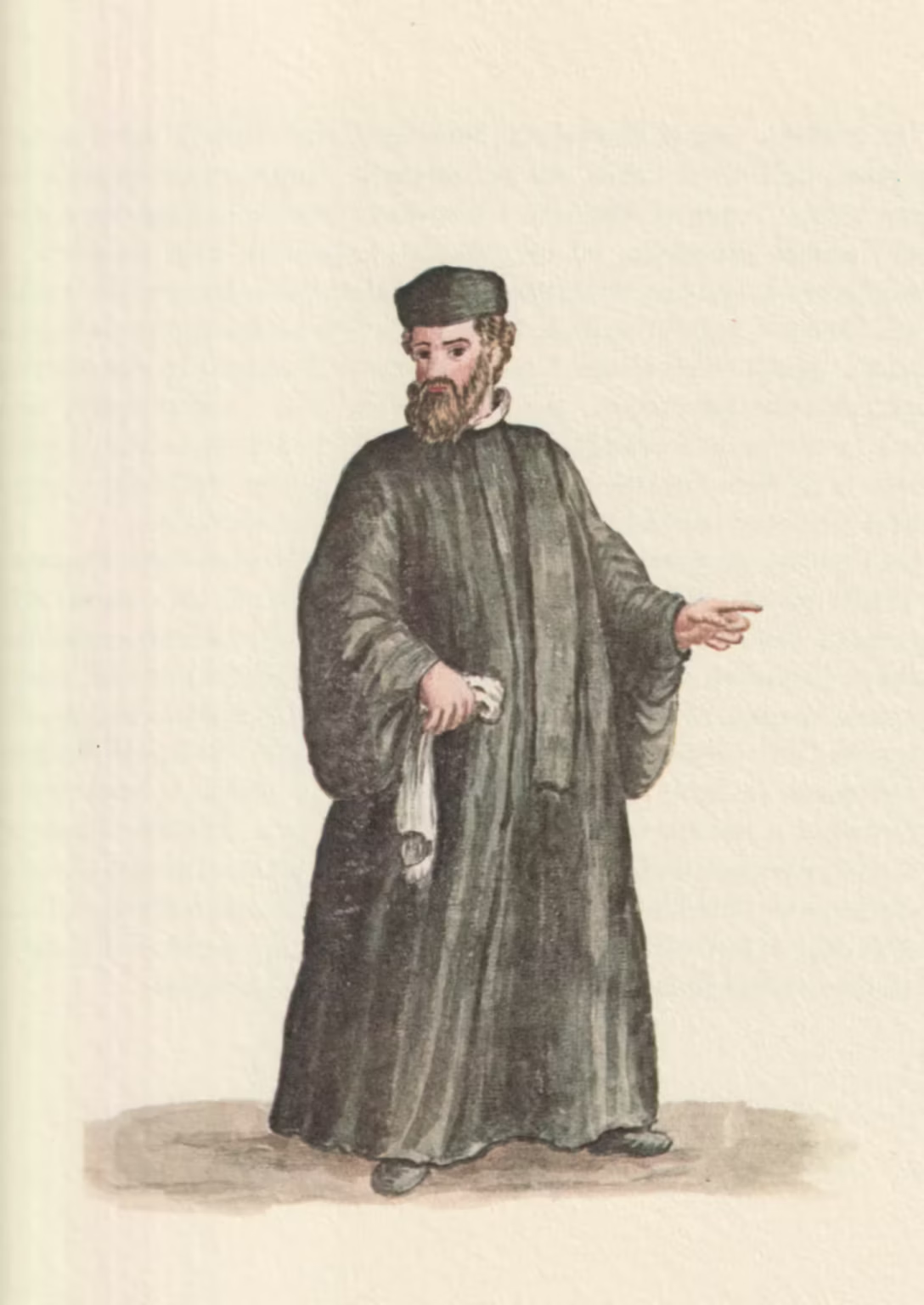
This print depicts a Venetian nobleman — or a citizen — in the ordinary formal dress, the vesta, which originated as a Byzantine courtly dress.
The Venetians dressed in their own particular fashion until the end of the republic, a fact which was noted by many travellers from Western Europe.
“The Doge, having heard mass in his robes of state (which are very particular, after the eastern fashion), together with the Senate in their gowns…”
From An Englishman in Venice — the diary of John Evelyn (1645).
Source: Degli Habiti antichi et moderni di Diverse Parti del Mondo published in 1590 and 1598 by Cesare Vecellio (1521–1601).
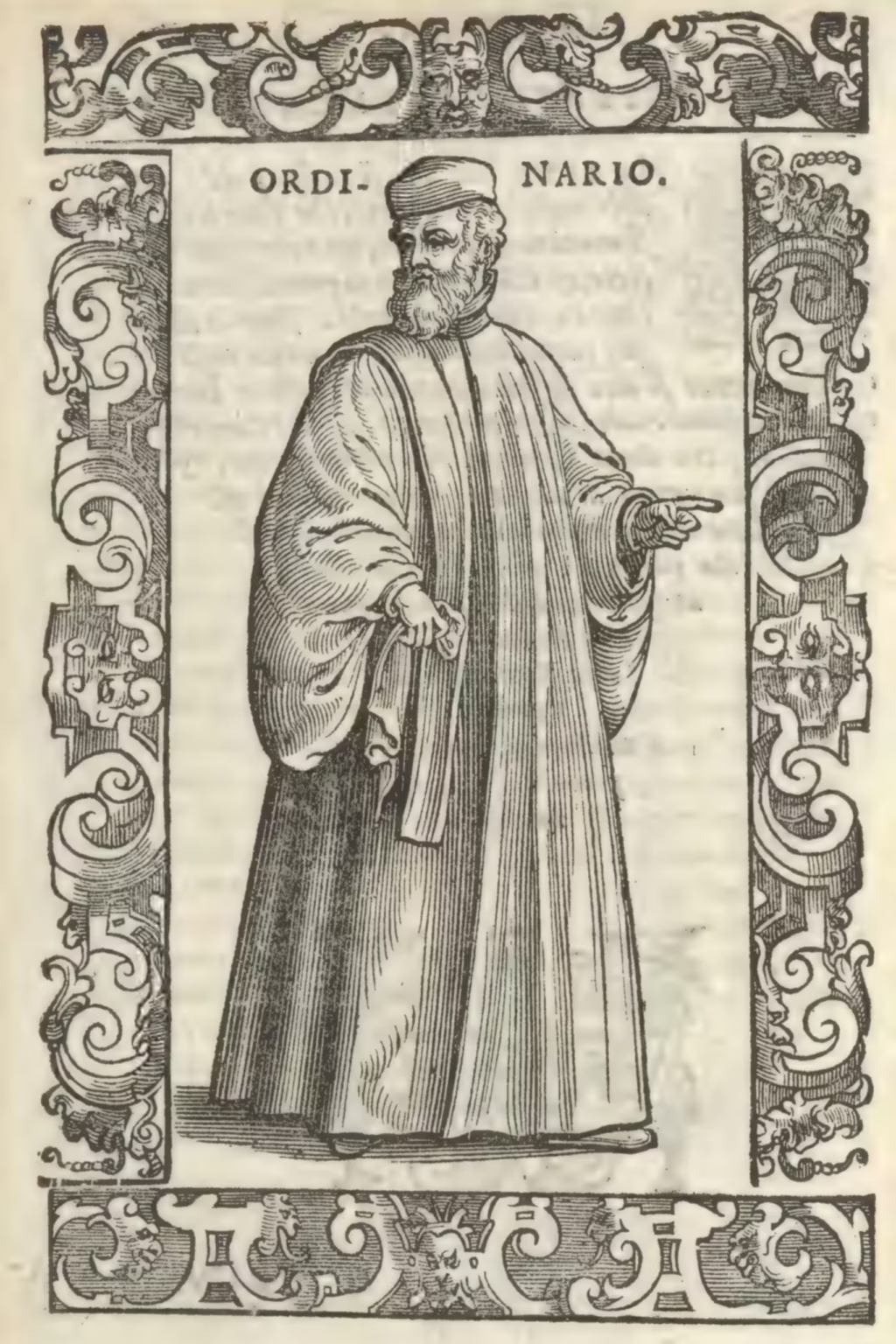
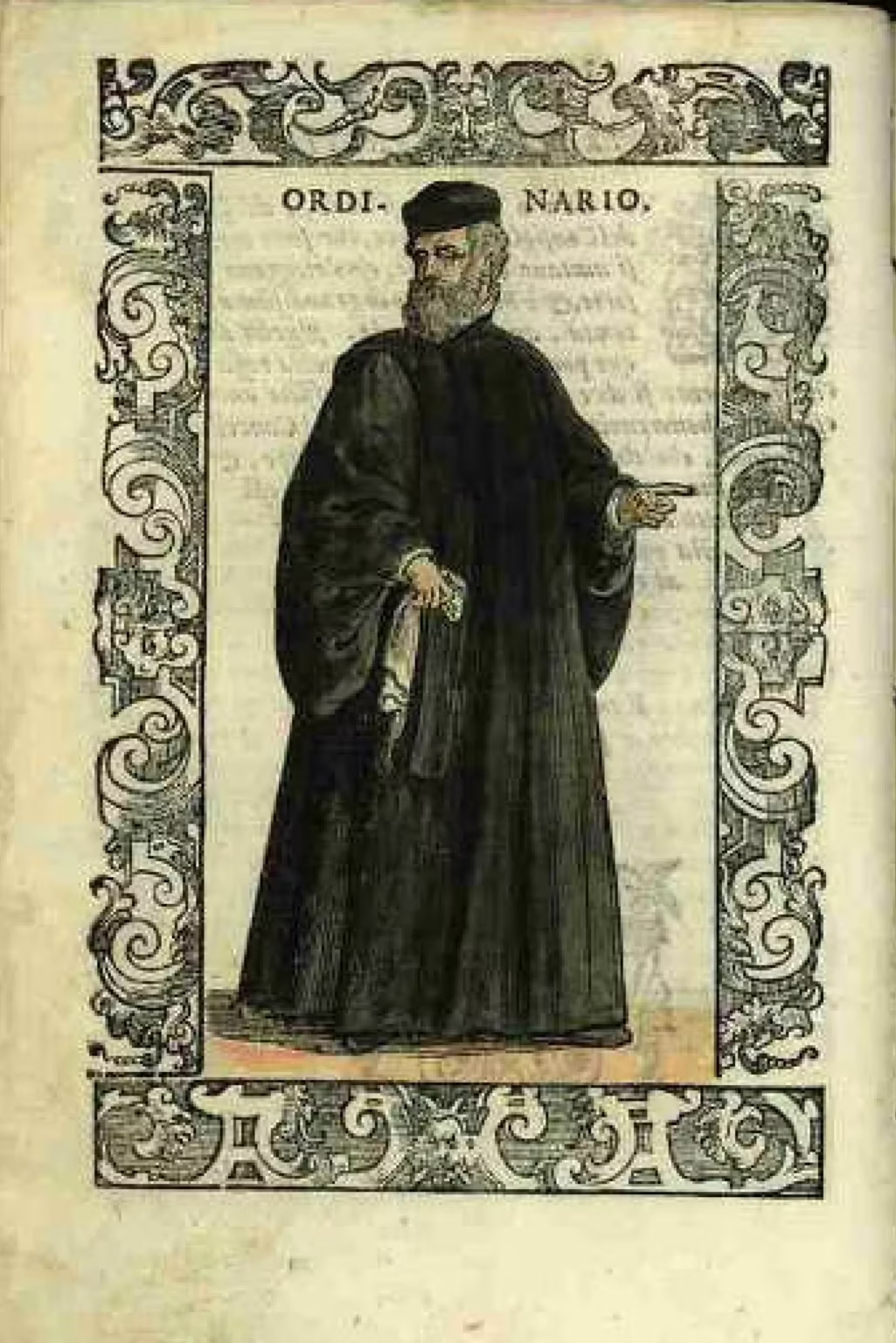
Ordinary habit, and common to all the Venetian nobility.
We can undoubtedly say that the attire commonly worn by the nobility of Venice is the ancient Roman Toga:1 and it is perhaps not a small reason for its uniformity in harmony and agreement, with which this very great Republic has always been governed.
And it is truly the case that this simplicity of dress is seen more in men than in women, who are always inclined by a certain natural charm of theirs toward new styles.
The habit shown is the one worn in summer, and it has always remained the same, that is, long and made of black cloth, or of rash2 lined with sarcenet.3 This is not belted, but is fastened only under the throat with some iron clasps, although some use silver ones.
Outside the collar of the toga, they let the shirt collar show quite tightly, which reveals little, and sometimes no detail at all. Under the coat, they wear breeches in the Savoy style made of taffeta4 or rash, and the same is said of the doublet: which in very hot weather is usually a bodice of thin fabric, and at that time, between it and the long coat, they wear a little vest also made of taffeta or some other light material, quite short.
And this is the attire worn not only by the nobility, but also by citizens,5 and by anyone who wishes to wear it, as almost all doctors,6 lawyers, and merchants do, who all gladly dress in it, since being an attire proper to the nobility, it also brings with it a great reputation elsewhere.
Translator’s notes
- Roman here means Byzantine, as this robe, usually called the vesta, is a descendant of Byzantine courtly dress. The vesta was a long robe with wide sleeves, lined with fur, worn by magistrates of the Republic, with a stole across the left shoulder. ↩︎
- Rascia (also rasa, English: rash) was a sturdy woollen fabric. ↩︎
- Ormesino (English: sarcenet) is a light weight silk taffeta. ↩︎
- Taffeta is a crisp, glossy silk fabric, fashionable in the 1600s and 1700s. ↩︎
- See Citizen of the Republic of Venice. ↩︎
- Also see the mythical plague doctor. ↩︎
Original text
Habito ordinario, et commune à tutta la nobiltà Venetiana.
Possiamo senza dubio dire, che l’habito usato ordinariamente dalla nobiltà di Venetia sia l’antica Toga Romana: & non è forse picciola cagione la sua uniformità del concerto, & della concordia, con la quale s’è governata sempre questa amplissima Republica.
Et veramente che questa schiettezza d’Habito se vede più ne gli huomini, che nelle donne, le quali sono sempre da una certa lor vaghezza naturale tirate a nuove fogge.
L’Habito presente è quello che s’usa la state, & è durato sempre in uno stesso modo cioè longo, & di color nero di panno, ò di rascia foderata d’ormesino. Questo non si cigne, ma s’affibbia solamente sotto la gola con alcune magliette di ferro, anchorche alcuni l’usino d’argento.
Fuor del collare della vesta fanno uscire assai ben ristretto quello della camicia, che fa mostra di poco, & alle volte di nessun lavoro. Sotto la vesta usano braghesse alla Savoina d’ormesino, ò di raso, e ‘l simile si dice del giubbone: il quale ne’ gran caldi è per lo più il busto di tela sottile, & allhora fra quello & la vesta lunga portano una vestina pur d’ormesino o d’altra cosa leggiera, assai corta.
Et questo è l’Habito usato non solamente dalla nobiltà, ma da’ Cittadini, & da chiungue si compiace di portarlo, come fanno quasi tutti i Medici, gli Avvocati, & Mercanti, i quali tutti se ne vestono volentieri, poiche essendo Habito proprio della nobiltà, porta seco ne gli altri anchora gran riputatione.
Vecellio (1590), 105.b.
Related articles
- Habiti Antichi et Moderni — Cesare Vecellio
- An Englishman in Venice — the diary of John Evelyn (1645)
Sources
Related images
- Habito ordinario from the 1664 edition of Habiti Antichi e Moderni.
- Nobile in abito di state — Nobleman in summer robe — Grevembroch 1-53
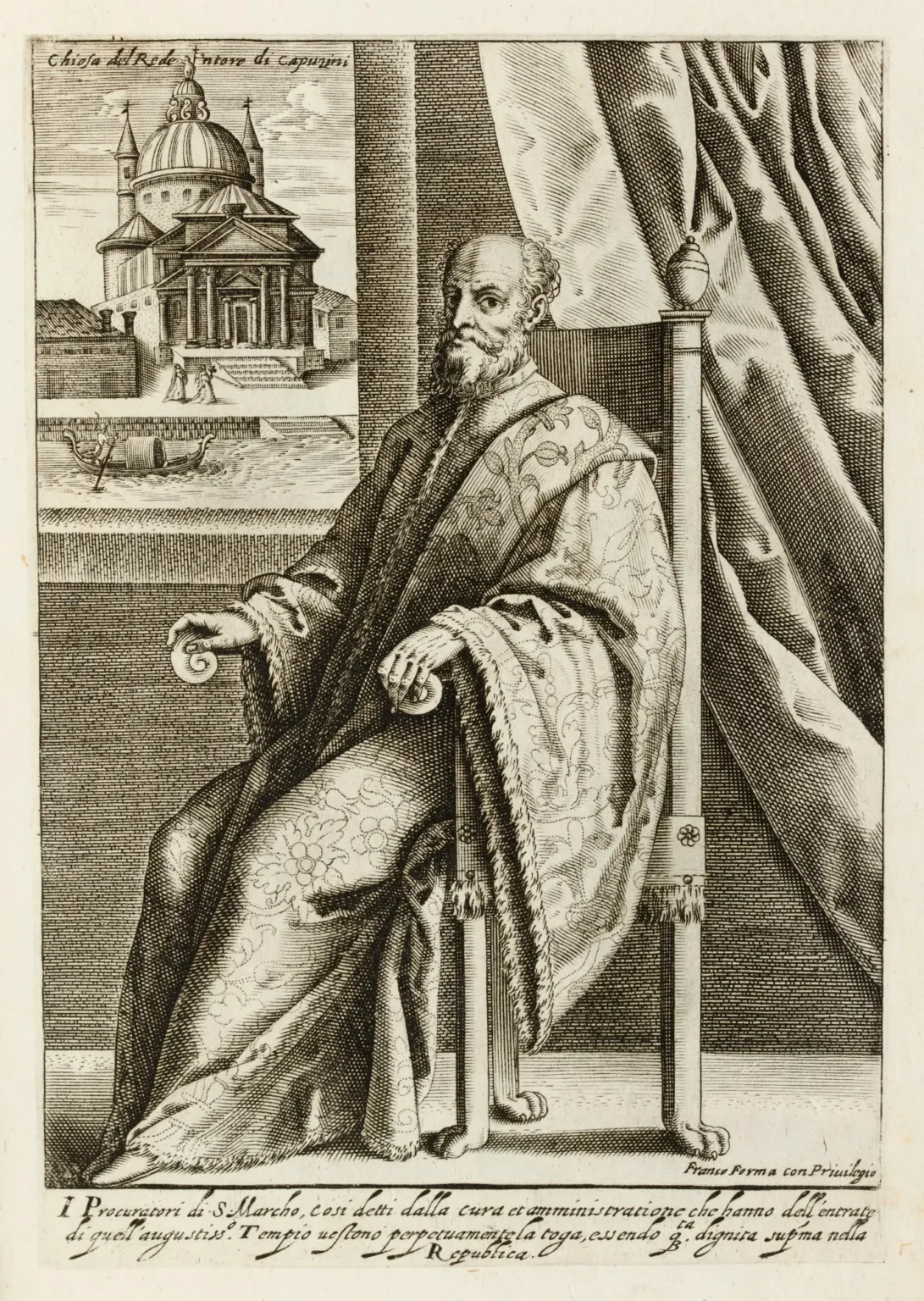
- I Procuratori di S Marcho — Habiti d’hvomeni et donne venetiane — Giacomo Franco
Leave a Reply