
Arti che vanno per via — Zompini
The Arti che vanno per via nella città di Venezia, by Gaetano Zompini, is a fantastic source for how people appeared on the streets of Venice in the mid-1700s.
-
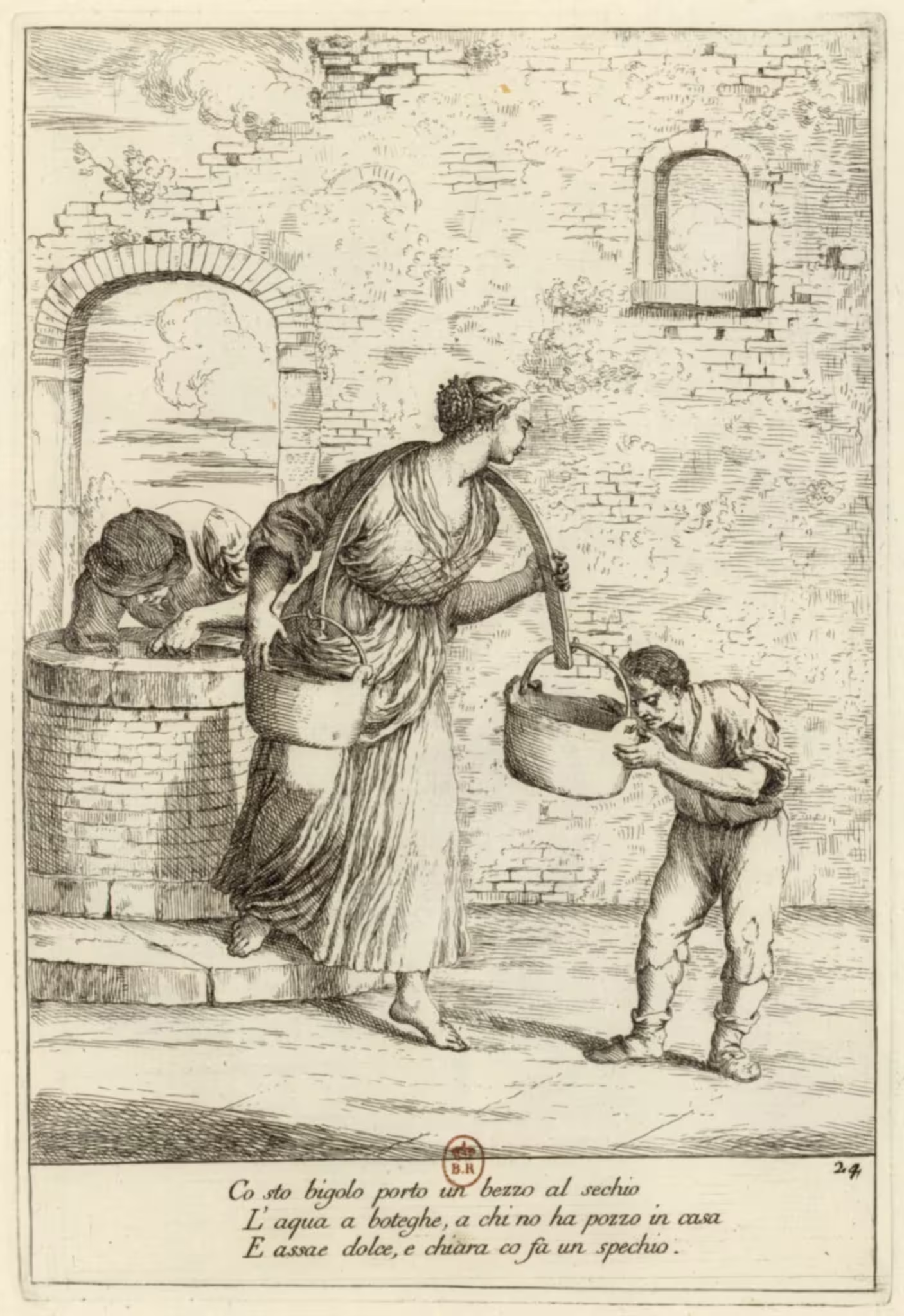
Porta Bigolo con acqua — water bearer — Zompini — Arti #24
“Porta Bigolo con acqua” (water bearer) from “Arti che vanno per via” (1785) by Getano Zompini, translated by René Seindal.
-
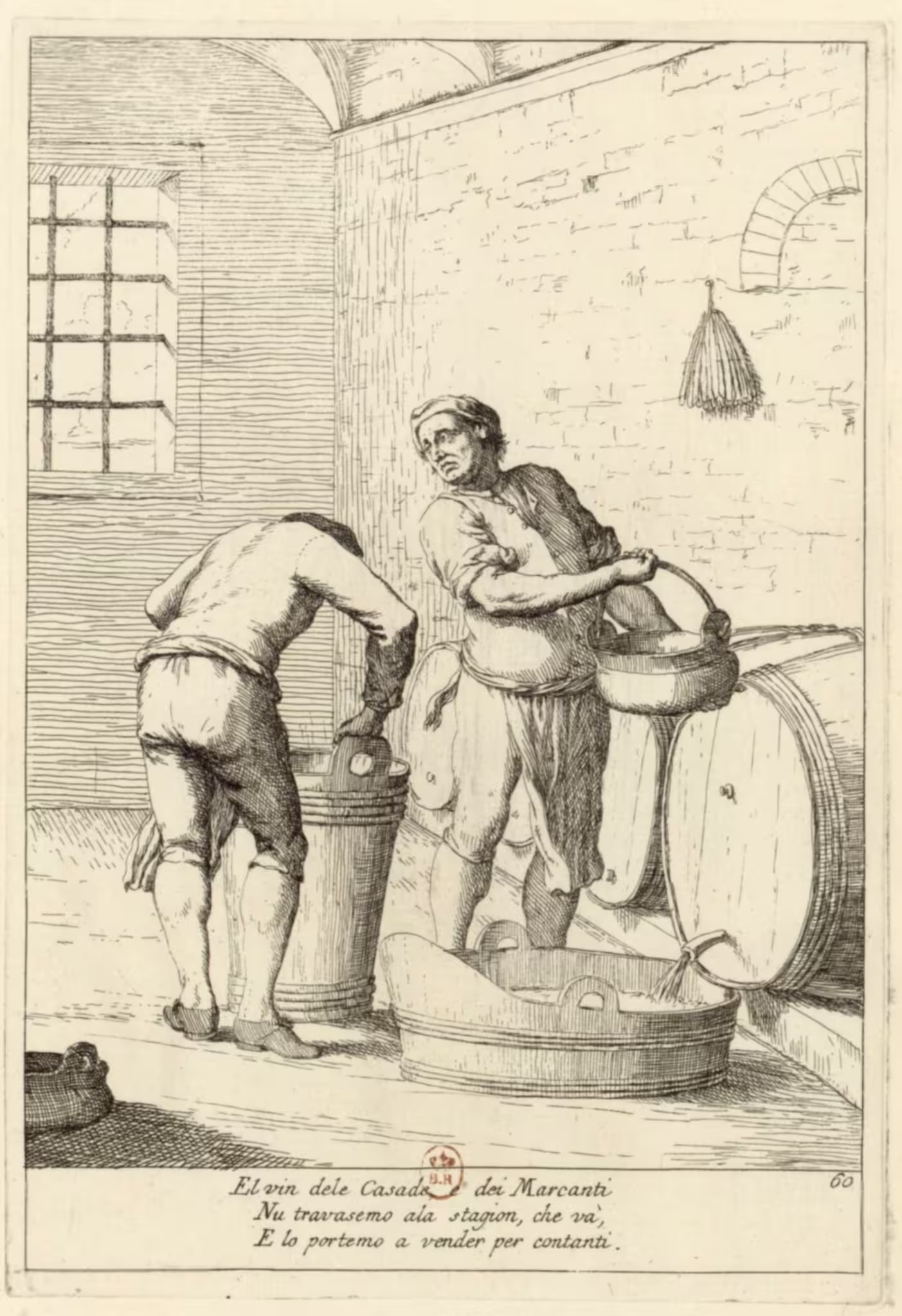
Vin in quarta — wine sellers — Zompini — Arti #60
“Vin in quarta” (wine sellers) from “Arti che vanno per via” (1785) by Gaetano Zompini, translated by René Seindal.
-
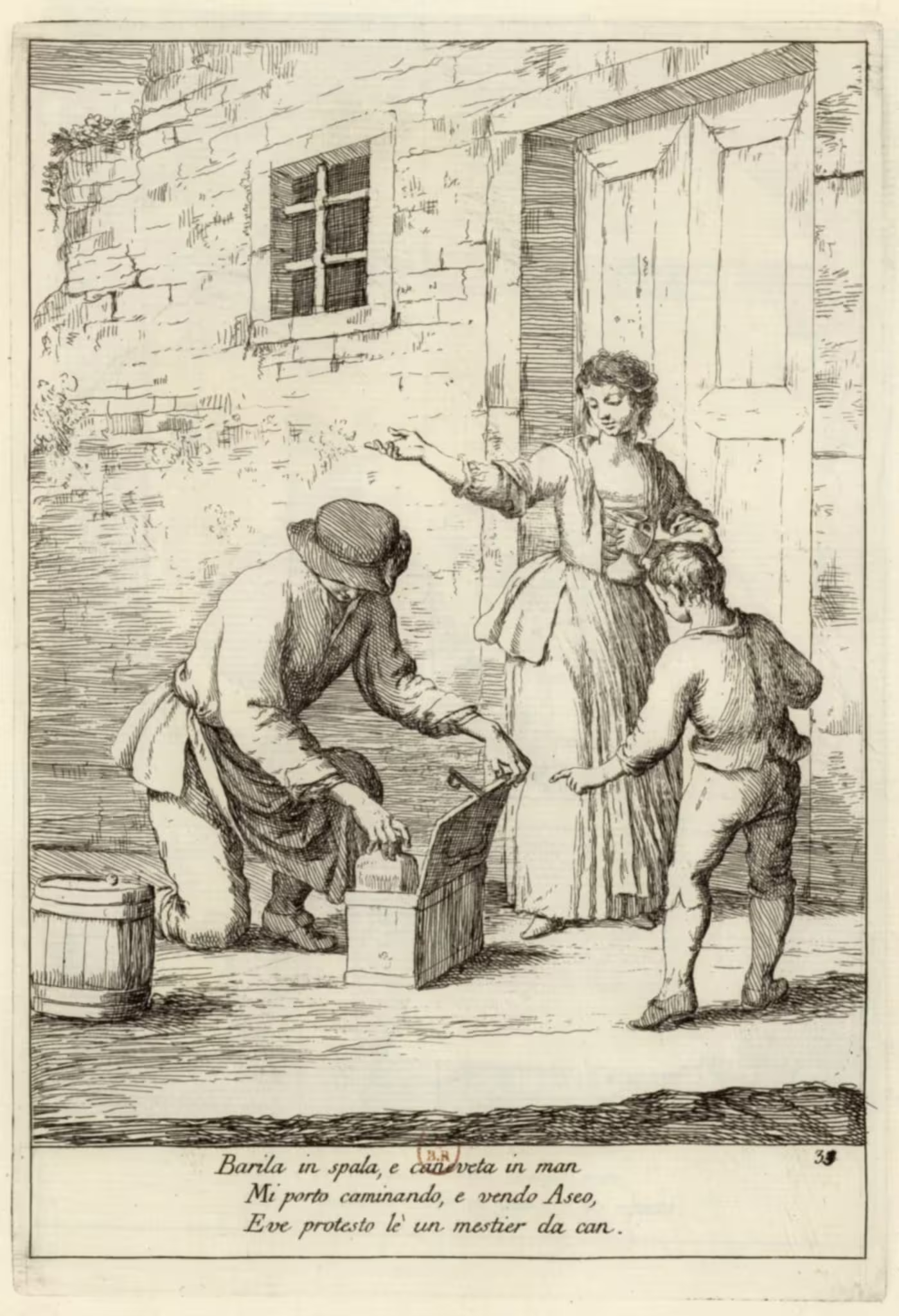
Aseo — Vinegar seller — Zompini — Arti #33
“Aseo” (Vinegar seller) from “Arti che vanno per via” (1785) by Gaetano Zompini, translated by René Seindal.
-
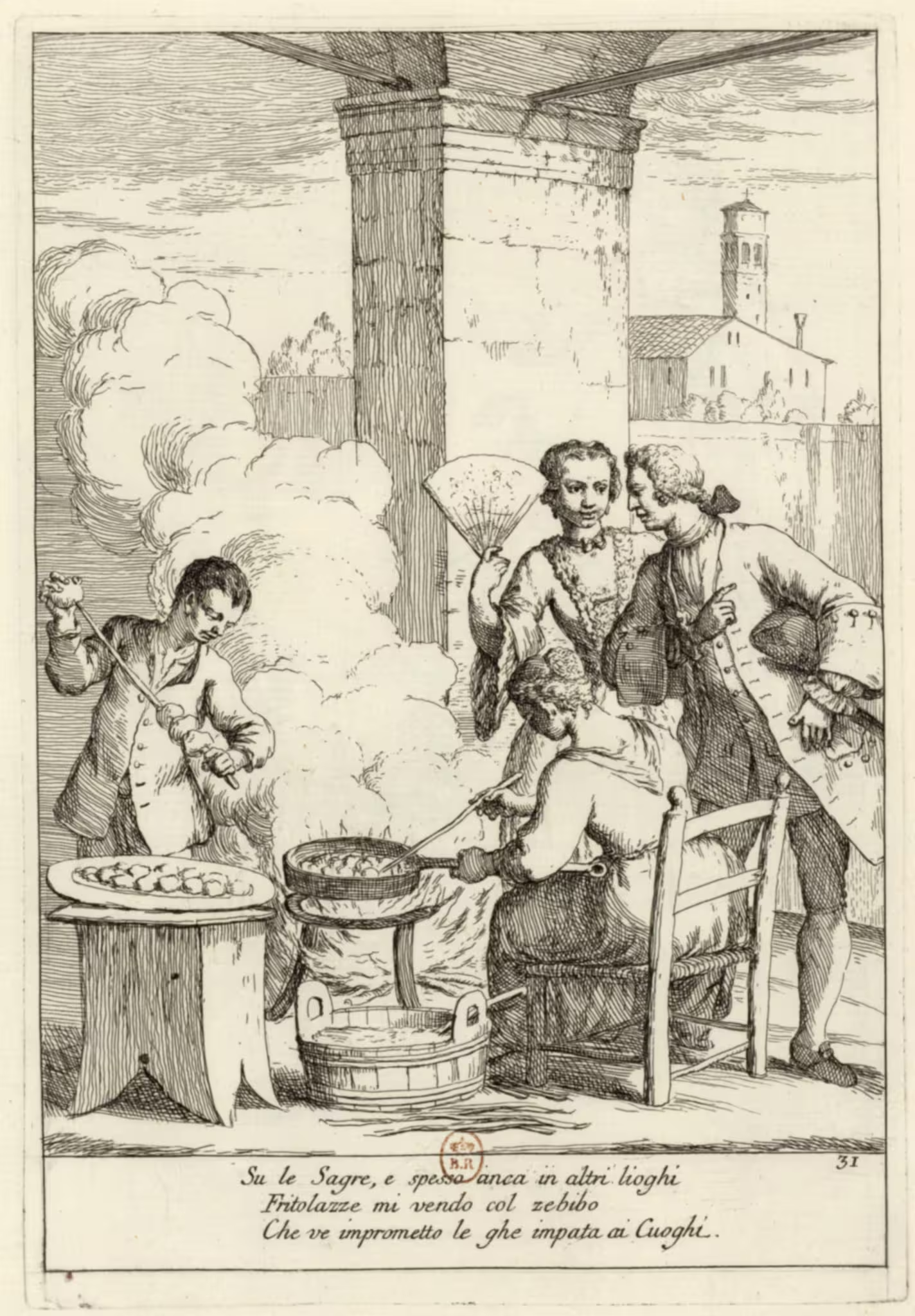
Frittole — street seller of fritters — Zompini — Arti #31
“Frittole” (street seller of fritters) from “Arti che vanno per via” (1785) by Gaetano Zompini, translated by René Seindal.
-
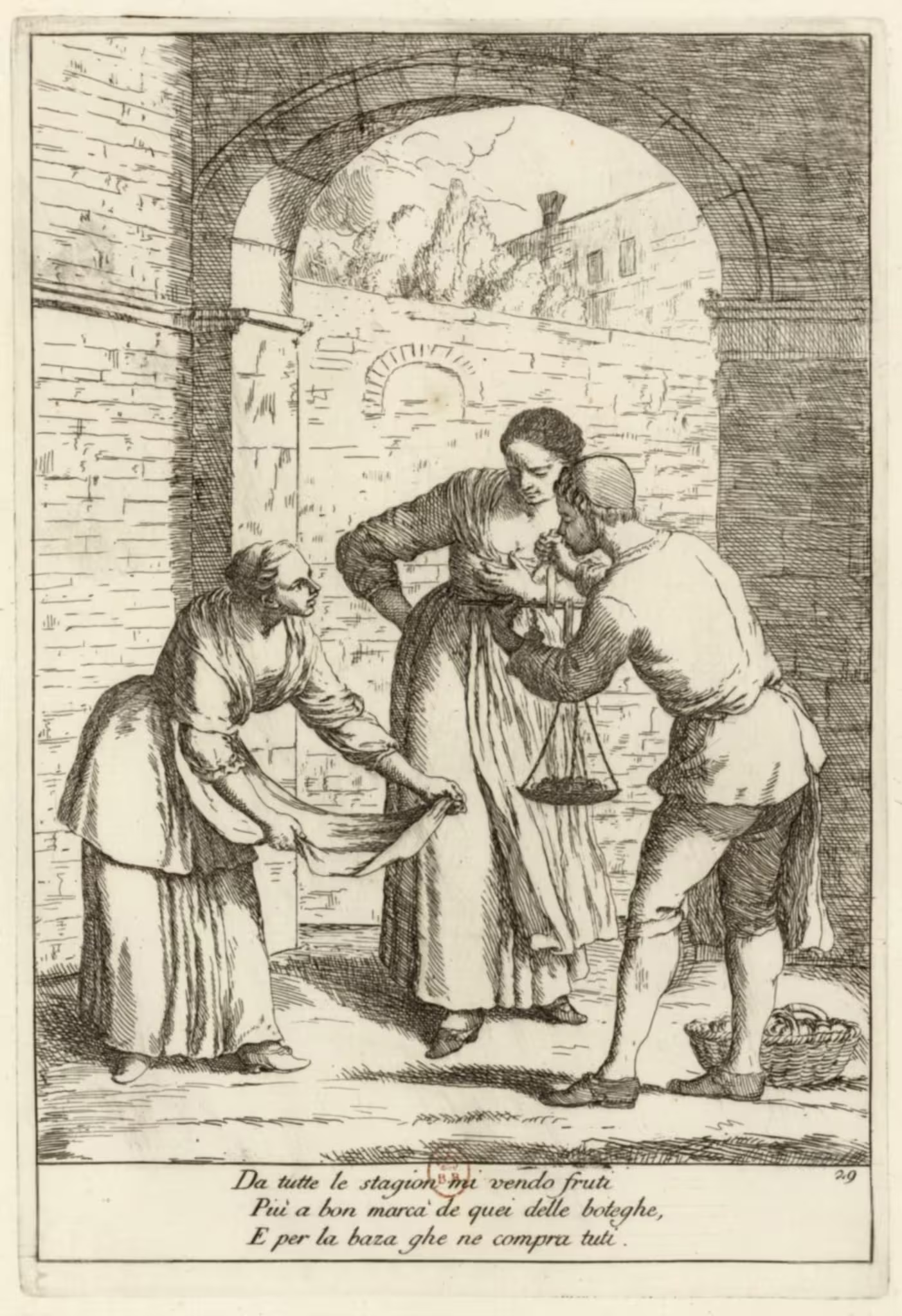
Fruttariol — fruit seller — Zompini — Arti #29
“Fruttariol” (fruit seller) from “Arti che vanno per via” (1785) by Gaetano Zompini, translated by René Seindal.
-
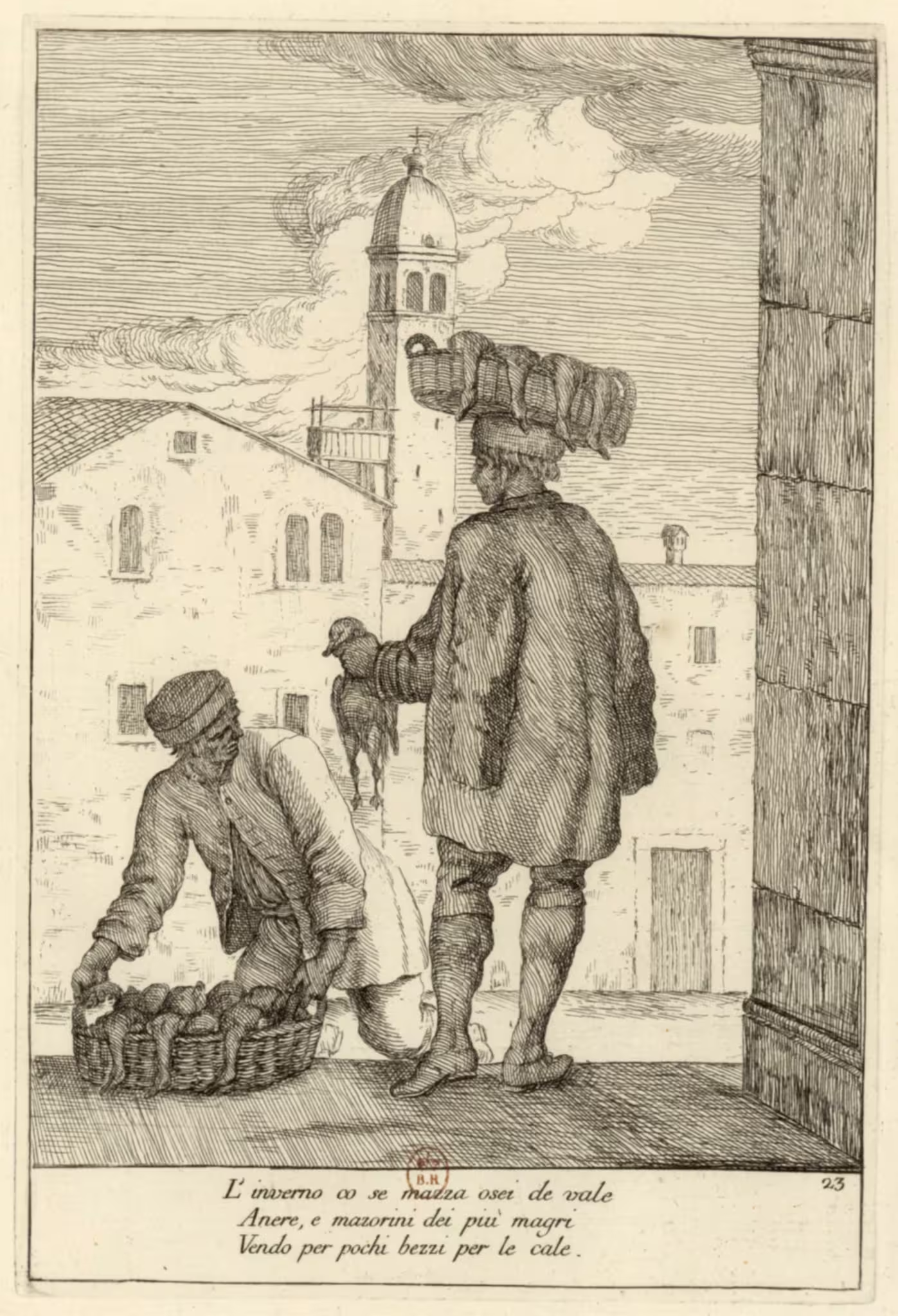
Foleghe , e Mazzorini — Coots and ducks — Zompini — Arti #23
“Foleghe , e Mazzorini” (Coots and ducks) from “Arti che vanno per via” (1785) by Gaetano Zompini, translated by René Seindal.
-
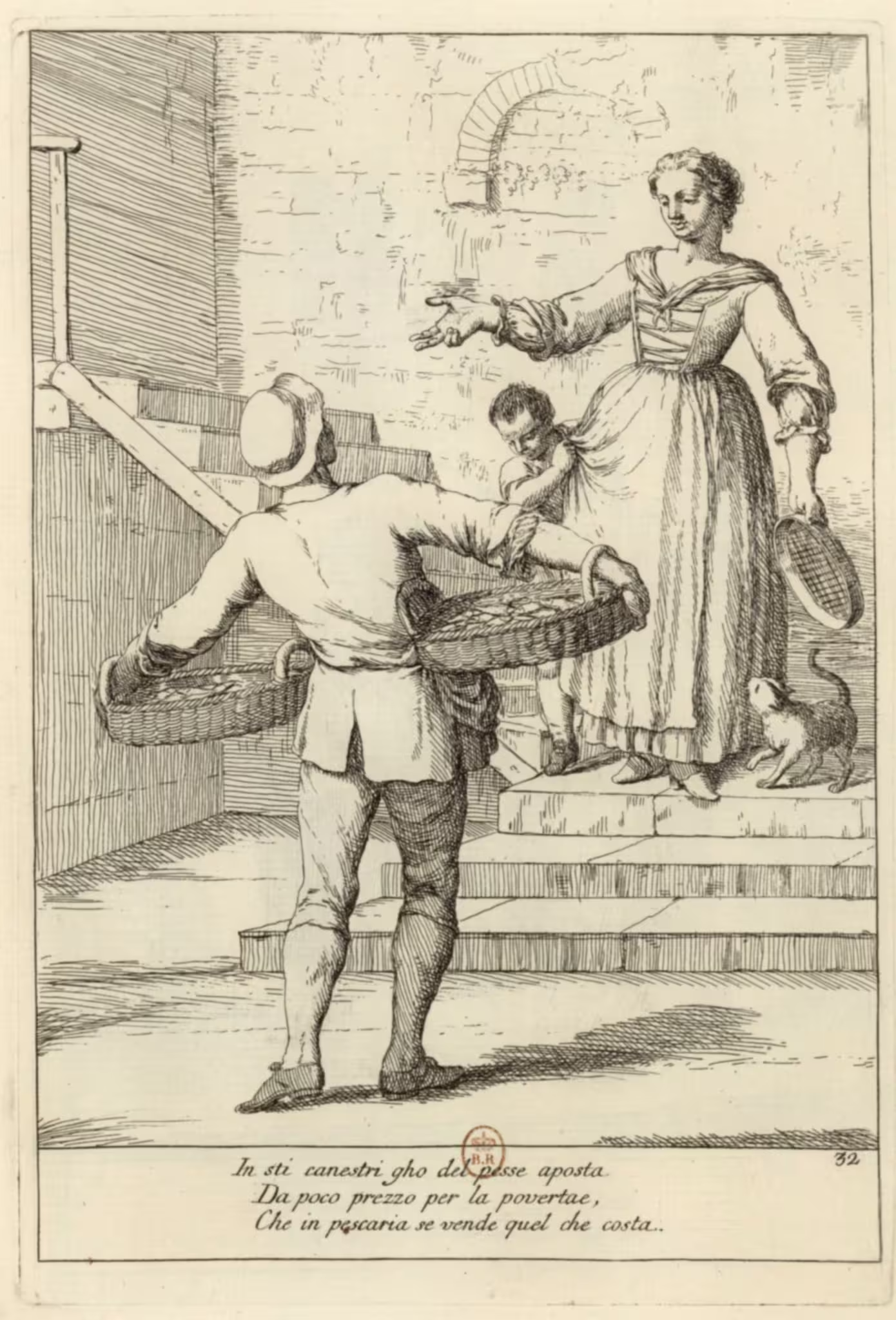
Pescaor — street vendor of fish — Zompini — Arti #32
“Pescaor” (street vendor of fish) from “Arti che vanno per via” (1785) by Gaetano Zompini, translated by René Seindal.
-
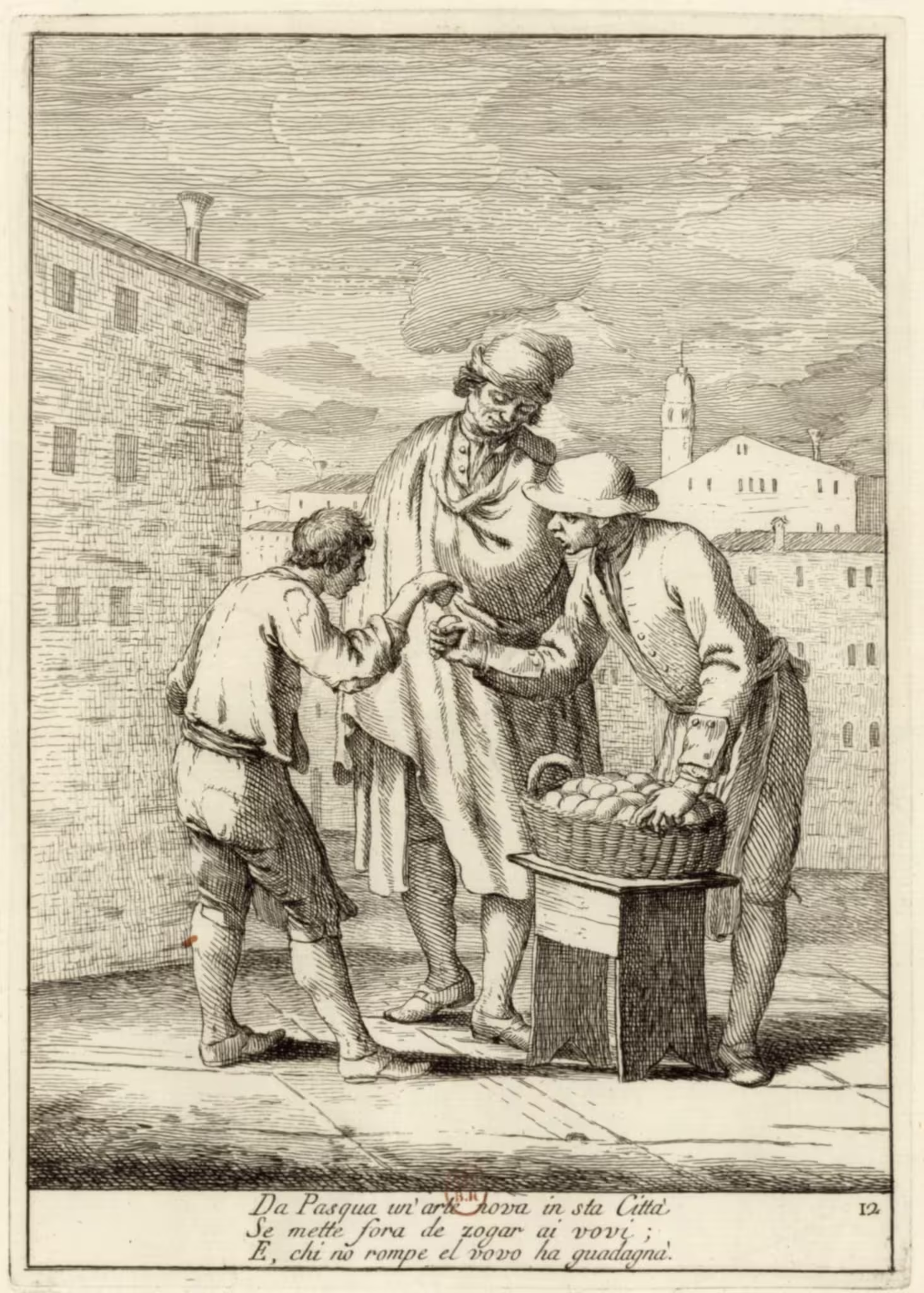
Dai Vovi — seller of eggs — Zompini — Arti #12
“Dai Vovi” (seller of eggs) from “Arti che vanno per via” (1785) by Gaetano Zompini, translated by René Seindal.
-
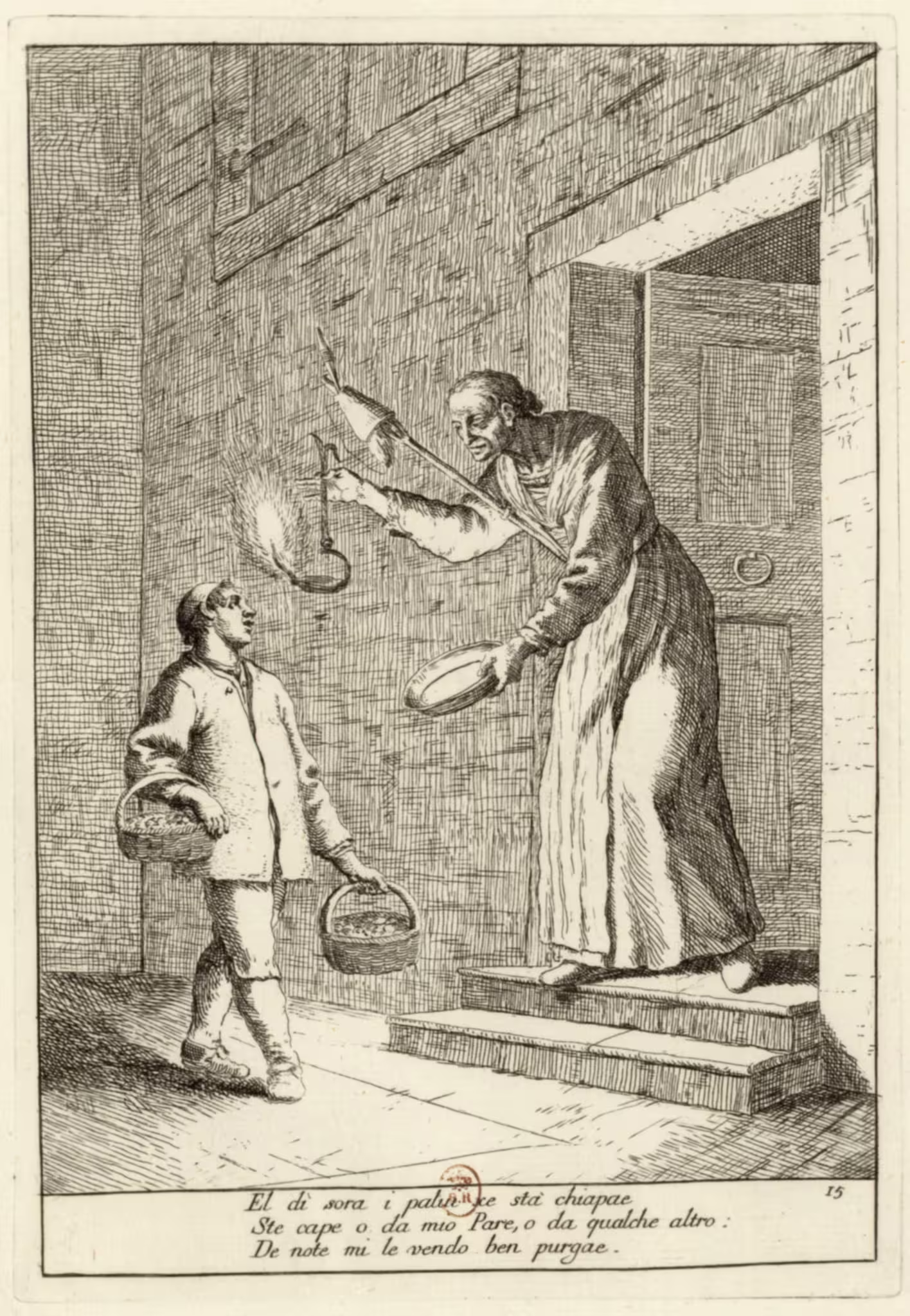
Cappe — Mussel seller — Zompini — Arti #15
“Cappe” (Mussel seller) from “Arti che vanno per via” (1785) by Gaetano Zompini, translated by René Seindal.
-
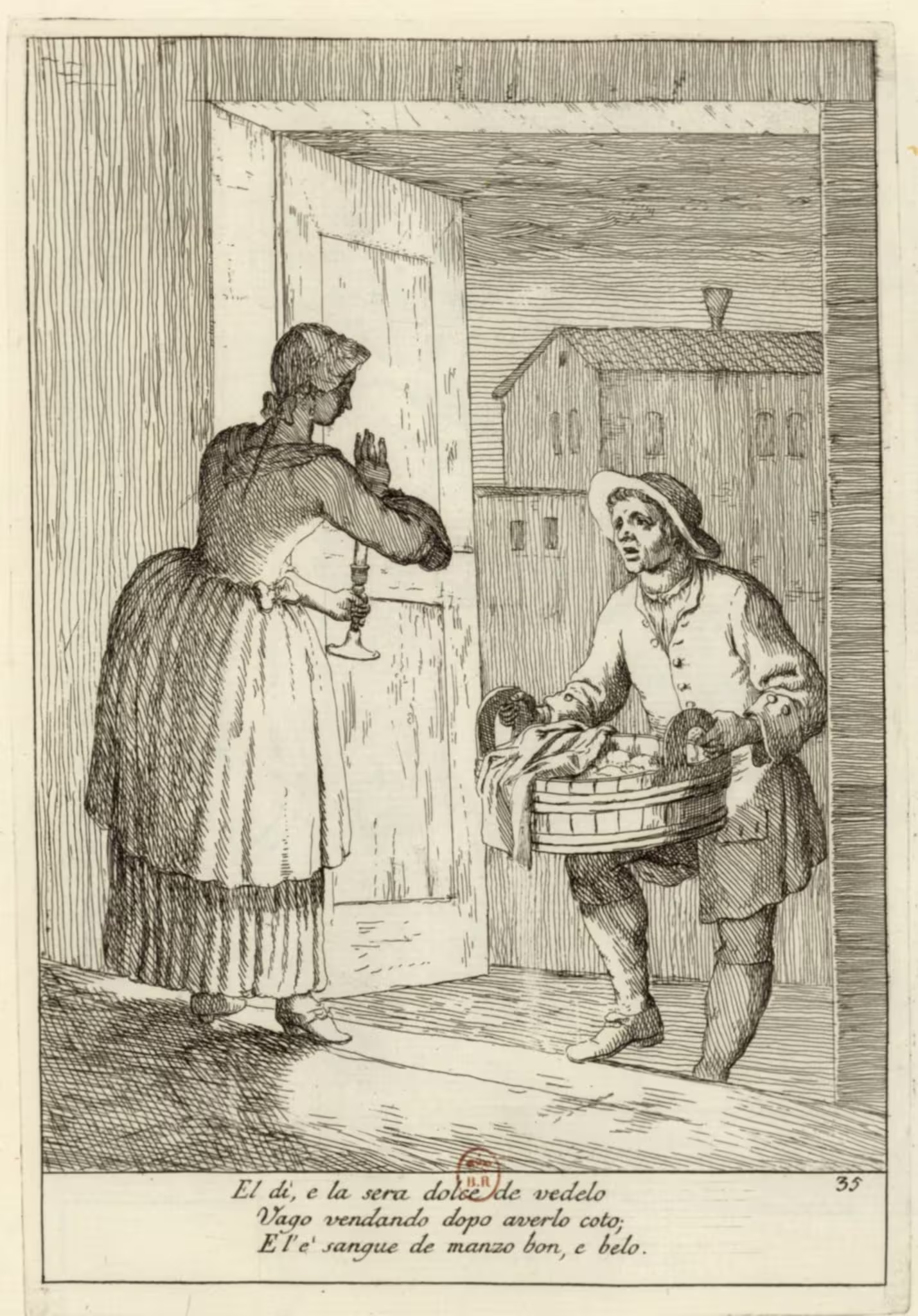
Dolce de Vedeletto — street vendor of blood pudding — Zompini — Arti #35
“Dolce de Vedeletto” (street vendor of blood pudding) from “Arti che vanno per via” (1785) by Gaetano Zompini, translated by René Seindal.