Venezia
-
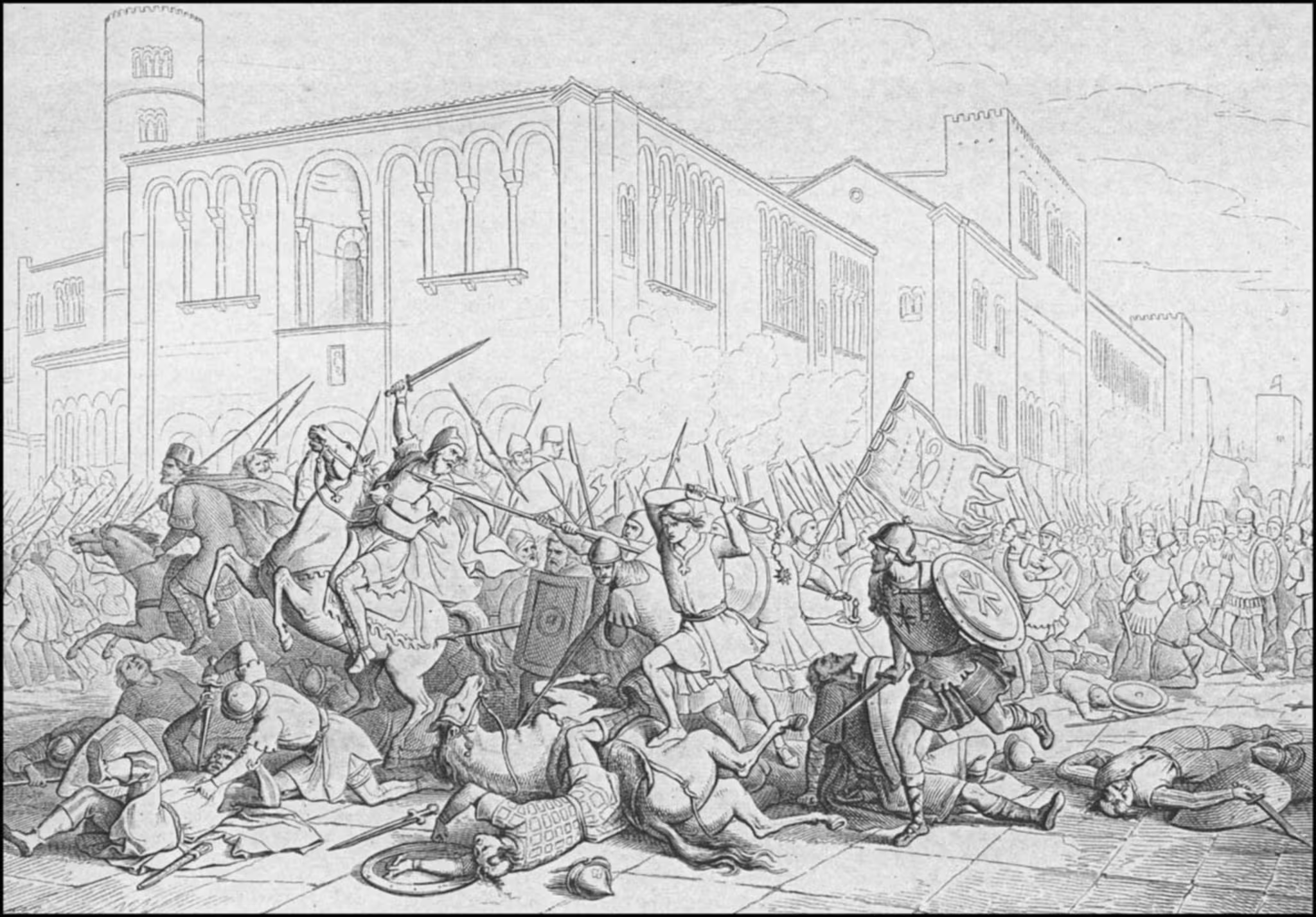
Ursus Hypatos — third and first doge of Venice
Ursus Hypatos was the third doge of Venice, likely the first chosen locally, but we have almost no sources for him.
-
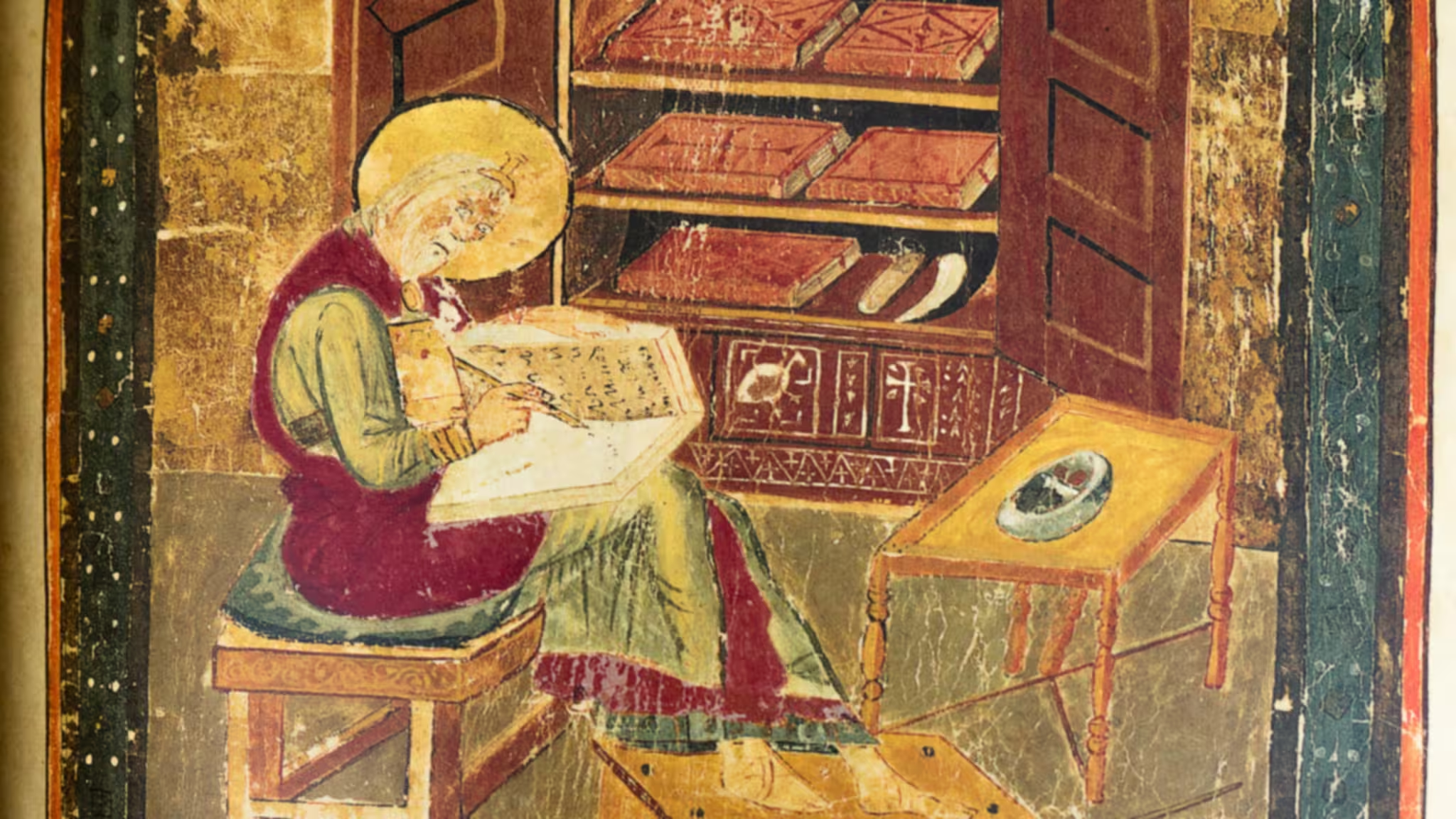
The letters of Cassiodorus
The earliest written source related to the inhabitants of the Venetian lagoons, is a letter from Cassiodorus, written in 537.
-
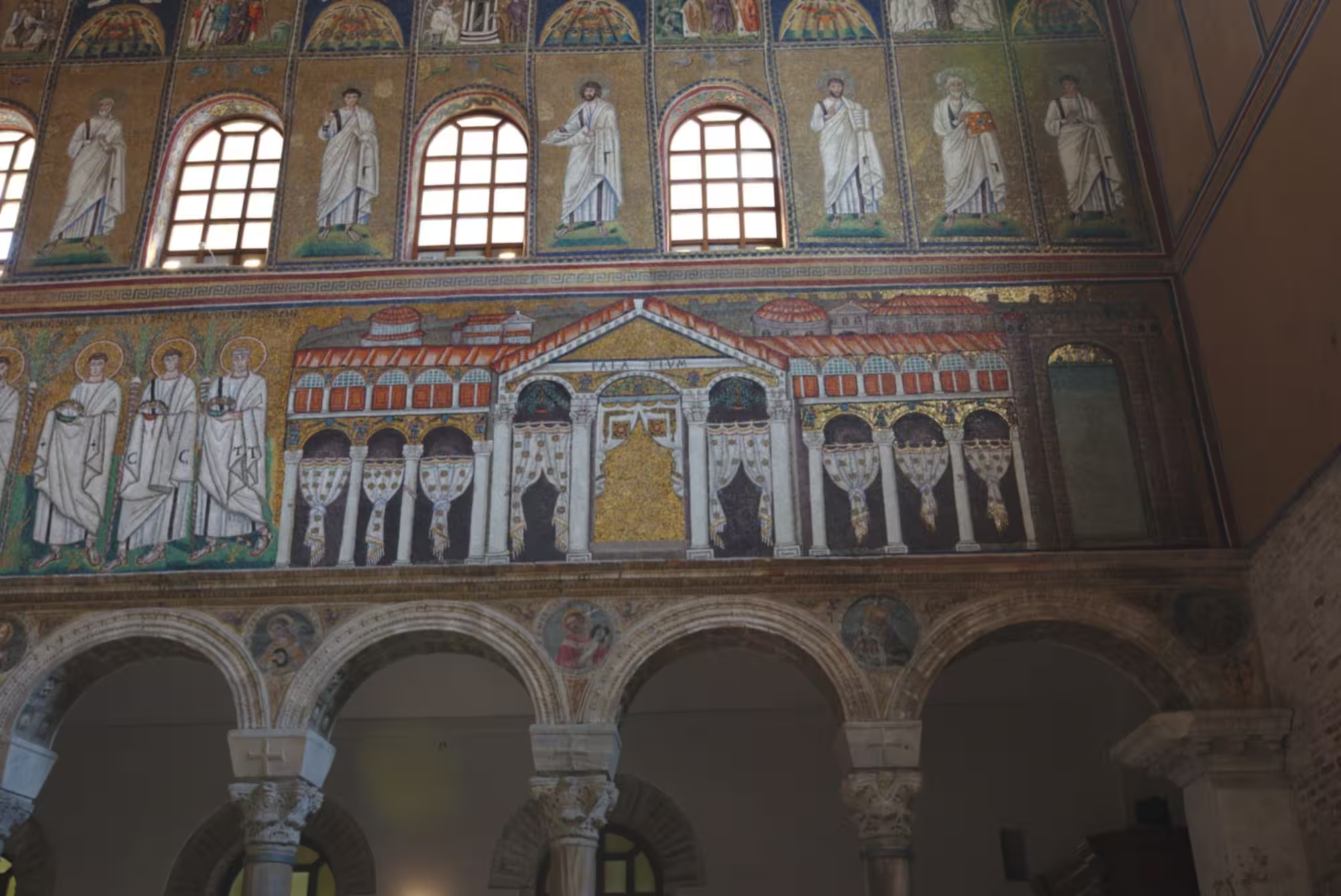
Hildeprand in Ravenna — Paul the Deacon
In the 730s or early 740s, Hildeprand, nephew of king Liutprand, and Peredeo, duke of Vicenza, managed to take Ravenna, the capital of the Exarchate of Ravenna.
-
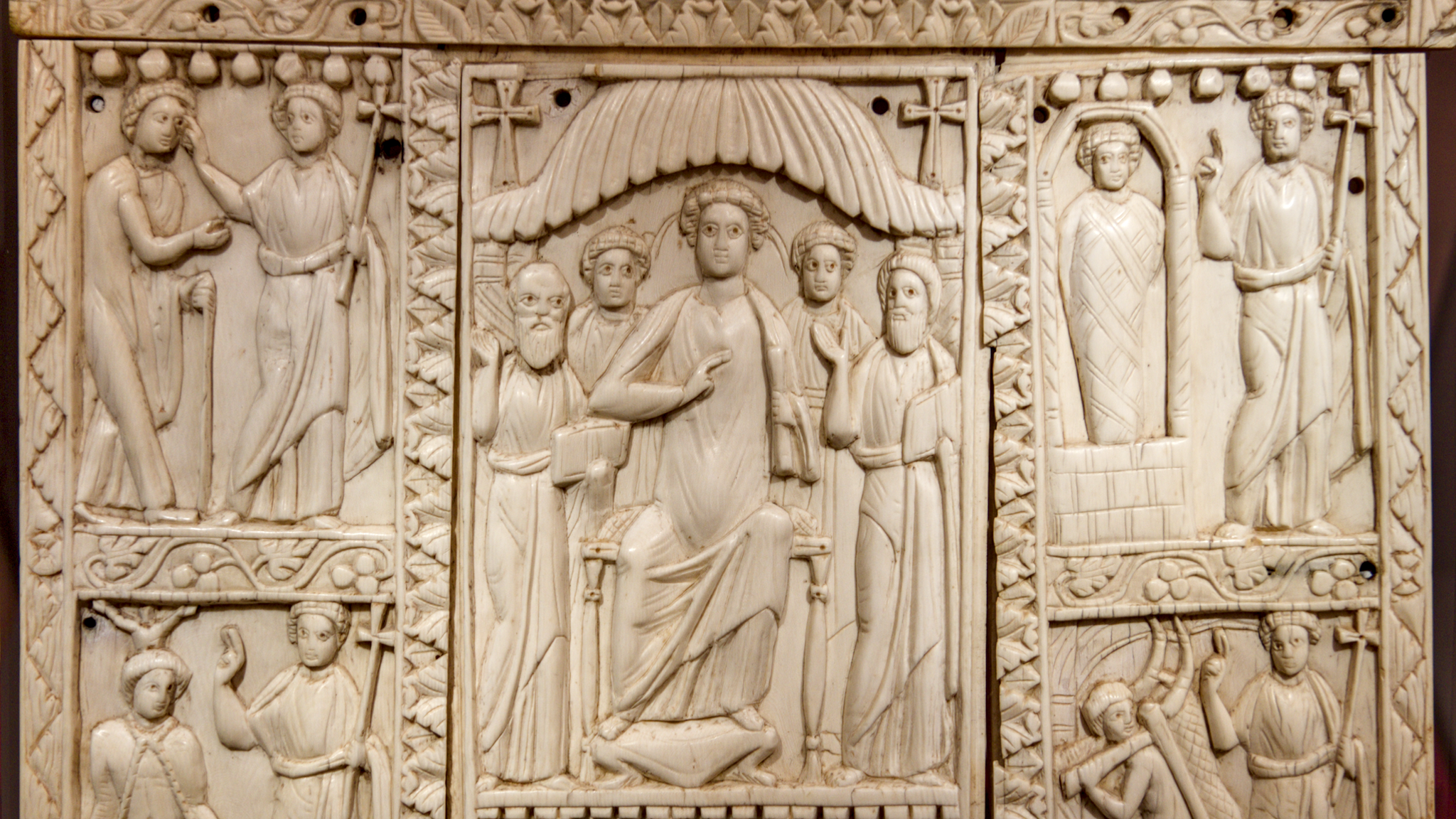
The demise of the Exarchate
The events around the demise of the Exarchate of Ravenna only involved the Venetians marginally. It is nevertheless important to the history of Venice.
-
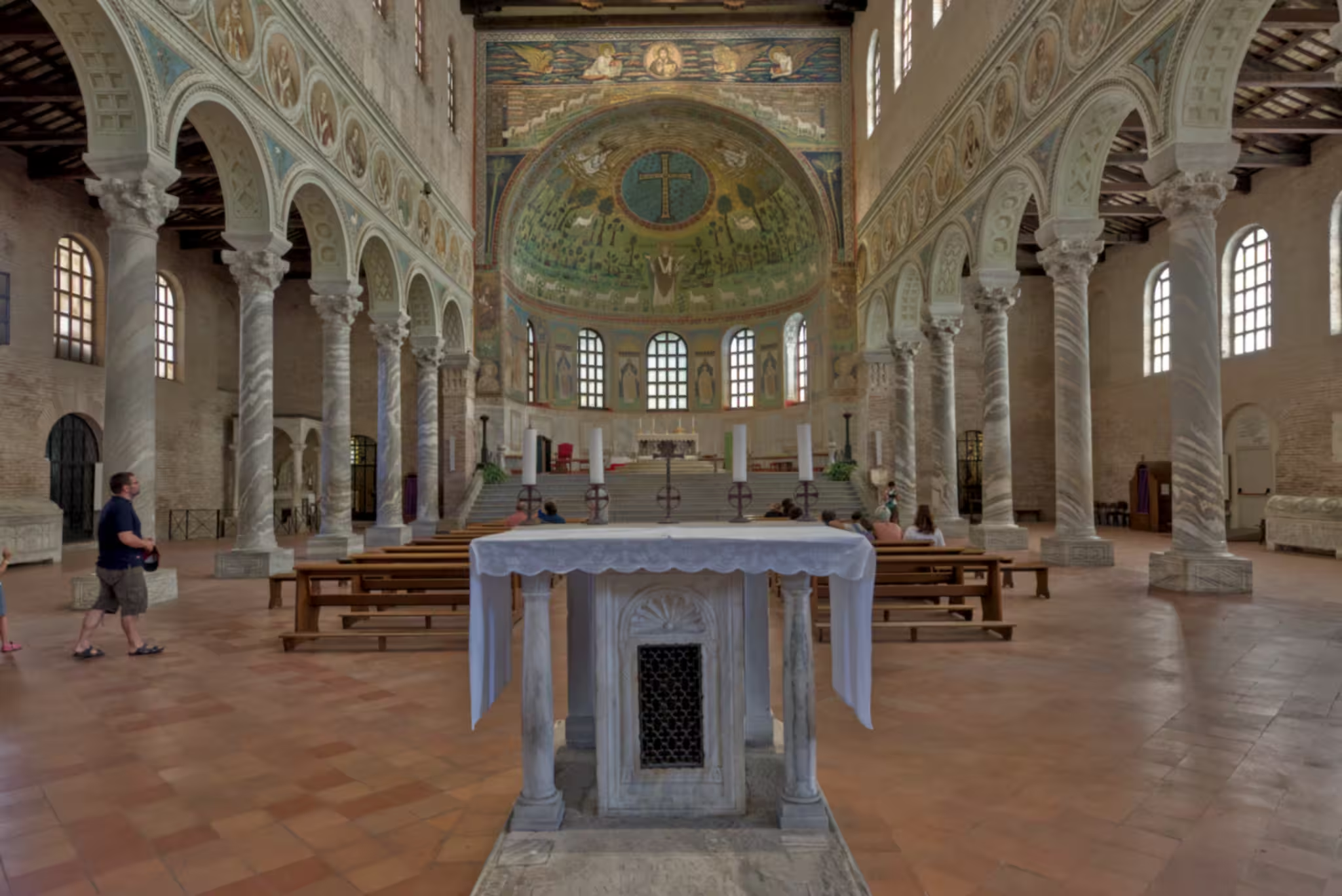
The Exarchate and the Papacy
Venetia existed within the Exarchate of Ravenna, as part of the Byzantine Empire, and what happened in the Exarchate mattered to Venetia.
-
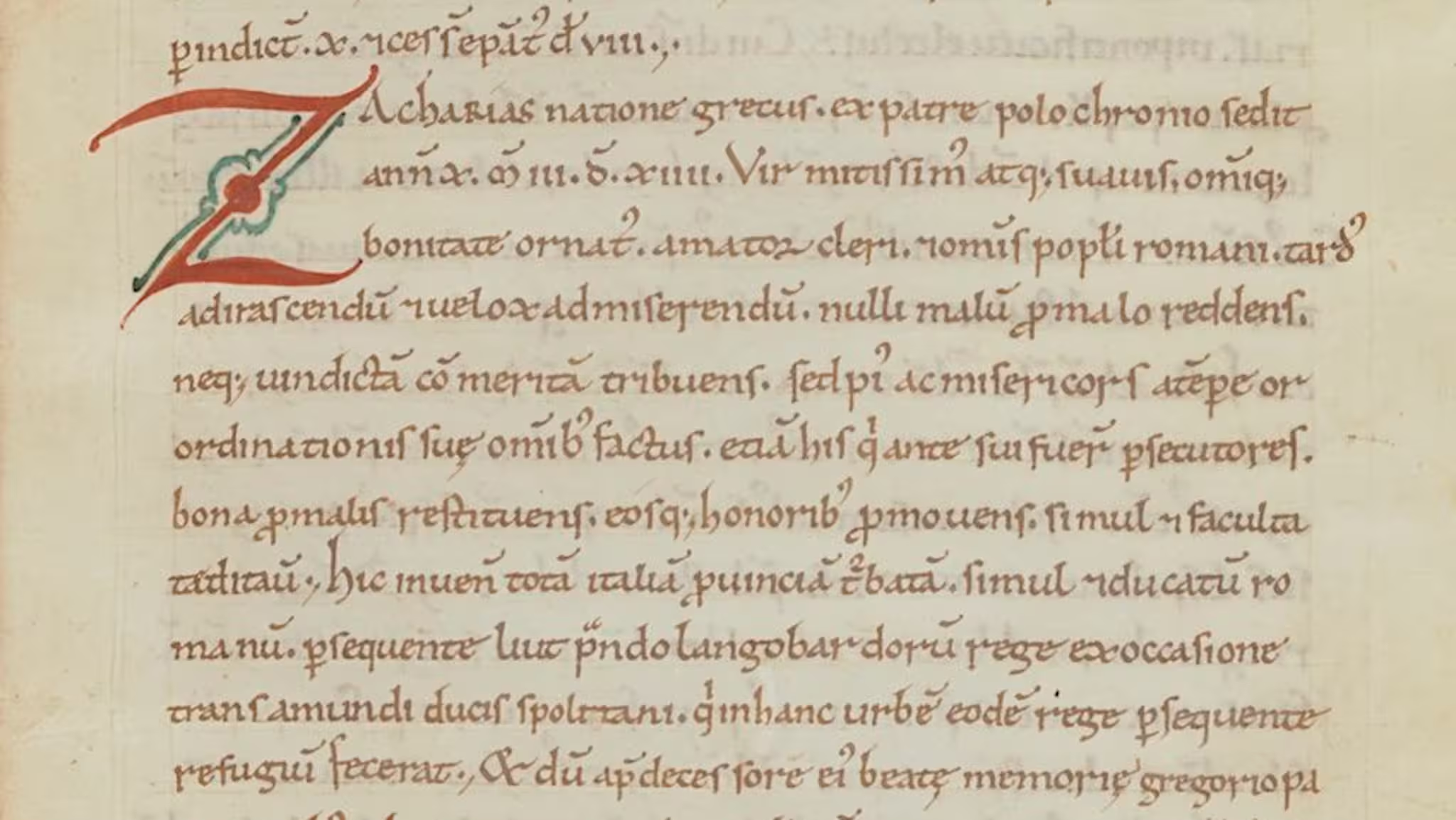
Zachary — Liber Pontificalis
An excerpt of the “Liber Pontificalis” for Pope Zachary about Lombard attacks on Ravenna around 742.
-
John VI — Liber pontificalis ecclesiae Ravennatis
The eventful reign of John VI, bishop of Ravenna (726–744), from the “Liber pontificalis ecclesiae Ravennatis”.
-
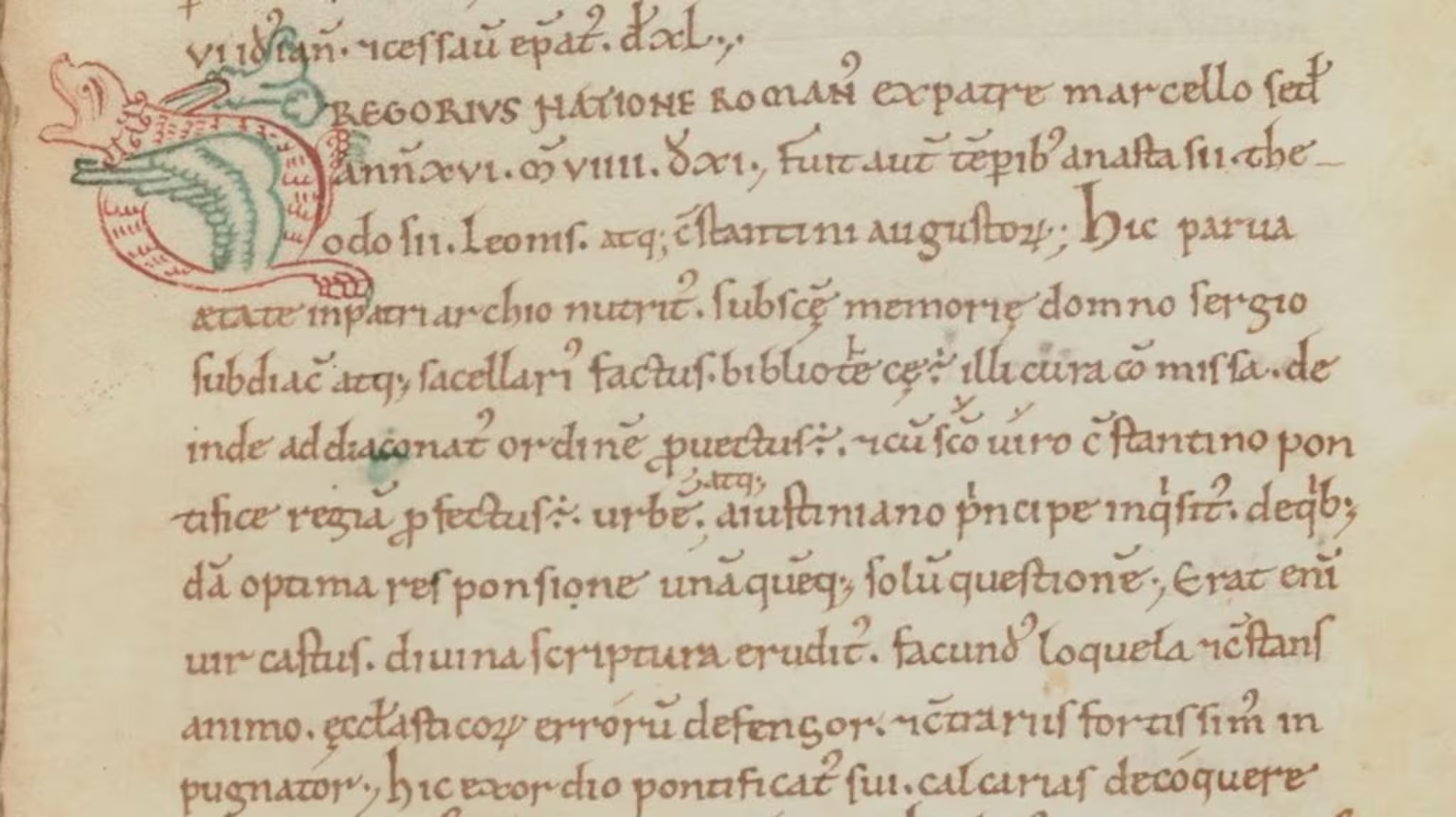
Gregory II — Liber Pontificalis
The Liber Pontificalis for Gregory II (715–731), recounts in great detail the conflicts between the Eastern Roman Empire and the Papacy, with repeated attempts at the life of the pope.
-
Iconoclasm — Paul the Deacon
An account of the anti-iconoclast rebellion of 726–727 in Byzantine Italy, from the “Historia Langobardorum” by Paul the Deacon.
-
Marcellus — Byzantine or Venetian?
The second doge of Venice, Marcellus, might not have been a Venetian duke, but a Byzantine official.