histodons
-
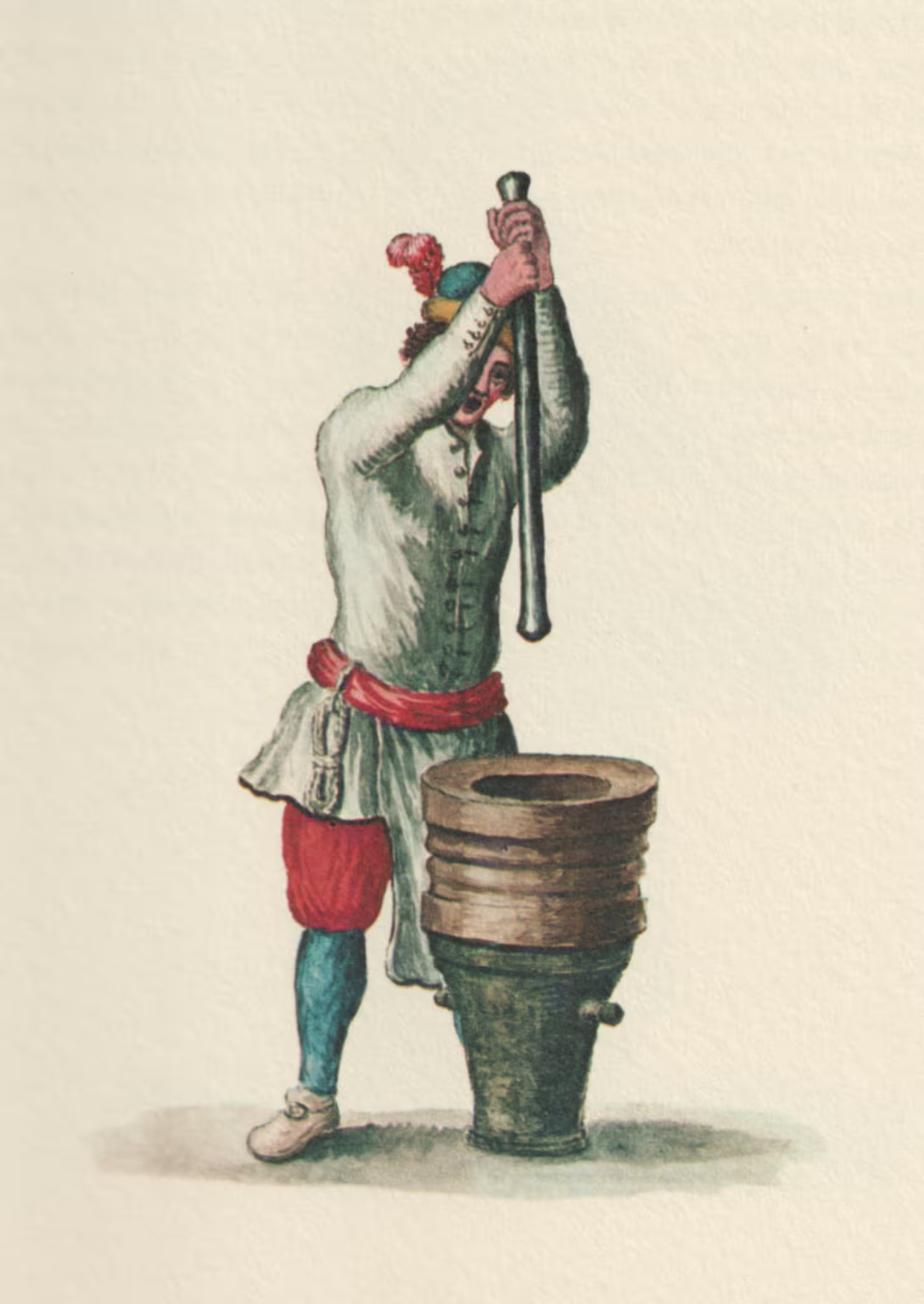
Facchini — Labourers — Grevembroch 3-120
“Facchini” (Labourers) from the Gli abiti de veneziani (1754) by Giovanni Grevembroch, translated by René Seindal.
-
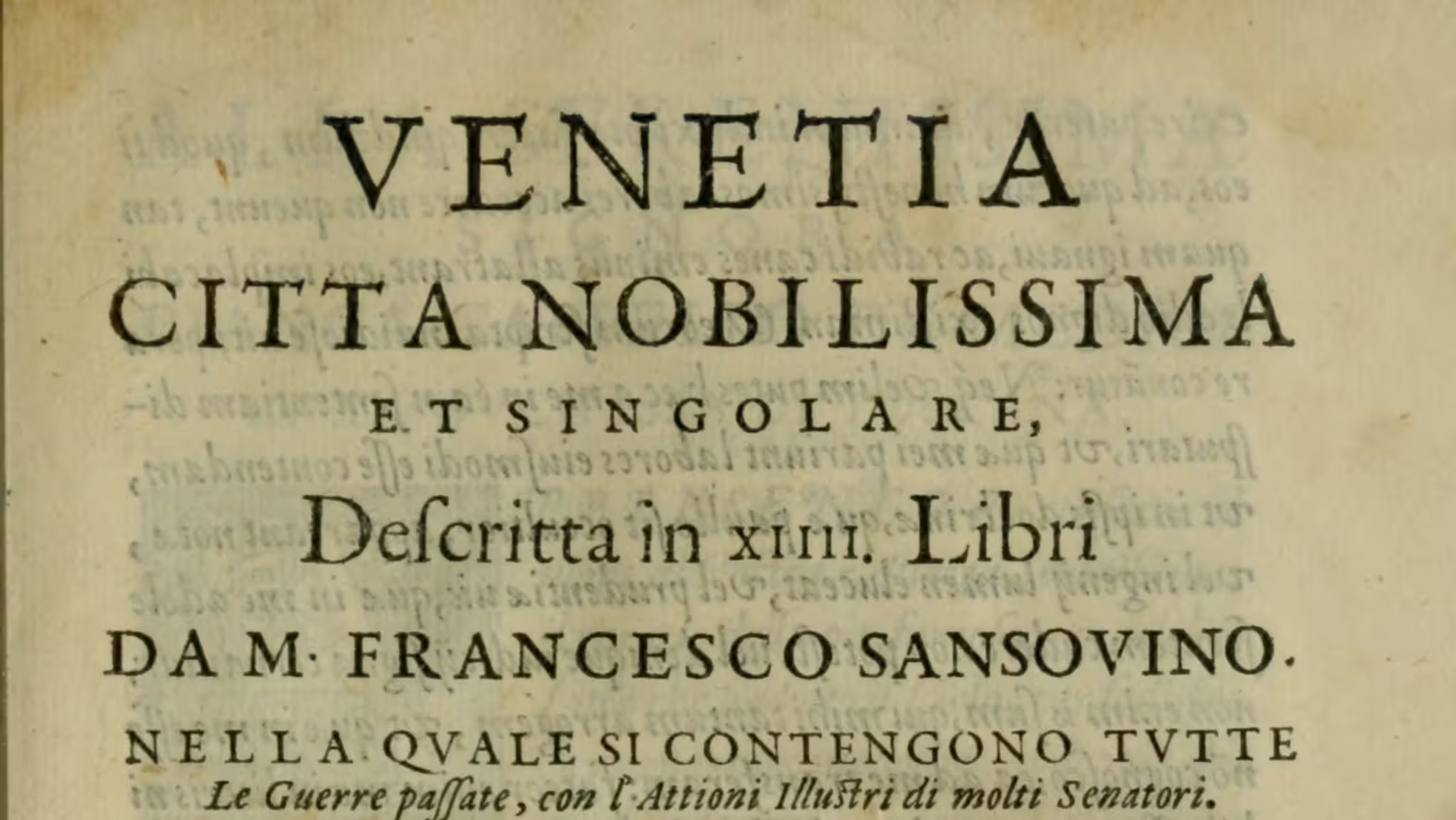
Venetia citta nobilissima et singolare (1581) — Francesco Sansovino
The “Venetia citta nobilissima et singolare” (1581) by Francesco Sansovino is a detailed description of Venice, as it once was.
-
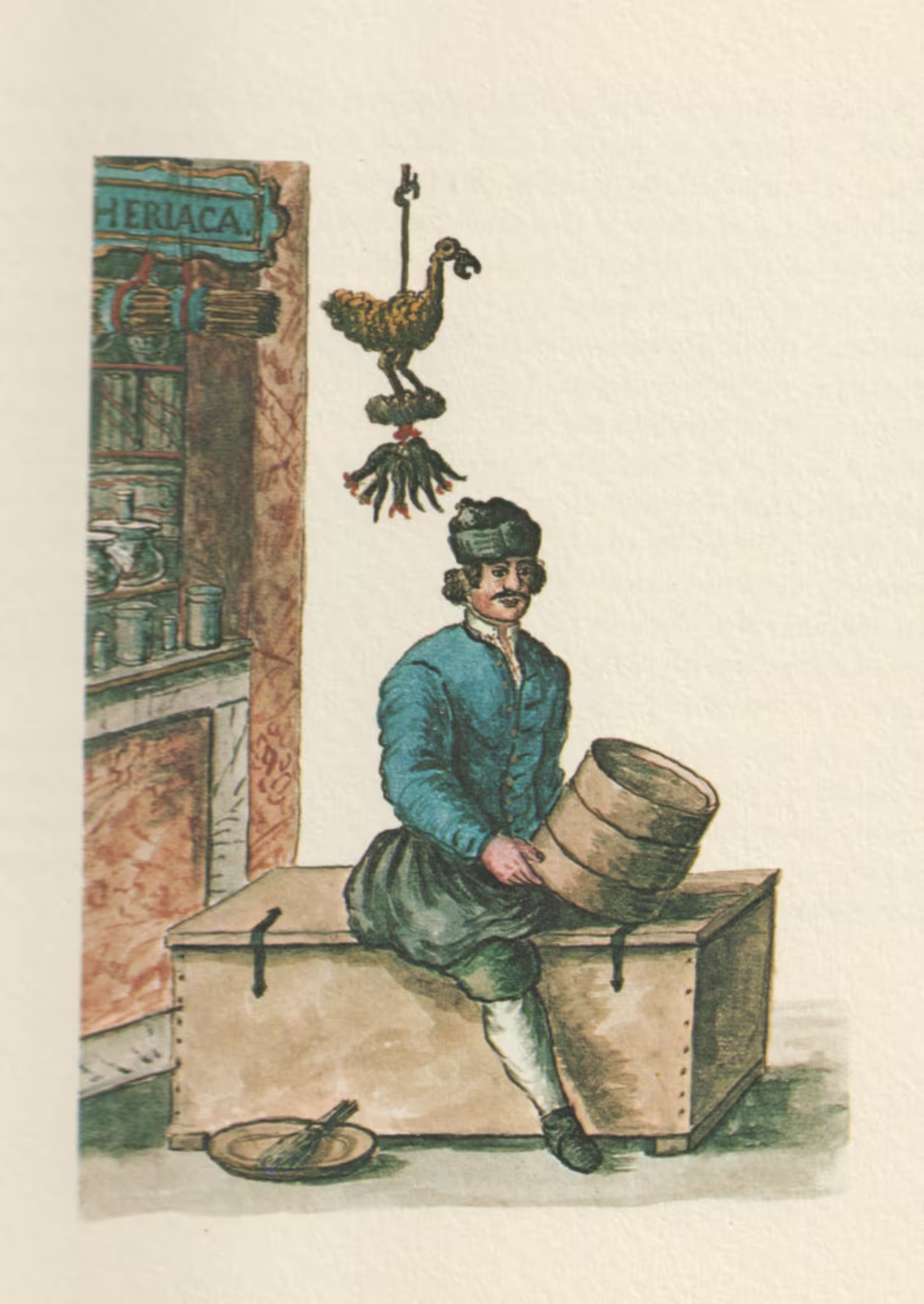
Fabricatore di Teriaca — Maker of Theriac — Grevembroch 3-127
“Fabricatore di Teriaca” (Maker of Theriac) from the Gli abiti de veneziani (1754) by Giovanni Grevembroch, translated by René Seindal.
-
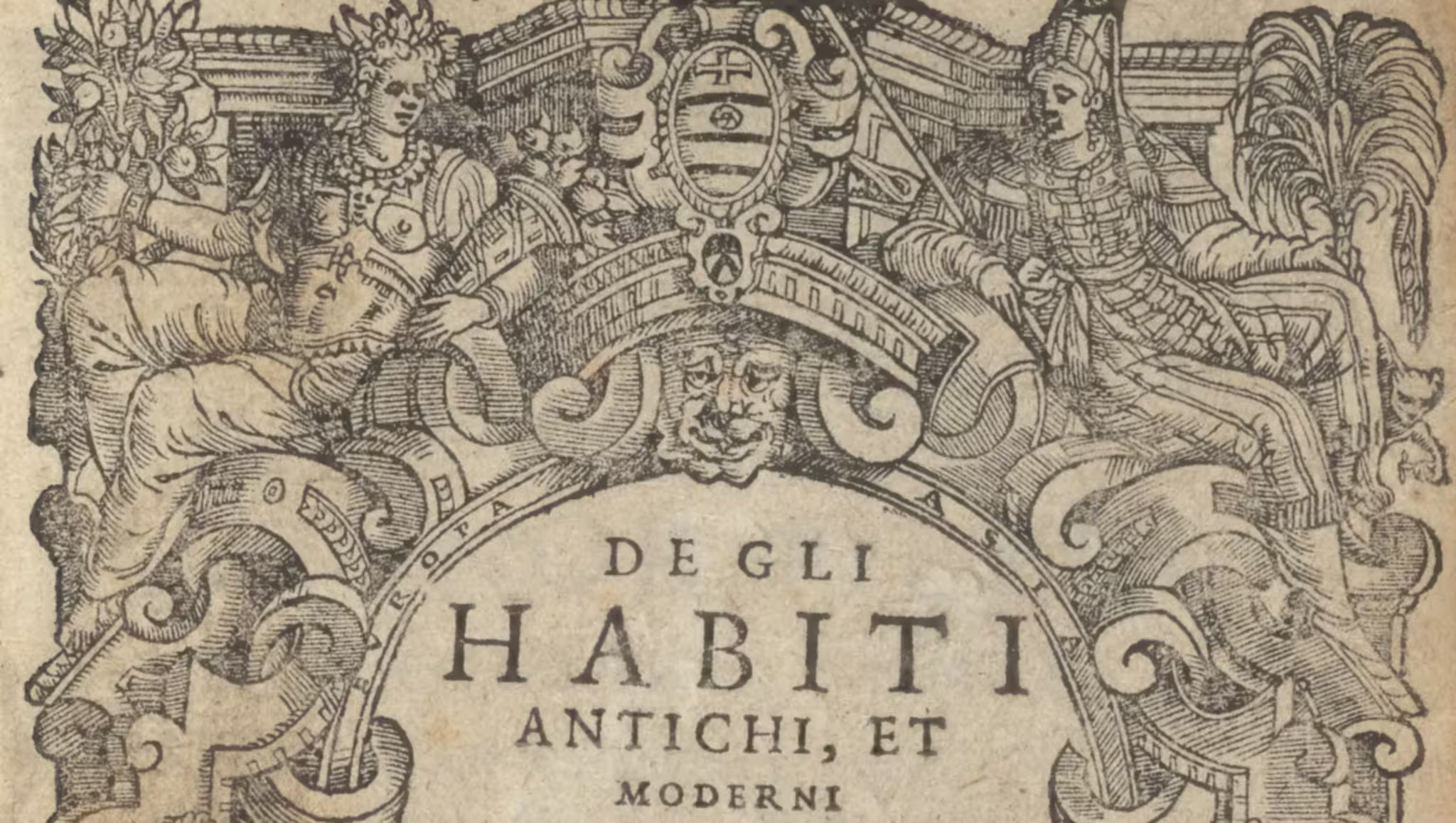
Habiti Antichi et Moderni (1590) — Cesare Vecellio
This is the work on Renaissance dress, with many hundreds of woodcuts of people from all over the world, and almost one hundred of Venetians.
-
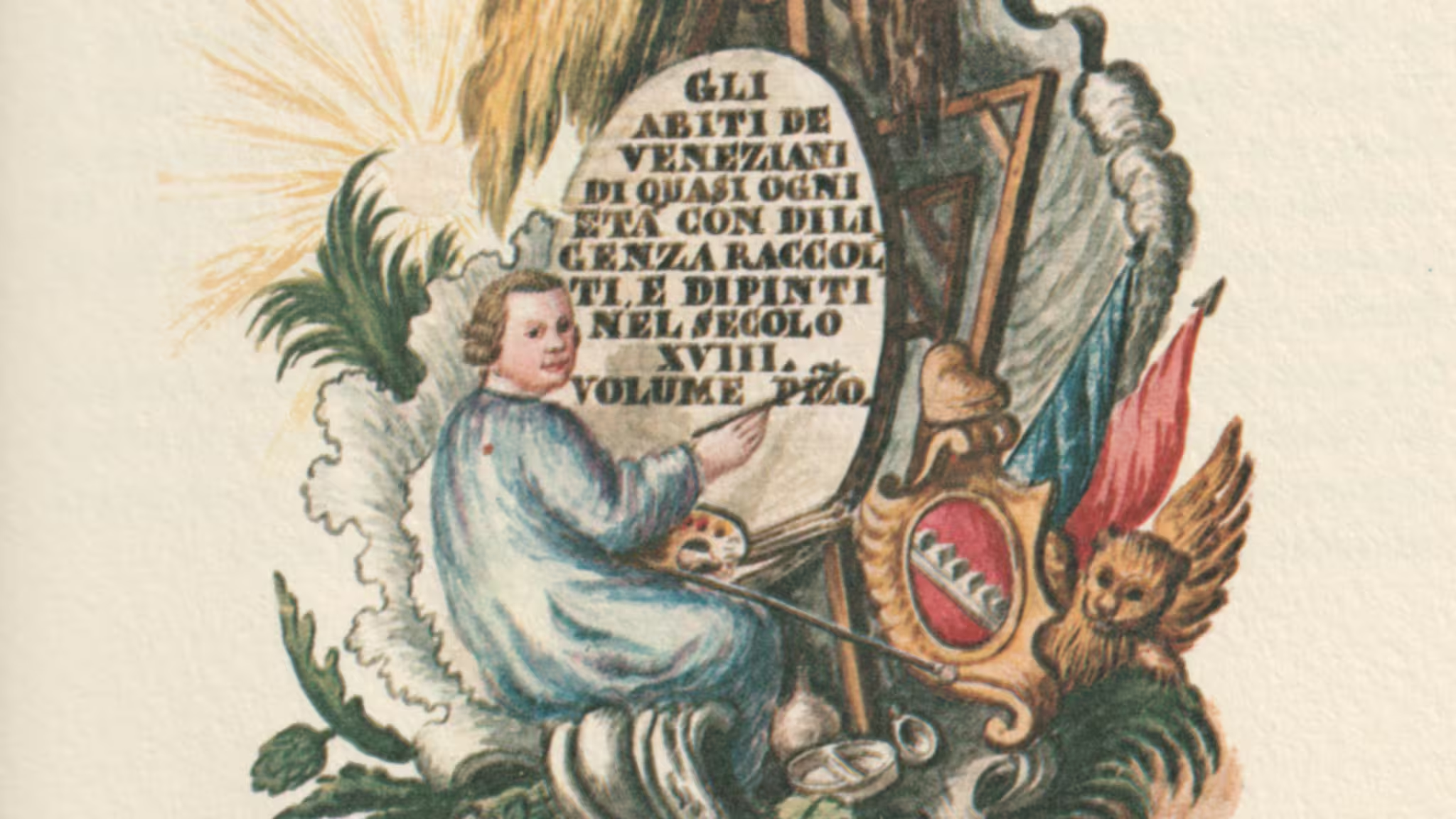
Gli Abiti de Veneziani — Gallery of translations
All the translated watercolours in the four volumes of “Gli Abiti de Veneziani” by Grevembroch, as galleries for easy browsing.
-
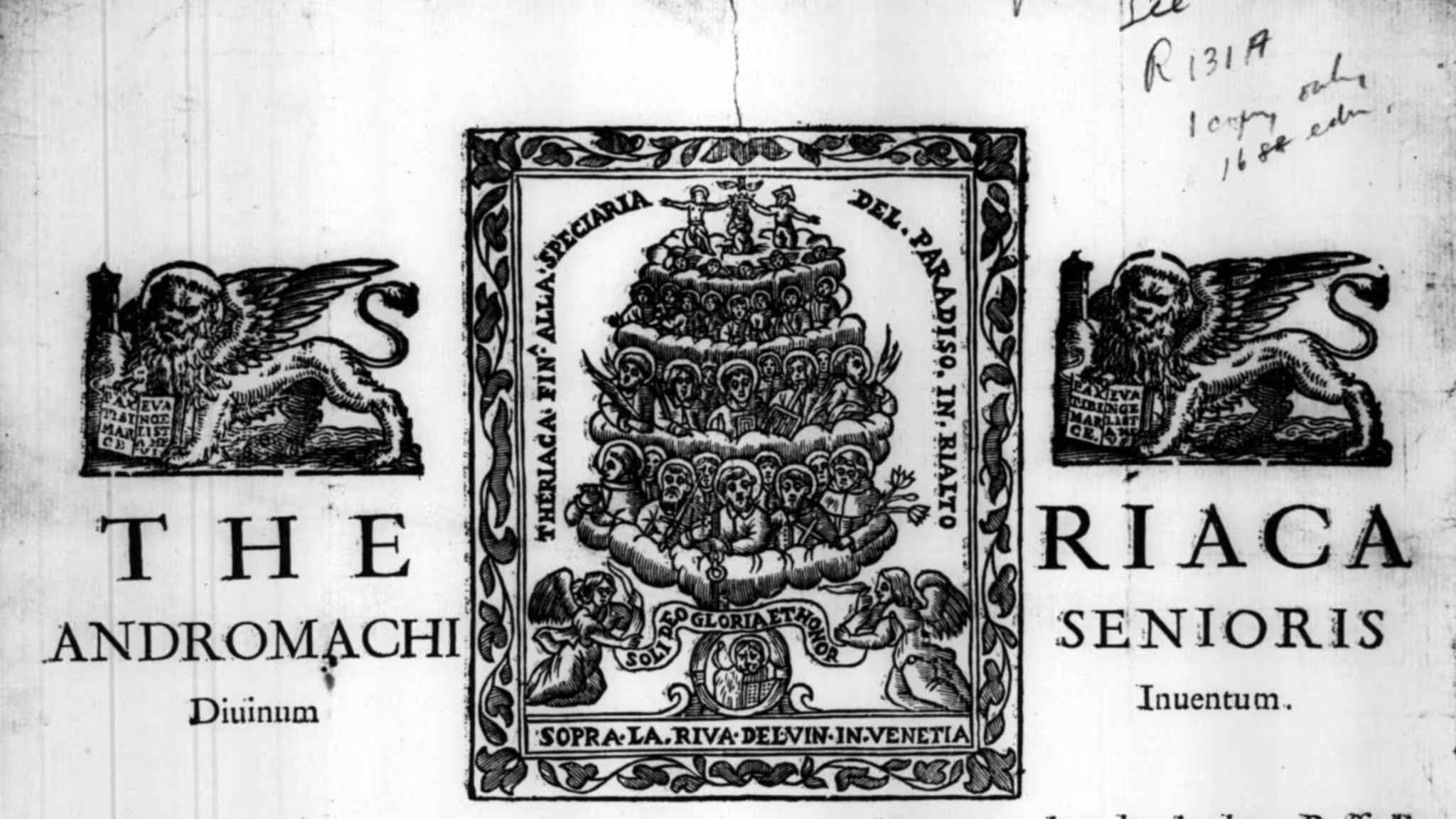
A Theriac advertisement (1688)
An advertisement flyer for Theriac, from 1688 (and 1697), printed in Venice, but in English. This is an annotated transcript.
-
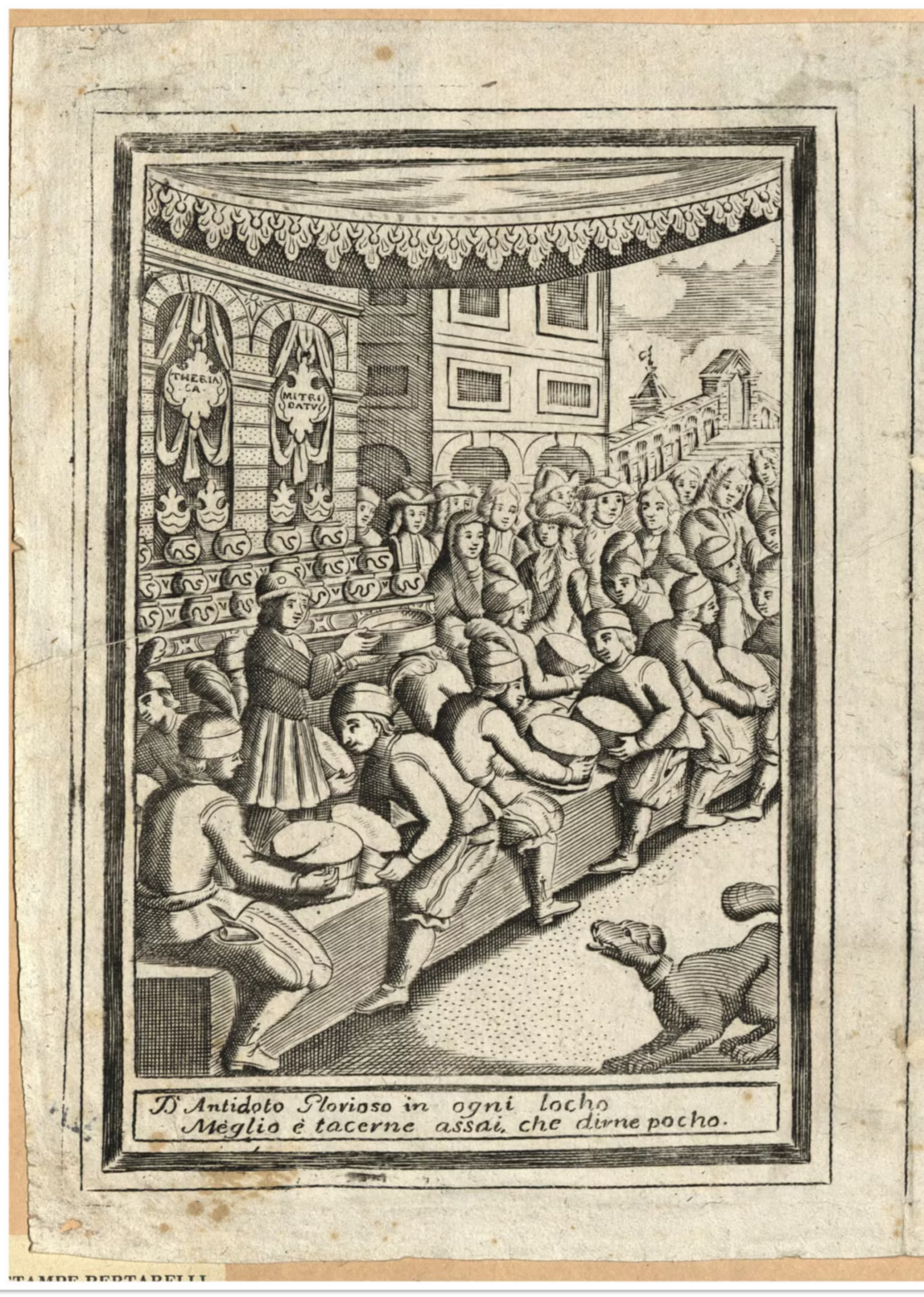
Venice treacle
Venice treacle, or theriac, was an ancient wonder medicine, an antidote for most poisons and a cure for most ailments, including the plague.
-
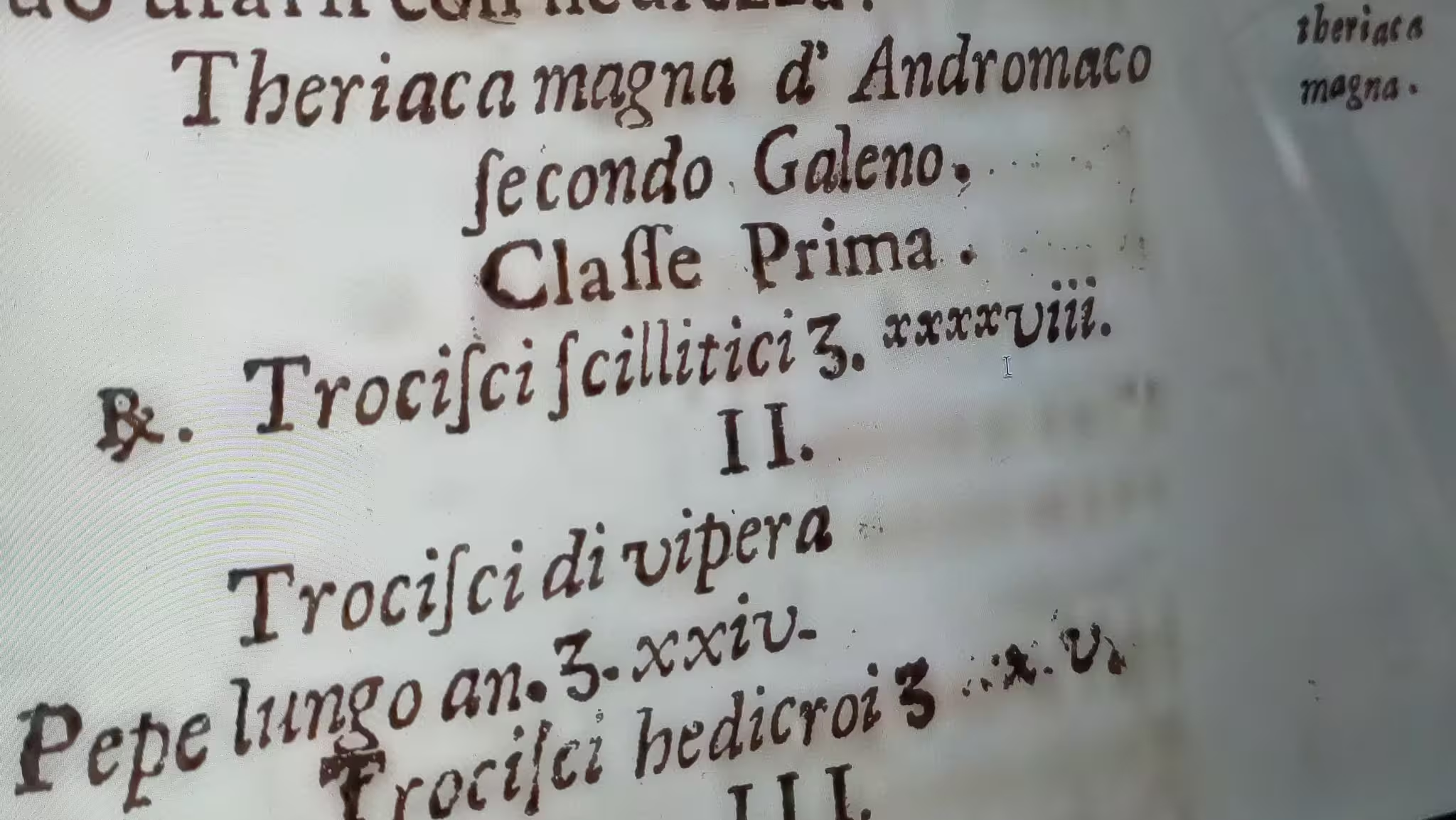
A Theriac recipe (1734)
A 1700s recipe for the miracle medicine Theriac, with most of the ingredients identified.
-
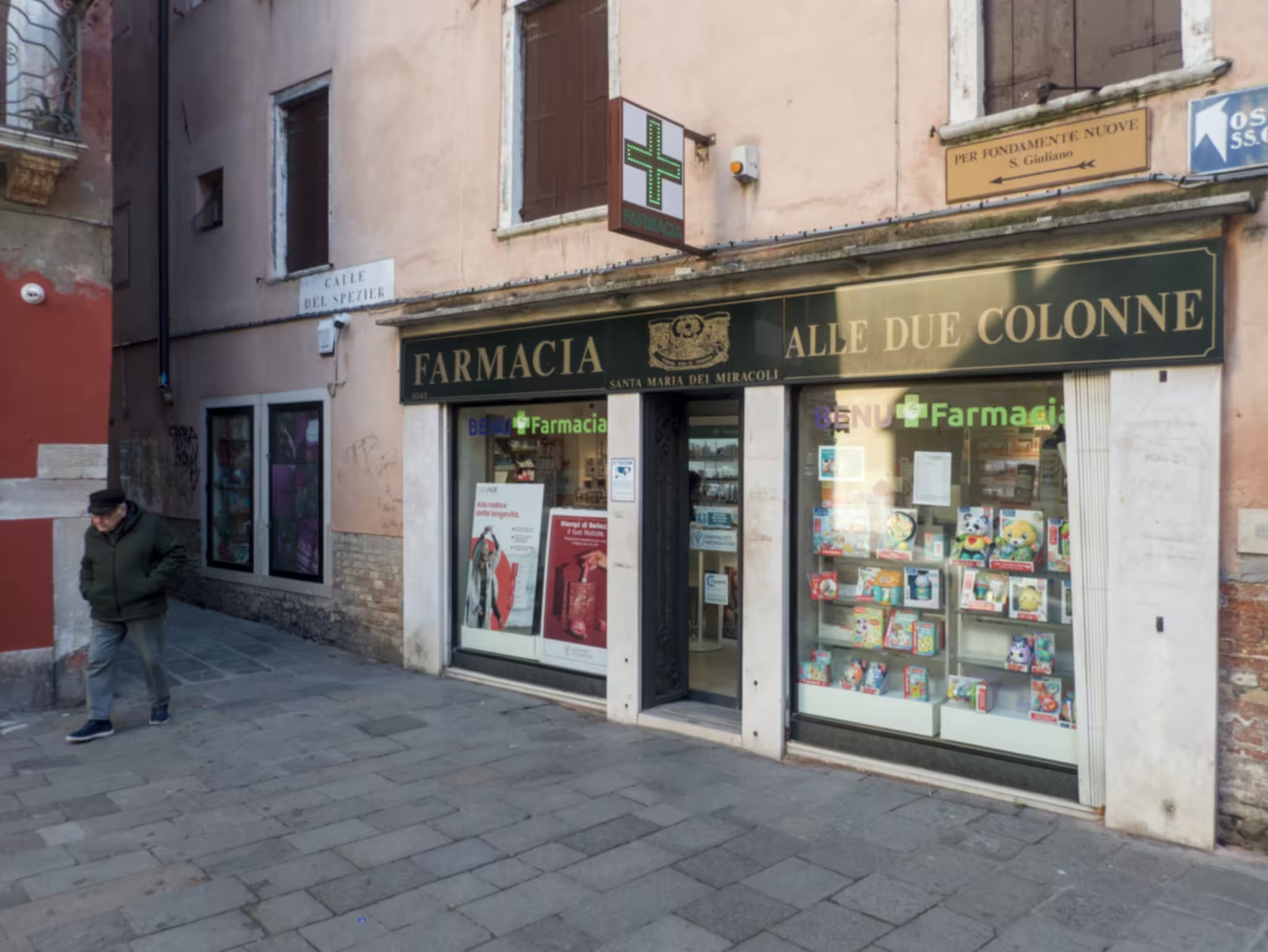
Speziali or Pharmacies in Venice
An incomplete list of pharmacies, or speziali, which have at some time existed in Venice. Some are still around.
-
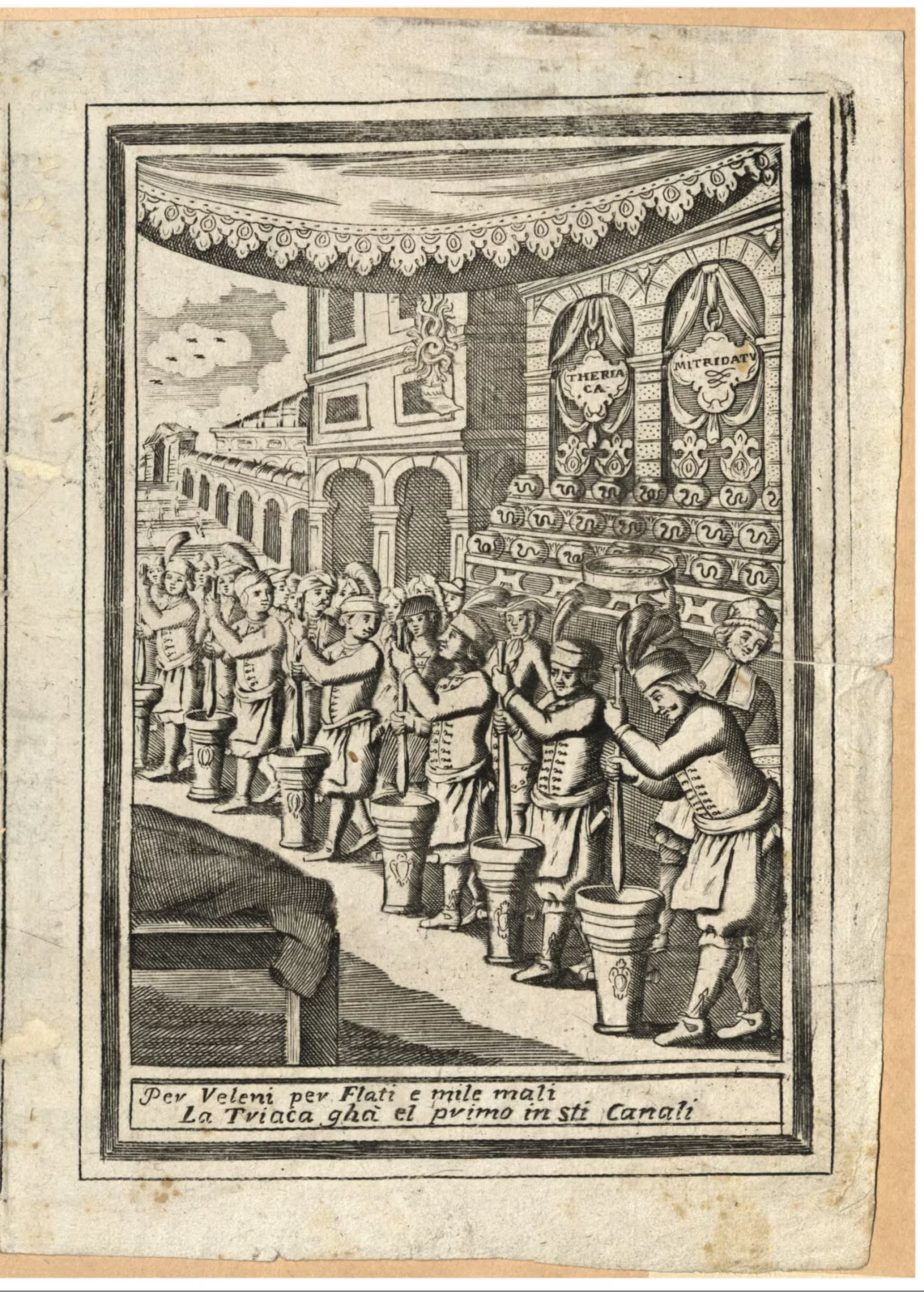
The preparation of Theriac — two prints (1600s)
Two prints, from the 1600s, depicting the production in public of the wonder-medicine theriac, at the Testa d’Oro apothecary at Rialto.