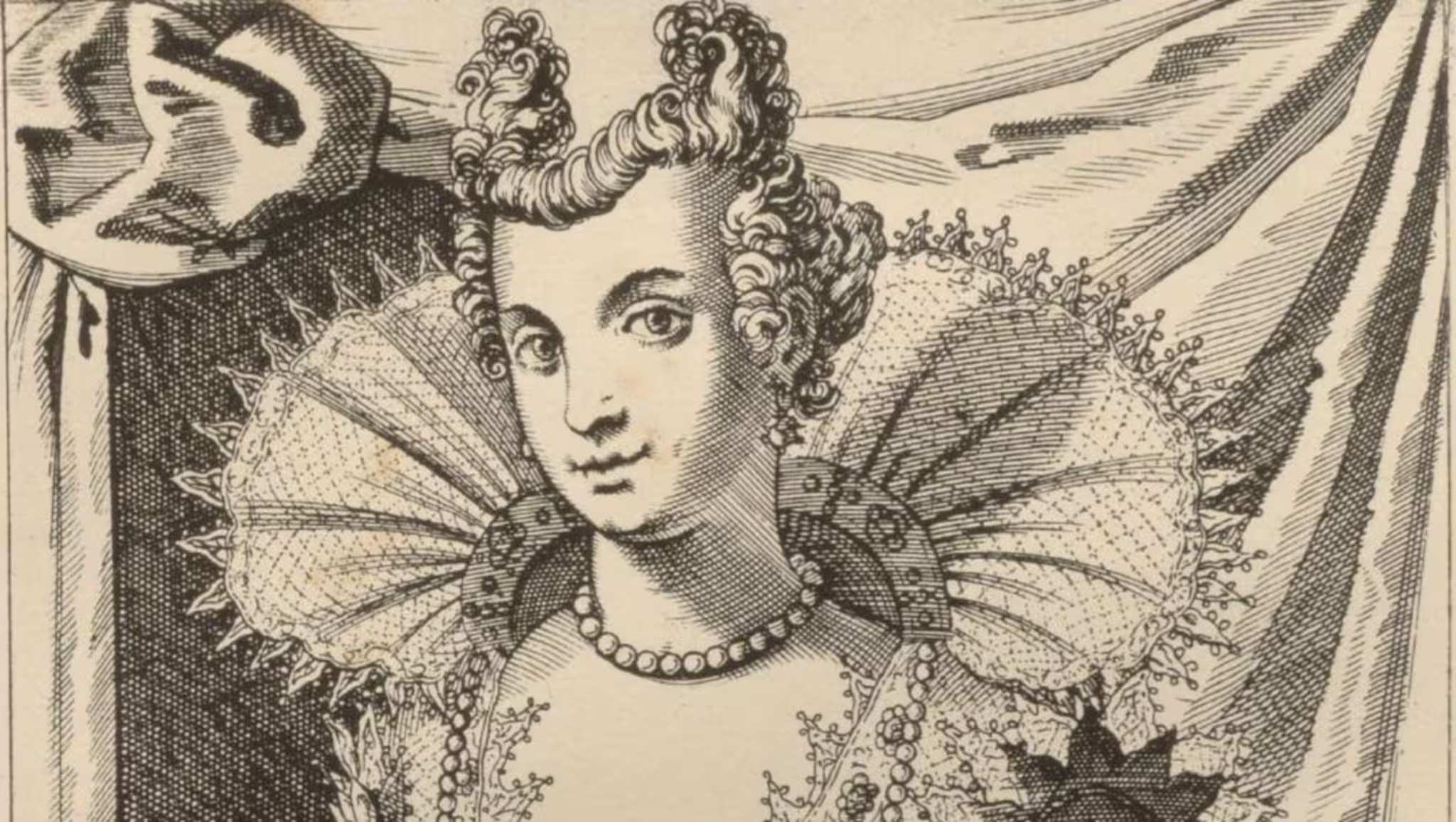
Anybody engaging in Venetian history have stumbled over images of women with their hair set as a couple of horns.
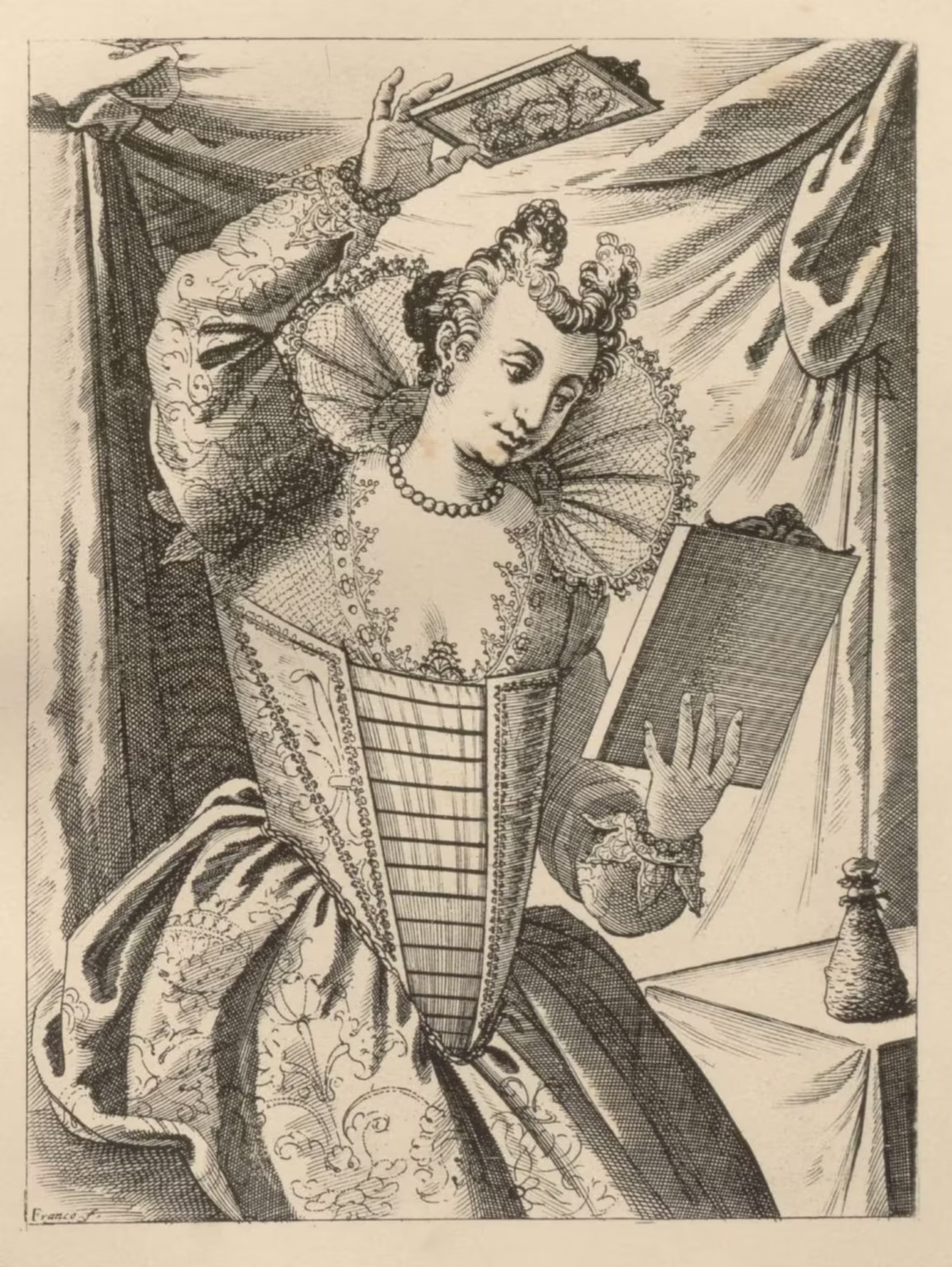
This hair dressing fashion first appeared at some time in the second half of the 1500s, and lasted into the early 1600s. Apparently, the style remained almost exclusively Venetian for the entire period.
Despite being quite eye-catching, the hairstyle doesn’t seem to have a name.
The printer and engraver Giacomo Franco wrote in 1610:
It has not been many years that the Women of this City have been accustomed to wearing their hair in high curls, having previously worn them much lower.
Franco, Giacomo. Habiti delle donne venetiane intagliate in rame nuouamente. 1610.
Cesare Vecellio, writing about the contemporary fashion for brides in his De gli habiti antichi et moderni (1590) is a bit more helpful:
… but at this time for six years, many things have been altered, and in dressing their hair, they use horns, styling the hair with great skill, wanting to imitate the Goddess of Chastity, …
Vecellio, Cesare. De gli habiti antichi, et moderni di diuerse parti del mondo libri due, fatti da Cesare Vecellio, & con discorsi da lui dichiarati …. In Venetia : presso Damian Zenaro, 1590, p. 127.
Chastity horns
The Goddess of Chastity — an association quite suitable for a bride — was Artemis, or in the Roman pantheon, Diana.
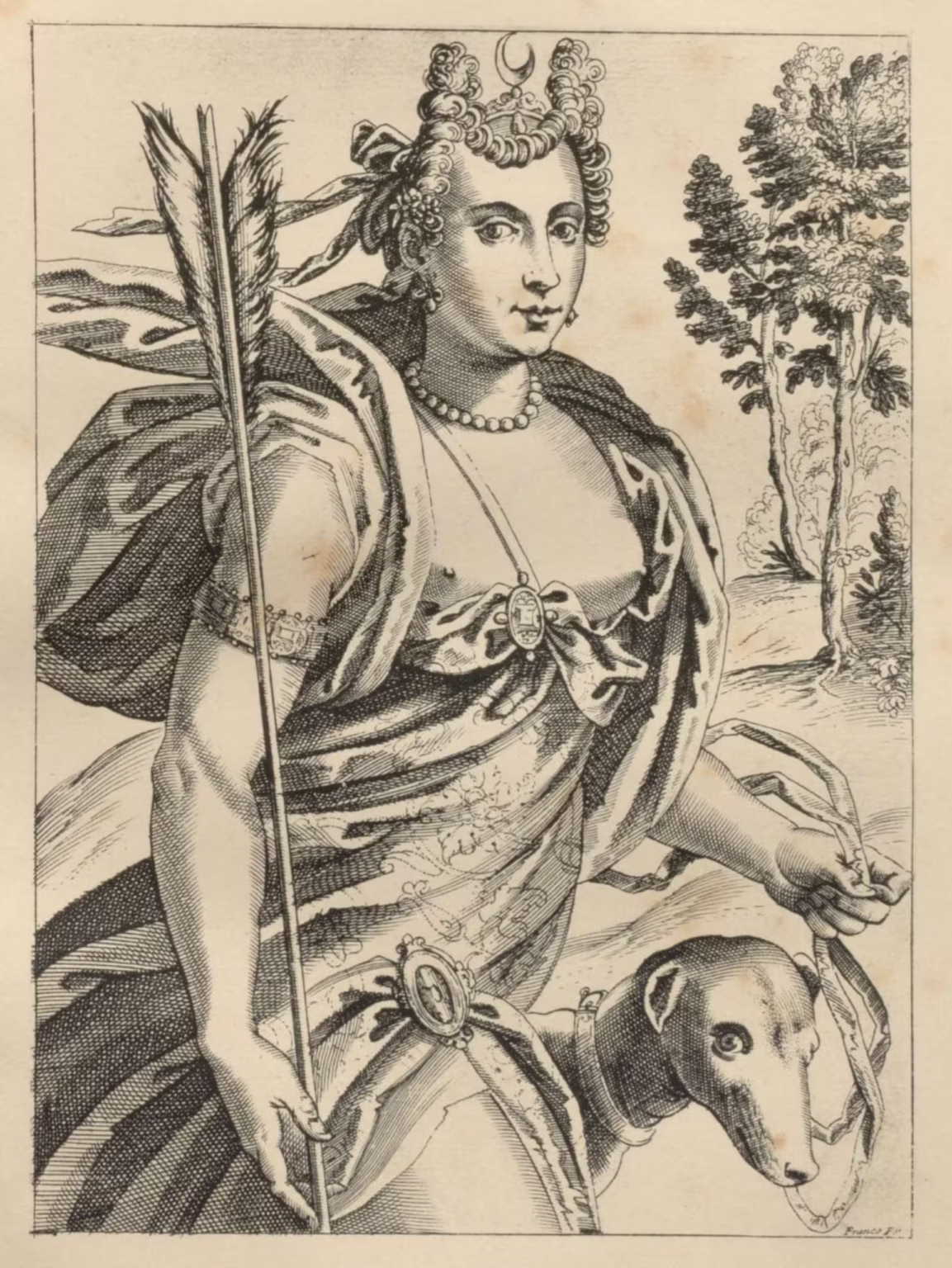
She was the goddess of wild nature, wild animals, of hunting and hunters, and, of death.
Besides all this, Artemis was also identified with Selena (Luna) — the moon goddess — and, in particular, with the phase of the crescent moon.
In antiquity, Artemis was at times depicted with a moon-shaped crown, but with the points downwards, as a kind of tiara.
During the Renaissance, it became more common to show Artemis with a head-dress of a crescent moon, with the points upwards.
As if to underline this connection, between ancient religion and Venetian fashion, Giacomo Franco has in his Habiti delle donne Venetiane an image of Diana with a Venetian hairstyle, sporting both the horns made of curls and the crescent moon.
Fashion spread
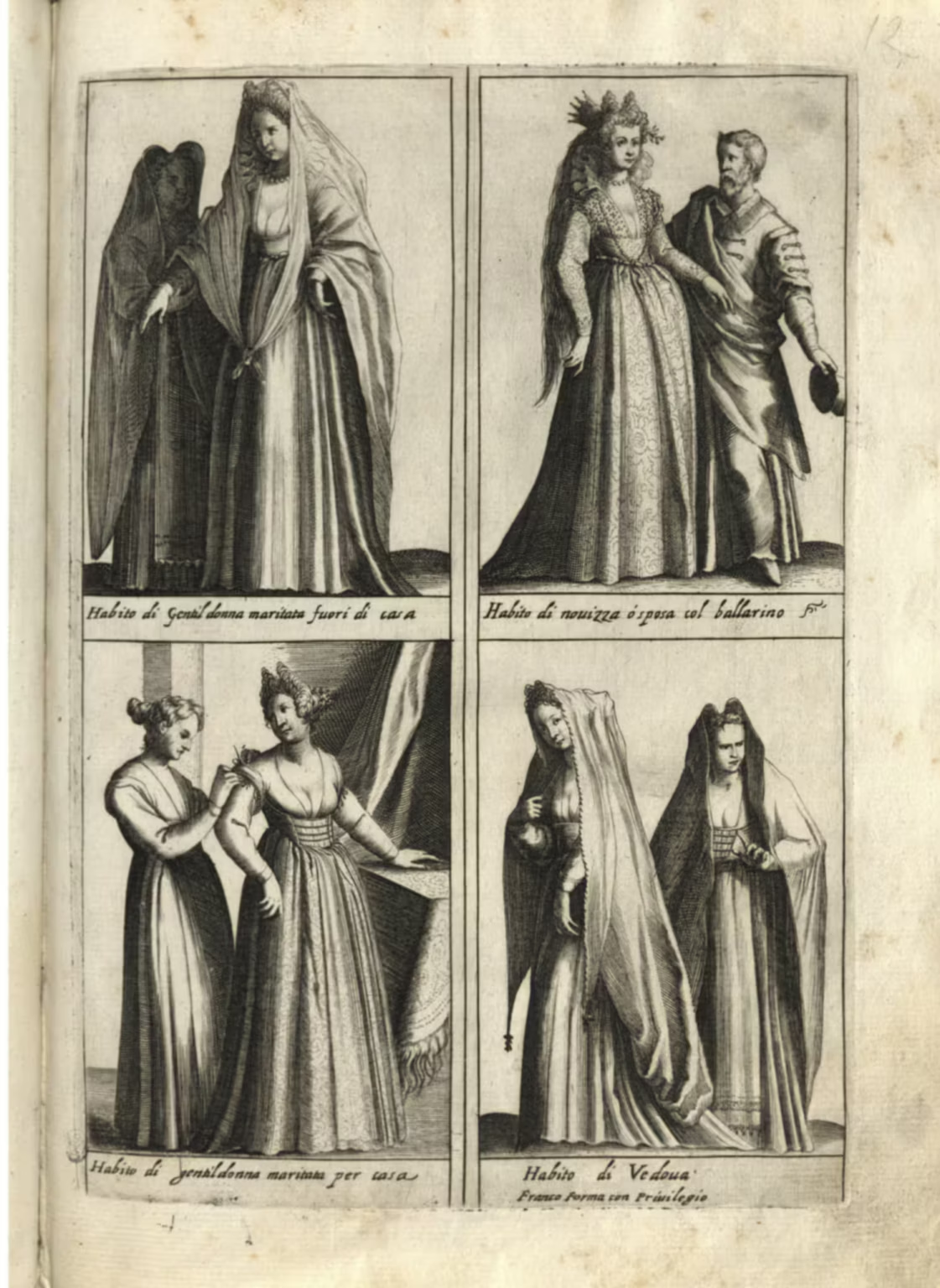
If the style was initially associated with the novices — young betrothed women of the more affluent classes — it soon spread to other groups of women.
The print on the right, from Giacomo Franco’s Habiti d’huomeni et donne venetiane (1610), shows four female styles: a married noblewoman away from home, a fiancée or bride, a noblewoman at home, and widows.
All the age-groups have their hair set Venetian style, as horns or as the crescent moon of Artemis/Diana.
From women of families of means, the fashion was picked up by women, who wanted to appear as such, and could invest the time and effort needed for such elaborate hair dressing.
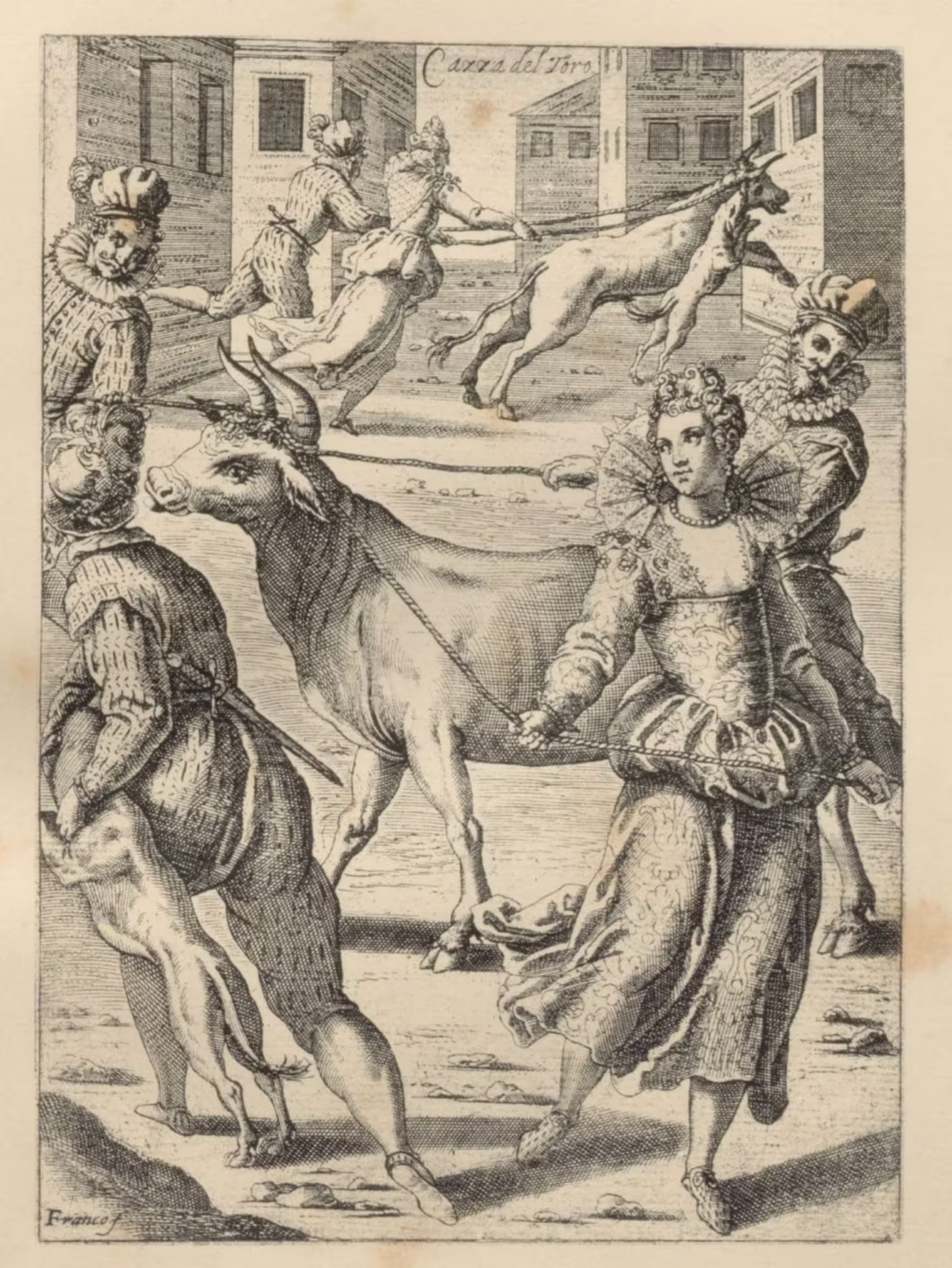
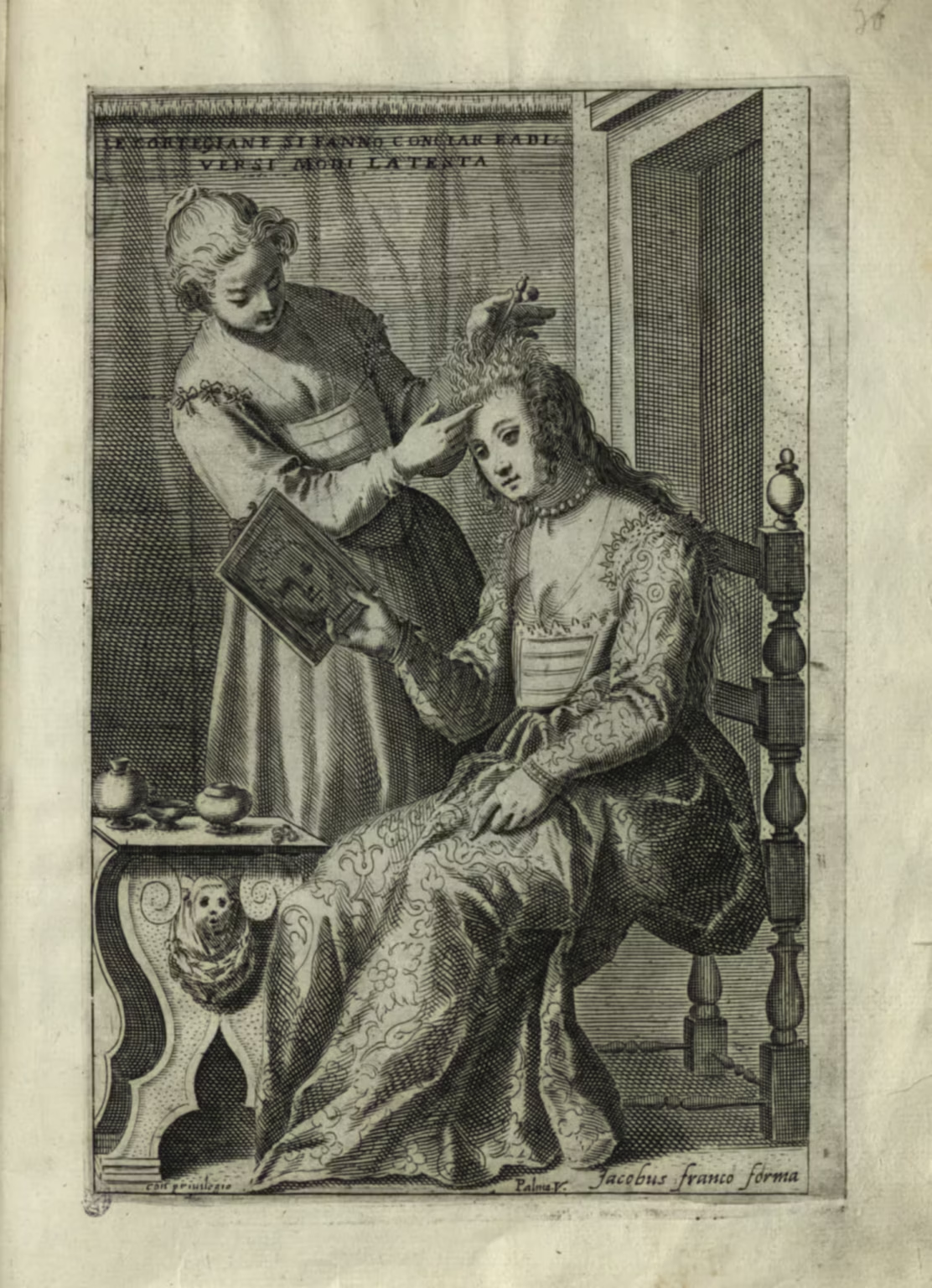
Therefore, for a period, the images of courtesans often showed this unique Venetian style.
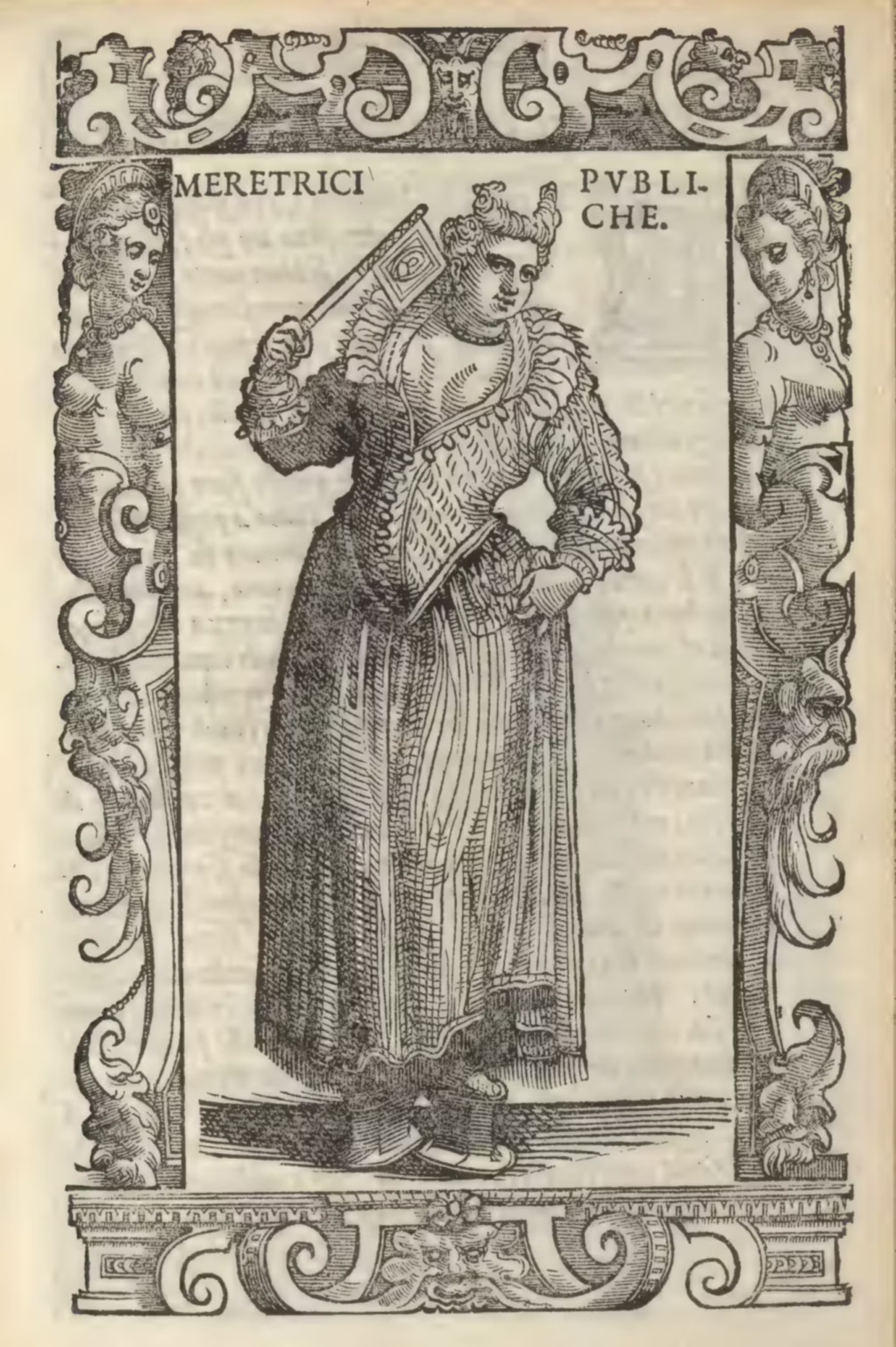
- Meretrici de’ luoghi publici — Prostitutes of public places — Habiti Antichi e Moderni — 146.a
- La cazza del toro — Running with bulls — Habiti delle Donne Venetiane — 12
- Le cortegiane si fanno conciare — The courtesans dressing their hair — Habiti d’hvomeni et donne venetiane
Beyond Venice
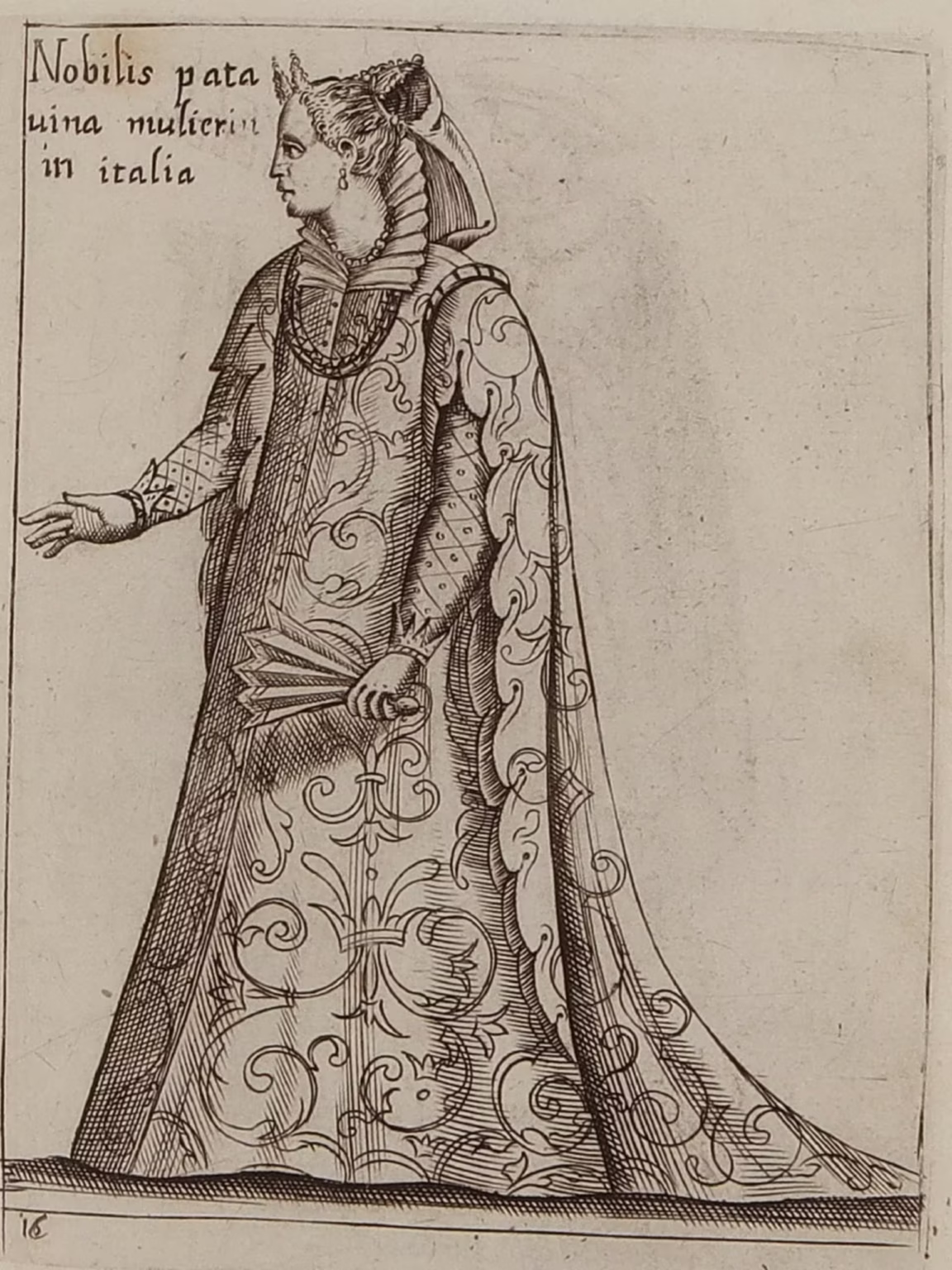
This particular fashion never really made it outside Venice. It mostly remained a local Venetian phenomenon.
Even a contemporary work, like the Diuersarum nationum habitus, by Pietro Bertelli from Padua, published in several volumes in the 1590s, only shows this hairstyle for Venetian women, with one single exception: an image of a married noblewoman from Padua.
The numerous other pictures, of women from Padua, Verona, Vicenza and the other northern Italian states, never show the horns of the crescent moon. Most of his images of Venetian women, however, do.
Out of fashion
The fashion of the crescent moon hairstyle fell was abandoned sometimes during the 1600s, and probably quite early.
The English gentleman John Evelyn visited Venice in 1645–46. In his diary, he is quite attentive to the odd ways of the Venetians’ attire and habits, and described the customs of the Venetian women, including their hair, without mentioning this particular Venetian hairstyle.
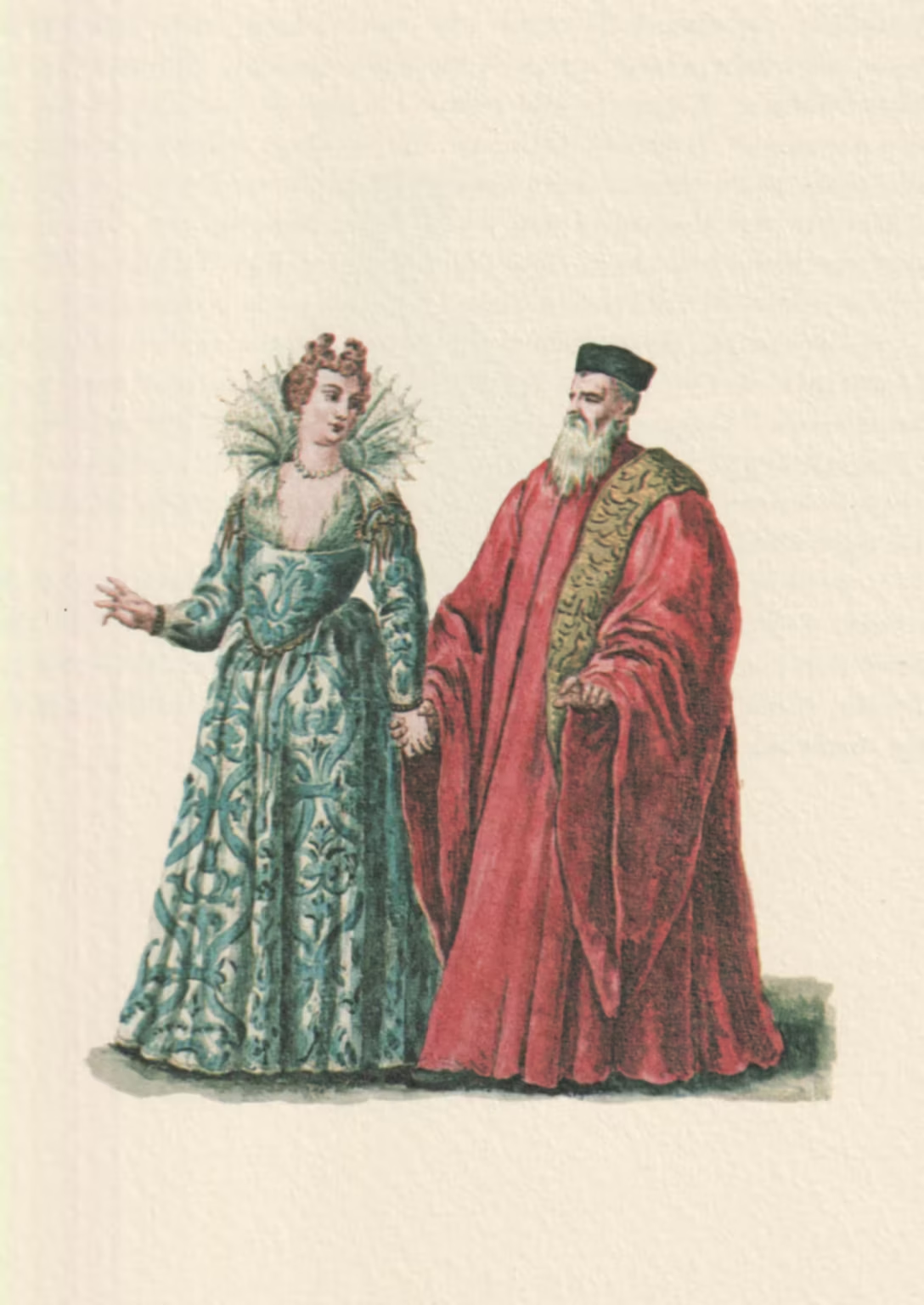
The only artist from a later period, who depicted women with this hairstyle, is Giovanni Grevembroch. However, he copied copiously from both Giacomo Franco and Cesare Vecellio, and often tried to represent figures from the distant past, using those sources.
Portrait artists like Rosalba Carriera, working in the first half of the 1700s, never depicted anybody with that style of hair dressing.
All in all, this Venetian fashion might have been quite short-lived. That doesn’t make it any less odd, though.
Bibliography
- Bertelli, Pietro. Diuersarum nationum habitus centum, et quattuor iconibus in aere incisis diligenter expressi item ordines duo processionum vnus summi pontificis alter sereniss. principis Venetiarum opera Petri Bertellii. Patauij : apud Alciatum Alcia: et Petrum Bertellium, 1594–1596. [more] 🔗
- Franco, Giacomo. Habiti delle donne venetiane intagliate in rame nuovamente da Giacomo Franco. Venezia : F. Ongania, 1878. [more] 🔗
- Franco, Giacomo. Habiti delle donne venetiane intagliate in rame nuouamente. 1610. [more] 🔗
- Grevembroch, Giovanni. Gli abiti de veneziani di quasi ogni eta con diligenza raccolti e dipinti nel secolo XVIII, orig. c. 1754. Venezia, Filippi Editore, 1981. [more]
- Vecellio, Cesare. De gli habiti antichi, et moderni di diuerse parti del mondo libri due, fatti da Cesare Vecellio, & con discorsi da lui dichiarati …. In Venetia : presso Damian Zenaro, 1590. [more] 🔗
Leave a Reply