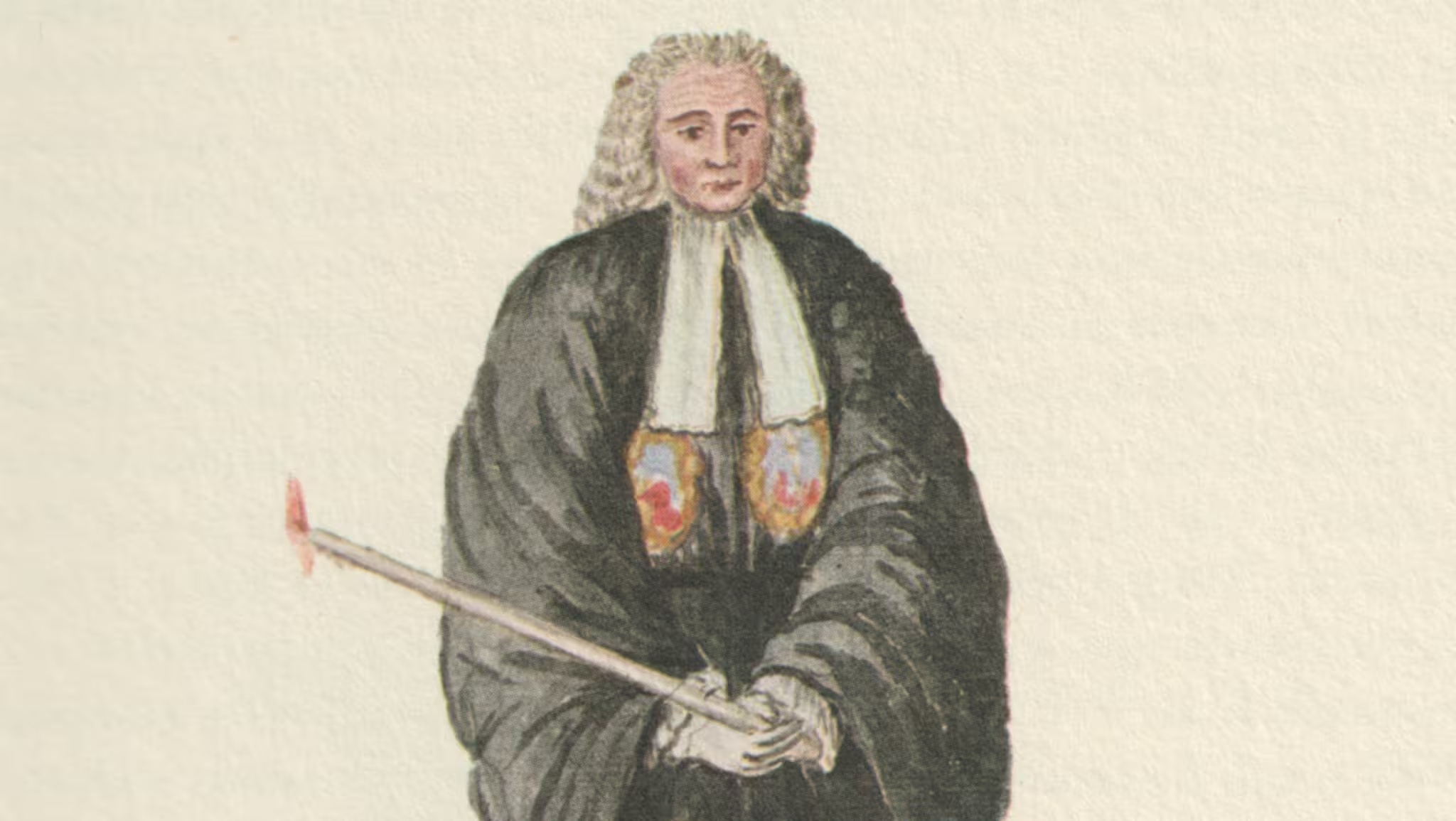
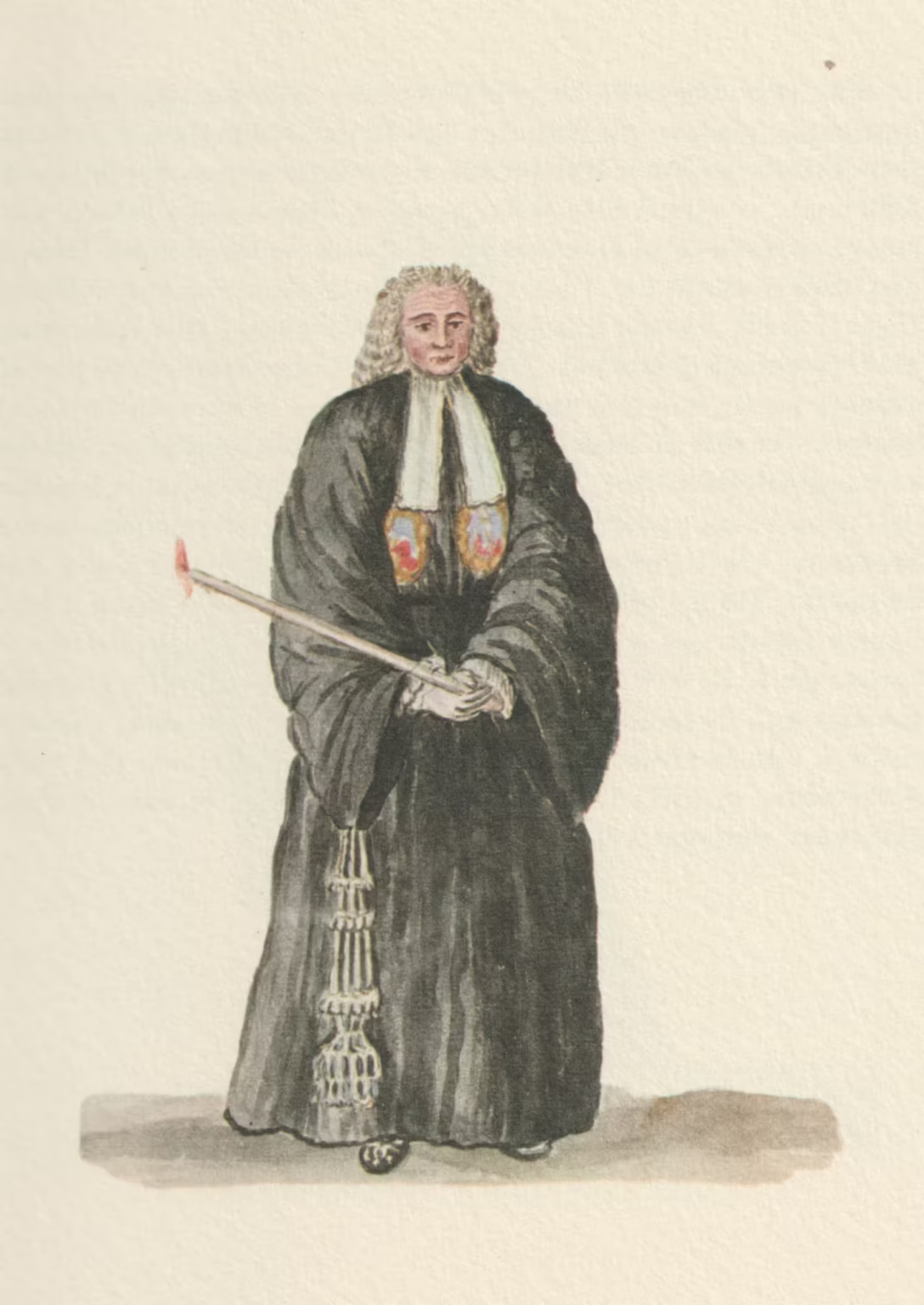
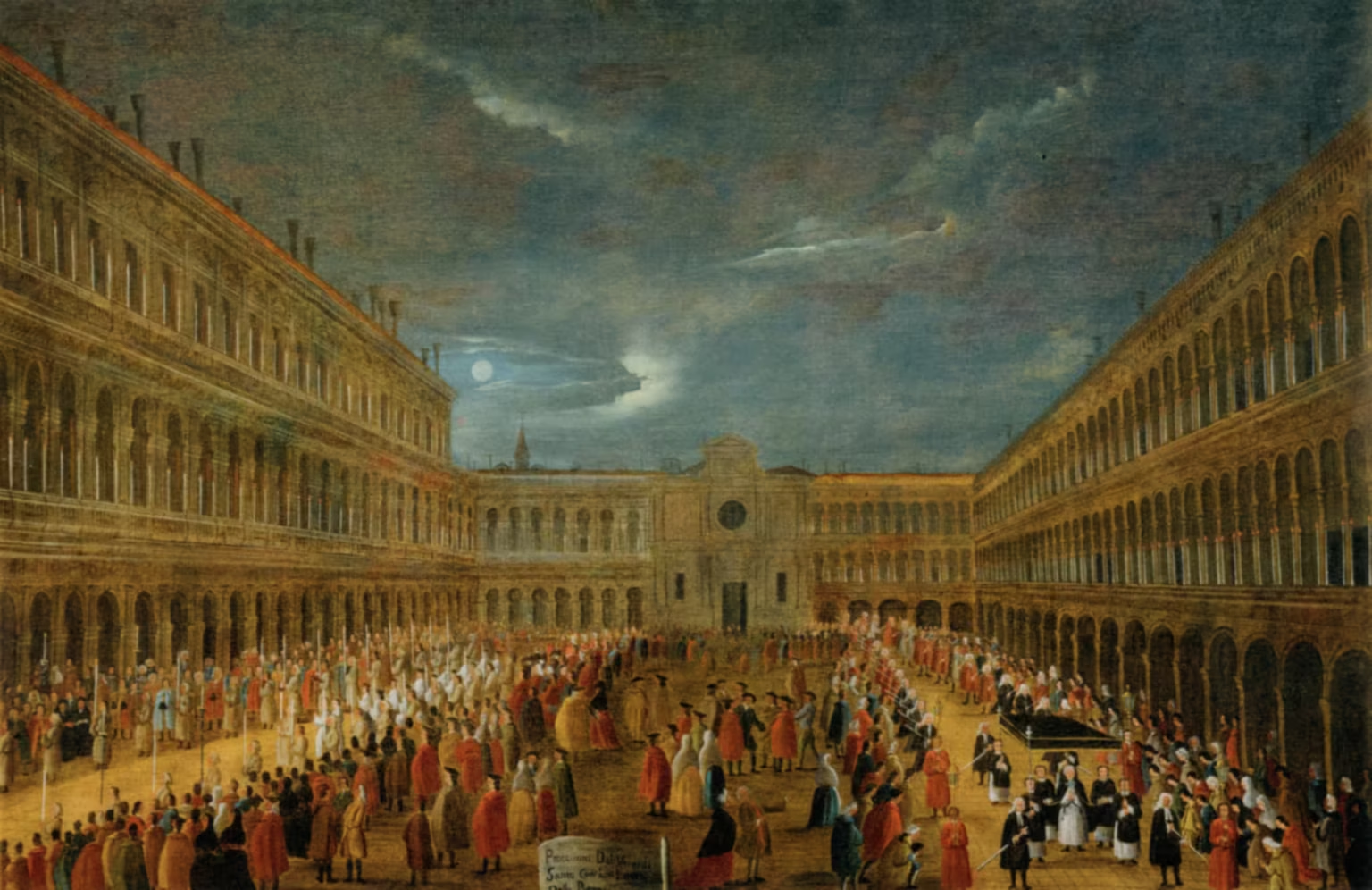
This painting depicts an officer of the Venetian Scuola della Passione — the School of the Passion — which organised an important religious procession each year for Maundy Thursday.
Despite the importance of the Scuola della Passione, it was never given the recognition as a Scuola Grande.
However, besides the Easter procession, it took part, with the Scuole Grandi, in the ceremonies at the cathedral of San Pietro di Castello, and, as other charities and guilds, in the distribution of alms and provision of dowries for young, poor women.
Source: Gli abiti de veneziani di quasi ogni età con diligenza raccolti e dipinti nel secolo XVIII, by Giovanni Grevembroch (1731–1807), which in four volumes contains over six hundred watercolours of how Venetians dressed in the 1700s.
School of the Passion
There are many different Schools in Venice, where truly the love of God and of the Neighbour flourishes; but that of the Most Holy Passion enjoys distinct prerogatives. Although not included among the six Great ones,1 it stands out no less than these under its own Signs, and gathers a number of Brothers under the direction of a respectable Guardian.2 They themselves are seen in procession on the night of Holy Thursday, as they visit the most significant Relics in St. Mark; and also on the Sundays of Lent they attend St. Peter of Castello. Their Meeting place was first at St. Julian, then at the Frari.
The portrait shown here is of one of the officials, who is responsible for the distribution of alms and the provision for the maidens.3
To His Most Illustrious and Reverend Monsignor Antonio Nani, formerly Bishop of Priene, and now Archbishop of Corfu, who, kindly receiving this matter, will also be acknowledged with universal intelligence.
Translator’s notes
- The scuole grandi were the most important charities in Venice. ↩︎
- The Guardiano grando was the head, elected annually, of one of the Scuole Grandi. ↩︎
- An important function of Venetian charities was providing dowries for young woman of poor families, so they could be properly married, and not have to resort to prostitution for survival. ↩︎
Original text
Scuola della Passione
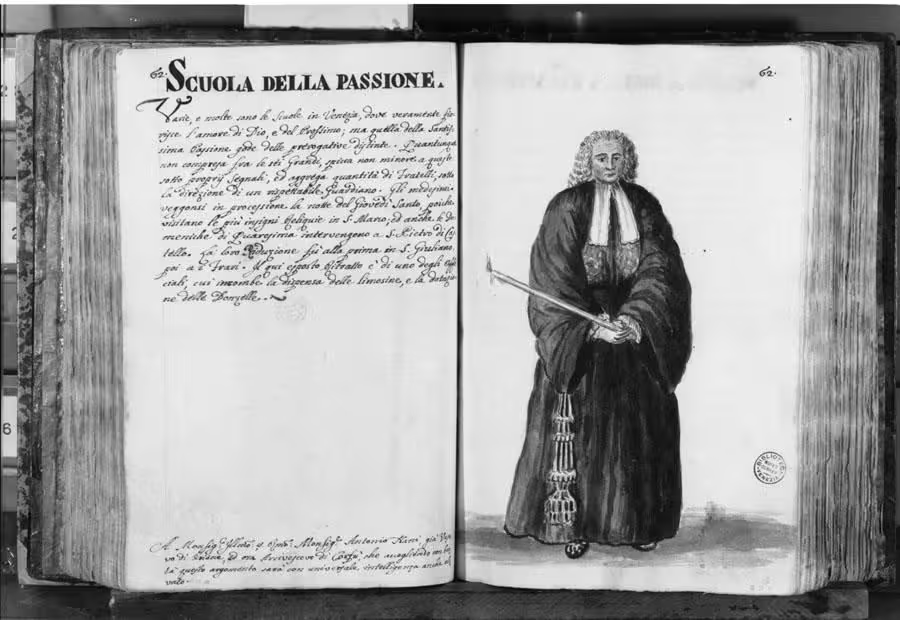
Varie, e molte sono le Scuole in Venezia; dove veramente fiorisce l’amore di Dio, e del Prossimo; ma quella della Santissima Passione gode delle prerogative distinte. Quantunque non compresa fra le sei Grandi, spicca non minore a queste sotto proprij Segnali, ed aggrega quantità di Fratelli, sotto la direzione di un rispettabile Guardiano. Gli medesimi veggonsi in processione la notte del Giovedì Santo, poichè visitano le più insigni Reliquie in S. Marco; ed anche le Domeniche di Quaresima intervengono a S. Pietro di Castello. La loro Riduzione fù alla prima in S. Giuliano, poi a i Frari.
Il qui esposto Ritratto è di uno degli Officiali, cui incombe la dispensa delle limosine, e la dotazione delle Donzelle.
A MonSig.e Ill.mo, e R.mo MonSig.e Antonio Nani, già Vescovo di Priene, ed ora Arcivescovo di Corfù, che accogliendo con bontà questo argomento sarà con universale intelligenza anche rilevato.
Grevembroch (1981), vol. 2, p. 62.
Related articles
Related sources
- Scuola della Passione — School of the Passion — Venetia Descritta (1581)
Related images
- La processione del Venerdì Santo — The procession of Holy Friday — Gabriel Bella
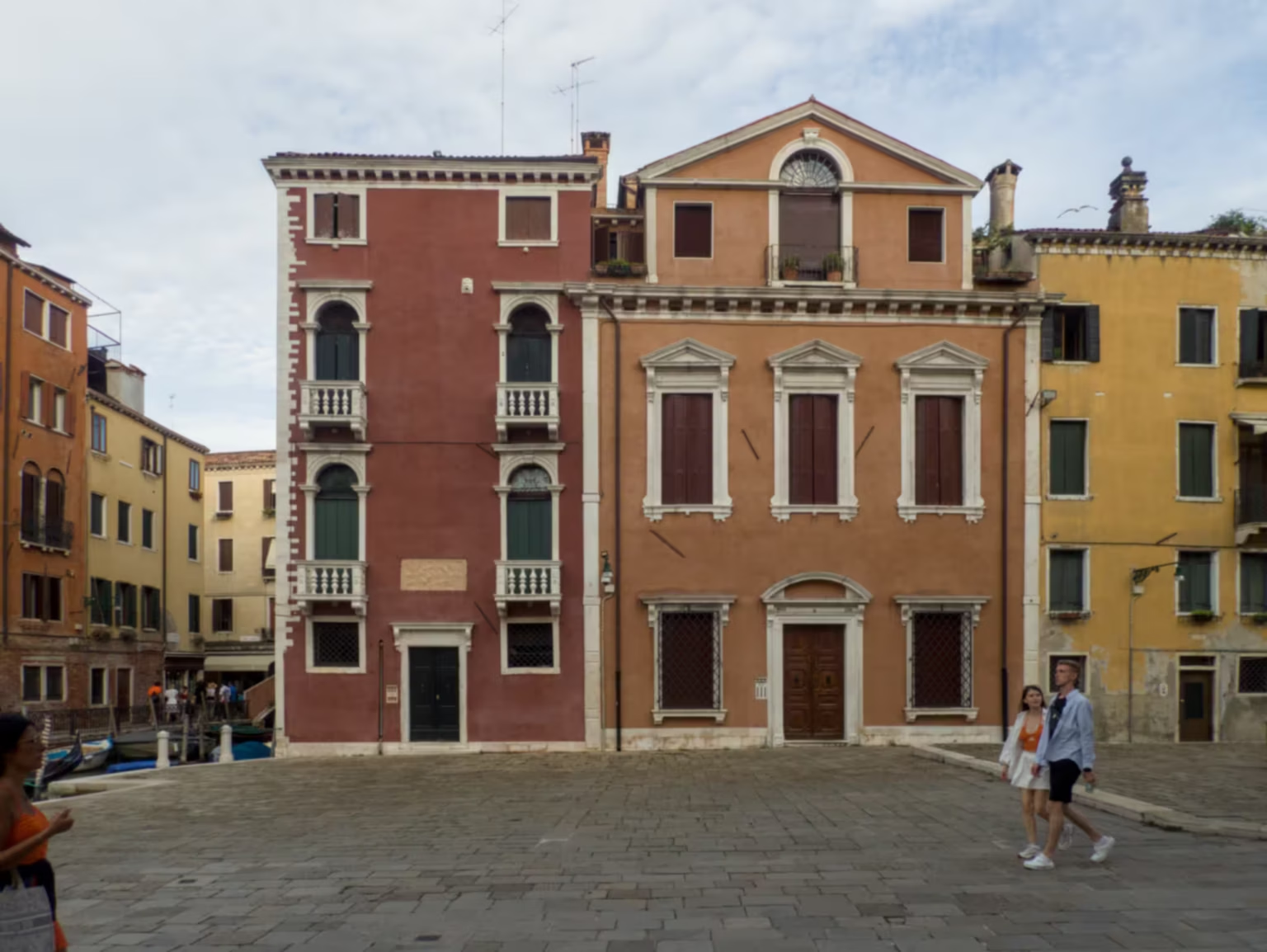
- The building of the Scuola della Passione in Campo dei Frari.
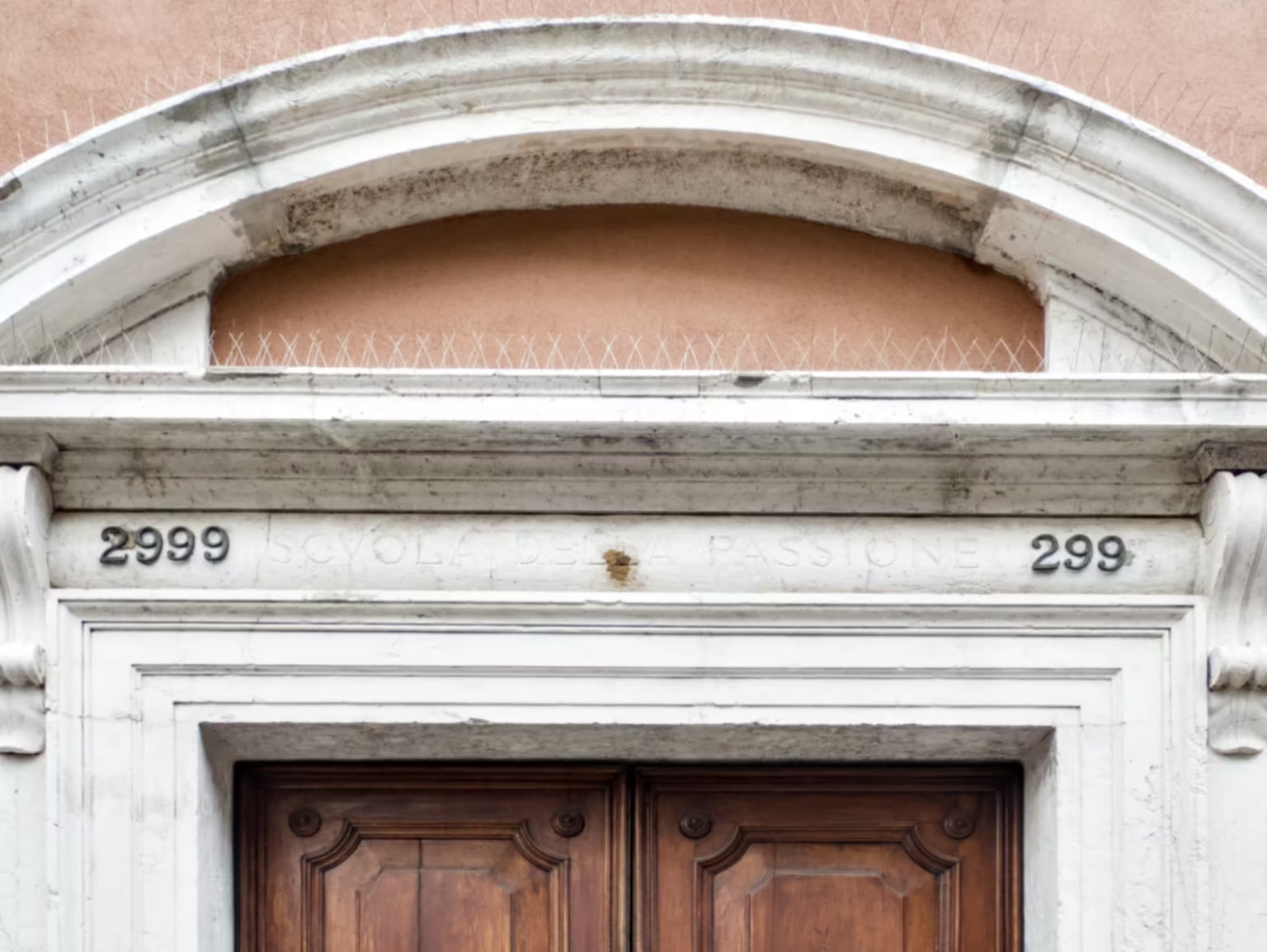
- Detail of the entrance, with the name on the lintel stone.
Bibliography
- Grevembroch, Giovanni. Gli abiti de veneziani di quasi ogni eta con diligenza raccolti e dipinti nel secolo XVIII, orig. c. 1754. Venezia, Filippi Editore, 1981. [more]
Leave a Reply