
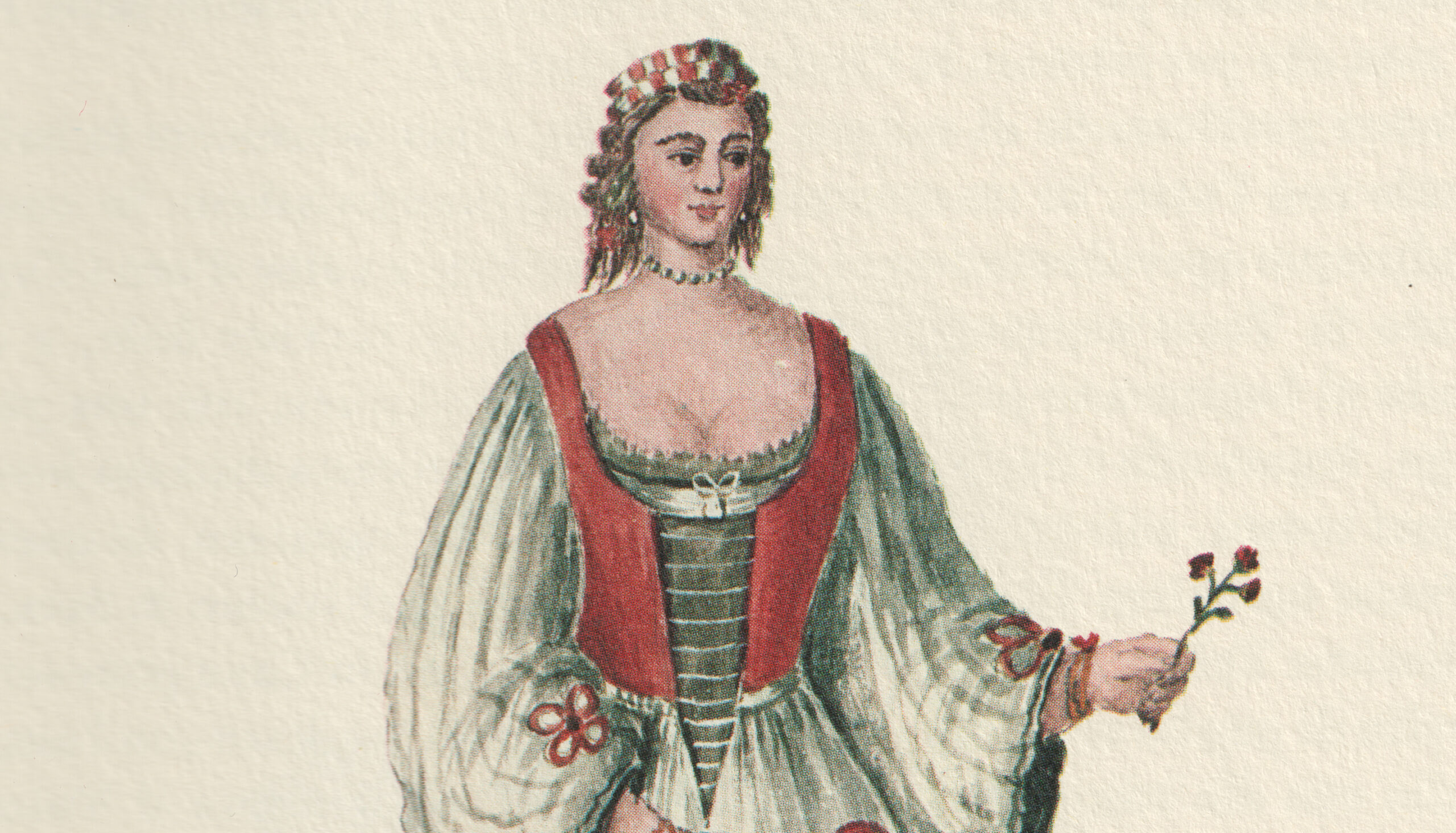
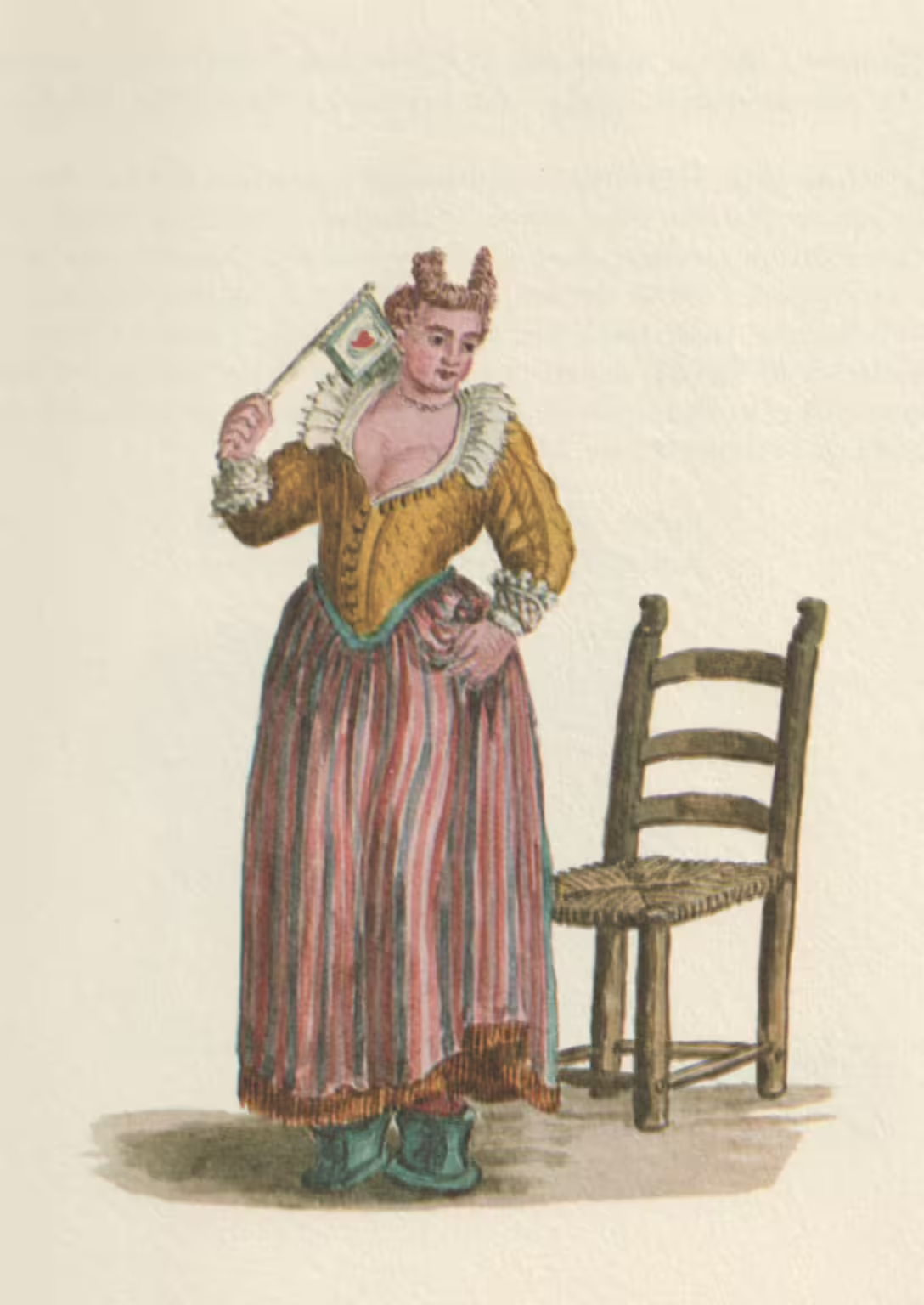
This painting depicts a young woman, probably from the early 1700s, selling flowers on the streets.
She wears an unusual assortment of dresses, which might be handed-down or second-hand clothes, and the tall clogs often used by Venetian women, the calcagnette.
Source: Gli abiti de veneziani di quasi ogni età con diligenza raccolti e dipinti nel secolo XVIII, by Giovanni Grevembroch (1731–1807), which in four volumes contains over six hundred watercolours of how Venetians dressed in the 1700s.
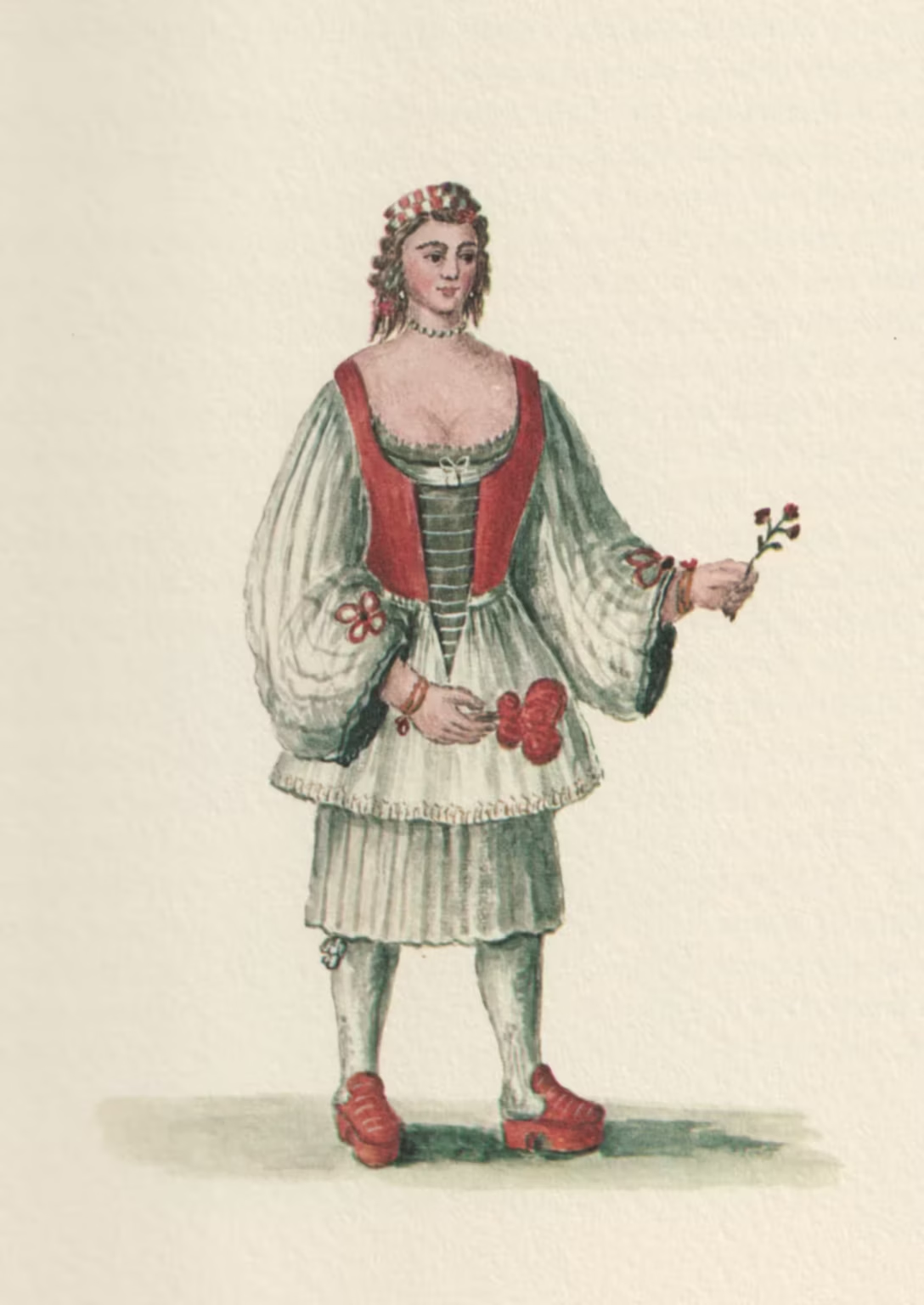
Another young woman
While we were diligently pursuing the difficult task of this Collection, a Portrait discarded by a Rag-picker, existing in the Campo di S. Stefano, was shown to the person who gave Us the honourable task of this Work.1
As unknown as the Physiognomy and rank of the lovely Girl painted in a Summer Skirt are, the niche in which we place her does not seem out of place, if one reflects on the short, curly, white Rochet, divided, and the unkempt hairstyle, over which she wears some kind of Crown.
She wears Clogs made of Damask leather, which in ancient times were of excessively height, and which, by Law of the Senate, of May 8, 1512,2 were forbidden those decorated with gold, silver, and silk; and only those made of leather or cloth without any ornamentation whatsoever were prescribed, under penalty of one hundred ducats.
We will not deprive the virtuous Mrs. Francesca Oliva, Seamstress in the Campo di S. Stefano, who beautifully arranges the Bust of any young Woman, however dishevelled, of this curious Portrait, since it was discovered not far from her House.
Translator’s notes
Paragraph breaks added for readability.
- Pietro Gradenigo (1695-1776) was a Venetian nobleman and erudite, of the Santa Giustina branch of the Gradenigo family. He was, among much else, the patron of Giovanni Grevembroch. ↩︎
- A few years later, the Senate delegated such regulations to a special magistracy. The Provveditori alle Pompe was a magistracy of the Republic of Venice, responsible for regulating pomp and luxury, instituted in 1514. ↩︎
Original text
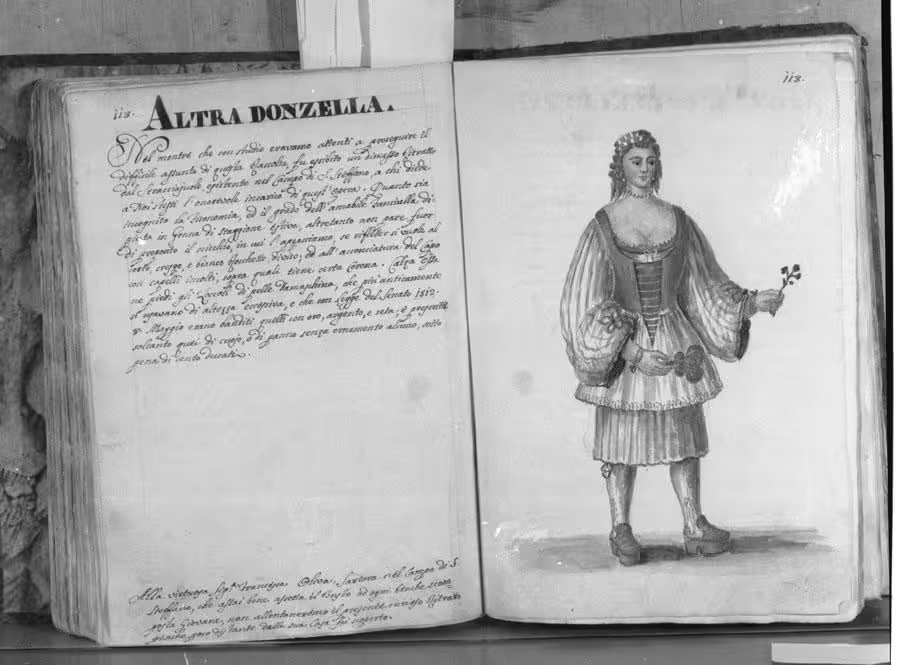
Altra Donzella
Nel mentre che con studio eravamo attenti a proseguire il difficile assunto di questa Raccolta, fu esibito un dimesso Ritratto dal Stracciajuolo, esistente nel Campo di S. Steffano, a chi diede a Noi stessi l’onorevole incarico di quest’Opera.
Quanto sia incognita la Fisonomia, ed il grado dell’amabile Fanciulla dipinta in Gonna di Staggione estiva, altretanto non pare fuor di proposito il nicchio, in cui l’apponiamo, se rifletter si vuole al corto, crespo, e bianco Rocchetto, diviso; ed all’acconciatura del Capo con capelli incolti, sopra quali tiene certa Corona.
Calza Essa ne piedi gli Zoccoli di pelle Damaschina, che più anticamente si usavano di altezza eccessiva, e che con Legge del Senato 1512. 8 Maggio erano blanditi quelli con oro, argento, e seta; e prescritti soltanto quei di cuojo, o di panno senza ornamento alcuno, sotto pena di cento ducati.
Alla virtuosa Sig.a Francesca Oliva, Sartora nel Campo di S. Steffano, che assai bene assetta il Busto ad ogni benche scomposta Giovane, non allontaneremo il presente curioso Ritratto giache poco distante dalla sua Casa fu scoperto.
Grevembroch (1981), vol. 3, p. 113.
Related articles
Related sources
Related images
- Arte Quadrupla — Quadruple Craft — Grevembroch 4-64
- Prostitute al Bordello — Prostitutes in the Brothel — Grevembroch 3–160
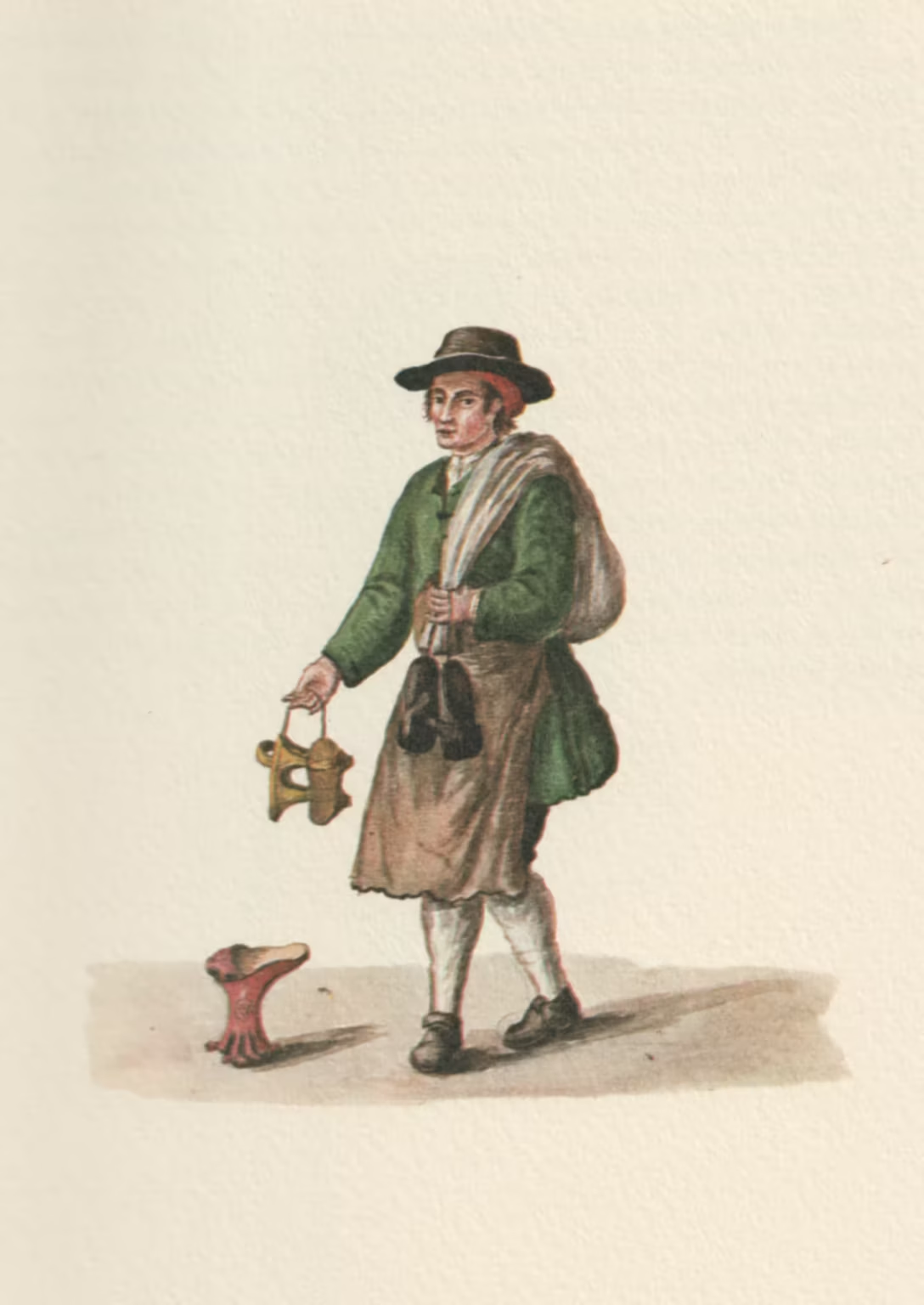
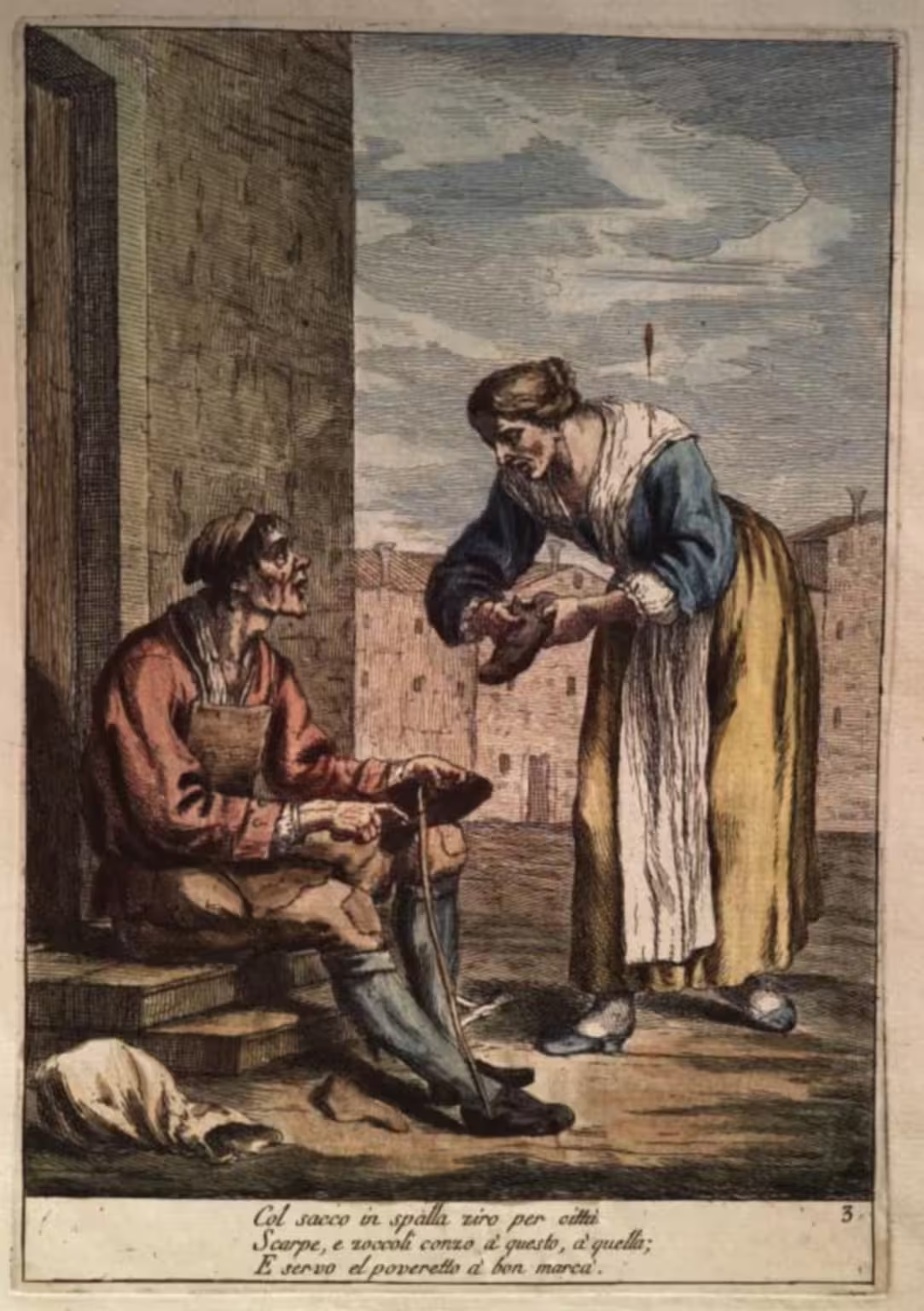
- Conza Zocoli — clog mender — Zompini — Arti #3
Related articles
Bibliography
- Grevembroch, Giovanni. Gli abiti de veneziani di quasi ogni eta con diligenza raccolti e dipinti nel secolo XVIII, orig. c. 1754. Venezia, Filippi Editore, 1981. [more]
Leave a Reply